

I design outdoor dirty kitchens that stay clean by defining three zones—prep, washing, and storage—and choosing durable, weatherproof materials. I pair weatherproof sinks with smart drainage and set up a dedicated waste/recycling station that’s easy to access but out of the main flow. I keep routines simple: daily wipe-downs, quick wipe-and-sanitize steps, and a seasonal maintenance checklist. If you keep going, you’ll pick up practical layouts and ideas to implement right away.
How to Design an Outdoor Dirty Kitchen That Stays Clean
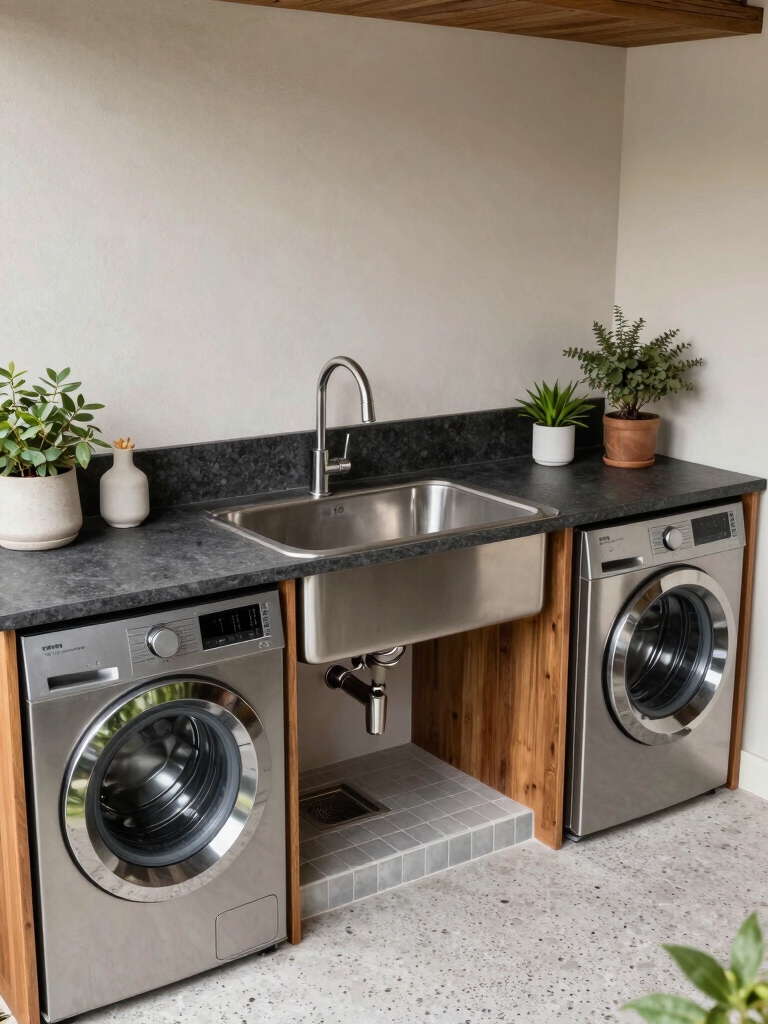
Designing an outdoor dirty kitchen that stays clean starts with smart layout choices. I map work zones, utensils, and waste points for flow, not clutter. I place sinks near prep surfaces and trash bins where scraps land—yet out of the main cooking path. I keep cleaners accessible, trays handy, and clear lines of sight to monitor dirt without interruption. Practical, efficient, repeatable. Additionally, incorporating compact kitchen solutions can maximize functionality in limited spaces, ensuring everything has a designated spot.
Define Zones: Prep, Washing, and Storage Outdoors

To make outdoor dirty kitchens efficient, I define three clear zones—prep, washing, and storage—and map them so each task flows naturally.
I keep the prep area near tools and cutting surfaces, the washing zone by water access with drainage, and storage close to exits for quick cleanup.
This layout minimizes moves, boosts cleanliness, and stays practical for daily use. Additionally, incorporating outdoor kitchen design layout formulas can enhance the overall functionality of your space.
Choosing Durable Materials for Grime and Weather

Choosing durable materials for grime and weather starts with a practical selection mindset: pick surfaces and fasteners that resist moisture, dirt, and daily wear.
I’ll share focus areas: boards and countertops with rot resistance, metals treated for corrosion, sealants that endure temperature swings, and fasteners sized for outdoor use.
Prioritize maintenance-friendly options and color-stable finishes for long-lasting cleanliness and function.
Weatherproof Sinks and Efficient Drainage Solutions

Weatherproof sinks and efficient drainage aren’t just about keeping water out; they’re about making cleaning and maintenance easy.
I’ll share practical choices that resist weather, drain well, and stay simple to service.
- Choose stainless or polymer sinks with proper sealants and elevated basins.
- Install slope-friendly drainage with P-trap access and debris screens.
- Use outdoor-rated hoses, gravity drains, and cleanable filters for quick upkeep.
Outdoor Waste and Recycling Setups That Work

I’ll walk you through a simple outdoor waste and recycling setup that keeps clutter down and sorting clear.
We’ll cover a functional Waste Sorting Station, practical Outdoor Trash Solutions, and easy Recycling Accessibility Tips so everything stays reachable and organized.
If you share your space constraints, I’ll tailor a layout that fits your yard, shed, or garage.
Waste Sorting Station
To keep outdoor waste tidy and easy to use, I design a dedicated Waste Sorting Station that clearly separates trash, recyclables, and compostables, with labeled containers and a simple workflow.
- Place bins in a labeled trio for quick sorting.
- Use color cues and icons to reduce missteps.
- Maintain a weekly cadence to empty and sanitize.
Outdoor Trash Solutions
Are you looking for outdoor trash setups that actually work in real life? I’ll share practical, no-nonsense tips I use myself.
Choose a compact, weatherproof can with a secure lid, mounted on a stable post or cabinet. Label bins clearly, store away from doors, and schedule weekly hauls.
Keep bags inside a durable liner, plus a small, easy-clean mat for spills.
Recycling Accessibility Tips
Recycling accessibility isn’t an afterthought—it’s a must. I’ll share practical tweaks that keep recyclables front and center, no extra trips. My goal is a clean, efficient flow that saves time and reduces mess. Let’s simplify with simple, reachable changes you can implement today.
- Position bins at meal prep and exit doors
- Use labeled, color-coded lids for quick sorting
- Store near laundry area for easy disposal
Incorporating kitchen ideas for small spaces can further enhance the functionality of your outdoor layout.
Compact Layouts for Small Patios That Actually Fit
I’m sharing practical ways to fit a compact kitchen and laundry setup on a small patio without sacrificing function.
We’ll focus on efficient space planning, using multi-functional surfaces, and vertical storage to keep everything accessible and tidy.
Let’s explore simple layouts that maximize every square foot while staying organized and easy to maintain. Additionally, incorporating compact kitchen layouts can help transform your outdoor space into a highly functional area.
Efficient Space Planning
Small patios demand smart planning, so I focus on compact layouts that maximize every square foot without sacrificing usability.
I share practical tweaks that keep chores efficient and spaces comfortable, without clutter. Here are quick, actionable ideas you can implement now:
- Prioritize essential zones and use foldable surfaces.
- Align appliances for streamlined workflows and easy cleaning.
- Choose vertical storage and compact, multi-use furniture.
Incorporating kitchen island dining table combos can further enhance your outdoor layout by providing multifunctional space solutions.
Multi-Functional Surfaces
When space is tight, you’ll benefit from surfaces that pull double duty, so I’ll show you how to design multi-functional countertops and workstations that fit a compact patio without sacrificing usability.
I prioritize modular components, fold-down edges, and built-in storage. Choose durable finishes, plan clear zones, and keep tools accessible.
With intentional layout, you gain efficiency, cleanliness, and a surprisingly generous workflow. Additionally, small kitchenette ideas can inspire your design choices to maximize functionality in limited areas.
Vertical Storage Solutions
Vertical storage is a game changer when patio space is precious, and I’ll show you how to use walls, corners, and vertical rails without crowding your outdoor workflow.
Compact layouts thrive with smart shelves, magnetic tool bars, and hanging baskets.
- Install wall-mounted cabinets at chest height for daily tools
- Use ceiling hooks for lightweight items
- Employ slim rolling carts for flexible storage
Incorporating mini outdoor kitchen setups can enhance functionality while maintaining an organized space.
Full-Size Outdoor Kitchens for Larger Spaces
Full-size outdoor kitchens for larger spaces maximize your cooking and entertaining options without feeling crowded.
I design practical layouts that keep prep, grill, and service areas clearly separated yet connected.
Think large granite counters, multiple heat sources, and ample seating zones.
I prioritize weatherproof appliances, easy cleaning, and smooth traffic flow so guests mingle while you work efficiently and calmly. Additionally, incorporating stylish outdoor kitchen ideas can enhance the overall aesthetic and functionality of your space.
Smart Storage Hacks to Tame Clutter
Smart storage is my first line of defense against clutter, and I’ll show you practical hacks that actually fit into real kitchens.
I’ll keep it tight, usable, and clear.
- Install vertical organizers to maximize wall space without crowding counters.
- Use clear stackable bins for pantry items and labeled lids for quick grabs.
- Create a dedicated, door-hung space for cleaning supplies to free countertop real estate.
Mudroom-Style Entry to Keep Indoor Mess Out
A mudroom-style entry keeps dirt and wet gear at the threshold, so I’ll walk you through choosing mudroom essentials that fit your space.
We’ll compare durable entry flooring, plus smart wet-weather storage solutions, so you can modularly build a clean, ready-to-use zone.
Let’s map practical steps you can take today to keep indoor mess out while easing daily routines.
Mudroom Essentials
A mudroom isn’t just a changeover space—it’s the first line of defense against indoor mess, so I’ll walk you through the essentials to make it practical and welcoming.
- Built-in hooks and cubbies for quick drop zones
- A durable, easy-clean mat and drainage-ready floor
- Clear storage bins for shoes, coats, and backpacks
Durable Entry Flooring
Durable entry flooring is the foundation of a mudroom-style passage that keeps dirt at the door.
I choose rugged materials, like textured tiles or stamped concrete, that tolerate moisture and heavy traffic.
I outline a practical routine: mats at each exit, a discreet boot tray, and a dedicated spot for jackets.
Clean lines, organized storage, and simple maintenance keep mess contained.
Wet-Weather Storage
Wet-weather storage in a mudroom-style entry keeps outdoor mess contained and easy to grab-and-go.
I design this space to shuttle gear before it hits the house, so chores stay minimal and predictable.
- Use a water‑proof mat and a sloped trough for mud.
- Install hooks, bins, and a shelving unit near the door.
- Label zones for coats, boots, and towels.
Ventilation and Odor Control in Open-Air Kitchens
Ventilation and odor control in open-air kitchens matter more than you might think, because good airflow keeps smoke, steam, and cooking scents from lingering where guests and staff congregate.
I prioritize practical layout choices, like positioned exhausts, fans, and smoke-diffusing screens. I keep zones separated, minimize clutter, and test airflow regularly to maintain a fresh, comfortable cooking environment.
Lighting and Power for Late-Night Cleanup
As late-night cleanup stretches into the dim hours, I keep lighting simple, reliable, and glare-free, so you can see every corner without straining.
I also plan power for tools and chargers without clutter. Here are essentials:
- Weatherproof, low-glare fixtures
- Timed or motion-activated switches
- Portable task lights with USB charging
Water-Efficient Cleaning Stations and Greywater Basics
Water-efficient cleaning stations save time and water, and they’re easy to set up in a busy kitchen or laundry area.
I’ll show a simple rinse-and-dry workflow, reuse greywater for non-potable tasks when allowed, and keep hoses, taps, and basins organized.
I’ll prioritize low-flow fixtures, proper drainage, and clear labeling to prevent cross-contamination and keep cleanup efficient.
Durable Countertops, Backsplashes, and Floors
Durable countertops, backsplashes, and floors are the backbone of a kitchen and laundry area you can rely on day after day.
I’ll keep it practical and clear, so you can choose with confidence.
1) Choose materials with proven wear resistance and easy maintenance.
2) Prioritize seamless joins and acrylic or epoxy grout for grime resistance.
3) Pick non-slip, scratch-friendly flooring, plus a simple sealant schedule.
Weather Protection: Roofs, Curtains, and Enclosures
I’m looking at how roofed protection and curtain enclosures can shelter the dirty kitchen and laundry area from weather and dust.
I’ll share practical options for roofs, curtains, and enclosed spaces that are easy to clean and use daily.
Let’s discuss quick-install solutions and how to choose materials that hold up in busy, moisture-prone environments.
Roofed Weather Protection
Roofed weather protection bundles practical shelter with daily convenience, so you can work outside or load and unload supplies without worrying about rain or sun.
I’ll share simple, reliable options that stay sturdy year-round.
1) Build a durable lean-to or gazebo with slope for drainage.
2) Install retractable awnings for flexible shading and rain protection.
3) Use weatherproof enclosures to guard tools and detergents.
Curtain Enclosures Solutions
Curtain enclosures offer a flexible layer of weather protection that fits cleanly with the roofed options I just covered.
I’ll show you practical setups, focusing on durability, ease of use, and cost. Choose breathable, mildew-resistant fabrics and sturdy tracks.
Measure gaps accurately, secure anchors, and maintain access zones. Curtains adapt to changing seasons, keeping dirt, wind, and moisture at bay.
Appliance Placement for Smooth Workflow
Efficient appliance placement starts with a clear workflow: position the fridge, sink, and stove in a practical, worktriangle that minimizes steps.
I guide you to map zones, consider door swing, and keep cords tucked. With clear sightlines, loading, rinsing, and cooking flow smoothly.
- Place the fridge near prep zonas for quick access
- Align sink toward cleanup and waste areas
- Keep the stove within reach of prep and drying zones
Cleaning Routines That Keep Mess Contained
I’m sharing simple, contained cleanup routines that keep messes from spreading.
I’ll show you practical steps for consistent, efficient management of everyday spills and clutter.
Together, we’ll build a workflow that prevents chaos and makes routine maintenance feel automatic.
Contained Cleanup Routines
To keep mess from spreading, I keep cleanup tasks contained to a single zone at a time, using a portable bin or tote to gather dirty items and a dedicated work surface to prevent cross-contamination.
1) Pair tasks in sequence to minimize trips
2) Label bins for recyclables, trash, and dirty linens
3) Wipe surfaces between zones, then sanitize quickly
Efficient Mess Management
Are you wondering how to keep mess from spiraling as you clean the laundry area and kitchen?
I keep routines tight: wipe surfaces after use, load dishes promptly, and assign zones for clutter. I rinse as I go, stock wipes, and sweep daily.
Quick checklists minimize chaos, while sturdy containers group laundry and tools, preventing spillover. Consistency beats big cleanups.
Budget-Friendly Build Ideas That Actually Work
Budget-friendly build ideas that actually work start with smart planning and simple, proven techniques you can DIY or tailor to your space.
I’ll share practical, tested options that save money without sacrificing function. You’ll get clear, actionable steps you can implement today.
- Use modular shelving that’s easy to assemble and customize for every task.
- Choose durable, affordable materials and seal them to extend life.
- Prioritize compact utility zones to minimize waste and clutter.
Case Studies: 19 Layouts That Prove the Concept
Here, I’ll walk you through 19 real-world layouts that prove the concept works in practice.
I’m sharing concise examples, focusing on workflow, efficiency, and safety. Each case highlights core elements: compact footprints, weatherproof materials, task zones, and accessible storage.
You’ll see variations, from compact alcoves to larger setups, with quick takeaways you can adapt without overhauling your space.
Maintenance Checklist to Keep Outdoor Dirty Kitchens Thriving
Maintaining outdoor dirty kitchens is about keeping the same practical focus you saw in those layouts, only now you’re building in reliability and longevity.
I itemize a simple upkeep routine you can trust.
- Inspect seals, hinges, and vents weekly; fix leaks immediately.
- Clean surfaces daily with non-abrasive cleaner; sanitize prep zones.
- Schedule seasonal deep cleans and pest-proofing; store tools properly.
Conclusion
I’ve shown you practical, proven paths to a pristine outdoor dirty kitchen. Keep it simple: designate zones, select sturdy materials, and nail down drainage. Diligent daily routines mean mess stays manageable, not overwhelming. Budget-friendly builds can still be brilliant if you batch, bake, and bolt smartly, while case studies prove the concept. So start small, stay organized, and savor the satisfying, spotless surge you’ll enjoy after every outdoor cook. Clean, clever, confident—your resilient outdoor kitchen awaits.


