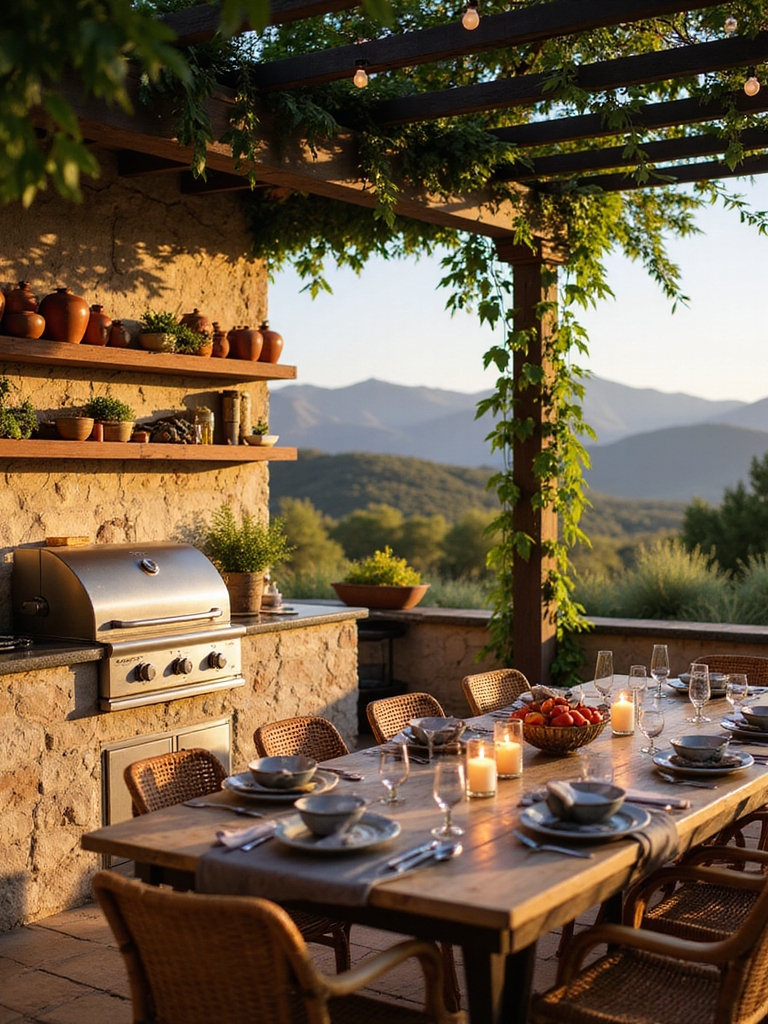

I design open-space kitchens that breathe easy and flow like a breeze from indoors to outdoors. I focus on clear sightlines, wide aisles, and partial partitions that define zones without closing them off. I’ll show you how to boost natural light with glass, mirrors, and light materials, plus budget-friendly upgrades that feel lofty, not pricey. Think seamless indoor-outdoor doors, smart ventilation, and clutter-free surfaces. If you keep scrolling, you’ll gather practical ideas you can start today.
What “Open Space” Means for Kitchen Breathing Room: Key Criteria
Open space in a kitchen isn’t just about an empty floor plan; it’s about how people move, breathe, and flow from one task to the next.
I’m sharing the core criteria: clear sight lines, ample aisle width, strategic zoning, and light that travels.
When these align, breathing room feels real, making cooking calmer, conversations easier, and cleanup smoother for everyone involved. Additionally, maximizing space can greatly enhance functionality in open plan living areas, allowing for a more efficient use of the kitchen environment.
How to Build Indoor-Outdoor Flow: Door and Window Strategies That Work

When you want indoor-outdoor flow that truly works, start with doors and windows that invite air, light, and movement rather than block them.
I design openings that align with traffic, use wide sliders or bi-folds, and pair them with unobstructed sightlines.
I avoid bulky frames, seal well, and consider thresholds.
Simple strategies sustain breezes, kitchens, and patios in harmony. Spacious open kitchen layouts can also enhance the overall experience by creating a cohesive environment that encourages interaction and connection with nature.
Light Where It Matters: Maximizing Natural Light in the Kitchen

Natural light in the kitchen isn’t a luxury—it’s a daily workhorse.
I optimize angles, not just walls, using sheer curtains, strategically placed mirrors, and skylights where feasible. I pick light-colored countertops and cabinets to bounce brightness around.
I time tasks with sun patterns, opening blinds fully for prep and cooking. Practical, reachable, and inviting—bright spaces make meals feel effortless. Incorporating kitchen window designs enhances both aesthetics and functionality, allowing for even more light to flood in.
Layouts That Maximize Sightlines and Airflow
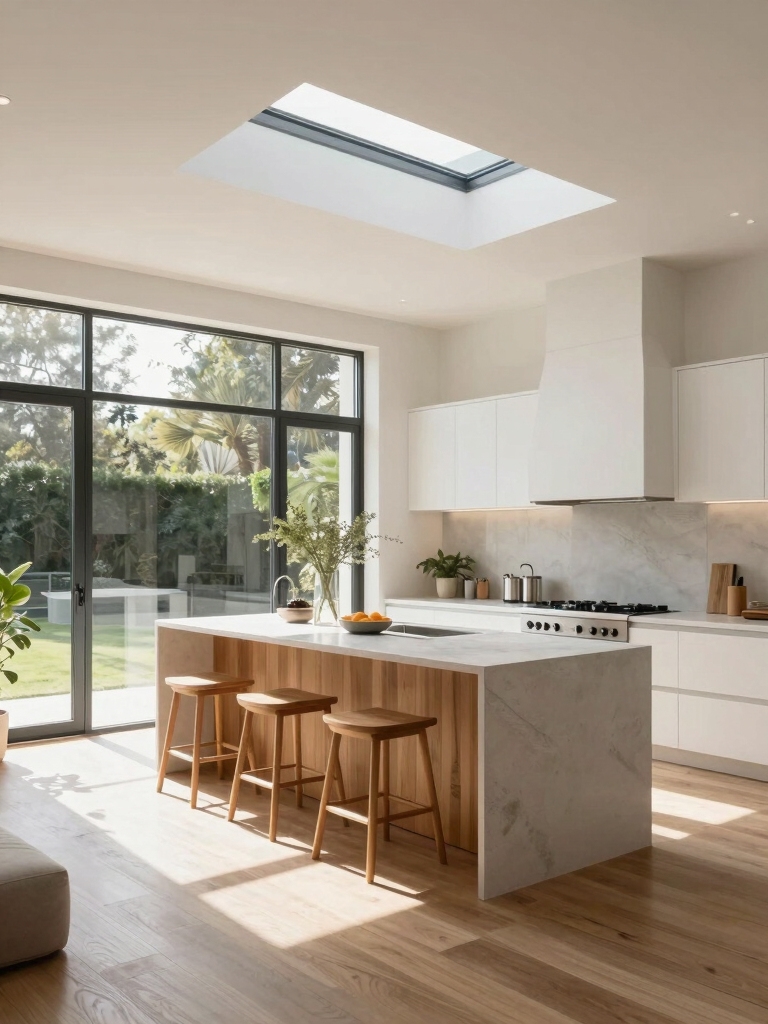
I love layouts that keep sightlines open and air flowing, so you can see from stove to living area at a glance.
We’ll look at strategic room placement and natural ventilation factors to keep the kitchen feeling connected and breezy.
Together, we’ll explore practical tricks to maximize sightlines and airflow without sacrificing coziness. Incorporating innovative open kitchen designs can further enhance the overall aesthetic and functionality of your space.
Maximized Sightlines And Airflow
Maximized sightlines and airflow start with simple choices: open, continuous lines that connect kitchen work zones to the living area.
I favor minimal walls, clear sight paths, and thoughtfully placed islands that don’t block movement. My goal is steady ventilation and visual ease, so you feel connected yet organized.
Practical layouts simplify daily tasks and invite effortless, breathable flow. Incorporating open shelf kitchen styling can further enhance the aesthetic and functionality of your space.
Strategic Room Placement
Strategic room placement helps sustain those long sightlines and steady airflow we’ve been aiming for.
I tell you, the kitchen and living area should breathe together, not fight for space. Place zones with clean sightlines, keep pathways open, and use partial walls to guide traffic.
- Align islands with doorways
- Minimize clutter along corridors
- Create clear passages
- Separate tasks by function, not walls
In addition, using open concept kitchen living room layouts can further enhance the sense of space and fluidity between these areas.
Natural Ventilation Factors
Natural ventilation starts with smart layout choices that respect sightlines.
I design kitchens that channel breeze through open spaces, avoiding barriers that trap stale air. I place doors and windows for cross-ventilation, keep tall cabinets out of corridors, and use low backs to preserve views. Incorporating open kitchen layouts can further enhance airflow and create a more inviting atmosphere.
You’ll notice cooler air circulating, fewer drafts, and a calmer, brighter cooking vibe.
Materials That Feel Light, Clean, and Inviting

When you want a kitchen that feels airy and welcoming, choose materials that look light and clean.
I lean on textures that read fresh—wart-free stone, pale wood, and glass that reflects sunshine.
Practical choices include sturdy laminates, matte ceramics, and open shelves.
- Light-toned countertops
- Soft, matte cabinetry
- Ceramic backsplash
- Clear glass fronts
Incorporating rustic charm can enhance the open space feel, bringing a cozy touch to your kitchen design.
Color Palettes That Open Up the Kitchen
Color can make a kitchen feel bigger and more welcoming, so I lean toward palettes that reflect light and stay calm.
I choose soft neutrals paired with airy whites to maximize brightness, then add gentle blues or greige accents for depth.
Keep contrast subtle, textures warm, and finishes matte or satin.
Practical, timeless, and easy to maintain, these choices feel effortless.
Island Design Ideas for an Airy Social Hub
I’m exploring how an island can keep the open plan flowing, with seating that adapts as needs shift.
Let’s talk about open plan flow, flexible seating, and how good ventilation and natural light keep the space feeling bright.
I’d love to hear your ideas on making the island a true social hub without crowding the room.
Open Plan Flow
An open-plan kitchen with an island instantly creates an airy social hub, and I’ll show you practical ideas to make the flow natural.
I keep paths clear, sightlines open, and zones gentle to navigate.
- align prep and cleanup with the living area
- use low-profile cabinetry for visual continuity
- place seating to encourage conversation without crowding
- frame lighting to define zones subtly
Seating Versatility Ideas
Seating versatility keeps an airy island feeling while inviting conversation from every angle.
I pick stools that tuck when you’re cooking, yet seat friends beside prep work for quick chats.
Add a bench for cozy lounging, and swap cushions for seasons.
Modular chairs adapt to gatherings, while a built-in banquette saves space and sparks inclusive, easygoing meals.
Ventilation And Light
Ventilation and light define an airy island, so I start by prioritizing continuous airflow and bright, welcoming illumination.
I keep the space practical, avoiding clutter while boosting comfort and mood.
- Open soffits and climber ducts for steady air movement
- Large windows and skylights to flood with daylight
- Quiet task lighting with dimmable options
- Fresh-air intake and exhaust balance for ideal humidity control
Storage Solutions That Don’t Clutter the Air
To keep a kitchen open and airy, I prioritize smart storage that hides in plain sight rather than piling up on surfaces.
I favor built-ins, pull-out organizers, and vertical shelves that keep essentials accessible without crowding. Compact appliances, labeled bins, and hidden recycling reduce clutter.
Clean lines, consistent finishes, and thoughtful placement preserve flow while letting air circulate freely.
Zoning Without Walls: Partial Partitions and Screens
I’m exploring how partial partitions and screens can define zones without closing the space, using their purpose to softly separate areas.
I’ll look at how screens improve airflow and keep things feeling breezy while still guiding function with visual cues.
Together we’ll consider how these tools add visual depth to the kitchen and help you zone efficiently.
Partial Partitions Purpose
Partial partitions are a smart way to define zones without closing them off entirely, and they work especially well in open-space kitchens.
I use them to guide flow, create subtle separation, and keep sightlines open. They’re flexible, affordable, and easy to swap as needs change.
- define traffic paths without walls
- subtly separate work zones
- add texture with materials
- preserve light and air flow
Screens For Airflow
Screens let airflow and sightlines flow while keeping zones defined without walls.
I’ve learned that screens can softly separate cooking from living areas without closing them off.
I favor lightweight frames, woven textures, and adjustable panels to tune breeze and privacy.
You’ll notice easier cleaning, flexible seating, and cleaner sightlines, all while preserving an open, welcoming kitchen flow.
Visual Depth Zoning
Visual depth zoning uses partial partitions and screens to cue separate zones without closing them off, letting your kitchen feel defined yet open.
I pair textures and heights to guide flow, not walls. You’ll notice better function and softer boundaries.
Try these ideas:
- Low bookcases as room dividers
- Architectural screens
- Color shifts at counter edges
- Lighting layers for atmosphere
Outdoor-Integrated Surfaces: Keeping the Breeze While Sealing Surfaces
Outdoor-integrated surfaces strike a practical balance between letting the breeze in and keeping the elements out, so I can enjoy open-air cooking without worrying about splashes or dust.
I choose weatherproof materials, sealants, and drainage that hold up under sun and rain. We wipe spills quickly, scrub lightly, and enjoy durable, seamless shifts that feel inviting, not clunky, in daily routines.
Ventilation and Misting for Fresh Prep Air
Ventilation and misting aren’t afterthoughts in a great open-space kitchen—they’re how you keep the air fresh and the prep feels easy.
I’ll share practical steps you can use today:
- Use a balanced range hood to vent steam efficiently
- Pair ceiling fans with windows for cross-ventilation
- Invest in a misting system for cooling bursts
- Seal gaps to reduce cooking smells migrating through rooms
Biophilic Touches: Plants and Nature-Inspired Accents in the Kitchen
I love how greenery can be a natural focal point in an open kitchen, drawing the eye without stealing space.
I’ll mix in natural textures and earthy hues to keep things calm and cohesive.
Let’s explore simple ways to bring plants and nature-inspired accents into our everyday cooking area.
Greenery as Focal Point
Plants aren’t just decor in the kitchen; they’re a powerful focal point that brings life, color, and a sense of calm to the heart of your home.
I share simple ways to weave greenery into daily cooking—easy, stylish, space-friendly.
- Pick compact herbs for counter corners
- Hang planters near windows for light
- Use a vertical garden for small rooms
- Rotate seasonal greens for variety
Natural Textures and Hues
Natural textures and hues bring the kitchen to life by echoing the outdoors—from warm wood grain to soft linen textures and earthy stone tones.
I’m sharing practical ideas you can use today: a wooden cutting board, linen towels, ceramic bowls in earthy colors, and a concrete or stone soap dispenser.
These touches feel calm, grounded, and inviting. You’ll notice the difference.
Edgeless Edges: Furniture-Free Boundaries That Maintain Flow
Edgeless edges create a sense of seamless space, and when furniture-free boundaries define the zones, flow feels effortless.
I love how subtle cues guide traffic without shouting, keeping kitchens calm and connected.
Here are quick ideas:
- Use rugs and lighting to hint zones without walls
- Low shelves as soft dividers
- Floor color shifts define areas, not barriers
- Doubled-down sightlines maintain openness
Technology That Supports Light and Air (Not Clutter)
Technology that supports light and air should feel invisible, not added clutter, so I focus on gear and layouts that pull in brightness and breeze without piling up stuff.
I prefer compact air purifiers, hidden vents, and smart controls that dim or brighten without fuss. Clean lines, accessible windows, and consistent airflow matter more than flashy gadgets, keeping kitchens calm and open.
Budget-Friendly Upgrades for Instant Airiness
If you want instant airiness on a budget, start with simple layout tweaks and affordable gear that don’t crowd the counter.
I keep it practical: light, breathable changes you can do now.
- Declutter countertops with multi-use tools
- Install slim, open shelves for airflow
- Use pale tones and reflective surfaces
- Choose compact, stackable storage solutions
Real-World Showcases: 16 Open Space Kitchens to Inspire Your Plan
Open Space Kitchen designs come alive when you see them in real homes, not just in mood boards.
I’ll guide you through 16 real-world kitchens, highlighting layout tricks, storage wins, and lighting that breathes.
You’ll notice how open plans balance cooking zones with dining and lounge areas, proving small tweaks can transform flow, functionality, and everyday comfort.
Ready to plan yours? You’ve got this.
Conclusion
I’ve always suspected open spaces aren’t just about size, but about air—breathing room that lifts the mood. When you test that theory, you’ll feel it: less clutter, more light, and a flow that makes every meal feel effortless. So yes, the proof is in the space you create—observable, practical, and welcoming. Start small: remove one barrier, open one window, soften one edge. You’ll notice the air change before you finish the project. Your home will thank you.