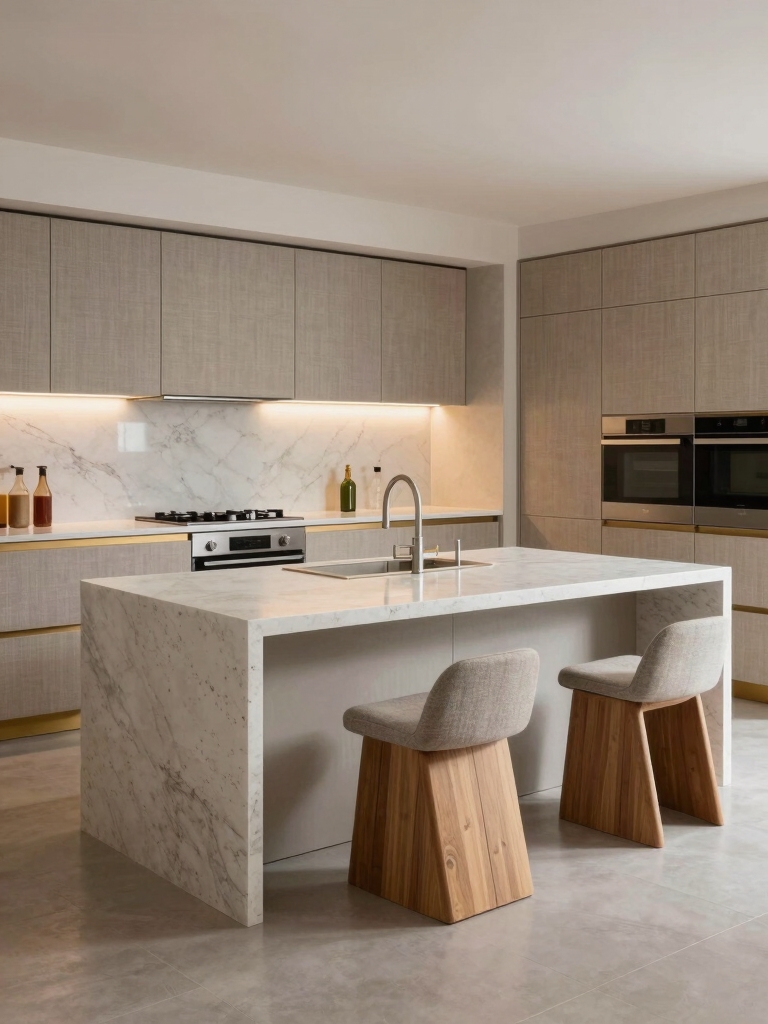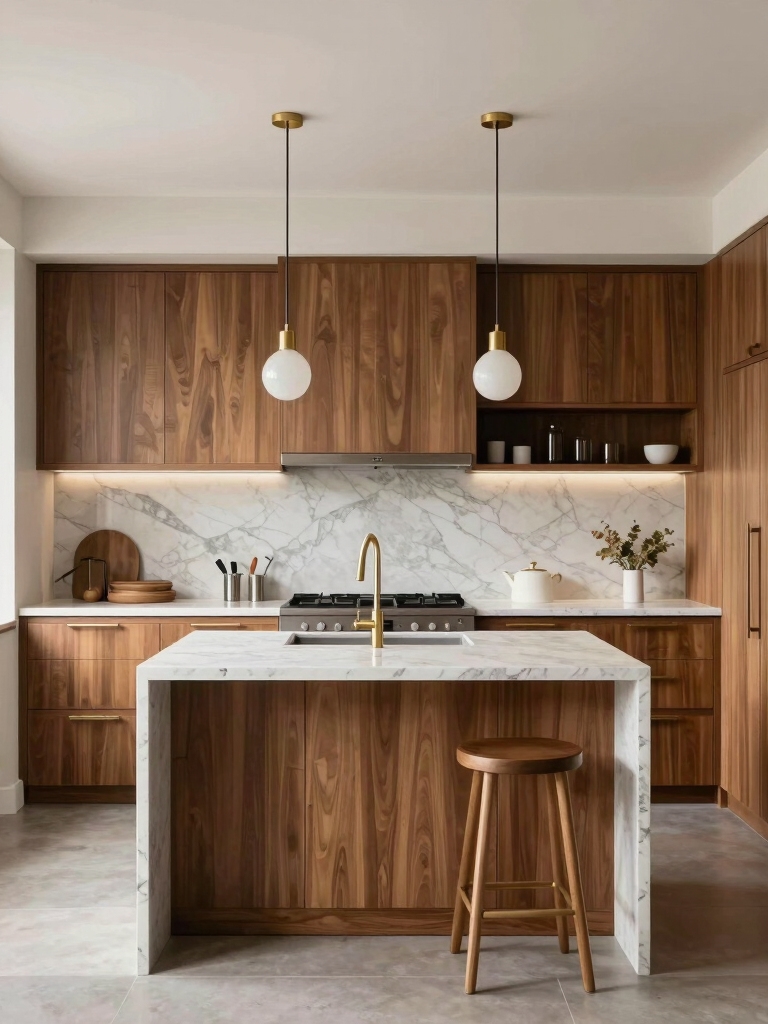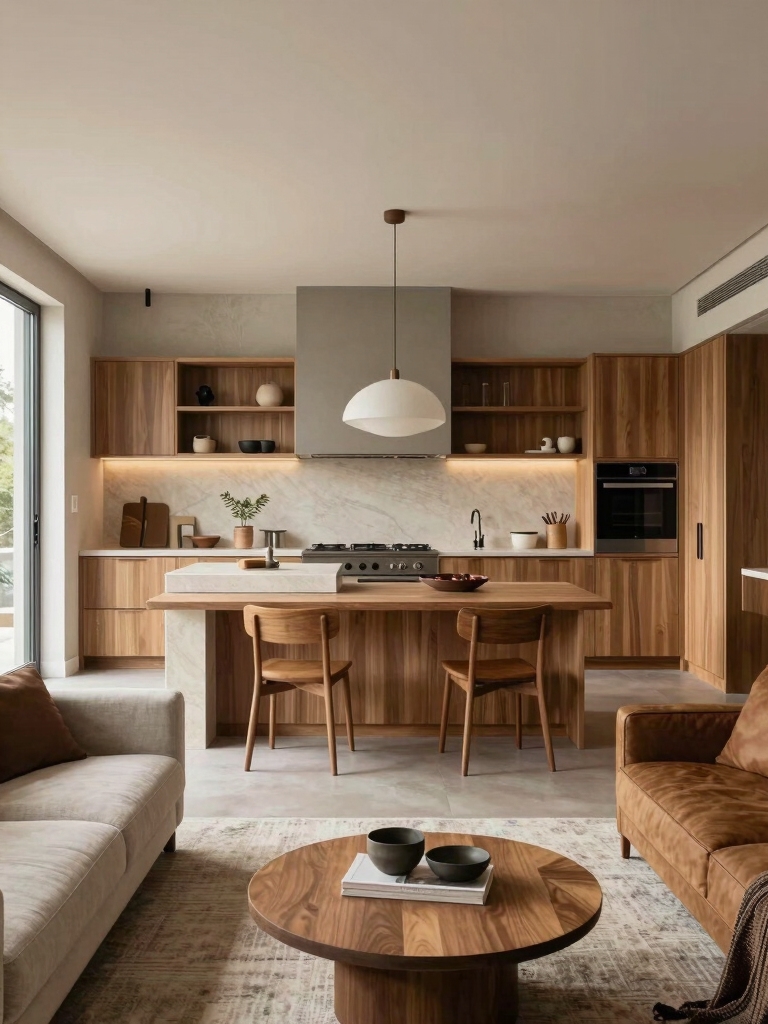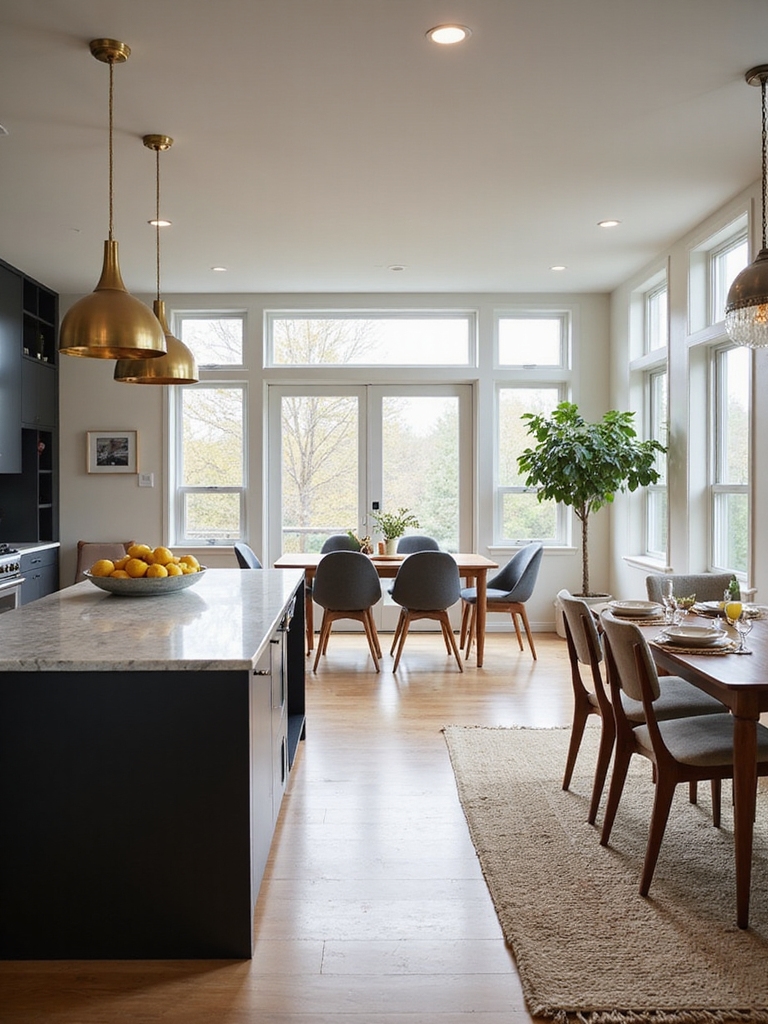

I’ve squeezed storage out of the skinniest gaps and blind corners you probably ignore: slim pull-out pantry inserts for spices and oils, diagonal corner pull-outs for pans, and vertical dividers for sheets and lids.
I add under-shelf baskets to double capacity, magnetic knife and utensil strips inside doors, foldable dish racks that stow away, and labeled clear containers so everything’s visible. These tiny swaps transform tight cabinets into calm, usable systems — keep going and I’ll show how to make each one fit your space.
Maximize Narrow Gaps With Pull-Out Pantry Inserts
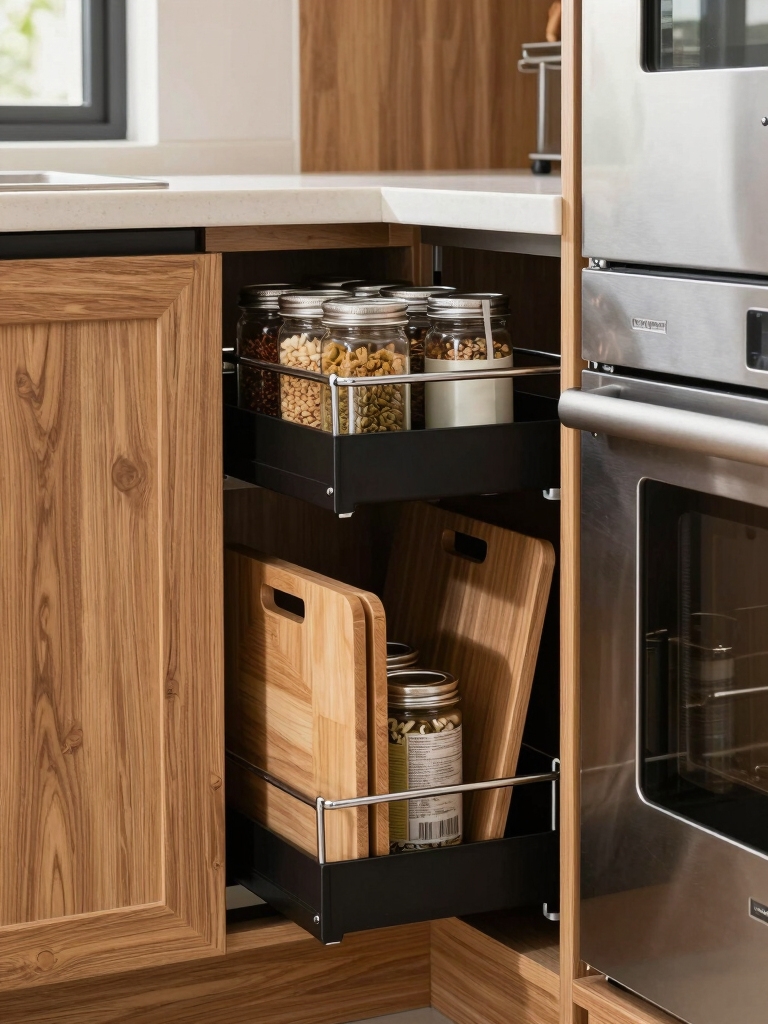
When I ran out of cabinet space, I turned the skinny gap between the refrigerator and wall into a pull-out pantry, and it changed how my kitchen functions.
I tucked spices, oils, and baking essentials into slim, labeled shelves that glide smoothly.
It feels clever, saves space, and makes cooking faster.
If your gap’s narrow, consider a custom insert — small investment, big payoff.
You can also hide a pantry behind clever doors to blend storage into your kitchen design.
Turn Blind Corners Into Diagonal Pull-Outs
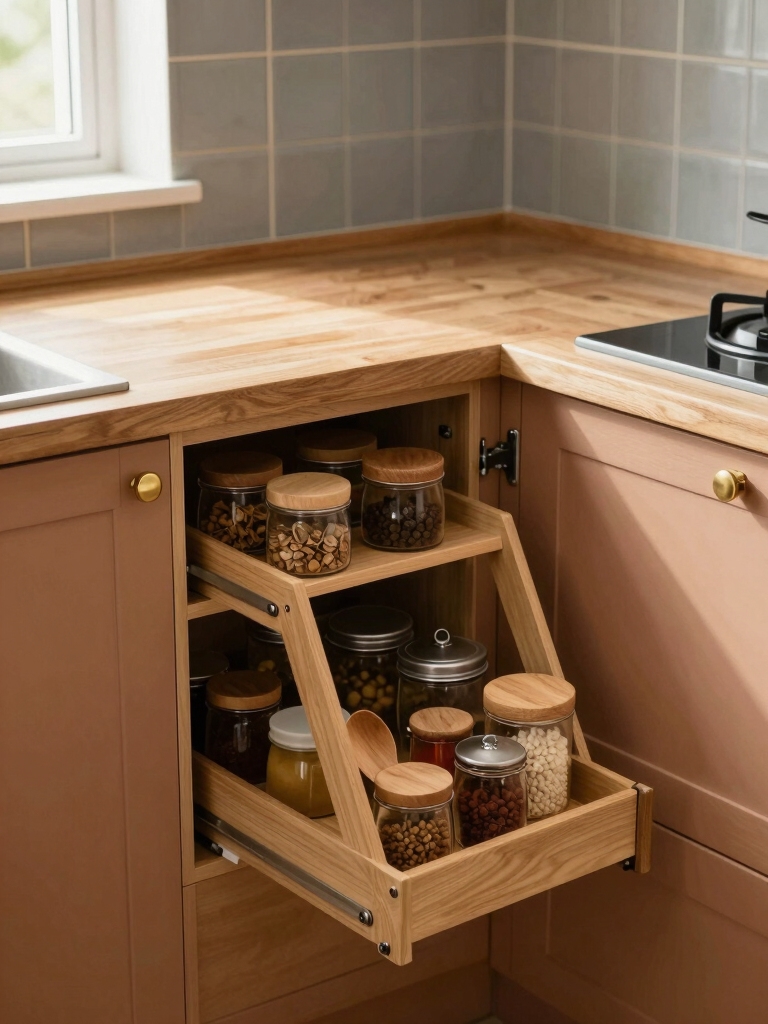
In tight kitchens I learned to stop fighting blind corners and start using them: I’d a carpenter install a diagonal pull-out cabinet where two runs met, and suddenly that awkward dead space became a tidy, accessible storage zone for pans, mixing bowls, and small appliances.
It glides out smoothly, keeps things visible, and makes cooking feel less like a scavenger hunt.
Designers often recommend space-saving layouts that prioritize workflow and accessibility in small kitchens.
Install Vertical Tray and Lid Dividers Inside Cabinets
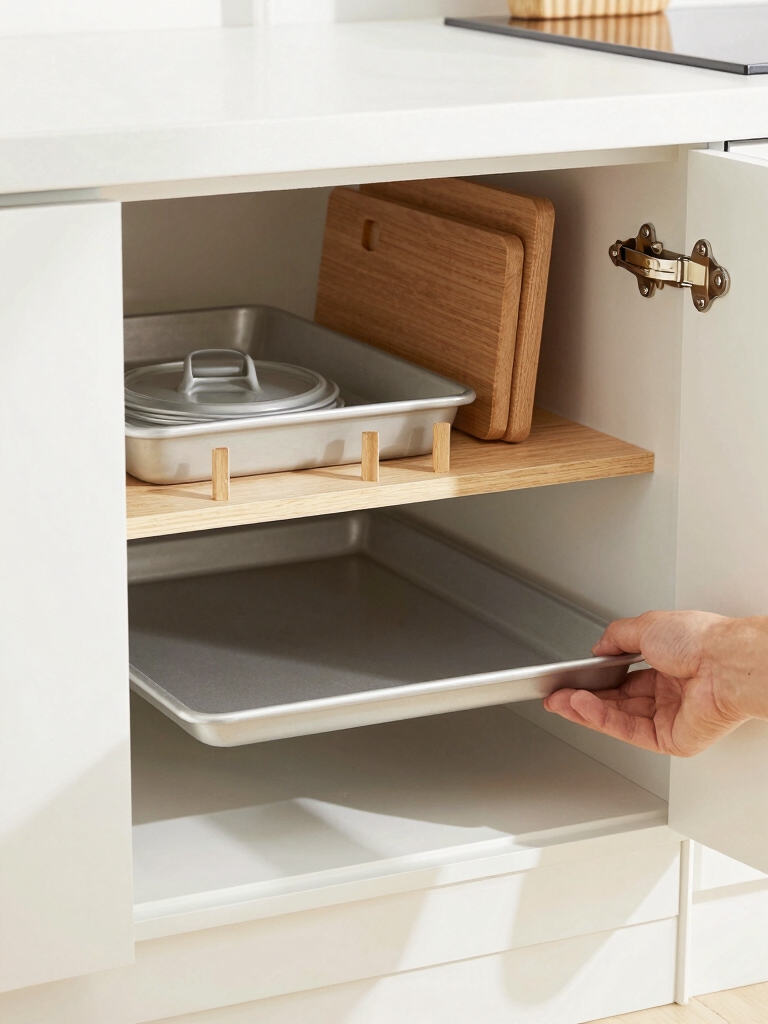
I’ve started fitting narrow vertical dividers in my cabinets to keep baking sheets and cutting boards tidy and upright.
I like adjustable spacing so I can slide things in or squeeze more between slots as my needs change.
Adding soft-close protection stopped the clattering and keeps edges from chipping when I pull things out.
I also use drawer organizers and clever layouts to tidy small kitchen drawers and make the most of limited space.
Narrow Vertical Dividers
Looking for a tidy way to store baking sheets, cutting boards, and lids without them toppling into a mess? I swear by narrow vertical dividers that slip into shallow cabinets, creating neat slots.
They’re simple to install, keep items upright and visible, and prevent clanging. I mix wood and metal dividers to match my quirky style and maximize every inch.
I also use clever small kitchen storage tricks from pros to hide clutter and make the most of tight spaces.
Adjustable Spacing Options
If you liked the neat slots from narrow vertical dividers, you’ll love adjustable spacing options that let you customize the gap between trays, lids, and cutting boards.
I fitted slim rails and moveable dividers so everything sits snug, easy to grab, and stays upright.
These feel tidy and flexible — perfect for shifting needs.
- Rails that slide
- Peg-style dividers
- Removable inserts
I also recommend measuring your cabinets first and planning for adjustable shelving to maximize every inch.
Soft-Close Protection
I love adding soft-close protection when I install vertical tray and lid dividers because it keeps everything quiet and prevents those clunky chips and dents from daily use.
I slot slim dividers, fit tiny dampers, and test each swing. It’s a small tweak that preserves finishes, tames chaos, and makes reaching pans feel deliberate—practical, tidy, and oddly satisfying every time.
Adding slim dividers is especially useful in small kitchen sink layouts to free up counter space and keep lids organized.
Use Under-Shelf Baskets to Double Storage Space
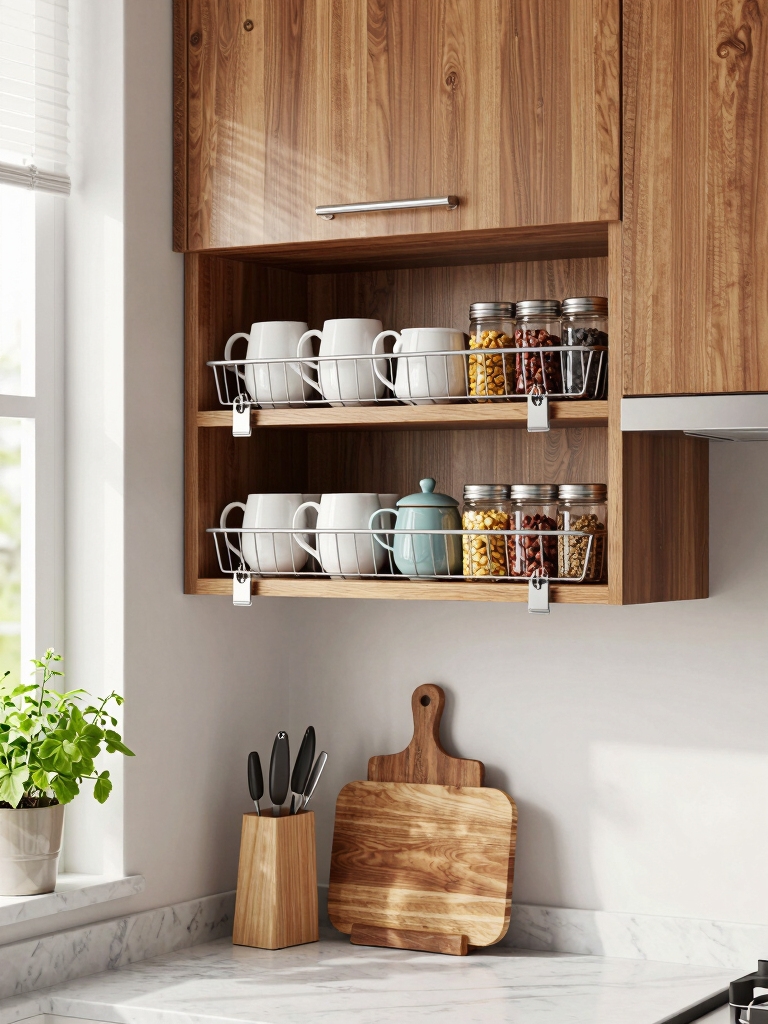
By sliding a slim under-shelf basket onto an existing cabinet shelf, I can instantly double usable storage without gutting anything — and you can too.
I stash lids, spices, and snack packs below plates, keeping surfaces neat and access easy.
It’s cheap, reversible, and oddly satisfying.
- Fits most shelves
- No tools needed
- Visible, tidy access
This trick is a favorite among small kitchen owners who need clever pantry ideas for maximizing space.
Add Magnetic Knife and Utensil Strips to Cabinet Doors

Swinging a magnetic knife and utensil strip onto the inside of a cabinet door was a small change that instantly freed up counter and drawer space in my kitchen.
I mounted slim strips at different heights, keeping knives safe and frequently used spoons reachable.
It looks tidy, feels practical, and gave me instant visual inventory — no more hunting, no more clutter, just efficient accessibility.
Convert Toe Kicks Into Hidden Drawers
I’ve started turning my toe kicks into clever hidden drawers by first measuring the existing space carefully so everything fits snugly.
Then I build shallow drawer boxes tailored to those dimensions, keeping them low-profile but sturdy for spices or baking sheets.
Finally I install soft-close slides so the drawers feel polished and won’t slam or rattle.
Measure Existing Toe Kicks
Let’s plunge in and measure the toe kicks so you know exactly what’ll fit when you convert them into hidden drawers.
I measure depth, height, and total run, noting obstructions like plinths or vents. Accurate numbers save headaches and wasted cuts.
Here’s what I record:
- Depth from cabinet face to back wall
- Height under cabinet
- Continuous length across run
Build Shallow Drawer Boxes
I’ll walk you through building shallow drawer boxes that turn that unused toe kick into clever, out-of-sight storage.
I cut plywood to the toe-kick depth, assemble shallow boxes with glue and screws, and add simple finger pulls or a magnetic catch.
They’re perfect for baking sheets, cutting boards, or cleaning supplies—neat, hidden, and surprisingly easy to customize to your kitchen’s quirks.
Install Soft-Close Slides
Start by fitting soft-close drawer slides to those shallow toe-kick boxes so they glide quietly and don’t slam when you pull out a tray of baking sheets.
I installed them myself; they make hidden drawers feel deliberate and luxe.
Measure carefully, choose full-extension slides, and test alignment until movement is buttery and reliable.
- Measure precisely
- Pick full-extension soft-close
- Test and adjust
Fit Custom Deep Drawers for Pots and Pans
I recommend swapping shallow cabinets for custom deep drawers when your pots and pans live in a cluttered stack — I’ve found drawers make access faster and protect cookware from chips and scratches.
I sized mine for nesting, added adjustable dividers and a non-slip liner, and suddenly reaching the right pan is effortless.
Think function first: capacity, glide quality, and divider layout.
Mount Fold-Down Cutting Boards to Cabinet Interiors
I’ve started mounting fold-down cutting boards inside cabinet doors to get a full prep surface without stealing counter space.
I’ll share a few easy-access mounting tips—like choosing sturdy hinges, positioning at a comfortable working height, and adding a catch to keep it level.
Once you try one, you’ll wonder why you didn’t make the switch sooner.
Space-Saving Prep Surface
Think of folding a table into a wall — that’s the exact idea behind mounting a fold-down cutting board inside a cabinet door.
I love how it turns wasted cabinet depth into instant workspace, then tucks away.
It’s tidy, practical, and a tiny delight.
- Creates extra prep area without losing floor space
- Keeps countertops clear for other tasks
- Stows neatly when not needed
Easy-Access Mounting Tips
Let’s get this mounted so you can stop juggling bowls on the counter: I’ll walk you through choosing the right spot, measuring for clearance, and picking hardware that won’t sag under a cutting board’s weight.
I recommend soft-close hinges or fold-out piano supports, anchor into studs or use heavy-duty anchors, and test the fold action with a loaded board before declaring victory.
Create Slide-Out Spice Racks in Slim Cabinets
Slide a slim cabinet open and you’ll see how easily a vertical spice rack turns wasted space into everyday convenience.
I built a slide-out on narrow glides, labeled jars for speed, and kept heights adjustable for taller bottles. It feels tidy and accessible, and I reach spices without rummaging.
- narrow ball-bearing glides
- clear uniform jars
- adjustable shelf stops
Retrofit Cabinet Doors With Pegboard Organizers
I retrofitted my cabinet doors with pegboard panels to turn wasted space into tidy storage you actually use.
I hung tool-style hooks for spatulas and measuring cups, and added quick-swap accessory rails so I can rearrange things on the fly.
If you like flexible, visible organization that stays out of the way, this is an easy upgrade to try.
Pegboard Door Panels
I’ve turned plain cabinet doors into secret utility hubs by fitting pegboard panels, and you can do the same without ripping anything out.
I slip slim pegboard sheets inside doors, add baskets or small shelves, and stash spices, lids, or clips for recipes — neat, visible, and reversible.
- Slim pegboard sheets
- Small baskets and shelves
- Magnetic label strips
Tool-Style Storage Hooks
If you liked slipping pegboard panels into doors, you’ll love taking them a step further with tool-style storage hooks that hang like they do in a garage — but for your kitchen.
I retrofit a door with sturdy hooks to hold ladles, tongs, measuring cups, even small pans. It frees shelf space, keeps tools visible, and feels delightfully practical — like workshop chic for cooking.
Quick-Swap Accessory Rails
Think of accessory rails as the quick-change artists of cabinet organization — I slap a slim rail inside a door and can swap hooks, baskets, or spice racks in seconds. It turns wasted depth into tidy, customizable storage.
I retrofit pegboard strips or magnetic rails for tools, tea, or lids and change layouts whenever needs shift.
- Hooks for utensils
- Mini baskets for packets
- Slim spice shelves
Build Tiered Pull-Outs for Small Appliances
I like to pull apart cluttered cabinets by building tiered pull-outs for small appliances so everything’s visible and easy to grab.
I measure the cabinet, add shallow shelves on sliding tracks, and stagger heights so mixers, blenders, and toasters don’t hide each other.
It’s simple woodworking, instant order, and it saves time.
You’ll love the tidy, efficient result.
Use Clear Stacking Containers and Label Lids for Visibility
I reach for clear stacking containers because they instantly cut through pantry chaos—you can see what’s inside at a glance, stack them to save depth, and keep similar items grouped.
I label lids with a small, readable marker so I don’t guess. It’s tidy, fast, and oddly satisfying.
- Baking staples
- Snacks and bars
- Pasta and grains
Incorporate Folding or Nesting Dish Racks Into Cabinets
When I slide a folding dish rack into a shallow cabinet, it feels like finding a secret pocket of utility—everything stays tucked away until I need it, then unfolds into a sturdy, space-saving station.
I stash plates, bowls, and a compact drip tray inside, pull it out to air dry, then fold it back. It keeps counters clear and dish duty surprisingly pleasant.
Add Flip-Up Shelves for Vertical Storage Boost
Often I’m surprised by how much vertical space gets ignored in small kitchens, and flip-up shelves are a smart fix that lets me use it without crowding the room.
I install them inside cabinets to grab awkward height, creating easy access without bending. They feel clever and tidy.
- Store spices or lids
- Create a tiered tea station
- Keep baking sheets upright
Repurpose Upper Cabinet Tops With Concealed Baskets
Since the space above upper cabinets is usually wasted, I turn it into hidden storage with low-profile baskets that slide in and stay out of sight, giving me extra room without cluttering countertops.
I stash seldom-used dishes, seasonal linens, or bulk pantry items up there, labeling baskets for quick grabs. It’s tidy, accessible, and keeps my small kitchen feeling spacious and organized.