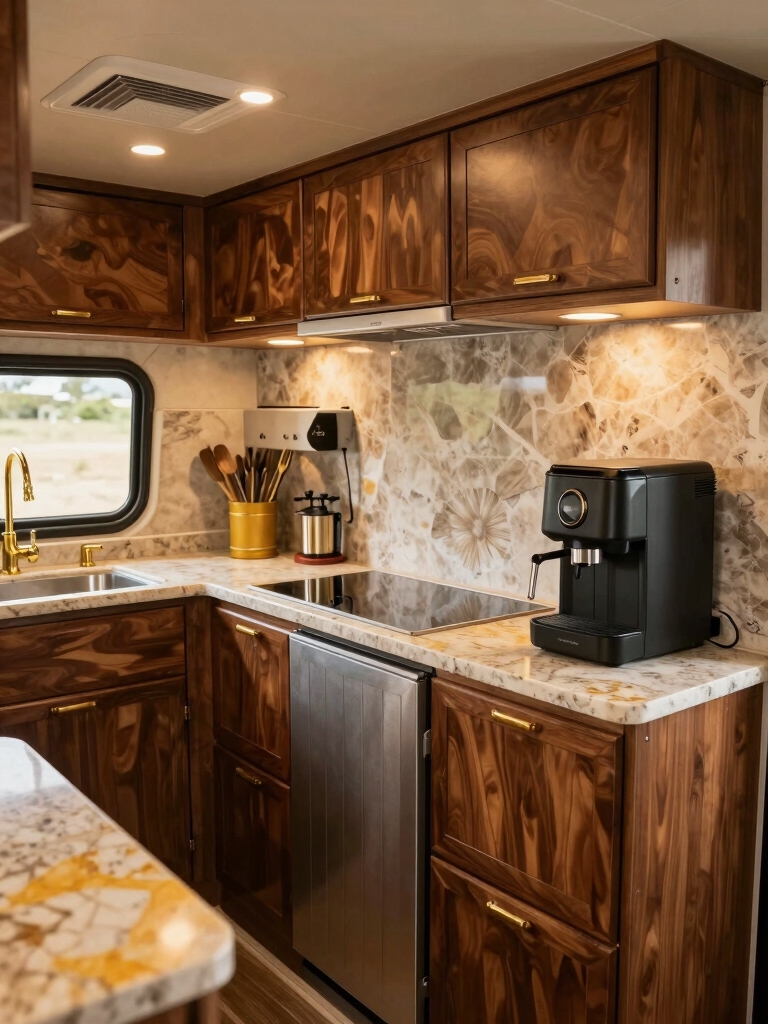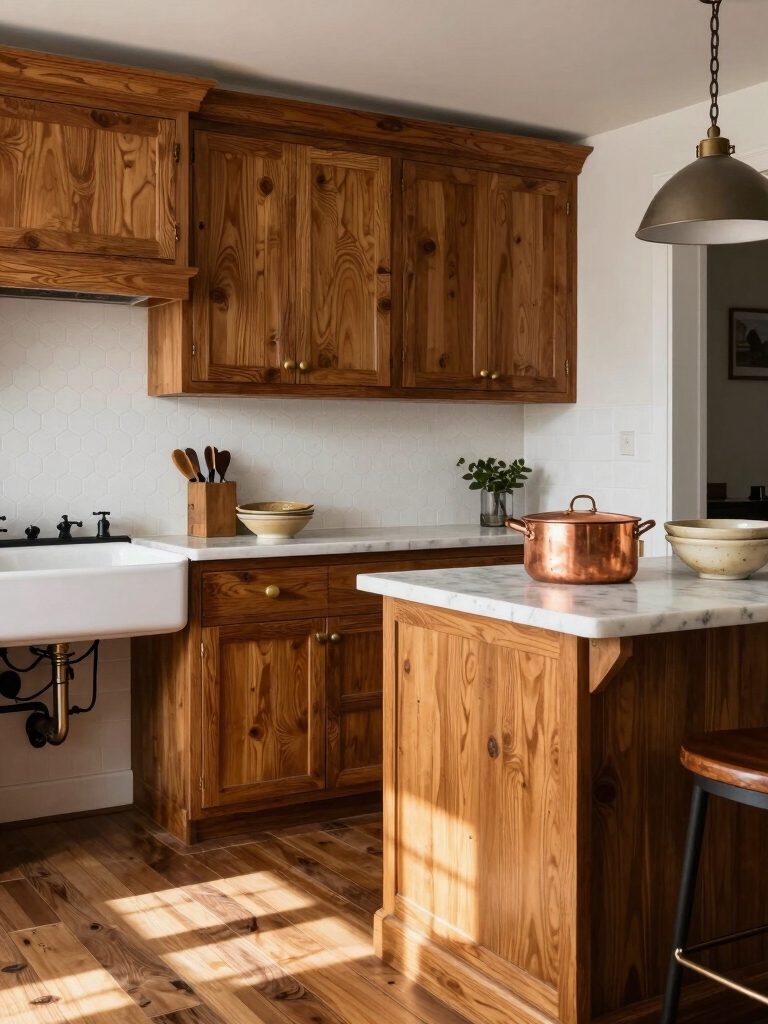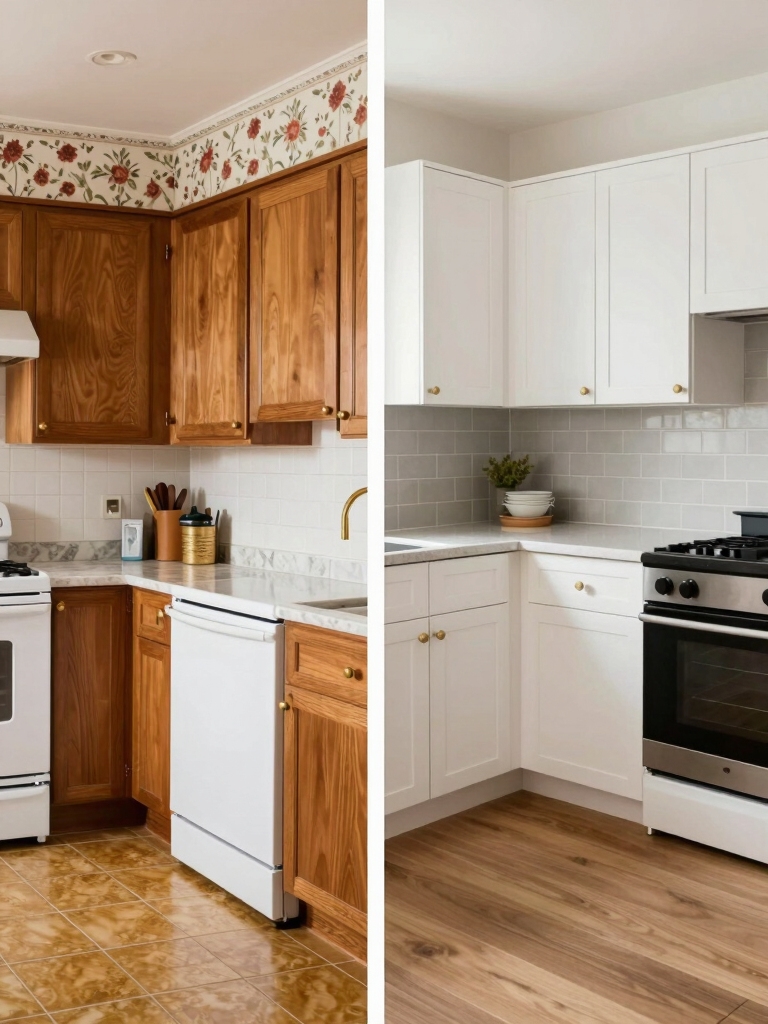

I turned a cramped 100 sq ft galley into a bright, efficient cooking-and-dining hub by mapping the footprint, keeping only essential appliances, and leaning on vertical storage. I used slim induction, a pull-out pantry, drawer dishwasher, fold-down table, under-sink pull-outs, and layered LED task lighting to maximize function.
Open shelves balance personality with concealed cabinets for clutter control, and pale finishes boost light. Keep going and I’ll show layout tricks, storage hacks, and budget upgrades.
Assessing the Footprint: How to Map Your 100 Sq Ft Kitchen

Before you move a single cabinet, I measure and map the entire 100 sq ft space so I know exactly what I’m working with: walls, doors, windows, vents, and the locations of plumbing and electrical.
I sketch scale plans, note clearances, and photograph awkward angles. Then I test sightlines and traffic patterns, marking fixed elements and flexible zones so decisions stay realistic and cost-effective.
I also prioritize common small-kitchen solutions like reconfiguring the work triangle to improve flow and efficiency and consider space-saving layouts when possible.
Prioritizing Function: What You Really Need in a Tiny Kitchen

Think about what you actually do in your kitchen most days and strip everything else away — I start by listing the meals I cook, how often I entertain, and which appliances I can’t live without so every inch earns its keep.
- Clear work triangle
- Essential appliances only
- Flexible prep surface
- Smart storage zones
- Easy-to-clean finishes
I prioritize flow, multitasking surfaces, and habits over trends. Small kitchen islands can maximize function by providing extra prep space and smart storage without overwhelming the room.
Open Shelving vs. Cabinets: Choosing the Right Storage Strategy
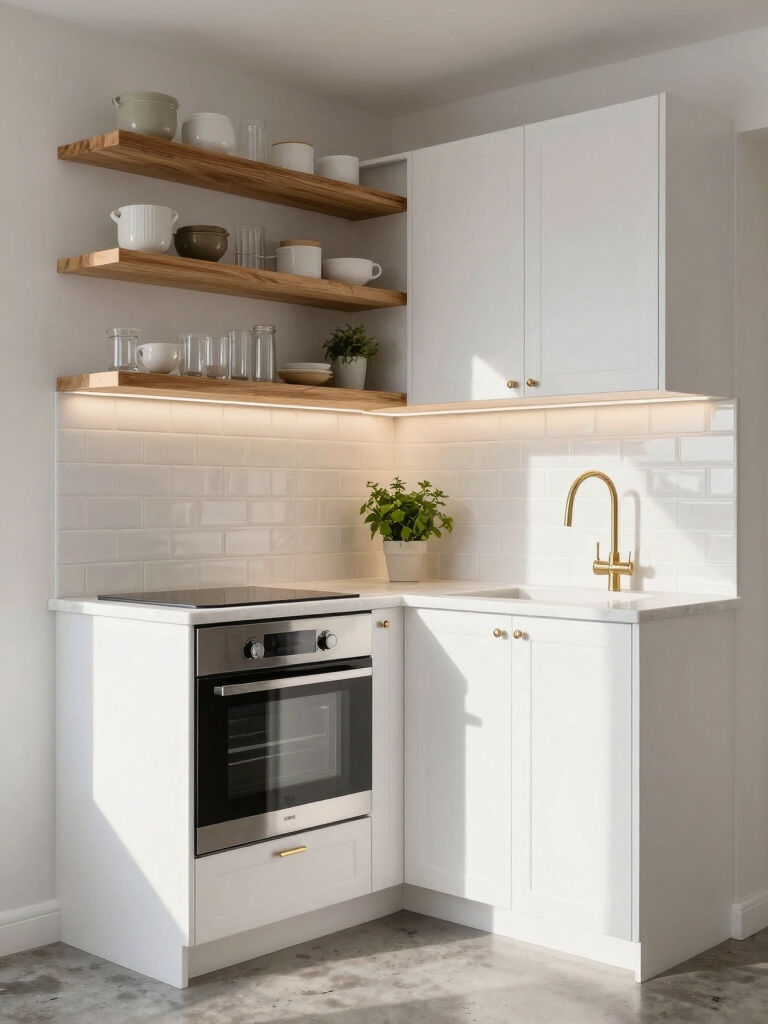
When I decide between open shelving and cabinets in a tiny kitchen, I think about what I want visible versus hidden and how that will affect the room’s feel.
I also weigh weight and durability—open shelves can’t always handle heavy cookware the way sturdy cabinets can.
Finally, I consider styling and accessibility so my choices look intentional and make everyday tasks easier.
Open shelves can create an airy, open kitchen feel by replacing some upper cabinets with open shelving to make the space seem larger and more open.
Visible Vs Hidden Storage
Storage choices shape a small kitchen as much as layout or finishes, and I’ll help you weigh visible versus hidden options so your space works and feels right.
I prefer mixing both: open shelves show personality, cabinets hide clutter.
Consider trade-offs and habits:
- Display favorite dishes
- Conceal small appliances
- Rotate visible items seasonally
- Use clear containers for visibility
- Keep daily items accessible
Smart Kitchen Cabinet Organization That Simplifies Storage can make even tiny kitchens function like larger ones by maximizing every inch and reducing visual clutter, especially when you combine open shelving with well-planned cabinetry and strategic storage solutions.
Weight and Durability
Consider how much weight your shelves and cabinets will actually carry before you decide on materials or placement.
I weigh options: solid plywood cabinets handle heavy cookware and resist sagging, while open shelves need thicker boards and sturdy brackets for dishes.
Think long-term: moisture-resistant finishes, secure anchors into studs, and occasional maintenance will keep storage safe and functional in a tiny kitchen.
Island designs can also include clever built-in features like undercounter drawers and hanging racks to maximize space and accessibility, reflecting popular Kitchen Island Storage Tricks you’ll love.
Styling and Accessibility
Weight and durability set the groundwork, but now I want to talk about how your kitchen will look and feel day to day.
I prefer a mix: open shelves for frequently used items, cabinets for clutter. Consider sightlines, cleaning, and ergonomics.
- Daily reach for essentials
- Visible inventory to reduce duplicates
- Closed storage for messy tools
- Materials that clean easily
- Consistent style for calmness
Showcase Open Kitchen Cabinets With Stylish Display and Open Kitchen Cabinets Displaying Everything Beautifully open cabinet styling.
Multi-Functional Appliances That Save Space and Time
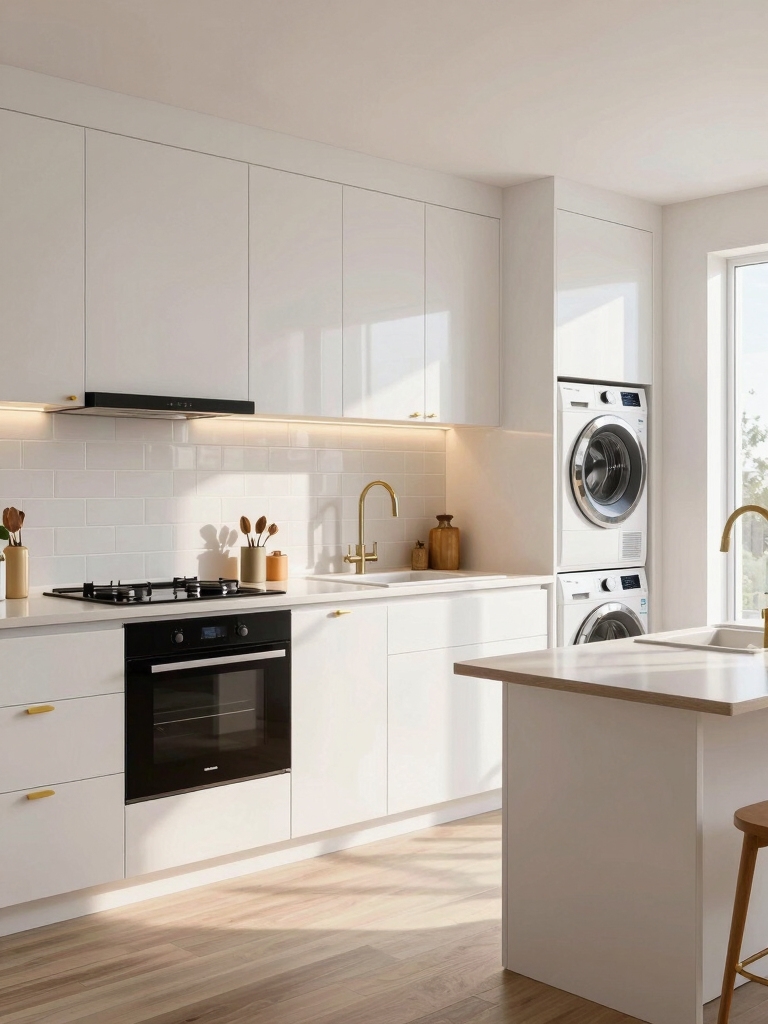
When I’m working in a tiny kitchen, I rely on multi-functional appliances to keep my workspace uncluttered and my cooking efficient.
I choose combos like convection-toaster ovens, microwave-steamers, and induction cooktops with built-in timers. They reduce gadget clutter, speed prep, and fit compact storage.
I prioritize quality, easy cleaning, and versatile settings so one device handles several tasks without sacrificing performance.
I also incorporate small-scale islands designed for smart storage to maximize function in tight floorplans.
Pull-Out and Fold-Down Solutions for Hidden Counterspace

I often rely on clever fold-down counter panels to add instant workspace without cluttering a tiny kitchen, folding back up when I need room to move.
Pairing those with pull-out prep extensions lets me slide out extra surface and storage exactly where I need it for chopping or staging.
Together they give me flexible, hidden counterspace that keeps the kitchen efficient and tidy.
Fold-Down Counter Panels
As someone who cooks in a tiny kitchen, I love fold-down counter panels because they give me usable prep space without permanently eating into the room.
They’re simple, sturdy, and vanish when not needed. I use them for chopping, staging dishes, or holding small appliances.
- Quick install
- Solid hinge options
- Weatherproof finishes
- Locking supports
- Easy cleaning
Pull-Out Prep Extensions
Pulling out a slim prep extension feels like conjuring counterspace where none existed—I slide it out, lock it in place, and suddenly I’ve got a sturdy work surface for chopping, plating, or holding a mixer.
I use it for mise en place, sliding it back when not needed. Choose soft-close slides, waterproof surfaces, and a width that clears cabinet doors for reliable, compact utility.
Vertical Storage: Using Walls and Ceiling Space Efficiently
Often I reach for things I use every day and wish my walls did more work for me.
I map vertical zones, then add hooks, rails, and shelves to free counters. Think visually: keep daily tools front, bulky items high, fragile low.
Practical ideas:
- Magnetic knife strip
- Pegboard spice station
- Floating shelves for jars
- Ceiling pot rack
- Slim vertical pantry behind door
Slimline Sinks and Compact Plumbing Fixtures
When I free up wall space, the sink area often becomes the next tight corner to optimize, so I look for slimline sinks and compact fixtures that give me function without bulk.
I choose shallow single-basin sinks, wall-mounted faucets, and under-sink pull-out drawers to keep plumbing accessible.
These choices save counter space, simplify cleanup, and make installation less intrusive in a tiny kitchen.
Lighting Tricks to Make a Small Kitchen Feel Bigger
Along the ceiling and under cabinets, I use layered lighting to stretch the feel of a tiny kitchen without adding clutter: recessed or slim LED strips brighten the room evenly, under-cabinet task lights eliminate shadows on work surfaces, and a bright accent over the sink or stove draws the eye upward and outward.
- Bright, dimmable overheads
- Under-cabinet LED strips
- Task pendants for zones
- Warm white color temp
- Reflective fixtures to bounce light
Color, Finish, and Material Choices That Expand Visual Space
If I want a tiny kitchen to feel larger, I start by choosing colors and finishes that reflect light and simplify the eye’s path across the room.
I favor pale, warm neutrals, glossy backsplashes, and seamless cabinetry to reduce visual breaks.
Thin-grain wood or large-format tiles add scale.
Limit contrasting trim, use subtle metallic accents, and pick matte counters that read calm and continuous.
Smart Layouts: Galley, L-Shape, and One-Wall Plans for Under 100 Sq Ft
I plan layouts around how you actually move in a tiny kitchen, because under 100 sq ft every inch—and every step—matters. I favor clear zones, sightlines, and minimal cross-traffic to keep cooking efficient.
- Galley: opposing worklines, efficient triangle
- L-shape: corner prep, open flow
- One-wall: compact, vertical storage
- Walkway clearance: 36″ ideal
- Appliance scale: slim models only
Creating a Seamless Flow With Built-In and Custom Cabinetry
I’ll show you how built-ins and custom cabinets can make a tiny kitchen feel orderly and open.
By pushing storage up and designing integrated appliance panels, you get more usable space without cluttering the work triangle.
Thoughtful nooks and pull-out drawers keep everyday tools accessible and tailored to how you actually cook.
Maximize Vertical Storage
Often I start by mapping the vertical plane, because in a tiny kitchen you gain the most real estate by thinking up. I plan built-ins and custom cabinets to fit tools and tasks.
Think layered storage, accessible heights, and visual lightness.
- Tall pantry with pull-out shelves
- Overhead shallow cabinets
- Open shelving for daily items
- Drop-down racks
- Toe-kick drawers
Seamless Integrated Appliances
Having mapped the vertical plane, I next think about how appliances should disappear into the cabinetry so the room reads as one continuous surface.
I choose flush-door panels, paneled refrigerators, and drawer dishwashers to maintain sightlines.
Smart ventilation, compact ranges, and concealed controls keep function invisible.
This approach trims visual clutter, simplifies cleaning, and makes a tiny kitchen feel calm, cohesive, and efficiently organized.
Custom Nooks and Drawers
I carve out hidden places that make every inch work harder, because in a tiny kitchen the right nook or drawer can change how you cook and live.
I design built-ins that blend form and function, tailoring storage to tools and habits.
- pull-out spice drawer
- angled utensil nook
- under-shelf tray
- vertical baking board slot
- toe-kick drawer
Budget-Friendly Upgrades With High Impact
Let’s start by focusing on a few low-cost changes that make a big visual and functional difference in a tiny kitchen.
I replace cabinet fronts with paint and new hardware, add peel-and-stick backsplash for pattern, swap to LED task lighting, install a magnetic knife strip and rail for utensils, and choose slim, stackable organizers.
Small moves cut clutter and feel like a remodel.
Incorporating Seating Without Sacrificing Functionality
One simple way I add seating in a tiny kitchen without giving up usefulness is by choosing pieces that double as storage or prep space.
I prioritize multiuse items that stay tidy and accessible. Consider these options:
- Bench with built-in bins
- Fold-down wall table with stool
- Narrow island with drawers
- Stackable stools that tuck under counter
- Window seat with concealed storage
Green and Efficient: Energy-Saving Tips for Tiny Kitchens
When I’m planning a tiny kitchen remodel, I focus first on picking efficient appliances that give you big savings in a small footprint.
I also choose smart lighting—LEDs and dimmers—to cut energy use without losing task light, and I balance insulation and ventilation so the space stays comfortable without overworking your HVAC.
Together these choices keep bills down, performance up, and the kitchen feeling right-sized.
Efficient Appliance Selection
I’ll help you pick appliances that cut energy use without sacrificing function or style: in a tiny kitchen every watt and inch matters, so I focus on compact models with high Energy Star ratings, multi-function units (like convection toaster ovens or washer-dryer combos) and features such as efficient compressors, inverter motors, and smart standby modes that actually reduce consumption.
- Choose right-sized fridge
- Multi-function oven
- Induction cooktop
- Efficient dishwasher
- Quiet, inverter washer
Smart Lighting Choices
Appliances can shrink your energy bill, but lighting often runs all evening and eats up more power than people expect, especially in a tiny kitchen where every fixture counts.
I pick LEDs with high CRI and low watts, layer task and ambient light, use dimmers and motion sensors, and choose undercabinet strips to focus illumination. That balance saves energy and improves usability.
Insulation and Ventilation
Sealing drafts and managing airflow are the quiet heroes of a green tiny kitchen, so I focus on insulation and ventilation that cut energy use without stealing space.
I prioritize simple, effective upgrades:
- Weatherstrip doors and windows
- Add foam gaskets behind outlets
- Insulate a compact wall cavity
- Install a quiet, efficient exhaust fan
- Use vent timers and humidity sensors
Maintenance and Organization Habits to Keep Small Kitchens Clutter-Free
I usually start each week by doing a quick sweep of countertops, drawers, and the fridge so clutter never gets a foothold; keeping small kitchens tidy is less about dramatic overhauls and more about tiny, consistent habits.
I purge expired items, corral tools in designated spots, rotate pantry staples, wipe surfaces after cooking, and set a five-minute nightly reset so everything stays functional and visible.
You’ve now got a toolkit for turning under 100 sq ft into a kitchen that works hard and looks good. I’ll remind you to map your footprint, prioritize essentials, and choose storage and multi-use appliances that stretch every inch.
Try pull-outs, fold-down counters, and open shelving to keep things accessible. With smart, budget-wise swaps and steady habits, your tiny kitchen can feel as roomy and inviting as a well-tended pocket garden.