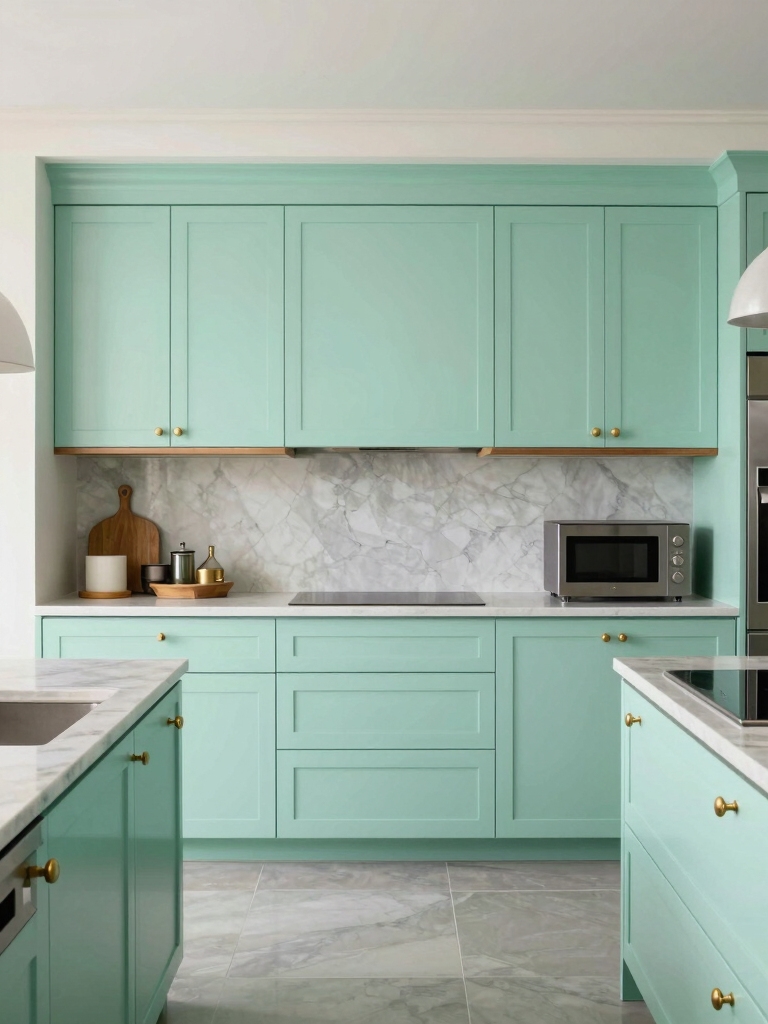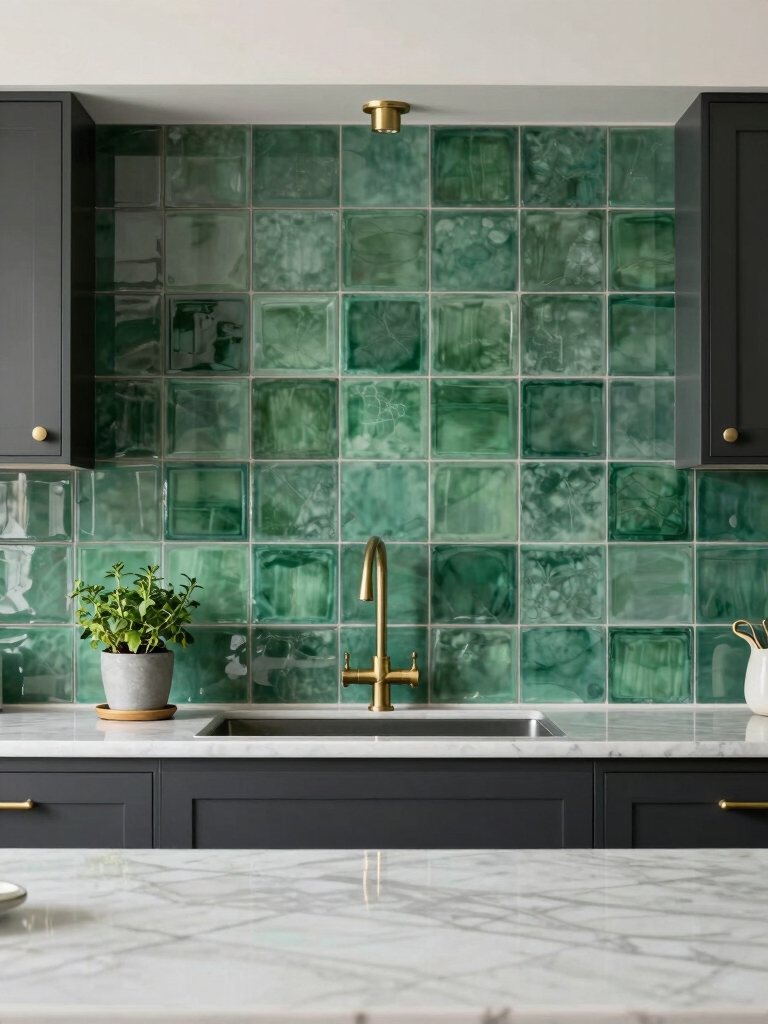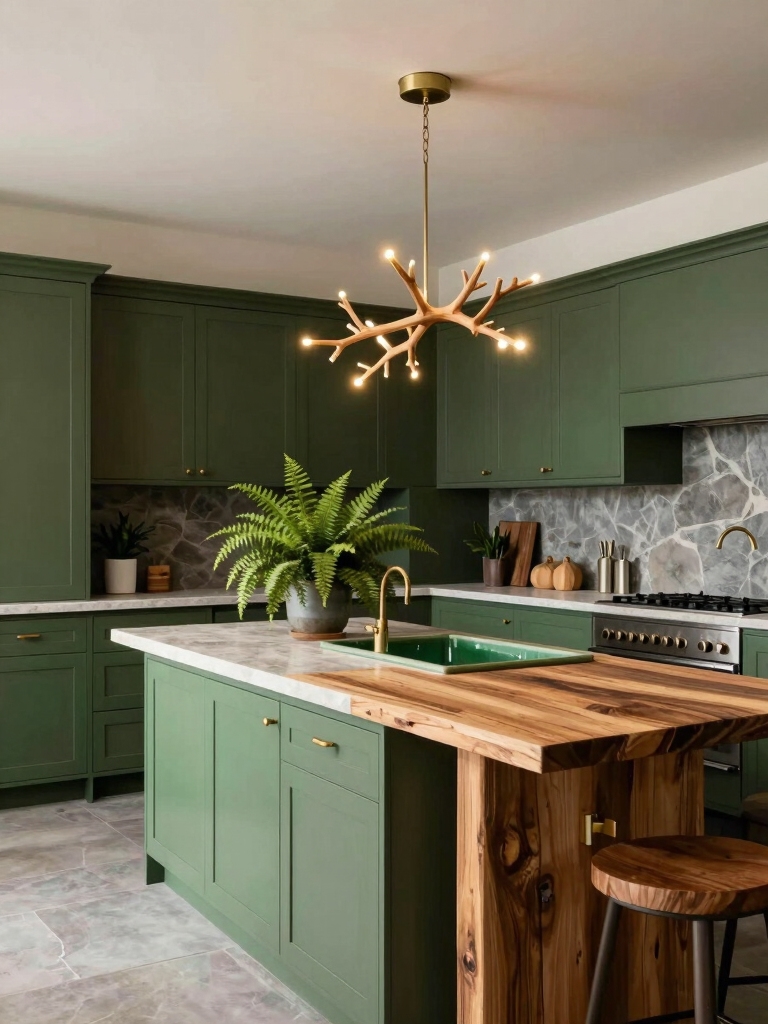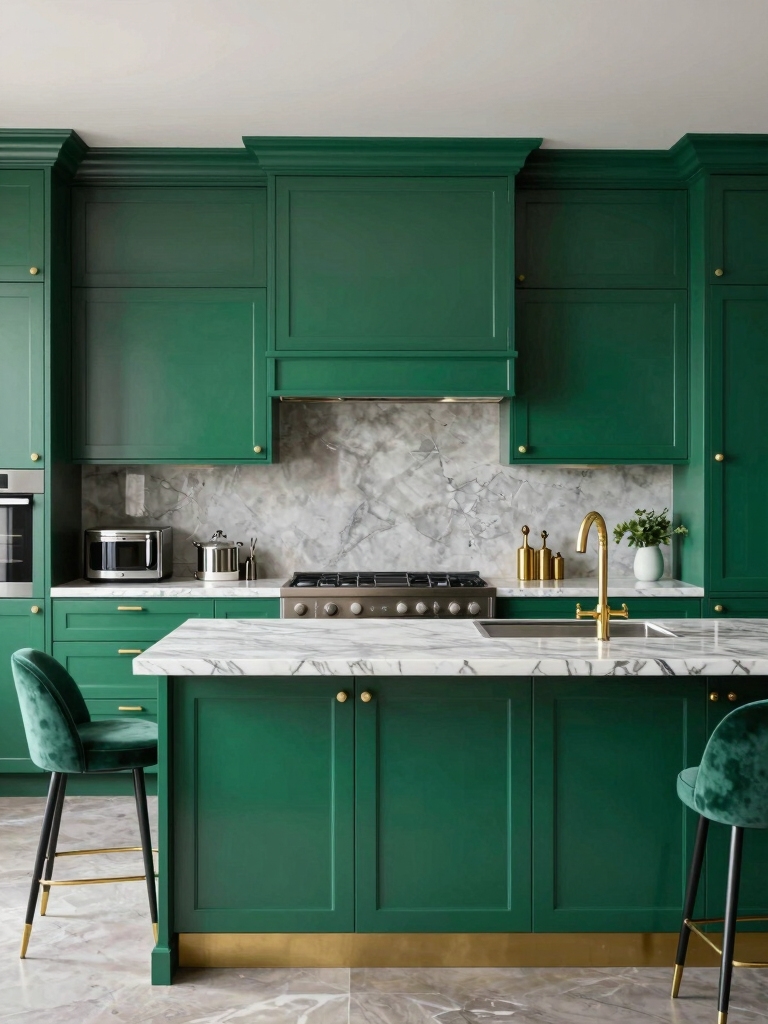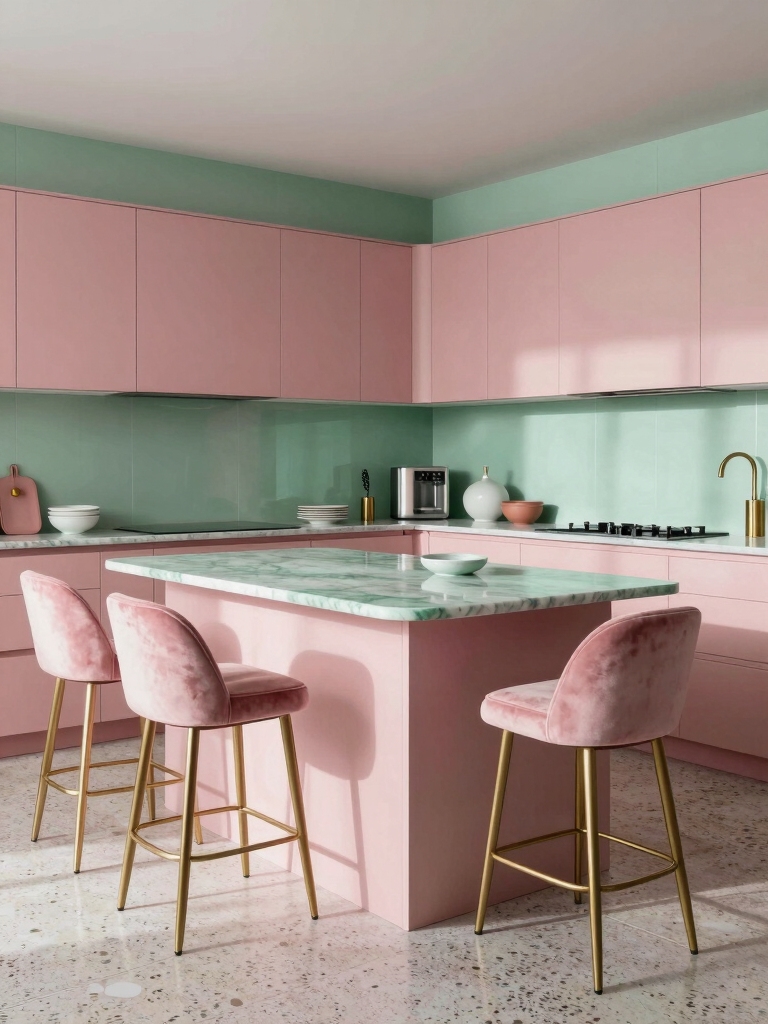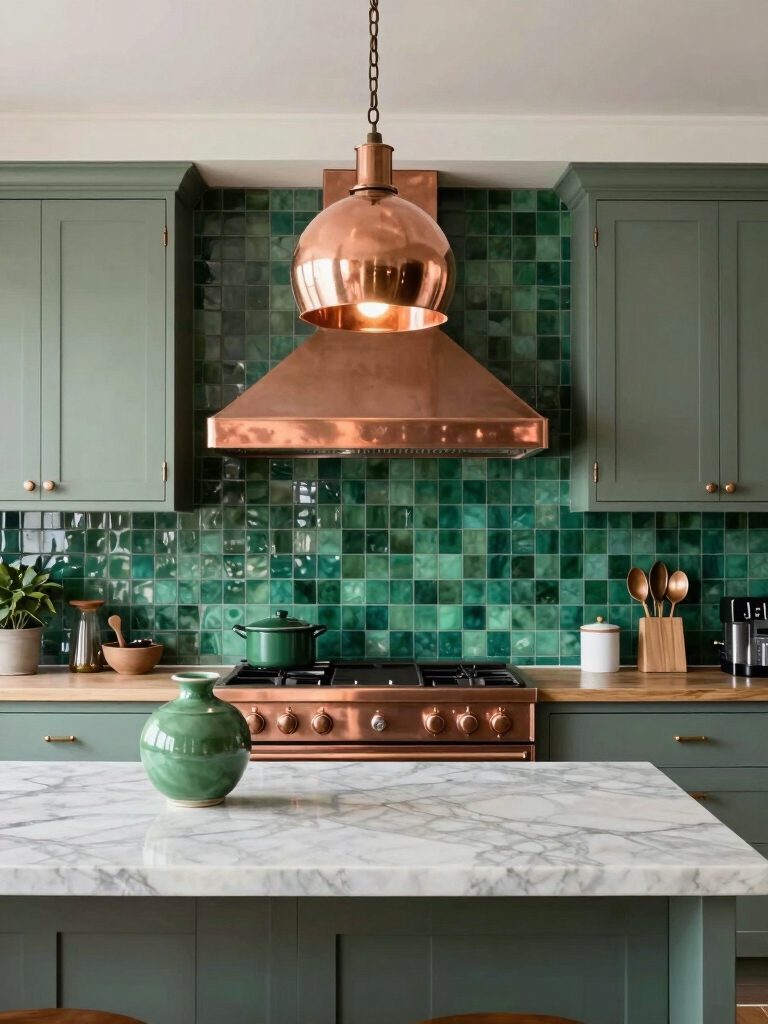

I’ve designed sage green and wood kitchens to feel calm, collected, and endlessly magazine-worthy, with smart storage and warm textures that actually work in real life. You’ll see how to choose the right sage shade, pick wood tones that contrast without overpowering, and use matte finishes to soften bold contrasts. Let natural light do the heavy lifting, then explore three real-world layouts and budget-friendly tweaks. Stick with me and you’ll uncover practical ideas that elevate your own space.
What a Sage Green + Wood Kitchen Aims to Achieve

A sage green + wood kitchen aims to create a calm, inviting space that blends nature with everyday practicality.
I’m guiding you through how this setup works: soft tones reduce visual noise, wooden warmth adds texture, and smart storage keeps workflows smooth.
You’ll notice balanced color, functional layouts, and durable finishes that make cooking feel effortless and cozy.
Together, we design calm. Moreover, the combination of dark green and wood creates a unique aesthetic that redefines modern rustic style.
How to Choose Your Sage Green Shade

So, how do you pick the right sage green shade for your kitchen?
Start by defining lighting: natural light brightens, while north-facing dims.
Next, test swatches on walls, cabinets, and trim at multiple times of day.
Consider undertones—cool gray, warm beige, or olive.
Finally, pair with your wood tones, ensuring contrast without crowding.
Trust your eye; practicality wins. Additionally, remember that sage green cabinets are becoming increasingly popular in farmhouse designs, making it a trendy choice for your kitchen.
Which Wood Tones Best Complement Sage

When I think about Sage, I find that light maple brings warmth without overpowering the green, while still keeping the room feeling fresh. For contrast and a touch of sophistication, I like to use rich walnut as an accent rather than the main color. If we balance these tones thoughtfully, the sage stays the star and the wood tones add depth. Additionally, the trend of quiet luxury emphasizes the elegance of subtle color pairings like sage green and wood.
Light Maple Complements Sage
Light maple brings a warm, airy note that pairs beautifully with Sage Green in a kitchen.
I find maple’s pale grain keeps lines clean and bright, while its subtle warmth prevents sterile looks.
Use it for cabinetry or islands, soften with brushed brass hardware, and balance with matte sage walls.
Practical tip: keep surfaces simple to highlight the contrast.
Rich Walnut Accents
Rich Walnut accents bring depth and contrast that pair beautifully with Sage Green.
I’m sharing practical pairing tips I trust: use walnut for cabinetry or a dining table as a grounding element, add light textures to balance the dark grain, and keep hardware simple.
In small kitchens, contrast walls slightly lighter than Sage to preserve brightness.
Why Matte Finishes Work With Sage and Wood

Matte finishes pair perfectly with sage green and wood because they muffle glare and emphasize texture.
I’ve found they soften bold contrasts, letting the grain breathe and the paint fade into walls without shouting. When you touch surfaces, the subtle sheen rewards you with depth, not glare.
For practical setups, pair matte with muted greens and warm woods. The use of sage green cabinets in kitchen design can seamlessly bring nature indoors, creating a calming and inviting atmosphere.
Letting Natural Light Do the Work: Effects on Sage + Wood

As we’ve settled the matte finish with sage green and warm wood, the real magic happens when natural light takes the lead.
I notice how daylight softens tones, brightens grain, and adds depth without glare.
Position windows and lamps strategically, so shadows sculpt edges.
Clean lines stay practical, while light emphasizes warmth, making this palette feel inviting, alive, and timeless.
The combination of sage green cabinets with natural light creates a serene atmosphere, enhancing a calm, zen kitchen feel.
Cabinet Styles That Pair Beautifully With Sage
Choosing cabinet styles that pair beautifully with sage is all about balance: you want lines that feel calm and complementary, not competing. I lean toward clean silhouettes—Shaker, flat-panel, and inset—paired with soft, matte finishes. Avoid heavy ornament; instead, let grain and color speak. We want cohesive depth, easy maintenance, and a kitchen that feels serene, not busy. Incorporating sage kitchen cabinets can enhance the overall aesthetic, giving a modern twist to classic designs.
Countertop Options That Balance Sage and Timber
Countertops are where sage and timber meet, so the right choice balances both warmth and calm.
I’ll walk you through practical options that complement green tones and wood grain.
Consider quartz or concrete for durability, butcher-block for warmth, or granite with subtle veining for contrast. Additionally, incorporating inspiring green kitchen ideas can elevate your design and create a cohesive look.
Choose manageable finishes, edge profiles, and seam placement that keep the look cohesive and easy to live with.
Backsplash Ideas to Elevate Sage Stone or Tile
If you’re aiming to elevate sage stone or tile, the backsplash is where color, texture, and pattern pull the room together.
I’d choose a backsplash that contrasts subtly or harmonizes with sage. Consider glass subway in soft gray, ceramic with warm veining, or a textured tile in muted olive.
Keep grout narrow, matte, and low-contrast for timeless balance. A well-chosen backsplash design can transform a small corner kitchen into a stylish focal point.
Subtle Hardware That Elevates Sage and Wood
Subtle hardware can make a big impact without overpowering sage and wood tones.
I’m sticking to clean lines, soft finishes, and minimal hardware that feels invisible yet deliberate.
Choose brushed nickel, oil-rubbed bronze, or matte black sparingly on drawers and doors.
Install centered pulls for balance, or hidden hinges for a seamless look, and let the wood breathe.
Simple, practical, cohesive.
Smart Storage Solutions for Sage + Wood Kitchens
Let’s carry that restrained, clean vibe into storage by focusing on smart solutions that keep Sage tones and wood grain visible.
I prioritize integrated pullouts, slim dividers, and labeled bins to reduce clutter without overhauling cabinetry.
Use open shelving sparingly, with sealed containers.
Choose shallower uppers for visible texture, deeper lowers for bulky items, and hidden compartments for infrequently used pieces.
Lighting Plans to Highlight Sage Cabinets and Wood Surfaces
To showcase Sage cabinets and wood surfaces, I start with layered lighting that minimizes glare while highlighting color and grain.
I use a mix of ambient, task, and accent lights, placing dimmers on everything. I bias cool, CRI-90 bulbs for clarity, then warm accents to reveal warmth.
In practice, I test angles and adjust until the tones feel balanced.
Textures and Layers for Cozy Warmth
Textures and layers are how I make a space feel cozy without tipping into fuzzy overload.
I pair tactile surfaces—soft throws, woven rugs, and linen towels—with varied textures: matte sage cabinets, warm wood, and subtle metallic accents.
Layer lighting thoughtfully, group textures by zone, and keep a simple palette.
Practical tips, clear steps, and a lived-in feel you can replicate.
Small-Kitchen Sage + Wood: Practical Tips
Small kitchens don’t have to feel boxed in when you lean into sage and wood; with smart layout moves and thoughtful finishes, they can feel spacious and warm.
I keep lines clean, store smart, and choose compact appliances.
Add pull-out trays, hidden trash, and open shelving to reduce clutter.
Use matte sage walls, warm wood accents, and bright lighting for balance.
Timeless Color Forecasts vs. Longevity in Sage + Wood
I’m curious how timeless color forecasts hold up against real life, especially when sage wood tones ages with use.
I’ll compare popular forecasts to longevity—how sage looks after years of sunlight, wear, and season changes.
Let’s explore practical tips for choosing sage and wood that stay fresh beyond fashion.
Timeless Color Forecasts
Sage green isn’t just a passing trend in kitchens; it’s a durable choice that blends well with wood accents and ages gracefully.
I forecast color as a living palette, not a rulebook, and you’ll see it evolve with seasons.
- Subtle, adaptable hues
- Complementary warmth with wood
- Timeless neutrals grounding bold accents
- Carefully curated textures that endure
Longevity in Sage Wood
Longevity in Sage Wood blends the reliability of a timeless palette with the warmth of natural materials.
I treasure how sage tones stay fresh, while wood ages gracefully, adding character.
You’ll notice durability in cabinets and countertops, plus easy upkeep.
Let’s plan finishes that resist fading, scratches, and moisture.
With smart maintenance, this combo remains chic and practical year after year.
Maintenance and Care for Sage Green Finishes
To keep sage green finishes looking fresh, I start with a simple, proactive routine: wipe away dust with a soft microfiber cloth and periodic light cleaning using a mild, non Abrasive soap solution.
- Dust daily with microfiber
- Wipe spills promptly
- Use gentle cleaners
- Seal joints and wood edges yearly
Real-World Kitchen Tour: 3 Design Blueprints
Stepping into a real-world kitchen, I’ll walk you through three practical design blueprints that blend sage green with wood tones for everyday use.
Blueprint one aims for calm, accessible storage with shallow shelves and labeled bins.
Blueprint two focuses on durable surfaces and warm accents, balancing countertop practicality with fiberboard details.
Blueprint three champions flow, sightlines, and intuitive appliance placement for effortless cooking.
Budget-Friendly Sage + Wood Makeovers
If you’re after a cozy, budget-friendly upgrade, sage + wood makes it doable without breaking the bank.
I’ll outline practical, affordable steps you can trust.
- Swap hardware for matte brass or oil-rubbed bronze
- Refinish cabinets with sage chalk paint and protective sealer
- Add wood-toned shelves for warmth
- Use affordable butcher-block accents for instant texture
DIY Accent Details That Tie Sage and Wood Together
Sage and wood can feel cohesive without matching perfectly, so I focus on small details that tie them together with intention.
I lean on texture, like a matte sage wall with oiled wood accents, and repeat motifs, such as grain-forward cabinetry paired with linen textiles.
Subtle hardware, warm lighting, and spaced greenery keep the look unified and practical.
Recoloring and Resurfacing Without Major Replacements
Color and texture can get a fresh feel without tearing things out. I’m sharing practical recolor and resurfacing ideas you can try now—no major replacements needed.
- Refinish cabinets with a tinted topcoat for cohesion.
- Swap hardware for a cohesive metal finish.
- Refresh countertops with a durable veneer or epoxy.
- Repaint walls in a sage palette for unity.
Conclusion
So, as you’re planning your sage green and wood kitchen, a quick stat sticks with me: homes that layer warm wood with cool green accents see up to 40% faster perceived serenity in photos. It’s not magic—it’s contrast and texture doing the heavy lifting. Keep colors softly matte, let in natural light, and lean into simple, tactile details. You’ll get a magazine-worthy space that feels both cozy and current, without sacrificing practicality or budget. You’ve got this.