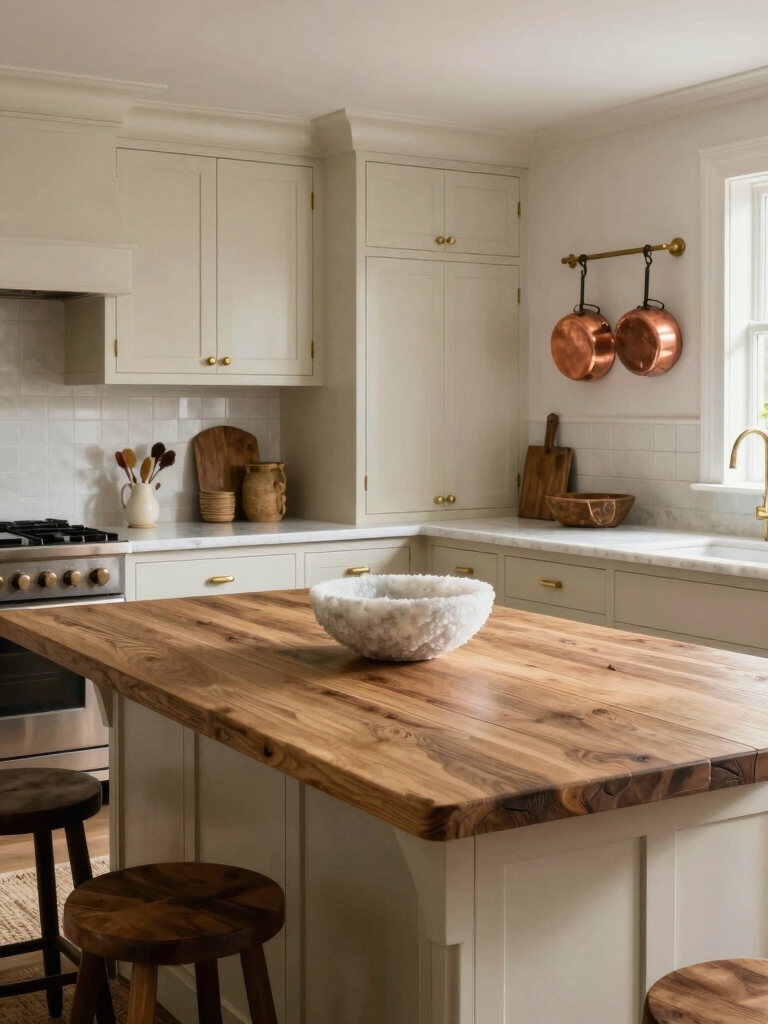

I recommend keeping islands that balance workflow, storage, and social space — think a prep zone with deep drawers and a small prep sink, a raised bar for seating, and room for integrated appliances like a drawer fridge or cooktop.
I favor multilevel or modular islands that adapt to chores and guests, with good lighting and hidden outlets. They elevate daily life and resale. If you want, I’ll walk you through designs and placement that fit your routine.
Planning an Island That Matches Your Kitchen’s Workflow

When I plan a kitchen island, I start by watching how you move: where you chop, where you stash, and where dishes pile up.
I ask about routines, storage needs, and seating habits, then sketch an island that keeps prep paths clear, tucks utensils nearby, and creates a calm staging area.
The goal: harmonious flow, purposeful surfaces, and effortless daily use.
I also prioritize maximizing storage to ensure every inch of the island contributes to function as well as form.
Multilevel Islands for Cooking, Dining, and Serving

I like multilevel islands because they let me carve clear zones for cooking, prep, and cleanup without crowding one surface.
A raised dining bar gives guests a comfortable perch while keeping the work area separate, and an integrated serving station keeps platters and drinks within easy reach.
Let’s look at how to arrange those zones so the island works beautifully for both everyday meals and entertaining.
Multilevel designs also offer great visual interest and can make a small island feel like the centerpiece of the kitchen.
Zoned Work Surfaces
With a multilevel island, I carve the kitchen into clear zones that let cooking, dining, and serving happen at once without crowding each other.
I design surfaces for tasks so flow feels effortless:
- Prep zone: resilient countertop, sink access.
- Cook zone: heat-safe surface, nearby storage.
- Serve zone: lower slab for plates, easy pass-through.
Each area balances function and style. Kitchen Island Ideas You’ll Want to Screenshot Immediately include layouts that maximize both form and function, offering quick inspiration for different scales and styles with multifunctional zones.
Raised Dining Bar
Because a raised dining bar creates a distinct social edge to the island, I use it to separate eating from cooking without shutting either down — guests can perch with a drink while I finish plating.
The tiered counter adds visual rhythm, conceals prep mess, and invites varied seating heights. I choose durable materials and warm finishes so it feels both polished and comfortably lived-in.
A multilevel island also reflects current trends toward modern kitchen islands, blending form and function.
Integrated Serving Station
When I design a multilevel island as an integrated serving station, I treat it like choreography—each tier has a clear purpose so cooking, dining, and serving flow without crowding one another.
I balance materials and heights for function and charm.
- Prep level: durable, close to cooktop.
- Dining ledge: comfortable seating height.
- Service shelf: buffet-style, easy access.
Kitchen Island Designs That Make Every Home Cook Jealous inspire every home cook.
Islands With Integrated Appliances and Prep Stations

I love when an island becomes the kitchen’s command center, so I’ll show how built-in cooktops, hidden appliance bays, and dedicated prep sinks can work together.
You’ll see how a cooktop island keeps cooking social, while concealed fridges or mixers preserve a clean aesthetic.
I’ll also explain how a prep sink station speeds mise en place and keeps messes contained.
A thoughtfully designed island can also include integrated cooktops to streamline workflow and maximize counter space.
Built-in Cooktop Islands
I’ll walk you through built-in cooktop islands — the kind that marry cooking, prep and storage into a single, streamlined hub — because they change how a kitchen functions.
I place the range center stage, keep ventilation sleek, and design nearby drawers for pots. Consider:
- Seamless counters for spill control
- Accessible storage under burners
- Dedicated prep zones with durable surfaces
Professional chefs often favor islands with integrated cooktops and storage because they create efficient, centralized workstations with built-in stoves.
Hidden Appliance Integration
You’ll find hidden appliance integration turns an island into a multifunctional command center that keeps the kitchen looking calm and curated while making prep effortless.
I tuck microwaves, refrigeration drawers, and dish drawers behind coordinated panels so appliances disappear into the design.
It feels intentional and efficient—every tool is within reach, surfaces stay uncluttered, and the island reads as elegant, versatile furniture rather than utilitarian equipment.
Dedicated Prep Sink Stations
Nothing beats having a small sink tucked into the island when I’m prepping—it’s a game changer for speed and cleanliness.
I love designing stations that feel intentional and lived-in. Consider these essentials for a dedicated prep sink setup:
- Compact sink with integrated cutting board
- Pull-down sprayer and dish drawer
- Nearby storage for knives, bowls, and towels
It keeps flow seamless.
Islands Designed for Maximum Storage Efficiency

I’ve learned that the smartest islands don’t just sit pretty—they work hard for you, packing thoughtful storage into every inch so your kitchen stays calm and functional.
I favor deep drawers for pots, vertical dividers for baking sheets, and hidden spice racks near the cooktop.
Open cubbies showcase ceramics while pull-out bins hide recycling. It’s efficient, elegant, and utterly livable.
Seating-Focused Islands for Entertaining and Family Time

I love islands that invite people to linger, so I design seating at bar height for comfort and easy conversation.
I also tuck in thoughtful storage and built-in power so snacks, chargers, and servingware are always within reach. That blend of cozy seating and practical features keeps the island the heart of family time and entertaining.
Comfortable Bar-Height Seating
Pull up a stool and let me walk you through why bar-height seating transforms an island into the home’s social hub.
I choose stools that invite lingering, balance scale, and encourage conversation.
Consider:
- Cushioned stools with footrests for long chats.
- Mixed materials to layer personality.
- Proper overhang and spacing for comfort and flow.
This setup blends warmth, style, and easy entertaining.
Integrated Storage and Power
When I plan a seating-focused island, I make storage and power feel like thoughtful guests—easy to reach, quietly stylish, and built for how we actually live.
I tuck drawers for chargers, napkins, and board games beneath the counter and hide pop-up outlets for laptops and slow cookers.
Guests stay comfortable, clutter disappears, and the island works as a warm, efficient hub for gatherings.
Compact Islands for Small or Galley Kitchens
Let’s carve out usable space without overwhelming a narrow kitchen: I focus on islands that fit the flow of a galley layout, offer storage and prep surface, and stay movable enough to keep traffic clear.
I recommend:
- Narrow rolling cart for prep and hidden shelves.
- Slim fixed island with drawers and overhang seating.
- Foldable leaf island to expand when needed.
Islands With Built-In Sinks and Plumbing Solutions
I like placing a sink where it balances workflow and social flow, whether that’s centered for prep and conversation or offset to keep one side clear for seating.
When we talk plumbing, I prefer practical strategies—like routing supply and drain lines through a nearby wall, using an island chase, or installing a compact macerator—to keep finishes clean and service access simple.
Let’s look at placement pros and the plumbing options that make an island both beautiful and functional.
Sink Placement Considerations
Because I cook, entertain, and clean at my island, sink placement becomes one of the most practical design choices you’ll make: it affects workflow, plumbing complexity, and how your island feels in the room.
I prioritize sightlines and prep zones, then balance style with utility.
- Centered for socializing
- Offset for prep flow
- Edge-mounted for seating integration
Plumbing Access Strategies
When you place a sink in the island, plumbing access becomes a practical puzzle you’ll want to solve early — it affects cost, cabinet layout, and how cleanly the island integrates with the rest of the kitchen.
I recommend planning drain runs, venting, and shutoffs upfront, choosing removable access panels, and routing supply lines to minimize disruption.
That thoughtful prep keeps maintenance simple and the design seamless.
Mobile and Modular Islands for Flexible Layouts
I’m excited to show how mobile and modular islands can reshuffle a kitchen’s flow to match the day’s needs, whether you’re prepping a family dinner or clearing space for a weekend craft.
I love their adaptable charm and clean practicality:
- Rolling carts for instant prep stations
- Modular blocks that snap together or apart
- Hidden storage that moves with you
They feel curated, warm, and efficient.
Islands That Double as Home Office or Homework Zones
If you like how mobile islands reshape a kitchen for cooking or crafts, you’ll appreciate how they can also become focused workstations.
I turn part of my island into a laptop-friendly nook with a comfortable stool, task lighting, cord management and a drop-leaf for extra surface.
It blends storage, quiet workflow and family homework time without sacrificing style or flow.
Incorporating Specialty Features: Wine, Coffee, and Warming Drawers
Because I like my kitchen to be both beautiful and highly usable, I’ve started folding specialty units—wine fridges, built-in coffee stations, and warming drawers—into island designs where they truly earn their place.
- Wine fridge: accessible, temperature-aware.
- Coffee station: dedicated mess-free workflow.
- Warming drawer: practical service and meal timing.
These elements elevate daily rituals with refined, useful charm.
Materials and Finishes That Stand the Test of Time
Those specialty features work best when they sit on a foundation of materials that will hold up to years of use and still look intentional.
I favor honed stone countertops, durable hardwood or engineered floors, and matte metal hardware that ages gracefully.
Choose neutral, layered finishes—textured cabinetry paint, resilient sealants, and easy-care surfaces—so your island feels timeless, lived-in, and effortlessly curated.
Lighting and Electrical Planning for Island Functionality
Lighting can make or break how your island functions, so I plan it with purpose: task lighting for prep, ambient light for atmosphere, and accent lighting to highlight architectural details.
I balance form and function, concealing wiring and adding dimmers.
Priority list:
- Pendant clusters over work zones
- Under-cabinet strips for counters
- Recessed dimmable cans for overall glow
Structural Considerations: Support, Venting, and Flooring
I plan lighting to serve both function and atmosphere, but an island’s lasting usefulness depends on how it’s built and supported.
I check joists, beam placement, and proper anchoring so countertops and sinks stay stable.
I coordinate venting for cooktops to prevent moisture and odors, and I match flooring shifts and load ratings so the island feels integrated, safe, and effortlessly elegant.
Universal Design and Accessibility-Friendly Island Options
Because good design should welcome everyone, I prioritize island layouts that blend style with real-world accessibility—think knee-clearance workstations, lowered sections for prep or homework, and overhangs that let people use wheelchairs comfortably.
- Adjustable-height prep surfaces for flexible use.
- Pull-out storage and reachable appliances.
- Non-slip flooring and clear maneuvering space for safety and ease.
Maximizing Resale Value With Timeless Island Choices
When buyers walk through a home, they often zero in on the kitchen island, so I choose timeless materials and clean lines that appeal broadly while still feeling thoughtful and distinctive.
I favor neutral stone tops, durable woods, subtle hardware and adaptable layouts that suit families and entertainers.
That restrained, curated approach keeps the island stylish, marketable and ready for varied buyer tastes.
As you plan your perfect island, remember to pair practical planning with personal polish — prioritize pathways, prep zones, and power, then pick pieces that promise both personality and permanence.
I’ll help you balance bold beauty with budget-friendly basics, selecting storage-savvy solutions, seating that invites stories, and lighting that flatters.
Together we’ll craft a cohesive, comfortable kitchen centerpiece that’s functional, fashionable, and future-ready, a stylish stronghold for daily life and delightful dinners.