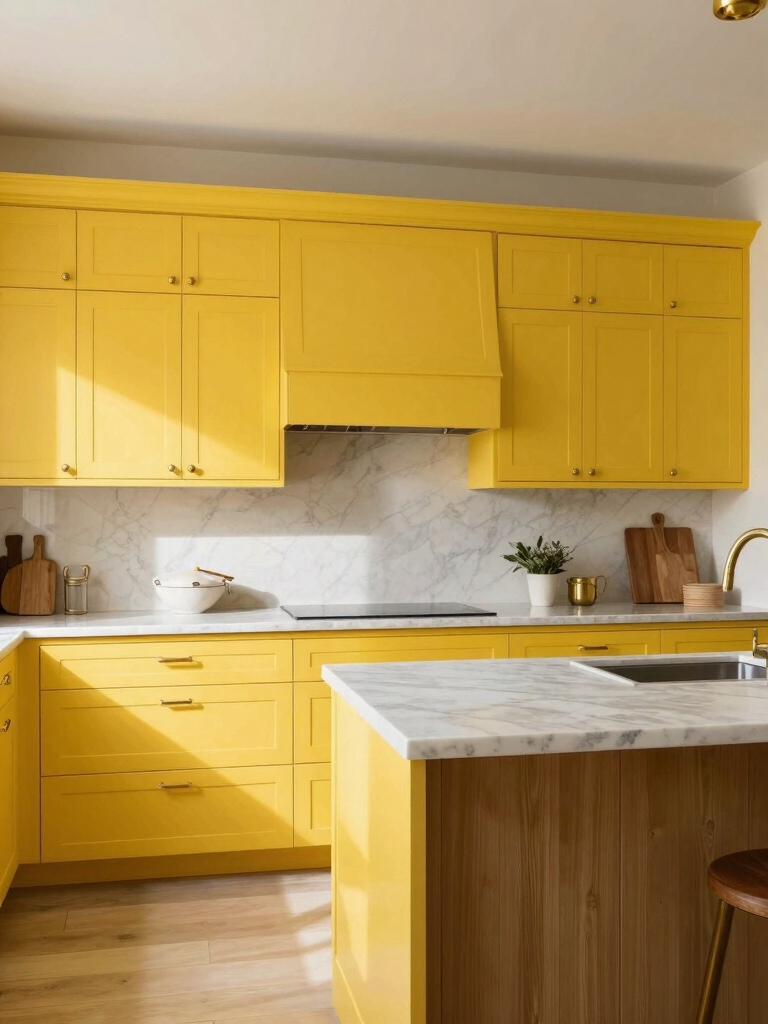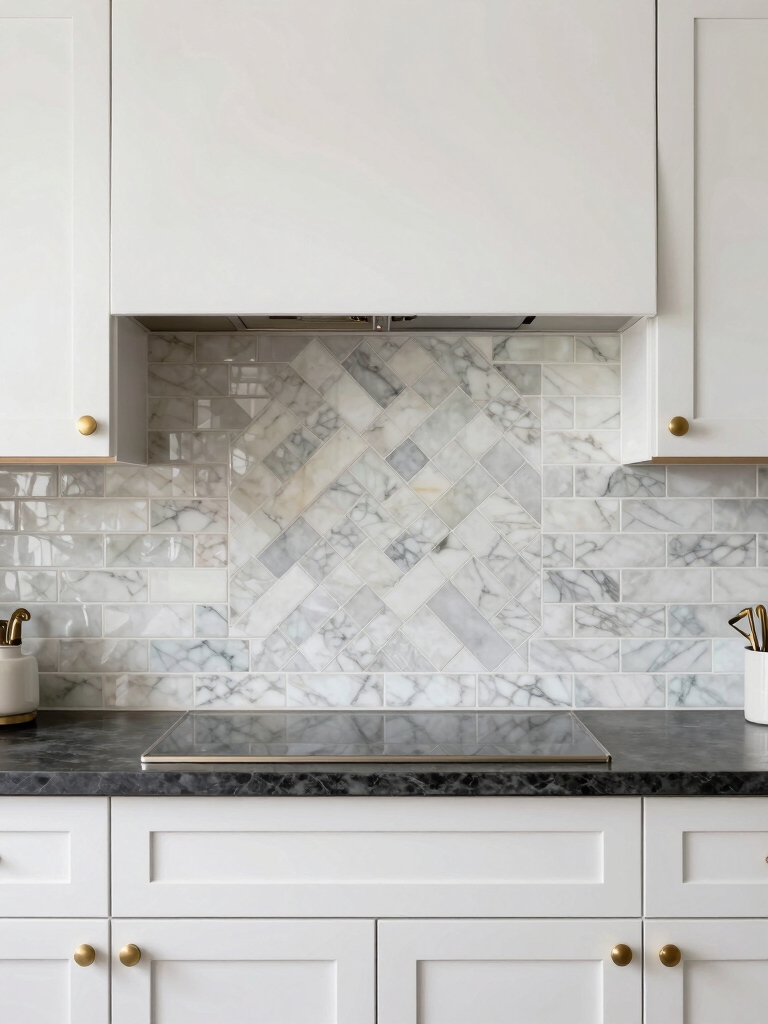

I’ll show you how modular kitchen cabinets transform tiny apartment kitchens into highly functional, stylish spaces that don’t feel cramped. I focus on zone-based layouts, tall and slim pull-outs, corner carousels, and stackable modules to squeeze every useful inch while keeping daily tasks smooth.
I recommend durable, low-maintenance finishes, soft-close hardware, and easy DIY installation with snap-on doors for renters. Keep going and you’ll get practical options, layouts, and lighting tips to make it work for you.
Why Modular Cabinets Are Ideal for Small Kitchens
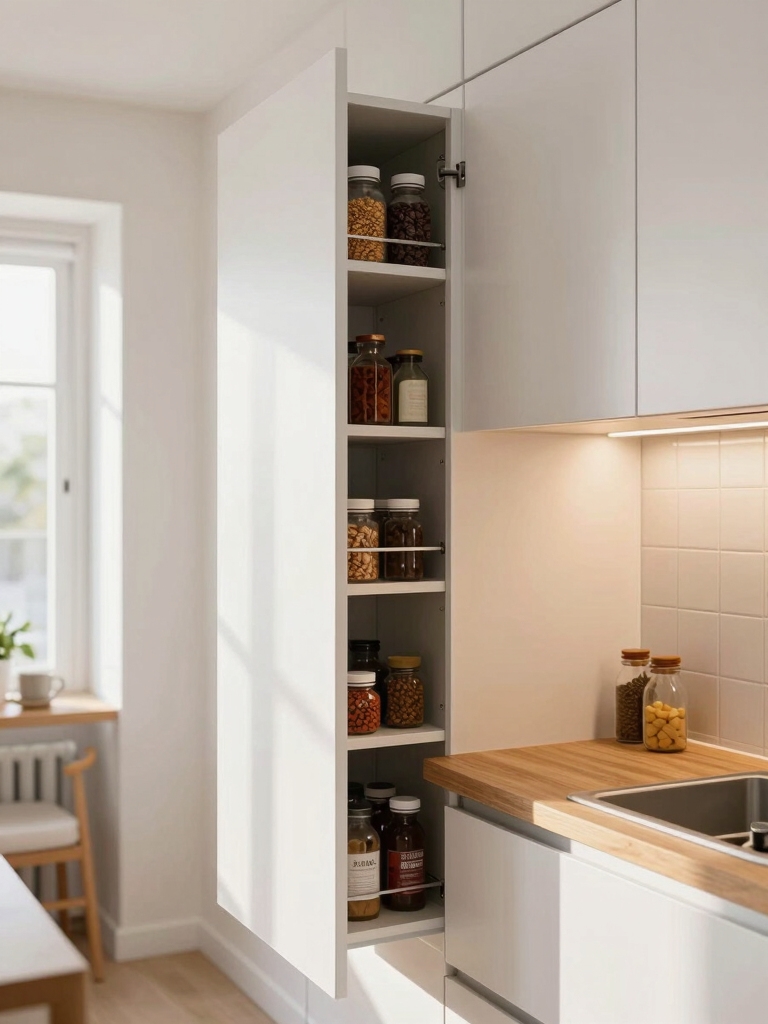
Because every inch counts in a small kitchen, I recommend modular cabinets as the smartest way to stretch storage and keep your space feeling open.
I choose slim pull-out pantries, stackable drawer units, and corner carousels to eliminate dead zones.
You’ll get tailored compartments, easy-access shelves, and consistent finishes that simplify organization and brighten the room without overwhelming it.
Modular designs also let you create efficient cook-centered layouts with compact modular kitchens that support real home cooking.
Planning Your Layout for Maximum Storage
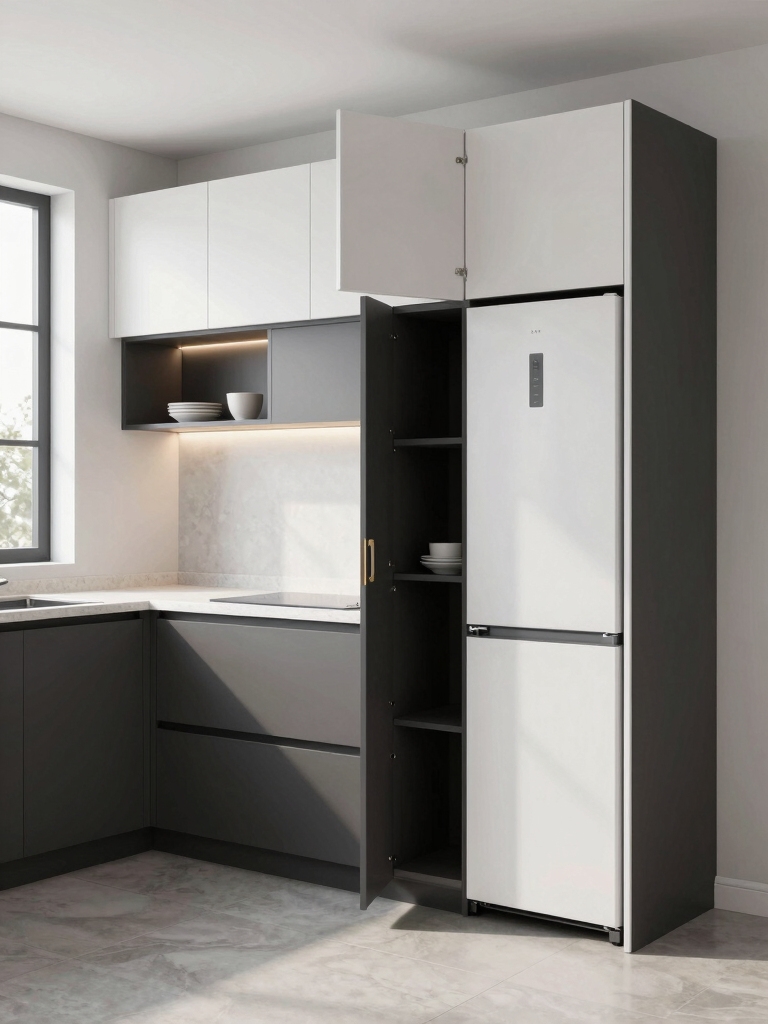
I’ll show you how to use every inch of vertical space with tall cabinets, open shelves, and stackable organizers so your small kitchen feels much larger.
I’ll also walk through a zone-based layout—prep, cooking, and storage—so everyday items stay within easy reach.
Together we’ll map a compact plan that maximizes storage and streamlines how you work in the kitchen.
Clever configurations like pull-out pantries and corner carousels can transform wasted space into efficient storage with space-saving solutions.
Vertical Space Optimization
One clear way I boost storage in a compact kitchen is by thinking vertically from day one: stacking cabinets, adding tall pantry units, and using the full height between counter and ceiling turns wasted airspace into usable storage.
I fit slim pull-out shelves, install open upper racks for frequently used items, and add under-cabinet hooks and magnetic strips so every inch serves a purpose.
Designing cabinets with modular components and stackable storage options lets you reconfigure layout as needs change.
Zone-Based Organization
When I plan a compact kitchen layout, I start by zoning—grouping the sink, prep area, cooktop, and food storage so each task has its own dedicated spot and traffic flows smoothly.
I assign cabinet types and heights to each zone, place frequently used items within easy reach, and use pull-out trays, vertical dividers, and labeled baskets to keep everything efficient, visible, and accessible.
Many small kitchen layout ideas focus on clever storage to transform cramped spaces into highly functional kitchens.
Choosing the Right Materials and Finishes

Because materials set the tone and determine longevity, I focus first on what each option really brings to a compact kitchen—durability, maintenance, cost, and visual impact.
I choose finishes that hide wear, reflect light, and simplify cleaning. Consider these practical picks:
- Matte laminate for low maintenance and budget
- Painted MDF for smooth color control
- Solid wood accents for warmth and repairability
Professional painting techniques can transform surfaces when done correctly, especially with proper prep and surface priming to ensure durability and a smooth finish.
Space-Saving Cabinet Types to Consider

I’ll walk you through a few compact cabinet types that really maximize storage without crowding your kitchen.
Vertical pull-out units keep spices and utensils neatly accessible, corner carousel solutions reclaim awkward joinery, and overhead wall organizers make use of high wall space for dishes or pantry items.
I’ll explain the pros and sizing tips for each so you can pick what fits your layout best.
These ideas are part of a collection of Clever Kitchen Solutions for tiny spaces you’ll love.
Vertical Pull-Out Units
I’ve found vertical pull-out units are a small-space secret: they slide into narrow gaps and turn wasted vertical real estate into highly organized storage.
I love how they keep spices, oils, and baking sheets visible yet tucked away.
They’re slim, accessible, and efficient—perfect for compact apartments.
- Slim spice racks
- Narrow tray holders
- Tall pantry shelves
They’re a popular choice in lists of space-saving kitchen ideas that go viral.
Corner Carousel Solutions
You can stretch that same idea of reclaiming awkward spaces into the cabinet corner with a carousel solution that makes the most of every inch.
I recommend lazy Susans or multi-tiered rotating trays that bring items forward, reduce bending, and keep lids visible.
Choose sturdy bearings, adjustable shelves, and soft-close options.
They fit neatly into base corners and transform wasted depth into usable, organized storage.
Overhead Wall Organizers
Let’s talk about overhead wall organizers — they’re a game-changer when floor space is scarce.
I rely on them to keep essentials reachable without cluttering counters.
They maximize vertical space, brighten the room, and simplify access.
- open shelves for everyday dishes
- shallow cabinets with labeled bins
- rail systems for utensils and small pots
They’re practical, neat, and smartly modular.
Vertical Storage Solutions and Tall Units

Although compact apartments demand careful planning, I’ve found that vertical storage and tall units transform tight kitchens into highly efficient spaces.
I rely on floor-to-ceiling cabinets, slim pantry towers, and integrated appliance columns to maximize storage without crowding.
Pull-out trays, adjustable shelving, and clear labeling keep items accessible.
These solutions free counter space and create a clean, organized look that feels spacious and practical.
Corner Cabinet Options That Work in Tight Spaces
Having tamed vertical clutter, I turn my attention to corners, since they can hide both wasted space and great opportunities in a compact kitchen. I prefer clever corner solutions that stay accessible and neat.
- Lazy Susan inserts for smooth reach
- Pull-out shelves that avoid dead zones
- Diagonal corner cabinets to maximize usable depth
These choices keep the workflow efficient and the space feeling open.
Drawer Systems That Improve Organization
I’ve found that upgrading to soft-close drawer slides instantly makes a compact kitchen feel more refined and prevents items from shifting when you open and close drawers.
Pairing those slides with modular compartment inserts lets you tailor each drawer to utensils, spices, or baking tools so everything has its place.
Tell me which items you struggle to organize and I’ll suggest the best insert layout.
Soft-Close Drawer Slides
I always reach for soft-close drawer slides first when I’m laying out a compact kitchen because they make organization effortless and feel premium without eating space.
They prevent slams, protect contents, and give precise, silent operation that helps small spaces feel calm.
- Smooth, controlled closure
- Durable, space-efficient hardware
- Easy installation and adjustment
Modular Compartment Inserts
After fitting the kitchen with soft-close slides, I turn next to modular compartment inserts because they multiply that sense of order without shrinking usable space.
I pick adjustable dividers, utensil trays, and spice racks that clip in neatly. They let me separate knives, lids, and gadgets, reduce rummaging, and adapt as needs change—clean, efficient, and surprisingly transformative for a small apartment kitchen.
Integrating Appliances Into Modular Designs
Let’s talk about integrating appliances into modular designs so you can have a fully functional kitchen without sacrificing space or style.
I prioritize compact, built-in units, clever ventilation, and accessible service panels so your kitchen stays sleek and practical.
Consider these integration strategies:
- Slimline refrigerators and drawer dishwashers for tight gaps
- Microwave compartments with ventilation
- Slide-out appliance garages for countertop freedom
Open Shelving vs. Closed Cabinets: Pros and Cons
Although open shelving can make a compact kitchen feel airier, I weigh it against closed cabinets for practicality and dust control;
I’ll explain how each option affects storage, accessibility, visual clutter, and maintenance so you can choose what fits your lifestyle.
I prefer open shelves for everyday dishes and display, but closed cabinets hide clutter, protect items, and offer neater, adjustable storage—tradeoffs depend on your routine.
Color and Finish Tips to Make a Small Kitchen Feel Larger
I always recommend light, reflective surfaces to bounce natural and artificial light around a compact kitchen, making it feel airier.
Pairing a mostly monochrome palette with a few contrasting elements—like a darker countertop or hardware—adds depth without cluttering the visual field.
Small choices in finish, from glossy cabinet fronts to satin backsplashes, can dramatically change perceived space.
Light, Reflective Surfaces
When I’m planning a compact kitchen, I lean on light, reflective surfaces to expand visual space and bounce natural light into every corner.
I choose glossy cabinetry, pale quartz, and mirrored backsplashes to amplify brightness without clutter. Small, strategic reflections make the layout feel airy and intentional.
- Glossy cabinet fronts
- Pale, polished countertops
- Slim mirrored backsplash panels
Monochrome With Contrast
Balance monochrome with sharp contrast to make a tiny kitchen read as intentional and spacious:
I pick a single dominant hue for cabinets and walls—usually a warm white or soft gray—to create visual continuity, then introduce high-contrast accents like matte-black hardware, deep charcoal lower cabinets, or a stained-wood open shelf to carve out depth and define zones without breaking the flow.
I also add textured tiles.
Budget-Friendly Modular Options for Renters
Let’s dig into budget-friendly modular options that work for renters, because I’ve learned small choices make big differences in tight spaces.
I favor lightweight, affordable units that maximize storage without permanent changes. Choose pieces you can move, mix finishes for polish, and prioritize adaptable layouts that fit rental rules.
- Stackable open shelving
- Slim base cabinets with adjustable shelves
- Countertop-ready modular islands
Quick Installation and DIY-Friendly Modules
I’ll walk you through quick-install, DIY-friendly modular options that save time and keep damage to a minimum—perfect for rental rules and busy schedules.
I recommend lightweight, tool-light units with click-fit connectors and predrilled holes.
Snap-on doors, adjustable shelving, and reversible panels cut installation to hours.
I’ll also note simple anchoring methods and clear instructions to guarantee safe, tidy results without professional help.
Customization and Future Flexibility
When you need a kitchen that adapts as your life changes, I focus on modular pieces that let you reconfigure, expand, or swap finishes without ripping everything out.
I pick adaptable cabinet frames, interchangeable fronts, and adjustable shelving so upgrades are simple and affordable.
Consider options that protect your investment and match evolving needs:
- Snap-on fronts for style changes
- Tool-less shelf adjustment
- Stackable add-on modules
Lighting Strategies to Enhance Cabinet Functionality
Because good lighting turns cabinets from storage into usable, inviting space, I plan illumination around tasks, accents, and safety so every nook works as intended.
I choose under-cabinet LEDs for prep, strip lights inside cabinets for visibility, and motion-activated toe-kick lights for night access.
I balance color temperature, dimming, and placement to avoid shadows and highlight textures without overwhelming a compact kitchen.
Maintenance and Care for Longevity
Although careful design gets your cabinets off to a good start, regular maintenance keeps them looking and working like new, and I’ll walk you through the simple routines that make a big difference.
I clean gently, check hinges, and protect surfaces from moisture. Simple habits prolong life and save repairs.
- Wipe spills immediately with mild cleaner
- Tighten loose hardware monthly
- Refinish edges as needed
I’ve loved showing how modular kitchen cabinets make compact living clever and calm. Thoughtful planning pares clutter, perfecting places for plates, pans, and pantry picks.
Choosing sturdy surfaces, smart storage styles, and sleek lighting saves space and sparks satisfaction.
Quick installs mean you’ll enjoy a fresh, flexible fit fast, and simple maintenance keeps your kitchen crisp. Embrace modular magic for a streamlined, stylish, stress-free small-space solution.