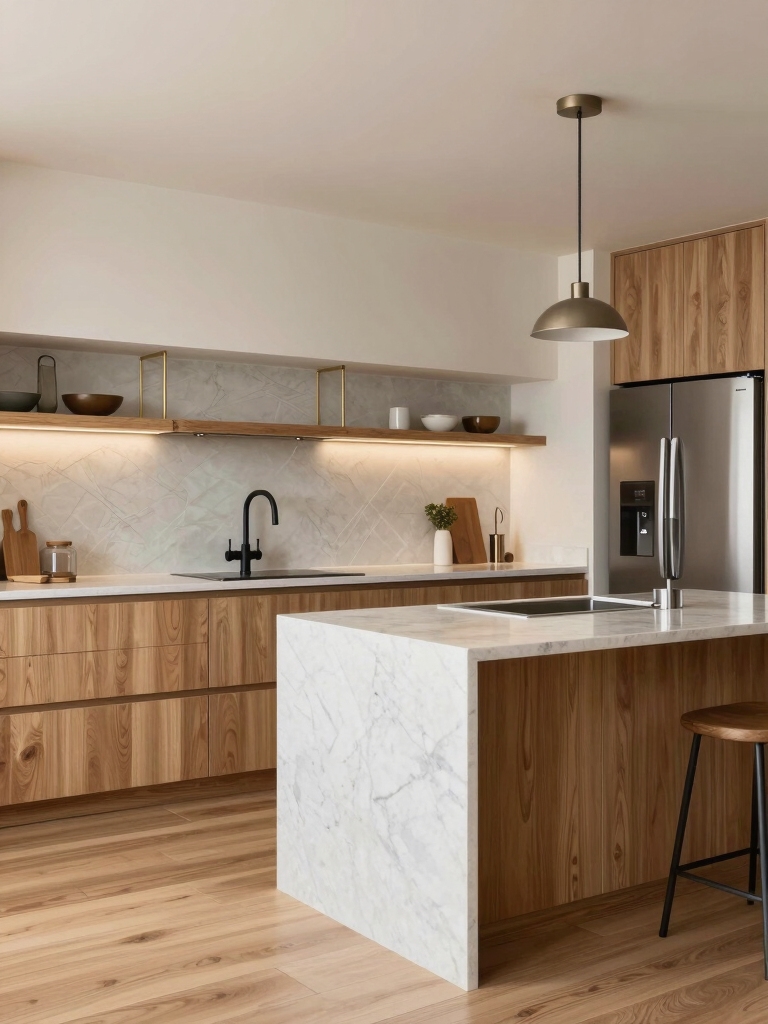

Step into a true 1940s kitchen and you feel it before you name it: the cool of a chrome bin pull under your fingers, butter-yellow cabinets, a checkerboard floor, the soft scallop of a valance over the sink. It is a look built from wartime thrift and good sense, and it has aged into pure character.
Bringing that authentic period detail home is less about a museum restoration and more about getting a handful of things right, the cabinetry, the hardware, the palette, so the room feels 1940s even with a modern fridge humming in the corner. Here is how to capture the era honestly, what to preserve, and where a faithful reproduction beats hunting for the real thing.
The 1940s Kitchen, Decoded
| Element | What makes it 1940s | How to get the look |
|---|---|---|
| Cabinetry | Flat or shaker fronts in cream or pastel | Paint existing boxes; avoid slab-modern doors |
| Hardware | Chrome bin pulls and Bakelite knobs | Reproductions run about four to ten dollars each |
The 1940s Kitchen Look, in a Sentence
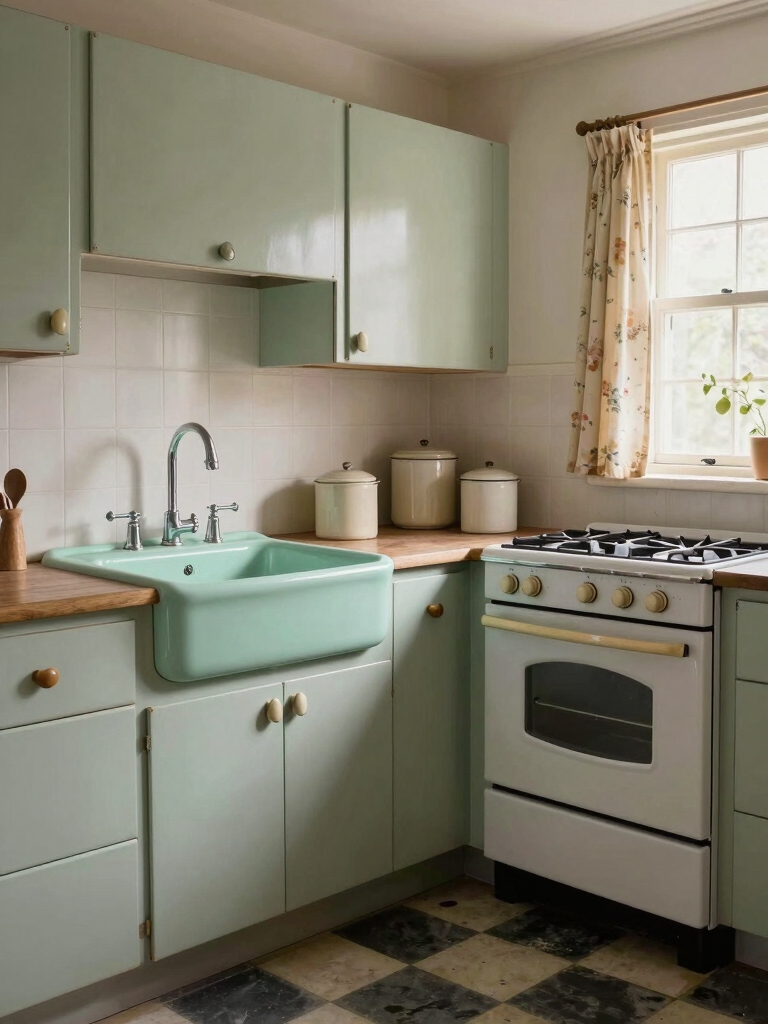
The 1940s kitchen was shaped by wartime thrift, and that is exactly why it still charms. Materials were simple and built to last: painted wood cabinets, a porcelain or steel sink, linoleum underfoot, and chrome wherever a little shine was allowed. The palette leaned soft, creams and warm whites lifted by a single cheerful pastel, mint, butter yellow, a dusty red, with details that were small and practical instead of showy.
What says 1940s at a glance
What pulls people back to it now is honesty. After years of glossy, oversized kitchens, a 1940s room feels human-scaled and unpretentious, the kind of space that wears a little patina well. It is the era I point people to when they want real character without spending big, and our vintage kitchen decor guide tracks the same comeback across the wider trend.
If you want to read the era at a glance, look for the markers: a freestanding, unfitted feel, scalloped or curved trim, a built-in dining nook, glass-front upper cabinets, and a thin metal edge on the counters. Get a few of those into the room and the period lands instantly, no time machine required. None of it has to be precious, either; the 1940s kitchen was a working room, so a little honest wear only makes the look more believable.
Preserve the Original Period Features You Have
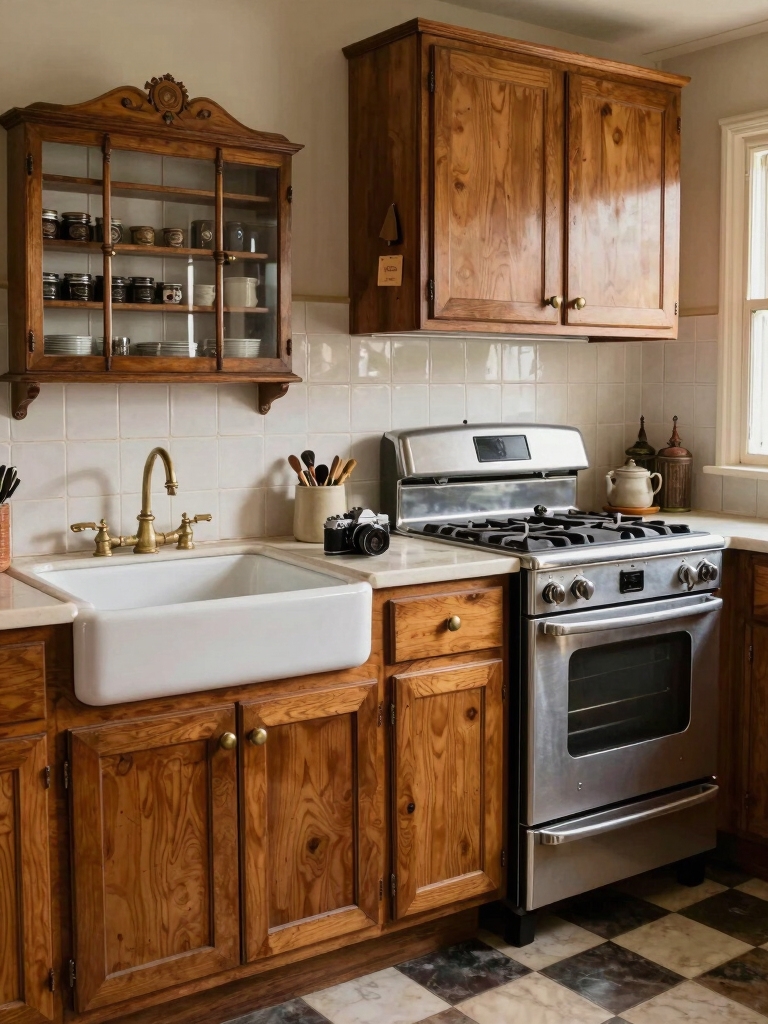
Before you buy a single new thing, take stock of what the house already gives you, because genuine 1940s features are nearly impossible to fake convincingly. A porcelain drainboard sink, solid wood cabinet boxes, the old chrome hardware, a stretch of patterned linoleum, even the scalloped valance over the window, all of it is worth saving and restoring before you reach for a catalog.
I always walk a period kitchen once with my hands in my pockets, just looking, before anyone talks about pulling things out. Restoring almost always beats replacing here, for the look and the wallet both, since a strip-and-repaint runs a small fraction of new custom cabinetry and keeps the slight irregularities that make an old kitchen feel real. Here is what tends to be worth the rescue:
- Solid wood cabinet boxes, which strip and repaint far better than new ones imitate
- Original hardware, since it usually cleans up beautifully with a soak and a polish
- A porcelain or farmhouse sink, often in better shape than it looks under the grime
- Period flooring or tile, which you can patch from salvage instead of tearing out whole
- Built-in features like the nook, the ironing cupboard, or the breakfast bar, which no reproduction matches
💡Styling Tip
Authenticity lives in the small stuff: a chrome bin pull, a scalloped valance, a Bakelite knob. Get three of those small things right and the period carries the whole room, modern appliances and all.
Plan the 1940s Layout for Period Feel and Modern Flow
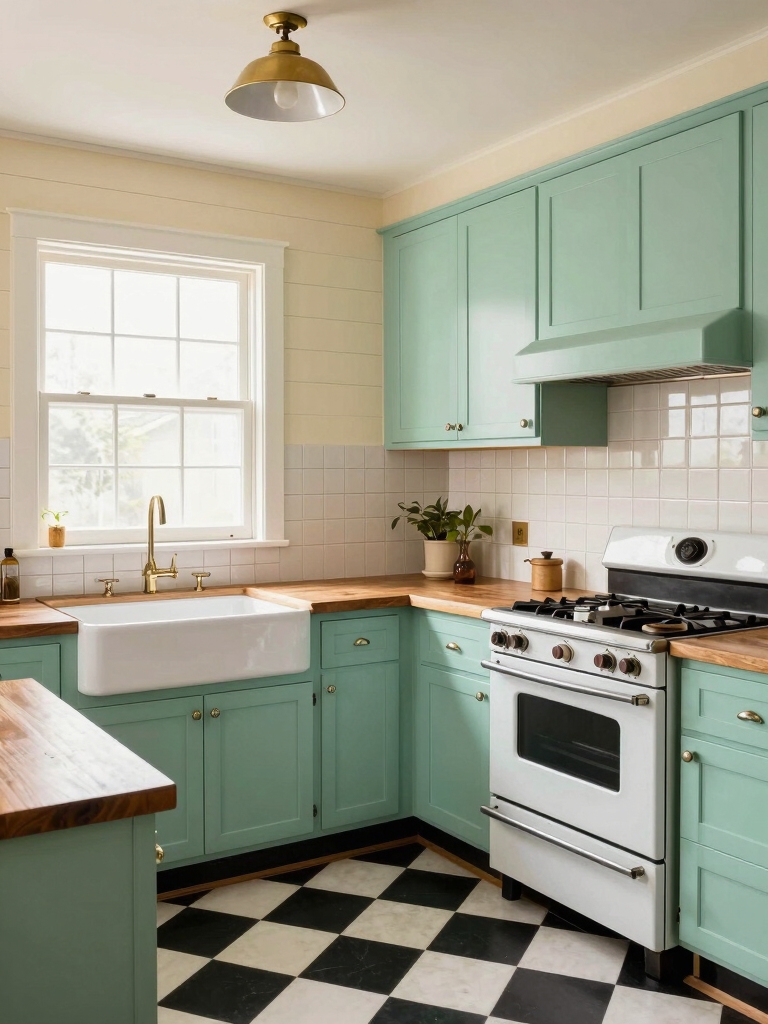
A 1940s kitchen was a workroom, planned around an efficient triangle of sink, stove, and refrigerator long before anyone gave it that name. Keeping that compact, practical flow is half of what makes a restored room feel authentic instead of merely themed.
Period feel, modern function
Living with it now means marrying the period feel to modern function. Keep the unfitted look, a freestanding hutch, a worktable in the middle, cabinets that read like furniture, while quietly working in the storage and counter space a modern cook needs.
A dining nook tucked into a corner is among the most charming, useful things the era handed down, and it still earns its keep in a small home today. Those freestanding pieces also make an older or rented kitchen far easier to live with, since a hutch or a worktable comes with you and needs no construction at all.
Where a wall or a doorway has to move for real life, move it, but keep the proportions modest and the millwork in character. If your taste runs a little later and brighter, the looser 1950s look picks up right where this one leaves off.
Recreate Authentic 1940s Shaker Cabinetry
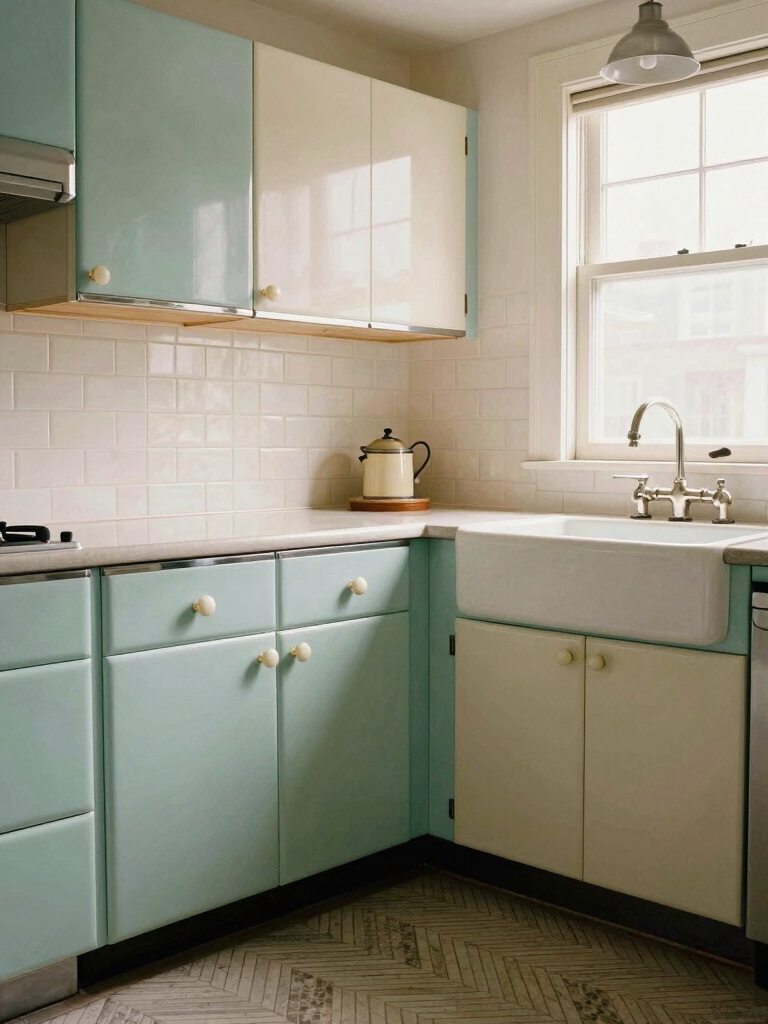
Cabinets carry more of the 1940s look than anything else, and the good news is you rarely need new ones. The era’s doors were simple, flat panels or a basic shaker door, set in painted wood, with none of the heavy molding or slab-modern flatness that pins a kitchen to another decade.
Paint is where the character lives: creamy off-whites, soft mint, butter yellow, or a pale sage, often with the uppers and lowers carrying the same gentle tone. Inset doors, where the front sits flush within the frame, are the most authentic detail of all, though a simpler overlay door in the right paint still passes convincingly for period.
If your boxes are sound, a careful repaint and new period-style doors get you most of the way for a fraction of a full replacement. That pastel-and-chrome pairing is also exactly what tipped the era toward the mid-century look that followed it.
- Keep doors flat or simple shaker, and pass on raised panels and glossy slab fronts
- Paint in a soft period tone, then finish in satin so it looks vintage, not modern
- Add glass-front uppers or an open plate rack for that unfitted, furnished feel
- Run a thin chrome or aluminum edge along the counters to nail the detail
| Piece | Restore if | Reproduce or replace if |
|---|---|---|
| Cabinets | Boxes are solid wood and square | Water-damaged or made of chipboard |
| Hardware | Original chrome cleans up | Mismatched or pieces are missing |
| Sink | Porcelain is uncracked | Rusted through or no longer safe |
Get the Hardware Details Right
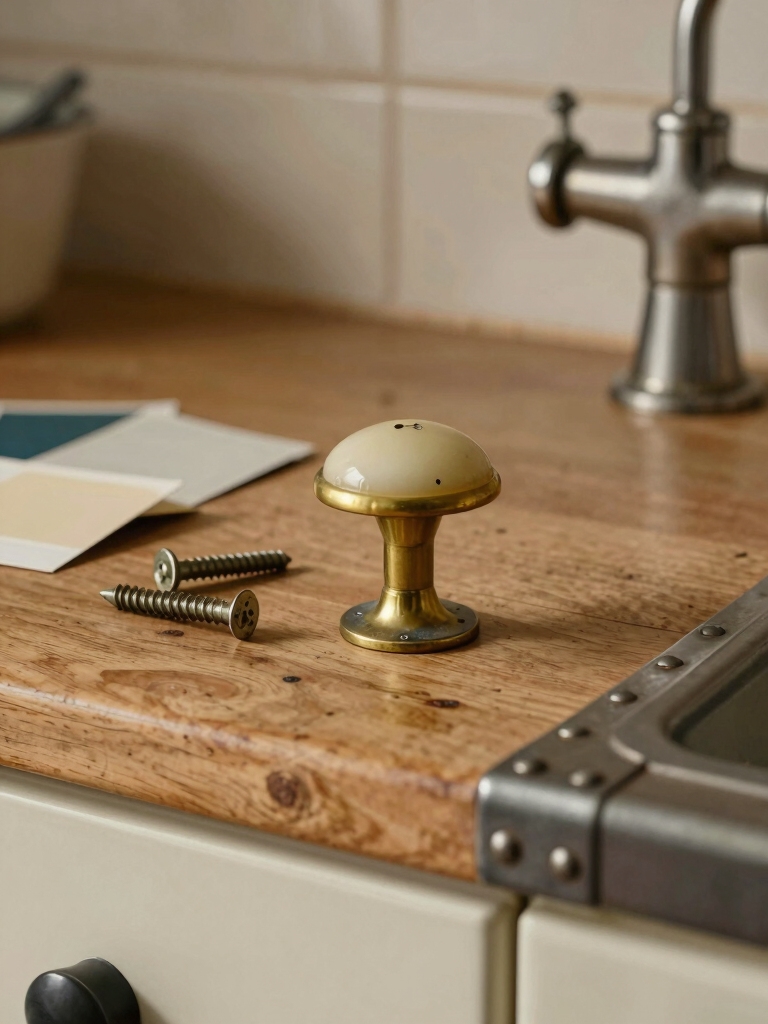
Hardware is the jewelry of a period kitchen, and in the 1940s that meant chrome. Streamlined bin pulls, round chrome or Bakelite knobs, and simple latches did the work, and they are the details the eye reads as authentic even from across the room. Getting the hardware right is the cheapest, highest-impact move I know in a period kitchen.
Small details, big payoff
Salvage yards and online vintage sellers are full of the real thing for a few dollars a piece, and faithful reproductions run about four to ten dollars each if you want a matched set. Soak the originals in warm soapy water for an hour or so, polish the chrome, and most come back looking better than any reproduction.
That same hunt turns up the trim and accents that warm a farmhouse-leaning kitchen too. Period lighting follows the same logic: a milk-glass schoolhouse pendant or a pair of slim sconces reads right and is widely reproduced for well under a hundred dollars.
One honest rule keeps the whole project sane: authenticity is about the details you touch and see up close, not a total time capsule. Nail the hardware, the paint, and one or two built-ins, and the eye happily forgives a modern range or a dishwasher hidden behind a period-style panel.
And do not overlook the sink and faucet, since a wall-mounted bridge faucet or a simple chrome gooseneck over a porcelain basin is among the most period-correct moves you can make, and good reproductions are easy to track down.
Styling Touches That Sell the Era
Once the bones are right, the styling is what tips a kitchen from generic-vintage into convincingly 1940s. The era loved useful, pretty things left out on display: a set of nesting mixing bowls in jadeite green, a chrome bread box, a plain round wall clock, flour and sugar canisters in matching enamel.
Group a few of these on an open shelf or along the counter and the room starts to tell its story. Color does real work here too, so let one cheerful pastel repeat two or three times around the room, in a cabinet, a canister, and a tea towel, so it registers as a chosen palette, not a lonely accent.
Soft textiles finish the look and warm up all that painted wood and chrome. A scalloped or gingham valance over the sink, a roller shade in a small floral, a braided rag rug underfoot, and a few embroidered linens are exactly the homey, make-do touches the decade was built on. None of it costs much, and most turns up at the same estate sales and flea markets as the hardware.
The realistic way to budget the whole project is to phase it: spend first on the pieces that anchor the era, paint and hardware, then add styling and salvage finds over a season or two as you come across them, which also keeps the room from looking bought in a single weekend. Even the small fixtures count, since period-style switch plates and a plain milk-glass pull-chain light read right and cost almost nothing.
- Repeat one pastel two or three times so it reads as a deliberate palette
- Leave a few pretty, useful pieces out: jadeite bowls, enamel canisters, a chrome bread box
- Soften the painted wood with gingham, a small floral, or a braided rag rug
- Phase the budget: anchor the era first with paint and hardware, then style over time
1940s Kitchen Restoration Questions
?What are the signature features of a 1940s kitchen?
Painted wood cabinets in cream or a soft pastel, chrome bin-pull hardware, a porcelain drainboard sink, linoleum or checkerboard flooring, glass-front uppers, and small touches like scalloped trim and a built-in dining nook. The feel is unfitted and practical, more a room furnished with pieces than a single built-in run.
?Can I get the 1940s look without a full restoration?
Yes, easily. Paint your existing cabinets a soft period tone, swap in reproduction chrome hardware, add a glass-front cabinet or open plate rack, and bring in a checkerboard floor or a scalloped valance. Those few moves read 1940s even with modern appliances, and they cost a fraction of a gut restoration.
?Where do I find authentic 1940s materials and hardware?
Architectural salvage yards, estate sales, and online vintage marketplaces are the best sources for original pieces, often for just a few dollars each. For anything you cannot track down, specialist makers sell faithful reproduction hardware, lighting, and tile, so you can fill the gaps without breaking the look.
A Room That Remembers Something
A 1940s kitchen restored with care is not a stage set; it is a room that remembers something. The pleasure of it lives in the honest materials and the small, deliberate details, the bin pull, the butter-yellow paint, the nook by the window, far more than in any single big gesture.
So go slowly. Save what the house gave you, reproduce what it lost with a careful eye, and let one or two modern comforts hide in plain sight. Bookmark this to come back to as you plan, because a period kitchen rewards patience and a good salvage hunt more than a big budget ever could.
Don’t Miss These