
I’m reviving that groovy 70s kitchen soul by balancing warm woods, matte metals, and durable surfaces so the room feels lived-in, not kitschy. I pick a single retro anchor color—mustard, avocado or terracotta—then ground it with neutral stone counters and textured tiles.
I mix vintage finds with modern appliances, layer shag rugs and ribbed glass, and hide smart tech behind retro knobs. Stick with me and you’ll get practical tips to pull it off.
Why 1970s Style Is Making a Comeback in Kitchens

Because I love mixing eras, I’m thrilled to see 1970s kitchen style coming back — and not as a kitschy throwback but as a practical, design-forward choice.
I notice durable materials, clever storage, and bold patterns that age well.
I’m drawn to tactile surfaces, honest craftsmanship, and adaptable layouts that suit modern life.
It feels cozy, confident, and surprisingly versatile.
I also appreciate how these updates echo earlier trends like the 1960s focus on durable materials while bringing a fresh, modern sensibility.
Choosing a Retro Color Palette That Feels Fresh

I love how the 1970s approach to materials and layout can anchor a kitchen, and color is what makes that anchor sing; when I choose a retro palette I aim for tones that reference the era but feel updated—muted mustard instead of neon, avocado tempered with gray, or warm terracotta warmed further with cream.
I balance bold accents with neutral grounding, sampling swatches in light. I also take cues from enduring design trends like Shaker Cabinets that continue to dominate platforms such as Pinterest to inform proportions and simplicity in cabinetry.
Mixing Warm Woods With Modern Finishes

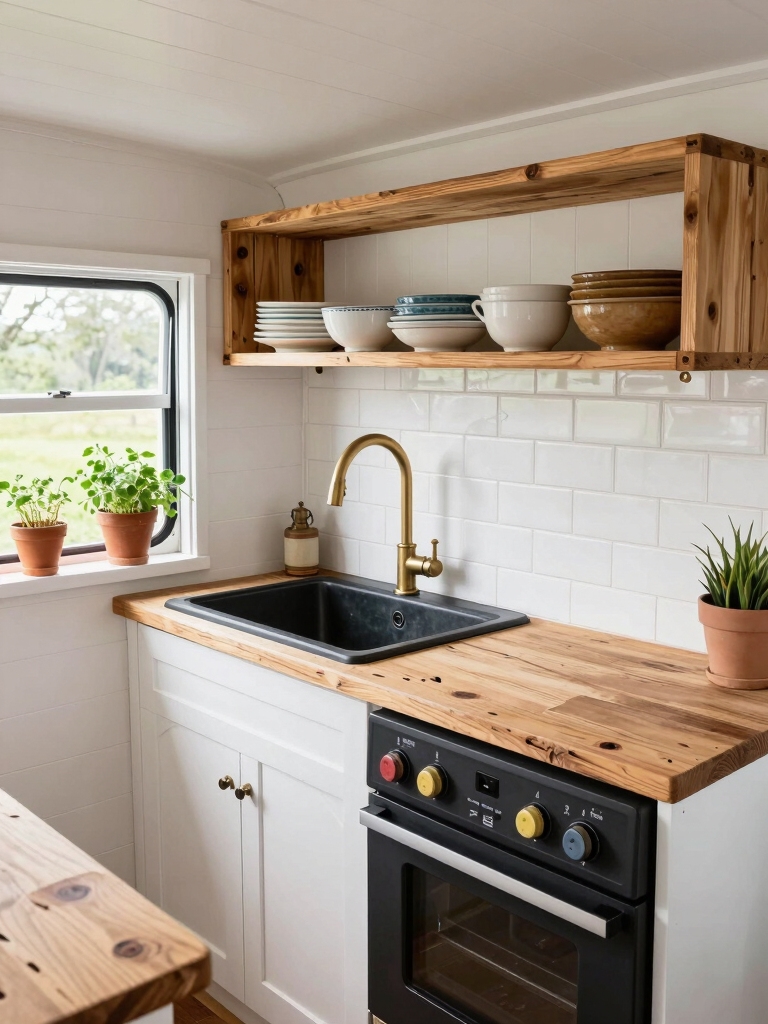
Pairing warm woods with sleek modern finishes keeps a 70s-inspired kitchen feeling lived-in rather than stuck in a time capsule.
I blend teak cabinets with matte black hardware, adding touches that read fresh and curated:
- mix wood tones for depth
- matte metals for contrast
- open shelving to balance weight
- stone countertops to modernize
- vintage accents for soul
The result feels layered, practical, and cozy.
Timeless Oak Kitchen Cabinets are a great example of how classic wood choices endure and adapt to contemporary styles, offering a lasting appeal that complements both retro and modern elements.
Iconic 70s Tiles and How to Use Them Today

Let’s talk tiles — those bold, graphic ceramics that defined 70s kitchens and still bring instant personality today.
I love mixing sunburst patterns, avocado greens, and smoky oranges as focal backsplashes or inset borders.
Use matte or hand-glazed finishes to temper shine, pair with neutral grout, and repeat a motif sparingly so the look feels curated, modern, and warmly nostalgic.
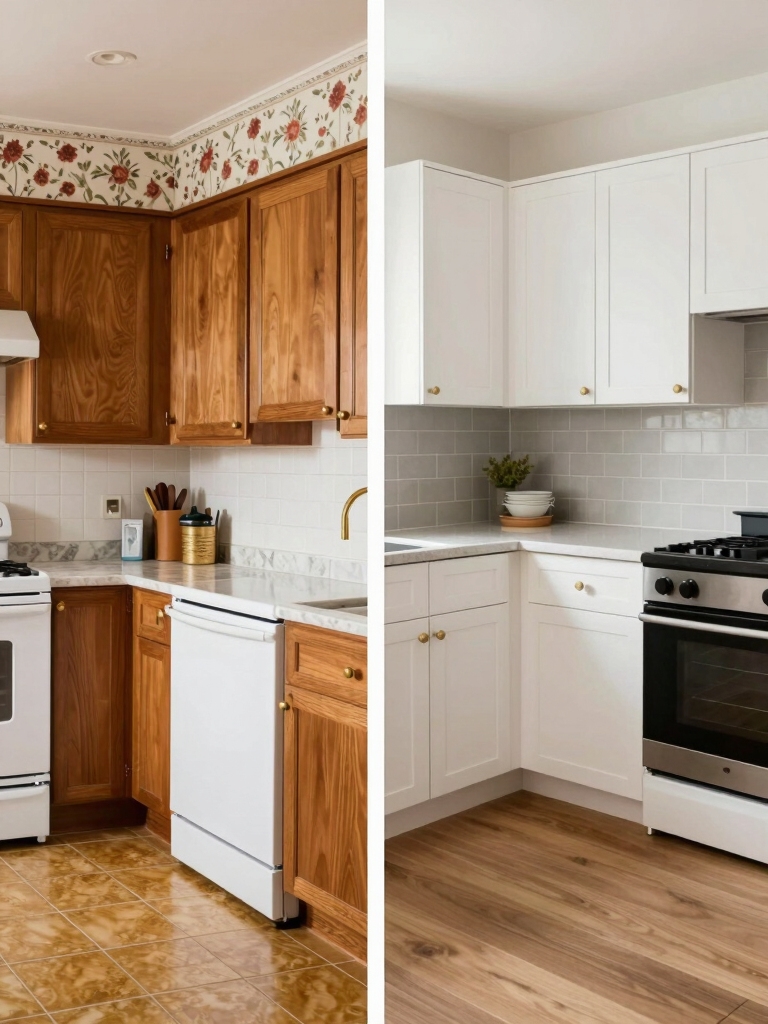
Many jaw-dropping kitchen transformations from that era showcase how these tiles can be repurposed beautifully in contemporary designs, including striking before-and-after remodels that highlight iconic 70s tiles.
Statement Appliances: Vintage Finds and Modern Replacements

Those tiles set the mood, and now I look to appliances to complete the story — whether that means hunting down a chrome-trimmed vintage fridge or choosing a modern range with retro cues.
I mix pieces for function and flair, balancing original charm with efficiency:
- Chrome-accented fridge
- Smart retro-style range
- Bold-colored toaster
- Restored mixer
- Hidden modern dishwasher
I also consider how an island can become the room’s focal point, borrowing ideas from popular “Island Kitchen” layouts to steal the spotlight with both form and function, like placing a statement appliance or seating to anchor the space and enhance flow around the island island kitchen ideas.
Retro Lighting Fixtures That Illuminate With Flair
I lean into lighting as the jewelry of a 70s kitchen, mixing pendant globes, sputnik chandeliers, and shaded wall sconces to give each corner its own mood and character.
I choose warm bulbs, dimmers, and brass or wood finishes to balance nostalgia with function.
Layered fixtures highlight prep zones, dining nooks, and cozy corners, creating playful, practical glow without overpowering the room.
I also avoid common island lighting mistakes by ensuring proper height, spacing, and light distribution to prevent glare and uneven illumination, following best practices for kitchen island lighting.
Geometric Patterns for Floors, Backsplashes, and Textiles
When I bring geometric patterns into a 70s kitchen, they become the visual heartbeat—grounding floors, backsplashes, and textiles in a cohesive rhythm that feels both playful and purposeful.
- Bold hex tiles for vintage energy
- Chevron runner to guide traffic
- Small-scale mosaics around stove
- Graphic textiles tie color story
- Matte finishes balance shine
Budget-friendly swaps like repainting cabinets, changing hardware, or adding peel-and-stick backsplash tiles can dramatically transform the space with minimal cost, making them go-to affordable remodel options.
Open Shelving and Displaying Vintage Pieces
I love using open shelving to showcase my best vintage finds—mixing bold ceramics and atomic glassware turns a shelf into a focal point.
I also balance open displays with closed cabinets so dust and visual clutter stay at bay.
When I arrange fragile pieces I use plate rails, non-slip liners, and thoughtful spacing to protect glass and ceramics.
Showcase Your Best Finds
Let’s show off the treasures you’ve hunted down: open shelving turns vintage plates, glassware, and small appliances into everyday art that I arrange for both beauty and use.
I curate pieces by color, wear, and story, then rotate seasonally to keep the kitchen lively.
- Group by hue
- Mix textures
- Highlight maker marks
- Leave breathing space
- Swap seasonally
Balance Open and Closed
Because open shelving turns favorite pieces into daily art, I balance it with closed storage so the kitchen feels curated, not cluttered.
I mix vintage bowls and graphic glass on open shelves, then hide utilitarian items behind flat-front cupboards.
Strategic lighting, staggered heights, and a restrained color palette keep displays intentional, while concealed storage preserves calm and function in a soulful, 70s-inspired kitchen.
Protect Ceramics and Glass
When I pull out a cherished vintage bowl or a swirled glass decanter, I handle it like a small piece of history—gentle, deliberate, and with a plan to keep it safe on display.
I use padded liners, secure shelf lips, and thoughtful spacing to protect treasured pieces.
- felt or cork liners
- museum putty
- tempered glass shelves
- staggered heights
- soft LED lighting
Balancing Bold Color With Neutral Countertops
I lean into bold 70s color—avocado, harvest gold, tangerine—and balance it with calming, neutral countertops so the room feels lively without overwhelming you.
I pick honed stone or matte quartz in warm beiges and soft gray-beiges to ground patterned backsplashes and vivid cabinetry.
The neutral surface lets texture and vintage accents sing while keeping daily spills and styling practical and forgiving.
Sustainable Materials With a 70S Aesthetic
How can we keep that unmistakable 70s vibe while being kinder to the planet? I choose reclaimed wood cabinets, vintage-look recycled tiles, and low-VOC paints for mood. I pair warmth with durability and practical sourcing.
- Reclaimed teak or oak
- Recycled glass backsplashes
- Linoleum in retro patterns
- Low-VOC, earthy paints
- Repurposed hardware and lighting
Layout Updates to Improve Flow While Preserving Character
Because preserving character matters as much as improving function, I’m careful to tweak a 70s kitchen’s layout so it feels lived-in rather than renovated into a sterile showroom.
I suggest shifting work triangles subtly, opening sightlines, and adding versatile islands on casters.
Keep original built-ins where possible, reroute plumbing minimally, and layer lighting to honor vintage charm while making daily movement effortless.
Texture Play: Shag Rugs, Ribbed Glass, and Terrazzo
Often I reach for texture first when updating a ’70s kitchen because it’s the fastest way to marry nostalgia with modern comfort.
I pick elements that layer warmth, light, and durability:
- Shag rug for zoned coziness
- Terrazzo for playful, durable counters
- Ribbed glass cabinet fronts
- Velvet cushions at a banquette
- Matte plaster or tactile backsplash tiles
Hardware and Fixtures That Capture Period Charm
I’m excited to show how the right hardware and fixtures can make a 70s-inspired kitchen feel authentic without feeling dated.
Think warm brass and mixed metals, quirky retro knobs and pulls, and lighting that nods to pendants and globe fixtures from the era.
I’ll walk you through practical pairings and placement tips so each detail reads intentional and stylish.
Brass and Warm Metals
Brass accents have a way of quietly anchoring a 70s-inspired kitchen, and I’ll show you how to use them without slipping into kitsch. I favor warm metals layered with natural textures and muted colors.
Try subtle contrasts and restraint:
- Old brass light fixtures restored
- A warm metal sink sprayer
- Brass-trimmed shelving
- Matte gold pendant shades
- Copper utensil holders
Retro Knobs and Pulls
Pull a drawer open and feel how a well-chosen knob can make the whole room sing; I lean into hardware that reads like a small, honest piece of furniture rather than an afterthought.
I mix bakelite, scalloped brass, and tapered midcentury pulls for contrast, keeping scale and patina consistent.
Each piece anchors function and nostalgia without shouting, turning daily use into a deliberate, tactile pleasure.
Period Lighting Choices
I often start a remodel thinking about light like a piece of furniture — it has to sit right in the room and invite use.
I choose fixtures that feel honest to the 70s but work today. Consider these touches:
- Globe pendants for warm, ambient glow
- Brass sconces with patina
- Tubular fluorescents in coves
- Colored glass shades for mood
- Dimmable track for task flexibility
Integrating Smart Tech Without Losing Retro Vibe
I’ll blend smart tech into a 70s kitchen in ways that feel like an organic update, not a gadget takeover.
I favor hidden speakers in vintage cabinetry, touch controls disguised as retro knobs, and smart bulbs with warm amber tones.
I pair modern appliances with avocado or mustard accents, keep visible tech minimal, and let tactile, layered textures preserve that eclectic, soulful warmth.
Budget-Friendly Ways to Get the Groovy Look
I love hunting thrift stores for authentic 70s finds—those teak accents and funky glassware instantly set the tone without breaking the bank.
Pair a bold, mustard-and-avocado palette with a few well-placed pieces and the room sings, and you can get that vibe even in small doses.
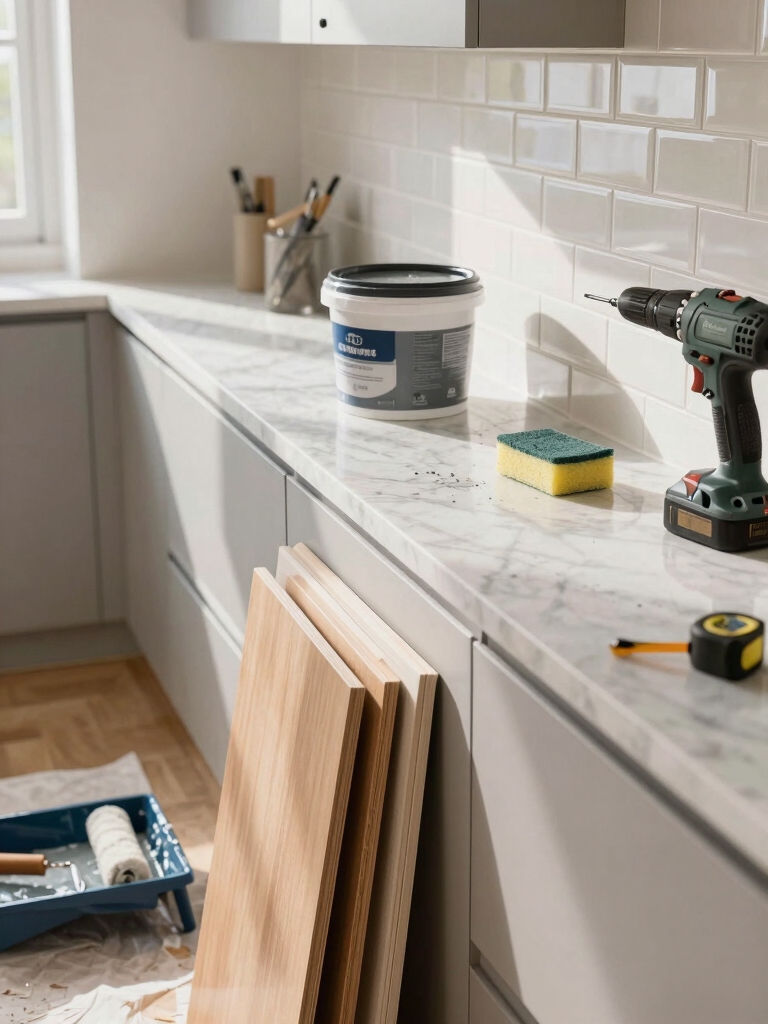
For cabinets, I’ll show you simple DIY tricks—paint, new hardware, and trim—that transform the whole space on a shoestring.
Thrifted Vintage Finds
Often I wander thrift stores and flea markets with a sketchbook, hunting pieces that’ll give the kitchen a genuine 70s pulse without blowing the budget.
I find treasures that layer warmth, texture, and personality—small, affordable swaps that transform a space.
- Retro pyrex and mixing bowls
- Brass cabinet pulls
- Woven placemats
- Macramé plant hangers
- Vintage wall clocks
Retro Color Schemes
Usually I start with a single color anchor—mustard yellow, avocado green, or burnt orange—and build the palette around it so the kitchen reads cohesive, not chaotic.
I layer complementary accents: teal tiles, creamy neutrals, and patterned textiles. Affordable touches—painted trim, retro hardware, colorful rugs, and thrifted art—create depth without overspending, keeping the vibe playful, balanced, and unmistakably 70s.
DIY Cabinet Makeovers
Now that you’ve settled on a retro color anchor, it’s time to let the cabinets carry the look—without blowing the budget.
I’ll guide you through easy upgrades that feel vintage but practical:
- Paint in avocado, mustard, or teal
- Swap hardware for brass or geometric pulls
- Add peel-and-stick laminate
- Open shelves with wicker baskets
- Two-tone doors for layered interest
I’m clearly loving this 70s revival, and you might too — especially knowing 68% of homeowners say vintage touches make a kitchen feel more personal.
Mix bold avocado or mustard accents with warm woods, a touch of terrazzo and modern tech tucked away, and you’ve got a layered, eclectic space that’s stylishly practical.
Start small: swap hardware, add ribbed glass or a shag runner, and let the groovy soul grow into the heart of your home.