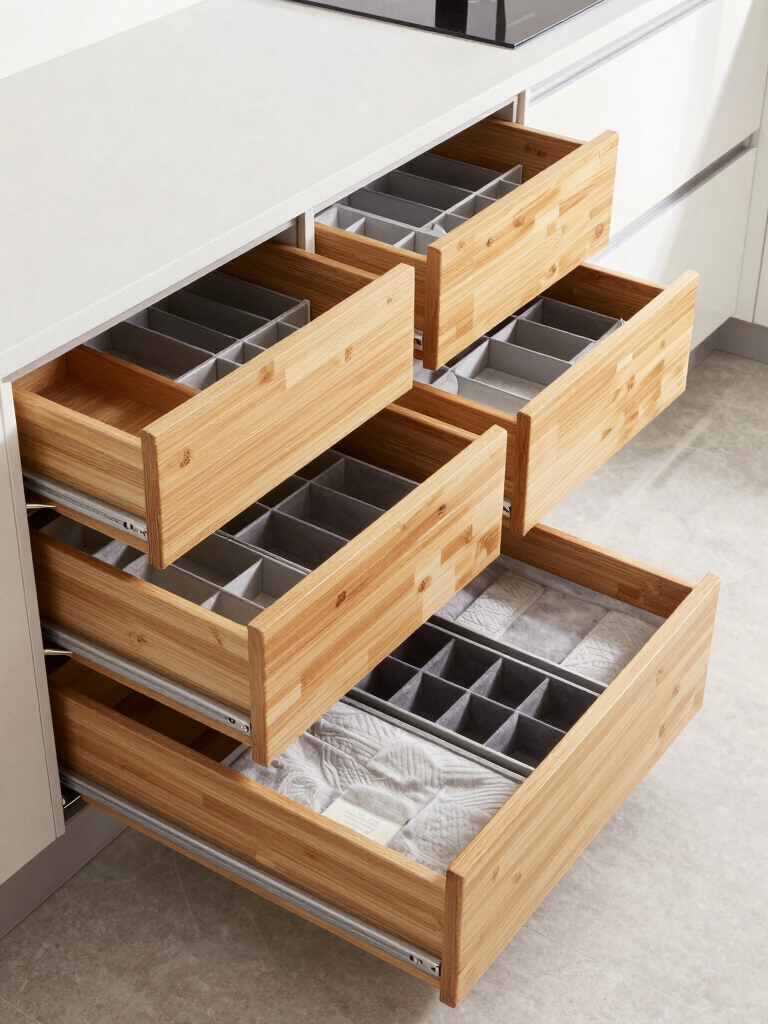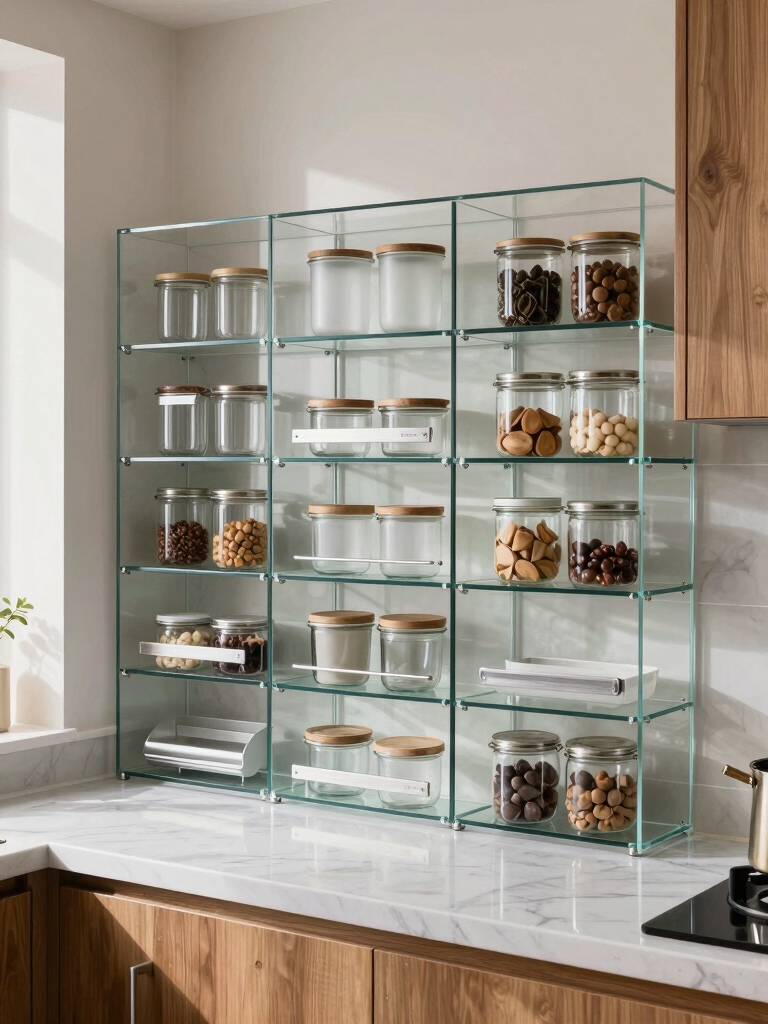

I keep my kitchen running smoothly by creating clear zones, labeling shelves, and sticking to a daily reset. I declutter drawers fast, group like items, and remove duplicates so I’m not hunting for tools. I maintain a stocked pantry with visible, easy-to-reach containers and track expiration dates weekly. I use simple maintenance rituals and quick batch checks to prevent chaos. Stick with me, and you’ll discover practical tweaks that keep clutter under control as you go.
What Everyday Kitchen Clutter Feels Like (and How to Fix It)

Those everyday clutter bursts into sight the moment you open a cabinet or reach for a mug, and it’s more than a nuisance—it slows you down.
I notice misplaced items, tangled cords, and multiple similar tools crowding the counter.
I fix it by pairing essentials, labeling zones, and keeping a daily reset routine. Deep kitchen cabinet organization strategies can also help maximize storage in hard-to-reach areas.
Simplicity, access, and a clear workflow save minutes.
Quick Decluttering Wins for Every Drawer and Cabinet

I’m sharing simple wins you can apply now: a quick drawer declutter to reveal what you actually use, plus cabinet space tactics that free up room for everyday items.
We’ll tackle Everyday Item Grabs by identifying the few things you reach for most and storing them within easy reach. To enhance your organization efforts, consider implementing smart organization tips that can maximize your kitchen’s efficiency.
My goal is to keep you organized with clear, practical steps you can repeat in any drawer or cabinet.
Quick Drawer Declutter
When you’re pressed for time, a quick drawer declutter is the fastest win you can get: empty the drawer, group similar items, and decide what to keep, toss, or relocate.
I tackle essentials first, removing duplicates and broken tools, then create simple zones. A single, clear layout reduces search time and sparks confidence, keeping every everyday item accessible and tidy. Additionally, implementing zone organization can maximize efficiency and streamline your cooking process.
Cabinet Space Tactics
Cabinet space can feel like a puzzle, but with quick rules and smart tweaks you’ll see the results fast.
I start by grouping similar items, measuring deep shelves, and labeling jars. I use shelf risers for stacks, install pull-out trays, and clear the back of doors with slim organizers. Smart cabinet organization can significantly enhance your kitchen’s functionality and efficiency.
Keeping a simple weekly reset prevents chaos and makes every cabinet feel calm and usable.
Everyday Item Grabs
Remove everything, wipe the space, and sort items into keep, donate, and discard piles.
Everyday grabs get streamlined: group similar items, relocate seldom-used tools, and label zones.
This keeps essentials accessible and cabinets calm. Additionally, smart kitchen cabinet organization can further enhance the functionality of your storage solutions.
How to Build a Pantry That Stays Stocked and Usable

To build a pantry that stays stocked and usable, start with a clear system: group similar items together, label shelves, and keep a running inventory so you know what to restock before you run out.
- Sort by category
- Label every shelf
- Track expiration dates
- Review weekly for proactive restocks. Additionally, consider using space-saving techniques to maximize your pantry’s efficiency and organization.
Group Like Items to Cut Search Time in Half

Grouping similar items keeps my kitchen efficient, so I’m placing like items together to cut search time in half.
I’ll show you practical spots and quick labels that make finding what you need fast and painless.
Let’s start by aligning shelves and bins by category, then tightening the system so you can grab what you need in seconds. Additionally, kitchen cabinet organization can significantly enhance your overall cooking experience by minimizing clutter and maximizing accessibility.
Group Similar Items
When you group similar items together, you’ll find what you need faster and waste less time hunting through drawers and cabinets.
I’m practical and deliberate, showing you how to keep like items near each other for quick access.
- Group all baking tools in one area
- Keep spices in a labeled rack
- Store lids with corresponding containers
- Create a dedicated area for frequently used utensils
Additionally, using counter organization accessories can help maximize your space and keep items neatly arranged.
Streamline Search Time
If items are grouped by function, you’ll cut search time in half and waste less energy hunting through chaos.
I organize by task, labeling zones clearly and keeping similar tools together.
When I open a cabinet, I know exactly where the spatulas, measuring spoons, and pans live.
This simple system saves minutes daily, reducing clutter and stress.
Create a Command Center for Keys, Mail, and Notes

A simple command center for keys, mail, and notes keeps distractions at bay and life flowing smoothly.
I guide you to set a compact station, prioritizing quick checks and easy access.
1) Place a small tray for keys and a hook for lanyards
2) Add a designated mail divider with date reminders
3) Keep a notepad nearby for urgent notes
4) Use a daily reset ritual to tidy once, right away
Smart Storage Hacks for Under-Sink Chaos
Under the sink, chaos meets clever storage.
I keep a slim tray for small bottles, a magnetic strip for ties, and a labeled bin for rags.
I install a pullout shelf to reach items without bending, and use clear containers so contents read at a glance.
Consistent labeling, routine decluttering, and simple hooks make daily access effortless.
Rework Your Counter Setup for Better Workflow
I’m reworking my counter setup to boost workflow by designating clear zones for each task.
I’ll group items by function, so every surface has a purpose and I can work faster.
Start by prioritizing surface visibility, then lock in a zone-by-zone routine and keep only essential tools out for the task at hand.
Optimize Counter Zones
To boost efficiency in the kitchen, start by mapping three distinct counter zones: prep, cleanup, and cooking.
I’ll share practical tweaks you can apply today.
- Align tools near each zone to minimize movement
- Maintain clear surfaces by removing nonessentials
- Use color-coded bins for waste and scraps
- Place frequently used ingredients within arm’s reach
Zone By Task
When you tackle your counter by task, you lock in a smoother flow: set up distinct zones for prep, cooking, and cleanup, then tailor each area to the specific actions you perform there.
I keep tools handy near each zone, minimize movement, and label containers for quick access. This targeted setup reduces clutter, speeds tasks, and supports confident, efficient workflows.
Clear Surface Priority
Clear surfaces are the backbone of a smooth workflow, so I start by reclaiming every countertop inch.
Then I prioritize essentials, declutter weekly, and create dedicated zones.
1) Clear every surface
2) Keep only daily-use items
3) Use trays for leftovers
4) Label storage for quick access
Labeling That Stays Readable Over Time
Labeling that stays readable over time means choosing materials and methods you can depend on for months, even years.
I keep labels simple: bold, large fonts; high-contrast colors; and flat, durable surfaces. I seal the edges, avoid handwriting on fragile sheets, and replace worn labels promptly.
Daily Routines That Prevent Mess Before It Starts
Building on practical labeling that stays legible, I’ve learned that preventing mess starts with daily routines you actually do.
- Clear surfaces nightly to halt buildup.
- Put items back immediately after use.
- Do quick 5-minute resets before bed.
- Prep for tomorrow with a simple checklist.
These habits keep chaos from creeping in and feel surprisingly doable.
Easy Door and Wall Organizers That Don’t Clutter
Door and wall organizers can keep essentials within reach without taking over a room.
I keep labels simple and install slim organizers on doors or walls near the entry, so keys, masks, and receipts have a home.
I avoid clutter by choosing compact designs, clear bins, and easy-to-access hooks, ensuring a tidy, functional spot that won’t overwhelm space or distract daily flow.
Utensil and Gadget Shelves That Actually Get Used
Have you ever set up a gadget shelf only to see it gather dust? I’ve learned practical layouts beat vanity. I keep essentials easy to grab, and I rotate rarely used tools out.
- Place frequently used utensils within reach
- Group gadgets by task to reduce clutter
- Use labeled bins for small parts
- Clean shelves weekly for visibility and motivation
Meal-Prep Zones That Keep Ingredients Accessible
To keep ingredients accessible, I set up dedicated meal-prep zones that minimize trips to the fridge and pantry.
I organize items by function—proteins, veggies, grains, and sauces—so I can grab what I need in seconds.
Clear labeled containers, stackable shelves, and a small prep area keep workflows smooth, waste minimal, and mornings calmer for busy households.
Convenience meets consistency.
Cleaning-Friendly Layouts That Save Minutes Daily
Cleaning-friendly layouts aren’t just neat—they save minutes every day.
I design my kitchen with flow and practical zones that cut steps and simplify cleanups. You’ll notice fewer cross-sections and intentional counter gaps.
- Put frequently used tools within arm’s reach
- Align prep, cooking, and cleaning points
- Use labeled, open shelves for quick access
- Choose multifunctional surfaces for simple wipe-downs
Seasonal Rotation: Reallocating Storage to Save Space
Seasonal rotation helps you reclaim space without sacrificing accessibility.
I swap items based on seasonality, keeping essentials upfront and seasonal associates together.
I store off-season staples in labeled bins, freeing prime shelves for current needs.
I review quarterly, remove unused gear, and adjust layouts to minimize digging.
This practical approach keeps your kitchen organized, efficient, and ready for any season.
Budget-Friendly Supplies That Boost Organization
If you’re aiming to keep your kitchen tidy without breaking the bank, start with affordable staples that consistently pay off: clear storage bins, slim cabinet shelves, and adjustable organizers.
- Clear bins for visibility
- Slim shelves to maximize depth
- Adjustable dividers for flexibility
- Labeling tape for quick recognition
These budget picks streamline, simplify, and sustain organized everyday use.
Tailor the Plan to Small Kitchens
When you’re working with a small kitchen, the plan you laid out for budget-friendly organization can still shine, but you’ll want to tailor it to fit tighter spaces.
I prioritize vertical storage, compact tools, and clear bins. Measure counter gaps, use pull-out shelves, and group like items.
I keep surfaces clear, label everything, and rotate essentials to prevent clutter from returning.
Test Your System: Verification That It Works
I’ll walk you through a quick system check so we can verify it works with everyday use.
We’ll run a simple test and confirm that items land where they should, doors stay aligned, and signals stay visible at a glance.
If anything pops up, we’ll adjust, refine, and come back to it so your kitchen stays organized and reliable.
Run System Test
To guarantee your system runs smoothly, I start by running a full test to verify each component works as intended.
Here’s how I check efficiently:
- Inspect connections and seals for leaks or gaps
- Run operational cycles and note any odd noises
- Confirm timers, sensors, and feedback are accurate
- Log results for future reference and quick fixes
Verify Everyday Use
To verify everyday use, I test the system under normal, real-world conditions and look for any hiccups that could disrupt daily tasks.
I record what works smoothly and where adjustments are needed, then refine routines so a busy morning flows better.
I share practical tweaks, quick checks, and smart habits, keeping your kitchen organized, reliable, and ready for real-life demand.
Troubleshooting Common Bottlenecks and Fixes
When kitchen bottlenecks pop up, I start by pinpointing the exact step that slows me down. Then I map out a simple fix I can implement right away.
- Identify the choke point and track how long it takes
- Try a faster alternative or prep in advance
- Streamline steps with clean-as-you-go routines
- Test and adjust until flow feels effortless
A Maintenance Ritual to Keep Order Long-Term
I’ll start a simple daily maintenance ritual to keep our kitchen orderly, from wiping counters to a quick sweep of the sink area.
I’ll describe practical system habits that make organization feel automatic, like a routine checklist and labeled zones you can trust.
Let’s explore long-term order strategies together, so these daily steps compound into lasting calm.
Daily Maintenance Rituals
A quick daily routine keeps my kitchen orderly and ready for anything.
I share tiny, doable steps that fit busy days, not perfection.
- Wipe counters and sink after prep.
- Load or run the dishwasher, or wash by hand.
- Put away groceries and dispose of spoiled items.
- Do a quick sweep and restock essentials for tomorrow.
Systematic Organization Habits
Systematic organization habits form the backbone of long‑term order, so I build them into daily routines rather than treating them as one‑off tasks.
I set clear, repeatable steps: assign zones, label containers, and schedule quick resets after cooking.
I track progress with a simple checklist, adjust when needed, and keep tools and supplies visible yet minimal.
Consistency breeds effortless efficiency.
Long-Term Order Strategies
Long-term order hinges on a steady maintenance ritual that fits into daily life and scales with your kitchen’s rhythm.
I share simple practices you can adopt today:
- Do a 5-minute nightly reset to wipe, sort, and return items.
- Schedule weekly decluttering to remove unused tools.
- Label zones and containers for quick recognition.
- Review inventory monthly to prevent overstock and chaos.
Conclusion
You’ve got a clear path now: tidy, functional spaces that actually work day to day. Start small, pick the easiest shelf or drawer, and build momentum. Group like items, label where possible, and keep a live plan for what’s in rotation. When things feel messy again, revisit your system, not your stuff—adjust, don’t abandon. The key is consistency; a little maintenance goes a long way, and clutter becomes a thing of the past, time after time. It’s a breeze when you’re organized.