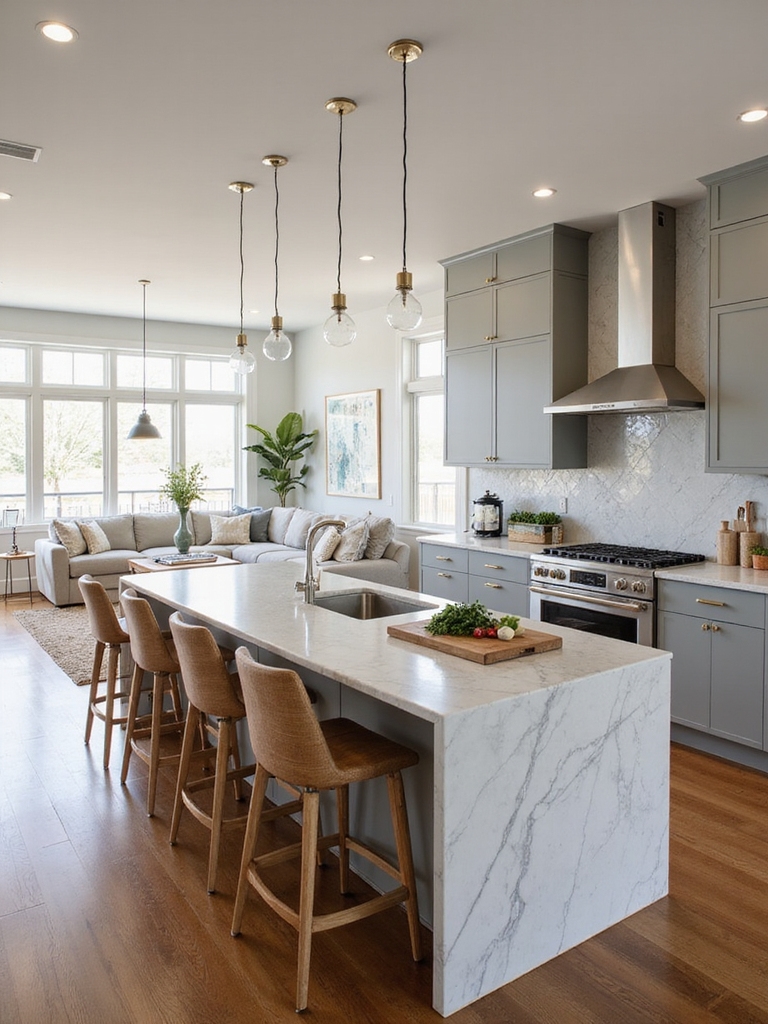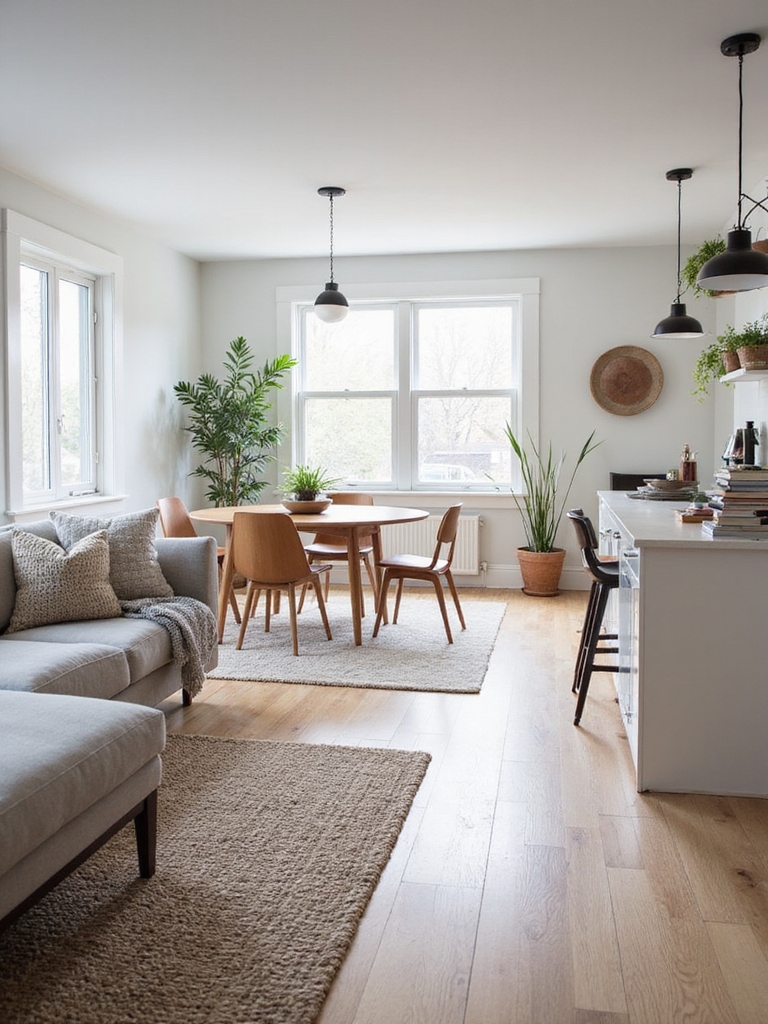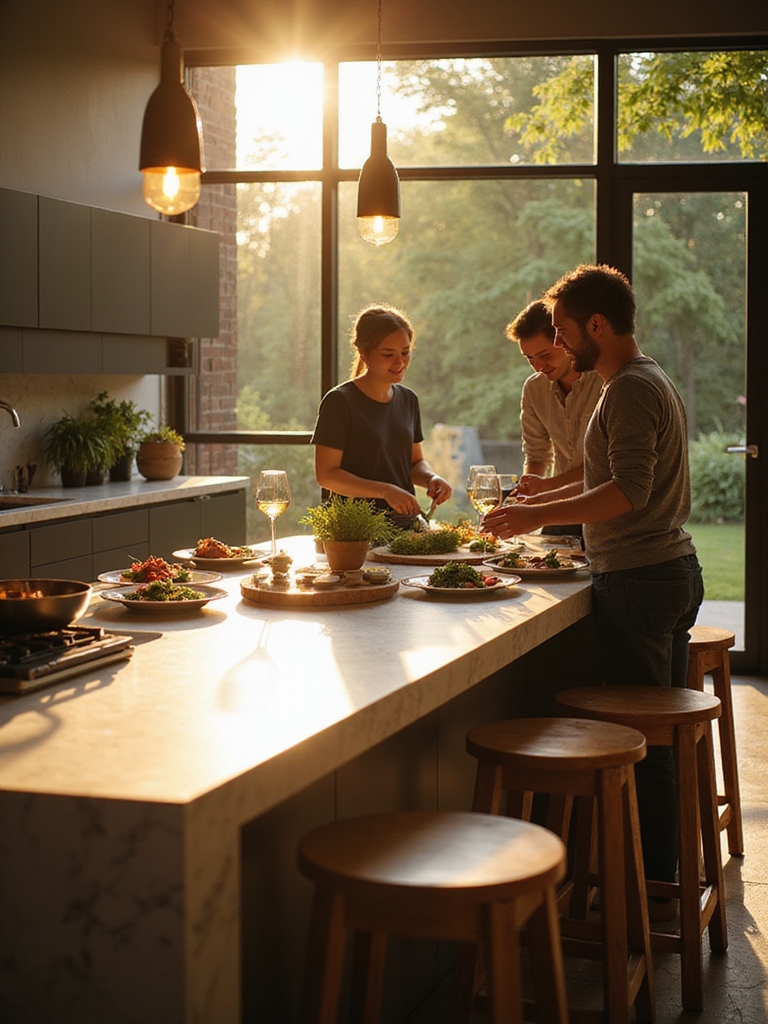

Open-concept kitchens changed everything by blending cooking, gathering, and daily tasks into one fluid space. I’ve seen how an island becomes the social hub, guiding traffic and defining zones without walls. Texture, light, and color create warmth, while smart storage keeps clutter at bay. I love how soft whites and natural woods balance bold contrasts, and how hidden tech stays quiet in the background. If you want more, you’ll find ideas that spark your own transformation beyond this.
Why Open-Concept Kitchens Work: Benefits and Tradeoffs

Open-concept kitchens aren’t just a design trend; they’re a practical philosophy for how we live and move in the home.
I’ll share how this layout boosts interaction, light, and multitasking, while trading privacy for openness.
Yes, noise travels and smells mingle, but sightlines simplify cleanup and cooking flow.
With intention, benefits outweigh tradeoffs, guiding smarter, happier kitchen moments for you and me. Additionally, the diverse open kitchen designs allow for personalization and creativity, making each space unique to its inhabitants.
Island-Centric Layouts That Really Work
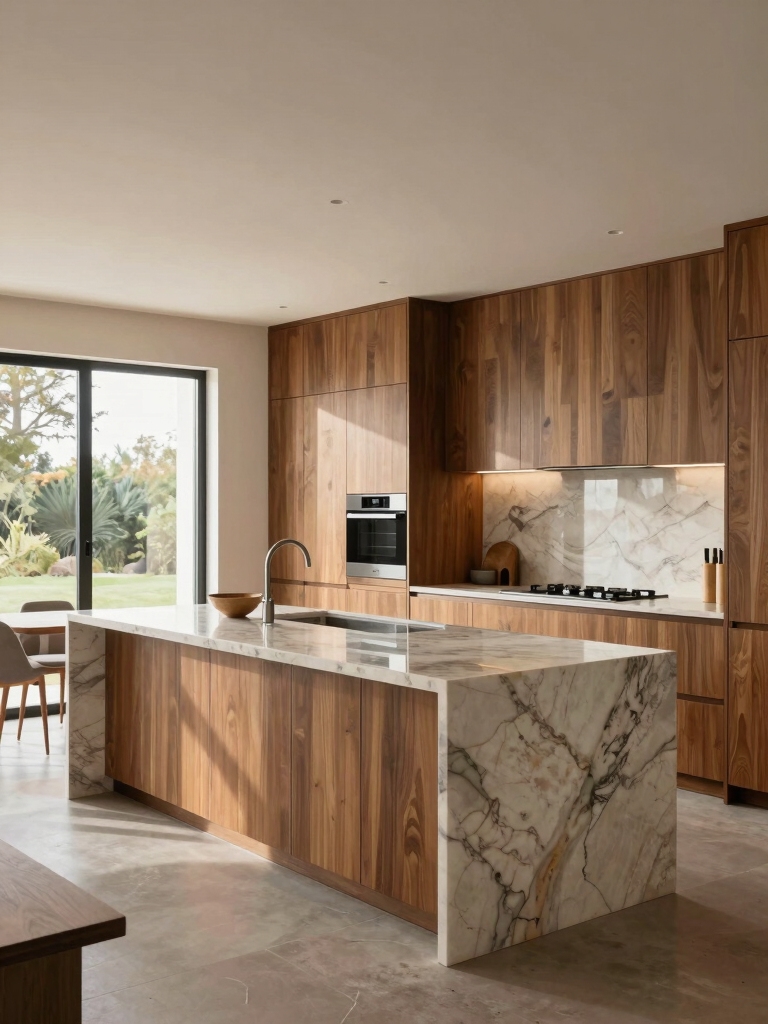
I love how the island becomes a natural focal point, drawing guests in while I prep and chat.
I’ll show you how to zone with an island, using it to separate cooking, prep, and casual dining without breaking the open feel.
And we’ll map traffic flow so people glide around the space—no bottlenecks, just smooth moves. A kitchen island with attached dining table can enhance both functionality and style, making it a versatile centerpiece in your open concept design.
Island as Focal Point
An island isn’t just a piece of furniture in an open kitchen—it’s the room’s heartbeat, pulling everyone together and guiding the flow of every task.
I design around it: a practical perch for prep, a casual dining spot, a hub for quick chats.
It centers rhythm, defines zones, and makes daily routines feel easier, more connected, and intentional. Additionally, a well-designed island can incorporate kitchen island setups that enhance functionality and style, making it an essential element in modern renovations.
Zoning Through Islands
Zoning through islands isn’t about chasing a single look; it’s about letting the island guide how people move and interact in the space.
I design with purpose, placing zones where tasks occur naturally—prep beside prep, cleanup near waste, seats for conversation. This approach creates flow, reduces steps, and lets cooks supervise calmly while guests mingle, choosing comfort over rigidity.
Pragmatic beauty emerges. Additionally, incorporating kitchen island designs can enhance both functionality and aesthetics, making the space more inviting and efficient.
Traffic Flow Optimization
Traffic flows best when the island acts like a conductor, guiding movement without shouting instructions.
I design paths that keep prep, cook, and clean zones distinct yet connected. I place outlets and drawers to reduce trips, and I favor sightlines that let me see the fridge from the range.
Smooth shifts prevent bottlenecks, making daily cooking feel effortless and intentional. Open concept kitchen layouts can enhance the overall functionality and aesthetics of your space.
Subtle Zoning: Walls Without the Wall

I’m exploring Subtle Zoning Techniques that separate spaces without walls, so you feel defined zones rather than divided rooms.
I trust Flow-First Kitchen Layouts to guide movement while keeping sightlines and light uninterrupted, using color, texture, and furniture placement as the clues.
Let’s talk about how Walls Without Barriers can gently steer activity and create a cohesive, open kitchen that still feels purposeful. Incorporating charming open kitchen designs can elevate your space and enhance its functionality.
Subtle Zoning Techniques
Subtle zoning is all about carving out purpose and flow without building barriers.
I guide you through delicate distinctions that feel open yet defined, so spaces breathe while you move. You’ll notice lines, textures, and cues that cue function without walls.
- Color shifts that separate zones softly
- Floor changes that imply boundaries
- Lighting stages for different tasks
- Furnishings anchor areas casually
- Acoustic tweaks for conversation zones
One effective method for achieving subtle zoning is through furnishings that anchor areas, which help to create a visual division while maintaining an open atmosphere.
Walls Without Barriers
Walls without barriers isn’t about removing walls so much as rewriting their role.
I talk with you in a kitchen that breathes, where partial heights, built‑ins, and color cues carve zones without shouting. You’ll feel how sightlines stay generous, yet tasks stay distinct.
I share practical tweaks—hints, textures, and subtle furniture—that keep flow intact while signaling purpose. Additionally, incorporating natural flow into your design can enhance the overall ambiance and functionality of the space.
Flow-First Kitchen Layouts
Flow-first layouts prioritize movement through the kitchen, using subtle zoning instead of solid barriers.
I guide you through a flow that keeps tasks connected, sightlines clear, and zones gently defined. You’ll enjoy quicker prep and calmer gatherings.
- Define zones with color, texture, and lighting
- Keep key work zones within arm’s reach
- Use open shelving to signal shifts
- Install track lighting for flexible focus
- Choose integrated appliances for seamless flow
Daylight-Driven Open Kitchens: Lighting Your Space

Daylight shapes how open kitchens feel and function, so I start by prioritizing natural light from windows, skylights, and glass doors to wash the space with brightness.
I position tasks near sources, use light colors, and keep sightlines open. Dim corners get reflective surfaces, while shaded zones gain adjustable blinds.
The result is calm, energized mornings and cohesive evening gatherings.
Materials for Openness: Texture, Color, and Contrast

Texture grounds an open kitchen, giving you a tactile map to wander through space.
I’ll show how color kinship and contrast create a cohesive yet lively rhythm, so your surfaces feel intentional rather than separate.
Layers of material—from matte to glossy, warm to cool—add depth without closing in the room.
Texture To Ground Open
Texture to ground the open feel starts with how a surface reads under light: rough, matte textures remember the earth, while smooth, polished finishes invite touch.
I share practical cues you can apply now:
- Choose boulder-like stone for heft
- Use matte woods to soften glare
- Balance texture with metal accents
- Extend grain continuity across zones
- Test under real kitchen lighting
Color Kinship And Contrast
Colors knit our space together just like textures do, so let’s pair them with intention.
I choose a unifying base and add contrast with purpose, not drama, keeping sightlines clear. I mix warm woods with cool neutrals, then punctuate with a bold accent.
The result feels cohesive, energetic, and easy to live in—not fussy, just thoughtfully connected.
Materials Layer For Depth
To deepen the sense of openness, I layer materials with careful texture, color, and contrast so the kitchen feels inviting rather than cluttered.
I choose tactile surfaces, airy hues, and bold accents to guide the eye and calm the space, creating depth without heaviness.
- Texture that invites touch
- Light, cohesive color palette
- Matte vs. gloss balance
- Natural materials for warmth
- Strategic contrast for definition
Designing Traffic Flow in Open Plans
When you’re designing traffic flow in open plans, the goal is to guide people naturally from one zone to the next without ever feeling crowded or surprised by the layout.
I map clear paths, consider doorways, and place islands or seating to encourage circulation. I test sightlines, reduce clutter, and keep changes intuitive, so guests move with ease and intention.
Storage Tricks That Keep Open Kitchens Clutter-Free
I keep clutter at bay by turning every inch of open kitchen space into smart storage, so the room feels calm rather than crowded.
I share simple tricks that work, then invite you to try them.
- Use pull-out drawers in base cabinets for utensils
- Install wall-mounted shelves near prep zones
- Hang pots with a ceiling rack
- Clear countertops with labeled canisters
- Baskets under islands catch everyday essentials
Dining-Integrated Open Kitchens: Seamless Meal Moments
Dining-integrated open kitchens feel almost seamless, as if the dining and cooking worlds share one breath.
I sit with you at the table, guiding prep while conversations linger near the stove. We mark aren’t-wasting moments: measuring, plating, serving, then cleaning together.
The flow stays simple, practical, and warm, turning everyday meals into shared rituals without losing focus or function.
Bold Looks: Color and Texture That Define Openness
Bold looks aren’t about loud trends so much as deliberate choices that expand a space.
I guide you through color and texture that define openness, using calm contrast and tactile surfaces to invite movement and conversation.
Stay practical, stay curious, and let light play.
Here are five ideas:
- Soft whites with warm textures
- Matte neutrals and natural wood
- Concrete-like surfaces for grounding
- Glass accents to reflect light
- Textured fabrics for warmth
Tech Without Visual Noise: Smart Kitchen Aesthetics
I like to keep tech out of sight, so the kitchen feels calm, not cluttered.
I’m curious how subtle tech integration, sleek interface design, and hidden control systems can coexist with open sightlines and easy usability.
Let’s explore practical ways to make smart features disappear into the design while still feeling instantly responsive.
Subtle Tech Integration
Often overlooked, can subtle tech make a kitchen feel calm instead of chaotic? I think so.
I lean on invisible aides that blend with cabinets, not shout from the countertop. You’ll notice flow, not flashy screens, as routines simplify.
- Hidden sensors that adjust lighting
- Voice helpers tucked near tasks
- Shallow drawer panels concealing controls
- Quiet motorized vents
- Seamless app syncing with appliances
Sleek Interface Design
Sleek Interface Design isn’t about flashy screens or gadgets; it’s about invisibly guiding you to meals and moments without noise.
I keep the surface calm, so you actually notice what matters: timing, textures, and temperature.
I narrate choices quietly, letting tools respond with intention. You move confidently, because the interface anticipates needs, not competes with your focus or memory.
Hidden Control Systems
Hidden control systems vanish into the kitchen and still keep everything on track; I tune sensors, hubs, and actors so you don’t see the knobs, yet you feel the flow.
- Invisible wiring, private comfort
- Voice, gesture, tap, no clutter
- Real-time status, zero distraction
- Automated zoning, energy saved
- Safe, resilient, scalable design
Flexible Seating for Community-Building
Flexible seating isn’t just about comfort—it’s a tool for building community when neighbors and friends gather in an open kitchen.
I design nooks and movable stools that invite conversation, not crowding. Around a prep island, I swap seats, share recipes, and listen.
Flexible arrangements respect space, spark collaboration, and adapt to meals, stories, or quick chats without disruptions.
Black-and-White Material Dialogue in Open Plans
I’m drawn to how black and white material dialogue shapes the rhythm of an open plan, guiding your eye from one zone to the next.
The contrast helps define spaces without walls, letting textures and finishes speak in a cohesive conversation.
As we plan, I’ll show how deliberate material interplay and space planning choices balance drama with calm, inviting you to feel the flow rather than just see it.
Black-White Material Dialogue
Black-and-white material dialogue plays out in open plans like a conversation between surfaces and light.
I watch how contrast defines zones, guides flow, and frames moments of cooking, gathering, and cleanup.
I share practical notes, not fluff, on how texture and finish choices sharpen this dialogue.
- Contrast as compass for layout
- Matte vs. gloss for depth
- Clean lines, clutter control
- Light reflections guiding paths
- Durable, low-maintenance materials
Open Plan Material Interplay
Open Plan Material Interplay is where contrast and texture meet, shaping the rhythm of a space that breathes as one—yet zones clearly emerge.
I blend black and white surfaces, scrolling textures with practical purpose.
When the floor pattern guides movement and cabinets frame work zones, I keep noise down and light up key tasks.
Practical storytelling guides every material choice.
Contrast in Space Planning
Contrast in space planning isn’t just about looks; it guides how you move, listen, and feel through an open plan.
I narrate how black-and-white contrasts cue rhythm, scale, and zones, turning everyday tasks into deliberate moments.
- Defines flow with bold anchors
- Clarifies sightlines and safety
- Differentiates zones without walls
- Reflects light for warmth or drama
- Reminds you to test function first
Soft Transitions: Curves and Contours in Open Layouts
Soft shifts in open layouts soften the boundaries between rooms, guiding your eye and your pace without shouting, “Here’s the kitchen.”
I lean into curves and contours—rounded islands, arced walkways, and gentle soft edges—that invite movement rather than abrupt separation, so the space feels cohesive instead of cut up.
Stories unfold as I show how flow shapes everyday tasks, gracefully.
Small-Space Open Concepts That Maximize Perception
Small spaces don’t mean sacrificing impact; they demand a smarter, more intentional approach to openness.
I guide you through compact kitchens where perception is everything, and every inch earns value.
- Use glass partitions to extend sightlines without closing zones
- Mount cabinets to the ceiling for vertical breadth
- Choose light, reflective surfaces to bounce daylight
- Integrate hidden storage to reduce clutter
- Opt compact islands with streamlined footprints
From Industrial to Warm: Style Shifts in Open Kitchens
From industrial steel to warm, inviting textures, open kitchens evolve with mood as much as mechanics.
I’ll share how designers swap chrome for matte wood, blend reclaimed bricks with soft textiles, and layer lighting to shift tone.
You’ll hear practical tips: balance durability with coziness, choose neutrals that adapt, and keep sightlines clear.
The result feels intentional, welcoming, and fresh.
Biophilic Design Elements for Open Kitchens
Biophilic design slips into open kitchens not as a trend, but as a natural extension of how we live and breathe in the space.
I see greenery, natural materials, and daylight shaping mood, flow, and habits, guiding practical choices that stay calm and functional.
- I invite plants to line the prep area, cleansing air and mind
- I choose unfinished wood for warmth and tactility
- I maximize daylight with sheer, glare-free windows
- I use stone textures to ground counters
- I introduce water features for subtle soundscapes
Lighting as a Zoning Tool: Task vs Ambience
Lighting isn’t just about brightness; it’s a zoning tool that shapes how you move through an open kitchen.
I’m guiding you to distinguish task from ambience: under-cabinet lights keep prep steady, while warm ceiling washes invite relaxed dining.
When zones balance glare, glare-free tasks win. You’ll feel prepared, purposeful, and calmer, because lighting becomes your planning partner, not an afterthought.
Minimalist, Clean Lines: Hidden Details in Open Plans
Hidden details emerge when you strip away ornament and let form speak for itself.
I design with minimalist, clean lines, guiding the eye through open space while concealing clutter. You notice how subtle grooves, integrated handles, and hidden joints read as intentional texture. The result feels calm, functional, and honest—every detail earns its place.
- Concealed storage instead of visible hardware
- Flush cabinetry for seamless walls
- Hidden grommets and cord managers
- Recessed lighting that barely shines
- Monochrome palette with varied finishes
Open-Kitchen Accessibility for All Homes
When I design open kitchens, accessibility isn’t an afterthought—it’s a core part of the layout.
I build clear pathways, reachable counters, and knee-friendly islands so everyone moves, cooks, and chats without strain.
I choose lever taps, adjustable seating, and low-threshold floors, proving openness doesn’t mean chaos.
Practical, inclusive design helps families gather confidently and safely, every day.
Tailoring Openness to Your Lifestyle: Personalization Tips
Tailoring openness to fit your life starts with a simple question: what do you actually do in this space every day?
I listen for rhythms—cooking, homework, chats, dating dinners—and tailor openness to match. You can adjust visibility, storage, and traffic flow while keeping warmth.
Let needs guide design, not trends, and stay flexible.
- Define daily routines first
- Zone with purposeful storage
- Use movable screens
- Prioritize sightlines
- Refresh as life shifts
Conclusion
Open kitchens changed everything for me—less separation, more everyday moments. I learned that homes with open layouts feel bigger, and that you can shape the vibe with simple tricks: sunlight, warm textures, subtle zoning. Fun stat I tucked in: homes with open kitchens report 20% higher perceived livability, a reminder that connection sells space. So trust your instincts, tailor openness to your life, and let daily rituals become the design itself. You’ll cook, chat, and live in brighter harmony.