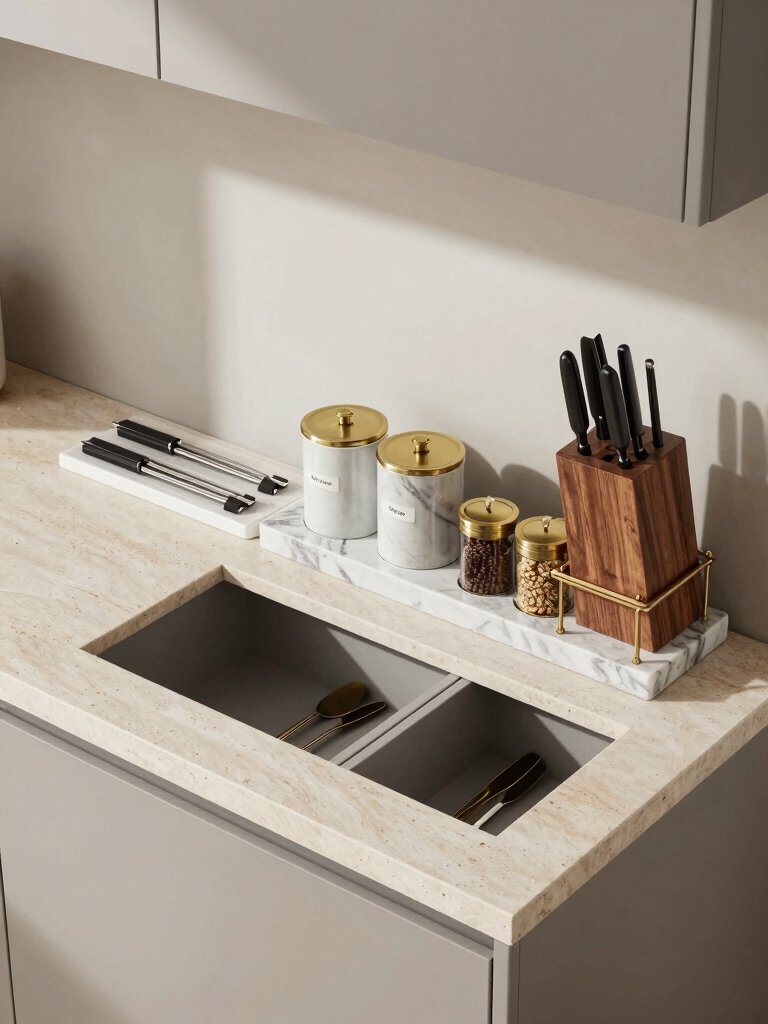

I translate restaurant efficiency into home use by zone-planning my kitchen, placing core prep tools within quick reach, and using color-coded labels for fast identification. I batch tasks by station, keep a clear prep zone, and apply a FIFO mindset to my pantry. I schedule simple cleaning routines and routine maintenance checks to prevent breakdowns. If you keep practicing these steps, you’ll reveal even more practical tricks to try next.
How Restaurant Efficiency Principles Translate to Your Home Kitchen

Restaurant efficiency isn’t just for pros; you can borrow the same principles to simplify your home kitchen.
I translate workflow, station setup, and clear labeling into practical steps you can use today. I’ll map tasks to zones, keep tools within reach, and simplify cleanup. By implementing kitchen gadgets organization strategies, you’ll move faster, waste less, and feel confident organizing meals without overhauling your space or routines.
Zone Your Home Kitchen Like a Pro

I’m breaking my kitchen into zones by function, so what I grab and where I grab it makes sense.
I’ll set up a practical Work Triangle that keeps prep, cooking, and cleaning within easy reach.
And I’ll follow accessible storage rules to turn clutter into a simple, efficient flow. Additionally, I’ll implement essential tips for organizing to ensure that each zone is optimized for its specific tasks.
Zone By Function
Zone by function means organizing your kitchen into dedicated areas for prep, cooking, cleaning, and storage.
I design zones to minimize movement, boost efficiency, and keep tools where they’re needed most.
- Prep area with cutting boards and knives
- Cooking zone near heat sources and pans
- Cleaning station with sink and soap
- Storage spots for dry goods and spices
- Quick-access gadgets within reach
Incorporating these kitchen organization upgrades can transform your cooking space into a more functional and serene environment.
Work Triangle Setup
The work triangle is about keeping the three key areas—the fridge, the stove, and the sink—within a comfortable, 4–9 foot radius of each other.
I design kitchens this way: I place the fridge near prep zones, the sink for washing messes, and the stove for cooking flow.
Clear paths, minimal steps, efficient, functional layout that feels natural and calm. Additionally, small kitchen ideas can help you maximize your space and enhance the overall functionality of your kitchen.
Accessible Storage Rules
Accessible storage isn’t a mystery—you organize what you use most where you reach it first, and everything else backs that up.
I share a simple system you can trust.
- Group daily items near the prep zone
- Use clear containers for visibility
- Label shelves and bins
- Place bulk staples at eye level
- Keep rarely used gear in a labeled cabinet
Additionally, consider implementing smart organization techniques to maximize efficiency and streamline your cooking process.
Place Core Prep Tools for Fast, Safe Access

When you’re cooking, grab-and-go access matters.
I place core prep tools within easy reach—knife, cutting board, bowls, measuring cups, and a dependable knife sharpener—so I can work smoothly without hunting.
I group by task, keep surfaces clear, and use a dedicated prep zone.
Fast access reduces mistakes, boosts safety, and makes every step feel deliberate and efficient. Additionally, implementing smart organization tips can further enhance your kitchen efficiency and make meal prep a breeze.
Use Color-Coded Inventory for Quick Access

I’ll explain how my color-coded labeling system speeds up access, so you can spot what you need at a glance.
With color groups, you’ll grab items faster and avoid opening every bin in search of the right product.
I’ll walk you through setting up Quick-Grab Color Coded Bins and organizing them by clear color groups for easy, reliable retrieval.
Color-Coded Labeling System
Color-coded labeling speeds up finding and returning items, so I’ll walk you through a simple system you can put in place today.
- Choose durable labels by function: produce, dairy, meat, dry goods, cleaners
- Assign consistent colors to each category
- Apply labels to containers, shelves, and bins
- Maintain a quick-reference color key nearby
- Review quarterly and adjust as needed
In addition, consider using space-saving solutions that can further enhance your kitchen organization and efficiency.
Access by Color Group
One quick way to speed access is to group items by color and keep a live inventory handy.
I assign shelves by hue, label sections boldly, and store frequently used items in the same color family. This minimizes searching, guarantees consistency, and reduces misplacement.
I update counts after each use, keeping the system practical, accessible, and reliably organized. Additionally, implementing color-coded storage solutions can enhance the overall efficiency of your kitchen space.
Quick-Grab Color Coded Bins
To speed access, I set up Quick-Grab Color Coded Bins that align with the color groups I already use.
These bins cut search time, reduce mix-ups, and keep essentials in sight. They also support consistent stocking and quick restocks.
- Clear labels I can read at a glance
- Color-mack bins by category for fast grab
- Front-facing contents with visibility
- Durable, movable units for easy reorganization
- Alignment with existing color system for continuity
Streamline Prep Workflows to Save Time

When I design prep workflows, I start by mapping out a typical cook day and identifying bottlenecks that slow me down.
I batch tasks by station, preassemble multis, and schedule stretch breaks to reduce fatigue.
I use labeled containers, checklists, and visible timing cues.
Simple workflows minimize motion, cuts steps, and keep the line flowing smoothly without sacrificing quality.
Organize Knives and Cutting Boards Safely
I’ve learned from streamlining prep that clarity at the workstation prevents delays, so I keep knives and boards in one clearly labeled, easy-to-reach area.
- Magnetic strip by the sink for quick access
- Separate boards for protein, veg, and dairy
- Knife guard or sheath, stored upright
- Drying rack within reach after washing
- Color-coded handles for quick identification
Dry and Clean Storage to Reduce Clutter
I keep dry storage clean and organized to reduce clutter, starting with hygiene and separating dry goods from moisture-prone items.
I’ll show you how to use clean containers first, label them, and inspect seals regularly.
Together we’ll zone clutter control so everyday items stay visible, reachable, and easy to rotate.
Dry Storage Hygiene
Dry Storage Hygiene: to keep cupboards clear and safe, I use a simple system that minimizes clutter and preserves freshness.
- Inspect shelves weekly, removing stale items
- Wipe surfaces with a quick, dry cloth after use
- Label leftovers and spices for quick audits
- Elevate cans and bags on a small riser
- Rotate stock, using oldest first for efficiency
Clean Containers First
Clean containers make dry storage clearer and safer, so I start by inspecting every jar, bottle, and box and pulling out anything that’s worn or leaky.
I discard damaged seals, wipe lids, and label mismatches.
Then I group by use and size, stack neatly, and keep frequently used items within reach.
Clear, sturdy containers reduce clutter and save time daily.
Zone Clutter Control
Now that every container is clear and in good shape, I focus on zone clutter control for dry and clean storage.
I keep frequently used items visible, group similar products, and maintain clear labels. This discipline reduces clutter, speeds prep, and protects staples.
- Clear zones for staples
- Visible labels on shelves
- Group by use and frequency
- Regular reorganization
- Easy-access, low-humidity storage
Put Spices in Reach With Clear Labels
Spices belong in easy reach and clear labels make them quick to grab. I group spices by use and aroma, not alphabet, so I can grab what I need in a pinch.
I label lids and shelves, keep jars uniform, and store them away from heat. Snap decisions become smooth routines when visibility and order are obvious.
Clear Waste, Compost, and Recycling, End-to-End
Clear waste, compost, and recycling work best when they’re organized end-to-end: from when trash is created through to its final destination.
I map bins to flow, label clearly, and track outputs so nothing sits idle.
- Color-coded containers
- Separate liners for each stream
- Clear signage at point of generation
- Regular waste audits
- Defined transfer and disposal steps
Make FIFO Your Pantry Habit
Make FIFO a clear habit at home by turning stock rotation into a simple, automatic routine.
I organize shelves by earliest expiration, label dates, and place new items to the back.
I use a first-in, first-out flow daily, check perishables twice a week, and keep a quick glance guide.
This minimizes waste, saves money, and keeps meals consistent and safe.
Cleaning Routines That Keep Service Running
Clean kitchens run on reliable routines, so I keep cleaning as a daily, visible habit rather than a distant chore.
I show up, wipe surfaces, and declutter in minutes between tasks, keeping momentum. Here’s how I structure it:
- Quick wipe-downs after prep
- Sweep and trash at shift change
- Stock zones aligned with workflow
- Mop high-traffic areas nightly
- 5-minute end-of-shift reset
Maintenance Checks to Prevent Breakdowns
Maintenance checks are the natural next step after keeping a clean, visible routine, because small, regular inspections stop tiny issues from becoming big problems.
I walk you through a simple rhythm: daily quick checks, weekly tests, and monthly tune-ups. I document results, fix minor glitches, and schedule professional service when needed.
Organized, practical upkeep prevents breakdowns and keeps your kitchen humming.
Adapting Restaurant Principles to Your Space and Budget
Adapting restaurant principles to your space and budget starts with realism: pick the core practices that deliver the biggest returns and tailor them to what you actually have.
I’ll share practical tweaks that fit your setup, not fantasies.
- prioritize essential stations
- measure space before buys
- reuse containers for labeling
- adjust workflows to flow
- budget for durable, flexible pieces
Conclusion
Think of your kitchen as a tiny restaurant, where every move counts and calm is contagious. Apply these principles, from zoned layouts to FIFO habits, and you’ll move faster with less chaos. Start small, test a system, refine it, then scale up. The goal: continuous flow, not perfection. Remember: practices make habits, and habits make efficiency. If you fall off, adapt and try again—practice makes permanent, and even a humble home can serve up restaurant-level order.