
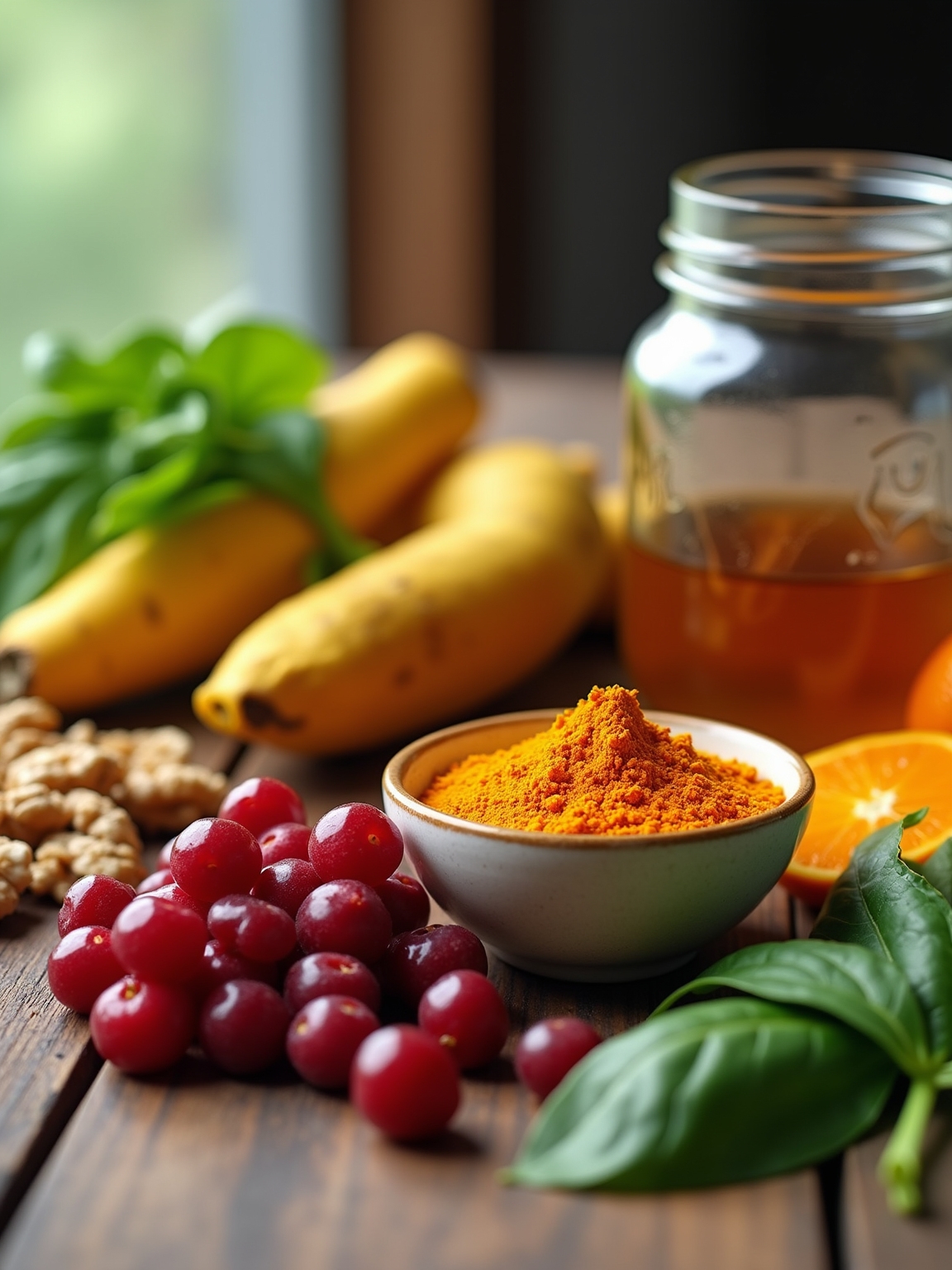
You probably don’t know that simple diet shifts can lower your blood CRP — a common inflammation marker linked to heart disease and diabetes — by measurable amounts. If you swap processed carbs and fried foods for vegetables, whole grains, olive oil, nuts, and fatty fish, you’ll likely feel steadier energy, less joint stiffness, and better long‑term metabolic health. There’s more practical guidance on what to eat, what to avoid, and how to make it fit your life.
Anti‑Inflammatory Diet: Quick Summary – What to Eat and Avoid

If you want to reduce chronic inflammation, focus on whole, minimally processed foods and limit items that consistently trigger inflammatory responses in studies. You’ll emphasize colorful vegetables, fruits, fatty fish (rich in EPA/DHA), whole grains, legumes, nuts, seeds, and olive oil—foods linked to lower markers like CRP.
You’ll cut back on refined carbs, sugary drinks, processed meats, trans fats, and excessive alcohol, which raise inflammatory signaling. Aim for consistent meals, modest portions, and varied plant-based sources to guarantee fiber and antioxidants. Consult your clinician if you have conditions or medications that affect diet choices. Begin with small, sustainable changes like adopting a Mediterranean-style eating pattern and build from there.
What Is an Anti‑Inflammatory Diet and Who Benefits

After focusing on the foods to eat and avoid, it helps to define exactly what an anti‑inflammatory diet is and who stands to gain from it.
You’ll find it’s a pattern emphasizing whole plants, healthy fats, lean proteins, and minimal ultra‑processed foods; it doesn’t rely on strict rules but on consistent choices shown to lower inflammatory markers.
People who often benefit include those with metabolic risk, joint pain, autoimmune tendencies, or anyone wanting preventive care.
It’s adaptable, evidence‑based, and supportive of overall wellbeing.
- People with elevated metabolic risk
- Those with chronic joint discomfort
- Autoimmune conditions
- Older adults
- Health‑minded individuals
The diet centers on whole plants and healthy fats as foundational elements shown to reduce inflammation.
How Chronic Inflammation Harms Your Health

When inflammation sticks around instead of resolving, it quietly damages tissues and raises your risk for disease, so recognizing its effects helps you make smarter health choices.
Chronic inflammation disrupts cell function, harms blood vessels, and promotes insulin resistance, increasing risks for heart disease, type 2 diabetes, certain cancers, and neurodegeneration.
You may feel persistent fatigue, joint pain, digestive upset, or mood changes—common, measurable signs clinicians track with biomarkers like CRP and ESR.
Addressing chronic inflammation through lifestyle and medical guidance can lower those markers, reduce symptom burden, and slow disease progression, giving you clearer, actionable paths to better health.
Eating an anti-inflammatory diet can produce measurable health improvements over weeks to months as inflammation markers fall and symptoms ease.
Top Science‑Backed Benefits of Anti‑Inflammatory Eating

If you shift toward anti‑inflammatory eating, you can lower your long‑term risk for chronic diseases like heart disease and type 2 diabetes—evidence from cohort and intervention studies supports this link.
You may also preserve or improve cognitive function as anti‑inflammatory patterns are associated with slower cognitive decline and better memory in older adults.
Let’s look at the data and practical steps that make these benefits achievable for you.
Many people find that adopting elements of the Mediterranean Diet increases energy and makes anti‑inflammatory eating easier to sustain.
Reduced Chronic Disease Risk
Because chronic inflammation quietly fuels many long-term illnesses, choosing an anti-inflammatory eating pattern can lower your risk of heart disease, type 2 diabetes, certain cancers, and neurodegenerative conditions.
You benefit by reducing systemic inflammation markers—like CRP—and improving metabolic health through whole foods, healthy fats, fiber, and antioxidants.
Evidence shows dietary shifts cut progression risks and support medical care, so you don’t have to rely solely on meds.
- Emphasize vegetables, fruits, and legumes
- Choose omega-3–rich fish and nuts
- Replace refined grains with whole grains
- Limit processed meats and added sugars
- Use extra-virgin olive oil for cooking
Foods such as extra-virgin olive oil, fatty fish, nuts, whole grains, vegetables, and fruits are staples of anti-inflammatory grocery lists, making them easy to prioritize in meal planning for long-term health anti-inflammatory staples.
Improved Cognitive Function
Lowering systemic inflammation doesn’t just protect your heart and metabolism — it also helps preserve your brain. You’ll notice clearer thinking, better memory, and steadier mood when chronic inflammation falls. Studies link anti‑inflammatory diets (rich in omega‑3s, polyphenols, fiber) to slower cognitive decline and improved executive function. You can support cognition by prioritizing fatty fish, berries, leafy greens, nuts, and whole grains while reducing processed foods and excess sugar. Many of these choices also help reduce joint discomfort by easing inflammation in connective tissues and supporting overall joint comfort through nutrient-rich foods like fatty fish and nuts that are emphasized in an anti‑inflammatory diet joint comfort.
| Food Group | Benefit | Evidence |
|---|---|---|
| Omega‑3s | Neuroprotection | RCTs/meta‑analyses |
| Polyphenols | Memory | Cohort studies |
| Fiber | Gut‑brain link | Mechanistic trials |
Key Anti‑Inflammatory Nutrients to Prioritize

Start by focusing on a handful of nutrients that consistently show strong evidence for reducing chronic inflammation: omega-3 fatty acids, fiber, antioxidants (like vitamin C, vitamin E, and polyphenols), and certain minerals such as magnesium and zinc. You can use these nutrients strategically to lower inflammatory markers, support immune balance, and improve recovery. Prioritize variety and reliable sources, and consider testing or professional advice if you have chronic conditions or take medications.
- EPA/DHA omega-3s for cytokine modulation
- Soluble and insoluble fiber for gut health
- Polyphenols for antioxidant signaling
- Vitamin C/E for oxidative stress reduction
- Magnesium/zinc for enzymatic regulation
Including a range of whole foods from the Essential Foods for an Anti-Inflammatory Diet can help ensure you get these nutrients reliably and sustainably, such as fatty fish, nuts, seeds, fruits, vegetables, and whole grains; see essential foods for guidance.
Foods to Enjoy: Everyday Anti‑Inflammatory Staples
Often you’ll find the best anti‑inflammatory choices are simple, everyday foods you can slip into meals without fuss. You’ll benefit from colorful vegetables, fatty fish, whole grains, nuts, seeds, and herbs rich in antioxidants and omega‑3s. Start small: swap refined carbs for oats, add spinach to eggs, choose salmon twice weekly, snack on walnuts, and flavor with turmeric and garlic. These habits lower markers of inflammation in trials and are easy to keep. Use the table below to plan swaps and combos.
| Category | Examples | How to Use |
|---|---|---|
| Vegetables | Spinach, broccoli | Salads, stir‑fries |
| Fish | Salmon, sardines | Baked, grilled |
| Grains & seeds | Oats, flaxseed | Breakfast, smoothies |
| Nuts & oils | Walnuts, olive oil | Snacks, dressings |
Foods to Limit or Avoid That Fuel Inflammation
To reduce inflammation, you’ll want to cut back on refined carbs and added sugars, which spike blood sugar and inflammatory markers.
Limit processed and fried foods that contain trans fats and advanced glycation end products, both linked to chronic inflammation.
Also moderate intake of red and processed meats, since high consumption is associated with higher inflammatory risk.
Refined Carbs And Sugar
Because refined carbohydrates and added sugars spike blood glucose and insulin repeatedly, they can drive low-grade inflammation that makes aches, fatigue, and chronic disease worse.
You’ll feel better when you reduce sugary drinks, pastries, white bread, and other fast-digesting carbs.
Aim for whole grains, fiber, and stable energy to blunt inflammatory signaling.
Small, practical swaps lower risk markers and improve mood and recovery.
Be kind to yourself—changes stick when they’re gradual and realistic.
- Replace soda with water or unsweetened tea
- Choose oats, quinoa, or barley over white flour
- Limit sweets to occasional treats
- Read labels for hidden sugars
- Pair carbs with protein and fiber
Processed And Fried Foods
When you regularly eat heavily processed and fried foods, you’re exposing your body to trans fats, excess omega-6s, advanced glycation end products, and additives that promote low-grade inflammation and oxidative stress; cutting back can reduce inflammatory markers, improve gut health, and lower risk for heart disease and metabolic problems.
Swap fast-food fried items, packaged snacks, and hydrogenated-oil products for whole-food alternatives.
Choose cooking methods like baking, steaming, or air-frying and use olive or avocado oil moderately.
Read labels for hidden fats and additives.
Small, sustainable changes lower inflammation, improve energy, and support long-term metabolic and cardiovascular health.
Excessive Red And Processed Meats
Frequently, eating large amounts of red and processed meats raises inflammation by exposing your body to saturated fats, heme iron, and nitrates/nitrites that promote oxidative stress and inflammatory signaling.
You don’t have to eliminate them completely, but cutting back can reduce markers like CRP and lower chronic disease risk. Choose leaner proteins, plant-based options, and cooking methods that limit charring. Be mindful of portions and frequency to protect gut health and vascular function.
- Prefer fish, legumes, and poultry over processed meats
- Limit servings to occasional, small portions
- Avoid charred or well-done meats
- Read labels for nitrates/nitrites
- Cook with anti-inflammatory herbs and oils
Simple Swaps to Reduce Inflammation
Small, consistent swaps in what you eat can cut down chronic inflammation and boost how you feel day to day. Swap refined carbs for whole grains, choose fatty fish over processed meats, use olive oil instead of butter, and add colorful veggies and berries for antioxidants. These changes reduce pro-inflammatory markers and improve heart and metabolic health. Start gradually, keep portions realistic, and track how you feel — small wins add up.
| Swap to try | Why it helps |
|---|---|
| Whole grains | Lower glycemic load |
| Fatty fish | Omega-3 anti-inflammatory fats |
| Olive oil | Monounsaturated fats |
| Berries | Polyphenols, antioxidants |
| Leafy greens | Vitamins, fiber |
One‑Week Anti‑Inflammatory Meal Plan (Shopping List Included)
Because steady, practical choices matter, this one-week anti-inflammatory meal plan gives you balanced, evidence-based meals and a clear shopping list so you can reduce inflammation without guesswork or extreme restriction.
You’ll get simple, nutrient-dense breakfasts, lunch and dinner templates, snacks, and swapping tips rooted in whole foods and omega-3s, fiber, and antioxidants.
Follow portion guidance, prep once or twice weekly, and adjust for allergies.
The included shopping list focuses on minimally processed items so you can shop efficiently and cook confidently.
- Leafy greens
- Berries and citrus
- Fatty fish (or plant alternative)
- Whole grains
- Nuts, seeds, olive oil
Fast Anti‑Inflammatory Breakfasts, Lunches, Dinners
Often you’ll want quick meals that still cut inflammation, so these breakfasts, lunches, and dinners focus on whole foods, fiber, and omega‑3s you can assemble in 10–20 minutes or less. You’ll find simple combos that research links to lower markers of inflammation: fatty fish, leafy greens, berries, nuts, and legumes. Build meals around a protein, a colorful vegetable, and a healthy fat.
| Meal | Idea |
|---|---|
| Breakfast | Greek yogurt, berries, walnuts |
| Lunch | Sardine salad, mixed greens |
| Dinner | Quick salmon, steamed broccoli |
| Swap | Lentil wrap with avocado |
Rotate these, listen to your body, and adjust portions to your needs.
Anti‑Inflammatory Snacks and Pantry Staples to Keep on Hand
Regularly stocking anti‑inflammatory snacks and staples makes it easier to choose foods that lower inflammation when hunger hits.
You’ll feel more in control when you keep nutrient-dense, minimally processed options available—foods shown to reduce inflammatory markers and support recovery. Pack single-serve nuts, seeds, and dried fruit for quick energy. Choose high-quality olive oil and canned wild salmon for omega-3s. Keep whole grains and herbal teas for steady blood sugar and calming effects. Rotate items to avoid spoilage and tailor choices to your tolerance.
- Walnuts or almonds
- Chia or flax seeds
- Canned wild salmon
- Extra virgin olive oil
- Oats and herbal teas
How Weight, Gut Health, and Inflammation Influence Each Other
Keeping anti-inflammatory staples on hand can help you eat in ways that support a healthy weight and a balanced gut microbiome—two factors that strongly affect inflammation.
When you carry excess weight, especially visceral fat, your body releases pro-inflammatory signals that make chronic inflammation more likely. A diverse, fiber-rich diet feeds beneficial microbes that produce anti-inflammatory compounds like short-chain fatty acids.
Conversely, dysbiosis and low-fiber intake can promote weight gain and inflammatory pathways. Small, sustainable changes—more vegetables, whole grains, fermented foods, sensible portions—can shift your microbiome and metabolic profile, lowering inflammatory markers and improving overall health.
Supplements, Spices, Safety, and Dosing
While supplements and spices can complement an anti-inflammatory diet, you should treat them as targeted tools rather than quick fixes: evidence supports some (like omega-3s, curcumin, and ginger) for reducing markers of inflammation, but benefits depend on dose, formulation, and individual health status.
Prioritize food first; then consider targeted supplementation guided by lab results or a clinician. Watch interactions with medications, choose standardized extracts, and start low while monitoring effects.
Use reputable brands and check for contaminants. If pregnant, nursing, or on blood thinners, consult your provider before starting new supplements.
- Omega-3s: EPA/DHA standardized
- Curcumin: enhanced bioavailability
- Ginger: fresh or extract
- Dosage: evidence-based ranges
- Safety: drug interactions, testing
Personalize the Diet for Allergies, Budget, and Taste
You can tailor an anti‑inflammatory eating plan to your allergies by swapping ingredients—like using canned salmon or beans instead of shellfish, or sunflower seed butter for peanut allergy—while keeping nutrient balance.
Think about budget-conscious choices such as seasonal produce, frozen vegetables, and whole grains that stretch meals without sacrificing anti‑inflammatory benefits.
Small, practical swaps make the diet safer, affordable, and more likely to stick with your tastes.
Allergy-Friendly Ingredient Swaps
If you need to avoid common allergens but still want the anti-inflammatory benefits of this diet, simple swaps let you tailor meals to your allergies, budget, and taste without sacrificing nutrition. You can replace triggers with nutrient-dense alternatives that still reduce inflammation.
Focus on whole foods and read labels; small substitutions maintain fiber, omega-3s, and antioxidants shown to lower inflammatory markers. Be mindful of cross-reactivity and consult your clinician for severe allergies.
Try these practical swaps:
- Use olive oil or avocado instead of butter
- Choose quinoa or brown rice for wheat-free grains
- Swap almonds for pumpkin seeds if tree-nut allergic
- Pick canned salmon for omega-3s over shellfish
- Replace cow milk with fortified oat or pea milk
Budget-Conscious Meal Planning
Stretch your grocery budget without sacrificing anti-inflammatory benefits by prioritizing whole, versatile ingredients and planning around sales and seasonal produce. You can tailor meals for allergies, taste, and cost by batch-cooking, swapping proteins (lentils for pricier fish), and freezing portions. Track prices, lean on frozen fruits/veg for nutrients, and use herbs/spices to boost flavor without added sodium. Evidence supports plant-forward patterns for inflammation reduction; pragmatic steps help you stick with them. Be realistic: adjust recipes to avoid allergens and favor what you enjoy so you’ll keep eating anti-inflammatory foods long-term.
| Strategy | Low-cost options | Allergy swaps |
|---|---|---|
| Batch cook | Brown rice, beans | Quinoa for gluten |
| Bulk proteins | Lentils, eggs | Tofu for dairy |
| Seasonings | Turmeric, garlic | Ginger if allium intolerant |
| Plan sales | Weekly meal list | Substitute per allergy |
Top Mistakes That Derail Anti‑Inflammatory Eating : and Fixes
When people try to eat anti-inflammatory, common missteps—like skimping on whole foods, relying on “anti-inflammatory” labels, or cutting calories too sharply—often undo the benefits they expect; recognizing these pitfalls helps you make targeted, sustainable fixes. You’ll avoid confusion if you focus on consistent patterns, not single foods. Prioritize variety, realistic portions, and evidence-based swaps. Track symptoms and energy, not perfection. Seek guidance for chronic conditions.
- Ignoring whole-food variety — rotate plants and healthy fats.
- Trusting marketing — read ingredient lists.
- Over-restricting calories — sustain nourishment.
- Skipping protein — preserve muscle, satiety.
- Neglecting sleep/stress — inflammation drivers.
Conclusion
You’ve seen how anti‑inflammatory eating—more veggies, fiber, olive oil, nuts, and fatty fish—can lower chronic inflammation and improve heart, metabolic, and brain health. Consider this: people following Mediterranean‑style, anti‑inflammatory patterns often have CRP levels about 20–30% lower in trials, a measurable change linked to fewer cardiovascular events. Start with simple swaps, tailor them to your budget and allergies, and expect steady, evidence‑based gains rather than overnight fixes.