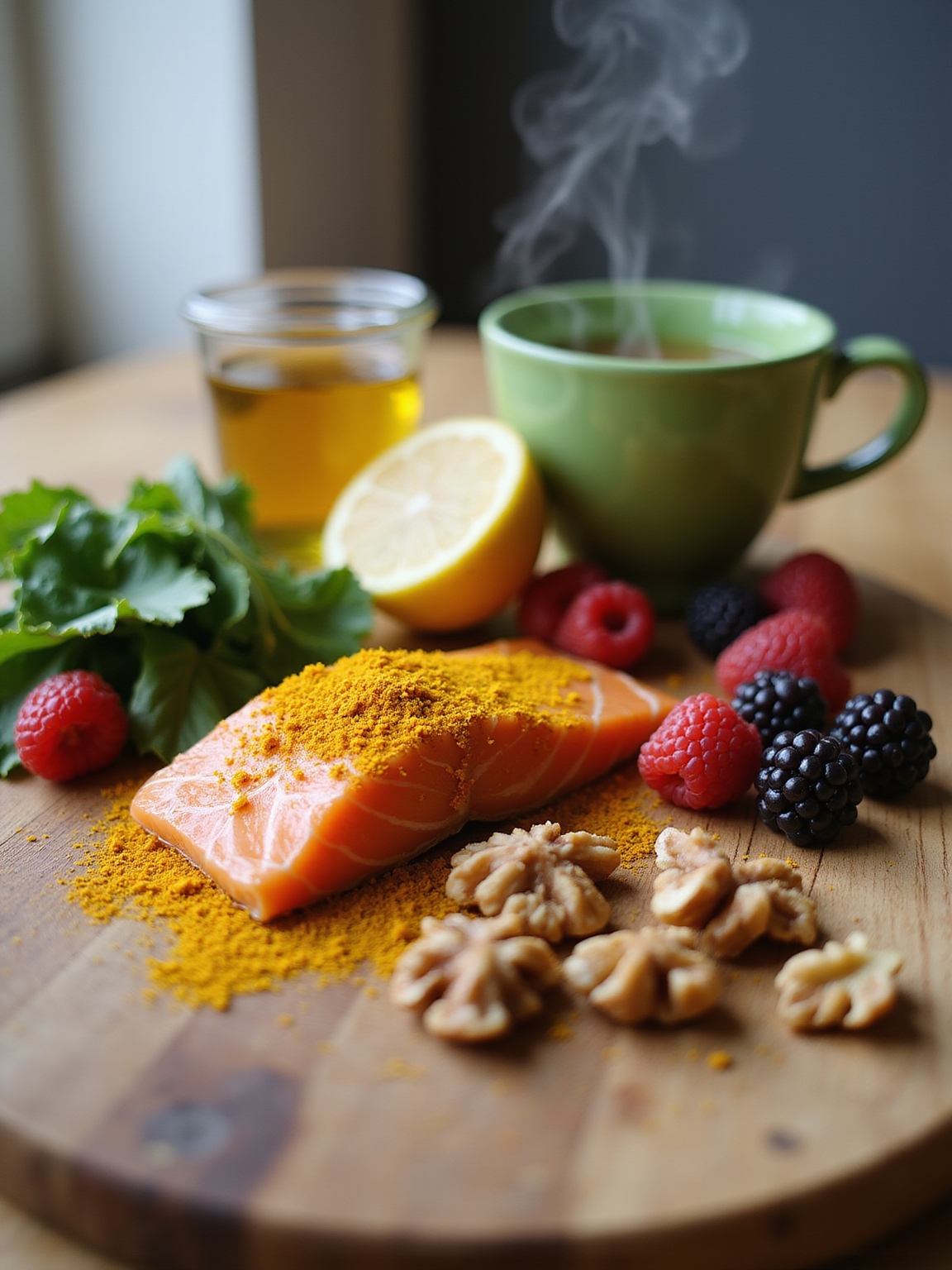

You can ease inflammation without giving up bold, meaty flavors by centering whole plants, healthy fats, and savory umami boosters that satisfy the palate and lower inflammatory markers. Science shows fiber, omega‑3s, polyphenols, and reduced processed fats help calm chronic inflammation, and you’ll get hearty textures from legumes, mushrooms, and toasted nuts. Keep going to see practical swaps, easy meals, and strategies that make the shift simple and sustainable.
Quick‑Start: 3 Anti‑Inflammatory Vegetarian Meals to Try Today

When you’re ready to reduce inflammation through food, start with three simple, nutrient-dense vegetarian meals that research links to lower inflammatory markers: a turmeric-ginger lentil stew rich in polyphenols and fiber, a leafy-green and walnut salad with omega-3 ALA and vitamin E, and a roasted vegetable quinoa bowl with colorful cruciferous veggies for glucosinolates.
You’ll favor whole ingredients, steady blood sugar, and micro-nutrients tied to lower CRP and IL-6 in trials. Prepare batches, rotate spices, and add citrus and black pepper to boost curcumin absorption. Track symptoms and portion sizes to evaluate what consistently helps you feel better. Consider planning a weekly Simple Anti-Inflammatory Meal Plan to make these habits sustainable.
Anti‑Inflammation Basics Meat Lovers Need to Know

Even if you prefer meat, you can follow anti‑inflammatory food principles by prioritizing whole plants, minimizing ultra‑processed items, and focusing on nutrient density.
Choose lean, minimally processed cuts and cooking methods like baking, poaching, or slow braising to reduce pro‑inflammatory compounds formed at high heat.
Balance omega fats by favoring fatty fish, pasture‑raised meats when possible, and pairing meals with ALA‑rich seeds or walnuts to improve your omega‑3 to omega‑6 ratio.
Stock your kitchen with anti‑inflammation staples such as colorful vegetables, whole grains, nuts, seeds, and extra‑virgin olive oil to make meal planning easier and more nutritious essential foods.
Anti-Inflammatory Food Principles
Because inflammation responds to what you eat, learning a few targeted food principles will let you lower inflammatory drivers without giving up meat. Focus on whole, minimally processed foods rich in antioxidants, fiber, and omega-3s.
Prioritize colorful vegetables, berries, legumes, nuts, seeds, and whole grains to support gut health and reduce pro-inflammatory metabolites. Include fatty fish or modest portions of lean, pasture-raised meats for anti-inflammatory fats and protein.
Limit refined carbs, added sugars, and industrial seed oils that promote inflammation. Use herbs, spices, and vinegar for flavor and metabolic benefits. Aim for variety, consistent portions, and evidence-based moderation. A simple meal framework and shopping approach can help stay on track with an anti-inflammatory diet.
Meat Preparation For Inflammation
If you eat meat and want to lower inflammation, focus on how you choose and cook it rather than cutting it out entirely. You can reduce pro-inflammatory compounds by preferring lean, minimally processed cuts, trimming visible fat, and avoiding charred surfaces. Use gentle methods and anti-inflammatory seasonings to preserve nutrients and limit harmful byproducts. Aim for moderation and variety alongside plant-centered dishes.
- Choose lean cuts and pasture-raised options when possible
- Trim fat and remove skin to lower saturated fat intake
- Cook with moist heat: braise, poach, or slow-roast
- Avoid high-temperature charring and flare-ups
- Season with herbs, turmeric, and antioxidant-rich spices
Including more anti-inflammatory foods in your kitchen makes it easier to pair meats with plant-based ingredients that help lower overall inflammation.
Balancing Omega Fats
When you’re managing inflammation as a meat eater, balancing omega-3 and omega-6 fats matters because these fats influence inflammatory pathways and cell signaling; shifting the ratio toward more omega-3s can blunt pro‑inflammatory mediators.
You can prioritize fatty fish (salmon, sardines), grass-fed meats, and omega-3–rich plant foods like walnuts and flaxseed. Limit industrial seed oils high in omega-6 and processed meats that elevate pro‑inflammatory eicosanoids.
Consider a marine omega-3 supplement if intake is low, aiming for EPA and DHA shown to reduce markers like CRP. Work with your clinician to personalize dose and monitor outcomes.
Including low-carb, anti-inflammatory food choices can help maintain steady energy levels and support overall inflammation management low-carb anti-inflammatory.
How Plant Foods Reduce Inflammation (The Short Science)

You’ll see that colorful plant foods deliver antioxidant phytonutrients that neutralize oxidative stress linked to inflammation.
Their fiber feeds gut microbes and supports a balanced microbiome, which lowers inflammatory signaling.
And many plants and plant-based oils supply anti-inflammatory fats, like mono- and polyunsaturates, that modulate immune responses.
Including whole foods such as fruits, vegetables, nuts, seeds, and whole grains is a cornerstone of an anti-inflammatory diet that’s rich in essential nutrients.
Antioxidant-Rich Phytonutrients
Plants pack a potent mix of antioxidant phytonutrients—like flavonoids, carotenoids, and polyphenols—that neutralize reactive molecules and downregulate inflammatory pathways in your body.
You’ll benefit when these compounds reduce oxidative stress, modulate signaling cascades (NF-κB, MAPK), and lower pro-inflammatory cytokine production.
Include diverse, colorful plants to get complementary actions and bioavailability.
- Berries: anthocyanins that dampen inflammatory enzymes
- Leafy greens: carotenoids and lutein with antioxidant effects
- Crucifers: glucosinolates and polyphenols influencing detox pathways
- Nuts/seeds: vitamin E and polyphenols protecting cell membranes
- Herbs/spices: concentrated flavonoids that target inflammatory signaling
Adding a variety of these foods to your shopping list supports an anti-inflammatory diet and makes healthy meal planning easier.
Fiber And Gut Health
Boosting your fiber intake changes the gut environment in ways that lower inflammation: dietary fibers feed beneficial microbes, which ferment them into short-chain fatty acids (SCFAs) like butyrate that strengthen the intestinal barrier, modulate immune cells, and reduce pro-inflammatory signaling.
You’ll notice more regularity and fewer gut breaches when you eat diverse plant fibers—legumes, whole grains, vegetables, fruits, and nuts. That diversity supports microbial richness, lowers endotoxin translocation, and shifts immune tone toward tolerance.
Clinical and mechanistic studies link higher fiber to reduced systemic markers like CRP. Aim for variety and gradual increases to let your microbiome adapt.
Anti-Inflammatory Fats
After reinforcing your gut with diverse fibers, turn attention to the fats on your plate—many plant-derived fats actively lower inflammation rather than raise it.
You’ll choose sources rich in monounsaturated and omega-3 fats, which modulate immune signaling, improve membrane fluidity, and reduce pro-inflammatory cytokines.
Incorporate whole foods rather than processed oils for added antioxidants and polyphenols that synergize with fats to calm inflammation.
- Extra-virgin olive oil: oleic acid, polyphenols
- Avocado: monounsaturated fat, carotenoids
- Walnuts: alpha-linolenic acid (ALA)
- Flaxseed: ALA + lignans
- Chia seeds: ALA + fiber
Ingredients to Avoid : And Easy Swaps
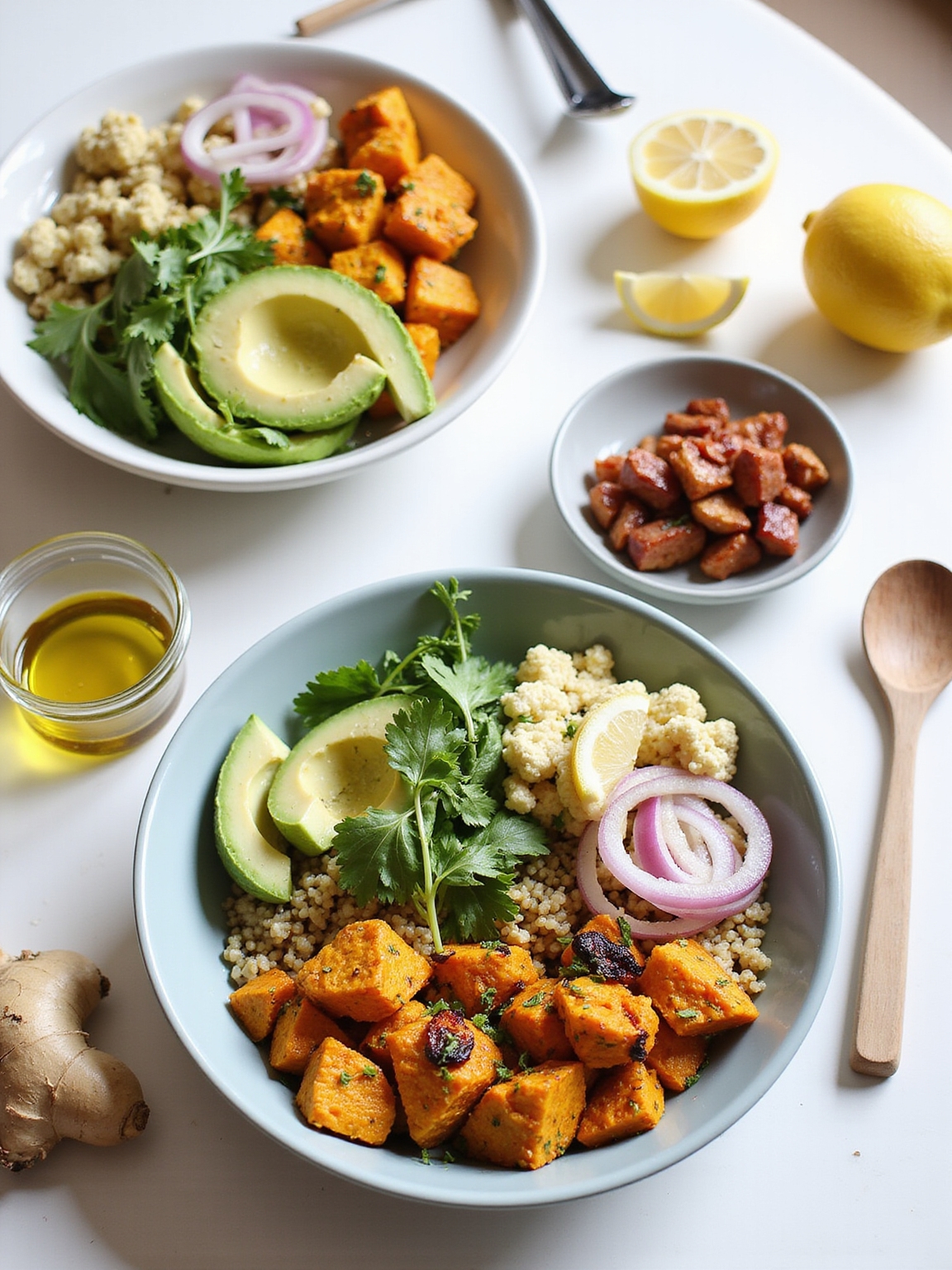
While reducing inflammation, you’ll want to limit certain common ingredients that reliably trigger pro-inflammatory responses or disrupt gut health. Cut refined sugars, high-fructose corn syrup, and ultraprocessed snacks—these raise markers like CRP and alter microbiome composition.
Reduce trans fats and excessive omega-6 vegetable oils; choose monounsaturated and omega-3 sources instead. Limit artificial sweeteners and emulsifiers, which can increase intestinal permeability in some studies.
Swap white flour for whole grains, sugary drinks for sparkling water with lemon, and fried foods for baked or air-fried versions. These evidence-based swaps lower inflammatory load while keeping meals satisfying and nutritious.
Protein‑Rich Plant Staples That Replace Meat

If you want to cut meat but keep hunger and inflammation in check, focus on whole, protein-rich plants like lentils, chickpeas, tofu, tempeh, edamame, and a variety of beans and peas—these provide complete or complementary amino acid profiles, fiber, and micronutrients that support gut and immune health.
You’ll prioritize anti-inflammatory omega-3 seeds, iron-rich legumes paired with vitamin C, and fermented soy for probiotics. Combine sources across meals to meet needs without excess saturated fat.
Practical staples to stock:
- Lentils (red, green)
- Chickpeas and hummus
- Firm tofu and tempeh
- Edamame and peas
- Black, kidney, navy beans
Flavor Tricks for Hearty Vegetarian Meals
Because flavor drives satisfaction, you’ll want to layer taste, texture, and aroma to make vegetarian meals feel truly hearty and anti-inflammatory, and research on sensory satiety supports that varied mouthfeel and bold seasoning increase meal satisfaction and reduce overeating.
Use umami-rich ingredients—miso, nutritional yeast, roasted tomatoes, and aged soy—to mimic depth found in meat while offering anti-inflammatory benefits. Bright acids (lemon, vinegar) balance richness and enhance nutrient absorption. Toast spices to release volatile oils, then bloom them in oil for aroma. Finish with herbs and a touch of healthy fat to carry flavor and improve curcumin and carotenoid uptake.
Texture Swaps That Satisfy Meat Cravings
You can satisfy meat cravings on an anti‑inflammatory vegetarian plan by choosing hearty plant proteins like tempeh, seitan, and lentils that provide sustained texture and amino acids.
Add umami-rich boosters — mushrooms, miso, nutritional yeast, and roasted soy sauce — to enhance savory depth without excess sodium or processed additives.
Use techniques such as pressing, marinating, high-heat searing, and shredding to create firm, fibrous, or bite‑sized textures that mimic meat while keeping inflammation‑fighting principles in mind.
Hearty Plant-Based Proteins
Swap textures, not just ingredients: hearty plant-based proteins recreate the chew, bite, and satisfaction of meat while delivering anti-inflammatory benefits backed by research.
You’ll find legumes, seitan, tempeh, and textured vegetable protein give substantial protein, fiber, and polyphenols that modulate inflammation markers.
Choose minimally processed sources, combine with whole grains for complete amino acids, and use cooking techniques—searing, braising, pressing—to enhance mouthfeel.
Monitor sodium in processed analogs.
These swaps support satiety and metabolic health without triggering pro-inflammatory pathways found in some animal fats.
Consider rotation for nutrient variety and consult a dietitian for personalized planning.
- Lentils (brown, green)
- Tempeh
- Seitan
- Chickpea-based burgers
- Textured soy protein
Umami-Rich Flavor Boosters
Several concentrated umami ingredients—miso, nutritional yeast, dried mushrooms, tomato paste, and soy-based condiments—deliver savory depth and mouth-coating satisfaction that helps mimic meatiness without excess saturated fat.
You can layer these to enhance flavor intensity while keeping inflammation-friendly profiles: use miso for glutamate-rich savor, nutritional yeast for B-vitamins and cheesy notes, and rehydrated porcini for concentrated umami.
Tomato paste adds cooked umami; tamari or low-sodium soy sauce contributes fermentative complexity.
Start small, taste, and adjust—research shows combined glutamates and nucleotides amplify perceived savoriness.
These swaps support satiety and palatability, making plant meals more satisfying.
Meaty Texture Techniques
Recreate familiar chew and bite by choosing plant proteins and preparation methods that mimic the fibrous, umami-rich mouthfeel of meat; research shows textures influence satiety and acceptance as much as flavor.
You’ll get satisfying chew by combining structure and moisture management: press tofu, shred jackfruit, or pulse seitan blends to create strands. Browning and low-and-slow braises develop collagen-like tenderness through gluten and myofibrillar analogs. Use marinades with acid and oil to soften fibers, and incorporate nuts or mushrooms for umami and bite. Test temperatures and resting time to lock juiciness and chew.
- Pressed, extra-firm tofu seared for crust
- Pulled jackfruit with soy braise
- Hand-torn seitan strips, pan-roasted
- Sautéed king oyster mushrooms, shredded
- Walnut-lentil patties with binders
One‑Pan Dinners Under 30 Minutes
Often you’ll find that one-pan dinners cut both prep time and cleanup while still delivering nutrient-dense, anti-inflammatory ingredients; they’re ideal when you need a quick, evidence-based meal that supports recovery and lowers chronic inflammation risk.
You’ll combine fiber-rich legumes, cruciferous veggies, whole grains, and anti-inflammatory spices like turmeric and ginger in one skillet or sheet pan. Roast or sauté to preserve polyphenols and minimize added oils.
Portion protein (tofu, tempeh, or beans) with colorful vegetables for antioxidants and omega-3 sources such as walnuts or ground flax.
You’ll get balanced meals in under 30 minutes that support long-term health.
Hearty Vegetarian “Meat” Bowls for Big Appetites
If you loved the speed and simplicity of one-pan dinners, you’ll also appreciate hearty vegetarian “meat” bowls that pack comparable ease with more calories and sustained satiety for big appetites.
You’ll build bowls around protein-dense legumes, textured plant proteins, whole grains, and anti-inflammatory veggies so each meal supports recovery and reduces chronic inflammation markers.
Combine flavors and micronutrients intentionally to improve absorption and satisfaction.
Try these balanced templates:
- Lentil + roasted sweet potato + quinoa + tahini-lemon dressing
- Tempeh sauté + brown rice + steamed broccoli + miso glaze
- Black bean chili-sauce + farro + avocado + cilantro
- Seared tofu + barley + kale + turmeric vinaigrette
- Mushroom “meat” ragu + polenta + spinach
Comforting Stews and Chilis Without Meat
When you swap meat for legumes, mushrooms, and whole grains in stews and chilis, you still get the slow-cooked depth and comforting mouthfeel while cutting inflammatory triggers linked to processed and red meats; research shows legumes and fiber-rich grains lower markers of systemic inflammation and support gut health, so design recipes around beans, lentils, textured mushrooms, and anti-inflammatory aromatics like turmeric, garlic, and chili for both flavor and measurable benefit.
You’ll build collagen-supporting broths with vegetable matter, boost polyphenols via tomatoes and peppers, and increase soluble fiber for microbiome metabolites.
Taste, satiety, and biomarkers can all improve with these purposeful swaps.
Smoky, Spicy Recipes That Pass for BBQ
Turn up the smoke and heat: you can recreate classic barbecue depth without meat by leaning on smoked spices, charred vegetables, and umami-rich plant proteins that research links to lowered inflammation compared with processed and red meats.
You’ll use smoked paprika, chipotle, miso, and char to build aroma and antioxidants. Focus on fiber, polyphenols, and plant protein to support reduced inflammatory markers. Try these crowd-pleasing swaps that deliver BBQ satisfaction and nutrient density:
- Smoked paprika tofu skewers with grilled peppers
- Chipotle-black bean burgers with charred corn salsa
- Miso-glazed eggplant “steaks”
- Smoky tempeh bacon lettuce wraps
- Charred cauliflower smoked-rub bowls
5 Weeknight Swaps to Cut Inflammatory Foods
On weeknights you can cut inflammation by swapping processed snacks like chips and cookies for whole-food options such as nuts, fruit, or hummus with veg sticks, which research links to lower markers of inflammation.
Reach for plant-based proteins—lentils, chickpeas, tofu, and tempeh—to replace processed meat alternatives or refined carbs, since legumes and fermented soy offer anti-inflammatory nutrients and fiber.
Small, consistent swaps make meals more nutrient-dense and support measurable changes in inflammatory profiles over time.
Swap Processed Snacks
Swap out packaged chips, sugary bars, and microwaveable snacks for whole-food alternatives that lower inflammatory triggers without sacrificing convenience.
You can reduce refined oils, excess salt, and additives that promote inflammation by choosing minimally processed options.
Prep small portions so you’ll grab nutrient-dense snacks instead of ultra-processed ones.
Aim for fiber, antioxidants, and omega-3 precursors to support resolution of inflammation.
Keep chilled jars or labeled containers for easy access.
- Greek yogurt with berries and flaxseed
- Sliced cucumbers with hummus
- Roasted chickpeas seasoned with turmeric
- Apple slices with almond butter
- Handful of walnuts and dark chocolate chunks
Choose Plant Proteins
If you want to cut inflammatory triggers during busy weeknights, leaning on plant proteins is a simple, evidence-backed strategy you can use regularly. Choose beans, lentils, chickpeas, tofu and tempeh to replace or reduce animal fats linked to inflammation. These foods provide fiber, polyphenols and unsaturated fats that modulate inflammatory pathways and support gut health.
You can batch-cook lentils, toss chickpeas into salads, or quickly stir-fry tofu with spices for anti-inflammatory benefits. Aim for variety and pair proteins with colorful vegetables and whole grains to boost antioxidant intake and sustain energy without relying on processed options.
Meal‑Prep Hacks to Stick With the Plan
When you plan a few simple batch-cooking steps each week, you lower the day-to-day friction of sticking with an anti‑inflammatory vegetarian plan and make nutrient-dense choices the easy default. You’ll use evidence-based routines to preserve phytochemicals and balance macronutrients so inflammation markers stay lower. Prep smartly, label portions, and prioritize variety to sustain adherence.
- Roast a big tray of mixed cruciferous vegetables for 3–4 meals
- Cook a grain batch (quinoa/brown rice) and portion by protein needs
- Make legume jars with spices for rapid meals
- Freeze single-serve soups in silicone molds
- Prep dressings with anti-inflammatory oils and turmeric
Still Miss Meat? Troubleshooting and Gradual Transitions
Craving meat is normal, and you can address it with gradual, evidence-based steps that preserve satisfaction while you shift.
Start by identifying which meat textures and flavors you miss—umami, fat, chew—and replicate them with lentils, mushrooms, tempeh, or seitan.
Introduce one plant-based swap per week, keeping portion sizes and mealtime rituals consistent to reduce appetite-driven relapse.
Prioritize protein and omega-3 sources to support satiety and inflammation markers.
Track symptoms, energy, and cravings for two to four weeks to guide adjustments.
If cravings persist, permit occasional mindful meat meals while continuing progressive plant-forward replacements.
Pantry Essentials: Shopping List for Anti‑Inflammatory Meals
You’ve got a plan for easing off meat; now stock your kitchen with the building blocks that support reduced inflammation and sustained satisfaction. Focus on anti-inflammatory staples—high-fiber legumes, omega-3 sources, colorful produce, whole grains, and spices with proven bioactive compounds. These items let you build balanced meals that modulate inflammatory pathways, support gut health, and keep you full.
- Extra-virgin olive oil and walnuts
- Lentils, chickpeas, and canned beans
- Quinoa, oats, and brown rice
- Berries, leafy greens, cruciferous vegetables
- Turmeric, ginger, garlic, and black pepper
Buy quality, rotate foods, and prioritize variety.
Conclusion
So you’ll eat mostly plants to fight inflammation — and somehow end up feeling stronger, less puffy, and oddly proud of a lentil stew. It’s reassuringly scientific: fiber, omega‑3s, polyphenols and lower processed food load reduce inflammatory signals. You won’t miss meat when your plate’s satisfying, savory, and protein‑rich. Keep swaps simple, prep ahead, and trust gradual changes; your body will thank you, even if your old steak recipe sulks a little.