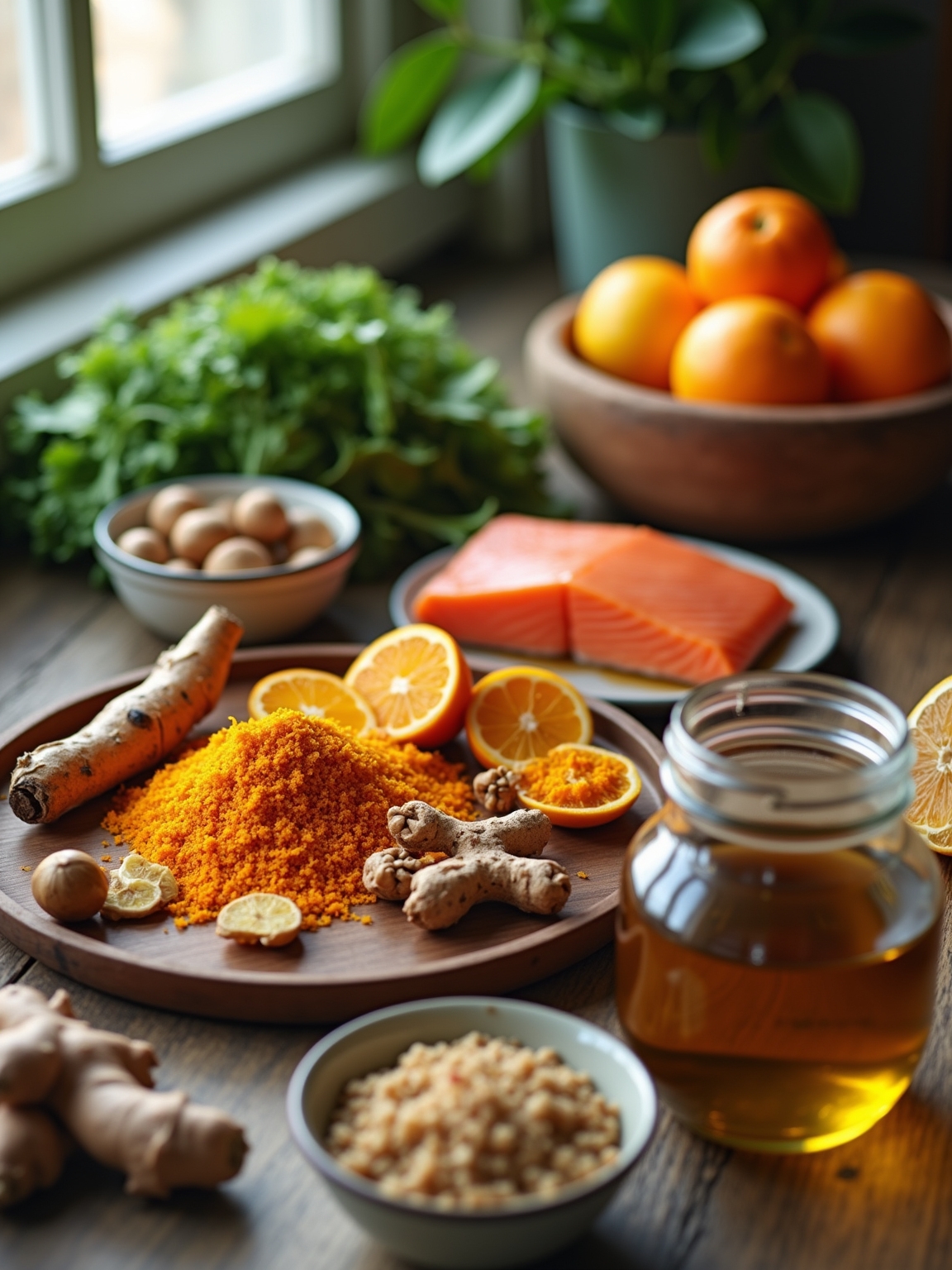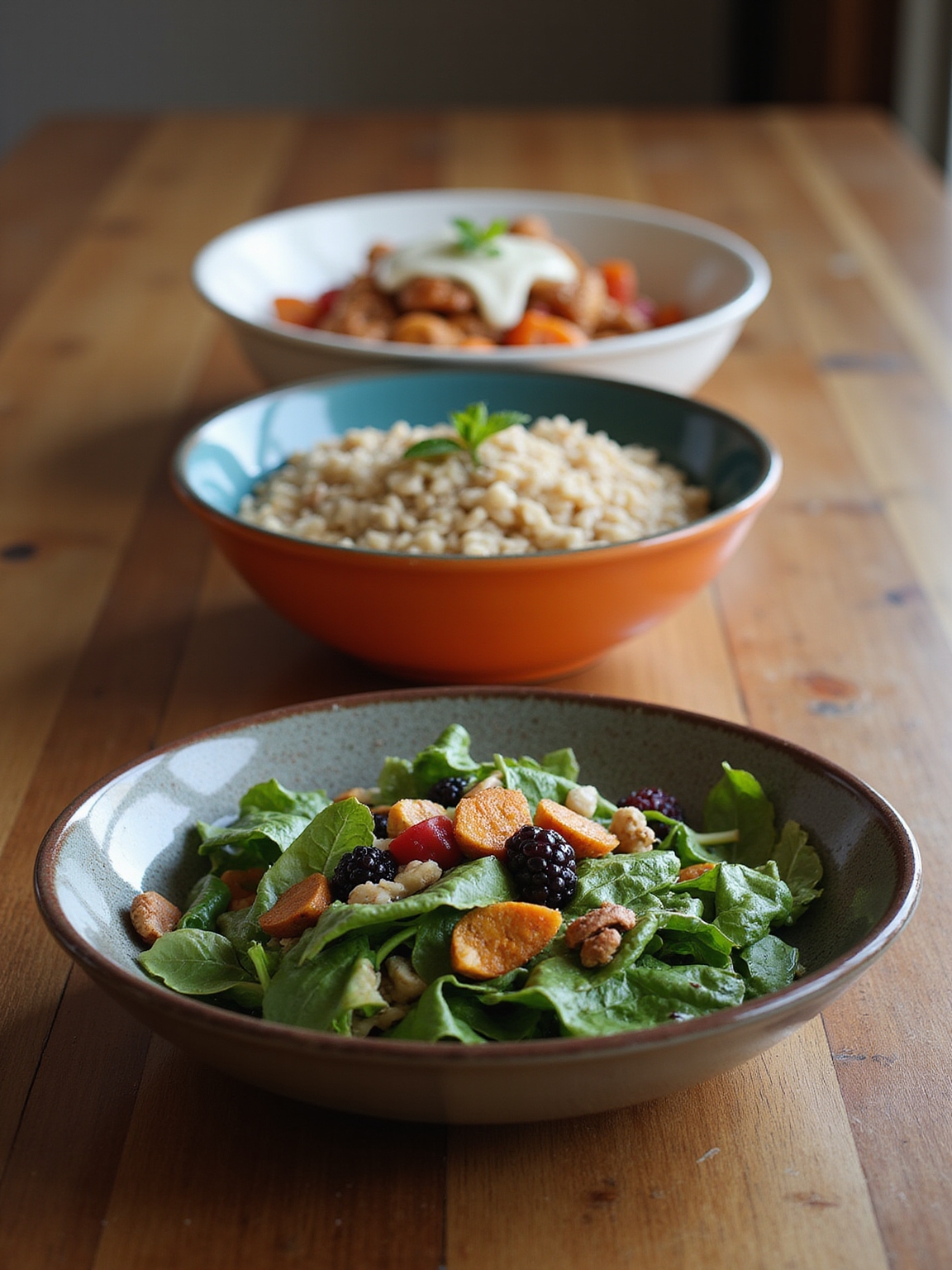

If you want to lower everyday inflammation through food, keep a small, reliable pantry and fridge of evidence‑based choices that make meals easier and healthier. Focus on fatty fish, colorful berries and greens, whole grains, nuts and seeds, and anti‑inflammatory spices like turmeric and ginger. You’ll find it simpler to cook nourishing meals and feel the benefits faster — and there are a few smart swaps and storage tips that make it even more practical.
Top Anti‑Inflammatory Foods to Always Have

Start by stocking a handful of potent, evidence-backed staples that you can rely on daily: fatty fish (salmon, sardines), a variety of colorful berries, leafy greens (spinach, kale), cruciferous vegetables (broccoli, Brussels sprouts), nuts (walnuts, almonds), extra-virgin olive oil, whole grains (oats, quinoa), and spices like turmeric and ginger.
You’ll keep inflammation in check by rotating these items, aiming for omega-3s, antioxidants, fiber, and polyphenols every day.
Portion them into simple meals: grilled fish with greens, oatmeal with nuts, olive oil dressings, turmeric-ginger dressings, or roasted crucifers.
Buy shelf-stable staples so you always have options.
Include nuts and seeds regularly to boost healthy fats and anti-inflammatory nutrients.
Fresh Produce to Buy Weekly (Berries, Cherries, Greens)

Having those pantry staples makes meal prep easier, but fresh produce gives your anti‑inflammatory eating plan its daily power — aim to buy a mix of berries, cherries, and dark leafy greens each week.
Choose blueberries, strawberries, and raspberries for polyphenols and fiber; tart cherries for sleep‑supporting melatonin and reduced exercise inflammation; and spinach, kale, or Swiss chard for vitamin K, magnesium, and carotenoids.
Store berries on a paper towel–lined container to extend life, keep greens lightly damp in a perforated bag, and plan two servings of fruit plus two of leafy greens daily.
Rotate varieties for broader nutrient coverage. A small pantry of staples like olive oil, nuts, and whole grains supports an anti-inflammatory diet and makes it easier to use fresh produce every day.
Cruciferous and High‑Fiber Vegetables

You’ll get potent anti‑inflammatory nutrients from cruciferous vegetables like broccoli, Brussels sprouts, and kale, which studies link to reduced oxidative stress and balanced immune response.
Their high soluble and insoluble fiber also feeds beneficial gut bacteria and supports regularity, which helps control systemic inflammation.
You can steam, roast, sauté, or blend them into soups and smoothies to keep meals varied and preserve nutrients.
Many flavorful Paleo recipes include cruciferous vegetables because they deliver both nutrients and anti‑inflammatory benefits while fitting gluten‑free, grain‑free meal plans.
Cruciferous Veggie Benefits
When you tuck cruciferous vegetables — like broccoli, cauliflower, Brussels sprouts, and kale — onto your plate, you’re adding plants that deliver both high fiber and bioactive compounds shown to lower inflammation markers and support detox pathways.
You’ll get sulforaphane, indoles, and glucosinolates that modulate inflammatory signaling and encourage phase II liver enzymes.
Aim for varied preparation—light steaming, roasting, or quick sauté—to preserve nutrients and ease digestion.
Start with a cup or two daily, mixing textures and colors to keep meals appealing.
These vegetables pair well with healthy fats to boost nutrient absorption and enhance anti-inflammatory effects.
Following an anti-inflammatory Mediterranean-style approach can further amplify benefits when you include these vegetables alongside olive oil and other whole foods, which support energy and inflammation.
High‑Fiber Gut Support
Building on the anti-inflammatory benefits of cruciferous vegetables, focus next on how their high fiber content supports your gut health and helps regulate inflammation systemically.
You’ll nourish beneficial microbes, boost short-chain fatty acid production, and promote regularity — all linked to lower inflammatory markers. Aim to include a variety daily; diversity matters for microbial resilience. Practical choices are affordable and easy to prep, and small consistent changes yield measurable benefits.
- Broccoli and Brussels sprouts: rich in insoluble and soluble fiber.
- Kale and collards: leafy fiber plus polyphenols.
- Cauliflower and cabbage: versatile, prebiotic-friendly fiber.
Everyday meal ideas make it simple to eat these regularly, helping you maintain anti-inflammatory habits over the long term.
Versatile Cooking Methods
Explore simple, science-backed ways to cook cruciferous and other high-fiber vegetables so they stay nutritious, tasty, and easy to eat every day.
You’ll steam broccoli and cauliflower briefly to preserve sulforaphane and fiber, then shock them in cold water to stop cooking.
Roast Brussels sprouts, cabbage, or carrots at high heat with a drizzle of olive oil to concentrate flavor while retaining nutrients.
Sauté greens quickly with garlic and lemon to maintain texture and absorb fat-soluble compounds.
Add beans or lentils for fiber balance.
Use minimal water, short times, and gentle acids to maximize anti-inflammatory benefits and enjoyment.
Including these methods in a Simple Anti-Inflammatory Meal Plan can help turn nutritious ingredients into satisfying daily meals and support overall health with consistent, practical choices like anti-inflammatory meal planning.
Fatty Fish and Seafood (Salmon, Sardines, Mackerel)

Reach for fatty fish like salmon, sardines, and mackerel to get concentrated doses of long-chain omega-3s (EPA and DHA), nutrients shown in clinical studies to reduce inflammatory markers, support heart health, and benefit brain function.
You can include them several times weekly, choosing wild or sustainably farmed sources and limiting added salt.
Cook simply—grill, bake, or poach—to preserve oils and nutrients.
Pair fish with colorful vegetables for antioxidants and vitamin synergy.
- Aim for two to three 3–4 ounce servings per week.
- Prefer low-mercury choices and varied species.
- Use canned sardines for convenience and calcium.
Including these fish fits well with many plans, such as the keto anti-inflammatory approach that emphasizes healthy fats and reduced carbs, and provides a reliable source of omega-3s keto anti-inflammatory.
Whole Grains and Slow Carbs (Quinoa, Oats, Brown Rice)

Many whole grains and slow-digesting carbs—like quinoa, oats, and brown rice—deliver steady energy, fiber, and micronutrients that help lower inflammation and support gut health.
You’ll benefit from their soluble and insoluble fiber, which feeds beneficial gut bacteria and moderates blood sugar spikes linked to inflammatory responses.
Choose intact or minimally processed forms—steel-cut oats, whole-grain quinoa, and brown rice—to maximize nutrients and lower glycemic impact.
Aim for 1–2 servings per meal paired with vegetables and a lean protein or healthy fat to further blunt inflammation.
Cook in batches, refrigerate portions, and reheat gently for easy, consistent choices.
Legumes and Plant Proteins (Lentils, Chickpeas, Edamame)
After whole grains, adding legumes and other plant proteins—like lentils, chickpeas, and edamame—gives you concentrated fiber, protein, and anti-inflammatory phytonutrients without excess saturated fat.
You can rely on them for steady blood sugar, gut-friendly fiber, and plant-based amino acids that support recovery and lower inflammation markers in studies.
Cooked or canned, they’re versatile, affordable, and shelf-stable, so you’ll have healthy options ready.
- Use lentils in soups and salads for easy iron and folate.
- Roast chickpeas for a crunchy, low-fat snack.
- Steam edamame for quick, protein-rich sides.
Rotate types to maximize nutrient variety.
Good Fats: Extra‑Virgin Olive Oil, Avocado, Flax
Choose monounsaturated and omega‑3–rich fats like extra‑virgin olive oil, avocado, and ground flaxseed to lower inflammation while supporting heart and brain health. You’ll cook, dress, and blend these foods to boost anti‑inflammatory compounds: oleic acid, polyphenols, and ALA. Use olive oil for low‑heat sautéing and dressings, avocado to add creaminess and nutrients, and freshly ground flaxseed for smoothies or yogurt. Measure portions—fat is calorie‑dense. Evidence supports modest daily amounts. Be gentle with swaps and enjoy flavors that soothe you.
| Flavor | Comfort |
|---|---|
| Olive oil | Warm golden calm |
| Avocado | Smooth, nurturing |
| Flaxseed | Earthy reassurance |
Nuts & Seeds for Snacks and Toppings (Walnuts, Chia)
A handful of walnuts or a spoonful of chia seeds can give your snacks and toppings a big anti‑inflammatory boost without much fuss.
You’ll get plant omega‑3s, fiber, and antioxidants that support reduced inflammation and steady blood sugar.
Sprinkle them on salads, oats, or roasted vegetables, or eat them plain when cravings hit.
Portion control matters—nuts are calorie‑dense, seeds absorb liquid and expand.
Aim for variety: walnuts, chia, and other seeds provide complementary nutrients and textures so you stay satisfied and nourished.
- Walnuts: rich in ALA omega‑3
- Chia: high in soluble fiber
- Pumpkin seeds: zinc and magnesium
Dairy & Alternatives That Reduce Inflammation (Yogurt, Kefir, Fortified Milks)
Regularly including fermented dairy or fortified plant milks can help lower inflammation by supplying probiotics, vitamin D, calcium, and other nutrients that support gut health and immune balance.
Choose plain yogurt or kefir with live cultures to promote beneficial bacteria; they’ve been tied to reduced markers of inflammation in some studies.
If you’re dairy-free, pick fortified almond, soy, or oat milks that provide vitamin D and calcium. Watch added sugars and flavored varieties.
Aim for daily servings—e.g., a cup of kefir or fortified milk, or a half-cup of yogurt—to support microbiome diversity and nutrient intake without excess calories.
Herbs & Spices to Fight Inflammation (Turmeric, Ginger, Garlic)
While you might think of herbs and spices as small flavor boosters, turmeric, ginger, and garlic deliver concentrated anti-inflammatory compounds that can meaningfully support your health when used regularly.
You’ll get curcumin’s modulation of inflammatory pathways, gingerols’ pain-relieving effects, and allicin’s immune-supporting actions.
Use fresh or powdered forms, pair turmeric with black pepper for absorption, grate ginger into dressings or teas, and crush garlic lightly to activate benefits.
Integrate them into meals daily in modest amounts to reduce chronic inflammation risk without relying on supplements.
- Turmeric with black pepper
- Fresh grated ginger
- Crushed raw or lightly cooked garlic
Anti‑Inflammatory Pantry Condiments (Miso, Tahini, Apple Cider Vinegar)
You can use miso, tahini, and apple cider vinegar to add savory umami, creamy richness, and bright acidity that make anti‑inflammatory meals more satisfying.
Fermented miso and raw apple cider vinegar also supply gut‑friendly compounds that support digestion and immune balance.
Try them as a tahini dressing, miso glaze, or ACV‑based marinade to boost flavor and inflammation‑friendly benefits in simple, practical ways.
Flavor Boosting Umami Power
How can a few simple condiments lift flavor without fueling inflammation? You can rely on miso, tahini, and apple cider vinegar to add umami, richness, and bright acidity while supporting an anti‑inflammatory pattern. Use small amounts to enhance vegetables, grains, and lean proteins so you eat more nutrient‑dense foods without excess salt or sugar. Evidence suggests these ingredients contain bioactive compounds and healthy fats that align with anti‑inflammatory goals when used judiciously. Practical tips: dilute, whisk, and taste as you go to control intensity and sodium.
- Miso: savory depth, low quantity
- Tahini: creamy, anti‑inflammatory fats
- ACV: bright acidity
Gut-Friendly Fermentation Benefits
The same pantry condiments that lift flavor can also support your gut: miso and apple cider vinegar bring fermented, probiotic-friendly compounds, and tahini supplies prebiotic-promoting fibers and healthy fats that help nourish beneficial microbes.
Use miso in soups and dressings for live cultures when unheated, and choose unpasteurized apple cider vinegar with the “mother” to access acetic acids linked to improved gut barrier function.
Stir tahini into sauces and smoothies to feed bifidobacteria with its resistant starches and polyunsaturated fats.
Integrate these modestly and consistently; combine with fiber-rich foods to maximize anti-inflammatory, microbiome-supporting effects.
Versatile Acidic Marinades
Because acidic marinades break down proteins and release flavor while also delivering anti-inflammatory and microbiome-supporting nutrients, they’re among the most practical pantry tools you can use regularly.
Use miso, tahini, and apple cider vinegar to brighten vegetables, fish, and legumes; each offers gut-friendly compounds, healthy fats, and polyphenols that research links to reduced inflammation.
Mix, taste, and adjust—acid balances richness and boosts absorption of plant nutrients.
Keep small jars of these condiments ready, and you’ll reach for them instead of heavy sauces.
- Miso: umami, probiotics
- Tahini: anti-inflammatory fats
- Apple cider vinegar: polyphenols
Low‑Sugar Fruits for Everyday Use (Apples, Pears, Citrus)
Choose a few low‑sugar fruits like apples, pears, and citrus to add everyday anti‑inflammatory benefits without spiking blood sugar. You’ll get fiber, vitamin C, and polyphenols that studies link to reduced markers of inflammation.
Eat an apple or pear with a handful of nuts or a smear of nut butter to slow absorption. Use citrus zest and segments to brighten salads or dressings for added flavonoids.
Rotate varieties—Granny Smith, Bartlett, blood orange—for flavor and nutrient diversity. Wash and store fruit properly so you’ll reach for them easily, making anti‑inflammatory choices the default.
Frozen Essentials to Always Keep (Veg, Berries, Wild Fish)
Keep a stash of frozen leafy greens, mixed berry medleys, and wild fish fillets so you always have anti‑inflammatory building blocks on hand.
Frozen greens retain fiber and polyphenols for quick sautés or smoothies, berries give concentrated antioxidants without added sugar, and wild fish provides omega‑3s that research links to lower inflammation.
You’ll save time, reduce waste, and support consistent, evidence‑based choices.
Frozen Leafy Greens
Often you’ll find frozen leafy greens are the easiest way to boost anti-inflammatory nutrients year-round, since they retain most vitamins, minerals, and polyphenols better than wilted fresh greens.
You can keep spinach, kale, and Swiss chard on hand to add folate, vitamin K, magnesium, and antioxidant flavonoids to soups, smoothies, and sautés without waste.
Choose plain, unsalted packs and blanch-frozen varieties for best nutrient retention.
Thaw gently or add frozen to hot dishes to preserve texture and nutrients.
Rotate stock monthly and label dates to guarantee freshness.
- Spinach: iron, folate
- Kale: vitamin K, carotenoids
- Swiss chard: magnesium, betalains
Mixed Berry Medleys
While frozen mixed berries may seem like a convenience item, they deliver concentrated anti-inflammatory polyphenols, fiber, and vitamin C that support recovery and metabolic health year-round.
Keep a few bags in the freezer so you can quickly add antioxidants to smoothies, oatmeal, yogurt, or salads.
You’ll get diverse anthocyanins when you mix blueberries, raspberries, blackberries, and strawberries — studies link these compounds to reduced markers of inflammation and improved endothelial function.
Portion into single-serving packs, avoid added sugars, and rotate varieties for flavor and nutrient breadth.
Use them to satisfy sweet cravings without processed snacks.
Wild Fish Fillets
Stock frozen wild fish fillets in your freezer so you’ve got a reliable, nutrient-dense protein that’s rich in omega-3s — EPA and DHA — known to lower inflammatory markers and support heart and brain health.
You’ll defrost portions quickly for weeknight meals, grill or bake with citrus and herbs, and pair with greens or whole grains for balanced anti-inflammatory plates.
Choose sustainably sourced options to minimize contaminants and maximize benefits; check labels for origin and testing.
Simple prep preserves nutrients and limits added oils or breading, keeping inflammation potential low and flavor high.
- Skin-on fillets for roasting
- Portion-controlled single packs
- Wild salmon or cod options
Quick Protein Add‑Ins & Convenience Items (Canned Salmon, Tuna, Nut Butter)
Boost your meals quickly with canned salmon, tuna, or a scoop of nut butter—these convenient protein add‑ins deliver anti‑inflammatory benefits, essential fatty acids, and micronutrients without extra prep. You can top salads, stir into whole grains, or spread nut butter on fruit for balanced snacks that support inflammation control.
Choose wild‑caught or low‑sodium canned fish to maximize omega‑3s and minimize additives; pick natural nut butters without added sugars or hydrogenated oils. These items offer protein, vitamin D, selenium, and healthy fats shown to modulate inflammatory pathways.
Keep portions moderate and pair with fiber and colorful produce for best outcomes.
Smart Swaps, Meal‑Prep, and Storage Tips for Your Kitchen
Frequently, small swaps and simple prep habits make the biggest difference in keeping an anti-inflammatory kitchen functional and stress-free.
You’ll reduce inflammation by choosing olive oil over vegetable oils, swapping refined grains for quinoa or steel-cut oats, and prioritizing frozen berries and leafy greens for nutrient retention.
Prep proteins, grains, and chopped vegetables on one day to streamline dinners.
Label containers with dates, store herbs wrapped in damp paper towels, and keep nuts in the fridge to prevent rancidity.
Simple systems lower decision fatigue and support consistent, evidence-based eating that protects your health.
- Batch-cook essentials weekly
- Use airtight glass jars
- Rotate frozen stock
Conclusion
Keeping these anti‑inflammatory staples makes healthy eating practical and comforting. Studies show diets rich in anti‑inflammatory foods can lower markers like CRP by about 20%, so small, steady swaps really add up. Stock fatty fish, leafy greens, berries, whole grains, nuts, legumes, and fermented foods; batch‑cook, freeze portions, and store nuts cold. You’ll save time, reduce decision fatigue, and support long‑term health with easy, evidence‑based choices you can sustain.