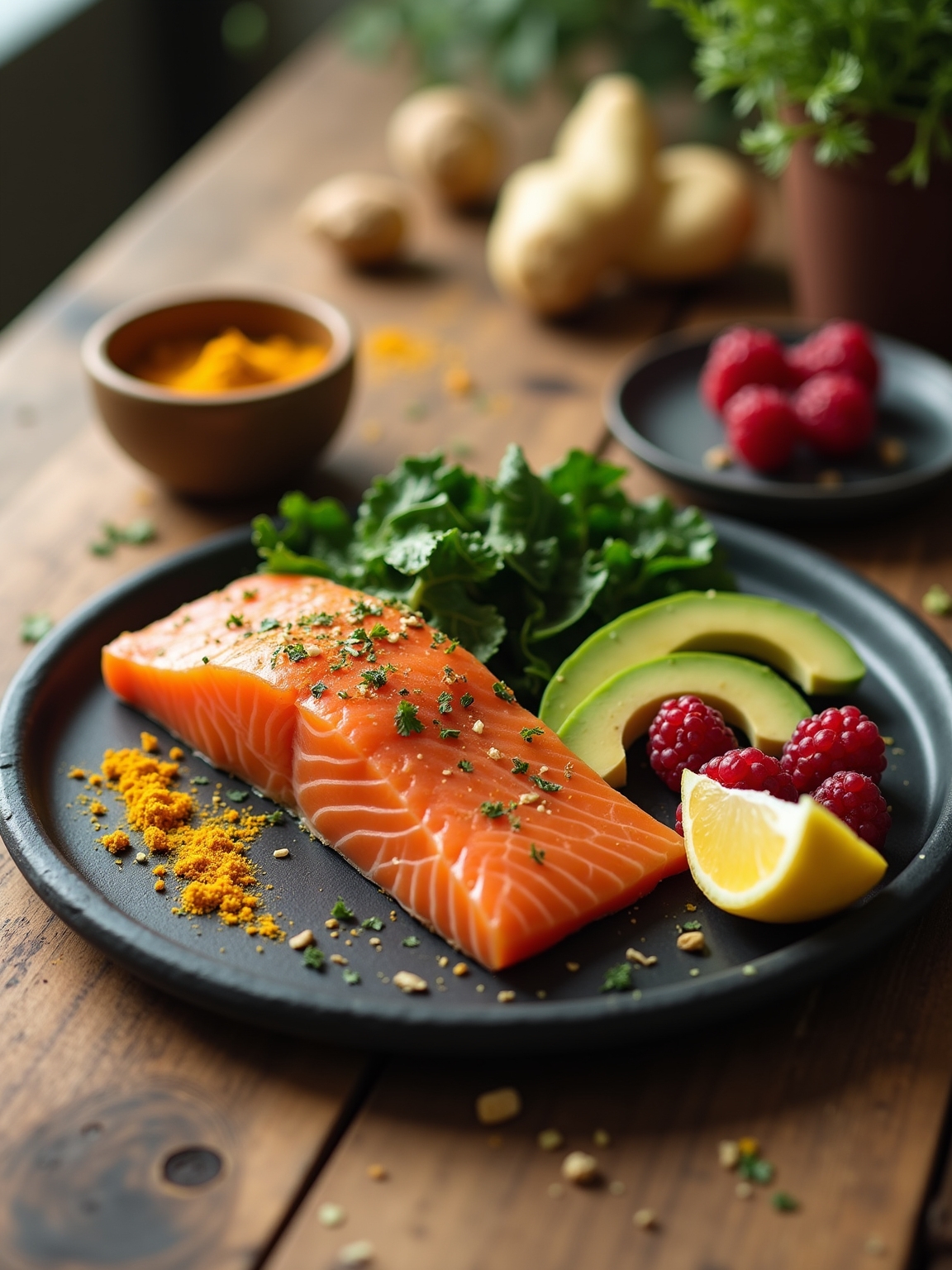

You can almost smell warm turmeric and lemon as a tray of salmon finishes in the oven, and that scent means a simple, inflammation‑calming meal is minutes away. You’ll focus on whole foods—veggies, fatty fish, legumes, nuts, seeds, and olive oil—so meals stay practical and backed by research. I’ll show quick staples, easy plate builds, and swaps that cut inflammatory triggers so you can cook with confidence and see what works for you.
What Anti‑Inflammatory Eating Means (Quick Take)
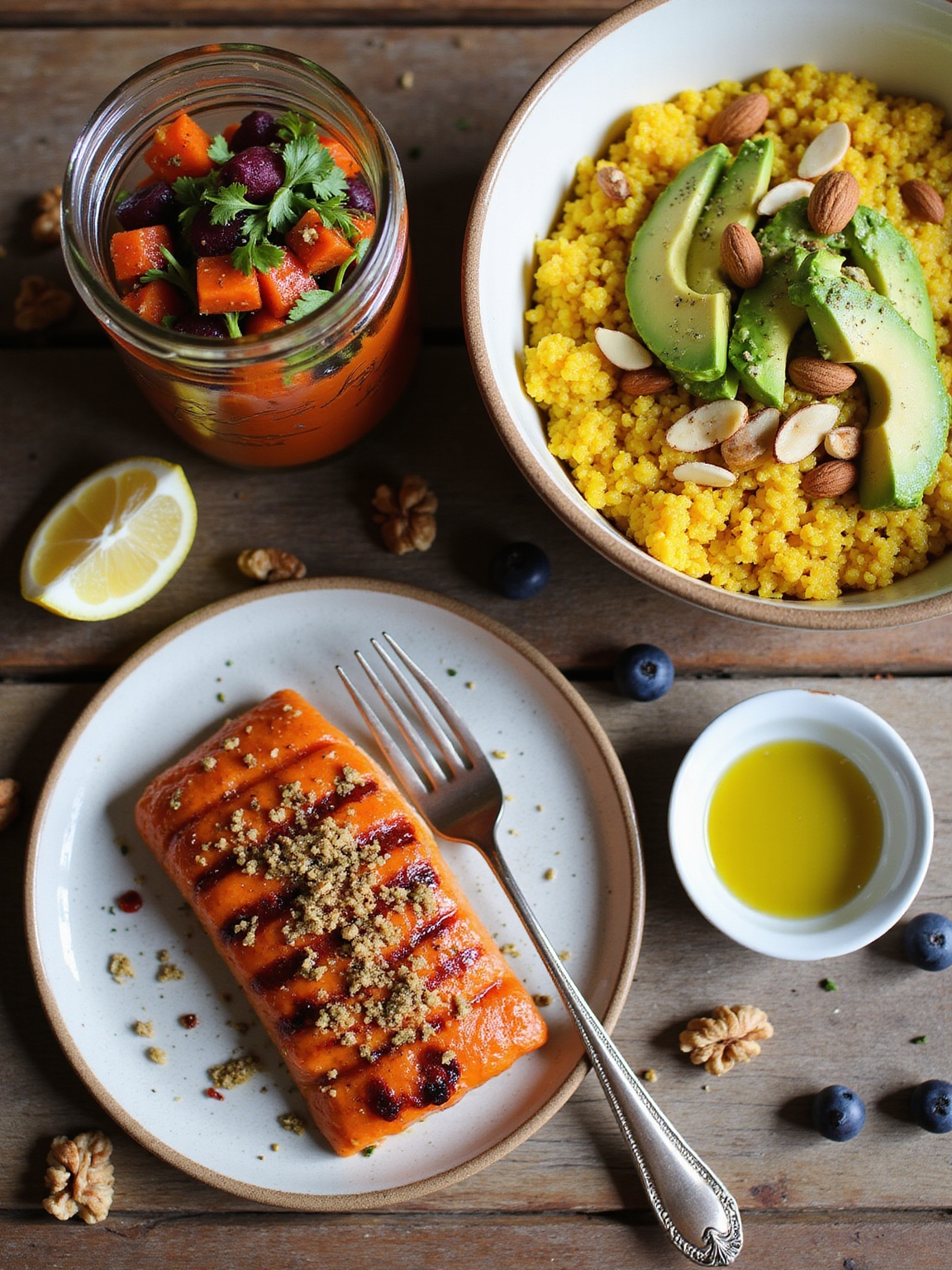
Put simply, an anti-inflammatory eating pattern focuses on whole, minimally processed foods that reduce chronic inflammation markers like C-reactive protein and interleukins.
You prioritize vegetables, fruits, whole grains, legumes, nuts, fatty fish, and olive oil while limiting ultra-processed foods, added sugars, and excessive red meat.
You’ll aim for antioxidant- and fiber-rich choices, enough omega-3s, and modest portion sizes to support metabolic health.
Evidence shows these shifts lower inflammatory biomarkers and improve cardiovascular and metabolic outcomes.
Practically, you swap refined carbs for whole grains, choose grilled fish over fried, and use herbs and spices instead of salty sauces.
Following a simple weekly plan can help you stay on track with these habits.
Pantry Staples for Anti‑Inflammatory Meals
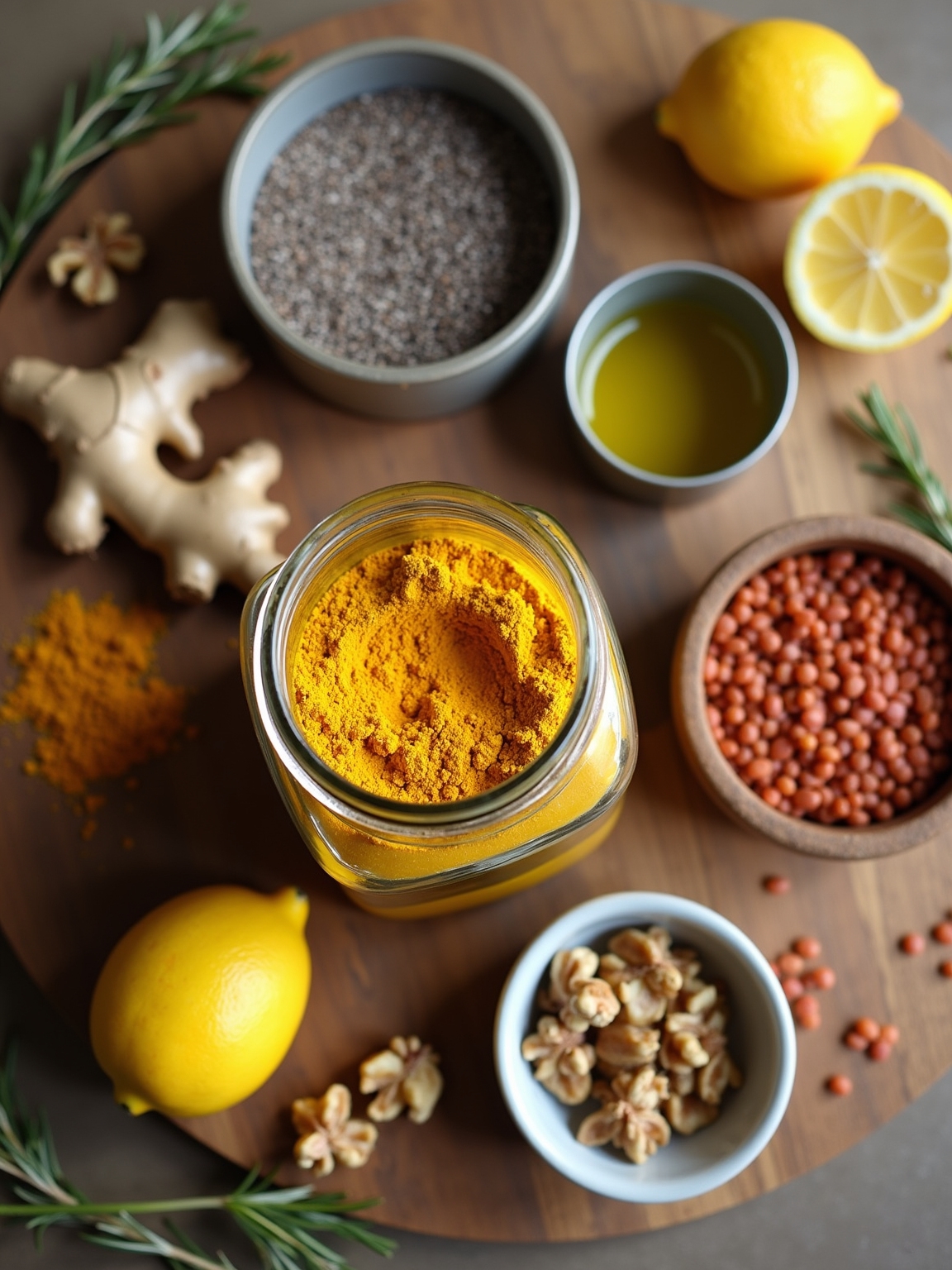
A handful of reliable pantry staples makes it much easier to eat anti‑inflammatory meals consistently: stock whole grains (like oats, brown rice, quinoa), dried or canned legumes, extra‑virgin olive oil, canned tomatoes, nuts and seeds, dried herbs and spices (turmeric, ginger, cinnamon, oregano), and a few shelf‑stable fatty fish options (tinned sardines or salmon).
Keep frozen vegetables and berries for antioxidants, and add vinegars and mustard for low‑salt flavor.
Rotate nuts and seeds to vary omega‑3 precursors and vitamin E.
Label dates, practice FIFO, and plan simple combos so you’ll cook more often and reduce reliance on processed convenience foods.
Also, having anti‑inflammatory staples on hand helps shorten prep time and keeps meals nutrient‑dense.
Build an Anti‑Inflammatory Plate in 5 Minutes
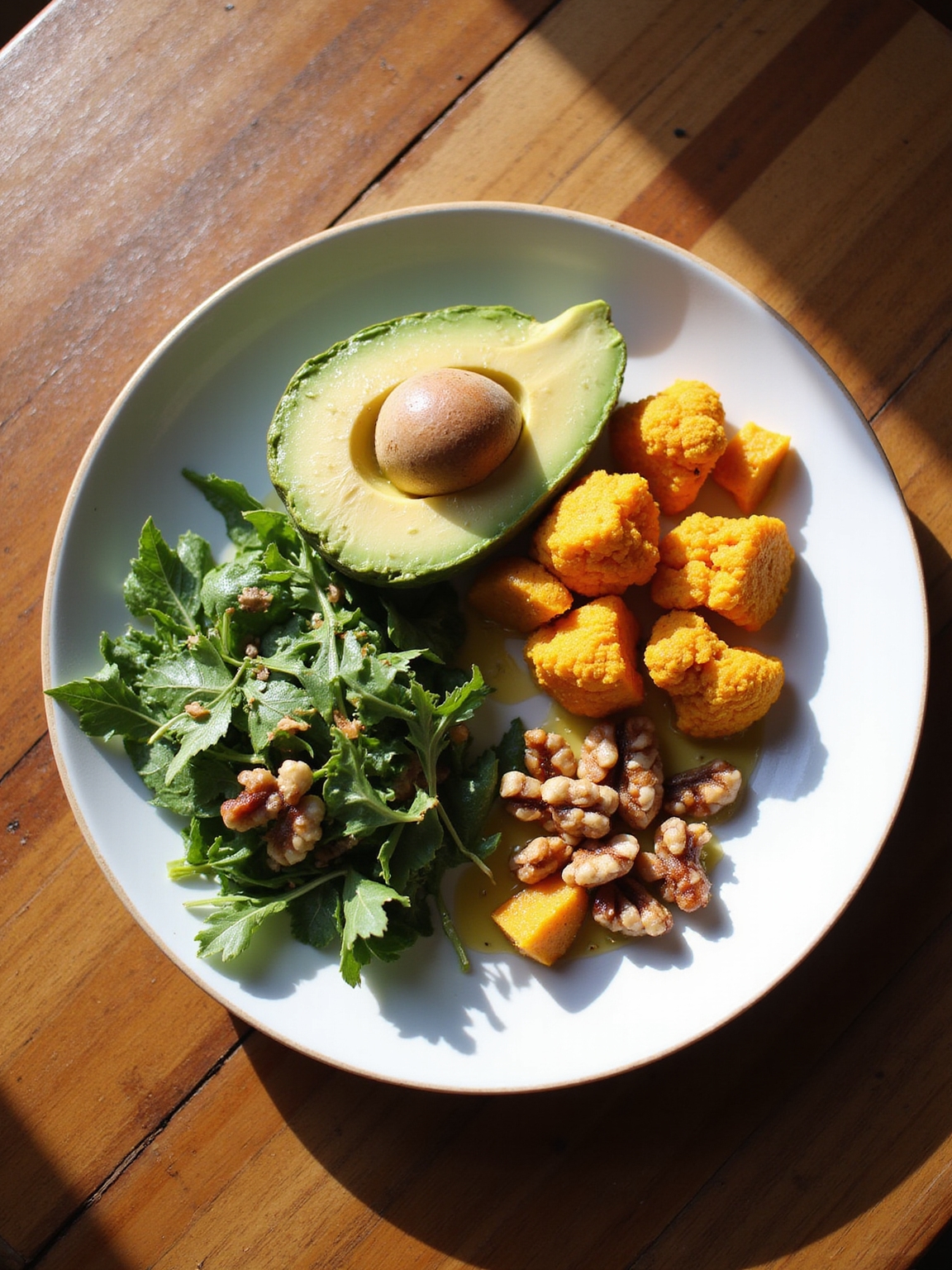
You can build an anti-inflammatory plate in five minutes by choosing whole, colorful foods like leafy greens, berries, and rainbow vegetables that pack antioxidants.
Include healthy fats—olive oil, avocado, or a handful of nuts—to help your body absorb key nutrients and reduce inflammation.
Aim for balanced portions: half veggies, a quarter lean protein or legumes, and a quarter whole grains with a drizzle of healthy fat.
Add more omega-3 rich foods like fatty fish or walnuts to further support inflammation reduction.
Choose Whole, Colorful Foods
Think of your plate as a quick tool for lowering inflammation: fill half with colorful vegetables and fruits, a quarter with lean protein or legumes, and a quarter with whole grains or starchy vegetables.
Choose whole, minimally processed foods—bright berries, leafy greens, cruciferous vegetables, bell peppers, sweet potatoes, quinoa, and beans—because they provide fiber, vitamins, and phytonutrients linked to lower inflammatory markers.
Aim for variety each meal to cover different antioxidants and gut‑friendly fibers.
Cook simply: roast, steam, or toss raw in salads.
Plan swaps like brown rice for white and add a fruit or vegetable snack daily to reinforce habits.
Include a simple shopping list of staple anti-inflammatory items to make meal prep easier and more consistent, such as olive oil, nuts, and seasonal produce anti-inflammatory staples.
Include Healthy Fats
After filling your plate with colorful produce and whole grains, add healthy fats to help your body absorb fat‑soluble antioxidants and to modulate inflammation. You’ll choose sources rich in monounsaturated and omega‑3 fats, like olive oil, avocados, nuts, and fatty fish. Use olive oil for dressings, sprinkle walnuts on salads, or mash avocado as a spread—small changes lower inflammatory markers in trials. Aim for simple swaps, not extra calories. Track portions mentally and cook gently to preserve oils. Pick variety across meals so you get both omega‑3 and MUFA benefits. Keep a small stock of essential anti‑inflammatory pantry items like extra‑virgin olive oil, nuts, and canned fatty fish for quick meals and snacks essential pantry items.
| Quick choice | When to use |
|---|---|
| Olive oil | Dressings, low‑heat cooking |
| Avocado | Spreads, bowls |
| Walnuts/fish | Snacks, main meals |
Assemble Balanced Portions
Because a balanced plate combines portion control with nutrient variety, you can assemble an anti‑inflammatory meal in about five minutes by following a simple visual rule: half nonstarchy vegetables, one quarter lean protein (focus on fatty fish, legumes, or plant proteins), and one quarter whole grains or starchy vegetables, plus a thumb‑sized portion of healthy fat.
Use this quick checklist to build consistent meals that lower inflammation markers and support metabolic health:
- Fill half your plate with colorful veggies (fiber, polyphenols).
- Add omega‑3 rich or plant protein for inflammation modulation.
- Choose whole grains for steady blood sugar.
- Include a small serving of olive oil, nuts, or avocado.
Including satisfying, anti‑inflammatory meals throughout the day helps maintain steady energy and supports long‑term wellness by emphasizing anti‑inflammation food choices.
5 Breakfasts That Reduce Morning Inflammation
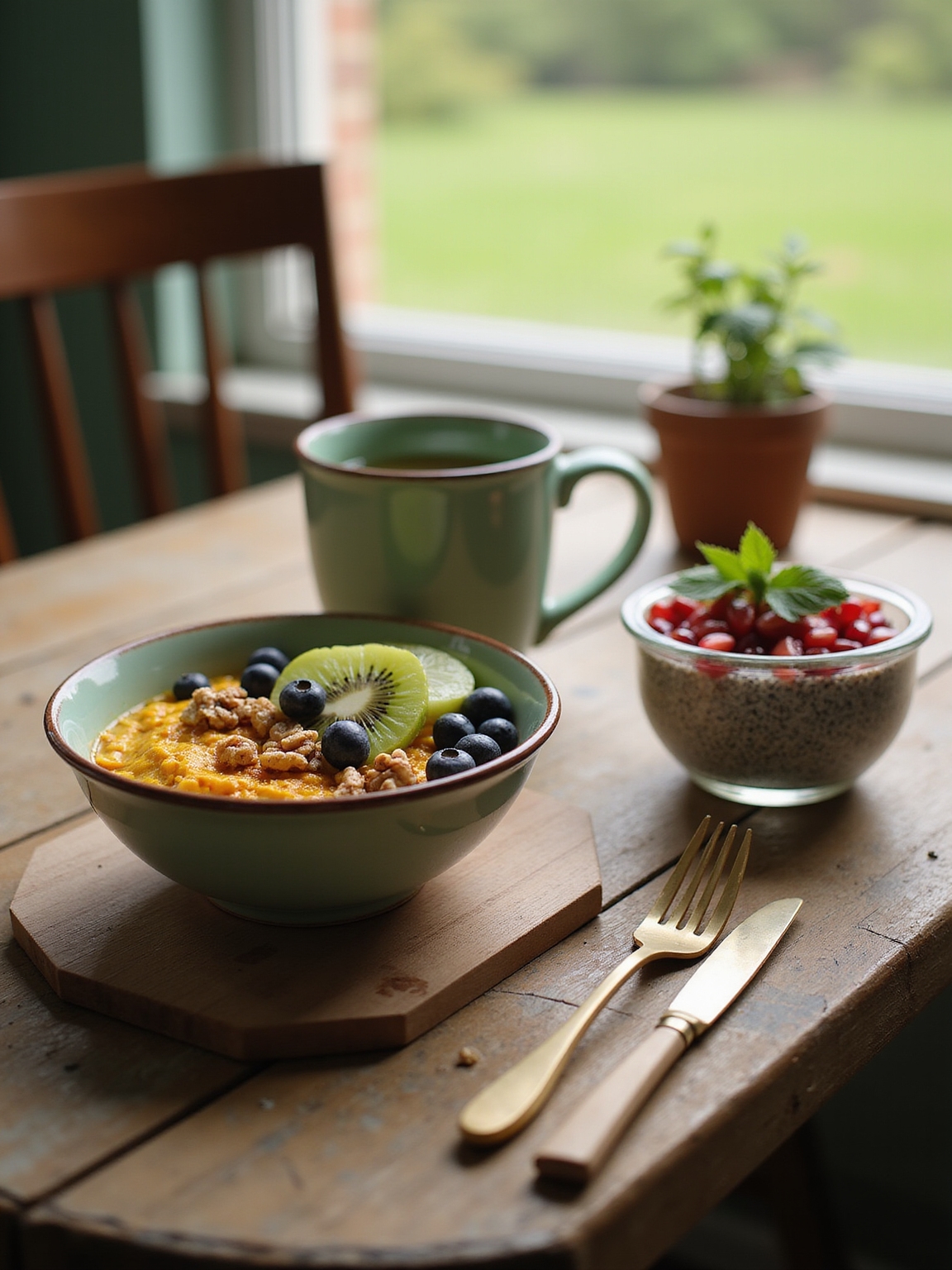
Start your day with anti-inflammatory staples like oats, berries, leafy greens and nuts to provide fiber, antioxidants and polyphenols that studies link to lower inflammation.
Add quick omega‑3 boosts — chia, ground flaxseed or a small serving of smoked salmon — to reduce pro‑inflammatory signaling.
When you want warmth, choose low‑sugar options such as savory turmeric porridge or scrambled eggs with vegetables to avoid glucose spikes that can worsen morning inflammation.
Research shows that incorporating anti-inflammatory breakfasts consistently can help sustain reduced inflammation throughout the day.
Anti-Inflammatory Breakfast Staples
Often your morning meal sets the tone for inflammation levels later in the day, so choosing breakfasts rich in anti-inflammatory foods can make a measurable difference. You want staples that combine fiber, antioxidants and healthy fats to blunt inflammatory responses and stabilize blood sugar.
Start with whole grains, leafy greens, berries and nuts; they’re supported by research for lowering markers like CRP. Rotate simple combinations so you stick with them:
- Oats + berries + walnuts
- Greek yogurt + cinnamon + sliced apple
- Spinach omelet + tomatoes
- Whole-grain toast + avocado + lemon
Keep portions moderate and consistent.
Quick Omega-3 Options
Regularly including omega-3–rich foods at breakfast can lower morning inflammation and help stabilize mood and energy, so choose options that are quick to prepare and easy to fit into your routine. Make choices that feel doable: canned sardines, chia pudding, or a flax smoothie add EPA/DHA or ALA without extra effort. Evidence links these fats to reduced markers of inflammation and better cognition. Aim for variety and consistency; pair with fiber and protein to improve absorption and satiety.
| Food | Prep time | Tip |
|---|---|---|
| Sardines | 2 min | On toast |
| Chia | 5 min | Soak overnight |
| Flax | 2 min | Blend in smoothies |
| Walnuts | 0 min | Sprinkle raw |
Low-Sugar Warm Meals
In cooler weather or when you want comfort without a blood‑sugar spike, choose warm breakfasts that emphasize whole grains, protein, healthy fats, and nonstarchy vegetables—meals that have been shown to blunt postprandial inflammatory markers and curb morning cravings.
You can build satisfying, low-sugar options that stabilize insulin and reduce inflammatory signaling.
- Savory oatmeal with flax, spinach, and a soft‑poached egg.
- Quinoa porridge with cinnamon, walnuts, and unsweetened almond milk.
- Scrambled tofu with turmeric, peppers, and avocado.
- Warm lentil soup with herbs and a drizzle of olive oil.
Rotate these to keep nutrients balanced and inflammation low.
Anti‑Inflammatory Lunches for Busy Weekdays
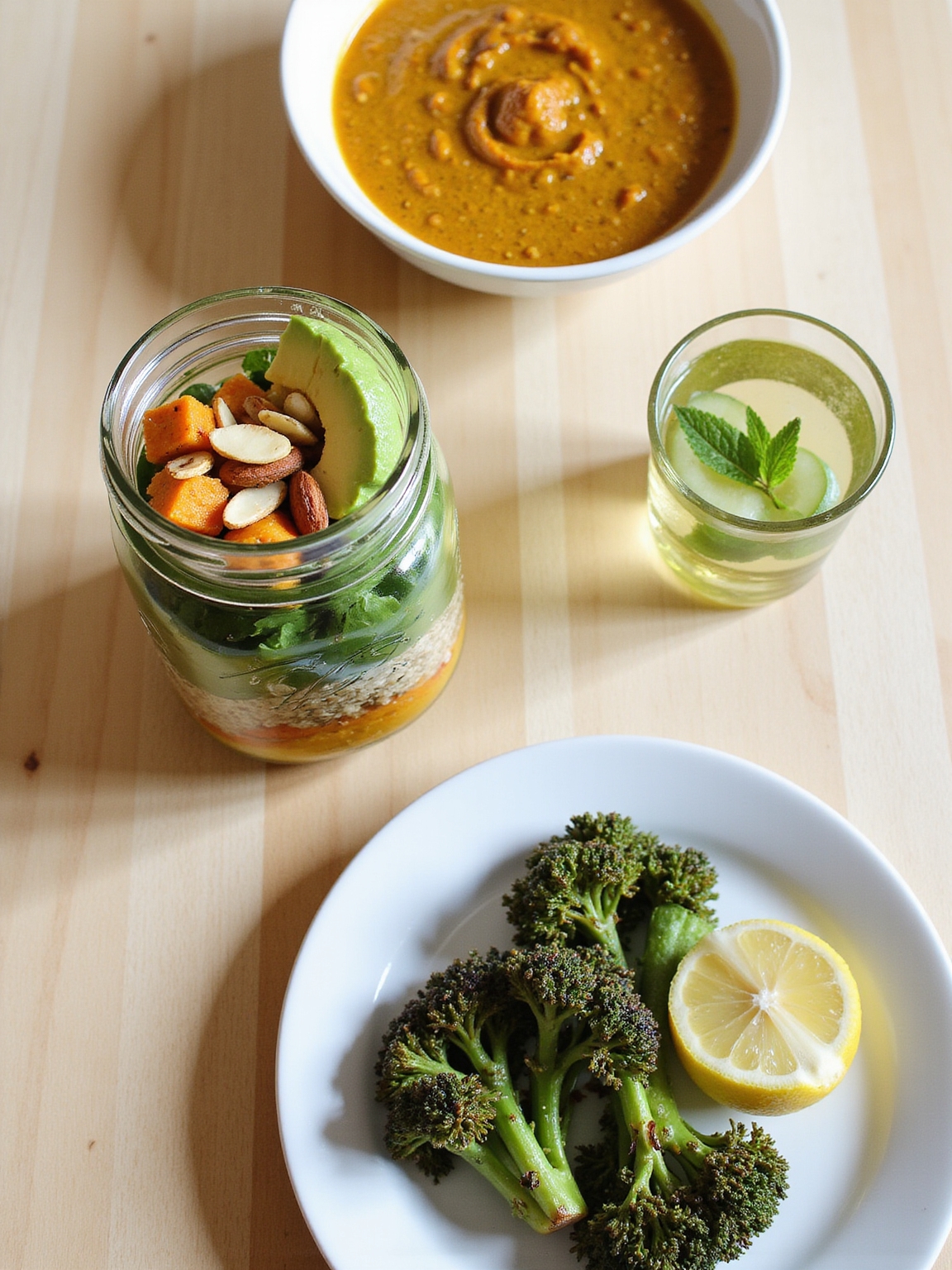
When your midday window is tight, you still can choose lunches that cut inflammation and keep you fueled—think simple, nutrient-dense combos you can prep once and grab all week. Build meals around leafy greens, colorful vegetables, whole grains like quinoa, and a protein source — legumes, chicken, or tofu. Add anti-inflammatory extras: walnuts, avocado, turmeric vinaigrette. Portion into airtight containers so you won’t reach for processed options.
Aim for fiber, omega-3s, and polyphenols; those reduce markers of inflammation in trials. Rotate flavors to avoid boredom, label containers with dates, and reheat or eat cold depending on ingredients.
Simple Dinners With Fatty Fish & Greens
Choose fatty fish and dark leafy greens for dinner when you want a straightforward, science-backed way to lower inflammation and support heart and brain health. You’ll get omega-3s, antioxidants, and fiber in simple combinations that cook quickly and taste fresh. Aim for wild salmon, mackerel, sardines, or trout paired with spinach, kale, or Swiss chard.
Here are practical ideas to rotate weekly:
- Pan-seared salmon with wilted spinach and lemon.
- Mackerel over sautéed kale with garlic.
- Sardine toast on whole-grain bread with arugula.
- Trout with braised Swiss chard and a vinegar drizzle.
Choose simple seasonings and cook just until flaky.
One‑Sheet Recipes for Minimal Cleanup
Picking a fatty fish and a handful of dark greens is great for health, but on busy nights you’ll want dinners that cut prep and cleanup without sacrificing nutrients.
One-sheet meals let you roast salmon or sardines with root vegetables and crucifers, preserving omega-3s and fiber with minimal hands-on time. Toss ingredients in olive oil, turmeric, garlic, and lemon; spread on a lined sheet pan and roast until vegetables are tender and fish flakes easily.
You’ll reduce dishes, retain nutrients, and get consistent, evidence-backed anti-inflammatory components. Rotate spices and veg for variety while keeping cleanup to one pan.
Plant‑Based Swaps That Stay Anti‑Inflammatory
Swap animal proteins for whole‑food plant sources like lentils, beans, and tempeh to keep protein high while lowering inflammatory markers. Choose healthy fats — extra‑virgin olive oil, avocados, and walnuts — instead of butter or processed seed oils to support anti‑inflammatory pathways.
I’ll show practical swaps and portion tips that keep meals satisfying without sacrificing nutrient balance.
Whole-Food Protein Swaps
Whole-food protein swaps let you keep meals satisfying and anti-inflammatory by replacing processed or inflammatory proteins with minimally processed plant options you can cook and enjoy every day.
You’ll improve nutrient density, fiber, and anti-inflammatory phytonutrients by choosing whole legumes, tofu, tempeh, nuts, and seeds. Swap gradually, test textures, and balance meals for protein, iron, and B12 (supplement if needed).
Practical tips and evidence show benefits for inflammation markers and metabolic health.
- Cooked lentils or chickpeas — soups, salads, stews.
- Firm tofu — stir-fries, bakes.
- Tempeh — marinated grills.
- Mixed nuts/seeds — snacks, toppers.
Healthy Fats Alternatives
You’ve already started replacing processed proteins with plant-based choices; now look at the fats that finish your meals. Swap butter and margarine for extra-virgin olive oil, avocado oil, or ground flaxseed to boost monounsaturated and alpha-linolenic acid intake, which research links to lower inflammation markers.
Choose whole avocados, olives, nuts, and seeds instead of creamy, processed spreads; they provide fiber, polyphenols, and omega-3 precursors. Use nut butters sparingly and pick unsweetened varieties. Limit seed oils high in omega-6 (like soybean or corn) when possible. These simple swaps keep flavor while supporting an anti-inflammatory pattern.
Snacks & Smoothies That Fight Inflammation
When hunger strikes between meals, reach for snacks and smoothies that deliver anti-inflammatory compounds—think berries, nuts, leafy greens, and turmeric—so you get relief and nutrients without added sugars or refined carbs.
Choose whole-food combos with fiber, omega-3s, and polyphenols to blunt inflammation and stabilize blood sugar. Blend spinach, frozen berries, flaxseed, and unsweetened yogurt for a satisfying drink.
Snack on walnuts with apple slices or roasted chickpeas with a squeeze of lemon.
- Berry-green smoothie: berries + spinach + flax
- Greek yogurt parfait: nuts + seeds + cinnamon
- Hummus + veggie sticks
- Walnuts + fruit
Use Turmeric, Ginger and Other Anti‑Inflammatory Spices
Although spices might seem small, they pack concentrated anti-inflammatory compounds you can easily add to meals and drinks.
Use turmeric (curcumin reduces markers of inflammation) with black pepper to boost absorption; stir it into soups, stews, or golden milk.
Grate fresh ginger into smoothies, dressings, or stir-fries to reduce cytokine activity and ease digestion.
Add cinnamon to oats and cardamom to yogurt for blood-sugar and inflammatory benefits.
Roast vegetables with cumin, coriander, and paprika for flavor and antioxidants.
Start with small amounts, taste as you go, and rotate spices so you get varied phytochemicals without monotony.
Batch‑Cooking & Meal‑Prep Templates to Save Time
Spices bring powerful anti-inflammatory benefits, but consistent eating habits make those benefits stick — and that’s where batch-cooking and simple meal-prep templates help.
You’ll save time and support steady nutrient intake by prepping components that combine easily.
Evidence shows regular consumption of whole foods lowers inflammation markers; planning removes barriers.
- Roast a tray of seasonal vegetables for 3–4 meals.
- Cook a grain batch (quinoa, brown rice) to portion and freeze.
- Poach or bake fatty fish and divide into servings.
- Make a vinaigrette and a turmeric-ginger dressing to finish dishes.
Rotate templates weekly to keep variety and compliance.
Kid‑Friendly Anti‑Inflammatory Meals the Family Likes
Often parents worry that anti-inflammatory meals will be too bland or picky-eater unfriendly, but you can regularly serve family-approved dishes that lower inflammation without battle.
Focus on colorful plates with roasted sweet potatoes, baked salmon fingers, whole-grain quesadillas with spinach, and yogurt-based dips—kids respond to texture and familiar formats.
Sneak in turmeric, cinnamon, and mild herbs for flavor; keep sugar and processed foods low.
Serve small portions and let kids choose sides like fruit or steamed peas.
Evidence shows repeated exposure improves acceptance, so rotate favorites, involve kids in prep, and praise small wins to build lasting habits.
1‑Week Grocery Lists for Anti‑Inflammatory Menus
To make anti‑inflammatory eating doable all week, start with a core pantry list of whole grains, spices like turmeric and ginger, and shelf‑stable beans you can rely on.
Plan a 7‑day fresh produce schedule that rotates leafy greens, cruciferous veggies, berries, and citrus to maximize nutrients and minimize waste.
Add a protein and healthy‑fat checklist — fatty fish, legumes, nuts, seeds, and olive oil — so your meals stay balanced and inflammation‑supporting.
Weekly Core Pantry Items
When you stock a core weekly pantry for an anti‑inflammatory menu, focus on whole, minimally processed staples that research links to lower chronic inflammation—think extra‑virgin olive oil, canned wild salmon, plain oats, low‑mercury fatty fish, brown rice or quinoa, lentils and beans, nuts (especially walnuts and almonds), a variety of frozen berries and leafy greens, turmeric and black pepper, and plain yogurt or kefir; these items give you protein, fiber, healthy fats, polyphenols, and probiotics to build meals quickly and consistently.
Keep staples versatile, shelf‑stable, and nutrient‑dense so you can cook fast, reduce waste, and eat reliably.
- Grains, legumes, canned fish, nuts
- Olive oil, spices, vinegars
- Frozen berries, greens, yogurt
- Seeds, whole‑grain pasta, broths
7-Day Fresh Produce Plan
You’ve stocked your core pantry with versatile, inflammation‑fighting staples — now plan the fresh produce you’ll buy each week so meals stay vibrant and nutrient‑dense. Choose a rainbow: leafy greens (spinach, kale), crucifers (broccoli, Brussels sprouts), brightly colored peppers and tomatoes, berries for antioxidants, citrus for vitamin C, and a couple of root vegetables for roasting.
Buy firm, ripe fruit for immediate use and slightly underripe for later in the week. Portion leafy greens into salad bags, pre-chop stir‑fry veggies, and freeze excess berries for smoothies. Rotate varieties to maximize polyphenols and avoid waste.
Protein And Healthy Fats
Stock your cart with protein and healthy fats that actively reduce inflammation and support recovery—think fatty fish (salmon, sardines), legumes, nuts, seeds, extra‑virgin olive oil, and moderate amounts of pasture‑raised poultry and eggs.
You’ll want variety for omega‑3s, fiber, and polyphenols. Prioritize oily fish twice weekly, plant proteins daily, and use olive oil for dressings and low‑heat cooking. Portion control and quality matter.
Pack simple swaps for the week:
- Canned sardines, frozen salmon fillets
- Lentils, canned chickpeas
- Walnuts, chia seeds
- Extra‑virgin olive oil, avocado
These choices lower inflammation markers and keep meals practical.
5 Cooking Mistakes That Raise Inflammation (And Fixes)
Although cooking seems harmless, common methods can boost inflammatory compounds in your food and undermine an anti-inflammatory diet. You can fix this by choosing gentler techniques, cutting char, and avoiding reused oils. Aim for low-temperature roasting, steaming, braising, or quick sauté with stable fats. Don’t overcook proteins or burn veggies; charred bits contain pro-inflammatory molecules. Use fresh herbs, citrus, and vinegar to add flavor without excess salt. Rotate oils and discard ones that smoke. Small changes lower harmful compounds and preserve nutrients, making meals both delicious and anti-inflammatory.
| Mistake | Simple Fix |
|---|---|
| High heat charring | Lower heat, flip often |
| Reused oils | Replace after use |
| Overcooking | Monitor time, use thermometer |
| Excess salt | Use herbs, acid |
Track Progress & Adjust Meals for Lasting Benefit
When you track how food affects your symptoms and labs, you’ll spot what’s working and what needs tweaking, so changes stick long-term.
Keep a simple log: note meals, symptoms, sleep, energy, and any lab results. Review every 2–4 weeks and compare trends to clinical markers (CRP, fasting glucose) if available. Use small experiments: swap oils, add fiber, or reduce night-eating, and measure response. Share findings with your clinician or dietitian to align adjustments with evidence. Stay patient—gradual, data-driven tweaks create durable anti-inflammatory benefits without unnecessary restriction.
- Log meals + symptoms
- Track labs
- Run small experiments
- Review with a clinician
Conclusion
You’ve got the tools to eat for less inflammation every day—simple swaps, pantry staples, and quick plates that actually fit your life. Start small, track how you feel, and tweak portions or ingredients based on results; science supports consistent, plant-forward choices for lowering inflammation. Think of this as tuning your body like an instrument: small, regular adjustments make harmony. Keep it practical, keep it tasty, and let the evidence guide you.