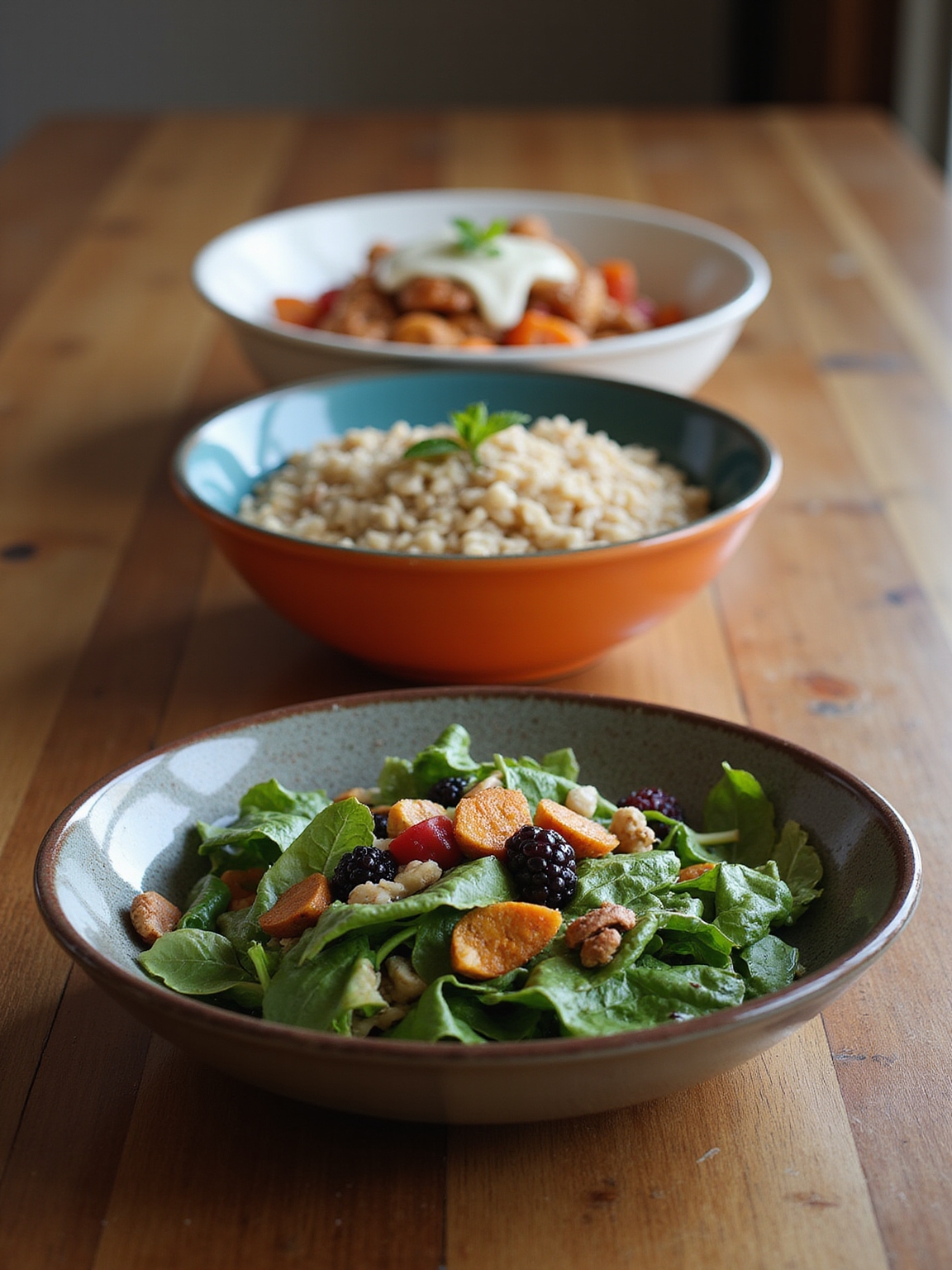

Most people don’t realize that the first meal you eat can change inflammatory signaling for hours afterward. You can steady your blood sugar and lower pro-inflammatory markers by choosing protein, omega‑3s, fiber, and antioxidant-rich produce at breakfast. I’ll show quick, evidence-backed options and make-ahead templates that fit busy mornings and small budgets — so you can actually stick with it and feel the difference.
Quick Anti-Inflammatory Breakfasts for Busy Mornings
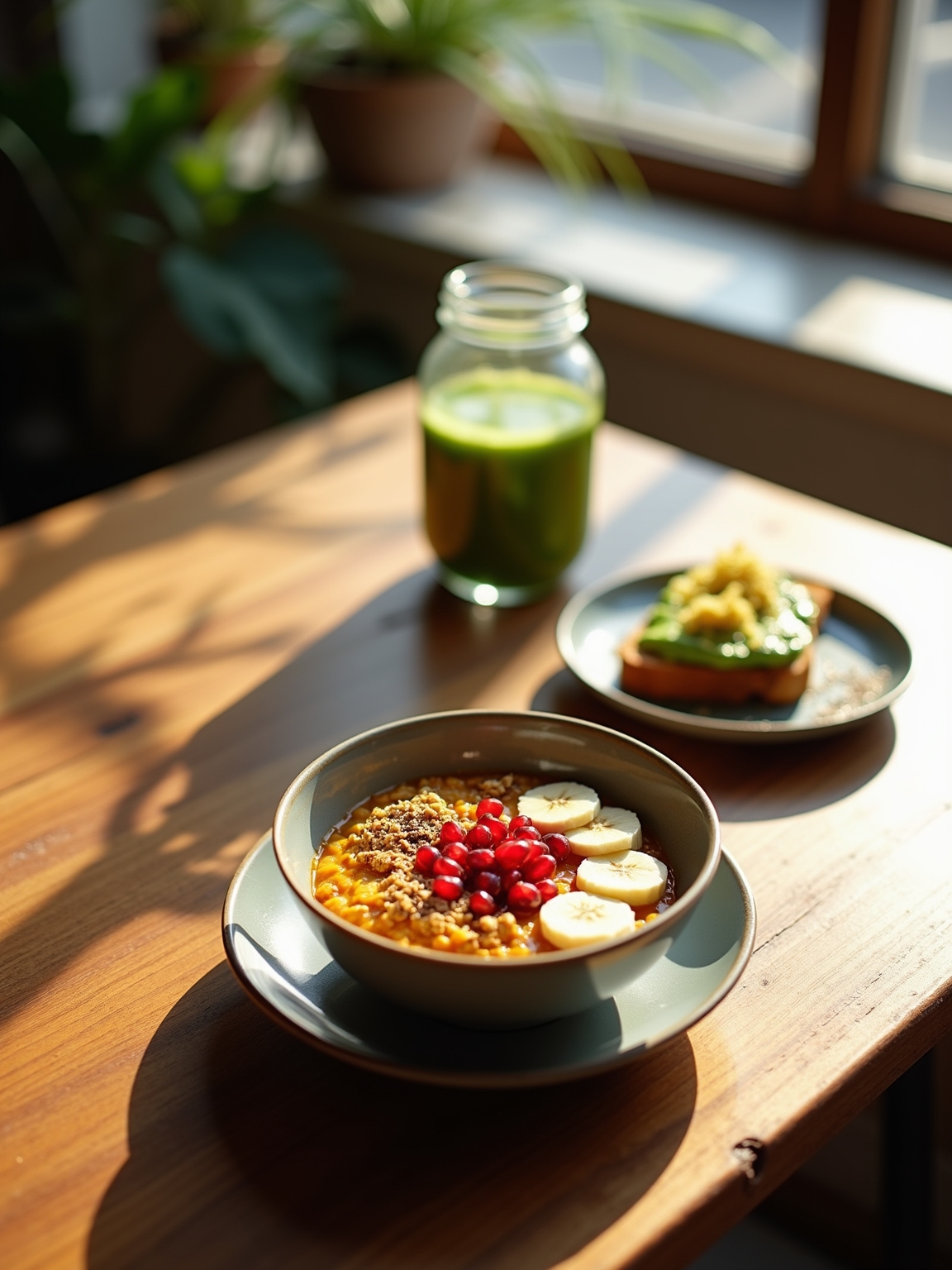
Often you don’t have time for a long recipe, but you can still choose breakfasts that lower inflammation and support energy and cognition.
You’ll prioritize whole foods rich in omega-3s, fiber, and polyphenols—think chia pudding with berries, overnight oats with walnuts, or Greek yogurt topped with flax and cinnamon.
These combinations modulate inflammatory pathways, stabilize glucose, and sustain focus.
Prep the night before, portion servings, and use frozen fruit to save time.
Aim for protein, healthy fat, and low-glycemic carbs each morning to blunt postprandial inflammation and keep cognitive performance steady throughout a busy day.
Include pantry staples like olive oil, nuts, and whole grains to make following an anti-inflammatory grocery list easier and more consistent, especially when you stock up on essential foods.
Low-Sugar Anti-Inflammatory Smoothie Templates
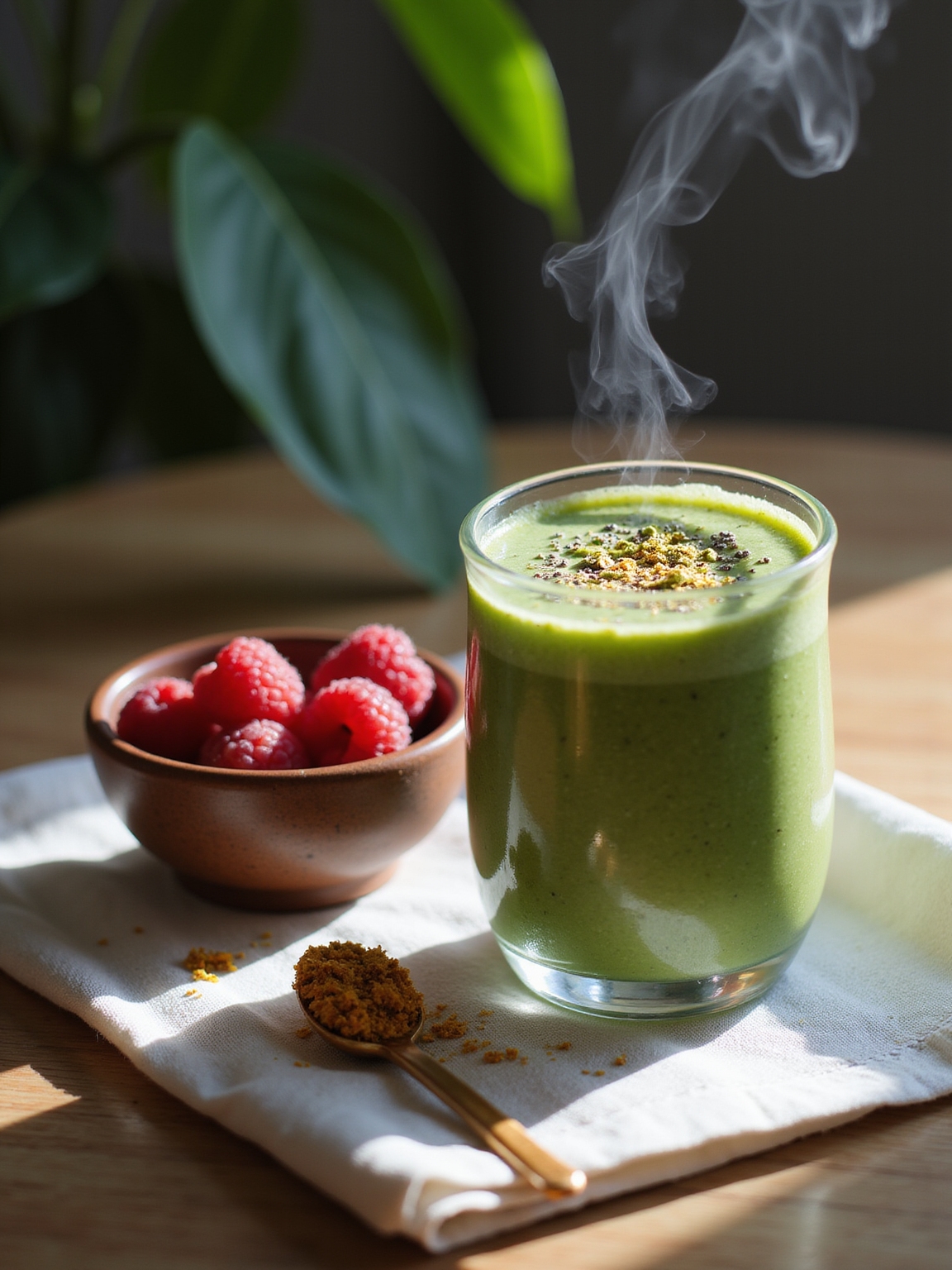
You can build low-sugar, anti-inflammatory smoothies by starting with antioxidant-rich greens like spinach or kale to supply polyphenols and vitamins.
Add a low-sugar protein boost—unsweetened pea or whey isolate—to support muscle and temper blood-sugar response.
Finish with healthy fat emulsifiers such as avocado, flaxseed, or a small spoon of nut butter to increase absorption of fat-soluble nutrients and promote satiety.
Including whole, minimally processed staples like extra-virgin olive oil and fatty fish can further enhance an anti-inflammatory diet through their omega-3 fats and polyphenols.
Antioxidant-Rich Greens
Because leafy greens pack a high concentration of polyphenols, vitamins C and E, and carotenoids, they’re a powerful foundation for low-sugar, anti-inflammatory smoothies that support oxidative stress reduction and immune balance.
Choose spinach, kale, or Swiss chard for different flavonoid profiles and mineral content; baby spinach blends smoothly and is milder, while kale delivers robust glucosinolates.
Rinse well, use a high-speed blender, and pair greens with low-sugar fruits (berries), anti-inflammatory fats (avocado, flaxseed), and alkalizing liquids (water, unsweetened almond milk).
Aim for a handful to two cups of greens per serving to maximize antioxidant intake without excess volume.
Keep staple anti-inflammatory foods like turmeric, ginger, walnuts, and extra-virgin olive oil on hand to boost flavor and benefits in your smoothies and meals, with essential anti-inflammatory foods that are easy to incorporate.
Low-Sugar Protein Boost
Boost protein without spiking blood sugar by building smoothies around low-glycemic, anti-inflammatory ingredients that support muscle repair, satiety, and metabolic health. You’ll prioritize protein powders with minimal additives (pea, collagen, or whey isolate), fibrous vegetables, and low-sugar berries. Combine ingredients thoughtfully to slow glucose absorption and maximize recovery.
- 1 scoop pea protein, ½ cup frozen blueberries, spinach, water.
- 1 scoop collagen, ¼ avocado, cucumber, lemon, unsweetened almond milk.
- 1 scoop whey isolate, 1 tbsp chia, raspberries, kale, ice.
- 1 scoop soy protein, hemp seeds, strawberries, celery, cold tea.
Follow portions to keep net carbs low. Including whole-food fats and fiber can also help maintain steady blood sugar and reduce inflammation.
Healthy Fat Emulsifiers
When you blend healthy fats with fiber-rich, low-glycemic ingredients, they form stable emulsions that slow gastric emptying, reduce post-meal glucose spikes, and deliver sustained anti-inflammatory benefits backed by clinical nutrition research.
Use avocado, flax or chia seeds, and extra-virgin olive oil as primary emulsifiers; they supply monounsaturated fats, omega-3s, and polyphenols shown to lower inflammatory markers.
Pair them with leafy greens, cucumber, and low-sugar berries for fiber and phytonutrients.
Start with small oil amounts (1–2 teaspoons) and 1 tablespoon ground seeds to maintain texture without excess calories.
Blend thoroughly to maximize bioavailability and consistent glycemic responses.
For a practical shopping foundation, consider an anti-inflammation diet shopping list that emphasizes fresh produce, seeds, and extra-virgin olive oil for everyday meal prep and smoothies, including staples like extra-virgin olive oil.
Make-Ahead Breakfasts and Overnight Recipes for Weekdays
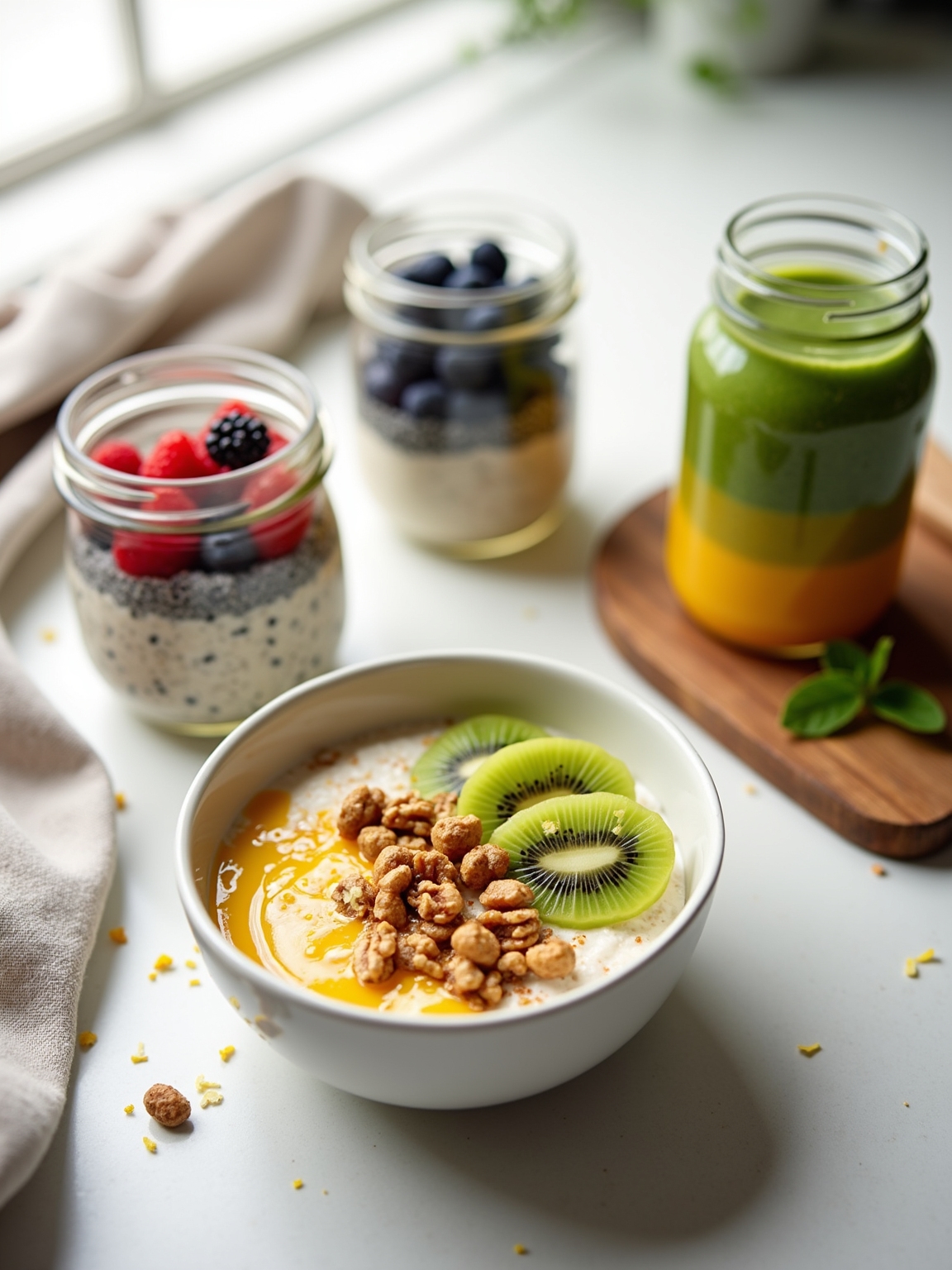
If you want quick weekday mornings without sacrificing anti-inflammatory benefits, make-ahead breakfasts and overnight recipes are an efficient, evidence-aligned strategy you can rely on.
You’ll reduce decision fatigue and support steady blood sugar, gut health, and nutrient intake by prepping portions rich in fiber, omega-3s, and polyphenols.
- Overnight oats with chia, walnuts, berries, and a dash of cinnamon for alpha-linolenic acid and antioxidants.
- Chia pudding layered with kefir and kiwi to boost probiotics and anti-inflammatory peptides.
- Mason-jar salads with quinoa, greens, avocado, lemon, and turmeric vinaigrette.
- Baked egg muffins with spinach, tomatoes, and pepper.
Doing these meal-prep strategies consistently supports an anti-inflammatory meal prep approach that saves time and helps maintain healthy eating habits.
10-Minute Stovetop and Toaster Breakfasts
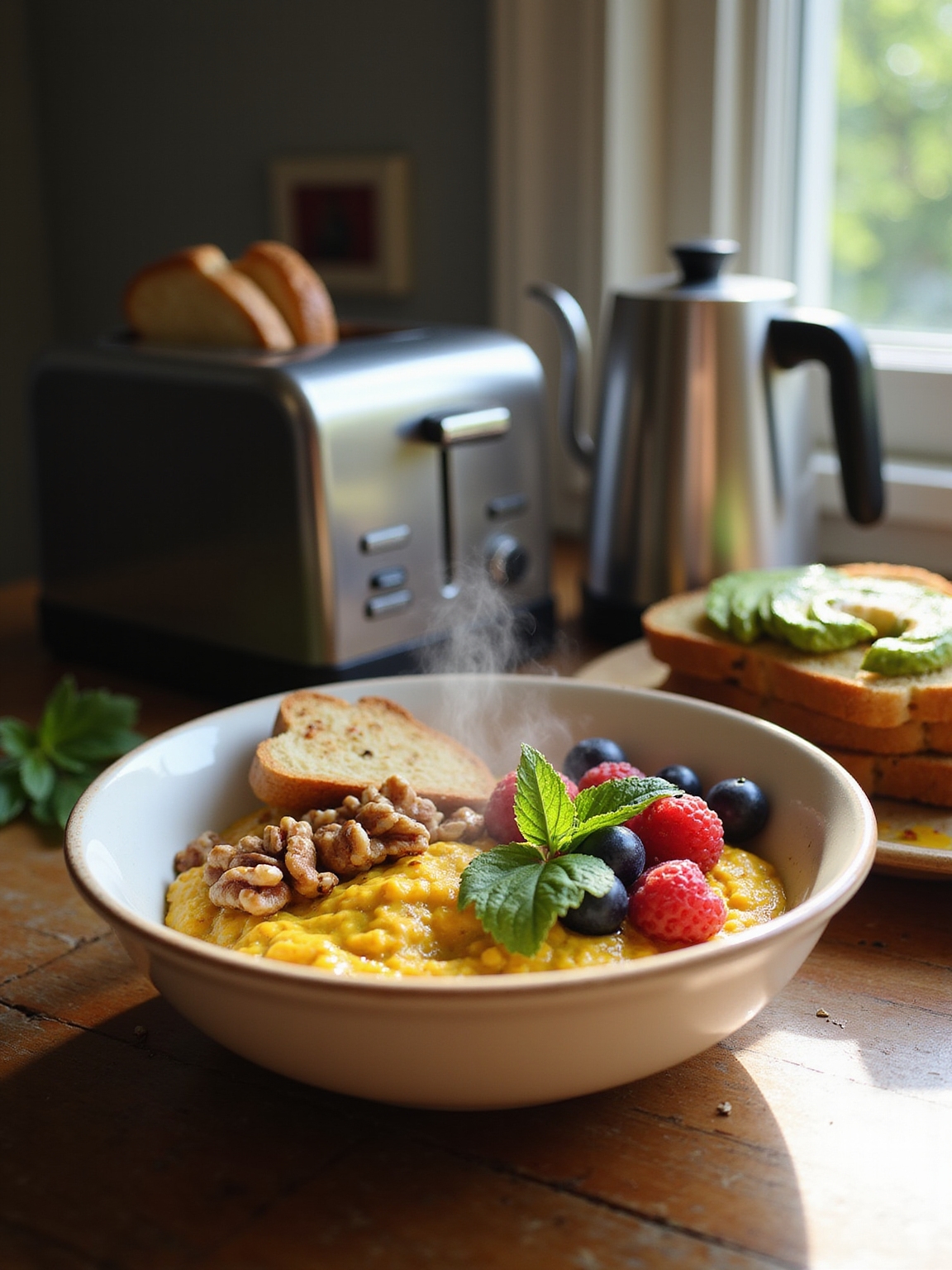
Although mornings can feel rushed, you can still make anti-inflammatory choices in minutes by using your stovetop or toaster to prepare nutrient-dense breakfasts that support blood sugar stability and reduce inflammatory signaling.
Toast whole-grain or sprouted bread, then top with avocado and a sprinkle of turmeric and black pepper for bioavailable curcumin and healthy fats.
Quickly sauté leafy greens or cherry tomatoes in olive oil for polyphenols and vitamin K.
Oatmeal on the stove with berries and ground flax delivers soluble fiber and omega-3 precursors that modulate inflammation.
These simple, evidence-aligned tactics keep you nourished without added sugars or processed fats.
Including a source of lean protein at breakfast can further help stabilize blood sugar and reduce post-meal inflammation.
Anti-Inflammatory Protein Breakfasts
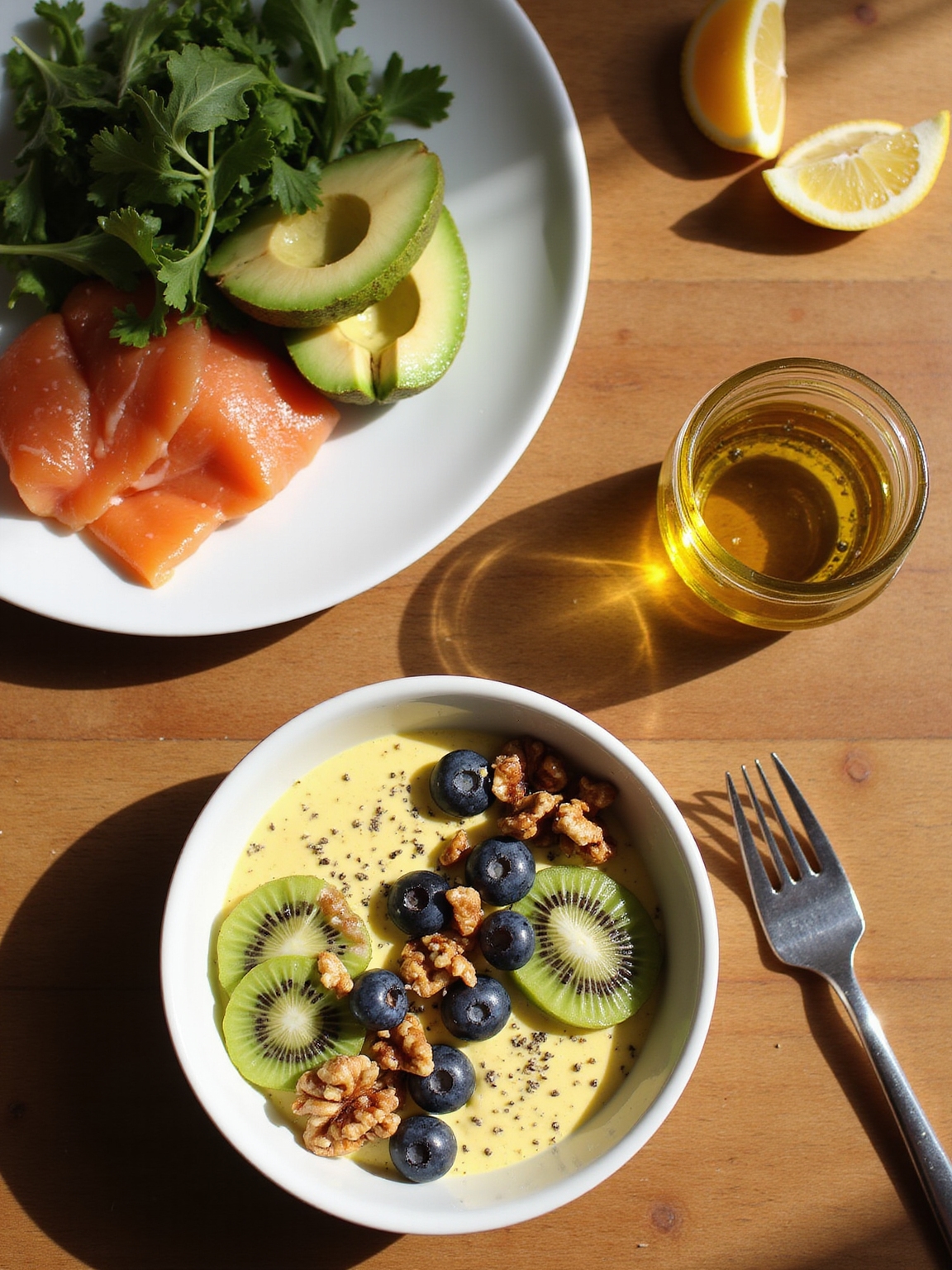
Because protein helps control post-meal blood sugar and supports tissue repair, prioritizing anti-inflammatory protein breakfasts can blunt inflammatory signaling and keep you satisfied through the morning.
Choose lean, omega-3–rich and plant-based proteins that reduce pro-inflammatory markers. Pair proteins with antioxidant-rich herbs, healthy fats, and low-glycemic produce to amplify benefits.
Practical options include:
- Smoked salmon and avocado on a small whole-grain crisp (omega-3s, monounsaturated fat).
- Greek yogurt with walnuts and cinnamon (probiotics, polyphenols).
- Tofu scramble with turmeric and black pepper (curcumin absorption).
- Cottage cheese with sliced tomato and basil (casein protein, lycopene).
Best Whole Grains and Fibers to Stabilize Blood Sugar
Regularly choosing whole grains and soluble fibers can meaningfully blunt post-meal glucose spikes and lower inflammatory signals, so aim for options that combine slow digestion with beneficial gut effects.
You’ll favor oats, barley, and quinoa for their low glycemic impact and intact bran.
Include chia, flax, and psyllium for soluble fiber that forms viscous gels, slowing absorption and feeding beneficial microbes.
Choose minimally processed rolled oats over instant, and prefer steel-cut or hulled forms where possible.
Evidence links these fibers to improved glycemic control, reduced CRP, and healthier microbiota—simple swaps that support steady blood sugar and lower inflammation.
How to Combine Grains, Proteins, and Fats for Steady Energy
When you pair slow-digesting whole grains with a protein source and a healthy fat, you blunt post-meal glucose rises, extend satiety, and lower inflammatory signaling; clinical studies show mixed meals reduce glycemic variability and markers like CRP more than carbs alone.
You’ll aim for balance: moderate portions of fiber-rich grains, a protein that slows absorption, and a small amount of unsaturated fat to stabilize energy and support cell membranes.
Try these combinations for breakfast:
- Steel-cut oats + Greek yogurt + chopped walnuts.
- Quinoa + scrambled egg + avocado slices.
- Barley porridge + cottage cheese + olive oil drizzle.
- Whole-grain toast + smoked turkey + almond butter.
Omega-3 Options: Fish, Seeds, and Quick Swaps
Often overlooked at breakfast, omega-3 fats play a key role in lowering inflammation and supporting brain and heart health, so aim to include them a few times weekly. You can add oily fish, seeds, or simple swaps to boost EPA, DHA, and ALA intake. Aim for variety: fish twice weekly or daily plant sources if you don’t eat fish. Evidence shows benefits for cardiovascular markers and cognitive function when you consistently include omega-3s.
| Source | Type | Quick use |
|---|---|---|
| Salmon | EPA/DHA | Smoked on toast |
| Sardines | EPA/DHA | Mash on crackers |
| Chia | ALA | Stir into yogurt |
| Flax | ALA | Blend in smoothies |
Antioxidant Powerhouses: Berries, Citrus, and Green Tea
Omega-3s help quiet inflammatory pathways, and pairing them with antioxidant-rich foods can further protect cells from oxidative stress.
You’ll reduce inflammation markers by choosing berries, citrus, and green tea at breakfast because their flavonoids and vitamin C scavenge free radicals and support endothelial health.
Combine them with whole grains or yogurt for steady glucose and nutrient synergy.
- Blueberries: high anthocyanins tied to lower CRP.
- Strawberries: vitamin C and polyphenols improve vascular function.
- Citrus: bioflavonoids boost antioxidant defenses and collagen support.
- Green tea: EGCG reduces oxidative stress and modulates cytokines.
Best Healthy Fats for Inflammation and Satiety
Choose fats that calm inflammation and keep you full: monounsaturated fats (olive oil, avocados, olives) and long-chain omega-3s (fatty fish, algal oil) have the strongest evidence for lowering inflammatory markers and improving endothelial function, while small amounts of polyunsaturated fats from nuts and seeds add anti-inflammatory polyphenols and fiber.
You’ll benefit from adding a drizzle of extra-virgin olive oil to savory breakfasts, mashed avocado on whole-grain toast, or chia and flax for ALA precursors.
Aim for balance: prioritize omega-3s, favor whole-food sources, and keep portions moderate to support satiety without excess calories.
Grain-Free Anti-Inflammatory Breakfasts for Sensitive Stomachs
If your stomach’s sensitive, you can start the day with grain-free choices that calm inflammation and ease digestion.
Try warm porridges made from mashed cauliflower or cooked millet alternatives, simple vegetable omelets rich in antioxidants, or nutrient-dense nut and seed bowls that provide omega‑3s and fiber without irritating grains.
These options are supported by research showing that lower-grain, anti-inflammatory meals can reduce gut irritation and improve tolerance for people with sensitivities.
Soothing Warm Porridges
When your stomach’s feeling sensitive, warm, grain-free porridges can calm digestion while delivering anti-inflammatory nutrients in a gentle form.
You’ll favor easy-to-digest bases like mashed ripe banana, cauliflower rice, or cooked quinoa flakes (if tolerated), combined with anti-inflammatory flavors—turmeric, ginger, and cinnamon—plus a dash of collagen or bone broth for gut repair.
Keep fats light: olive oil or a spoonful of almond butter.
Serve lukewarm.
- Banana-coconut porridge with turmeric and ginger
- Cauliflower-cashew creamy porridge with cinnamon
- Buckwheat-free quinoa-flake mash with collagen
- Pumpkin-ginger porridge with olive oil
Easy Vegetable Omelets
After soothing porridges, a light vegetable omelet offers another gentle, grain-free breakfast that supports gut health and reduces inflammation. You’ll choose soft, cooked veggies (spinach, zucchini, bell pepper), use omega-3–rich eggs or egg whites, and season lightly with turmeric and black pepper to harness curcumin’s bioavailability. Quick steaming preserves nutrients and lowers irritants. Aim for olive oil or avocado oil for anti-inflammatory fats. Monitor portion size and tolerance, noting digestive response. Here’s a simple rhythm to follow:
| Step | Action |
|---|---|
| 1 | Prep vegetables |
| 2 | Whisk eggs |
| 3 | Sauté gently |
| 4 | Combine & cook |
| 5 | Season lightly |
Nut And Seed Bowls
Often you’ll find that a simple nut-and-seed bowl delivers concentrated anti-inflammatory nutrients in a stomach-friendly, grain-free format. You’ll get omega-3s, magnesium, and polyphenols that research links to reduced inflammation and improved gut barrier function.
Build bowls to match tolerance and needs.
- Walnuts + chia: plant-based ALA for anti-inflammatory signaling.
- Almonds + hemp: magnesium and vitamin E to support cellular resilience.
- Pumpkin seeds + sunflower seeds: zinc and anti-inflammatory peptides.
- Macadamia + flax: monounsaturated fats and lignans for microbial balance.
Keep portions moderate, soak if needed, and pair with low-acid fruit.
Simple Swaps to Turn Common Breakfasts Into Anti-Inflammatory Meals
Because small ingredient swaps can shift the inflammatory load of your meals, you don’t need a complete breakfast overhaul to get benefits—just smarter choices. Swap refined grains for whole grains (oats, quinoa) to boost fiber and lower post-meal inflammation.
Replace sugary spreads with mashed avocado or nut butter to add anti-inflammatory fats. Choose wild or low-mercury fatty fish, chia, or flax for omega-3s instead of processed meats.
Use extra-virgin olive oil on savory dishes and cinnamon or turmeric on sweet ones for bioactive compounds. These evidence-backed swaps are simple, affordable, and effective at reducing inflammatory markers over time.
Read Labels: Spot Hidden Inflammatory Ingredients
When you read a label, note the ingredient order—ingredients are listed by weight, so the first few tell you what makes up most of the product.
Keep an eye out for added sugars (look for multiple sugar names) and common refined oils like soybean, corn, and canola, which are linked to inflammation when overconsumed.
These quick checks help you choose breakfasts that support rather than promote inflammatory pathways.
Know Ingredient Order
If you want to cut inflammation through food, learning to read ingredient lists is one of the most practical skills you can use. You’ll know the order shows weight: earlier ingredients are present in larger amounts, a simple, evidence-based cue to judge product makeup. Use that to choose whole-food-forward breakfasts and avoid ultra-processed mixes that often hide problematic additives.
- Look for whole grains, nuts, seeds listed first.
- Watch for oils and refined flours appearing up top.
- Spot plant-based proteins near the start for satiating options.
- Prioritize short lists with recognizable terms.
Watch For Added Sugars
While added sugars can be sneaky, you can learn to spot them quickly on labels and cut a major driver of inflammation from your breakfasts. Look for names like sucrose, corn syrup, maltose, dextrose, high-fructose corn syrup, molasses, and words ending in “-ose.” Choose items with minimal total sugars and short ingredient lists. Scientific evidence links excess added sugar to systemic inflammation markers, so swap to whole fruit, plain yogurt, or unsweetened oats. Use this quick guide:
| Hidden Name | Common Product | What to do |
|---|---|---|
| Fructose | Fruit drinks | Avoid |
| Dextrose | Breads | Check |
| Syrup | Cereals | Replace |
Identify Refined Oils
Because many processed breakfasts hide refined vegetable oils under unfamiliar names, you need to scan ingredient lists to protect your inflammatory balance. These oils (corn, soybean, canola, sunflower) are high in omega-6 and often oxidized during processing, promoting inflammation when consumed in excess. Choose whole-food fats instead and favor stable options like extra-virgin olive oil and avocado.
- Look for “partially hydrogenated” or “hydrogenated.”
- Avoid vague terms: “vegetable oil” or “plant oil.”
- Prefer labels listing single-source oils (extra-virgin olive, avocado).
- Pick minimally processed, cold-pressed oils when possible.
Meal-Planning Tips to Keep Anti-Inflammatory Breakfasts Consistent
When you plan breakfasts ahead, you’re far more likely to stick with anti-inflammatory choices—and the science backs that up: meal planning reduces decision fatigue and improves dietary adherence in controlled studies.
Map a weekly menu focused on whole grains, omega-3 sources, colorful produce, and anti-inflammatory spices.
Batch-cook components like overnight oats, chia puddings, roasted veggies, or salmon portions to save time and guarantee consistency.
Use a simple shopping list tied to recipes to limit impulse buys.
Track outcomes—energy, digestion, mood—for two weeks to see what works, then iterate.
Small, evidence-based routines sustain long-term dietary change.
Troubleshooting Cravings, Budgets, and Time Constraints
When cravings hit, swap in quick protein options like Greek yogurt, canned salmon, or a plant-based protein powder to blunt hunger and inflammation-promoting snacking.
You can use smart batch cooking—overnight oats, roasted chickpeas, and frozen veggie omelet muffins—to save time on busy mornings.
Stick to budget-friendly staples such as oats, frozen fruit, beans, and seasonal produce to keep costs down without sacrificing anti-inflammatory benefits.
Quick Protein Swaps
A few smart swaps can keep your breakfasts anti-inflammatory without blowing your budget or taking extra time: trade processed breakfast meats for canned or pouched fish, swap full-fat Greek yogurt for plain low-fat varieties topped with seeds, or replace sugary protein bars with a quick hard-boiled egg and a handful of nuts.
- Canned salmon or sardines — rich in EPA/DHA, ready-to-eat, budget-friendly.
- Plain low-fat Greek yogurt + chia — boosts protein and fiber, lowers added sugar.
- Eggs — versatile, high-quality protein that stabilizes blood sugar.
- Cottage cheese + berries — offers casein protein and antioxidant polyphenols.
Use evidence-based portions to manage inflammation and satiety.
Smart Batch Cooking
You can stretch those quick protein swaps into a week’s worth of anti-inflammatory breakfasts by batching components that keep well and reheating or assembling as needed.
Plan meals around fiber, healthy fats, and phytonutrient-rich ingredients—roasted root vegetables, cooked whole grains, and legumes store reliably and blunt postprandial inflammation.
Portion servings into airtight containers; cool quickly and refrigerate or freeze to preserve nutrients and limit microbial growth.
Label dates and rotate stocks to avoid waste.
When cravings hit, combine a grain, a protein (Greek yogurt or tempeh), and berries or greens for a rapid, evidence-aligned meal that supports metabolic control.
Budget-Friendly Staples
Although tight budgets and busy mornings can make anti-inflammatory breakfasts feel out of reach, practical staples let you manage cravings, save money, and still get nutrient-dense meals that support metabolic and inflammatory health.
Stock fibers, proteins, and anti-inflammatory fats so you can assemble breakfasts fast and with evidence-backed ingredients.
Prioritize whole oats, frozen berries, canned legumes, and nuts/seeds — they’re affordable, shelf-stable, and rich in polyphenols, fiber, and omega precursors.
Rotate these basics to prevent boredom and control portions; combine with spices like turmeric and cinnamon for added anti-inflammatory effects supported by clinical and epidemiological studies.
- Whole oats
- Frozen berries
- Canned legumes
- Nuts and seeds
Conclusion
You’ve got practical, science-backed tools to make mornings less stressful and more healing—quick recipes, make-ahead options, and smart swaps that steady blood sugar and curb inflammation. Keep omega-3s, fiber, spices like turmeric and ginger, and minimally processed foods front and center. Want breakfasts that nourish without extra time or cost? With a little planning you’ll stay consistent, feel better, and support long-term inflammation control—one thoughtful morning at a time.