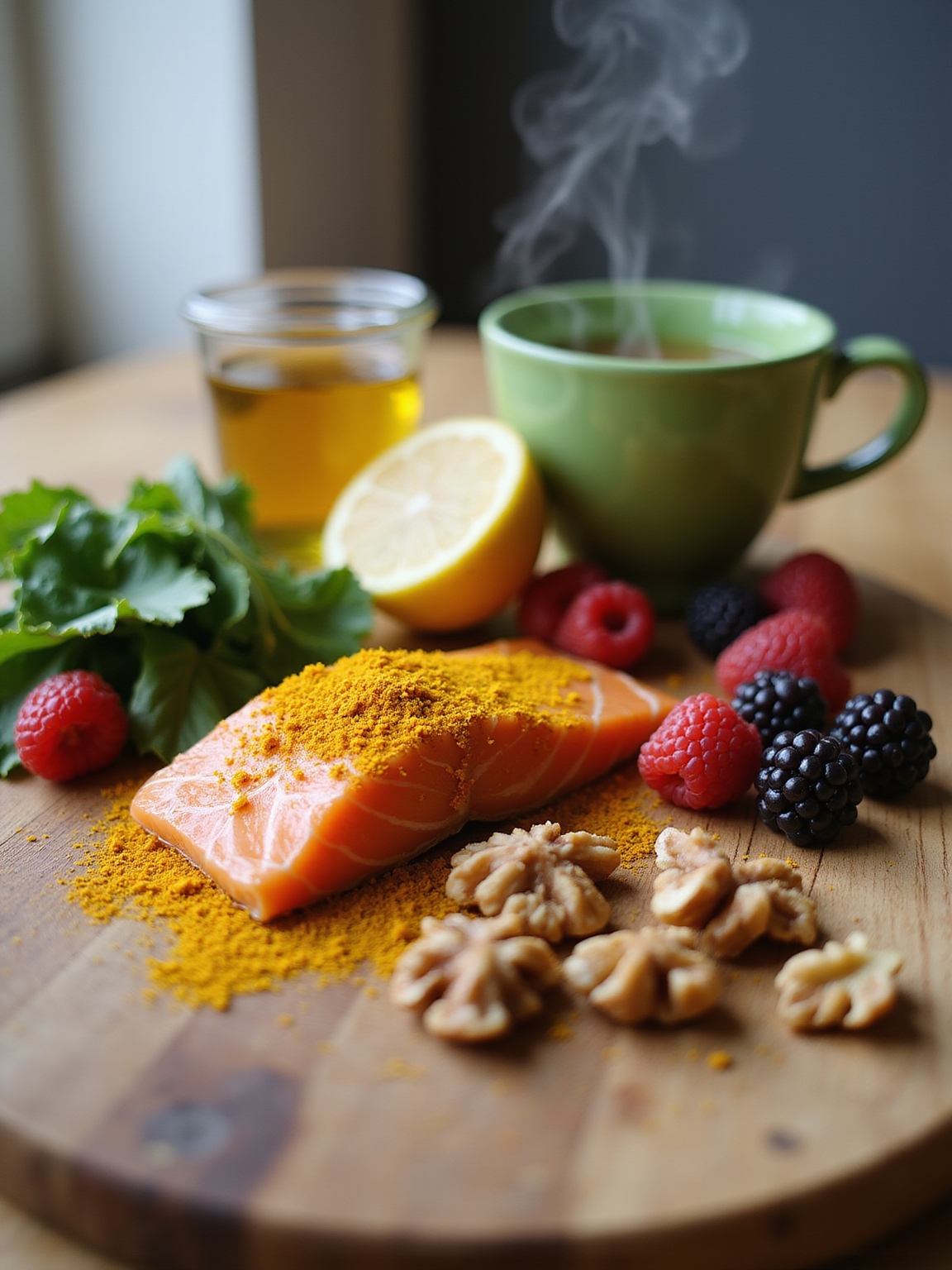

If you want to lower chronic inflammation, you’ll benefit most from food choices grounded in research rather than fads. Start by prioritizing colorful plants, whole grains, legumes, nuts, seeds, and omega‑3 rich fish while minimizing refined carbs, added sugars, and processed meats. I’ll show practical swaps, timing tips (like turmeric + black pepper), and how to adjust for allergies or meds — so you can make sustainable changes that actually move markers of inflammation.
Quick Answer: What an Anti-Inflammatory Diet Does (And Doesn’t)
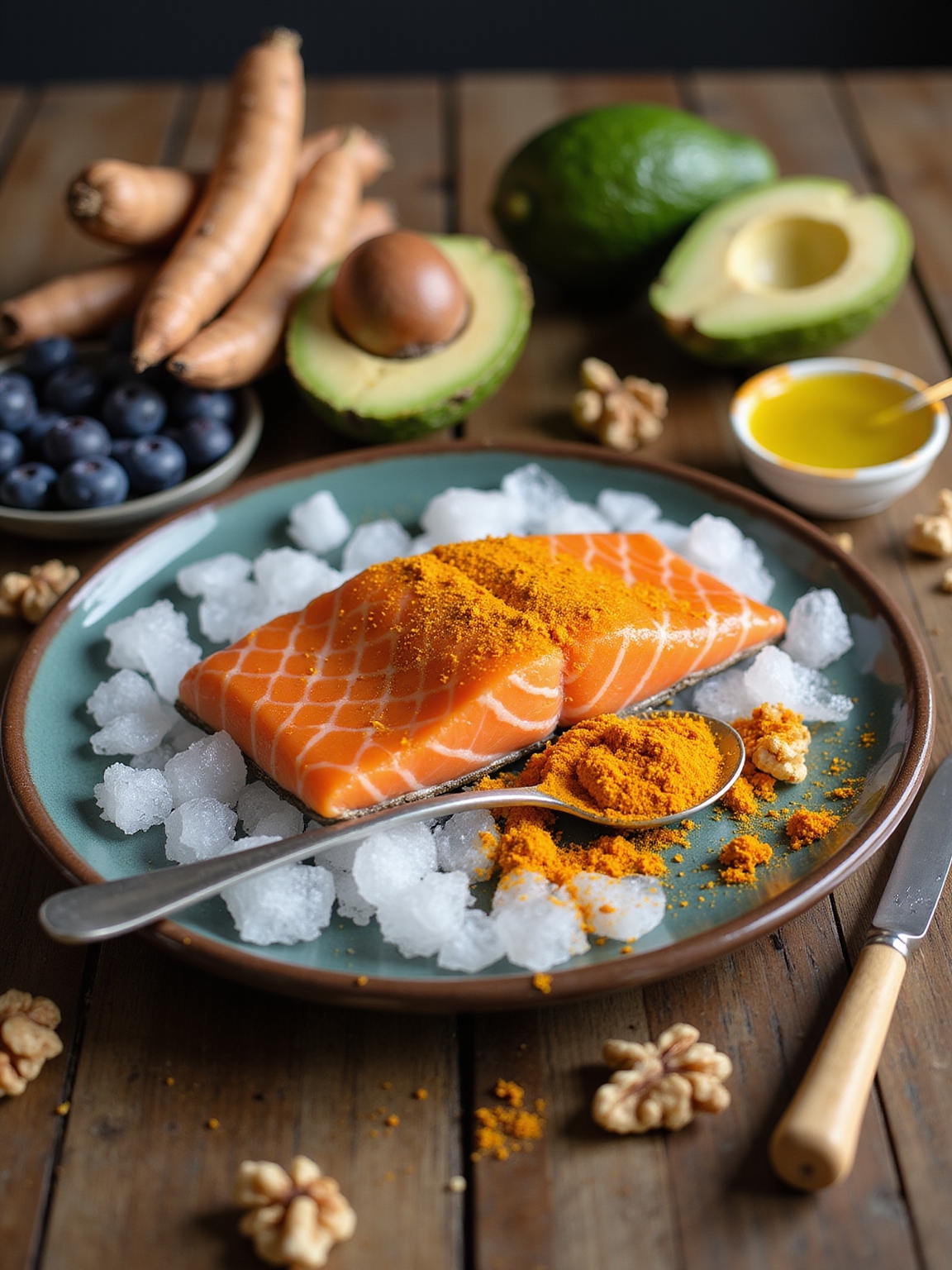
Although no diet can cure every condition, an anti-inflammatory eating pattern can lower chronic inflammation markers, ease symptoms for many people with inflammatory conditions, and reduce long-term risk for diseases like heart disease and type 2 diabetes when combined with other healthy behaviors.
You’ll shift toward whole foods—vegetables, fruits, whole grains, legumes, nuts, fatty fish—and reduce ultra-processed foods, excess sugar, and trans fats.
Evidence shows these choices modulate inflammatory pathways, oxidative stress, and gut microbiome composition, improving biomarkers for many.
It’s not a guaranteed cure or immediate fix; it’s a practical, evidence-based tool you can pair with medications and lifestyle measures.
Including an anti-inflammation diet shopping list can make adopting these habits easier and more sustainable.
Quick Anti-Inflammatory Rules to Use Today

Start by filling most of your plate with whole plants—veggies, fruits, legumes, nuts, and whole grains—since their fiber and phytonutrients reduce inflammatory markers.
Cut back on refined carbs like white bread, pastries, and sugary drinks, which spike blood sugar and promote inflammation.
Swap in healthy fats such as olive oil, fatty fish, and avocado instead of trans and excess saturated fats to support cellular health and lower chronic inflammation.
Keep staples like leafy greens, berries, nuts, and whole grains on your grocery list to ensure consistent anti-inflammatory choices and easy meal prep with essential foods.
Eat Whole Plants
When you focus on whole, minimally processed plant foods—vegetables, fruits, whole grains, legumes, nuts, and seeds—you’re giving your body a concentrated mix of fiber, phytonutrients, and unsaturated fats that research links to lower inflammation markers; aim to make plants the majority of each meal to get consistent anti-inflammatory effects rather than relying on single “superfoods.”
You can reduce inflammatory signaling by prioritizing diverse colors and textures, which supply different polyphenols and micronutrients.
Plan simple swaps—add beans to salads, choose oats, snack on walnuts and berries—and monitor how your energy, recovery, and symptoms improve with sustained, plant-forward patterns.
Keeping staples like leafy greens, whole grains, legumes, nuts, seeds, and berries on hand makes it easier to follow an anti-inflammatory approach and stick with it long term, since they provide a range of nutrients and whole plant benefits.
Limit Refined Carbs
Because refined carbohydrates spike blood sugar and trigger insulin-driven inflammatory pathways, cutting back on them is one of the fastest ways you can reduce systemic inflammation.
Swap white bread, pastries, and sugary drinks for fiber-rich whole grains and vegetables to blunt glucose excursions and lower markers like CRP.
Read labels: ingredients listed as “sugar,” “corn syrup,” or maltodextrin raise inflammation risk.
Pace carbohydrates with protein and nonstarchy vegetables to slow absorption.
If cravings hit, choose fruit or a handful of nuts.
Small, consistent reductions in refined carbs improve metabolic health and reduce chronic inflammatory signaling over time.
Following an overall anti-inflammatory diet plan that emphasizes whole foods and minimizes processed items supports long-term reductions in inflammation.
Choose Healthy Fats
Cutting refined carbs will lower inflammatory spikes, but what you add matters too: swapping pro-inflammatory fats for anti-inflammatory ones further reduces chronic immune activation.
Choose extra-virgin olive oil, nuts, seeds, and fatty fish for their monounsaturated and omega-3 fatty acids, which lower cytokine production and improve endothelial function.
Limit processed vegetable oils high in omega-6s, trans fats, and fried foods that promote inflammation.
Aim for two servings of fatty fish weekly or consider a fish-oil supplement after consulting your clinician.
Small, consistent swaps—olive oil instead of margarine, salmon over fried options—deliver measurable benefits over time.
The Energizing Anti-Inflammatory Mediterranean Diet emphasizes whole foods, plant-based meals, and healthy fats to boost energy and reduce chronic inflammation with sustainable habits like regular fish intake and using olive oil as a primary fat source; see Energizing Anti-Inflammatory Mediterranean Diet for more.
Colorful Fruits That Lower Inflammation

A handful of vividly colored fruits—like berries, cherries, and pomegranates—deliver concentrated doses of anti-inflammatory compounds you can use to lower chronic inflammation. You’ll benefit from anthocyanins, vitamin C, and polyphenols that reduce markers like CRP and IL-6 in studies. Aim for whole fruit servings, varied types, and consistent intake rather than isolated supplements. Here’s a quick guide:
| Fruit | Key compound |
|---|---|
| Blueberries | Anthocyanins |
| Cherries | Anthocyanins |
| Pomegranates | Punicalagins |
| Strawberries | Vitamin C |
| Oranges | Flavonoids |
Include these fruits regularly; they’re safe, tasty, and evidence-supportive. A simple anti-inflammatory meal plan can make it easier to include these fruits consistently and reap the benefits of daily servings.
Vegetables to Eat Daily for Inflammation Control

Regularly including a variety of vegetables in your daily meals gives your body a steady supply of anti-inflammatory nutrients—like carotenoids, sulforaphane, nitrates, and fiber—that have been shown to lower markers such as CRP and IL-6 in clinical and observational studies.
Choose cruciferous vegetables (broccoli, Brussels sprouts, kale) for sulforaphane and leafy greens (spinach, Swiss chard) for nitrates and antioxidants. Add colorful peppers, carrots, and sweet potatoes for carotenoids. Include allium vegetables (garlic, onions) for organosulfur compounds and fiber-rich options (artichokes, peas) to support gut health. Aim for variety and consistent portions to see measurable benefits. Everyday anti-inflammatory meal ideas can make it simple to include these vegetables in meals, especially when you plan ahead and batch-cook easy meals.
Anti-Inflammatory Fish: Best Omega-3 Choices and Frequency

You’ll get the most anti-inflammatory benefit from oily, cold-water fish like salmon, mackerel, sardines and anchovies because they’re rich in EPA and DHA omega-3s shown to reduce inflammation markers.
Aim for about two servings (3–4 ounces each) per week for general health, adjusting frequency if you’re pregnant, nursing, or have specific medical advice.
Choose gentle cooking methods (baking, grilling, steaming), watch mercury levels for larger fish, and prefer wild or sustainably sourced options when possible.
Best Omega-3 Fish
Often overlooked, fatty fish are one of the most effective dietary sources of omega‑3s—EPA and DHA—which reduce inflammatory markers and support heart and brain health.
You should prioritize salmon, mackerel, sardines, anchovies, and herring; they provide high, bioavailable EPA/DHA validated in clinical studies.
Wild-caught varieties often have better omega‑3-to-contaminant ratios than some farmed options, though quality varies by source.
Tuna (especially albacore) and trout are also good choices when sourced responsibly.
If you have concerns about mercury, pregnancy, or dietary restrictions, consult guidance or your clinician to balance benefits and risks based on evidence.
Serving Frequency Guidance
Typically, aim to eat fatty, omega‑3–rich fish like salmon, mackerel, sardines, anchovies, or herring at least two servings per week to lower inflammation and support heart and brain health.
You can increase to three servings weekly if you’re managing chronic inflammation, cardiovascular risk, or cognitive decline, since trials link higher EPA/DHA intake to measurable benefits.
Balance variety to get broad nutrient profiles and reduce contaminant exposure.
If you’re plant‑based or allergic, consider algae-based omega‑3 supplements after discussing dose with your clinician.
Track intake, watch overall saturated fat, and adjust with professional guidance for personalized risk and goals.
Preparation And Safety
When preparing anti‑inflammatory fish like salmon, mackerel, sardines or herring, prioritize methods that preserve omega‑3s and minimize added harmful fats and contaminants; bake, grill, or poach with minimal oil, avoid deep‑frying, and use gentle heat to retain EPA/DHA while keeping overall saturated fat low. You’ll also choose smaller, lower‑mercury species, remove skin if contaminated, and refrigerate or freeze promptly. Aim for 2–3 servings weekly, balance with plant omega‑3s, and consult advisories if pregnant.
| Fish | Method | Frequency |
|---|---|---|
| Salmon | Bake/Grill | 2–3/wk |
| Sardines | Poach/Grill | 2/wk |
| Mackerel | Bake | 1–2/wk |
Whole Grains and Legumes That Fight Inflammation
Alongside fruits and vegetables, whole grains and legumes play a key role in lowering chronic inflammation because they deliver fiber, resistant starches, and bioactive compounds that feed beneficial gut microbes and blunt pro-inflammatory pathways.
You’ll benefit from oats, barley, brown rice, quinoa, lentils, chickpeas, and black beans—each shown in studies to reduce markers like CRP and IL-6 when they replace refined carbs or red meat.
Aim for 2–3 servings daily, rinse and cook legumes properly to improve digestibility, and increase fiber gradually to limit gas.
These choices support gut health, metabolic control, and long-term inflammation reduction.
Nuts and Seeds for Steady Anti-Inflammatory Benefit
Regularly including a handful of nuts and seeds in your diet can deliver steady anti-inflammatory benefits because they concentrate omega-3 fats, polyunsaturated fatty acids, fiber, magnesium, and phytochemicals that lower pro‑inflammatory markers. You’ll gain sustained benefits by choosing walnuts, flaxseeds, chia, almonds, and pumpkin seeds; research links these to reduced CRP and improved endothelial function. Rotate types to optimize nutrients and portion control. Here’s a quick comparison to guide choices:
| Food | Key nutrient | Typical benefit |
|---|---|---|
| Walnuts | ALA omega‑3 | Lowers inflammatory cytokines |
| Flaxseed | ALA + fiber | Improves lipid profile |
| Almonds | Vitamin E | Antioxidant support |
| Chia | Fiber + ALA | Satiety, glycemic control |
Herbs, Spices, and Teas That Reduce Inflammation Fast
You can get fast, measurable anti-inflammatory effects from common herbs, spices, and teas that are backed by clinical studies.
Turmeric (curcumin) and ginger reduce inflammatory markers, while garlic and onions offer sulfur-containing compounds that modulate immune responses.
Brewing green or herbal teas adds polyphenols that complement these effects and fit easily into daily routines.
Turmeric And Curcumin Benefits
Start adding turmeric to your meals or drinks and you’ll tap into one of the most studied natural anti-inflammatory agents: curcumin, the bioactive compound in turmeric that has shown consistent effects on inflammatory pathways in both lab and clinical research.
You’ll find evidence that curcumin reduces markers like CRP and pro-inflammatory cytokines, and that combining it with black pepper (piperine) or fat improves absorption.
Typical dietary amounts are low, so standardized supplements often provide therapeutic doses used in trials.
Talk with your clinician before starting supplements, especially if you take blood thinners or have gallbladder issues, to stay safe.
Ginger, Garlic, And Onions
Often overlooked in everyday cooking, ginger, garlic, and onions contain potent bioactive compounds—gingerols, allicin, and quercetin among them—that research shows can downregulate inflammatory pathways and reduce markers like CRP and IL‑6.
You can add fresh ginger to smoothies, stir‑fries, or teas for rapid anti‑inflammatory effects supported by randomized trials. Crush garlic to activate allicin before cooking; regular dietary intake correlates with lower systemic inflammation in observational studies.
Raw or lightly cooked onions preserve quercetin, which modulates immune signaling. Start small if you’re sensitive, and combine these with other anti‑inflammatory foods for cumulative, evidence‑based benefits.
Foods and Ingredients to Avoid or Limit
One clear step in reducing chronic inflammation is cutting back on specific foods and ingredients that trigger pro-inflammatory pathways. You’ll want to limit items linked to higher markers like CRP and IL-6. Processed and fried foods, excess refined carbs, and certain additives can sustain immune activation.
Moderation here helps your body reset and respond to anti-inflammatory choices.
- Greasy, deep-fried fast foods sizzling in reused oils
- Sugary sodas, pastries, white bread and other refined carbs
- Processed meats with nitrates and high sodium content
- Industrial seed oils high in omega-6s and trans fats
Easy Meal Swaps to Lower Inflammation
After cutting back on the pro-inflammatory items above, you can make small, practical swaps that lower markers like CRP and IL-6 without overhauling your whole routine.
Swap refined grains for whole grains—oats, quinoa, and barley boost fiber and reduce postprandial inflammation. Replace sugary beverages with water, sparkling water, or unsweetened green tea to cut added sugars and polyphenols that modulate inflammation. Use olive oil instead of butter; its monounsaturated fats and polyphenols show anti-inflammatory effects. Choose fatty fish over processed meats twice weekly for EPA/DHA. Snack on nuts and berries rather than chips and cookies to further lower inflammatory signaling.
Budget 1-Week Shopping List
You can eat anti-inflammatory on a budget by stocking affordable pantry staples like canned legumes, whole grains, frozen berries, and olive oil, which research links to reduced markers of inflammation.
I’ll show simple weekly meal templates that reuse those staples to cut cost and prep time while keeping nutrient balance.
If you have budget constraints or dietary restrictions, we’ll adapt the list so you get evidence-based choices that actually work for you.
Affordable Pantry Staples
Because inflammation-friendly eating doesn’t have to be expensive, you can build a week of anti-inflammatory meals from a small set of affordable pantry staples that are nutrient-dense and backed by research (whole grains, legumes, canned oily fish, nuts, seeds, and basic spices).
Stock these core items to reduce inflammation markers, improve omega-3 intake, and support gut health.
You’ll mix and match to hit fiber, protein, and healthy fats without wasting food.
Visualize simple combinations that are flexible, flavorful, and evidence-based:
- Brown rice, rolled oats
- Canned salmon, sardines
- Dried lentils, chickpeas
- Walnuts, chia seeds, turmeric
Weekly Meal Templates
When you plan your week around a short, affordable shopping list, you’ll cut decision fatigue and make consistent anti‑inflammatory choices that are supported by research on diet, inflammation, and gut health.
Use three templates: batch-cook grain + roasted veg + protein; soup/stew with legumes and leafy greens; and salads with fermented dressing and a whole-grain side. Each template reuses staples—oats, beans, frozen berries, olive oil, garlic—so you buy less and get diverse nutrients.
Portion and swap proteins to meet needs. This approach aligns with evidence favoring dietary patterns rich in fiber, polyphenols, and omega‑3s for lowering systemic inflammation.
Snack and Breakfast Ideas to Start Reducing Inflammation
If you want quick, satisfying mornings and smart between-meal choices that lower inflammation, focus on whole foods rich in omega-3s, fiber, antioxidants, and low on added sugars and refined grains.
You’ll get measurable benefits by choosing nuts, berries, oats, yogurt, and fatty-fish sources while avoiding processed snacks.
Aim for portion control and consistent timing to stabilize blood sugar and inflammatory markers.
Practical examples make this easy:
- Greek yogurt with walnuts and blueberries
- Overnight oats with ground flaxseed and cinnamon
- Sliced apple with almond butter and chia seeds
- Smoked salmon on whole-grain crispbread with avocado
These choices reflect clinical evidence and are simple to adopt.
Pairings That Boost Absorption (e.g., Turmeric + Black Pepper)
You’ve already seen how choosing anti-inflammatory breakfasts and snacks can lower markers of inflammation; pairing certain foods thoughtfully can amplify those benefits by improving nutrient absorption and bioavailability.
When you combine turmeric with a pinch of black pepper, piperine increases curcumin absorption markedly; studies show several-fold enhancements in bioavailability.
Pairing vitamin C–rich citrus with plant-based iron sources (spinach, legumes) improves nonheme iron uptake.
Healthy fats (olive oil, avocado) boost absorption of fat-soluble compounds like carotenoids from tomatoes and leafy greens.
Use these simple, evidence-backed combinations regularly to make your anti-inflammatory choices more effective without adding complexity to meals.
Adjusting the List for Allergies, Diabetes, or Medications
Because individual health conditions change how foods affect inflammation and drug interactions, you’ll want to tailor the anti-inflammatory list to your allergies, blood sugar needs, and any medications you take.
Consult your clinician or dietitian before changing diet patterns; evidence shows personalized plans reduce risks and improve outcomes.
For allergies, substitute safe anti-inflammatory options; for diabetes, prioritize low-glycemic choices and monitor glucose; for medications, watch for interactions (e.g., anticoagulants and high-vitamin K greens).
Use testing and records to guide choices and adjust portions.
- A bowl of berries instead of banana for lower carbs
- Roasted salmon for omega-3s, if not allergic
- Olive oil drizzle over spinach (check meds)
- Turmeric tea in moderation, watch interactions
Tracking Progress: Signs to Watch and Timelines to Expect
Start by tracking a few measurable signals so you can tell whether your anti-inflammatory eating plan is working. Monitor objective markers: weight, waist circumference, blood pressure, fasting glucose, and CRP if available. Note symptom changes—joint pain, morning stiffness, fatigue, digestive issues—and rate them weekly.
Expect modest objective improvements in 2–8 weeks; symptoms often shift within days to weeks depending on baseline inflammation and adherence. Use a simple food-and-symptom log and consider periodic lab checks with your clinician.
If you don’t see progress after 8–12 weeks, reassess foods, portions, sleep, activity, medications, and consult a healthcare professional.
Conclusion
You’ve got practical tools to lower chronic inflammation, so start small and stay consistent. Think of your body like a garden: one study found Mediterranean-style diets cut markers of inflammation (CRP) by about 20%, so swapping soda for berries is like replacing weeds with pollinator plants—your immune system will thank you. If you’re managing meds or allergies, tweak choices with your clinician, track symptoms, and expect meaningful changes over weeks to months.