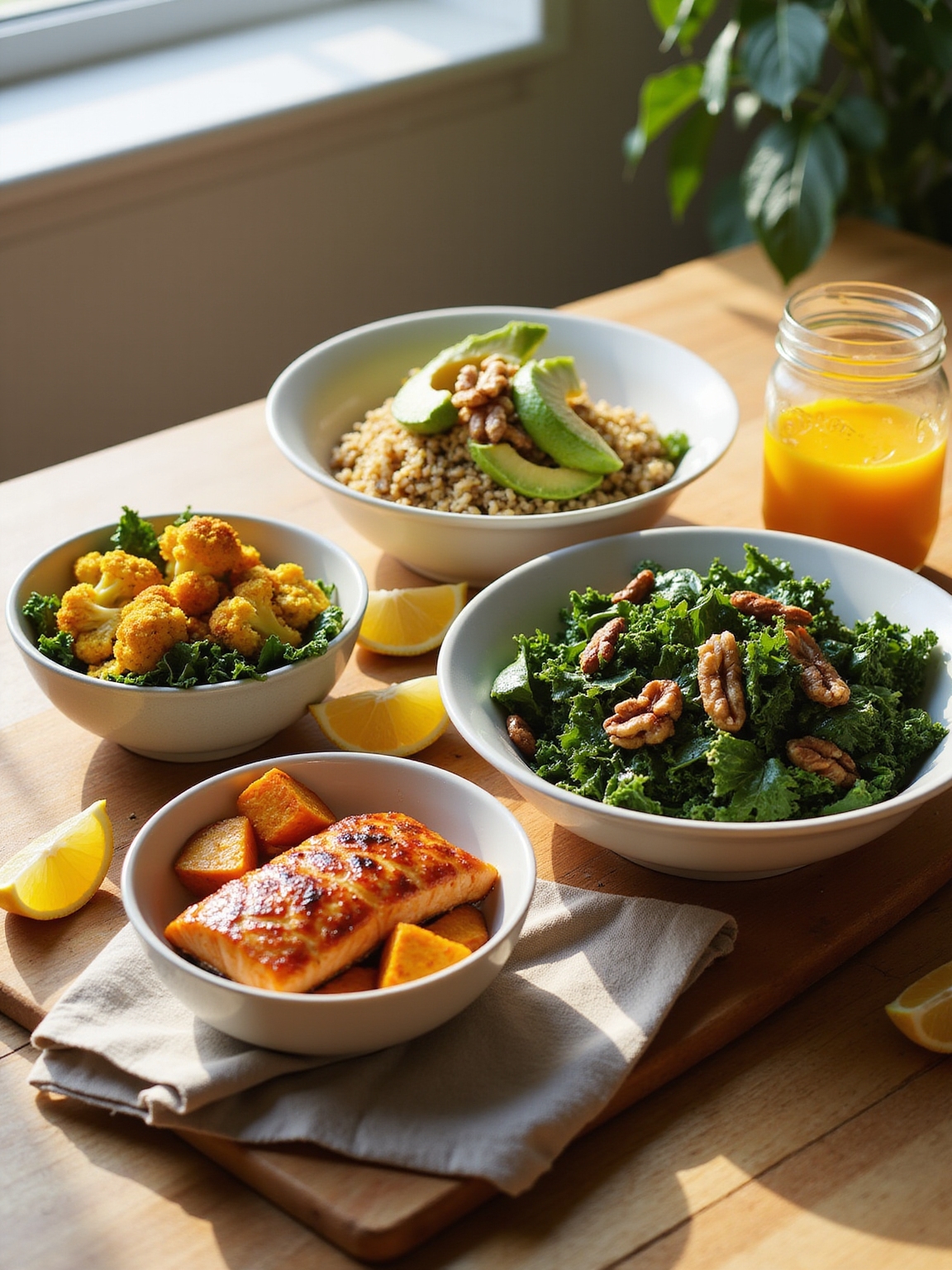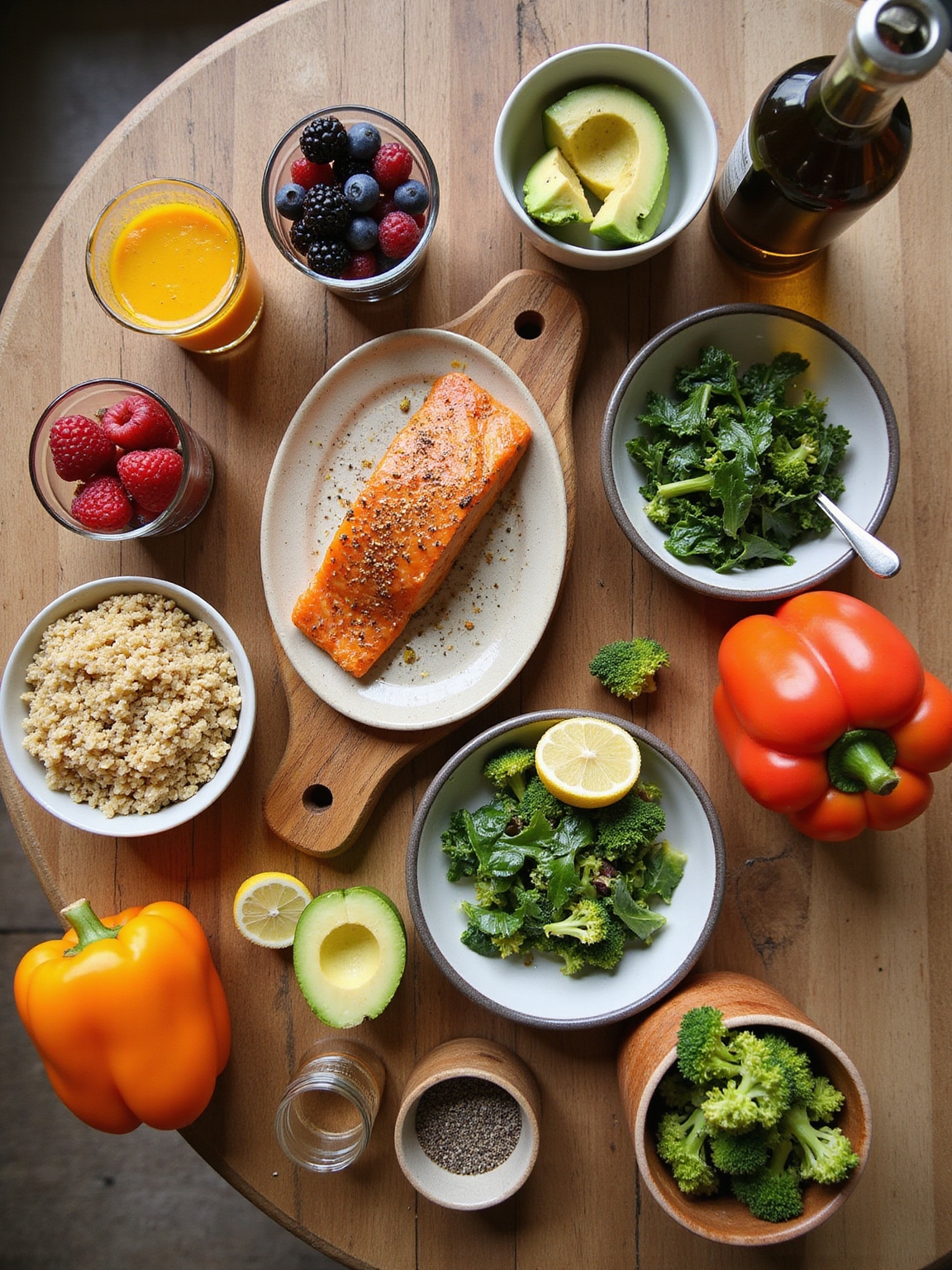

When your neighbor swapped weekly fast food for grilled salmon, oats, berries and a big kale salad, her joint pain eased and she slept better — and you can try the same practical shift without overhauling your whole routine. You’ll get a short, evidence‑based shopping list of staples, smart swaps and simple prep tips to make anti‑inflammatory choices easy and affordable, plus what to buy first so meals actually happen.
Quick Answer: 10 Anti‑Inflammatory Staples to Buy Now
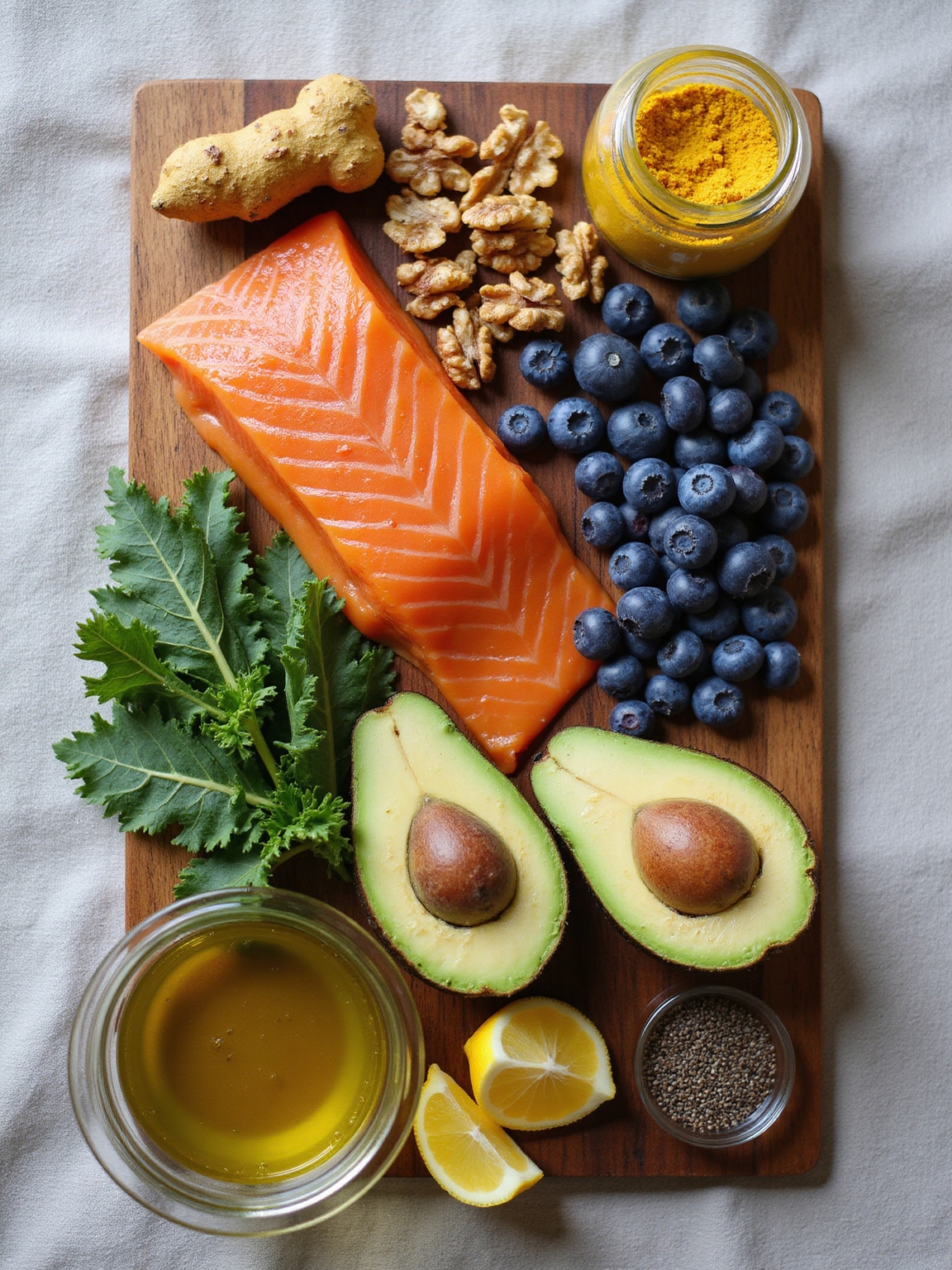
Start by stocking your kitchen with nutrient-dense foods that research links to lower inflammation.
Choose fatty fish like salmon for omega-3s, extra-virgin olive oil for polyphenols, and walnuts or chia seeds for plant-based fats.
Load up on colorful berries and leafy greens for antioxidants and fiber.
Add turmeric and ginger for anti-inflammatory compounds, garlic for immune support, and whole grains like oats or quinoa instead of refined carbs.
Pick legumes for protein and magnesium, and green tea for catechins.
These ten staples give you flexible, evidence-backed ingredients to build meals that calm inflammation.
Keep a supply of anti-inflammatory staples so you can prepare balanced meals easily.
How to Use This Shopping List
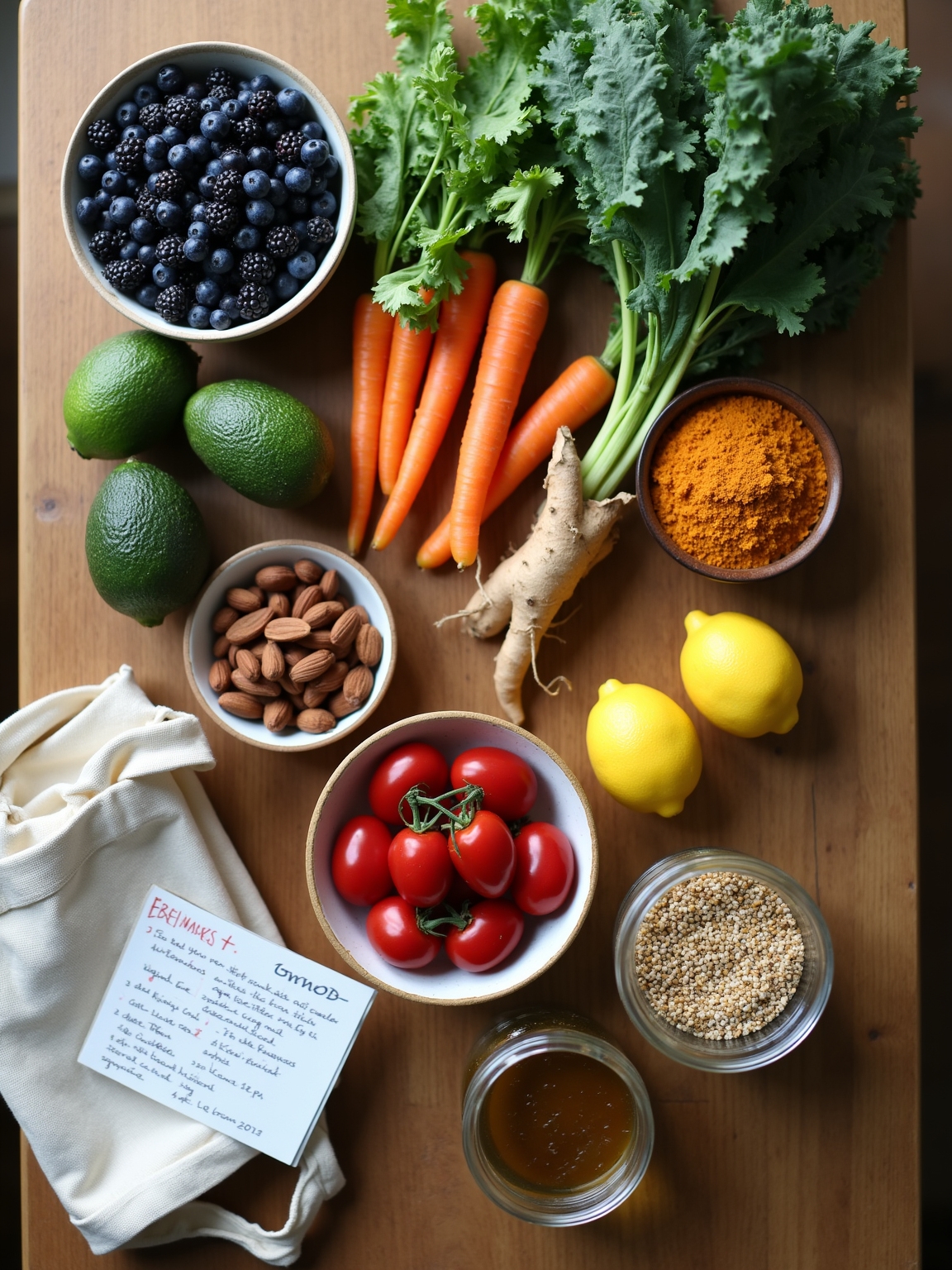
Use the list to build simple weekly menus that combine proteins, whole grains, and colorful produce so meals stay balanced and anti‑inflammatory.
Plan one or two prep sessions to wash greens, chop veggies, and cook grains so you have ready-to-use components all week. Store ingredients in airtight containers and follow basic refrigeration/freezing guidelines to preserve nutrients and reduce waste. Meal prep also saves time and helps maintain consistent anti-inflammatory eating habits by organizing components like prepared grains and proteins for quick assembly.
Meal Planning Basics
When you plan meals around this anti-inflammatory shopping list, you’ll save time, reduce decision fatigue, and make healthful choices more automatic. Use a weekly template: pick proteins, vegetables, whole grains, and healthy fats for each day. Batch similar recipes—roast vegetables, cook a grain, grill fish—so components mix easily into bowls, salads, or wraps.
Balance anti-inflammatory staples (leafy greens, berries, nuts, fatty fish) across meals and include one colorful vegetable at each sitting. Write a short shopping list tied to recipes, check pantry staples, and schedule two cooking blocks per week to stay consistent. Incorporating core anti-inflammatory staples into each meal helps maintain consistency and maximize benefits.
Storage And Prep Tips
Although fresh produce and whole grains give you the most benefit when eaten promptly, you can extend their shelf life and nutrient value with a few simple habits: rinse and dry leafy greens before storing in an airtight container with a paper towel to absorb moisture, portion berries and grapes into single-use containers to prevent repeated handling, and keep herbs wrapped in a damp paper towel inside a resealable bag.
Store whole grains and nuts in airtight jars in a cool, dark place or fridge to prevent rancidity. Cook staple grains and legumes in batches, cool quickly, and refrigerate portions for four days or freeze for longer use. Regularly checking expiration dates and practicing proper rotation helps reduce waste and maintain freshness, especially for whole grains.
What to Buy First: Produce to Prioritize
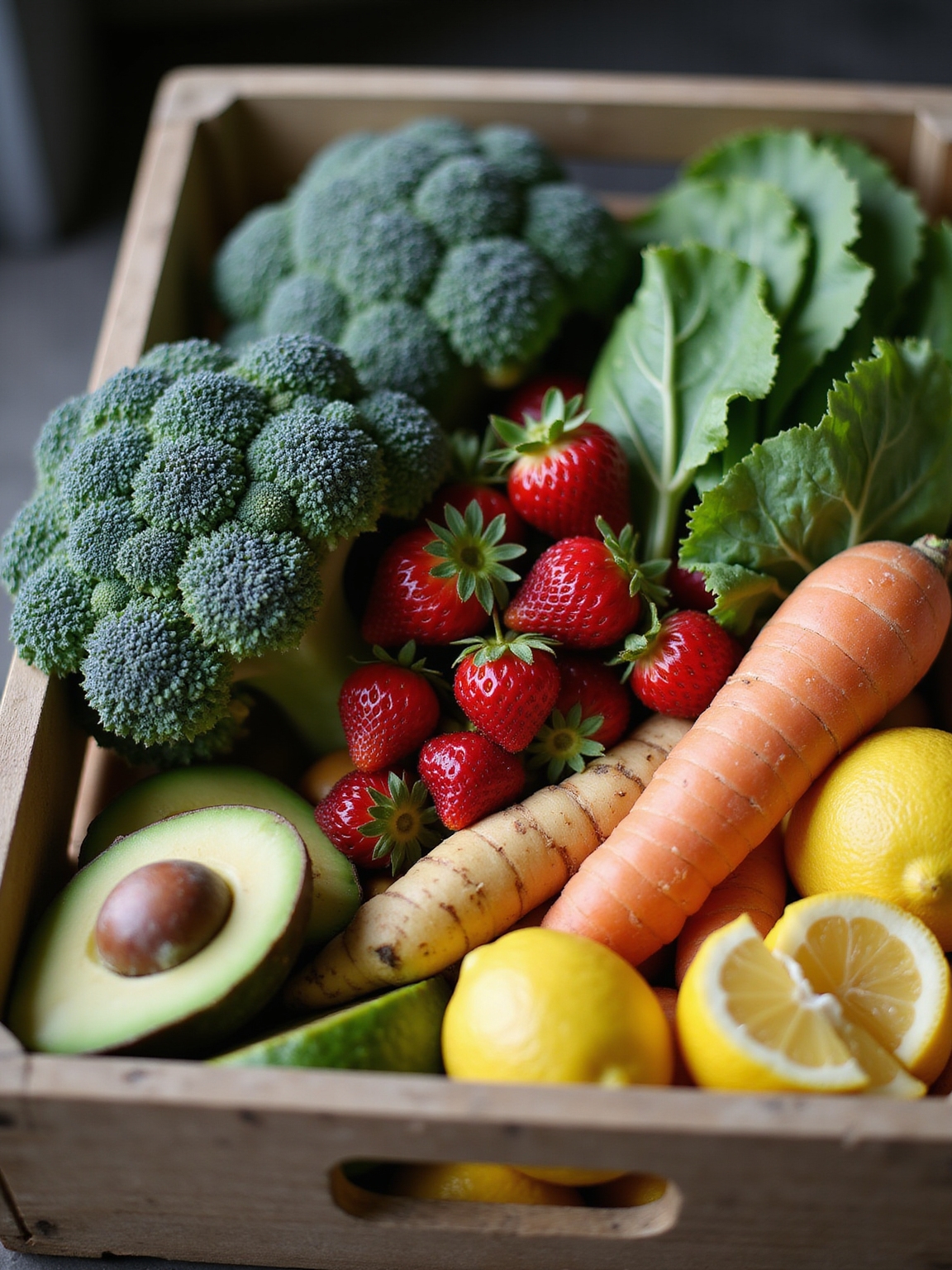
Start by filling your cart with seasonal leafy greens, which are rich in fiber and antioxidants that help tamp down inflammation.
Add berries and citrus for concentrated vitamin C and polyphenols that research links to lower inflammatory markers.
Round out the list with cruciferous vegetables like broccoli and Brussels sprouts, which provide sulforaphane and other compounds that support cellular health.
Include nuts and seeds for their omega-3s and anti-inflammatory fats that complement a balanced, anti-inflammatory eating pattern.
Seasonal Leafy Greens
Because leafy greens supply concentrated anti-inflammatory nutrients, prioritize fresh, seasonal varieties first so you get the most vitamins, polyphenols, and nitrates per serving.
Choose kale, spinach, Swiss chard, arugula, and collards when they’re in season; they’re rich in vitamin K, carotenoids, and flavonoids linked to lower inflammation in studies.
Buy firm, vibrant leaves, store them unwashed in a breathable bag, and use within a few days to preserve phytochemicals.
Rotate greens for diversity — different compounds work together.
Lightly steam, sauté, or add raw to salads to retain nutrients and maximize benefits.
Start your day with a greens-focused breakfast to boost nutrient intake and support overall anti-inflammatory health.
Berries And Citrus
Often you’ll find berries and citrus at the top of any anti-inflammatory shopping list because they deliver concentrated vitamin C, flavonoids, and polyphenols that reduce oxidative stress and support immune health.
Choose blueberries, strawberries, raspberries, oranges, grapefruits, and lemons for varied antioxidants and fiber. Buy fresh or frozen—frozen preserves nutrients and lasts longer, so you waste less.
Aim for at least a cup daily, mixing into yogurt, oatmeal, or smoothies to enhance absorption with healthy fats like nuts or seeds.
Prioritize organic when possible for berries to minimize pesticide exposure, and store citrus at room temperature for easy use.
Frozen fruit can be a budget-friendly way to keep nutrient-rich options on hand without frequent shopping.
Cruciferous Vegetables
Cruciferous vegetables pack potent anti-inflammatory and cancer-protective compounds—like sulforaphane and indole-3-carbinol—so prioritize broccoli, cauliflower, Brussels sprouts, kale, and cabbage when you shop.
Aim for variety and freshness: choose firm heads, bright leaves, and tight buds. Steam or lightly sauté to preserve nutrients; raw shredded cabbage or kale added to salads gives crunch and fiber. Frozen crucifers are a convenient, nutrient-dense backup. Rotate colors and types across the week to maximize phytochemical intake.
If you take blood thinners, check with your provider about high-vitamin K greens, and store produce to maintain crispness and potency.
Best Fresh Fruits for Inflammation
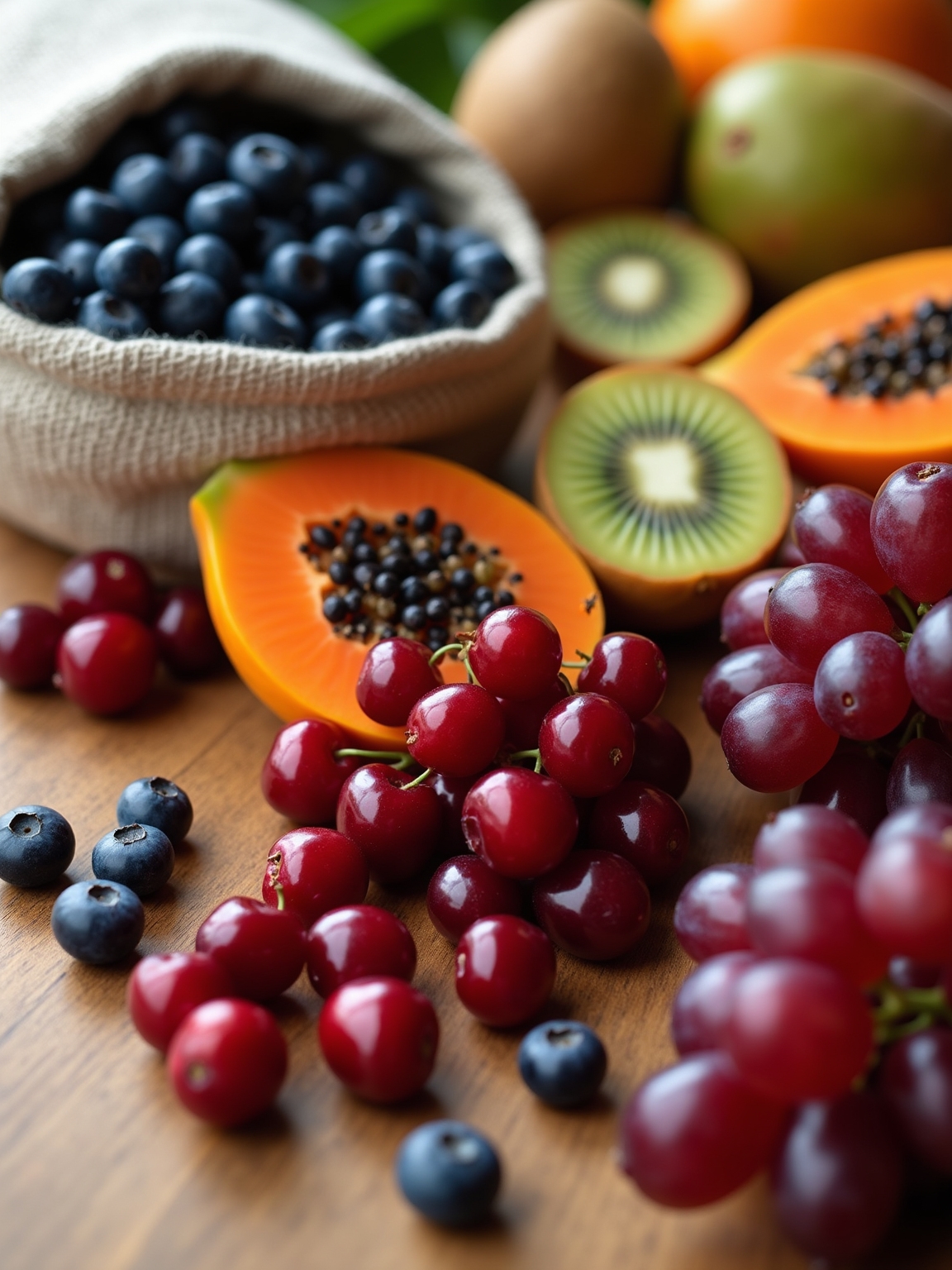
Many fruits pack powerful anti-inflammatory compounds, and choosing the right fresh options can make your meals both tasty and therapeutic.
You’ll want fruits high in antioxidants, fiber, and polyphenols to help lower inflammatory markers and support gut health.
Pick ripe, seasonal choices and eat them whole for maximum benefit.
- Berries: strawberries, blueberries, raspberries — rich in anthocyanins and vitamin C.
- Cherries: especially tart varieties — linked to reduced inflammation after exercise and chronic conditions.
- Citrus: oranges and grapefruits — provide hesperidin and vitamin C to modulate inflammation.
Essential Vegetables for Daily Meals
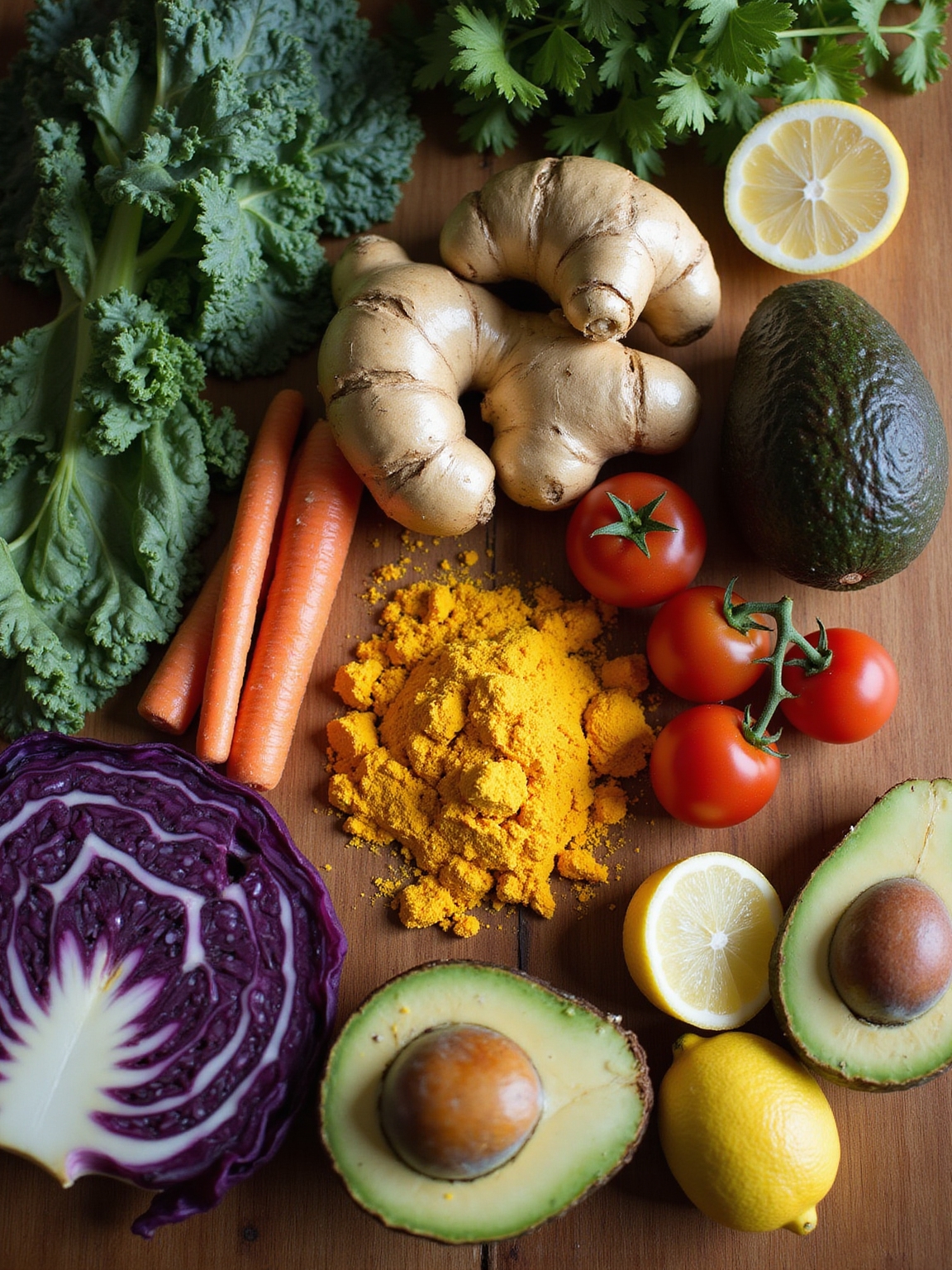
Make leafy greens like spinach and kale a daily habit — they’re rich in anti-inflammatory antioxidants and easy to toss into salads, smoothies, or sautés.
Add cruciferous vegetables such as broccoli and Brussels sprouts for their cancer-protective compounds and fiber that support gut health.
Don’t forget colorful root vegetables like beets and carrots, which pack betalains and beta‑carotene to round out your anti‑inflammatory plate.
Leafy Greens Powerhouse
Often overlooked, leafy greens pack a powerful anti-inflammatory punch and you should aim to include a variety each day. You’ll get vitamins, minerals, and polyphenols that research links to reduced inflammation and better metabolic health. Use them raw in salads, wilted into grains, or blended into smoothies for easy dosing. Rotate textures and flavors so you don’t get bored and to maximize nutrient variety.
- Spinach: mild, versatile, high in lutein and magnesium
- Kale: sturdy, rich in vitamin K and antioxidants
- Swiss chard: colorful, provides potassium and betalains
Incorporate a handful daily for measurable benefits.
Cruciferous Veg Benefits
If you’ve been loading up on leafy greens, add cruciferous vegetables to the rotation — they bring a different set of bioactive compounds that target inflammation and support detox pathways.
You’ll benefit from sulforaphane in broccoli and Brussels sprouts, which modulates inflammatory signaling and supports phase II detox enzymes.
Kale, cauliflower, and bok choy deliver glucosinolates, fiber, vitamins C and K, and potassium, helping gut health and antioxidant defenses.
Steam, roast, or lightly sauté to preserve nutrients and reduce bitterness.
Aim for a few servings weekly; combine with healthy fats to improve carotenoid absorption and maximize anti-inflammatory effects.
Colorful Root Vegetables
Regularly include colorful root vegetables—like carrots, beets, sweet potatoes, and turnips—in your meals because they deliver concentrated phytonutrients, fiber, and vitamins that help lower inflammation and support gut and metabolic health.
You’ll get beta‑carotene, betalains, anthocyanins, and resistant starch—compounds shown to modulate oxidative stress and microbial balance.
Roast, mash, or add them to soups to preserve nutrients and increase satiety, which helps weight control and inflammation reduction.
Aim for variety and seasonal picks. Simple swaps (fries → baked sweet potato wedges) cut refined carbs and added fats.
- Roast with olive oil and herbs
- Puree into soups
- Thin-slice into salads or slaws
Choose Proteins: Fish, Poultry, Legumes, Eggs
When you choose proteins for an anti-inflammatory diet, prioritize fatty fish, lean poultry, legumes, and eggs because they give you a mix of omega-3s, high-quality amino acids, and fiber that support recovery and reduce inflammation markers.
Aim for salmon, mackerel, or sardines twice weekly for EPA/DHA. Pick skinless chicken or turkey and prepare them grilled or baked to limit added pro-inflammatory compounds.
Include beans, lentils, and chickpeas daily for soluble fiber and plant-based protein that feed a healthy gut.
Eggs provide versatile, nutrient-dense protein; choose whole eggs in moderation.
Balance portions and vary sources for best results.
Healthy Fats: Oils, Nuts, Seeds
Often you’ll get big benefits for inflammation by swapping saturated fats for sources rich in monounsaturated and omega-3 polyunsaturated fats; choose extra-virgin olive oil for dressings and light cooking, add small amounts of avocado or macadamia oil for higher-heat needs, and include a variety of nuts and seeds (walnuts, almonds, chia, flax) to boost alpha-linolenic acid, fiber, and antioxidant intake.
You’ll want portion control—nuts are calorie-dense but nutrient-rich. Store oils properly to prevent rancidity. Choose unsalted, minimally processed nuts and whole seeds. Rotate choices to vary phytochemicals and make certain steady anti-inflammatory support.
- Extra-virgin olive oil
- Walnuts and almonds
- Chia and flax seeds
Whole Grains & Minimally Processed Carbs
A few smart swaps to whole grains and minimally processed carbs can lower inflammatory markers and keep your blood sugar steadier than refined choices.
Choose oats, quinoa, brown rice, barley, and whole-grain breads or pastas — they deliver fiber, vitamins, and minerals that support gut health and modulate inflammation.
Opt for intact grains and minimally processed tubers like sweet potatoes; avoid refined white flour and sugary cereals.
Portion carbs with protein and healthy fat to blunt glycemic spikes.
Check labels for “whole grain” first ingredient and limited added sugars.
Simple pantry changes make meals both satisfying and anti-inflammatory.
Herbs, Spices & Fermented Foods to Add
Swapping refined carbs for whole grains sets a solid foundation, and adding specific herbs, spices, and fermented foods can amplify anti-inflammatory effects through flavor and gut-supporting compounds.
You’ll benefit from turmeric’s curcumin, ginger’s bioactives, and polyphenol-rich herbs like rosemary; use them fresh or powdered to season vegetables, grains, and proteins.
Fermented foods—yogurt with live cultures, kefir, sauerkraut, kimchi—support microbiome diversity and short-chain fatty acid production linked to lower inflammation.
Start small, taste as you go, and prioritize minimally processed options.
Include:
- Turmeric (with black pepper)
- Fresh ginger
- Unsweetened probiotic yogurt or kimchi
Anti‑Inflammatory Pantry Staples (Canned, Frozen, Basics)
When you stock your pantry with smart canned, frozen, and basic staples, you’ll make anti-inflammatory eating easier and more consistent. Choose canned salmon, sardines, and low‑sodium beans for omega‑3s, protein, and fiber; rinse beans to reduce sodium.
Keep frozen berries, leafy greens, and mixed vegetables for quick antioxidants and phytonutrients. Store extra‑virgin olive oil, nut butters, whole‑grain pasta, and brown rice for healthy fats and complex carbs.
Have jarred tomatoes, miso, and low‑sodium broths to build savory, anti‑inflammatory meals. Rotate items regularly, check labels for added sugars or trans fats, and plan simple meals around these staples.
Drinks to Sip : and Drinks to Avoid
You’ll want to choose beverages that help lower inflammation—think water, green tea, and unsweetened plant milks—while steering clear of sugary sodas, excess alcohol, and high‑fructose drinks.
Pay attention to when you drink: small, regular sips through the day support digestion and metabolic balance better than gulping large amounts at once.
I’ll outline practical swaps and timing tips so you can keep hydrated and reduce inflammatory triggers.
Healthy Beverage Choices
Often, small beverage choices make a big difference for inflammation, so prioritize drinks that hydrate and deliver antioxidants while avoiding those that spike sugar or promote inflammation.
You’ll want simple, evidence-backed options: water with lemon supports hydration and vitamin C, green tea supplies polyphenols (EGCG) that reduce inflammatory markers, and tart cherry juice in moderation can ease muscle soreness.
Rotate these beverages, watch portions, and skip added sugars.
Pair drinks with whole foods to maximize benefits.
Keep it practical: brew tea fresh, flavor water naturally, and choose 100% juices without sweeteners.
- Water with lemon
- Green tea
- Tart cherry juice
Beverages To Avoid
Because what you drink can either calm or fuel inflammation, it helps to know which beverages to skip, cut back on, or replace. You’ll limit additives, sugar, and refined carbs by avoiding sugary sodas, many energy drinks, and sweetened coffee drinks. Reduce alcohol and high-fructose juices; they can raise inflammatory markers. Choose whole-food alternatives instead. Below is a quick guide to avoid or replace common inflammatory drinks.
| Drink to Avoid | Why | Better Option |
|---|---|---|
| Sugary soda | Raises inflammation | Sparkling water + lemon |
| Energy drinks | High sugar/caffeine | Green tea |
| Sweet coffee drinks | Added sugar/fat | Black coffee |
| Fruit juice | Concentrated sugars | Whole fruit |
Hydration Timing Tips
When you time your fluids wisely, you can support digestion, circulation, and inflammation control without changing what you eat. Drink a glass 30 minutes before meals to aid digestion, sip modestly during meals to avoid diluting gastric juices, and rehydrate steadily after activity to reduce inflammatory stress.
Choose water, herbal tea, or mineral water; limit sugary drinks and excess alcohol.
- Sip water regularly rather than gulping large amounts at once.
- Prefer herbal or green tea for anti-inflammatory polyphenols.
- Avoid sweetened beverages and limit alcohol, which can promote inflammation.
Simple Swaps for Common Pro‑Inflammatory Foods
If you’re ready to reduce inflammation without giving up flavor, small ingredient swaps can make a big difference in your day-to-day meals.
Swap refined grains for whole grains like quinoa and oats to boost fiber and reduce spikes in blood sugar linked to inflammation.
Replace sugary drinks with sparkling water flavored with citrus or mint to cut added sugars.
Use extra-virgin olive oil or avocado oil instead of margarine and vegetable oils high in omega-6s.
Choose wild salmon, sardines, or plant proteins like lentils instead of processed meats to increase omega-3s and anti-inflammatory nutrients.
How to Read Labels for Hidden Inflammatory Ingredients
Those simple swaps will do a lot, but to make sustained changes you’ll want to get comfortable reading ingredient lists and nutrition facts so you can spot hidden inflammatory culprits.
Scan for added sugars (maltose, corn syrup), refined vegetable oils (soy, corn, canola), and artificial additives (MSG, carrageenan).
Check serving sizes so calories, sugar, and sodium aren’t misleading.
Prefer short ingredient lists and recognizable whole-food names.
Look for “hydrogenated” or “partially hydrogenated” fats—avoid them.
Use the nutrition facts to compare fiber and omega‑3 vs omega‑6 ratios.
Small label checks add up to meaningful, evidence-based reductions.
- Added sugars
- Refined oils
- Artificial additives
Meal‑Prep Tips to Keep Your Kitchen Stocked
Because meal prep makes healthy choices the easy choice, set aside one or two blocks each week to cook staples you can mix and match: roasted vegetables, a big pot of beans or lentils, grilled or baked lean proteins, and a cooked whole grain like quinoa or farro.
Plan portions into clear containers so you see servings and avoid overeating. Use the freezer for batches you won’t eat within three days. Label with date and contents.
Keep a list of quick dressings and spice blends to change flavors without extra shopping. Rotate recipes weekly to maintain nutrients and prevent boredom.
Budget & Seasonal Shopping Strategies (Plus One‑Week Sample List)
When you shop seasonally and plan with a budget in mind, you’ll stretch dollars and get fresher, more nutrient‑dense produce that supports an anti‑inflammatory diet. Prioritize whole foods, compare unit prices, and buy frozen berries and greens when fresh costs spike — studies show similar antioxidant levels.
Pick versatile proteins (tinned salmon, eggs, beans) and bulk spices to flavor meals without extra salt or sugar. Plan five to seven meals, batch cook, and freeze portions to reduce waste and save time.
- Buy what’s in season and on sale.
- Choose frozen for cost and nutrition.
- Batch cook staples for the week.
Conclusion
You’re set to lower inflammation by filling your cart with whole foods: fatty fish, legumes, leafy greens, berries, nuts, olive oil and fermented foods. Start with produce—about 75% of your plate—and swap refined carbs and processed snacks for oats, quinoa and sweet potatoes. Evidence links diets like this to a roughly 20% lower risk of chronic inflammation markers, so prep staples weekly, read labels for hidden oils and sugar, and keep it simple, practical and sustainable.