You can lower daily inflammation with simple, evidence-backed swaps that fit a normal week — no extreme diets or weird supplements. Focus on real food: lean protein, lots of vegetables, whole grains, healthy fats, and key spices like turmeric with black pepper. I’ll give you a practical 7-day plan, grocery list, snack ideas, and easy troubleshooting so you can try it now and notice what actually changes.
7-Day Anti-Inflammatory Plan: What to Eat Each Day

Usually, you’ll find the best results when you follow a clear daily plan that emphasizes whole, minimally processed foods proven to lower inflammation—like fatty fish, colorful vegetables, berries, whole grains, nuts, and olive oil—while limiting refined carbs, added sugars, and processed meats.
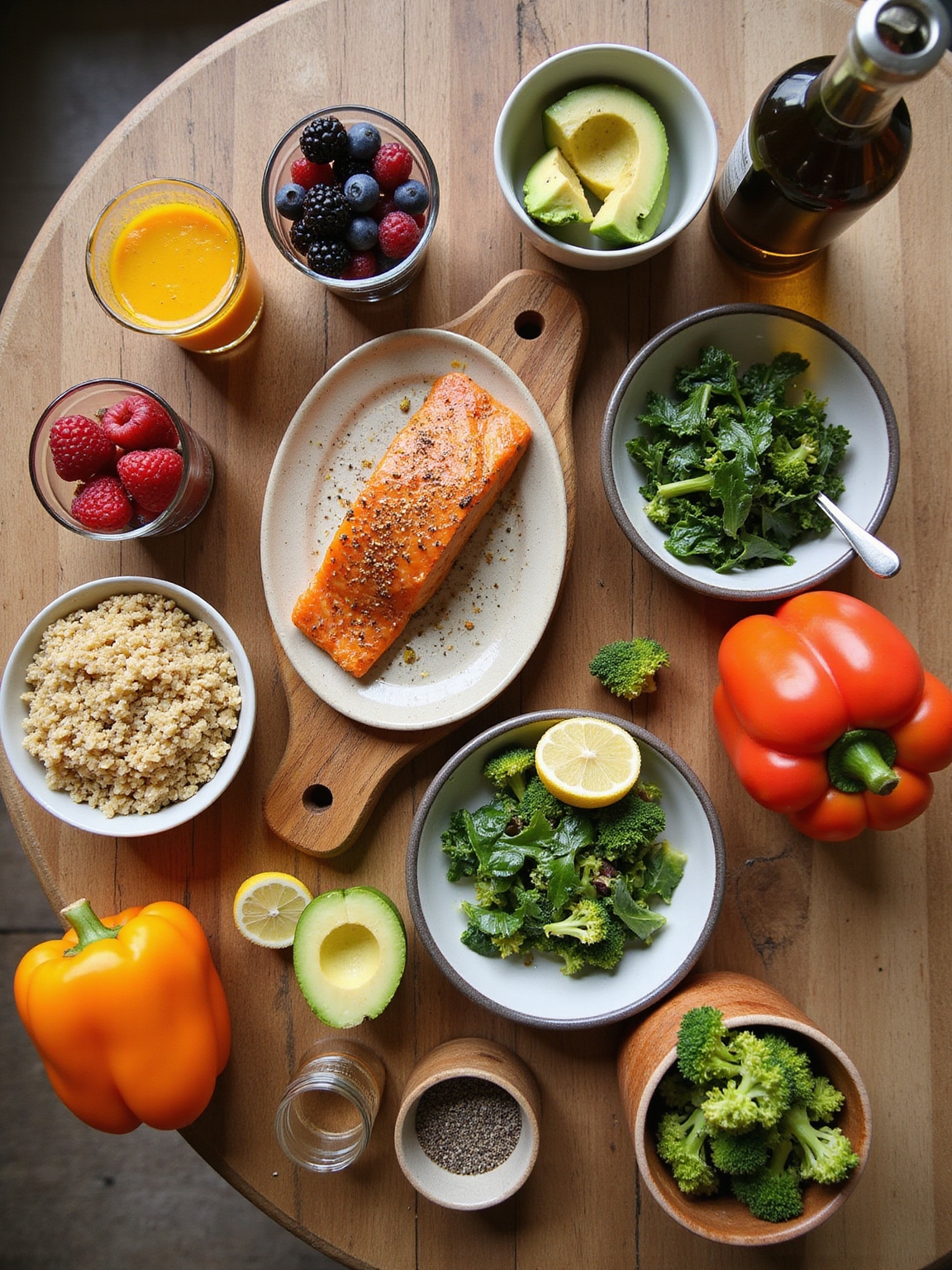
You’ll build each day around a protein (salmon, legumes), plenty of nonstarchy veg, a serving of whole grain or tuber, and an omega-3–rich snack (walnuts, chia).
Drink water and green tea, season with turmeric and black pepper, and keep portions moderate.
Prep simple meals, swap ingredients as needed, and track symptoms to guide adjustments.
Including staples such as essential foods can make it easier to stick to the plan and maximize anti-inflammatory benefits.
What to Expect This Week and Realistic Results

As you move through the seven-day plan, expect measurable but modest changes rather than dramatic overnight shifts: many people notice reduced bloating, steadier energy, and less joint stiffness within a few days, while improvements in pain, sleep, or skin often take two to four weeks and depend on baseline inflammation and consistency.
You’ll track small wins and adjust habits; that’s normal. Expect variability—individual response varies with diet history, medication, and sleep.
Practical tips:
- Log symptoms daily to spot trends and guide tweaks.
- Prioritize sleep and hydration; they amplify dietary effects.
- Be patient: cumulative change beats quick fixes.
Including regular servings of anti-inflammatory foods like fatty fish and colorful produce can support long-term benefits and help lower systemic inflammation over time.
Anti-Inflammatory Staples to Stock (10 Essentials)

While no single food cures inflammation, stocking a handful of evidence-backed staples will make it far easier to eat in a way that soothes your body each day.
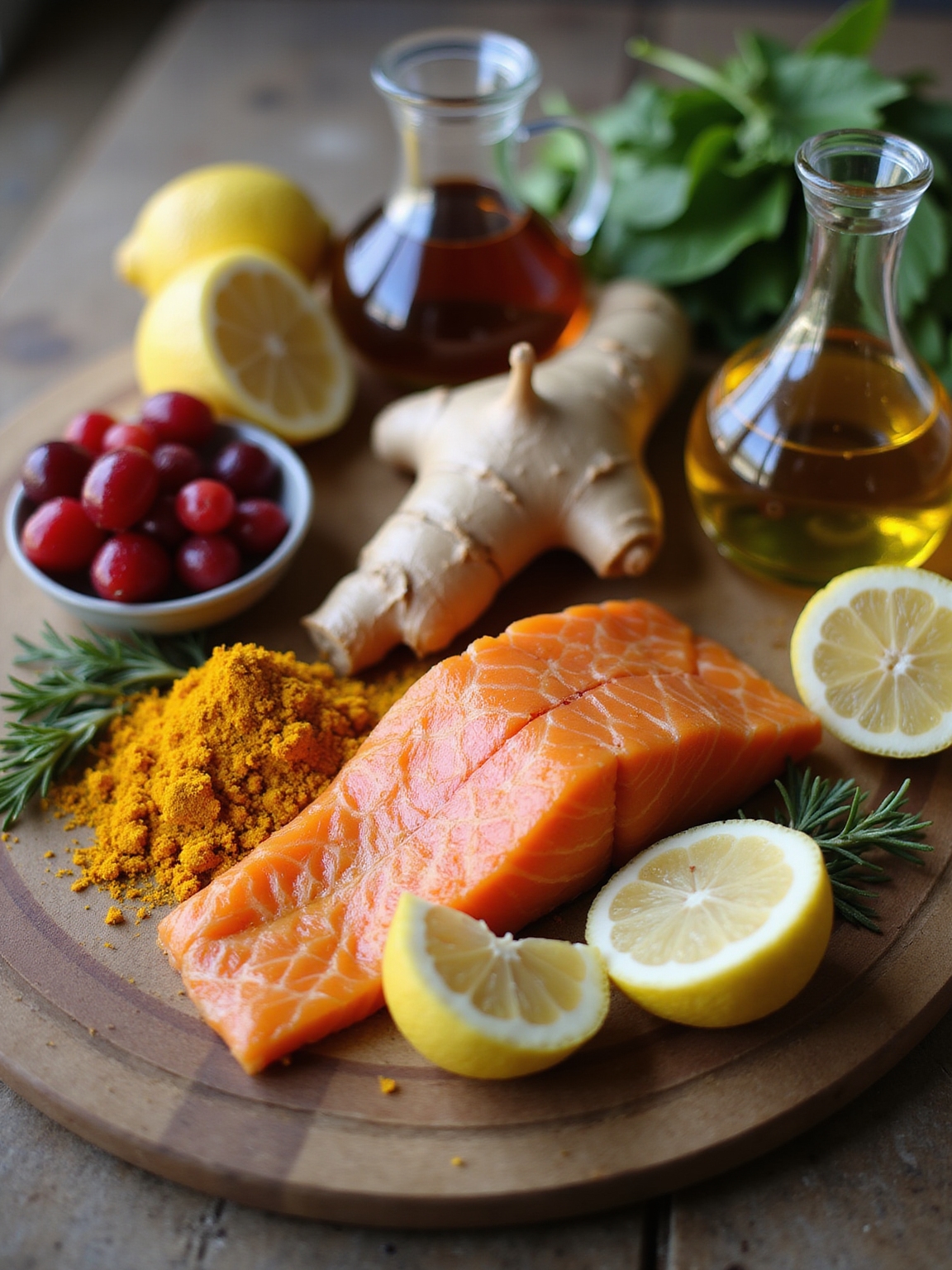
Fill your cart with leafy greens (spinach, kale), berries, fatty fish (salmon, sardines), extra-virgin olive oil, walnuts, turmeric, garlic, ginger, beans, and whole grains like oats or quinoa. These provide antioxidants, omega-3s, polyphenols, fiber, and anti-inflammatory compounds shown in trials to lower markers like CRP.
Keep portions realistic, rotate items to avoid monotony, and prioritize minimally processed versions. Small, consistent choices add up to measurable benefit. Many people find that focusing on anti-inflammatory staples makes long-term adherence easier.
Everyday Swaps That Reduce Inflammation

Having those anti-inflammatory staples on hand makes it much easier to swap a few daily items that lower inflammation without overhauling your whole routine.
Small, evidence-backed switches can reduce inflammatory markers and improve symptoms over weeks.
Try these simple swaps that fit real life:
- Replace refined grains with whole grains (oats, quinoa) to boost fiber and lower CRP.
- Swap sugary snacks for berries and nuts for antioxidants and healthy fats.
- Trade cooking oils high in omega-6 (corn, soybean) for extra-virgin olive oil or avocado oil.
You’ll feel better when changes are doable and consistent; measure progress, not perfection. Including must-have foods in your grocery list makes day-to-day choices easier and supports sustained anti-inflammatory benefits.
Day-by-Day Grocery List: Kitchen, Work, Takeout

Because planning makes healthy choices automatic, your day-by-day grocery list separates what you need for the kitchen, work lunches, and smart takeout decisions so you can lower inflammation without extra stress.
Start with anti-inflammatory staples: leafy greens, berries, fatty fish, nuts, olive oil, turmeric, ginger, and legumes.
For work, pack single-portion hummus, pre-washed greens, roasted vegetables, quinoa, and an apple or orange for fiber and antioxidants.
When ordering takeout, choose grilled fish or vegetable-forward bowls, ask for olive oil instead of creamy sauces, and skip fried items.
Track portions, rotate items, and shop once or twice weekly to stay consistent.
Include pantry basics like whole grains, canned beans, and extra-virgin olive oil to make healthy meals accessible, since these anti-inflammatory staples are convenient and long-lasting.
7 Fast Anti-Inflammatory Breakfasts (Under 10 Minutes)
You can start strong with quick protein options like Greek yogurt with berries, a chia-seed pudding, or smoked salmon on whole-grain crackers to lower inflammation and keep you full.
There are several no-cook choices that pack omega-3s, fiber, and antioxidants—nutritive combos that research links to reduced inflammatory markers.
I’ll show practical, under-10-minute recipes and swaps you can use every morning.
Many of these options are inspired by morning anti-inflammatory breakfasts designed to energize you, including simple, science-backed anti-inflammatory meals you can prepare quickly.
Quick Protein Starts
Kick-start your day with a protein-packed breakfast that calms inflammation and keeps you full until lunch. You’ll choose nutrient-dense options that support recovery, stabilize blood sugar, and reduce inflammatory markers. Aim for 15–25g protein plus anti-inflammatory foods like berries, leafy greens, or a sprinkle of turmeric.
- Greek yogurt with walnuts and blueberries — probiotics, omega-3 precursors, and antioxidants.
- Quick scrambled eggs with spinach and smoked salmon — complete protein and anti-inflammatory fats.
- Cottage cheese bowl with sliced tomato and chia seeds — casein protein and fiber for steady energy.
Prep once, combine fast, follow evidence-based portions. Try incorporating high-protein options from the Energizing High-Protein Anti-Inflammatory Diet to stay fueled all morning.
No-Cook Options
Roll together a fast, no-cook breakfast that soothes inflammation and keeps your blood sugar steady—ideal when mornings are rushed but you still want evidence-backed nutrition.
Choose Greek yogurt or unsweetened kefir for probiotics and protein, add ground flaxseed or chia for omega-3s and fiber, and top with berries for antioxidants.
Swap in cottage cheese or a plant-based yogurt if you avoid dairy.
Add a handful of nuts for polyphenols and satiety.
Portion to your needs, avoid added sugars, and prep components night-before.
These simple combos reduce inflammatory markers, stabilize energy, and fit reliably into busy routines.
Portable, Gut-Friendly Lunches for Work or Travel
When you’re on the go, packing lunches that soothe the gut and cut inflammation is doable with simple, evidence-backed choices: think protein paired with fiber-rich vegetables, fermented components for beneficial microbes, and healthy fats to reduce inflammatory signaling.
You’ll choose combos that travel well, resist spoilage, and support steady blood sugar to limit inflammatory spikes. Packable ideas:
- Greek yogurt with berries, flax, and a sprinkle of cinnamon for probiotics, fiber, and anti-inflammatory polyphenols.
- Mason jar salad: leafy greens, roasted sweet potato, chickpeas, avocado, and olive oil vinaigrette.
- Grilled salmon wrap with sauerkraut, cucumber, and whole-grain tortilla.
Dinners: 3 One‑Pan Weeknight Recipes
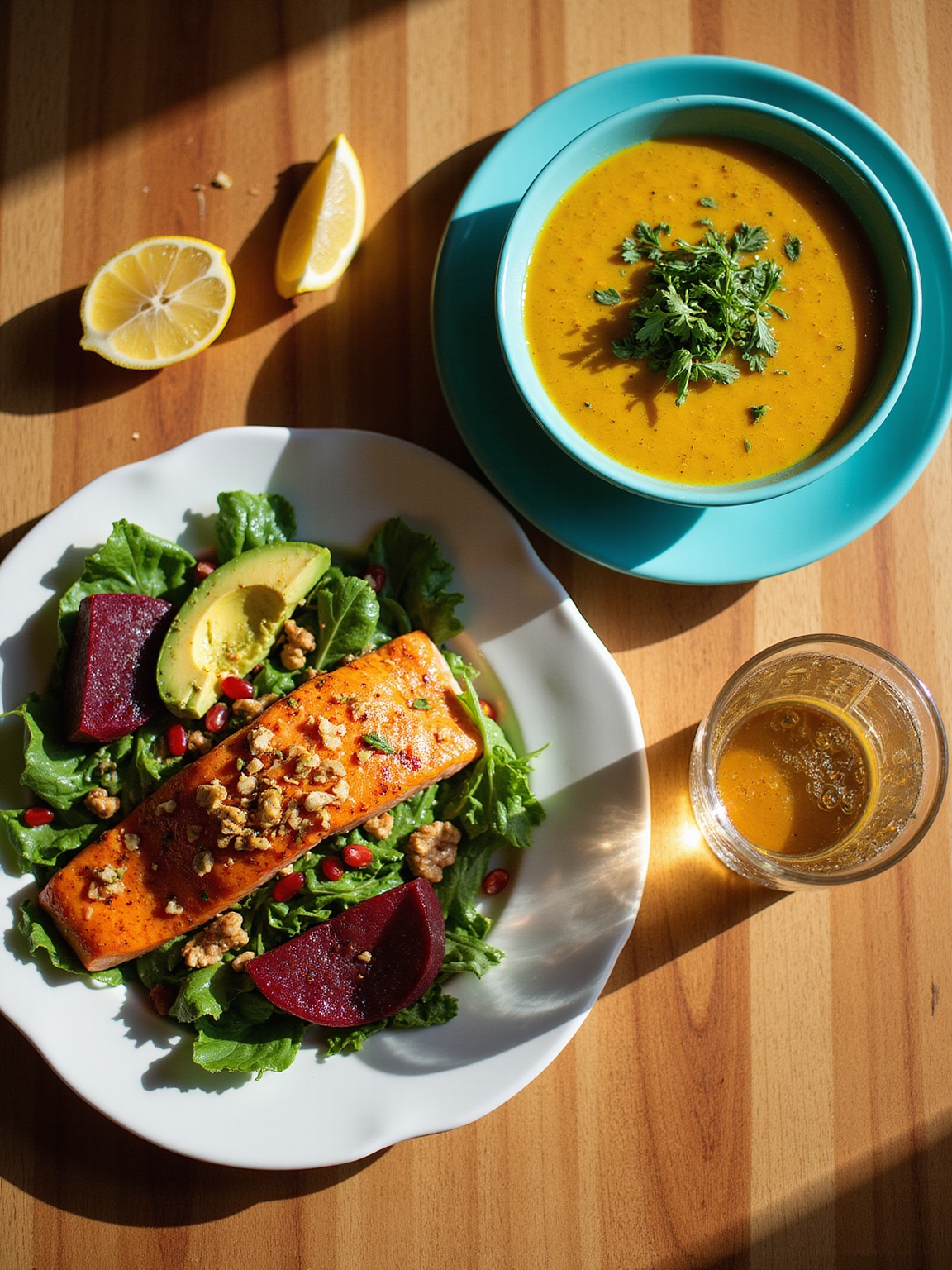
After you’ve sorted out portable, gut-friendly lunches, you’ll want dinners that keep inflammation low without adding evening stress. You’ll use one-pan recipes—salmon with turmeric-roasted veg, chickpea shakshuka, and lemon-garlic chicken—each rich in omega-3s, fiber, and polyphenols shown to lower markers of inflammation. They minimize cleanup and preserve nutrients. Rotate them nightly, pair with leafy greens, and adjust spices for tolerance. Here’s a simple visual to imagine balance:
| Protein | Veggies | Flavor notes |
|---|---|---|
| Salmon | Broccoli, carrots | Turmeric, lemon |
| Chickpeas | Spinach, tomatoes | Cumin, paprika |
| Chicken | Zucchini, peppers | Garlic, oregano |
Snacks & Drinks That Fight Inflammation (And What to Avoid)
Although many snacks and drinks promise quick comfort, choosing ones that lower inflammation will help your energy, mood, and recovery—so focus on options rich in fiber, omega-3s, and polyphenols while skipping high-sugar and highly processed items.
Choose whole-food snacks that stabilize blood sugar and supply antioxidants. Drink water, green tea, or tart cherry juice for hydration and anti-inflammatory compounds. Avoid sugary sodas, packaged baked goods, and fried snack foods.
- Greek yogurt with berries and walnuts
- Hummus with sliced veggies or a small handful of almonds
- Iced green tea or water with lemon
Be practical: plan portions and read labels.
Make the Week Work for Vegetarians, Gluten-Free, or Dairy-Free
If you follow a vegetarian, gluten-free, or dairy-free plan, you can still get the anti-inflammatory nutrients you need by focusing on whole, minimally processed foods and smart swaps that cover protein, fiber, and healthy fats.
Plan meals around legumes, tofu, tempeh, quinoa, and certified gluten-free oats for protein and fiber. Include fatty fish alternatives like chia, flax, and walnuts for omega-3s if you avoid fish. Use olive oil and avocado for monounsaturated fats.
Choose colorful fruits and vegetables, turmeric and ginger for evidence-backed anti-inflammatory effects, and read labels to avoid hidden gluten or dairy.
Cooking Tips to Maximize Anti-Inflammatory Benefits
When you cook with intention, simple techniques can preserve nutrients and boost the anti-inflammatory power of your meals: favor gentle methods like steaming, poaching, and low-temperature roasting to protect heat-sensitive antioxidants (vitamin C, polyphenols), use quick sears or brief stir-fries to limit oil oxidation, add turmeric and black pepper late in the cooking process to enhance curcumin absorption without degrading it, and finish dishes with cold-pressed extra-virgin olive oil, lemon, or fresh herbs to supply beneficial polyphenols and monounsaturated fats.
- Choose whole spices and crush just before use for stronger phytochemical impact.
- Store oils cool, dark, and tightly sealed to prevent rancidity.
- Blanch vegetables briefly to retain color, fiber, and nutrients.
Beat Cravings, Sugar Dips, and Social Eating This Week
You’ll manage cravings this week by choosing smart snack swaps—nuts, yogurt, or a piece of fruit with protein—to keep inflammation-lowering omega-3s and fiber on your side.
Keep blood sugar steady with balanced meals and timed snacks so you avoid energy crashes and the urge to grab sugary options.
For social eating, use simple strategies like suggesting mixed plates, arriving slightly fed, or bringing a small anti-inflammatory dish to share so you stay on track without feeling deprived.
Smart Snack Swaps
Although cravings and social snacks can feel unavoidable, swapping a few key items makes it much easier to stay on track with an anti-inflammatory week; choose protein- and fiber-rich options (like Greek yogurt with berries, hummus and veggie sticks, or a small handful of nuts plus an apple) to stabilize blood sugar, reduce inflammation markers, and keep you satisfied between meals.
Use simple, evidence-backed swaps so you won’t feel deprived. Try these practical choices:
- Roasted chickpeas instead of chips for crunch and fiber.
- Cottage cheese with fruit instead of a granola bar.
- Sliced cucumber and tahini dip instead of creamy spreads.
Stable Blood Sugar
If you steady your meals and include protein, fiber, and healthy fats, you’ll cut the roller-coaster dips that trigger cravings and over-eating at social events. Aim for balanced plates every 3–4 hours: lean protein (fish, beans), high-fiber veg, whole grains, and avocado, nuts, or olive oil.
Evidence shows mixed macronutrients slow glucose spikes and reduce inflammation markers. Hydrate and prioritize sleep; both affect insulin sensitivity.
When hunger hits, choose a small protein-plus-fiber snack to prevent overeating later. Track responses—note energy, mood, and portions—and adjust timing and combinations to keep blood sugar steady all week.
Social-Ready Strategies
Keeping blood sugar steady sets you up to handle social situations without getting derailed by cravings or sugar slumps, and this week you’ll use practical strategies to stay comfortable and confident at gatherings.
You’ll plan, prioritize protein and fiber, and use small behavioral tweaks backed by research to reduce impulsive choices. Practice these three simple approaches to stay social without inflammation-triggering binges:
- Bring a balanced dish you enjoy so you control ingredients and portions.
- Eat a small protein-rich snack before events to blunt spikes and cravings.
- Sip water and pace alcohol; dehydration and rapid drinking worsen sugar swings.
These tactics are doable and evidence-based.
Track Results: Symptoms to Notice and Simple Tweaks
As you follow the 1-week anti-inflammatory plan, track key symptoms daily so you can spot meaningful changes and tweak what isn’t working.
Note pain levels, joint stiffness, fatigue, sleep quality, digestion, mood, and skin changes using a simple 0–10 scale.
Record meals, portion timing, and any supplements to link patterns to outcomes.
After three days, review trends: small steady improvements are meaningful; spikes suggest triggers.
If you see no change, adjust fiber, omega-3s, or processed-sugar intake and continue monitoring.
Share clear notes with your clinician if symptoms persist or worsen.
Troubleshooting: Common Problems and Easy Fixes
If your portions feel off, hidden inflammatory ingredients pop up, or your weight and energy plateau, you’re not alone — these are common and fixable issues.
Start by measuring servings against evidence-based portions, scanning labels for added sugars and refined oils, and tracking energy alongside meals to spot patterns.
Small, practical adjustments—like trading a processed snack for a whole-food alternative or trimming portion sizes by 10–20%—often restore progress within days.
Portion Size Confusion
Because portion sizes vary so much between home cooking and restaurant servings, you can easily overeat even when you pick anti-inflammatory foods — and that undermines progress. You’ll benefit from clear, research-backed portion rules so calories and inflammation markers stay controlled without feeling deprived. Try simple strategies and track results.
- Use a food scale or measuring cups for a week to recalibrate your eye.
- Plate from the kitchen to avoid large-serving dishes and mindless seconds.
- Favor volume from vegetables and lean protein to feel full with fewer calories.
These practical steps reduce confusion and help you stay consistent.
Hidden Inflammatory Foods
Watch out for sneaky ingredients that can quietly ramp up inflammation even when you think you’re eating healthy. You’ll want to scan labels for added sugars, refined oils, and excess salt. Choose whole foods, cook at home, and swap fried items for baked or steamed options. If you have sensitivities, eliminate suspected culprits for two weeks and note changes. Below is a quick reference to check packaging and menus.
| Hidden Ingredient | Common Source |
|---|---|
| Added sugars | Granola, sauces |
| Refined oils | Packaged snacks |
| Trans fats | Fried fast food |
| Excess salt | Canned soups |
| Artificial additives | Processed meats |
Stalled Weight Or Energy
Hidden inflammatory ingredients can sap your energy and stall weight loss, so if you’ve already tightened up labels and cooking methods but still feel stuck, let’s troubleshoot common causes and quick fixes. First, check portion sizes and hidden calories: even healthy fats add up and slow progress. Second, assess sleep, stress, and activity—chronic stress raises inflammation and impairs energy regulation. Third, consider food sensitivities or low-grade infections; eliminating suspect foods for two weeks often reveals improvements.
- Reduce portions of calorie-dense foods and track for three days.
- Prioritize 7–9 hours sleep, short walks, stress breaks.
- Try a guided elimination reintroducing one food weekly.
Next Steps: How to Keep Inflammation Down After Week One
Now that you’ve completed week one, keep inflammation down by turning the habits you started into sustainable, evidence-based routines: prioritize consistent intake of anti-inflammatory foods (fatty fish, leafy greens, berries, nuts), maintain regular sleep and movement patterns, and limit refined carbs, added sugars, and ultra-processed foods that trigger inflammatory pathways. Build gradual, measurable goals — add one fish meal, swap a sugary snack for fruit, aim for 7–9 hours sleep — and track symptoms. Use the table to plan simple swaps and frequency.
| Action | Swap | Frequency |
|---|---|---|
| Breakfast | Sugary cereal → Oats+berries | Daily |
| Snack | Chips → Almonds | 1–2x/day |
| Dinner | Fried → Grilled fish | 3–4x/week |
Conclusion
You’ll eat simple, real foods this week and feel both steadier and lighter — not overnight miracles, but measurable shifts: less bloating, clearer sleep, fewer sugar crashes. You’ll trade processed convenience for easy one‑pan meals and portable snacks, swapping habit for small, evidence‑backed choices. If symptoms don’t budge, tweak portions, add more veggies, or check meds with your clinician. Keep the staples, track results, and let slow, practical change replace quick fixes.