


Imagine swapping your usual cereal for oats topped with berries and walnuts and feeling less bloated by week’s end; you can make that switch easily. You’ll learn what an anti‑inflammatory approach really targets, which foods help or hurt, and simple, budget-friendly meals to prep in batches. I’ll give evidence-based choices and practical swaps so you can start seeing changes in days to weeks — here’s how to build meals that actually work.
What an Anti‑Inflammatory Diet Means
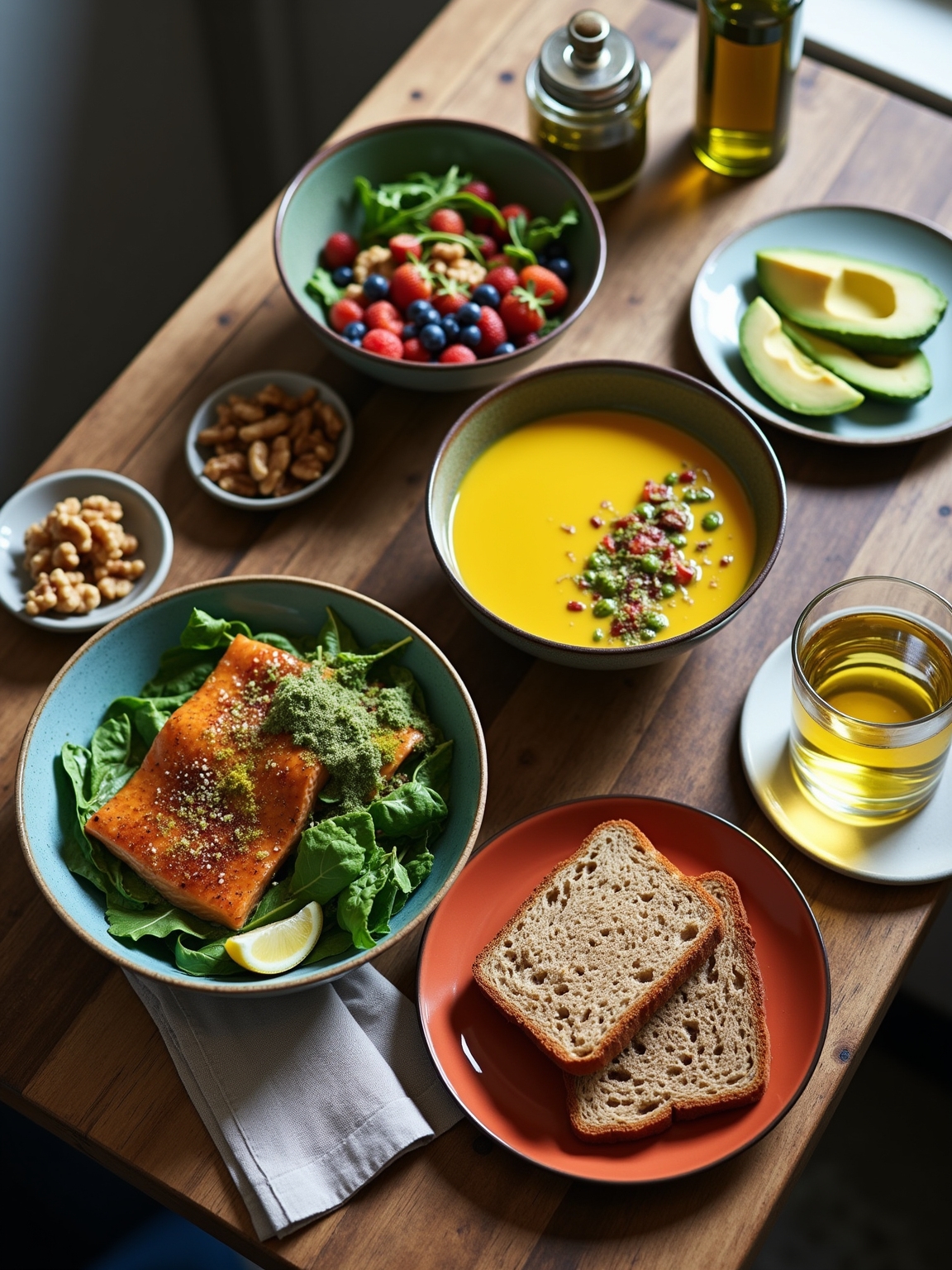
What does an anti‑inflammatory diet actually mean, and why does it matter? You’ll focus on foods that lower chronic, low‑grade inflammation linked to heart disease, diabetes, and some autoimmune conditions.
Research highlights whole fruits, vegetables, fatty fish, nuts, legumes, whole grains, and olive oil for anti‑inflammatory effects via antioxidants, omega‑3s, and fiber. You’ll limit processed foods, refined carbs, excess added sugars, and certain trans fats that promote inflammatory pathways.
An evidence-based approach balances nutrients, portion patterns, and consistency rather than quick fixes. Over time, these dietary shifts can reduce biomarkers like CRP and support long‑term metabolic health. Include pantry staples from an anti‑inflammation grocery list to make those changes practical and sustainable.
Quick Start: What to Eat and Avoid
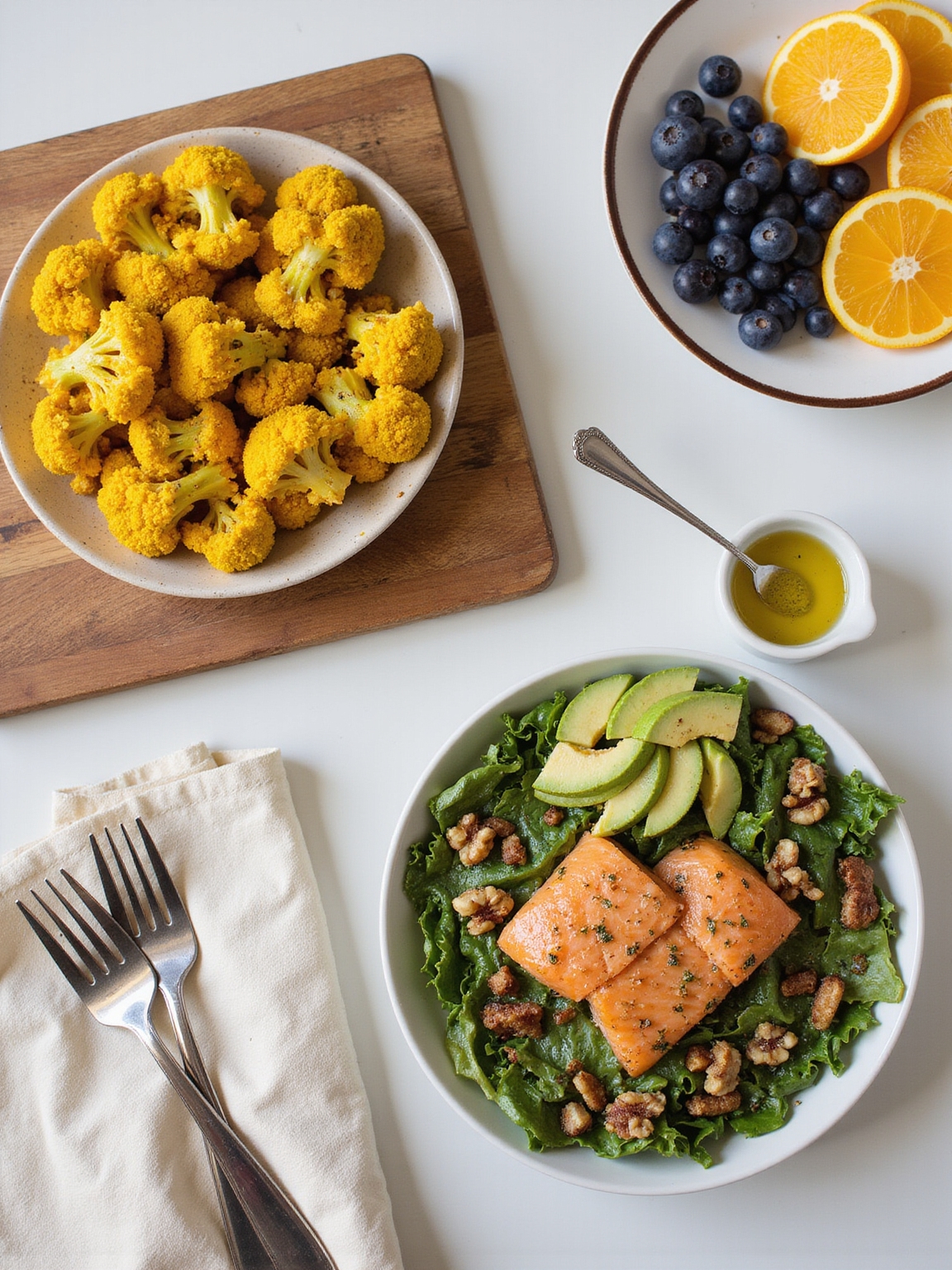
Start by filling your plate with whole, minimally processed foods—think leafy greens, colorful vegetables, fatty fish, nuts, seeds, legumes, and whole grains—because clinical studies link these to lower markers of inflammation.
Cut back on ultra‑processed items, sugary drinks, refined carbs, and excessive red or processed meats, which are consistently associated with higher inflammatory signals.
These practical swaps give you a clear, evidence‑based roadmap to reduce inflammation without feeling deprived.
Evidence shows that following a Mediterranean-style pattern rich in plant foods and healthy fats can lower inflammatory markers over time, emphasizing the role of dietary patterns in reducing chronic inflammation.
What To Eat
When you shift to an anti-inflammatory eating pattern, focus on whole, minimally processed foods that research links to lower inflammation—think colorful vegetables and fruits, fatty fish rich in omega-3s (salmon, sardines), nuts and seeds, whole grains, legumes, and extra-virgin olive oil. You’ll prioritize fiber, antioxidants, and omega-3s while keeping added sugars and refined carbs low. Plan meals around plants and smart proteins; use herbs and spices like turmeric and ginger for evidence-backed benefits. Essential anti-inflammation foods include items you can’t miss and should regularly include in meals to maximize benefit from their anti-inflammatory properties, such as extra-virgin olive oil, fatty fish, and a variety of vegetables and nuts that supply anti-inflammatory fats.
| Category | Examples | Benefit |
|---|---|---|
| Vegetables | Leafy greens, crucifers | Antioxidants, fiber |
| Fish | Salmon, sardines | Omega-3s, EPA/DHA |
| Fats/Seeds | Olive oil, walnuts | Anti-inflammatory fats |
| Legumes/Grains | Lentils, oats | Fiber, stable glucose |
Foods To Avoid
Although you’ll focus mainly on what to include, cutting back on certain foods speeds inflammation reduction: avoid or limit refined carbohydrates (white bread, pastries, sugary drinks), trans and excess saturated fats (fried fast food, many packaged snacks), and high-sugar processed foods, since trials and observational studies link these items to higher inflammatory markers like CRP and IL-6.
Also reduce excessive red and processed meats, ultra-processed ready meals, and artificial additives; they’ve been associated with inflammation and metabolic risk. Favor whole foods instead.
If you smoke or overconsume alcohol, cut back—both potentiate inflammation. Small, sustained changes yield measurable biomarker improvements. Emerging evidence also suggests that improving overall diet quality through whole foods can lower inflammation over time.
Benefits to Expect in 1–8 Weeks
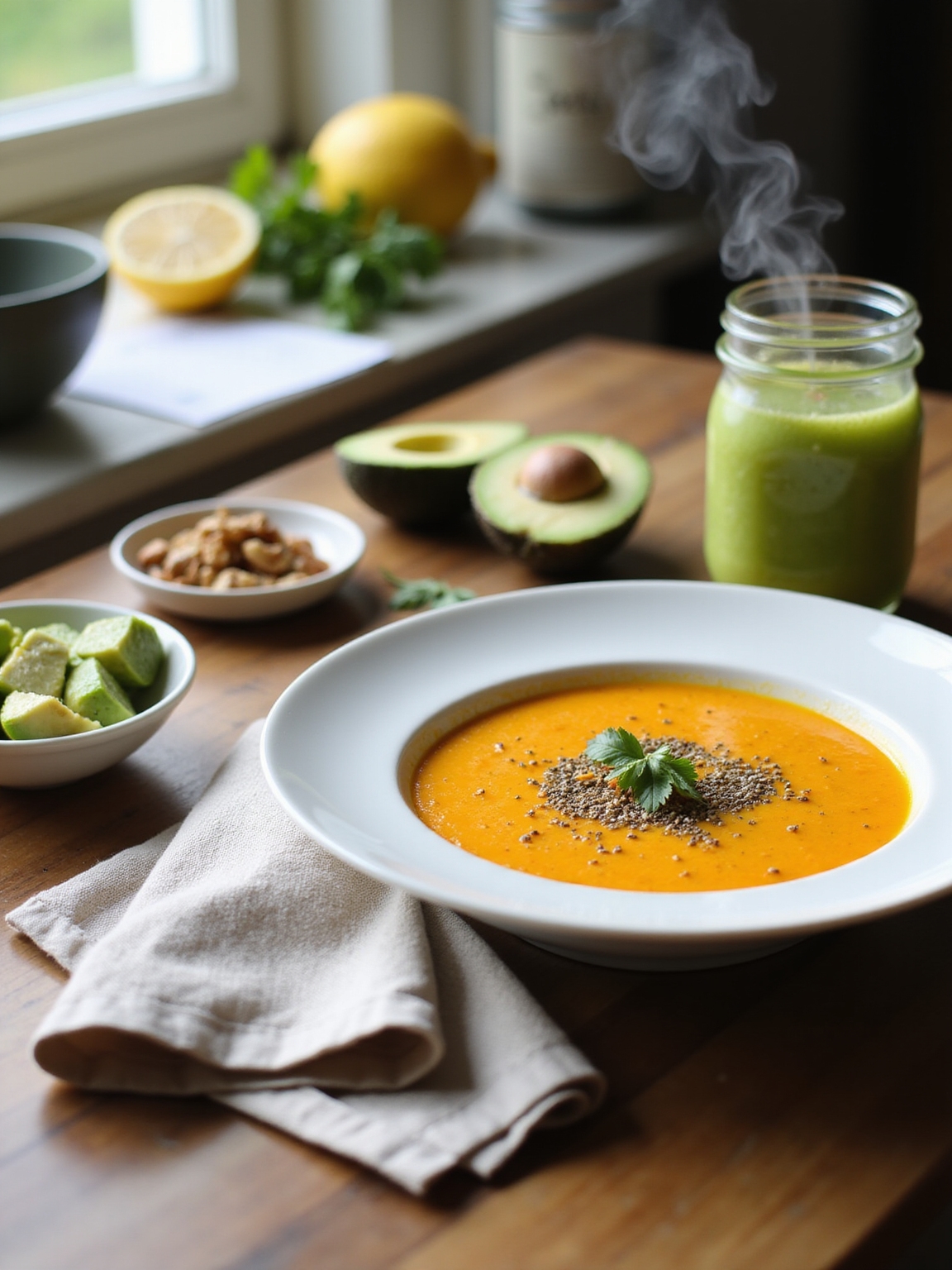
If you stick with an anti-inflammatory eating pattern for the first 1–8 weeks, you’ll likely notice measurable changes: reduced bloating and joint stiffness, steadier energy and blood sugar, and often milder pain or swelling in inflamed areas.
You’ll feel clearer signals from your body as inflammation markers trend down — studies link dietary shifts to reduced CRP and improved metabolic markers within weeks.
Expect gradual improvements; individual response varies with baseline health and adherence. Practical, measurable benefits usually motivate continuation.
- Improved digestion and less bloating.
- Reduced joint pain and stiffness.
- More stable energy and better sleep.
Many people also experience benefits from increased intake of anti-inflammatory foods such as fruits, vegetables, whole grains, nuts, and fatty fish.
Foods to Eat Daily for Anti‑Inflammatory Effects

Regularly choosing anti-inflammatory foods will give your body a steady supply of nutrients shown to lower markers like CRP and support recovery from chronic inflammation.
You should include colorful vegetables (leafy greens, crucifers, peppers), berries rich in anthocyanins, fatty fish high in EPA/DHA, and walnuts or flaxseed for plant omega-3s.
Use extra-virgin olive oil for monounsaturated fats and polyphenols, and eat whole grains and legumes for fiber that feeds beneficial gut microbes.
Add turmeric, ginger, and green tea for evidence-backed bioactives.
Aim for variety and consistent portions to sustain anti-inflammatory signaling and metabolic balance.
Start shopping with this anti-inflammatory foods checklist to make meal planning simple and practical, focusing on Anti Inflammation Diet staples that support long-term health.
Foods to Limit or Stop (Common Inflammatory Culprits)

When you cut back on certain foods, you lower exposure to dietary components that consistently raise markers of inflammation (like CRP, IL-6) and worsen metabolic health.
You’ll feel better when you reduce items shown in trials to provoke inflammatory pathways and oxidative stress. Focus on stopping or limiting:
- Ultra-processed foods and sugary drinks — linked to higher CRP and insulin resistance.
- Refined carbohydrates and baked goods — spike glucose, promote glycation and cytokine release.
- Excess omega-6 vegetable oils and fried foods — create pro-inflammatory lipid mediators when not balanced with omega-3s.
Choose whole, minimally processed alternatives instead. Many people find benefits by prioritizing everyday foods to skip as part of a practical anti‑inflammatory eating pattern.
Pantry Staples for an Anti‑Inflammatory Kitchen
Stocking your pantry with a few targeted staples makes it far easier to cook meals that lower inflammation and support metabolic health.
Keep extra-virgin olive oil and avocado oil for monounsaturated fats and polyphenols; choose cold-pressed where possible.
Store a variety of dried legumes (lentils, chickpeas, black beans) for fiber and resistant starch.
Add nuts and seeds (walnuts, almonds, chia, flax) for omega-3 precursors and magnesium.
Include whole grains like quinoa and oats for low-glycemic carbohydrate and beta-glucans.
Keep a selection of dried herbs, turmeric, black pepper, and green tea for anti-inflammatory phytochemicals and antioxidant support.
Serving Sizes and Simple Meal Templates
You’ll get the most anti-inflammatory benefit when you follow simple portion guidelines—about half your plate vegetables, a quarter lean protein or plant protein, and a quarter whole grains or starchy veg—because consistent proportions help control inflammation-related factors like blood glucose and weight.
Use flexible meal templates (for example: greens + protein + healthy fat + whole grain) to build varied meals without memorizing recipes.
These straightforward rules make it easy to plan meals that match evidence-based recommendations and fit your schedule.
Portion Guide Basics
Because portion sizes shape both calorie intake and nutrient balance, getting them right is one of the most effective ways to reduce inflammation through diet.
You’ll use simple, evidence-based portions: palm-sized protein, fist-sized vegetables, cupped hand for whole grains, and thumb-sized fats. These visual cues align with anti-inflammatory goals—steady blood sugar, adequate fiber, and healthy fats.
- Protein: 3–4 oz per meal (palm) to support repair and modulate inflammation.
- Vegetables: 1–2 fists per meal for fiber and phytonutrients.
- Grains/fats: ½–1 cup grains; 1 thumb fat serving for satiety and omega balance.
Flexible Meal Templates
When you follow flexible meal templates, you get a reliable framework for anti-inflammatory eating that’s easy to adapt to your schedule and preferences. Use serving sizes grounded in research: half your plate nonstarchy vegetables, a quarter lean protein or fatty fish (omega-3s reduce inflammation), and a quarter whole grains or legumes.
Add a thumb-sized portion of nuts or seeds and a tablespoon of olive oil or avocado. Snacks pair fruit with yogurt or hummus with veggies. Rotate templates—Mediterranean bowl, grain-free salad, simple fish-plus-veggies—to maintain nutrient variety while keeping preparation efficient and evidence-based.
7‑Day Starter Meal Plan (For One)
If you want a morning that supports reduced inflammation and steady energy, start with a balanced plate that pairs protein, fiber-rich carbs, healthy fats, and colorful polyphenol sources—this mix helps blunt post-meal glucose spikes and supplies anti-inflammatory nutrients like omega-3s and flavonoids.
Aim for measurable portions and simple prep so you’ll stick with it.
Combine nutrient-dense choices that research links to lower inflammatory markers.
- Greek yogurt, berries, ground flaxseed — protein, polyphenols, ALA.
- Oat porridge with walnuts and cinnamon — beta‑glucan, omega‑3 precursors, anti-inflammatory spice.
- Smoked salmon on whole-grain toast with avocado — EPA/DHA, fiber, monounsaturated fat.
Family‑Friendly Anti‑Inflammatory Meal Ideas
Often you’ll find that making anti-inflammatory meals family-friendly is just about smart swaps and simple flavors that everyone enjoys.
You can replace refined grains with whole grains, swap sugary sauces for tomato- or olive oil–based versions, and boost meals with colorful vegetables and fatty fish rich in omega‑3s.
Aim for balanced plates: lean protein, fiber, and anti‑inflammatory fats to reduce inflammatory markers according to clinical evidence.
Use herbs, citrus, and mild spices to satisfy picky eaters without excess salt or sugar.
Meal prep batch-cooks grains and roasted veggies so you’ll have healthy, appealing options ready.
Breakfasts Under 10 Minutes
You can carry the same family-friendly swaps into quick breakfasts that support lower inflammation without sacrificing flavor or convenience. Choose fiber, healthy fats, and polyphenol-rich ingredients to blunt post-meal inflammatory markers and stabilize blood sugar.
Here are three evidence-aligned options you can assemble fast:
- Greek yogurt with berries, walnuts, and a sprinkle of ground flaxseed — probiotics, omega-3 precursors, and antioxidants.
- Avocado on whole-grain toast topped with lemon and chili flakes — monounsaturated fats plus whole-grain fiber.
- Spinach and tomato omelet or microwaved egg mug with turmeric and black pepper — protein plus anti-inflammatory curcuminoids.
Follow portion guidance and enjoy.
15‑Minute Lunches and Make‑Ahead Options
For fast, inflammation-fighting lunches you can throw together in minutes, focus on protein-packed salads that combine leafy greens, omega-3 rich fish or legumes, and a vinegar-based dressing to help modulate inflammatory markers.
Prep batch-cooked grain bowls on the weekend—think quinoa or farro with roasted vegetables and a lean protein—so you just reheat and assemble during the week.
And keep no-cook snack boxes (nuts, hummus, sliced veggies, and berries) on hand for anti-inflammatory nutrient variety when you’ve got no time to cook.
Quick Protein-Packed Salads
Build salads that deliver a solid dose of inflammation-fighting protein without slowing you down: lean poultry, fatty fish, legumes, and cultured dairy each bring different anti-inflammatory nutrients and amino acid profiles that support tissue repair and immune balance.
You’ll assemble fast, research-backed bowls that stay crisp and safe for hours. Focus on protein portioning, acidic dressings to preserve texture, and herbs rich in polyphenols. Prep tips help you eat consistently.
- Roast chicken + spinach, walnuts, lemon-tahini for omega and arginine.
- Canned salmon, arugula, capers, yogurt-dill for EPA/DHA and probiotics.
- Chickpea, tomato, parsley, olive oil for fiber and polyphenols.
Batch-Cooked Grain Bowls
When you batch-cook whole grains and legumes, you create a fast, nutritionally balanced base that delivers sustained anti‑inflammatory benefits—fiber, resistant starch, magnesium, and B vitamins—so assembling lunches takes minutes rather than meals.
You’ll portion cooked quinoa, brown rice, farro, lentils, or chickpeas into jars or containers.
Combine grain-legume bases with roasted vegetables, leafy greens, a handful of nuts or seeds, and a tart vinaigrette rich in olive oil and turmeric.
Refrigerate for up to five days or freeze individual portions.
This approach preserves texture and nutrient density, supports glycemic control, and reduces decision fatigue during busy weeks.
No-Cook Snack Boxes
You can pair those batch-cooked grain bowls with no-cook snack boxes for truly grab-and-go anti-inflammatory meals. You’ll assemble nutrient-dense, shelf-stable components that need no heating, relying on fiber, omega-3s, and polyphenols shown to lower markers of inflammation.
Pack balanced portions to prevent snacking spikes and support steady blood sugar.
- Mixed nuts, pumpkin seeds, and a few dark chocolate squares for healthy fats and flavonoids.
- Hummus, raw veggies, and whole-grain crackers for fiber and resistant starch.
- Greek yogurt, berries, and ground flaxseed for probiotics, anthocyanins, and ALA.
Simple Dinners You Can Batch‑Cook
Batch-cook dinners that reduce inflammation by focusing on vegetables, whole grains, lean proteins, and anti-inflammatory fats—then portion and refrigerate or freeze for easy reheating.
You’ll rely on evidence showing fiber, omega-3s, and antioxidants lower inflammatory markers, so prioritize leafy greens, crucifers, salmon or legumes, olive oil, nuts, and turmeric.
Cook whole-grain pilafs, roasted vegetable trays, and slow-simmered stews in batches; divide into balanced portions with protein and a veggie-to-grain ratio that suits you.
Label dates, use airtight containers, and reheat gently to preserve nutrients.
This practical routine saves time and supports consistent anti-inflammatory eating.
Anti‑Inflammatory Snacks and Drinks (Portable Ideas)
After you’ve prepped dinners for the week, portable snacks and drinks keep anti-inflammatory goals on track between meals. Choose options rich in fiber, omega-3s, polyphenols, and low in added sugar to reduce inflammatory signaling. Pack combinations that stabilize blood sugar and supply antioxidants.
- Chia-seed pudding with berries — omega-3s and anthocyanins support endothelial health.
- Handful of walnuts plus an apple — plant protein, fiber, and ALA reduce cytokine activity.
- Green tea or turmeric-ginger iced infusion — evidence shows catechins and curcumin modulate inflammation.
Rotate these to sustain benefits and variety.
Budget Grocery List and Shopping Tips
You can build an anti-inflammatory pantry on a budget by focusing on versatile staples like canned beans, whole grains, frozen berries, olive oil, and affordable spices that research links to lower inflammatory markers.
Plan your shopping around seasonal produce and sales so you get higher nutrient density per dollar and better flavor without breaking the bank.
With a short list and a price-check routine, you’ll spend less time guessing and more time preparing meals that support long-term inflammation reduction.
Pantry Staples On Budget
Often overlooked, a well-curated pantry is the cornerstone of an affordable anti-inflammatory diet: stocking versatile, nutrient-dense staples lets you assemble balanced meals quickly while cutting food waste and grocery costs.
You’ll prioritize whole grains, legumes, canned tomatoes, olive oil, vinegar, dried herbs, spices (turmeric, cinnamon), and shelf-stable nuts or seeds. These support polyphenol, fiber, and omega-rich patterns linked to reduced inflammation.
- Grains & legumes: brown rice, oats, lentils — cheap, fiber-rich, support gut health.
- Canned/boxed basics: tomatoes, broth, tuna — convenient, low-cost nutrient boosts.
- Flavor & fats: extra virgin olive oil, vinegar, spices, seeds — anti-inflammatory compounds.
Smart Seasonal Shopping
While buying what’s in season, you’ll get produce at peak flavor and nutrient density, and pay less per serving than for out-of-season items.
Use a simple budget grocery list: leafy greens, crucifers, berries, citrus, beans, whole grains, nuts, fatty fish (or canned), and spices like turmeric.
Check farmers’ markets and CSA shares for fresher, often cheaper options; frozen fruit and vegetables retain nutrients if fresh costs spike.
Compare unit prices and plan recipes around weekly sales.
Buy versatile staples in bulk, portion and freeze to reduce waste.
Small adjustments yield consistent anti-inflammatory benefits without overspending.
Flavor Swaps, Seasoning Blends, and Troubleshooting
Swap in bright herbs and warming spices to boost anti-inflammatory benefits without sacrificing taste. You’ll replace salt and processed blends with turmeric, ginger, rosemary, and citrus zest—ingredients shown to modulate inflammatory pathways.
Make your own mixes so you control sodium and additives. If a dish tastes flat, add acid (lemon, vinegar) or umami (miso, anchovy, nutritional yeast) rather than more salt. If a spice overwhelms, toast it briefly to soften bitterness.
Track reactions to ingredients; individual responses vary.
- Blend: turmeric + black pepper + cumin.
- Brighten: lemon zest + parsley + garlic.
- Fix: vinegar splash or a pinch of salt.
Conclusion
You’re set to lower inflammation with simple swaps—leafy greens, berries, fatty fish, whole grains, nuts, and olive oil—while cutting back on processed foods, excess sugar, and trans fats. Studies show plant-forward diets can reduce markers like C‑reactive protein by ~20% in weeks, so you’ll likely feel less puffiness and more energy within 1–8 weeks. Keep batch-cooking staples, use bold herbs and citrus, and tweak portions to fit your budget and taste.


