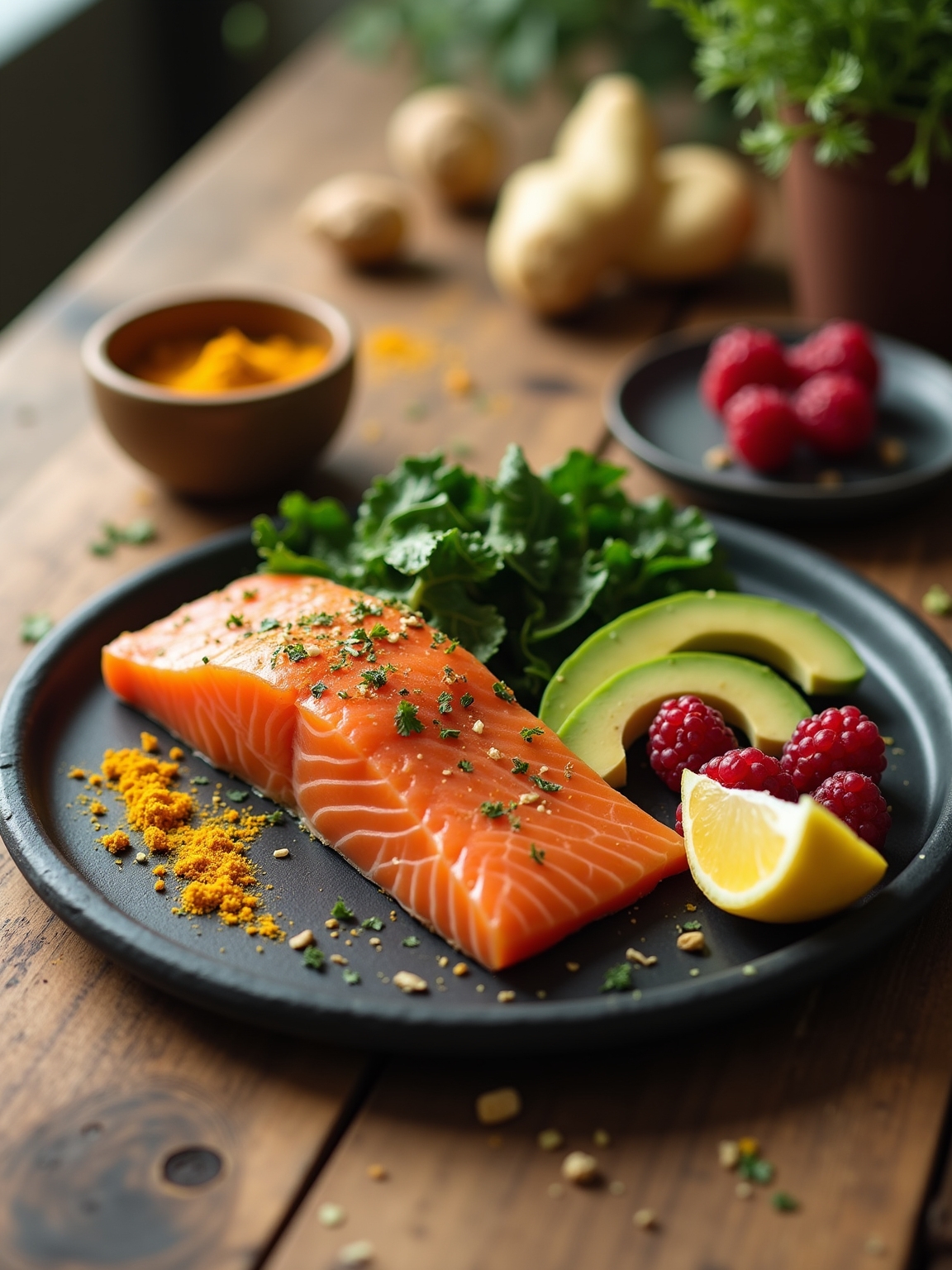

A practical guide presents gluten‑free, anti‑inflammatory food choices grounded in evidence and real‑world cooking. It outlines what to eat, simple swaps, and quick recipes that favor whole foods, healthy fats, and spices like turmeric and ginger. Recommendations are mindful of individual needs and when to consult a clinician. Read on for clear meal ideas and prep tips that make anti‑inflammatory eating easier to start.
What a Gluten‑Free Anti‑Inflammatory Diet Is (Quick Explainer)

As a practical framework for reducing chronic inflammation while avoiding gluten, a gluten‑free anti‑inflammatory diet combines evidence‑based food choices—whole, minimally processed foods rich in omega‑3s, fiber, antioxidants, and phytonutrients—with the strict exclusion of gluten-containing grains; this approach aims to lower inflammatory markers, ease symptoms related to celiac disease or nonceliac gluten sensitivity, and support overall metabolic health.
It emphasizes fatty fish, nuts, seeds, colorful vegetables, legumes tolerated without cross‑contamination, gluten‑free whole grains (like brown rice and quinoa), and anti‑inflammatory herbs. Portion control, consistent meal timing, and attention to individual triggers help translate science into manageable daily practice. This list also highlights essential pantry staples you should never skip, such as olive oil, turmeric, and canned wild salmon for convenience and nutrition essential pantry.
Quick Starter Plan: What to Eat Today

For someone beginning a gluten‑free anti‑inflammatory plan today, a simple, evidence‑based day of meals emphasizes whole foods that reduce inflammation while avoiding gluten exposure: start with a breakfast of plain Greek yogurt (or a fortified dairy‑free alternative) topped with berries, ground flaxseed, and a sprinkle of chopped walnuts; for lunch choose a large salad of mixed greens, roasted sweet potato, quinoa, chickpeas, avocado, and a turmeric‑lemon vinaigrette; an afternoon snack of carrot sticks with hummus or a small handful of almonds sustains energy; and dinner can feature grilled salmon with steamed broccoli and brown rice, finished with herbs like rosemary and a drizzle of extra‑virgin olive oil—hydration, consistent meal timing, and attention to any individual trigger foods complete the practical, day‑one framework. This approach aligns well with the principles of the Energizing Anti‑Inflammatory Mediterranean Diet, which emphasizes extra‑virgin olive oil and other whole foods to support energy and reduce inflammation.
Who Benefits : And When to Consult Your Provider

A gluten‑free anti‑inflammatory approach may benefit people with celiac disease, non‑celiac gluten sensitivity, or chronic inflammatory conditions seeking symptom relief and improved quality of life.
Clinical evidence supports trying dietary changes when symptoms persist despite standard care, but individual responses vary and nutrient adequacy should be monitored.
Patients with significant weight loss, persistent gastrointestinal bleeding, severe symptoms, or complex medical conditions should consult their healthcare provider before making major dietary changes.
An anti‑inflammation diet plan can help people stay on track with consistent food choices and lifestyle habits, especially when paired with structured guidance.
Who Should Try
Who stands to gain most from a gluten-free anti-inflammatory eating pattern depends on individual health needs and diagnostic findings.
Those with celiac disease, confirmed nonceliac gluten sensitivity, or autoimmune conditions linked to gluten often experience measurable symptom reduction.
Individuals with chronic inflammatory markers or digestive symptoms unexplained by other causes may also benefit as part of diagnostic trials.
Athletes or wellness-focused people seeking reduced dietary inflammation can try it short-term while monitoring performance and biomarkers.
Careful planning prevents nutrient gaps; collaboration with a registered dietitian or clinician guarantees testing, appropriate supplementation, and evaluation of symptom change over time.
Also consider trying Anti-Inflammatory Low FODMAP Meals as part of a short-term trial to identify symptom triggers and reduce gut inflammation.
When To See Provider
When should a healthcare professional be consulted about adopting a gluten-free anti-inflammatory diet? A clinician should be involved when medical conditions, medications, or diagnostic clarity affect safety and effectiveness. Collaboration guarantees nutritional adequacy, monitors symptom changes, and prevents inadvertent harm.
- New or suspected celiac disease, positive serology, or unclear diagnosis.
- Chronic autoimmune conditions (e.g., rheumatoid arthritis, IBD) needing coordinated care.
- Significant weight loss, nutrient deficiencies, or complex medication regimens.
- Pregnancy, breastfeeding, children, or elderly persons requiring tailored guidance.
Evidence-based assessment, testing, and follow-up optimize outcomes and reduce unnecessary dietary restriction. Include naturally anti-inflammatory, gluten-free whole foods like fruits, vegetables, fatty fish, nuts, seeds, and legumes to support overall health and reduce inflammation anti-inflammatory foods.
Top Inflammatory Foods to Avoid (And What to Swap In)

Often overlooked, certain common foods can drive inflammation and undermine the benefits of a gluten-free, anti-inflammatory eating plan; identifying and replacing these items with evidence-backed alternatives helps reduce symptoms and support long-term health.
Highly processed gluten-free packaged snacks, fried foods, and refined sugars often elevate inflammatory markers; swapping them for whole-food snacks like nuts, seeds, or rice cakes with hummus reduces glycemic spikes and oxidative stress.
Limit processed meats and trans fats by choosing grilled lean poultry or oily fish alternatives.
Minimize excess alcohol and sugary beverages, replacing them with water, herbal tea, or sparkling water with citrus for hydration without added sugars.
Keep pantry staples like olive oil, fatty fish, nuts, and colorful produce on hand to support an anti-inflammatory approach and overall wellbeing, with an emphasis on essential anti-inflammatory items.
Gluten‑Free Anti‑Inflammatory Foods to Prioritize

Starting with a foundation of whole, minimally processed foods, individuals following a gluten-free, anti-inflammatory plan can prioritize choices shown to reduce inflammatory markers and support healing.
Emphasis is on fiber, antioxidants, and phytonutrients that modulate immune responses and promote gut integrity.
Practical swaps and portion awareness make adherence sustainable and therapeutic.
- Colorful vegetables (leafy greens, crucifers, bell peppers) rich in polyphenols and fiber.
- Low-glycemic fruits (berries, cherries) providing potent antioxidant activity.
- Whole gluten-free grains (quinoa, buckwheat, millet) for fiber and micronutrients.
- Anti-inflammatory herbs and spices (turmeric, ginger, rosemary) to reduce cytokine activity.
Including an anti-inflammation diet shopping list can help people plan meals and stay consistent with these food choices.
Omega‑3 Seafood, Nuts, and Seeds

Evidence indicates that omega‑3–rich foods can help reduce chronic inflammation, so recommendations often include wild salmon for its high EPA/DHA content.
Practical, gluten‑free options like walnuts and ground flaxseed provide plant-based ALA and can be easily added to meals for extra anti‑inflammatory support.
Clinicians and dietitians typically suggest regular, portion‑controlled servings and attention to sourcing to balance benefits and contaminants.
Wild Salmon Benefits
Wild salmon is a nutrient-dense choice for a gluten-free, anti-inflammatory diet, supplying high-quality protein alongside abundant long-chain omega-3 fatty acids (EPA and DHA) that reduce systemic inflammation and support cardiovascular and cognitive health.
Its vitamin D, selenium, and B vitamins further aid immune balance and metabolic function. Thoughtful sourcing minimizes contaminants while preserving omega-3 benefits.
Practical preparation—grilling, baking, or poaching—retains nutrients without added gluten. Gentle portioning and pairing with vegetables amplify anti-inflammatory effects and dietary adherence.
- Choose wild-caught for higher omega-3 ratios.
- Aim for two 3–4 oz servings weekly.
- Use simple herbs and citrus.
- Avoid breaded or fried preparations.
Walnuts And Flax
After highlighting the anti-inflammatory value of wild salmon, attention turns to plant-based sources of omega-3s that complement seafood in a gluten-free regimen: walnuts and flaxseed.
Evidence shows walnuts supply alpha-linolenic acid (ALA), polyphenols, and vitamin E, supporting cardiovascular and inflammatory markers.
Ground flaxseed delivers concentrated ALA plus lignans and fiber, aiding gut health and satiety.
Practical guidance favors daily portions — a small handful of walnuts or one tablespoon of ground flax — and grinding flax to maximize absorption.
Those with allergies or medication interactions should consult clinicians.
Incorporating these foods offers accessible, research-backed anti-inflammatory benefits for gluten-free eaters.
High‑Antioxidant Fruits & Vegetables to Focus On

Why prioritize certain fruits and vegetables for an anti‑inflammatory, gluten‑free diet? Emphasizing high‑antioxidant produce helps reduce oxidative stress, support immune balance, and provide vitamins and fiber without gluten.
Practical choices are nutrient-dense, versatile, and backed by research showing lower inflammation markers when consumed regularly.
- Berries (blueberries, strawberries) — rich in anthocyanins and vitamin C; freeze for smoothies.
- Leafy greens (kale, spinach) — high in carotenoids and polyphenols; use raw or lightly sautéed.
- Cruciferous vegetables (broccoli, Brussels sprouts) — contain sulforaphane; roast or steam.
- Tart cherries and red grapes — anti‑inflammatory flavonoids; snack or add to salads.
Gluten‑Free Whole Grains & Grain Alternatives

For those following a gluten‑free, anti‑inflammatory plan, choosing whole grains and grain alternatives that deliver fiber, phytonutrients, and a low inflammatory load is essential; options like quinoa, buckwheat, millet, sorghum, and certified gluten‑free oats provide complex carbohydrates and micronutrients while processed gluten‑free flours (rice, tapioca) should be used sparingly.
These choices support gut health, steady blood sugar, and satiety. Practical tips include prioritizing intact grains, rinsing and cooking to reduce lectins, rotating grains to diversify nutrients, and favoring whole‑grain forms over refined mixes. Portion control and pairing with anti‑inflammatory fats and vegetables optimize benefits.
Testing Tolerance: Dairy, Legumes, and Nightshades

After a period of symptom-focused elimination, the next step is a structured dairy trial to assess whether removing or reintroducing milk products changes inflammation markers or symptoms.
Reintroduction of nightshades and legumes should follow a controlled, one-food-at-a-time schedule with symptom tracking and, when available, objective measures such as CRP or clinician-guided assessments.
This cautious, evidence-informed approach helps distinguish true intolerances from coincidental symptom variation and supports personalized, sustainable choices.
Dairy Elimination Trials
In conducting a dairy elimination trial, the individual approaches the process as a structured experiment designed to reveal whether dairy contributes to inflammation or symptom persistence; evidence from elimination-rechallenge protocols shows this method can clarify cause-and-effect when done systematically.
The approach is empathetic and practical: set a clear baseline, track symptoms objectively, and allow sufficient time for effects to appear.
- Define start date, specific dairy items removed, and measurable symptoms to monitor.
- Commit to a 2–6 week elimination while recording changes daily.
- Reintroduce one dairy type at a time, observing for recurrence.
- Consult a clinician for guidance and nutrient substitution.
Nightshade And Legume Reintroduction
Approaching nightshade and legume reintroduction as a controlled, stepwise experiment helps clarify whether these food groups influence inflammation or symptoms after a dairy elimination trial.
The reader is advised to reintroduce one category at a time, starting with small portions and tracking symptoms for 3–5 days before advancing.
Use single-ingredient foods (e.g., cooked lentils, roasted eggplant) and keep a symptom log noting pain, digestion, energy, and skin changes.
If symptoms recur, pause and reassess after a washout.
Consider repeating challenges or seeking testing and clinical guidance to interpret results and plan a sustainable, personalized diet.
Pantry Staples for Fast Anti‑Inflammatory Meals

With a few thoughtfully chosen ingredients on hand, anyone seeking quicker anti‑inflammatory meals can assemble nourishing dishes without sacrificing efficacy; evidence supports stocking gluten‑free whole grains (like brown rice and quinoa), legumes, extra‑virgin olive oil, canned oily fish, nuts and seeds, and a supply of dried or jarred turmeric, ginger, and garlic to enable frequent, low‑effort meals rich in fiber, omega‑3s, and polyphenols.
Pantry organization and simple rotation reduce waste and support consistent intake. Practical labeling, portioned nuts, and pre‑cooked grains speed preparation.
Suggested staples provide versatility for salads, bowls, soups, and snacks while aligning with anti‑inflammatory goals.
- Mixed nuts and seeds
- Canned sardines or salmon
- Dried turmeric, ginger, garlic
- Cooked brown rice/quinoa (frozen portions)
Simple Swaps to Make Comfort Food Anti‑Inflammatory
Many people can preserve the comfort of familiar dishes by replacing refined grains with gluten‑free whole grains like brown rice, quinoa, or buckwheat, which provide more fiber and lower glycemic impact.
Introducing anti‑inflammatory fats — extra virgin olive oil, avocado, and omega‑3 sources such as chia or flax — can further reduce inflammatory triggers while keeping meals satisfying.
Practical examples and portion guidance help translate these swaps into everyday recipes without sacrificing taste.
Swap Refined Grains
When reworking comfort foods to reduce inflammation, swapping refined grains for whole, minimally processed alternatives can lower glycemic load and increase fiber and micronutrient intake; evidence links these changes to improved markers of inflammation in many studies. The recommendation centers on practical, gluten‑free choices that maintain texture and satisfaction while supporting metabolic and gut health.
- Replace white rice with quinoa or buckwheat for protein, fiber, and minerals.
- Choose brown or wild rice blends over polished varieties to slow glucose spikes.
- Use oat or chickpea flour in baking to boost soluble fiber.
- Pick intact grains like millet and sorghum in pilafs and bowls.
Boost Healthy Fats
Swapping refined grains for whole, gluten‑free alternatives sets up the rest of a comfort‑food makeover by creating room to improve fat quality without sacrificing satisfaction. The guidance emphasizes replacing butter and processed oils with sources higher in monounsaturated and omega‑3 fats, which reduce inflammatory markers. Practical swaps include olive oil, avocado, chia and flax; portion control and cooking methods preserve flavor while limiting damaged fats. Evidence supports modest benefits when these fats replace saturated and trans fats. Simple, empathetic coaching—small changes, familiar recipes—helps adherence and measurable improvement in inflammation-related outcomes.
| Replace | With |
|---|---|
| Butter | Olive oil |
| Margarine | Avocado |
| Vegetable oil | Flax/chia oil |
7 Easy Meal Ideas for Busy Weekdays
For busy weekdays, practical gluten-free, anti-inflammatory meals prioritize simple ingredients, minimal prep, and predictable nutrition so adherence remains realistic. The tone remains empathetic and evidence-focused, offering options that reduce inflammatory triggers while fitting tight schedules.
Suggestions favor whole foods, lean proteins, vegetables, and anti-inflammatory spices, with strategies like batch cooking and smart leftovers to preserve nutrient density and save time.
- Mason jar salads with quinoa, kale, roasted sweet potato, and olive oil-lemon dressing.
- Sheet-pan salmon with broccoli and turmeric-garlic drizzle.
- Stir-fry with tofu, mixed veggies, ginger, and tamari.
- Overnight oats with chia, berries, and walnuts.
Quick Recipes: Turmeric Soup & Citrus Grilled Fish
Shifting from batch-friendly salads and sheet-pan dinners, two quick recipes offer compact, nutrient-rich options that suit busy schedules while targeting inflammation: a turmeric-forward soup and a citrus-grilled fish.
The soup combines turmeric, ginger, garlic, and bone or vegetable broth with blended carrots and cauliflower for beta‑carotene, fiber, and curcumin absorption aided by a touch of black pepper and healthy fat.
The fish, marinated briefly in citrus juice, olive oil, and herbs, grills in minutes, supplying omega‑3s and vitamin D.
Both recipes prioritize simple, anti‑inflammatory ingredients and straightforward techniques for reliable weeknight preparation.
Meal Prep and Budget Shopping Tips
With an eye on time and cost, meal prep strategies that prioritize whole, anti‑inflammatory staples—such as frozen vegetables, canned beans, whole grains, and affordable fatty fish—can reduce both grocery bills and decision fatigue while supporting consistent nutrient intake.
The tone remains practical and evidence‑focused: plan two protein-forward meals, batch-cook grains, portion salads into jars, and freeze single‑serve portions.
Shopping lists anchored to weekly menus minimize waste and impulse buys.
Emphasize versatile spices (turmeric, garlic, oregano) and simple swaps (olive oil for margarine) to boost anti‑inflammatory value.
- Batch-cook proteins and grains
- Buy frozen and canned staples
- Portion and freeze single meals
- Use strategic spice swaps
Track Progress: Symptoms, Timelines, and Next Steps
After establishing time- and cost-saving meal habits, tracking how those changes affect symptoms and timelines helps determine what works and what needs adjustment.
The individual logs daily meals, symptom severity, sleep, energy, and bowel changes, noting portions and ingredients to identify triggers.
Use simple charts or apps to visualize trends over weeks; clinical improvement often appears within 2–12 weeks depending on condition.
Regular reviews with a clinician or dietitian verify patterns and adjust interventions, such as reintroducing foods or testing for deficiencies.
Celebrate small gains, document setbacks objectively, and set clear next steps based on data and personal goals.
Conclusion
Like a gardener tending varied beds, the reader can cultivate a gluten‑free, anti‑inflammatory plate that yields clearer days and steadier energy. Evidence guides plant‑forward choices—omega‑3 fish, colorful produce, olive oil, turmeric—and practical swaps replace processed triggers. This approach is empathetic to real lives: simple recipes, sensible shopping, and symptom tracking help measure change. When uncertainty persists, a clinician’s counsel can prune and refine the plan for lasting wellbeing.