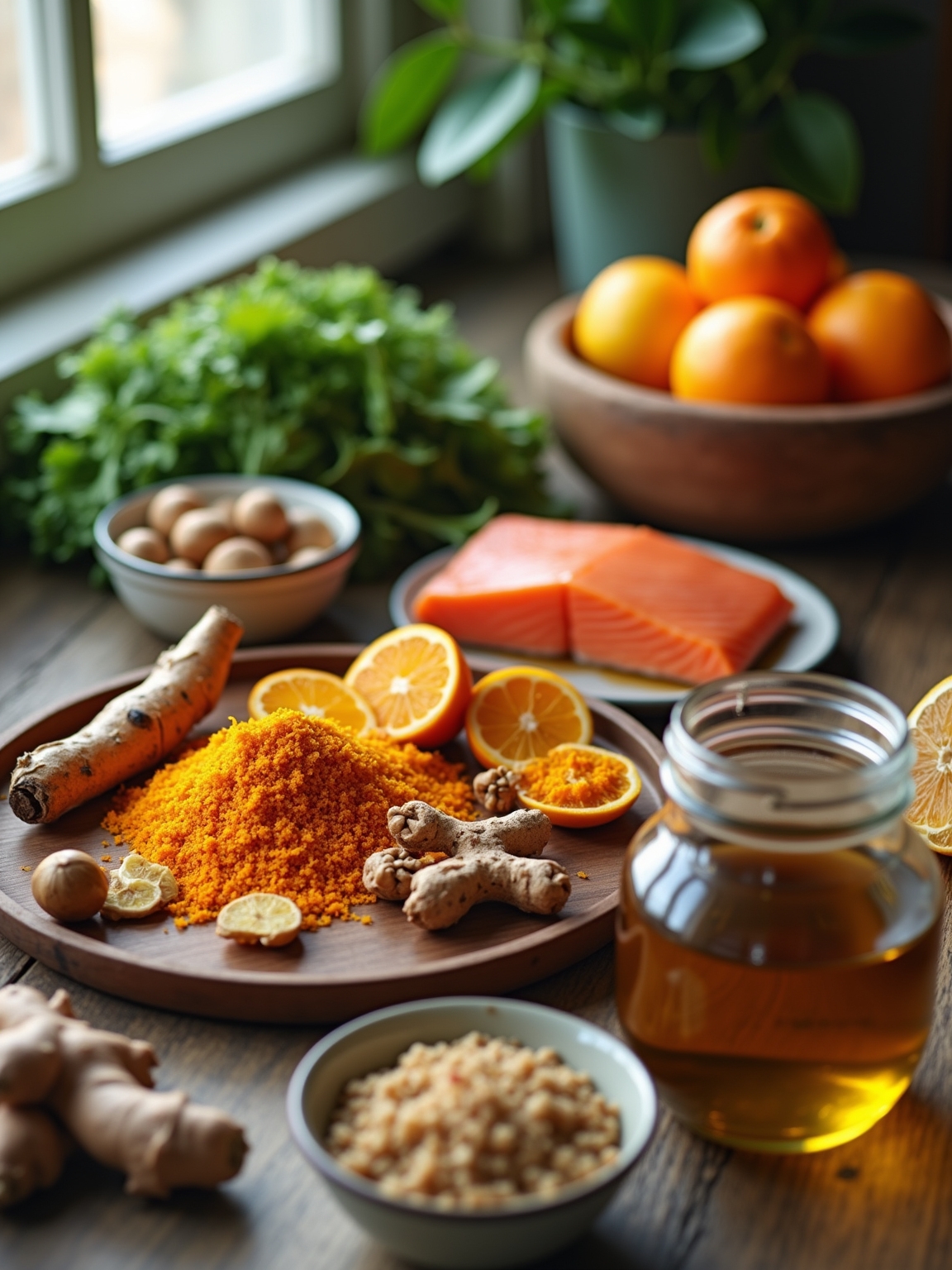

Slow cooking suits an anti-inflammatory approach because low heat preserves nutrients and softens fibers, making vegetables and legumes easier to digest. Practical recipes pair lean proteins, whole grains, colorful vegetables, and proven spices like turmeric and ginger to lower inflammatory markers. The slow-cooker also simplifies batch meals and portion control, reducing reliance on processed convenience foods—and there are simple swaps and timing tricks that make the method even more effective.
Why Slow Cooking Helps Reduce Inflammation

Explaining why slow cooking can help reduce inflammation begins with how heat and time transform ingredients: prolonged, low-temperature cooking preserves heat-sensitive nutrients like omega-3s and certain polyphenols while breaking down tough connective tissue and fibers into more digestible forms that ease gut burden.
Research indicates gentle cooking minimizes formation of pro-inflammatory advanced glycation end products compared with high-heat methods.
Slow cooking also concentrates flavors, reducing reliance on salt and processed sauces.
Practical choices—lean proteins, fatty fish, colorful vegetables, whole grains, and anti-inflammatory spices like turmeric and ginger—optimize nutrient retention and bioavailability, supporting a meal pattern aligned with reduced inflammatory markers.
Using a Crockpot can make it easier to consistently prepare these anti-inflammatory meals with minimal hands-on time.
Quick-Start: 3 No-Fuss Anti-Inflammatory Crockpot Meals

Three simple crockpot recipes can become weeknight dinner staples by combining affordable proteins, fibrous vegetables, and flavor-forward anti-inflammatory spices like turmeric, ginger, and garlic.
Each recipe emphasizes practical ingredient swaps—replacing processed broths with low-sodium options, refined grains with quinoa or barley, and seed oils with olive or avocado oil—to lower inflammatory load without sacrificing taste.
These no-fuss meals require minimal prep, reliable cooking times, and produce leftovers that support consistent, evidence-based dietary change.
Meal-prep strategies like batch-cooking and portioning into containers make it easier to maintain an anti-inflammatory routine and save time during busy weeks.
Weeknight Dinner Staples
For busy weeknights, a trio of no-fuss anti-inflammatory crockpot meals can deliver nutrient-dense, low-effort dinners that align with current dietary recommendations for reducing chronic inflammation.
Each recipe centers on lean protein, colorful vegetables, and anti-inflammatory spices, cooked low-and-slow to preserve nutrients and maximize flavor with minimal hands-on time. Batch-cook portions for easy reheating, pairing with whole grains or leafy salads to increase fiber and polyphenol intake.
Practical timing tips—overnight or before work—ensure ready-to-eat meals. Simple swaps and measured seasoning keep sodium and added sugars low, supporting consistent, evidence-based dietary patterns for inflammation control.
These meals draw on Everyday Anti-Inflammatory Meal Ideas to make anti-inflammatory eating practical and sustainable, emphasizing whole foods and simple preparation methods.
Anti-Inflammatory Ingredient Swaps
Centered on simple, evidence-backed swaps, this quick-start guide shows how modest ingredient changes transform three crockpot meals into consistently anti-inflammatory options without extra effort.
It recommends replacing refined grains with quinoa or steel-cut oats, swapping seed oils for extra-virgin olive oil, and using wild salmon or beans instead of processed meats.
Add turmeric, ginger, garlic, and a pinch of black pepper for bioavailable curcumin.
Increase leafy greens and colorful vegetables; choose low-sugar tomato sauces and whole spices over mixes with additives.
Portions of nuts and seeds provide healthy fats.
These targeted swaps preserve flavor while aligning meals with anti-inflammatory evidence.
Common staples like extra-virgin olive oil, turmeric, and leafy greens are essential for an anti-inflammatory grocery list and practical for crockpot cooking, making them easy to keep on hand for everyday meals with anti-inflammatory staples.
Pantry Staples for Anti-Inflammatory Crockpot Cooking

A well-stocked anti-inflammatory crockpot pantry centers on a handful of spices with consistent evidence of benefit—turmeric, ginger, cinnamon, and black pepper—and dried herbs like oregano and rosemary for flavor and antioxidant support.
Equally important are long-lasting staples such as canned tomatoes, lentils, bone or vegetable broth, and extra-virgin olive oil to provide base nutrition and convenient meal-building blocks.
Keeping these items on hand simplifies meal prep and makes it practical to assemble balanced, inflammation-conscious slow-cooker dishes.
Including a variety of whole plant foods also helps ensure adequate antioxidant intake and fiber for overall anti-inflammatory benefits.
Essential Anti-Inflammatory Spices
Which spices most reliably reduce inflammation when added to slow-cooked meals? Research highlights turmeric (curcumin) and ginger for robust anti-inflammatory effects; both tolerate long, low-heat cooking and pair well with black pepper to boost absorption.
Cinnamon and cloves provide antioxidant support and warmth, complementing savory stews. Cumin and coriander offer modest anti-inflammatory and digestive benefits without overpowering flavors.
Rosemary and oregano contribute polyphenols that remain stable during slow cooking.
Practical use: combine turmeric with pepper and fat, add ginger later for brightness, and sprinkle aromatic herbs toward the end to preserve volatile compounds and maximize benefit.
Including anti-inflammatory staples like fresh ginger and turmeric on your shopping list makes it easy to keep these ingredients on hand for crockpot meals.
Long-Lasting Shelf Ingredients
For pantry-minded cooks building anti-inflammatory crockpot meals, shelf-stable staples that combine proven bioactivity with long storage life make meal planning simpler and more effective.
A curated pantry includes dried legumes, canned wild salmon or sardines, extra-virgin olive oil, apple cider vinegar, and low-sodium bone or vegetable broth powder; each offers omega-3s, polyphenols, or collagen precursors linked to reduced inflammation.
Also useful are whole grains (quinoa, brown rice), dried mushrooms, turmeric powder paired with black pepper, and mixed nuts or seeds.
Rotation, airtight storage, and periodic freshness checks preserve potency and guarantee ready access to nutrient-dense crockpot building blocks.
Keeping a variety of these staples on hand supports consistent meal prep and helps maintain an anti-inflammatory pantry.
Best Anti-Inflammatory Spices for Slow Cookers

Often overlooked, the choice of spices in slow-cooker recipes can meaningfully influence inflammation-related pathways: turmeric, ginger, cinnamon, cloves, and black pepper contain compounds with reproducible anti-inflammatory effects in cellular and clinical studies, and their low cooking temperatures preserve bioactivity better than high-heat methods.
Slow simmering releases volatile oils; adding spices early yields gentle infusion, while finishing with fresh ginger or black pepper preserves pungency and bioavailability.
Practical combinations—turmeric plus black pepper for curcumin absorption, cinnamon with cloves for polyphenols—enhance flavor and efficacy. Use measured amounts to avoid bitterness and pair spices with healthy fats for maximal uptake.
Protein Choices: Lean, Poultry, Fish, and Plant Options

Spices like turmeric and ginger complement protein choices that themselves influence inflammation and recovery; pairing anti-inflammatory seasonings with the right proteins optimizes both nutrient profile and flavor.
Research favors fatty fish (salmon, mackerel) for omega-3s that reduce inflammatory markers; add near the end of crockpot cooking to preserve texture.
Lean cuts of beef or pork provide iron and zinc but choose slow-cook friendly, trimmed portions to limit saturated fat.
Skinless poultry offers adaptable protein with lower inflammation risk when cooked without added fats.
Plant proteins — lentils, beans, tofu — supply fiber, polyphenols, and promote gut health, making them ideal staples.
Low-Inflammatory Vegetables and When to Add Them

Which vegetables deliver the most anti-inflammatory benefit and when to add them to a crockpot is central to maximizing both nutrition and texture. The guidance emphasizes sturdy roots early, leafy greens late, and aromatic alliums for flavor and compounds that tolerate long cooking. Timing preserves antioxidants and mouthfeel: add root vegetables at start, crucifers midway to reduce bitterness, and tender herbs or spinach in final 10–15 minutes. Practical evidence favors variety and minimal overcooking to retain phytonutrients.
| Vegetable | When to Add | Benefit |
|---|---|---|
| Carrot | Start | Beta-carotene |
| Sweet potato | Start | Fiber, vitamins |
| Broccoli | Mid | Sulforaphane precursors |
| Spinach | End | Folate, nitrates |
| Garlic | Start | Allicin precursors |
Healthy Fats and Liquid Bases for Slow-Cooked Meals

Because fats influence both nutrient absorption and inflammatory pathways, selecting the right oils and liquid bases for slow cooking is a key decision for anti-inflammatory crockpot meals. The guidance favors monounsaturated and omega-3-rich sources—olive oil, avocado oil, and small amounts of ground flaxseed—added toward the end to preserve fragile fats. Broths (low-sodium vegetable or bone) provide flavor and minerals without excess omega-6s; tomato or citrus-based liquids add acidity and bioavailable polyphenols. Avoid large amounts of seed oils high in linoleic acid and limit butter. Practical tips: measure oils, keep liquids flavorful but low-salt, and finish with fresh oil drizzle.
Simple Ingredient Combos to Build a Meal

When building anti-inflammatory crockpot meals, pairing a lean protein with fibrous vegetables and a modest portion of healthy fat creates a balanced foundation that supports nutrient absorption and inflammatory control.
Practical combinations include chicken or turkey with broccoli, carrots, and a splash of olive oil; salmon with leafy greens and lemon; or lentils with sweet potato, kale, and a teaspoon of flaxseed.
Season with turmeric, garlic, ginger, and black pepper for synergistic effects.
Aim for whole-food, low-sodium broths and minimal added sugars.
Portions should prioritize vegetables, moderate protein, and small healthy fats to maintain calorie balance and reduce inflammatory risk.
5 Easy Weekday Crockpot Meals

For busy weekdays, the crockpot offers quick prep and hands-off cooking that still delivers big flavor, supported by studies showing slow cooking retains nutrients in whole foods.
Practical anti-inflammatory swaps—like turmeric, ginger, fatty fish, legumes, and leafy greens—can replace pro-inflammatory ingredients without extra effort.
Simple weekly planning tips, such as batch-cooking bases and pre-portioning spices, help maintain variety and save time.
Quick Prep, Big Flavor
With minimal hands-on time and a focus on anti-inflammatory ingredients, these weekday crockpot meals deliver consistent, flavorful results that support recovery and reduce chronic inflammation markers.
Practical routines—chop once, batch spice mixes, and use long-simmering root vegetables—maximize nutrient retention and ease.
Evidence supports low-temperature, slow cooking to preserve phytochemicals in turmeric, garlic, and leafy greens.
Busy cooks can rely on simple templates to rotate proteins and legumes for variety and steady omega-3 and fiber intake.
Time-saving tips emphasize mise en place and measured portions to prevent overcooking and nutrient loss.
- Batch spice mix, prepped jars
- Layered veg and protein
- Overnight soak for legumes
Anti-Inflammatory Ingredient Swaps
Building on batch prep and layering strategies, simple ingredient swaps can amplify anti-inflammatory benefits in slow-cooked weekday meals without adding extra work. The piece recommends replacing refined carbs with whole grains, swapping red meat for fatty fish or legumes, and using anti-inflammatory herbs and spices instead of sugary sauces. Evidence cited shows omega-3s, fiber, and polyphenols reduce markers of inflammation. Practical tips include pre-portioning spices and using frozen herbs. Small changes maintain flavor while improving nutrient density and compliance for busy cooks.
| Swap | Benefit | Example |
|---|---|---|
| White rice → quinoa | More fiber | Grain bowls |
| Beef → salmon | Omega-3s | Stews |
| Sugar sauces → turmeric/ginger | Polyphenols | Marinades |
Weekly Meal Planning Tips
Across a week, planning slow-cooker meals around a few core principles — batch cooking, ingredient swaps, and simple reheating strategies — reliably reduces decision fatigue and boosts anti-inflammatory intake.
The planner selects recipes with overlapping ingredients (leafy greens, turmeric, fatty fish), batches proteins and legumes, and schedules two long cooks plus two quick reheats.
Evidence-based habits—consistent shopping lists, portioning into containers, and timestamped reheating instructions—improve adherence.
- Batch cook base components (grains, beans, shredded protein) to mix-and-match.
- Swap pro-inflammatory oils for extra-virgin olive oil and add turmeric or ginger.
- Label portions with dates and reheating times for food safety and ease.
5 Warming Anti-Inflammatory Soups & Stews

For chilly days and sore joints, hearty soups and stews offer a practical, science-aligned way to deliver anti-inflammatory nutrients in comforting form. The section describes crockpot applications emphasizing turmeric, ginger, garlic, oily fish, and colorful vegetables. Recipes focus on low-sodium broths, fiber-rich legumes, and healthy fats to modulate inflammation. Practical tips include layering ingredients by cook time and adding delicate herbs near the end. Evidence supports combined phytonutrients over single supplements for modest benefits. Below is a quick idea grid for building balanced, warming meals.
| Base | Key Anti-Inflammatory Add-ins | Finishers |
|---|---|---|
| Bone or veg broth | Turmeric, ginger, garlic | Lemon, fresh herbs |
| Fish or legume | Leafy greens, carrots | Olive oil drizzle |
Vegetarian & Vegan Anti-Inflammatory Crockpot Recipes
Blending plant-forward ingredients in a crockpot makes it simple to deliver concentrated anti-inflammatory nutrients with minimal hands-on time. Recipes emphasize legumes, leafy greens, turmeric, ginger, garlic, and omega-3 sources like walnuts or ground flaxseed, supported by evidence for reduced inflammatory markers.
Slow cooking preserves phytonutrients and softens fibers, improving bioavailability and digestion. Practical tips include layering dense vegetables below, adding delicate greens late, and using low-sodium broths. Meal plans suit vegan or lacto-ovo diets and freeze well for batch cooking.
- Lentil-turmeric stew with spinach and tomatoes
- Chickpea-ginger curry with sweet potato
- Walnut-basil pesto pasta beans
Easy Swaps to Make Family Favorites Anti-Inflammatory
Practical adjustments can transform familiar crockpot meals into lower-inflammation options by swapping refined grains for whole grains, favoring anti-inflammatory fats, and cutting added sugars.
Evidence supports using whole oats, brown rice, or quinoa in place of white grains, replacing butter or margarine with olive oil or avocado, and choosing natural sweeteners or reduced quantities to blunt glucose spikes.
These simple swaps keep family tastes intact while improving nutrient density and inflammatory profiles.
Swap Refined Grains
When replacing refined grains in crockpot recipes, choosing whole-grain or minimally processed alternatives can lower glycemic load and increase fiber, both linked in studies to reduced markers of inflammation.
The writer recommends concrete swaps that preserve texture and family appeal while boosting nutrients.
Practical tips include rinsing whole grains, adjusting liquid and cook time, and combining grains with legumes for balanced meals.
Examples show how to maintain familiar flavors without refined flour or white rice.
- Substitute brown rice or barley for white rice.
- Use rolled oats or steel‑cut oats instead of instant.
- Replace white pasta with whole‑wheat or chickpea pasta.
Choose Healthy Fats
After swapping refined grains for whole‑grain alternatives, attention to the fats used in crockpot meals further reduces pro‑inflammatory signals and improves nutrient density.
Swap butter and lard for olive oil or avocado oil when browning ingredients; both supply monounsaturated fats and anti‑inflammatory polyphenols.
Incorporate small amounts of ground flaxseed or chia for plant‑based omega‑3s, or choose fatty fish like salmon in recipes for EPA/DHA.
Limit processed vegetable oils high in omega‑6s and avoid repeatedly heated oils.
Measure oils rather than pouring freely to control calories.
These practical swaps maintain flavor while shifting fatty acid profiles toward inflammation‑reducing patterns.
Reduce Added Sugars
How can favorite comfort foods be kept family-friendly while cutting added sugars? The guidance emphasizes measurable swaps that preserve flavor and minimize inflammation risk. Practical, evidence-based substitutions and portion-aware sweetening keep meals satisfying without excess sugar.
- Replace brown sugar or honey in sauces with mashed ripe banana or unsweetened apple purée, reducing added sugars while adding moisture and natural sweetness.
- Use cinnamon, vanilla, citrus zest, or ginger to enhance perceived sweetness without calories, supported by sensory research on flavor modulation.
- Choose plain yogurt over sweetened varieties and stir in fruit for controlled sweetness and probiant benefit.
Batch Cook & Freeze Anti-Inflammatory Meals
With a plan and quality ingredients, batch cooking and freezing anti-inflammatory crockpot meals can streamline daily nutrition while preserving key nutrients and flavors.
Meal prepping focuses on whole foods: legumes, fatty fish, turmeric, leafy greens, and healthy oils.
Evidence suggests minimal nutrient loss when cooled quickly and frozen within two hours; use shallow containers and label with contents and date.
Portioning into meal-sized servings aids adherence and controls inflammation-promoting excesses.
Reheat thoroughly to safe temperatures and rotate stock within three months for best quality.
Practical templates and a weekly rhythm reduce decision fatigue and support consistent, anti-inflammatory eating patterns.
When to Add Delicate Ingredients (Timing Tips)
When should delicate ingredients like leafy greens, fresh herbs, yogurt, or seafood be added to a crockpot to preserve their texture, color, and nutrients? Practical timing reduces overcooking and nutrient loss: add greens and tender herbs in the last 10–15 minutes, whirl in yogurt off-heat just before serving to avoid curdling, and place seafood on top during the final 20–30 minutes depending on thickness.
Evidence suggests shorter heat exposure preserves phytonutrients and omega-3s. Consider residual heat and lid-on rest times to finish cooking gently.
Simple timing prevents mushiness and maintains anti-inflammatory benefits.
- Leafy greens: last 10–15 minutes
- Yogurt: off heat, stir in at serving
- Seafood: final 20–30 minutes depending on thickness
Troubleshooting: Bland Flavor, Mushy Veg, and Fixes
Why did the crockpot meal come out flat or with limp vegetables? Evidence suggests low heat, overcooking, and diluted seasoning cause blandness; excessive liquid and long cook times break down cell walls, yielding mushy veg.
To fix flavor, reduce liquid, concentrate sauces by finishing uncovered, and add acid (lemon, vinegar) and fresh herbs at end to brighten taste without extra salt. For texture, add delicate vegetables late or steam separately and fold in. Toasting spices and using umami-rich ingredients (miso, tomatoes) before slow cooking improves depth. Taste-adjust at the finish for balanced, anti-inflammatory results.
Conclusion
Ironically, the slow cooker does the heavy lifting while the eater “struggles” to add a pinch of turmeric and call it medicine—yet evidence shows gentle heat, antioxidant spices, whole grains and lean proteins really do lower inflammatory markers and preserve nutrients. Practical pantry swaps, timing tips and batch-freezing make anti‑inflammatory meals effortless rather than austere. The result is a flavorful, science‑backed routine: unflashy, reliable cooking that quietly supports health and simplifies weeknight life.