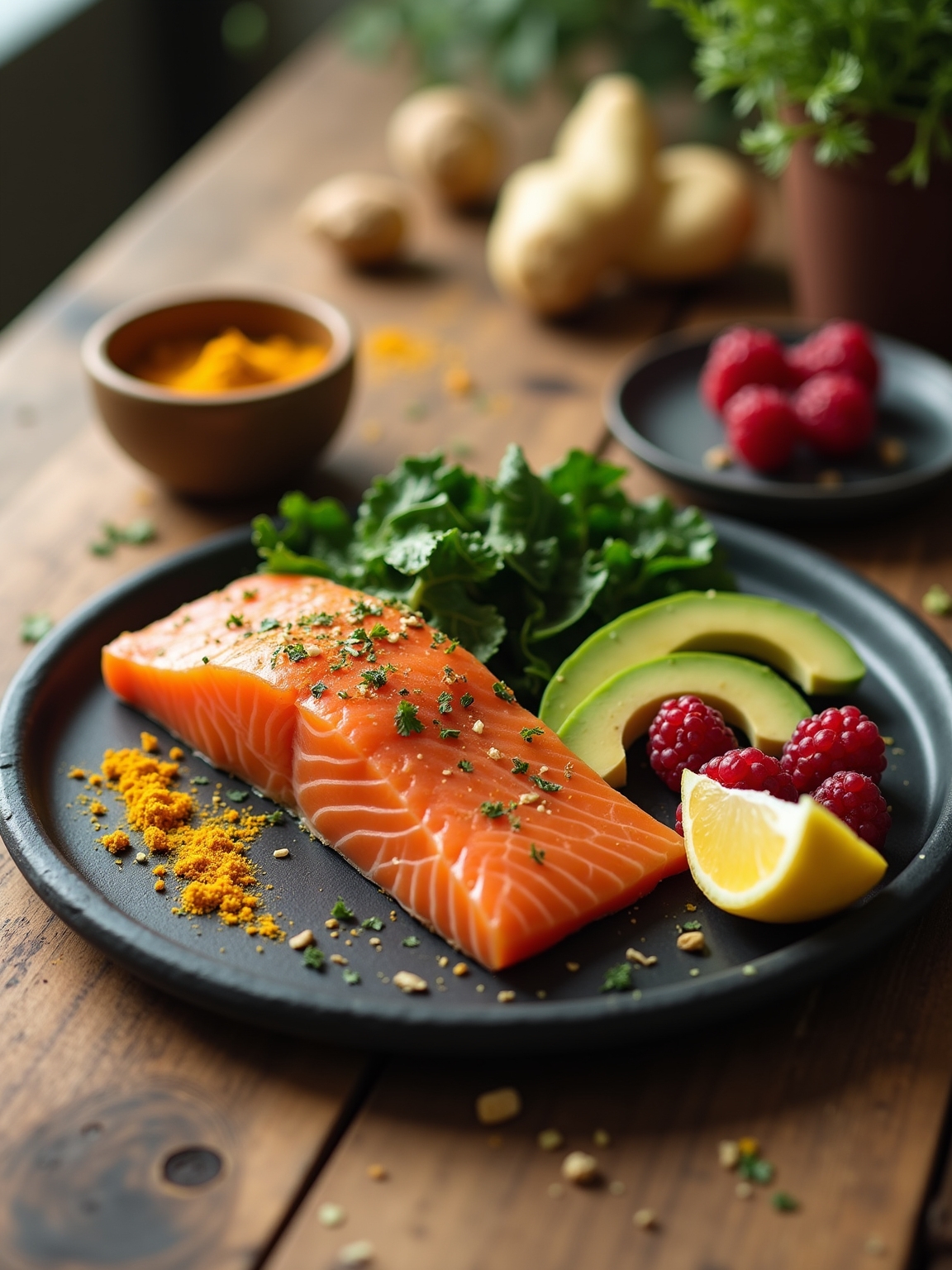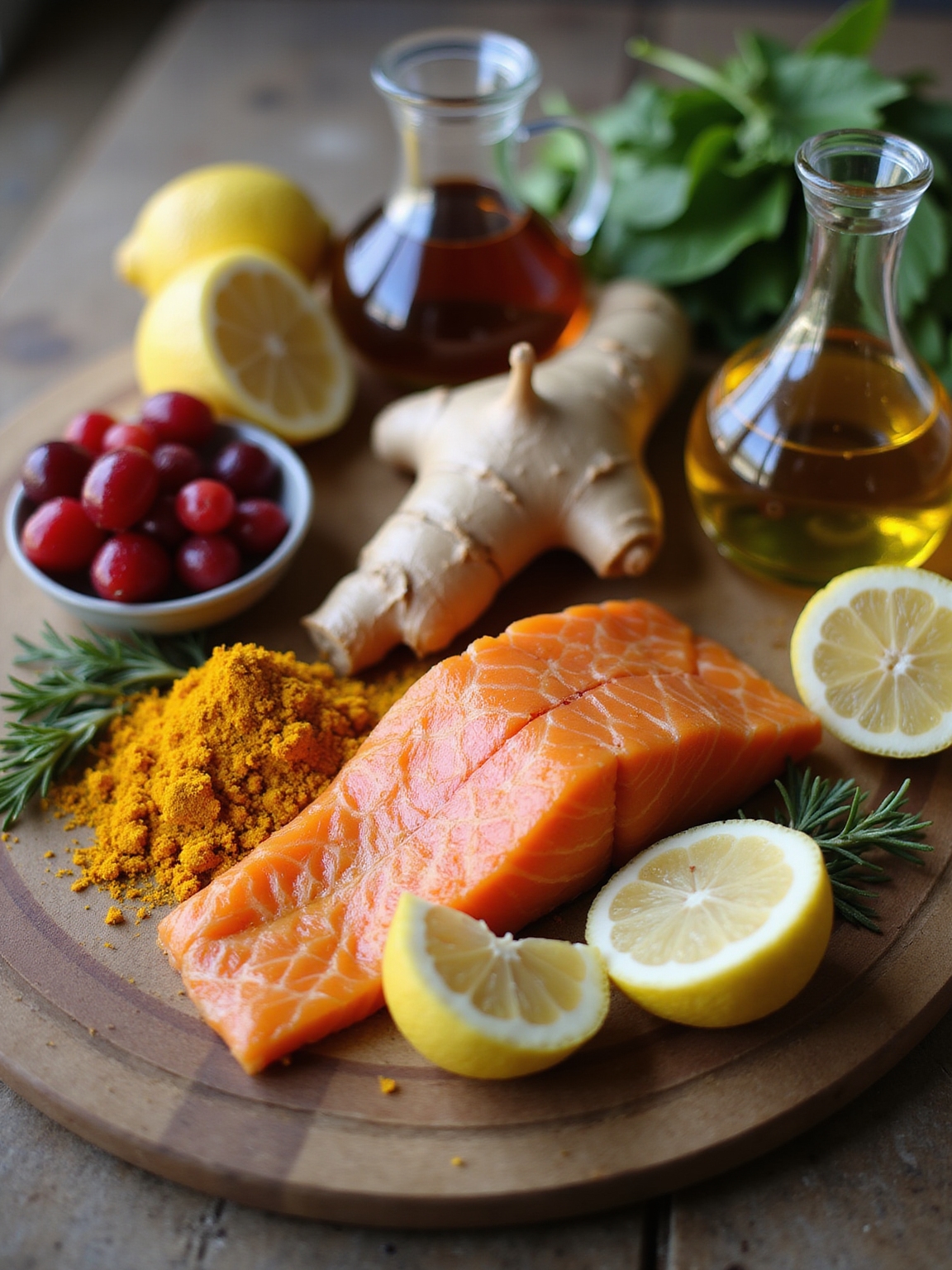

A practical guide outlines how to keep meals anti‑inflammatory and dairy‑free without losing depth of flavor. It emphasizes evidence‑based choices: omega‑3s, fiber, polyphenol‑rich produce, and spices like turmeric and ginger. Swap strategies and creamy dairy alternatives are offered to maintain texture and satisfaction. Clear templates and pantry staples make implementation simple, while a few culinary tricks restore umami and balance—next, actionable recipes and swaps follow.
How to Build Anti‑Inflammatory Dairy‑Free Meals (Quick Rules)

When composing dairy‑free meals to reduce inflammation, prioritize whole, minimally processed foods rich in fiber, antioxidants, and omega‑3 fats: vegetables (especially leafy greens and cruciferous varieties), colorful fruits (berries, cherries), legumes, nuts and seeds, fatty fish or algae oil for omega‑3s, and whole grains or gluten‑free alternatives when tolerated.
Meal construction follows simple rules: pair a vegetable base with a lean protein, include a source of omega‑3 or monounsaturated fat, add fermented or fiber‑rich sides for gut health, and limit refined sugars and trans fats.
Portion balance, variety, and consistent intake drive measurable anti‑inflammatory benefits.
Stocking a kitchen with essential anti‑inflammatory staples like nuts, seeds, and colorful produce makes sticking to this approach far easier and more sustainable; consider keeping a basic grocery list to simplify shopping.
Key Anti‑Inflammatory Ingredients to Stock

Building meals around the quick rules naturally leads to a curated pantry and fridge: stocking specific anti‑inflammatory ingredients makes assembling balanced, dairy‑free plates faster and more reliable.
Include extra‑virgin olive oil for monounsaturated fats and polyphenols; oily fish or algae oil for EPA/DHA; a variety of colorful vegetables and berries rich in antioxidants; cruciferous vegetables for glucosinolates; garlic, ginger, and turmeric for bioactive compounds; whole grains and legumes for fiber and short‑chain fatty acid support; nuts and seeds for magnesium and plant omega‑3s; and green tea for catechins.
Fresh, minimally processed staples aid consistency and measurable benefit. Research supports stocking essential foods from an anti‑inflammatory food list to simplify meal planning and effects.
Dairy Swaps for Creamy Texture: Avocado, Cashew, Coconut

Avocado provides a rich, silky mouthfeel and adds fiber, potassium, and monounsaturated fats that support anti‑inflammatory eating.
Blended cashews create a neutral, creamy base ideal for sauces and dressings while offering plant protein and micronutrients.
Coconut cream supplies a luxuriously thick texture and medium‑chain triglycerides, useful for recipes that benefit from a mildly sweet, stable dairy alternative.
Keep pantry staples like leafy greens, berries, and extra‑virgin olive oil on hand to build meals centered on anti-inflammatory foods and make everyday cooking simple.
Avocado’s Silkiness Boost
In kitchens focused on reducing inflammation without sacrificing creaminess, ripe avocado, soaked cashews, and coconut provide reliable, nutrient-dense alternatives to dairy-based textures.
Avocado lends silkiness through healthy monounsaturated fats and soluble fiber, smoothing dressings, soups, and desserts while lowering calorie density compared with heavy creams.
Its neutral flavor blends with herbs, citrus, and spices, enhancing satiety and nutrient absorption.
Practical tips include using ripe fruit, blending with acidic elements to preserve color, and combining with bold seasonings for balance.
Evidence supports its anti-inflammatory lipid profile and versatility across savory and sweet preparations.
- Blend ripe avocado last for texture control
- Add acid to prevent browning
- Use small amounts for calorie balance
- Pair with herbs for flavor depth
A well-stocked pantry with anti-inflammatory staples like olives and leafy greens makes it easy to prepare these dairy-free swaps.
Cashew And Coconut Cream
Combine soaked cashews and full‑fat coconut for a reliable, dairy‑free cream that recreates silky mouthfeel while supporting anti‑inflammatory goals. The blend yields a neutral, nutrient-dense base rich in healthy fats and magnesium; it soothes textures in soups, sauces, and desserts without dairy’s inflammatory potential. Simple ratios and brief blending produce consistent results; acid or umami adjustments balance flavor. Evidence favors whole-food fats for satiety and metabolic benefits when replacing processed creams. Practical notes and pairings help home cooks adapt textures while maintaining anti-inflammatory principles. For those seeking sustained energy and muscle support, include high-protein plant foods alongside this cream.
Top Anti‑Inflammatory Spices and Herbs

Spice-driven compounds such as curcumin, gingerols, and eugenol have been shown in multiple clinical and laboratory studies to modulate inflammatory pathways, reduce pro-inflammatory cytokines, and support antioxidant defenses. The piece outlines herbs and spices that pair well with dairy-free cooking while offering measurable anti-inflammatory potential. Practical notes emphasize dose, bioavailability, and gentle heat to preserve compounds.
- Turmeric — curcumin; enhance with black pepper for absorption.
- Ginger — fresh or powdered; supports cytokine regulation.
- Cloves/Allspice — eugenol-rich; potent antioxidant activity.
- Rosemary — rosmarinic acid; complements savory plant-based dishes.
Use moderate amounts regularly for best effects. A little turmeric combined with black pepper can markedly increase curcumin absorption, improving its anti-inflammatory effects.
Spice‑Forward Marinades and Rubs

How might a thoughtfully balanced marinade or dry rub amplify both flavor and anti-inflammatory benefit? A spice-forward blend layers turmeric, ginger, garlic, cumin, and black pepper—each with studied anti-inflammatory compounds—into citrus or vinegar bases that aid absorption.
Olive oil or avocado oil carries fat-soluble curcuminoids while herbs like rosemary and oregano add polyphenols and aroma. Dry rubs concentrate flavor for roasting or grilling, reducing need for salty sauces.
Marinating time and gentle heat preserve phytochemicals; acidic elements tenderize proteins without dairy. Practical ratios and modest salt keep dishes vibrant, satisfying, and aligned with anti-inflammatory goals. Adding elements from the Energizing Anti-Inflammatory Mediterranean Diet, such as increased use of extra-virgin olive oil and herbs, supports overall energy and inflammation management Energizing Mediterranean.
Make Creamy Plant‑Based Sauces & Yogurts

When emulsified carefully and built on anti-inflammatory ingredients, creamy plant-based sauces and cultured yogurts can deliver both mouthfeel and measurable health benefits. They rely on sources like soaked cashews, silken tofu, or coconut blended with turmeric, ginger, garlic, and olive oil to provide anti-inflammatory polyphenols and healthy fats.
Fermentation with probiotics enhances gut immunity and reduces systemic inflammation in some studies. Texture is optimized by slow blending and strain techniques; acidity from lemon or apple cider vinegar balances richness. Considerations include salt reduction and choosing low‑sugar cultures to maintain benefits and flavor.
- Base selection: nut, legume, seed, or coconut
- Anti‑inflammatory add‑ins: turmeric, ginger, garlic
- Fermentation: probiotic strains, short culture times
- Technique: soak, blend slowly, strain for silkiness
Weeknight Anti‑Inflammatory Bowls

Weeknight anti‑inflammatory bowls combine flavor‑packed protein choices—such as turmeric‑spiced legumes, grilled salmon, or marinated tofu—with quick, nutrient-dense sides to support recovery and reduce inflammation.
Research supports pairing omega‑3–rich proteins and antioxidant vegetables to modulate inflammatory markers and promote satiety.
Practical meal components and simple assembly techniques make these bowls an achievable weekday strategy for nourishing, dairy‑free meals.
Flavor-Packed Protein Choices
Choose proteins that combine high-quality amino acids with anti-inflammatory properties and minimal dairy-derived fats. The bowls feature lean fish, legumes, tofu, and poultry, each selected for omega-3s, fiber synergy, or low arachidonic load.
Preparation emphasizes simple marinades, gentle cooking, and herbs rich in polyphenols to preserve nutrients and flavor. Portions balance protein with vegetables and whole grains for glycemic stability.
Choices reflect clinical guidance linking omega-3 intake and plant proteins to reduced inflammatory markers. Practical tips include batch-cooking and rotating sources to guarantee variety, nutrient completeness, and sustained appeal across weeknight meals.
- Salmon
- Lentils
- Extra-firm tofu
- Chicken breast
Quick Anti‑Inflammatory Sides
Alongside a protein-rich base, quick anti‑inflammatory sides provide concentrated doses of fiber, phytonutrients, and healthy fats that lower postprandial inflammation and support recovery; simple preparations—steamed cruciferous vegetables, lightly sautéed leafy greens, roasted turmeric‑seasoned root vegetables, or a chilled quinoa‑herb salad—deliver these benefits in 10–20 minutes while preserving vitamins and polyphenols.
These sides emphasize whole ingredients with proven bioactives: omega‑3–rich seeds, antioxidant berries, ginger, garlic, and extra virgin olive oil. Portioning, minimal heat, and acidic finishes (lemon or vinegar) enhance absorption and flavor. They integrate into weeknight bowls to promote satiety, glycemic balance, and inflammation modulation.
Comforting Dairy‑Free Soups That Soothe Inflammation

Rooted in ingredients shown to modulate inflammation—such as turmeric, ginger, leafy greens, and omega-3–rich legumes—dairy‑free soups offer a soothing, nutrient‑dense option for recovery and daily maintenance.
They emphasize broth clarity, anti‑inflammatory spices, and vegetable variety to deliver antioxidants and hydration without dairy fats.
Simple preparation preserves phytochemicals and encourages regular intake.
- Turmeric‑ginger carrot soup for curcumin and gut comfort.
- Leafy green minestrone with garlic and tomatoes for polyphenols.
- Butternut and roasted red pepper bisque with black pepper to enhance absorption.
- Miso‑vegetable broth for fermented benefits and gentle protein.
Anti‑Inflammatory Protein Options: Fish, Legumes, Seeds

Evidence supports including omega‑3 rich fatty fish such as salmon and sardines for their role in reducing inflammatory markers.
Plant‑based proteins like lentils, chickpeas, and beans offer fiber and polyphenols that further modulate immune responses.
Small but nutrient‑dense seeds—flax, chia, and hemp—provide additional omega‑3s, protein, and minerals to round out an anti‑inflammatory plate.
Omega‑Rich Fatty Fish
Why emphasize omega‑3–rich fatty fish in a dairy‑free anti‑inflammation plan? Evidence links EPA and DHA to reduced inflammatory markers; oily fish supply concentrated, bioavailable omega‑3s while providing complete protein without dairy.
Practical choices and simple preparations make inclusion sustainable and flavorful.
Attention to sourcing—wild versus farmed, low‑mercury species—optimizes benefit and safety.
- Choose salmon, sardines, mackerel, or trout for high EPA/DHA.
- Aim for two 3–4 oz servings weekly to meet guideline ranges.
- Prefer grilling, baking, or poaching with herbs and citrus.
- Combine with leafy greens and whole grains for balanced meals.
Plant‑Based Protein Boost
After highlighting omega‑3–rich fish as a potent anti‑inflammatory choice, attention shifts toward plant‑forward proteins and other non‑dairy options that complement or substitute seafood.
Legumes—lentils, chickpeas, black beans—provide fiber, resistant starch, and polyphenols linked to reduced inflammatory markers; they also supply substantial protein per serving.
Fermented soy (tempeh, miso) offers bioavailable nutrients and probiotic support that may modulate inflammation.
Whole grains with intact bran add complementary amino acids and anti‑inflammatory phytonutrients.
Combining legumes and grains creates complete proteins while keeping saturated fat low.
These approachable choices fit diverse cuisines and sustain nutrient density without dairy reliance.
Seed‑Powered Nutrient Dense
Frequently, seeds are an overlooked but potent source of anti‑inflammatory nutrients, delivering concentrated protein, omega‑3 and omega‑6 fatty acids, fiber, vitamins, minerals, and polyphenols in small servings. The text explains how chia, flax, hemp, and sesame support inflammation control, vascular health, and satiety.
Ground or soaked seeds improve absorption of omega‑3s and minerals; combining with legumes or oily fish balances amino acids. Practical guidance emphasizes portioning (1–2 tablespoons), rotation for nutrient variety, and choosing minimally processed seeds. Evidence supports modest daily intake as part of a diversified, dairy‑free anti‑inflammatory plan.
- Chia: omega‑3, fiber
- Flax: ALA, lignans
- Hemp: complete protein
- Sesame: calcium, sesamin
Anti‑Inflammatory Dairy‑Free Breakfasts

How can mornings be structured to reduce systemic inflammation while remaining satisfying and simple to prepare? Breakfasts prioritize fiber, omega-3s, antioxidants, and low-refined carbohydrates. Practical options include chia pudding with berries, savory turmeric tofu scramble, and oatmeal topped with walnuts and cinnamon. Preparation emphasizes whole foods, minimal processing, and gentle spices shown to lower inflammatory markers. Simple routines—overnight soaking, batch-cooking grains, and pre-chopped fruit—support adherence. The following table offers quick combinations.
| Base | Anti‑inflammatory Add‑ins | Serving Tip |
|---|---|---|
| Oats | Walnuts, cinnamon, berries | Soak overnight |
| Tofu | Turmeric, black pepper, greens | Sauté briefly |
| Chia | Berries, flaxseed, almond milk | Chill 4+ hours |
Lunchbox Ideas: Portable Dairy‑Free Meals
Mornings built around anti‑inflammatory breakfasts naturally lead to planning midday meals that sustain steady blood sugar and continuing inflammation control.
The lunchbox focuses on fiber, lean plant or fish proteins, colorful vegetables and whole grains to reduce postprandial inflammation.
Portions are practical, ingredients stable without refrigeration for several hours, and recipes emphasize simple preparation backed by research on glycemic load and omega‑3 benefits.
- Quinoa and edamame salad with mixed herbs and lemon zest
- Chickpea and roasted vegetable wrap in whole‑grain tortilla
- Sardine and avocado on seeded crispbreads with cucumber slices
- Lentil tabbouleh with spinach and toasted seeds
Dressings & Fats: Vinaigrettes, Tahini, Herb Oils
In balancing flavor with anti‑inflammatory goals, dressings and fats serve both culinary and metabolic roles by delivering polyunsaturated fats, monounsaturated oils, and plant compounds that modulate inflammation and improve nutrient absorption.
Vinaigrettes based on extra‑virgin olive oil and apple cider or wine vinegar add oleic acid and polyphenols linked to reduced inflammatory markers.
Tahini contributes sesame lignans and calcium‑free creaminess while supplying unsaturated fats.
Herb oils—basil, cilantro, parsley infused—provide volatile phytochemicals and brightness without added sugars.
Emphasizing whole ingredients, measured portions, and minimal processed emulsifiers preserves anti‑inflammatory benefits and enhances vegetable and grain bioavailability.
Desserts That Satisfy Without Dairy or Big Sugar Spikes
Evidence supports using low-glycemic sweeteners such as stevia, monk fruit, or small amounts of erythritol to reduce post-meal glucose and insulin spikes while preserving dessert satisfaction.
Emphasizing fruit-forward swaps—roasted stone fruits, baked apples with warming spices, or chia-seeded fruit puddings—adds fiber, antioxidants, and natural sweetness without dairy.
These approaches offer practical, nourishing options for ending a meal on a calm metabolic note.
Low-Glycemic Sweeteners
Several low-glycemic sweeteners offer reliable ways to create satisfying dairy-free desserts while minimizing post-meal blood sugar spikes.
Research supports alternatives that preserve texture and flavor without rapid glucose excursions.
Choice depends on baking properties, sweetness potency, and individual tolerance.
Below are practical options with typical uses and benefits:
- Erythritol — bulk sweetener, minimal calories, compatible with many baked goods.
- Monk fruit extract — high-intensity, zero glycemic impact, used in blends for natural flavor.
- Allulose — browns and caramelizes like sugar, low glycemic response in most studies.
- Yacon syrup — prebiotic fiber, low glycemic index, good for sauces and dressings.
Fruit-Forward Dessert Swaps
How can desserts remain satisfying without dairy or large blood sugar swings? Fruit-forward swaps use whole fruits’ fiber, water, and phytonutrients to deliver sweetness with a gentler glycemic impact.
Baked apples or poached pears paired with nuts or unsweetened coconut provide texture and healthy fats that slow glucose absorption. Berry compotes thickened with chia or arrowroot offer intense flavor and polyphenols while minimizing added sugar.
Frozen banana “nice cream” blended with cocoa or citrus yields creamy mouthfeel absent dairy. Evidence supports prioritizing whole, minimally processed fruit plus protein or fat to balance postprandial responses and reduce inflammation risk.
Swap Templates for 8 Common Dairy Dishes
1 clear template for swapping dairy in everyday recipes offers a reliable framework for reducing inflammation without sacrificing flavor or texture. The approach identifies role (creaminess, tang, binding, browning), then selects plant-based analogues—coconut or oat cream for richness, cashew purée for silky sauces, fermented nut yogurts for tang, and olive oil–based emulsions for baking. Measurements adapt by weight and water content; heat tolerance guides choice. Evidence supports anti-inflammatory benefits when replacing dairy with whole-plant fats and fermented options. Practical swaps maintain mouthfeel and nutrient density, making shifts sustainable and palate-pleasing.
- Role assessment
- Match by function
- Adjust ratios
- Test heat tolerance
Shopping List & Troubleshooting Flavor When Cutting Dairy
For stocking a dairy-free anti-inflammatory kitchen, prioritize whole, minimally processed ingredients that replicate dairy’s functions while adding nutrients shown to reduce inflammation: canned full-fat coconut and unsweetened oat creams for richness, raw cashews for purées and sauces, fermented nut or coconut yogurts for tang and probiotic support, extra-virgin olive oil and avocado oil for emulsion and healthy monounsaturated fats, nutritional yeast and miso for savory umami depth, and high-quality plant-based milk fortified with calcium and vitamin D.
Include aromatics and acids—garlic, turmeric, ginger, citrus, and apple cider vinegar—to boost flavor and anti-inflammatory compounds, and keep on hand simple binders/stabilizers (arrowroot, tapioca, ground flax) to adjust texture when replicating dairy’s body.
When flavor falls flat, increase acid and umami, toast spices, bloom aromatics in fat, finish with fresh herbs or citrus, and balance richness with a small amount of fermented condiment.
Taste iteratively; texture can be tuned with small additions of starch or blended nuts.
Conclusion
Embracing dairy‑free, anti‑inflammatory cooking gently nudges the palate toward foods that comfort and repair. Evidence‑based swaps—avocado, cashew, olive oil, turmeric, fermented sides—offer creaminess, omega‑3s and gut support without the usual compromises. With thoughtful spices, marinades and dressings, meals become quietly restorative rather than merely permissive. This subtle reorientation signals wellbeing: less of what inflames, more of what mends, nourishing body and routine with flavorful, practical choices.