
Imagine ditching inflammation in a week and suddenly feeling twenty years younger — sounds extreme, I know, but small, consistent changes can really shift how you feel. You’ll get a simple, evidence‑based daily structure of meals, snacks, hydration, and gentle movement that’s practical to follow and kind to your schedule. If you’re managing pain, digestive issues, or low energy, this plan shows clear swaps and easy prep so you can test what helps most for your body.
What This 7‑Day Anti‑Inflammation Plan Delivers

When you follow this 7‑day anti‑inflammation plan, you’ll get a focused blend of evidence-backed foods and simple habits designed to lower inflammatory markers, ease joint and digestive discomfort, and boost energy without drastic calorie cuts.
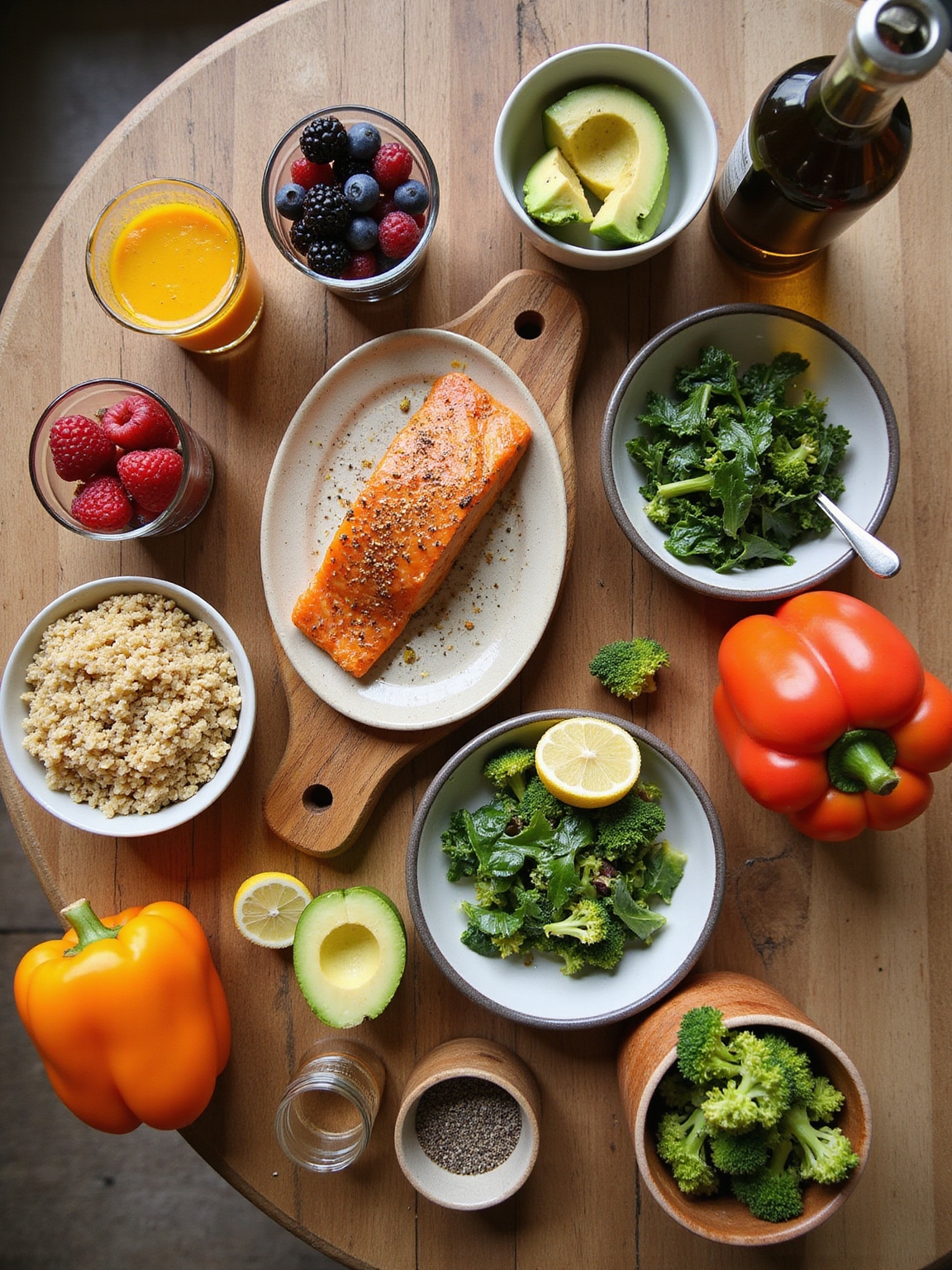
You’ll eat omega-3 rich fish, fiber-packed vegetables, whole grains, and antioxidant fruits while limiting processed fats and added sugars shown to raise inflammation.
You’ll adopt hydration, moderate movement, and sleep-support strategies that amplify dietary effects.
Expect measurable symptom relief, steadier energy, and clearer digestion within days, though responses vary.
This approach prioritizes sustainable changes you can maintain beyond seven days.
Simple Anti-Inflammatory Meal Ideas provide easy, practical recipes and tips to support this plan, including how to use anti-inflammatory ingredients in everyday meals.
Daily Meal Plan: Timing, Portions, and Structure

Usually, you’ll eat three balanced meals and one or two small snacks spaced roughly 3–4 hours apart to keep blood sugar steady and inflammation markers lower; this timing helps regulate appetite, supports digestion, and lets anti‑inflammatory nutrients work consistently throughout the day.
You’ll aim for plates with vegetables, lean protein, whole grains or legumes, and healthy fats; portions of 1–2 cupped hands veg, a palm-sized protein, a fist of carbs, and a thumb of fat guide you.
Prioritize fiber, omega‑3s, and polyphenol-rich foods.
Plan meals ahead, hydrate, and adjust portion sizes to activity and satiety cues for steady progress.
Many people following an anti‑inflammation diet choose a 30 day approach to establish habits and see measurable changes in symptoms.
Who Should Try This Plan (And Who Should Check a Clinician)

Now that you’ve got a clear meal rhythm and portion strategy, it helps to know who’ll likely benefit from this anti‑inflammatory pattern and who should check with a clinician before starting.
If you have mild chronic inflammation signs—occasional joint stiffness, metabolic risk factors, or want preventive eating—this plan’s balanced timing and whole-food emphasis can help reduce markers and improve energy when paired with activity. Check a clinician first if you’re pregnant, breastfeeding, immunocompromised, on blood thinners, have advanced kidney or liver disease, or need tight glucose/weight management.
Your provider can adapt portions, medications, or monitoring. A gradual shift to emphasize whole, minimally processed foods can lower systemic inflammation over weeks to months and support long-term health.
Core Anti‑Inflammatory Foods to Include Every Day

Regularly include a few nutrient-dense foods that research links to lower inflammation and better metabolic health: fatty fish (salmon, sardines), a variety of colorful vegetables and fruits, whole grains, nuts and seeds, legumes, extra-virgin olive oil, and fermented or probiotic-rich foods.
You’ll reduce inflammatory drivers by prioritizing omega-3s, fiber, polyphenols, and beneficial microbes. Aim for two fish servings weekly, colorful vegetables at most meals, a daily fist-sized portion of fruit, whole-grain swaps, and a small handful of nuts or seeds.
Add legumes twice weekly and a splash of olive oil. Fermented foods can support gut resilience. Include a few essential pantry items — like extra-virgin olive oil, whole grains, and nuts — to make anti-inflammatory meals easy to prepare and consistent pantry staples.
Foods and Habits to Avoid for Seven Days (And Simple Swaps)

For the next seven days, cut back on high added sugars, refined carbs, and processed or fried foods because studies link them to increased inflammation and energy crashes.
You don’t have to be perfect—start with simple swaps like fruit for sweets, whole grains for white bread, and air‑fried or baked options instead of deep‑fried.
These small, evidence‑based changes can reduce inflammation and make you feel better quickly.
Reducing intake of ultra-processed foods is linked to lower markers of chronic inflammation in several studies, so prioritize whole, minimally processed options.
High Added Sugars
Often, you’ll find added sugars hiding in places you wouldn’t expect—from salad dressings to flavored yogurts—and cutting them for seven days can lower inflammation and reset your taste for sweetness.
Start by scanning labels for syrups, cane sugar, dextrose, and maltose; aim for products with zero or minimal added sugar. Swap soda and sweetened coffee for sparkling water with lemon or unsweetened tea. Replace sugary snacks with fruit, nuts, or plain yogurt plus cinnamon.
Expect cravings the first few days; they’ll fade. Track intake and celebrate small wins—reducing added sugars is a measurable step toward lower inflammation. Including more anti-inflammatory foods alongside sugar reduction can boost results and support overall health.
Refined Carbohydrates
While refined carbohydrates — like white bread, many pastries, and most packaged snack foods — cause quick blood sugar spikes and promote inflammation, you don’t have to overhaul your whole diet to see benefits in seven days.
Swap white bread, bagels, and sugary cereal for whole-grain or sprouted alternatives; choose oats, barley, or quinoa for breakfasts that keep you full and steady.
Replace packaged crackers and cookies with nuts, seeds, or fruit plus yogurt.
Read labels: aim for minimally processed items with fiber as a top ingredient.
Small, consistent swaps reduce inflammation markers and improve energy within a week.
Choosing whole-grain options over refined grains can help lower inflammation and stabilize blood sugar.
Processed And Fried Foods
Cutting out processed and fried foods can ease inflammation quickly because these items are high in trans fats, refined oils, added sugars, and sodium — all linked to higher inflammatory markers and worse metabolic health. You’ll feel better by choosing whole foods, grilled or roasted proteins, and steamed vegetables. Swap fast-food fries for baked sweet potatoes, and packaged snacks for nuts or fruit. Aim for simple ingredient lists and cook at home when you can. Small, sustainable changes reduce inflammatory burden and improve energy.
| Avoid | Swap |
|---|---|
| French fries | Baked sweet potato |
| Packaged chips | Roasted chickpeas |
| Fried chicken | Grilled chicken |
| Sugary pastries | Greek yogurt with berries |
Day 1: Menu + Shopping Shortcuts
On Day 1 you’ll focus on simple, evidence-backed meals that reduce inflammation without taking extra time.
Start with quick breakfasts like Greek yogurt with berries, assemble easy lunches such as grain bowls or hearty salads, and use shopping shortcuts—pre-washed greens, frozen fruit, and a short list—to cut prep and decision fatigue.
Quick Breakfast Options
Kick-start your morning with anti-inflammatory breakfasts that are fast to assemble and built around evidence-backed ingredients like oats, berries, leafy greens, nuts, and fatty fish. You’ll feel nourished and steady blood sugar without long prep.
Try these simple options and pick what suits your schedule and taste:
- Overnight oats with blueberries, cinnamon, and chia for fiber and polyphenols.
- Greek yogurt, walnuts, and sliced kiwi for protein, omega-3 precursors, and vitamin C.
- Spinach and smoked salmon on whole-grain toast for vitamin K and EPA/DHA.
- Smoothie with kale, banana, ground flax, and frozen mixed berries — blend and go.
Easy Lunch Ideas
Pack a satisfying, inflammation-fighting lunch that’s quick to assemble and grounded in ingredients shown to lower inflammatory markers—think leafy greens, legumes, fatty fish, whole grains, nuts, and colorful vegetables.
Choose a base like mixed greens or quinoa, add canned salmon or chickpeas for protein, toss in roasted beets, bell peppers, and a handful of walnuts.
Dress with olive oil, lemon, and turmeric for added anti-inflammatory benefit.
Portion for satiety: 1–2 cups grains/greens, palm-sized protein, and a fist of vegetables.
Pack in reusable containers so you’ll grab healthy, evidence-based choices when midday hunger hits.
Shopping Time Savers
Usually, you can cut grocery time in half by planning a Day 1 menu that relies on overlapping ingredients and a short shopping list—this lets you grab everything you need in one trip and reduces decision fatigue.
Use these time-saving strategies so you’ll stick to the anti-inflammatory plan with less stress.
- Buy versatile staples (leafy greens, salmon, olive oil, garlic) that appear in multiple meals.
- Choose pre-washed greens and frozen berries to save prep time without losing nutrients.
- Shop the store perimeter first to avoid processed aisles.
- Use a checklist app and stick to it to reduce impulse buys.
Day 2: Omega‑3 Focused Menu
Because inflammation responds well to the balance of fats you eat, Day 2 centers on omega‑3–rich foods to help reduce pro‑inflammatory signals while keeping meals simple and satisfying. You’ll choose fatty fish, walnuts, chia, and flax to boost EPA/DHA and ALA intake; evidence links these to lower inflammatory markers. Aim for two servings of oily fish or plant sources plus antioxidant vegetables. Keep portions moderate, hydrate, and avoid excess omega‑6 oils. Practical swaps and easy recipes make this doable even on busy days — small changes can yield measurable benefits.
| Meal | Example |
|---|---|
| Breakfast | Chia yogurt |
| Lunch | Salmon salad |
| Snack | Walnuts |
| Dinner | Sardine toast |
| Tip | Flax smoothie |
Day 3: High‑Fiber, Phytonutrient Menu
Kick off Day 3 by leaning into high-fiber, phytonutrient-dense foods that feed your gut microbiome and blunt inflammatory pathways.
You’ll favor whole plants, diverse colors, and minimally processed choices to reduce markers of inflammation while supporting digestion.
Practical swaps and portion cues keep this doable.
- Start with oats, berries, and ground flax for soluble fiber and polyphenols.
- Add a large mixed salad with cruciferous veggies and a lemon-tahini dressing.
- Snack on raw nuts, carrot sticks, or an apple with nut butter.
- Dinner: lentil stew with turmeric, garlic, and plenty of greens.
Stay consistent, adjust for tolerance, hydrate often.
Day 4: Stable Blood Sugar & Energy Menu
As you move into Day 4, focus on meals that balance protein, fiber, and healthy fats to prevent blood sugar spikes and keep your energy steady throughout the day; research shows that combining macronutrients and favoring low-glycemic carbohydrates improves glucose control and reduces inflammatory responses.
Start with Greek yogurt, berries, and walnuts for protein and fiber.
Midday, choose grilled salmon over mixed greens with avocado and quinoa.
Snack on apple slices with almond butter.
For dinner, have lentil stew with roasted nonstarchy vegetables and a small portion of brown rice.
Drink water, limit refined carbs, and monitor portions to sustain steady energy.
Day 5: Menu With Anti‑Inflammatory Spices
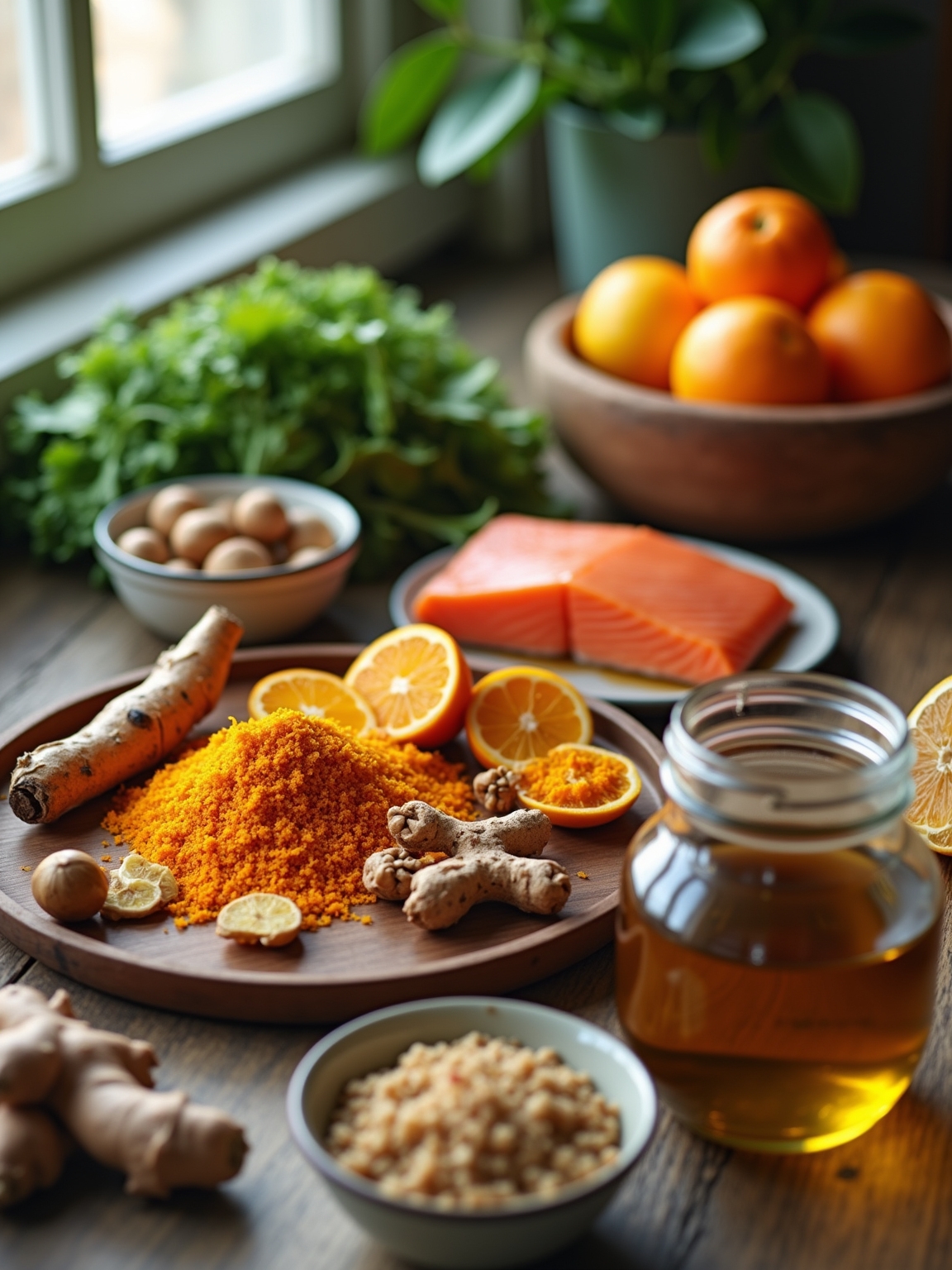
On Day 5 you’ll focus on spices that have clinical support for lowering inflammation, like turmeric’s curcumin, which you can boost by pairing it with black pepper and healthy fats.
Try adding fresh ginger to stir-fries and broths for anti-inflammatory and digestive benefits, and use cinnamon and cardamom to flavor breakfasts and snacks while helping stabilize blood sugar.
These simple swaps are practical, evidence-informed ways to make daily meals more healing without extra effort.
Benefits Of Turmeric
Frequently, people overlook turmeric as more than a colorful spice, but its active compound curcumin has been shown in clinical studies to reduce markers of inflammation and relieve joint pain.
You can use turmeric thoughtfully to support recovery and daily comfort without overpromising cures.
Consider evidence-based, practical ways to include it:
- Add 1/2–1 tsp to soups or stews for steady intake.
- Combine with black pepper or a fat to boost absorption.
- Try a golden milk at night to aid sleep and calm soreness.
- Discuss supplements with your clinician if you have medications or conditions.
Cooking With Ginger
If you’ve been using turmeric to ease inflammation, try pairing it with ginger for another scientifically supported tool in your cooking kit: ginger contains bioactive compounds like gingerol that studies show can reduce inflammatory markers and ease muscle or joint discomfort.
Use fresh or powdered ginger in stir-fries, soups, smoothies, and marinades to add flavor and anti-inflammatory benefit.
Start with small amounts if you’re sensitive, and combine ginger with healthy fats (olive oil, avocado) to aid absorption. Monitor symptoms and adjust doses; ginger is generally safe but can interact with blood thinners—check with your clinician if needed.
Cinnamon And Cardamom
Warm, fragrant spices like cinnamon and cardamom can do more than just scent your kitchen—they’ve got compounds shown to lower inflammation and improve metabolic markers. You can add them daily to boost flavor and health without extra calories.
- Stir cinnamon into oatmeal or yogurt for blood-sugar support.
- Use cardamom in coffee or tea to reduce oxidative stress.
- Blend both into smoothies with anti-inflammatory greens and berries.
- Sprinkle on roasted carrots or chickpeas for savory balance.
These choices rest on clinical and laboratory evidence; start small, notice effects, and adjust to taste and tolerance.
Day 6: Plant‑Forward Menu
On Day 6 you’ll focus on a plant‑forward menu that emphasizes whole fruits, vegetables, legumes, whole grains, nuts, and seeds to lower inflammation markers and support gut health.
Choose colorful vegetables, fibrous whole grains like quinoa or barley, and legumes for steady protein and short‑chain fatty acid support.
Snack on walnuts or flaxseed yogurt to add omega‑3s and lignans.
Keep portions balanced and include fermented foods—kimchi or yogurt—for microbiome diversity.
Drink water and green tea.
Prepare simple batches ahead: roasted veggies, grain bowls, and legume stews.
These practical steps reduce inflammation risk while making meals satisfying and sustainable.
Day 7: Recovery and Sleep‑Support Menu
On Day 7 you’ll focus on foods that help winding down—think tryptophan- and magnesium-rich choices like turkey, pumpkin seeds, and chamomile tea—to support sleep quality.
Pair those with gentle post-workout recovery options such as tart cherry smoothies or a small spinach-and-avocado salad to reduce inflammation and replenish nutrients.
These evidence-based, easy-to-prepare meals aim to calm inflammation while promoting restorative sleep and muscle repair.
Sleep-Friendly Evening Foods
Because sleep is when your body repairs inflammation and resets immune balance, choosing the right evening foods can speed recovery and improve next-day energy. Aim for small, balanced choices that support melatonin, reduce nighttime inflammation, and avoid sleep-disrupting spikes.
- Tart cherry yogurt: provides melatonin precursors and protein for steady blood sugar.
- Warm oats with flax: slow carbs plus omega-3s calm inflammation and keep you full.
- Steamed salmon and greens: tryptophan plus magnesium-rich vegetables promote relaxation.
- Herbal tea and a handful of walnuts: anti-inflammatory polyphenols and healthy fats support sleep.
Keep portions modest and finish 60–90 minutes before bed.
Gentle Post-Workout Recovery
When you finish a workout, choosing gentle, anti-inflammatory foods and fluids helps your body repair muscle microtears, replenish glycogen, and calm systemic inflammation so you recover faster and sleep better.
Aim for a 3:1 to 4:1 carb-to-protein ratio within 30–60 minutes: a small bowl of oats with berries and a spoon of Greek yogurt, or a banana plus a plant-protein smoothie with spinach and turmeric.
Rehydrate with water or electrolyte-rich coconut water.
Add tart cherry or ginger for evidence-backed inflammation and sleep benefits.
Keep portions moderate to avoid GI upset and late-night energy spikes.
3 Snack Swaps to Cut Inflammation
Ready-to-swap snacks can make a big difference in lowering daily inflammation without making you feel deprived.
You’ll want choices that provide fiber, healthy fats, and antioxidants while replacing refined carbs and processed oils.
Try these practical swaps backed by research showing anti-inflammatory benefits:
- Greek yogurt with berries instead of sweetened granola bars.
- Handful of walnuts or almonds instead of chips.
- Hummus with veggie sticks instead of crackers with cheese spread.
- Apple slices with nut butter instead of candy or pastries.
These swaps are simple, satisfying, and reduce pro-inflammatory ingredients you likely eat now.
Anti‑Inflammation Meal‑Prep: Quick Steps for the Week
If you want to lower inflammation without spending hours in the kitchen, a few focused meal‑prep steps can set you up for the whole week: pick three anti‑inflammatory staples (lean protein, a whole grain or legume, and plenty of colorful vegetables), batch-cook them in 60–90 minutes, and portion them into ready-to-grab meals and snacks so you’re less likely to reach for processed options.
Choose simple seasonings (olive oil, turmeric, garlic) with proven anti-inflammatory effects. Use airtight containers, label dates, and refrigerate or freeze portions.
Rotate flavors midweek to prevent boredom, and aim for balanced portions to support consistent, evidence-based choices.
How to Track Results and Next Steps After Seven Days
After seven days on an anti‑inflammatory plan, take stock of how you feel and what the numbers say—track symptoms (pain, stiffness, energy), sleep quality, digestion, and any objective measures like weight, blood pressure, or lab markers if available.
Use this simple checklist to evaluate progress and set next steps:
- Note symptom changes and rate severity daily to spot trends.
- Compare objective measures to baseline; small shifts matter.
- Review adherence and identify barriers (meals, time, cravings).
- Plan adjustments: keep, tweak, or seek medical advice if no improvement.
Be honest, patient, and use data to guide realistic next steps.
Conclusion
You’ve spent a week rebuilding your plate and rhythms like a careful gardener tending tender roots—small, evidence‑based habits that quiet inflammation and lift energy. Keep the daily structure, swap in anti‑inflammatory staples, and listen to your body; if pain or medical concerns persist, check with a clinician. Use the meal‑prep tips and simple tracking to stay consistent, then reassess progress and gently expand this approach into a lasting, practical routine.