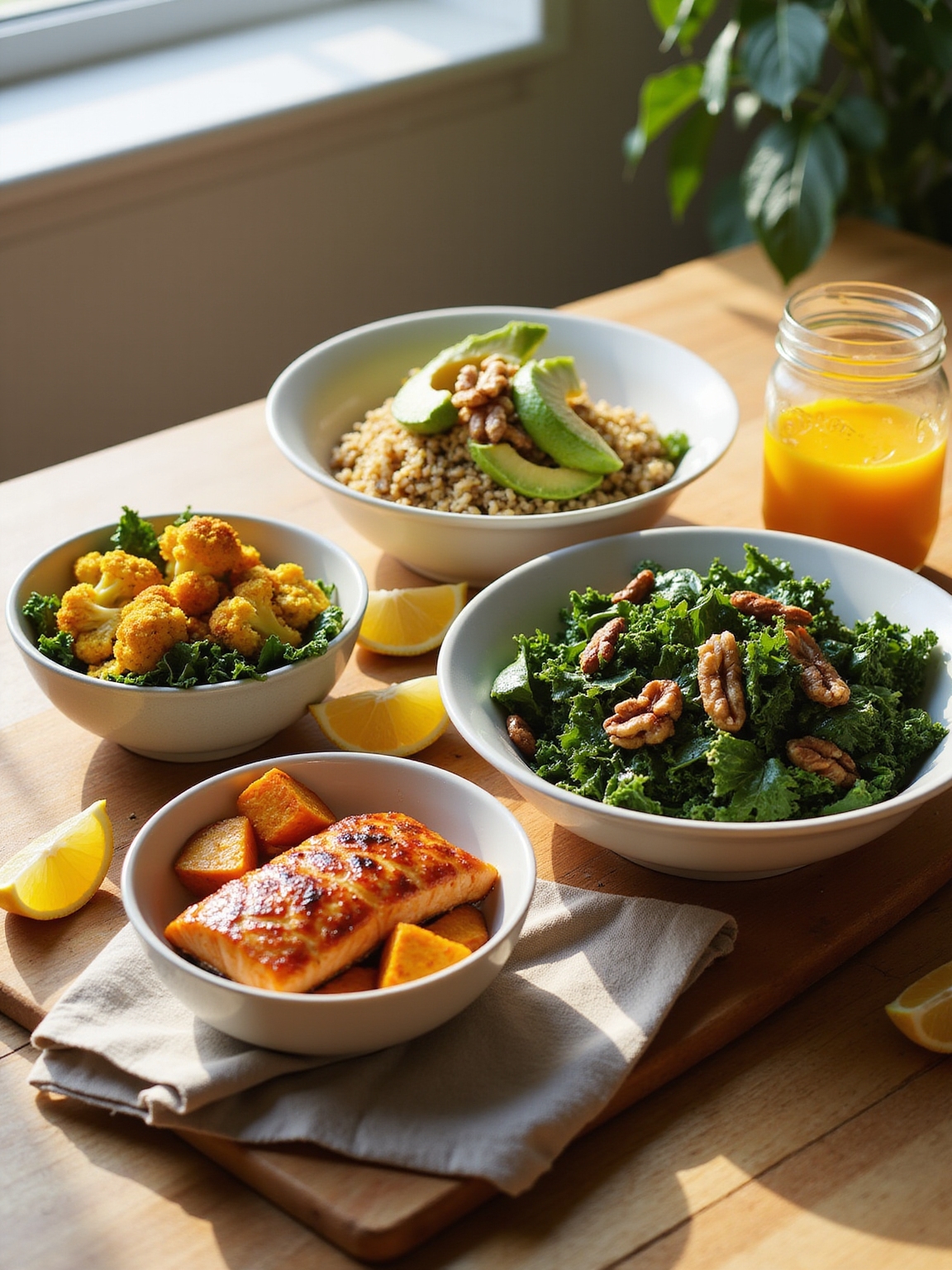

Think of food as medicine: the right choices can lower inflammation and help you feel better fast. You’ll get clear, research-backed guidance on what to keep in your pantry and fridge—healthy fats like extra-virgin olive oil and fatty fish, berries and colorful vegetables, whole grains, legumes, fermented foods, and spices like turmeric. I’ll also share practical swaps and storage tips so you can actually use these foods every day—but first, a quick note on Omega-3s…
Anti-Inflammatory Staples to Keep in Your Pantry & Fridge

Start by stocking your pantry and fridge with whole, minimally processed foods that research links to lower inflammation—think extra-virgin olive oil, fatty fish (like salmon and sardines), a variety of colorful vegetables and fruits, nuts and seeds, whole grains, legumes, garlic, and herbs such as turmeric and ginger. You’ll prioritize fiber, polyphenols, and micronutrients that modulate inflammatory pathways.
Keep canned beans, brown rice, rolled oats, mixed nuts, frozen berries, cruciferous vegetables, and low-sodium broths for convenience. Label expiry dates, batch-cook soups and stews, and rotate items weekly. Small, consistent changes yield measurable reductions in inflammatory markers over time. Consider keeping a few staples like extra-virgin olive oil on hand to ensure you always have a source of anti-inflammatory fats.
Anti-Inflammatory Omega-3s: Fatty Fish & Alternatives
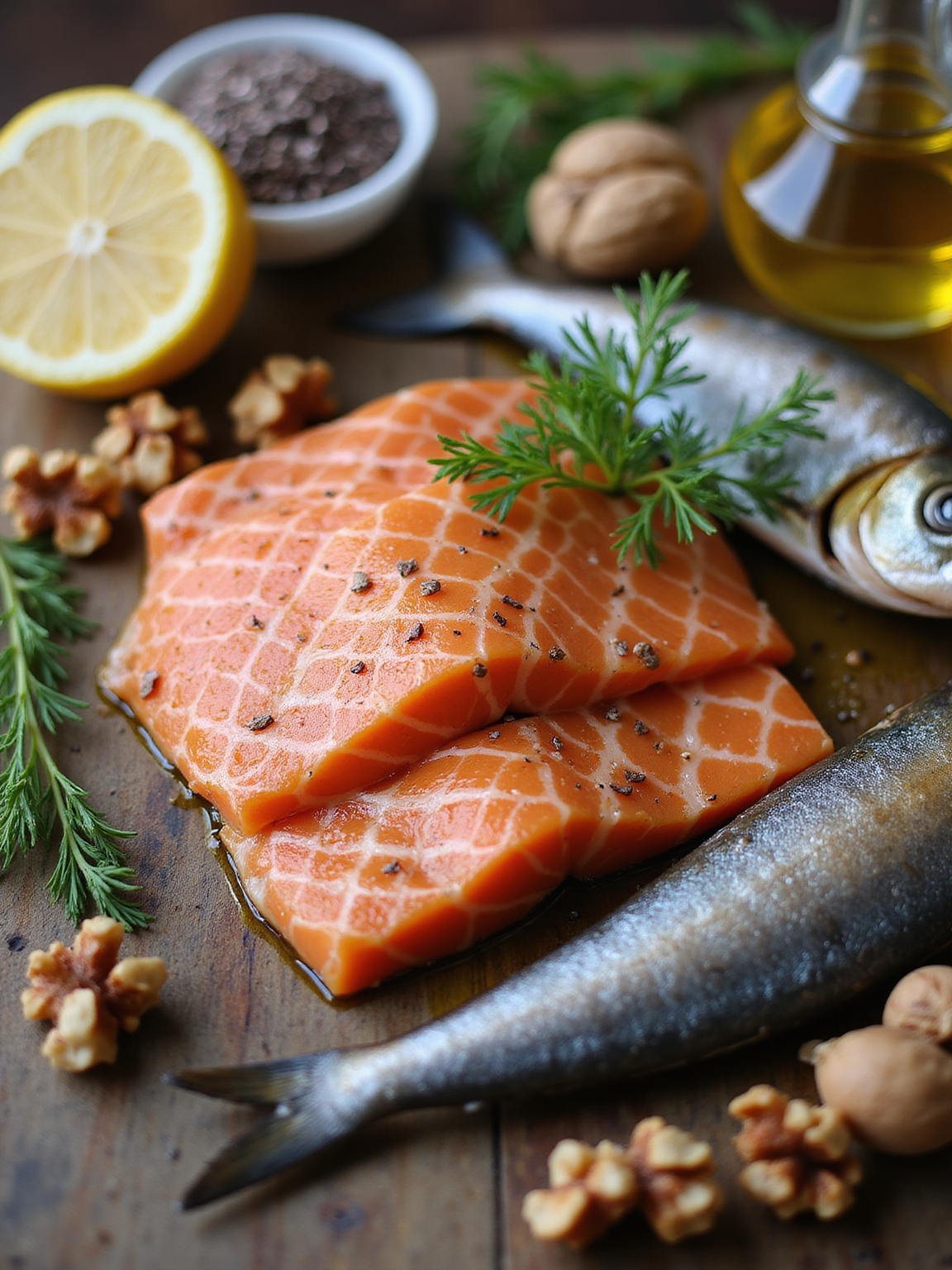
You’ll get the most potent anti-inflammatory benefit from long-chain omega-3s found in fatty fish like salmon, mackerel, sardines, and trout, which are rich in EPA and DHA.
If you prefer plant-based options, include sources like chia, flaxseed, walnuts, and algae-based supplements to supply ALA and direct DHA/EPA when possible.
Aim for two 3–4 ounce servings of fatty fish per week or equivalent plant/supplement doses, and I can help you translate that into practical meal and portion ideas.
Consider adding regular servings of fatty fish to weekly meal plans to maximize anti-inflammatory effects.
Fatty Fish Sources
Frequently, the simplest way to boost anti-inflammatory omega-3 intake is to add fatty fish—like salmon, mackerel, sardines, trout, and herring—to your meals several times a week. These fish provide EPA and DHA, which reduce inflammatory cytokines and support cardiovascular and brain health. Aim for wild or sustainably sourced options when possible to limit contaminants.
Practical choices:
- Grill or bake salmon for 2–3 servings weekly.
- Add canned sardines to salads for a quick EPA/DHA boost.
- Include mackerel or trout in rotation for variety and consistent omega-3 dosing.
You’ll feel evidence-backed benefits over time. Including fatty fish regularly also helps increase EPA and DHA intake, key omega-3s linked to reduced inflammation and improved heart and brain health.
Plant-Based Alternatives
While fatty fish are a powerful source of EPA and DHA, you can still boost anti-inflammatory omega-3s on a plant-based or flexitarian diet by focusing on ALA-rich foods and algae-based EPA/DHA supplements.
Include flaxseed, chia, and walnuts daily — studies show ALA converts partially to EPA, offering measurable anti-inflammatory effects.
Use high-quality algae oil if you need direct EPA/DHA; clinical data supports its efficacy for reducing inflammatory markers.
Also prioritize whole foods with anti-inflammatory polyphenols, like leafy greens and berries, to synergize with omega-3s.
If you’re uncertain, discuss supplement dosage with a clinician.
For satisfying meals, combine these foods into hearty dishes like chia pudding, walnut-topped salads, and flax-boosted smoothies to make the diet both filling and delicious while delivering key nutrients like anti-inflammatory omega-3s.
Omega-3 Serving Tips
If you’re aiming to increase anti-inflammatory omega-3s, practical serving tips make the difference between theory and measurable benefit. Aim for two 3–4 oz servings of fatty fish weekly (salmon, mackerel, sardines) to hit EPA/DHA targets shown to lower inflammation.
If you’re plant-based, prioritize ALA sources and consider an algae-based EPA/DHA supplement to match effects seen in trials. Track portion sizes and frequency rather than vague “eat more fish.” Balance with low-omega-6 cooking oils to improve omega-3:6 ratio. Consult your clinician when using supplements, especially if you take blood thinners.
- Rotate fish types
- Use algae supplement
- Measure portions
The Mediterranean approach also emphasizes whole foods and anti-inflammatory patterns to boost energy and reduce chronic inflammation.
Colorful Berries Rich in Antioxidants and Polyphenols

You’ll find that colorful berries pack a high concentration of antioxidants like vitamin C and anthocyanins, which protect cells from oxidative stress.
Research shows their polyphenols modulate inflammatory pathways and may lower markers like CRP and IL-6.
They also give you nutrient-dense, low-calorie servings, so you can get anti-inflammatory benefits without excess calories.
Including these foods on an Anti-Inflammation Diet can make it easier to maintain a healthy eating pattern.
Antioxidant Powerhouse Benefits
Because their deep pigments signal concentrated polyphenols, colorful berries deliver potent antioxidant and anti-inflammatory effects that research links to reduced oxidative stress and improved cellular function.
You’ll benefit from several measurable actions: neutralizing free radicals, supporting mitochondrial health, and modulating immune signaling.
Eat berries regularly, and you’ll get micrograms to milligrams of anthocyanins and flavonoids shown in trials to lower biomarkers like CRP and oxidative DNA damage.
Practical tips:
- Add a handful of mixed berries to yogurt or oatmeal daily.
- Choose frozen if fresh aren’t available—nutrient retention is strong.
- Rotate varieties to broaden phytochemical exposure.
Berries are a staple in many anti-inflammation diets and can complement other joint-supporting foods to help manage inflammation and support joint comfort.
Polyphenol Anti-Inflammatory Effects
Building on berries’ antioxidant strengths, polyphenols are the specific plant compounds that drive many of their anti-inflammatory actions and have been studied in both lab and human trials.
You’ll find flavonoids, anthocyanins, and tannins in blueberries, strawberries, and raspberries; these compounds modulate signaling pathways like NF-κB and reduce cytokine production in controlled studies.
Human trials link higher berry intake to lower markers such as CRP and IL-6, though effects vary by dose and individual factors.
Include a variety of colorful berries regularly to leverage polyphenol diversity, and discuss personalized goals with your clinician for best outcomes.
Low-Calorie Nutrient Density
When you’re aiming to lower calorie intake without sacrificing nutrients, colorful berries are a practical choice because they pack high levels of vitamins, fiber, and diverse polyphenols into small portions.
You’ll get antioxidant protection and anti-inflammatory signaling with few calories, supporting metabolic health and reduced oxidative stress.
Consider these practical servings:
- Blueberries — high in anthocyanins, linked to lowered inflammation markers.
- Raspberries — fiber-rich, with ellagitannins that modulate gut-derived inflammation.
- Strawberries — vitamin C and flavonoids that support endothelial function.
Choose fresh or frozen, add them to yogurt or oatmeal, and monitor portions for balanced intake.
Leafy Greens & Crucifers to Eat Daily

Regularly include leafy greens and cruciferous vegetables in your meals, as their high levels of vitamins, fiber, and phytochemicals — like sulforaphane and flavonoids — help lower markers of inflammation and support detox pathways. You’ll benefit from kale, spinach, arugula, broccoli, Brussels sprouts, and cauliflower, which supply vitamin K, C, folate, and antioxidant capacity.
Eat them raw, lightly steamed, or quickly sautéed to preserve enzymes. Aim for varied colors and textures across meals to maximize compound diversity. Clinical studies link these vegetables to reduced CRP and improved endothelial function, so prioritize them daily with confidence.
Whole Grains and High-Fiber Choices That Calm Inflammation

Leafy greens and crucifers give you potent micronutrients and phytochemicals, but pairing them with whole grains and other high-fiber foods amplifies anti-inflammatory effects by feeding beneficial gut microbes and improving glycemic control.
You’ll reduce postprandial spikes and promote short-chain fatty acid production, which dampens systemic inflammation. Choose minimally processed options and rotate types.
- Oats — beta-glucans support saccharolytic bacteria and lower CRP in trials.
- Barley & farro — soluble fiber slows glucose absorption, aiding metabolic inflammation.
- Brown rice & quinoa — diverse fibers and resistant starch boost SCFA output.
These choices are practical, evidence-based, and gut-supportive.
Nuts, Seeds & Plant Fats for Steady Anti-Inflammatory Support
Include a handful of nuts, a sprinkle of seeds, and a drizzle of plant oils to add steady, evidence-backed anti-inflammatory support to your meals.
Nuts like walnuts and almonds supply omega-3s, fiber, and polyphenols that lower inflammatory markers in trials.
Seeds — chia, flax, and hemp — give concentrated alpha-linolenic acid and lignans; they’re easy to add to yogurt or smoothies.
Avocado and nut butters provide monounsaturated fats and vitamin E, protecting cells from oxidative stress.
Portion control matters: a small serving daily yields benefits without excess calories.
These choices offer practical, research-aligned inflammation support.
Olive Oil & Other Best Cooking Fats for Inflammation
When you pick cooking fats, choose ones that resist oxidation and contain anti-inflammatory compounds.
Extra-virgin olive oil is a top choice because its monounsaturated fats and polyphenols have been shown to reduce markers of inflammation.
You’ll also want to bear in mind stable options like avocado oil or refined coconut oil for higher-heat cooking to preserve those benefits.
Best Oils For Cooking
Choose oils that deliver anti-inflammatory benefits without breaking down at cooking temperatures. You’ll want stable fats with favorable fatty-acid profiles and antioxidants to limit oxidation. Consider these practical options backed by research:
- Extra-virgin olive oil for low–medium heat: rich in monounsaturated fat and polyphenols that resist oxidation when not overheated.
- Avocado oil for higher-heat cooking: high smoke point, mainly monounsaturated, shows less lipid peroxidation.
- Refined coconut oil for very high heat and short durations: saturated fat stable under heat, minimizes formation of harmful aldehydes.
Rotate oils, store them cool/dark, and avoid repeated heating.
Olive Oil Health Benefits
Often praised in nutrition science, extra-virgin olive oil (EVOO) gives you more than just monounsaturated fat—it delivers anti-inflammatory polyphenols (like hydroxytyrosol and oleocanthal), antioxidants, and compounds that improve endothelial function and insulin sensitivity.
You can use EVOO daily for dressings, low-heat sautéing, and finishing dishes to retain polyphenols.
Trials link regular EVOO intake to lower CRP, reduced oxidative stress, and improved lipid profiles versus saturated fats.
Choose cold-pressed, fresh bottles, store them dark and cool, and avoid overheating.
If you need higher smoke points, blend EVOO with avocado oil while keeping EVOO for flavor and nutrition.
Herbs & Spices That Fight Inflammation (Turmeric, Ginger, Etc.)
Because many culinary herbs and spices contain concentrated bioactive compounds, adding them regularly can reduce markers of inflammation and support overall health.
You can use turmeric, ginger, and others to lower cytokine activity and oxidative stress without major dietary upheaval.
Start small and consistent; synergy with healthy fats improves absorption (curcumin, for example).
Consider these practical choices:
- Turmeric — curcumin shows consistent anti-inflammatory signaling in trials; pair with black pepper.
- Ginger — reduces prostaglandin and leukotriene pathways; helps pain and nausea.
- Rosemary/oregano — rich in polyphenols and carnosic acid that modulate inflammation.
Listen to your body and adjust.
Fermented Foods & Prebiotic Fiber for Gut Health
Spices like turmeric and ginger can lower inflammation partly by shaping gut-produced metabolites, so pairing them with fermented foods and prebiotic fiber often gives you a bigger benefit. You’ll support short-chain fatty acid production by eating yogurt, kefir, kimchi, sauerkraut and miso alongside resistant starches, onions, garlic, leeks, oats and bananas.
Clinical and mechanistic studies link those metabolites to reduced systemic inflammation and improved barrier integrity. Introduce fermented items gradually to avoid GI upset, and aim for variety to foster diverse microbiota. If you’re on antibiotics or have immunodeficiency, check with your clinician before adding live-culture products.
Bright Vegetables & Citrus for Vitamin C and Flavonoids
When you choose bright vegetables and citrus fruits, you’re delivering concentrated vitamin C and flavonoids that modulate immune signaling and scavenge reactive oxygen species.
You’ll lower oxidative stress and support collagen repair while reducing pro-inflammatory cytokines.
Include colorful choices regularly and pair them with healthy fats to improve absorption.
- Red bell peppers — high vitamin C and quercetin for endothelial health.
- Broccoli and kale — sulforaphane precursors plus flavonoids that regulate NF-κB pathways.
- Oranges, grapefruits, lemons — bioavailable vitamin C and hesperidin-like flavanones.
You’ll get measurable anti-inflammatory benefits without drastic diet changes.
Beans & Legumes: Affordable Fiber-Rich Inflammation Fighters
Beans and legumes pack soluble and insoluble fiber, plus micronutrients, that studies link to lower markers of chronic inflammation.
They also give you a low-cost, plant-based protein alternative to meat without sacrificing satiety or nutrient density. If you’re watching budget or blood markers, incorporating beans several times a week is an evidence-backed, practical step.
High-Fiber Nutrient Powerhouse
Although they’re often overlooked, legumes are among the most effective, budget-friendly tools you can use to lower chronic inflammation: rich in soluble and insoluble fiber, resistant starch, plant protein, and anti-inflammatory phytochemicals, they feed beneficial gut bacteria, improve glycemic control, and reduce inflammatory markers in many controlled studies.
You can rely on them to support gut health and metabolic balance while stretching your food budget.
Try these practical options:
- Lentils — quick-cooking, high in prebiotic fiber and folate.
- Chickpeas — versatile, support short-chain fatty acid production.
- Black beans — dense antioxidants and resistant starch for inflammation control.
Low-Cost Protein Alternative
Many people can meet their protein needs affordably by turning to legumes, which deliver concentrated plant protein alongside prebiotic fiber, resistant starch, and anti-inflammatory phytochemicals that support gut health and lower markers of chronic inflammation in controlled studies.
You can rely on beans, lentils, chickpeas, and peas to provide 7–18 g protein per cooked half-cup, plus soluble fiber that improves glycemic control and lowers CRP in trials.
They’re versatile, shelf-stable, and budget-friendly—use them in salads, stews, spreads, or as meat substitutes.
Start slowly if you’re sensitive to fiber; soak, rinse, and cook thoroughly.
Tea, Coffee & Beverages With Anti-Inflammatory Benefits
When you choose drinks like green tea, black tea, or coffee, you’re selecting beverages that contain compounds—catechins in tea and chlorogenic acid in coffee—that have been shown in studies to reduce markers of inflammation; these effects are dose- and preparation-dependent, so plain brewed versions tend to offer the clearest benefits.
You can also use herbal infusions and turmeric lattes strategically. Consider evidence-based choices:
- Green tea: rich in EGCG, linked to lower CRP and IL-6.
- Coffee: moderate intake associates with reduced systemic inflammation biomarkers.
- Turmeric/ginger infusions: contain curcumin/gingerol with anti-inflammatory effects when absorbed properly.
Drink mindfully and avoid added sugars.
Healthy Snack Swaps to Cut Pro-Inflammatory Foods
Looking for simple swaps that lower inflammation without sacrificing convenience? You can replace pro-inflammatory snacks (fried chips, processed pastries, sugary bars) with nutrient-dense options that reduce oxidative stress and support gut health. Choose whole-food bites with fiber, omega-3s, and polyphenols to blunt inflammatory pathways.
| Swap from | Swap to |
|---|---|
| Potato chips | Roasted chickpeas |
| Sugary bar | Nuts + dried berries |
| Store-bought cookie | Dark chocolate (70%+) |
| Soda | Sparkling water + lemon |
These choices are evidence-aligned, practical, and compassionate—small changes that cumulatively lower inflammatory load.
Building a Simple Anti-Inflammatory Meal Plate
You’ve already seen how swapping a few snacks can cut pro-inflammatory ingredients; now let’s put those same principles on your plate at every meal. Build a balanced, evidence-based plate using anti-inflammatory components: lean protein, colorful plants, and healthy fats. Aim for variety and fiber to support gut health and reduce systemic inflammation.
- Fill half your plate with diverse vegetables and some fruit for polyphenols.
- Reserve a quarter for lean protein — fish, legumes, or tofu for omega-3s and amino acids.
- Use the last quarter for whole grains and include olive oil, nuts, or avocado for monounsaturated fats.
Shopping and Storage Tips to Keep Anti-Inflammatory Foods Fresh
Because fresh ingredients lose nutrients and flavor quickly, planning shopping and storage is just as important as choosing anti-inflammatory foods. Shop weekly, prioritize seasonal produce, and pick firm, unbruised items—research shows fresher produce retains more polyphenols and vitamins.
Store leafy greens in breathable bags with a paper towel to reduce moisture and rot; keep berries dry and cold. Refrigerate fatty fish and olives promptly to protect omega-3s.
Freeze portions of herbs, cooked legumes, and berries to lock nutrients. Label dates, rotate stocks, and avoid overcrowding the fridge to maintain consistent temperatures and minimize spoilage.
Conclusion
You’re already on the right track—small diet shifts pack big benefits. Studies show that replacing just one serving of red meat per day with fish or plant proteins can lower inflammation markers by about 10%, so swaps matter. Keep EVOO, fatty fish or plant omega-3s, colorful produce, whole grains, and fermented foods handy, and build meals around them. You’ll ease inflammation, support gut health, and feel better day to day.