


Think of inflammation as your body’s whisper rather than a shout, and you can tame it without giving up the foods you enjoy. You’ll use seafood rich in EPA/DHA, colorful vegetables, whole grains, nuts and seeds, and anti‑inflammatory spices to lower flareups and support long‑term health. I’ll show practical meal swaps, shopping tips, and quick recipes that fit a pescatarian routine so you can eat well and feel better—here’s how to start.
Quick Anti‑Inflammation Checklist for Pescatarians
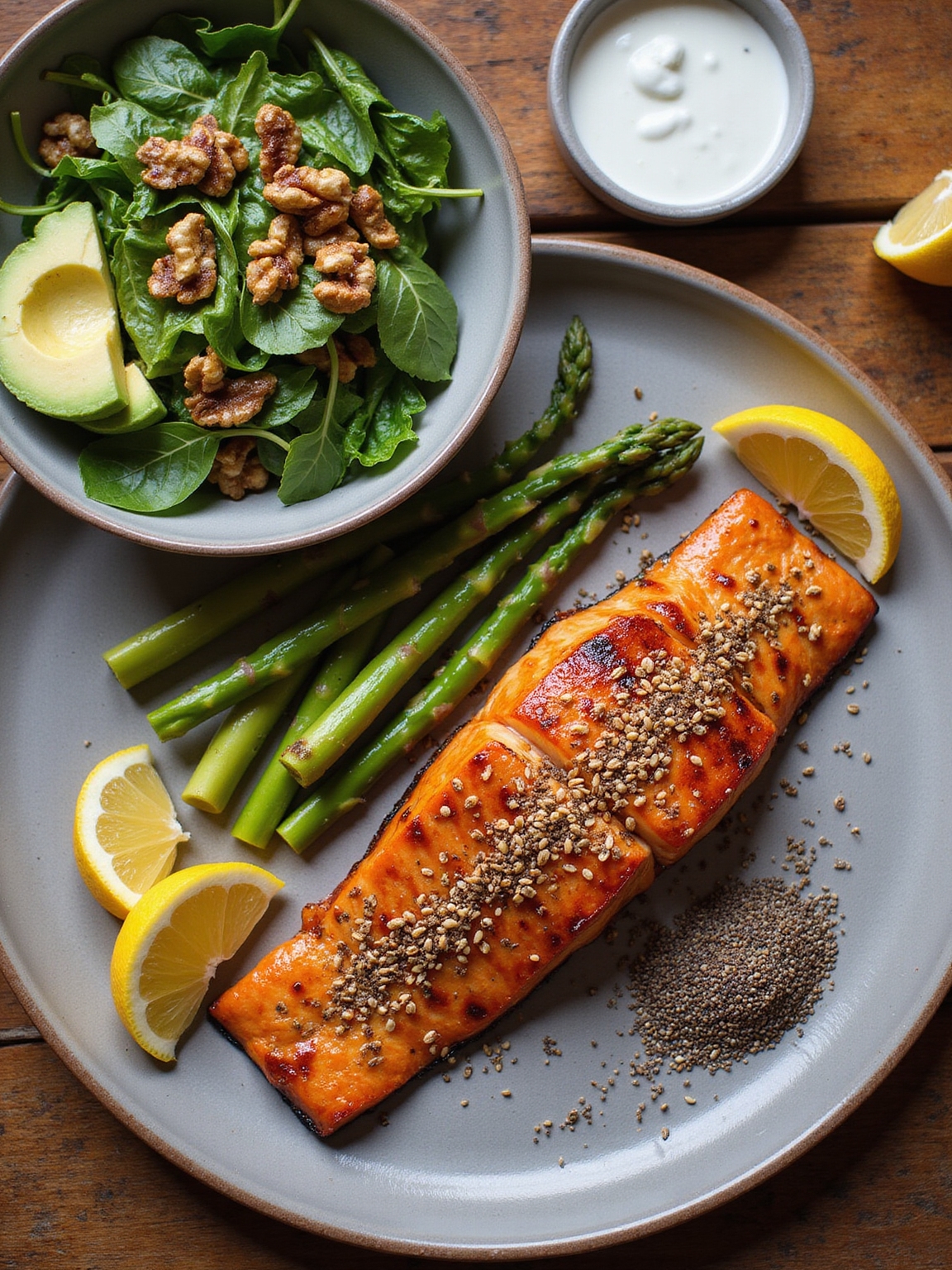
If you want to lower chronic inflammation while sticking to a pescatarian plan, focus on specific, evidence-backed choices you can apply daily: prioritize fatty fish (salmon, mackerel, sardines) for omega‑3s, load up on colorful vegetables and berries for antioxidants, choose whole grains and legumes for fiber, use extra‑virgin olive oil and nuts for anti‑inflammatory fats, limit processed foods and sugary drinks, and aim for regular meals to stabilize blood sugar — these targeted steps are supported by research and are easy to adapt to your routine. Track servings: vegetables (4–6), fruits (2–3), fish (2–3 weekly), whole grains, legumes, olive oil daily. Emphasize Mediterranean-style eating as a sustainable, energizing approach to reduce inflammation and support overall health.
Omega‑3 Fish: Benefits and Top Picks
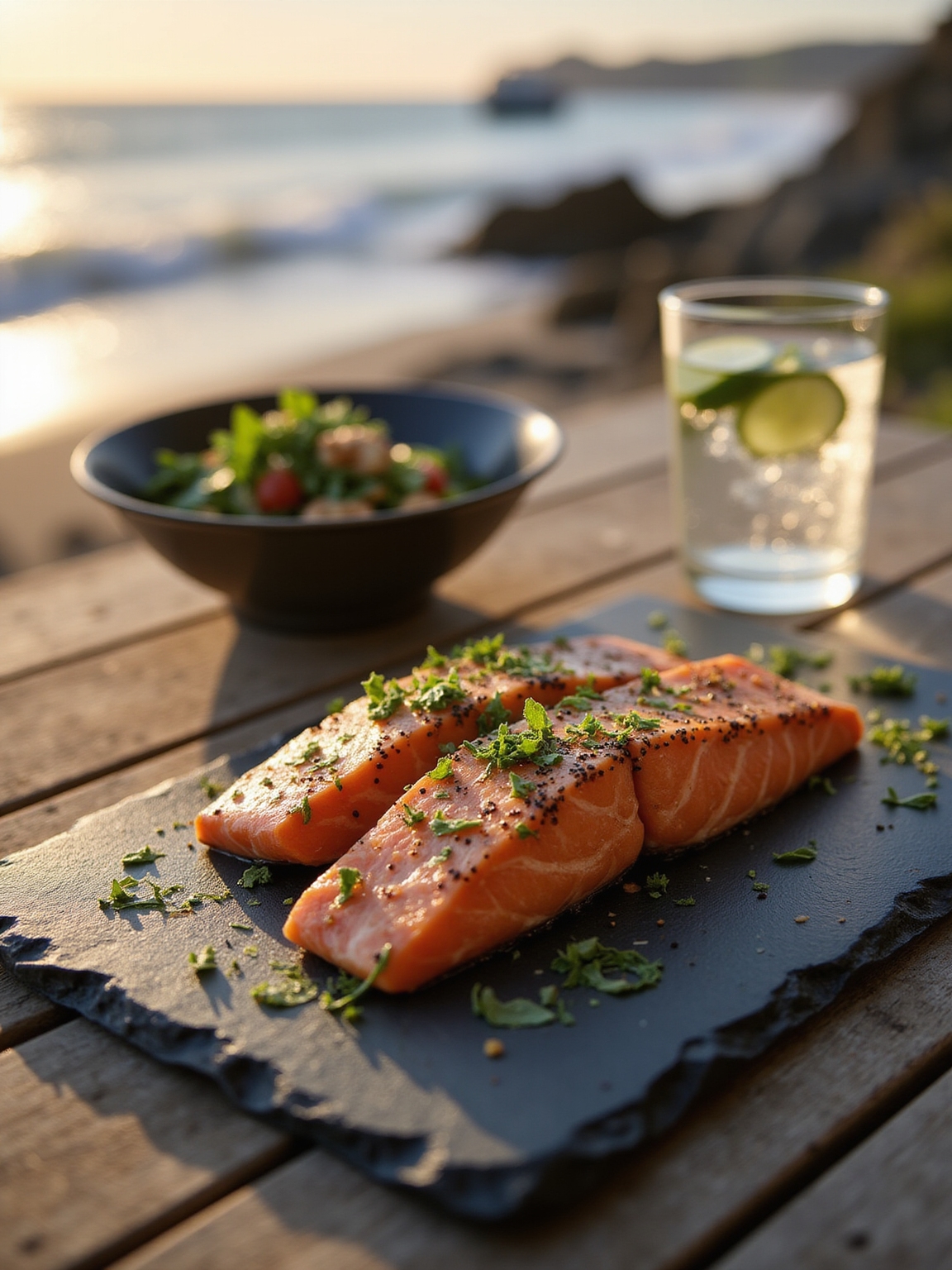
You’ll see strong evidence that omega‑3s reduce inflammation, support heart and brain health, and can ease joint pain when you include them regularly.
Focus on fatty fish like salmon, mackerel, sardines, and trout for the best sources, and aim for two servings per week or follow your clinician’s advice.
When cooking, keep methods simple—grill, bake, or poach—and serve with anti‑inflammatory sides like leafy greens and olive oil to preserve nutrients and maximize benefit.
Also include other essential anti‑inflammatory foods such as olive oil and leafy greens alongside your fish to broaden protective effects.
Omega‑3 Health Benefits
Often overlooked, omega‑3s are among the most evidence-backed nutrients for reducing inflammation, supporting heart and brain health, and improving joint comfort — benefits especially relevant if you follow a pescatarian anti‑inflammatory plan.
You’ll get anti-inflammatory EPA and DHA that help lower inflammatory markers, improve endothelial function, and support cognitive resilience.
Practical recommendations include:
- Aim for consistent intake to maintain therapeutic levels.
- Combine food sources with plant ALA (e.g., flax) for broader coverage.
- Talk with your clinician about doses if you have bleeding risks or take anticoagulants.
These points reflect clinical findings while respecting your individual needs.
Including a variety of whole foods such as fatty fish, nuts, seeds, and colorful vegetables helps create a comprehensive anti‑inflammatory approach with essential foods to support overall health.
Best Fatty Fish
Frequently, choosing the right fatty fish can make the biggest difference in getting anti‑inflammatory omega‑3s that actually matter for your heart, brain, and joints.
You’ll want salmon, mackerel, sardines, trout, and herring—each provides EPA and DHA linked to reduced inflammation and cardiovascular risk in clinical studies.
Wild and smaller fish tend to have lower contaminants and higher omega‑3 density, so you’ll prioritize them when possible.
Canned sardines and salmon offer convenience and sustained nutrient profiles.
If you take medications or have specific health conditions, consult your clinician to tailor choices and serving frequency safely and effectively.
Including a variety of these options supports an overall anti inflammation diet.
Cooking And Serving Tips
Having picked fatty fish rich in EPA and DHA, you’ll want practical cooking and serving approaches that preserve those anti‑inflammatory fats while keeping flavors and safety high.
Cook gently: bake, poach, or grill at moderate heat to minimize omega‑3 loss and avoid char.
Serve with antioxidants like lemon, herbs, and leafy greens to enhance absorption and reduce oxidation.
Prioritize low‑mercury choices and portion control—aim for 2–3 servings weekly.
- Use gentle heat and short cook times.
- Pair with vitamin C‑rich accompaniments.
- Choose certified low‑mercury sources and vary species.
Keto-friendly preparations and ingredient swaps can help you maintain low-carb goals while enjoying these meals, especially when focusing on anti-inflammatory options that align with the keto anti-inflammation approach.
Seafood Picks Besides Salmon That Fight Inflammation

Many types of seafood besides salmon deliver anti-inflammatory benefits, so you don’t have to rely on a single fish to get omega-3s and other protective nutrients.
Aim for sardines, mackerel, anchovies, and trout — each supplies EPA and DHA linked to reduced inflammation and improved heart health.
Shellfish like mussels and oysters offer zinc and selenium that support immune balance.
For variety, include herring and tuna (choose lower-mercury options) and fatty farmed or wild-caught choices per guidelines. Rotate species twice weekly, watch portions, and choose gentle cooking methods to preserve nutrients while managing calorie and sodium intake. A balanced shopping list that emphasizes whole, anti-inflammatory foods can help you maintain this approach and Anti Inflammation Diet support your meal planning.
Anti‑Inflammatory Fruits & Vegetables for Pescatarians

You can lower inflammation by prioritizing leafy greens like spinach and kale, which are rich in vitamins, nitrates, and polyphenols that studies link to reduced inflammatory markers.
Berries — especially blueberries and strawberries — pack anthocyanins and other antioxidants that help neutralize oxidative stress and modulate immune responses.
Combining these vegetables and fruits with your pescatarian seafood choices gives you complementary anti‑inflammatory nutrients that support recovery and long‑term health.
Leafy greens and berries are staples on an anti‑inflammation grocery list because they provide a range of essential nutrients that reduce inflammation and support overall health.
Leafy Greens Benefits
Because leafy greens concentrate key anti‑inflammatory nutrients like vitamin K, nitrates, and a range of polyphenols, including them regularly in a pescatarian diet can meaningfully reduce markers of inflammation and support vascular and gut health.
You’ll get concentrated nutrients with low calories, and studies link greens to lower CRP and better endothelial function. Aim to vary types and preparations to maximize bioavailability and enjoyment.
- Spinach — high nitrate content supports blood flow and nitric oxide.
- Kale — rich in flavonoids and vitamin K for anti‑inflammatory signalling.
- Swiss chard — provides magnesium and polyphenols for gut barrier support.
Berry Antioxidant Power
Berries pack a potent mix of anthocyanins, vitamin C, and fiber that together lower oxidative stress and dampen inflammatory pathways, so adding them to a pescatarian plate can complement omega‑3–rich seafood for broader anti‑inflammatory effects.
You can routinely choose blueberries, strawberries, raspberries, and blackberries for their documented antioxidant profiles and low glycemic impact.
Toss them into yogurt with ground flaxseed, blend into smoothies with spinach and avocado, or top cooked fish salads for contrast and nutrients.
Clinical studies link berry intake to reduced markers of inflammation; start with a half to one cup daily to gain measurable benefits.
Whole Grains, Legumes, Nuts & Seeds to Include
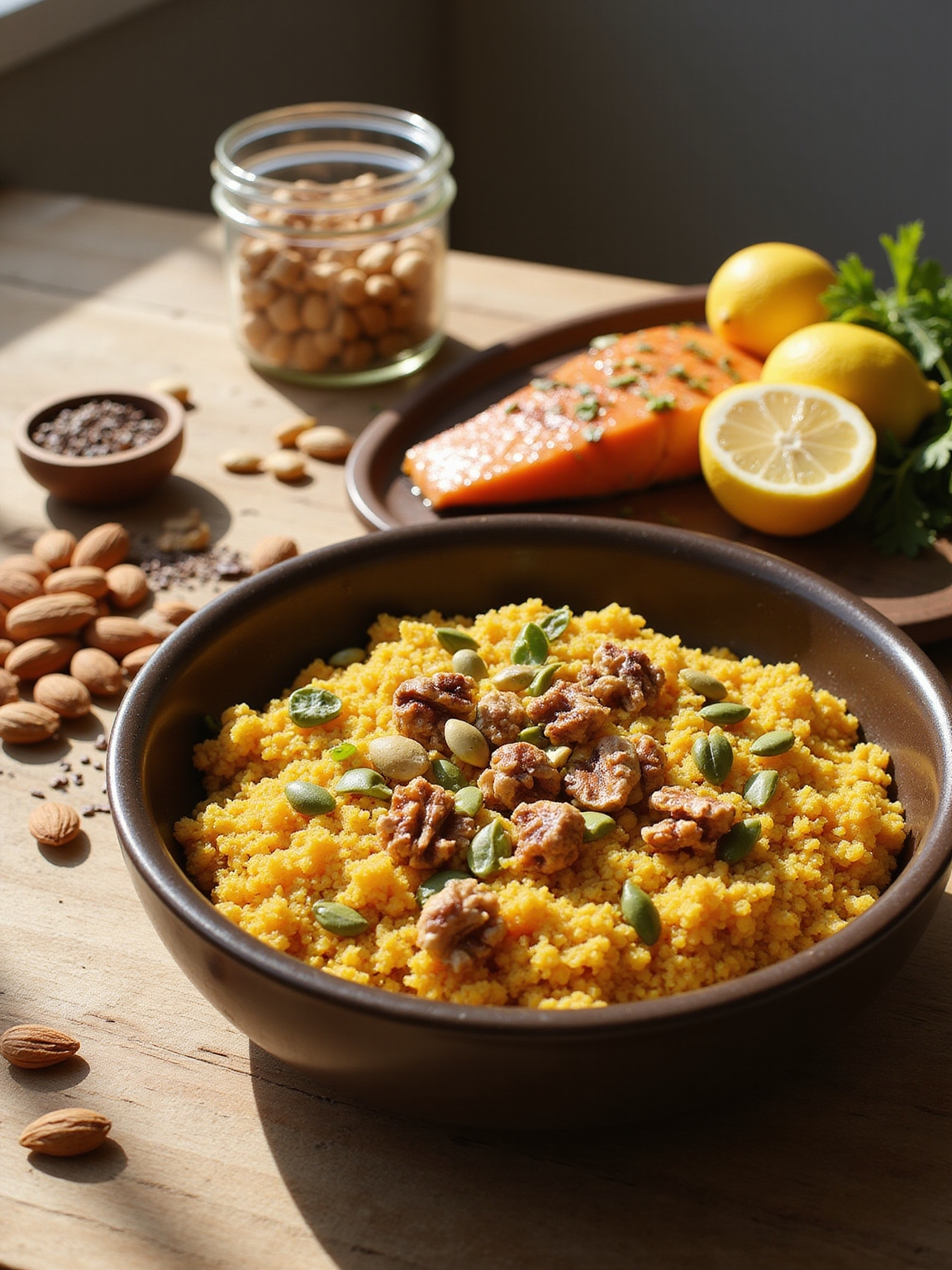
While shifting to a pescatarian, anti-inflammatory plan, focus on whole grains, legumes, nuts, and seeds that provide fiber, plant protein, omega-3 precursors, and micronutrients shown to reduce inflammation markers. You’ll benefit from variety and consistent portions to support gut health and steady glucose.
Prioritize minimally processed choices and rotate sources to broaden phytochemical intake.
- Oats, quinoa, brown rice — soluble fiber and magnesium.
- Lentils, chickpeas, black beans — resistant starch, folate, plant protein.
- Walnuts, chia, flaxseeds — ALA omega-3s, lignans, and anti-inflammatory fats.
Anti‑Inflammatory Herbs, Spices & Cooking Fats
If you want to lower chronic inflammation without sacrificing flavor, embrace a core set of herbs, spices, and cooking fats that research links to reduced inflammatory markers and improved metabolic health.
You’ll benefit from turmeric (curcumin’s anti‑inflammatory effects), ginger, garlic, and rosemary—use them fresh or powdered to boost dishes.
Add cinnamon and cloves for blood‑sugar moderation.
Choose extra‑virgin olive oil as your primary cooking and finishing fat for its mono‑unsaturated fats and polyphenols; use avocado oil for higher‑heat cooking.
Limit reheating oils repeatedly.
Season mindfully: herbs and spices amplify nutrient absorption and make anti‑inflammatory eating sustainable and enjoyable.
Foods to Limit : and Healthy Swaps
Those flavor-forward choices you just read about work best when you also cut back on foods that promote inflammation.
You’ll want to limit processed meats, refined carbs, and excessive fried foods because studies link them to inflammatory markers.
Replace them with whole grains, oily fish, and air- or oven‑baked preparations.
Aim for swaps that are practical and tasty so you’ll stick with them.
- Reduce packaged snacks → choose nuts, seeds, or fruit.
- Cut back on sugary drinks → switch to water with citrus or unsweetened tea.
- Skip deep-fried dishes → opt for broiled or pan-seared fish.
Anti‑Inflammatory Grocery List & Pantry Staples
When you shop for an anti‑inflammatory pescatarian pantry, prioritize omega‑rich seafood like salmon, sardines, and mackerel to boost EPA/DHA intake supported by research.
Stock up on anti‑inflammatory staples—extra‑virgin olive oil, walnuts, flaxseeds, turmeric, and low‑sodium broths—to make meal prep simple and evidence‑based.
Add plenty of colorful fresh produce (leafy greens, berries, cruciferous vegetables) for fiber, antioxidants, and vitamins that help modulate inflammation.
Omega‑Rich Seafood Choices
Frequently, choosing the right seafood can make a big difference in lowering inflammation and supporting heart and brain health. You’ll want fatty, low‑mercury fish rich in EPA and DHA; these omega‑3s reduce inflammatory markers and support cognition. Prioritize sustainable sources and balance portions.
- Salmon — wild when possible; high EPA/DHA, vitamin D.
- Sardines — low mercury, canned options are convenient and calcium‑rich.
- Mackerel (Atlantic, not king) — concentrated omega‑3s; grill or bake.
Choose variety, check advisories, and pair with anti‑inflammatory sides to maximize benefits without overconsumption.
Anti‑Inflammatory Pantry Staples
Because your pantry sets the foundation for everyday meals, stocking anti‑inflammatory staples makes it easier to eat well without extra effort. Fill jars with extra‑virgin olive oil and avocado oil for monounsaturated fats; keep canned wild salmon, sardines, and low‑sodium tuna for omega‑3s and convenience.
Store dried beans, lentils, and quinoa for fiber and plant protein. Add nuts, seeds (flax, chia), and nut butters for anti‑inflammatory omega‑3s and magnesium.
Include turmeric, ginger, garlic, black pepper, and dried herbs for bioactive compounds. Keep low‑sodium broths, whole‑grain pasta, and dark chocolate (70%+) for practical, evidence‑based choices.
Fresh Produce Essentials
Start by prioritizing colorful, fiber‑rich produce that consistently delivers vitamins, antioxidants, and phytochemicals shown to reduce inflammation and support gut health. You’ll choose items that pair well with pescatarian proteins and ease preparation. Focus on variety and seasonality to maximize nutrients and cost‑effectiveness.
- Berries, cherries, and citrus — anthocyanins and vitamin C lower markers of inflammation.
- Leafy greens, crucifers, and beets — nitrates, sulforaphane, and fiber support endothelial and microbiome health.
- Alliums, ginger, turmeric — organosulfur compounds and curcuminoids provide anti‑inflammatory, antioxidant benefits.
Rotate these weekly, wash gently, and store properly to preserve potency.
Budget & Seasonal Swaps for Pescatarians
When you’re trying to eat anti-inflammatory on a budget, seasonal swaps let you get the most nutrients for the least cost while still prioritizing omega-3s and phytonutrients that reduce inflammation.
Choose canned salmon or sardines in months when fresh fatty fish spikes; they retain EPA/DHA and cost less.
Swap out imported berries for local apples, pears, or frozen berries—fiber and polyphenols remain beneficial.
Buy leafy greens in season and freeze blanched portions to preserve vitamins.
Use root vegetables and winter squash when leafy greens are expensive.
Plan markets around peak harvests to stretch dollars without sacrificing anti-inflammatory benefits.
1‑Week Meal Template for Busy Pescatarians
Shifting from seasonal swaps and budget choices, you can build a weekly meal template that keeps anti-inflammatory goals realistic for a busy schedule.
Use leftovers, frozen fish, and quick legumes to reduce decision fatigue while keeping omega‑3s and fiber central. Plan dinners that double as next‑day lunches and batch grains once.
- Rotate: 2 fish nights, 2 plant‑forward dinners, 1 legume stew.
- Prep: Batch cook grains, chop veg, portion dressings.
- Snacks: Nuts, fruit, yogurt portions.
This evidence‑based approach lowers inflammation markers by improving consistency, and it respects your time and appetite.
10 Quick Anti‑Inflammatory Pescatarian Breakfasts
Start your day with omega‑rich options like smoked salmon on whole‑grain toast or chia pudding topped with walnuts to support inflammation control through EPA, DHA, and alpha‑linolenic acid.
You can also assemble quick anti‑inflammatory bowls—think leafy greens, avocado, a poached egg or canned sardines, and a turmeric‑lemon dressing—for a balanced mix of protein, healthy fats, and antioxidants. These choices are evidence‑based, simple to prepare, and flexible so you can match them to your schedule and taste.
Omega‑Rich Morning Choices
Because your morning choices set the tone for inflammation control, prioritize quick, omega-rich pescatarian breakfasts that deliver EPA and DHA alongside fiber and antioxidants. You’ll reduce inflammatory markers by choosing whole-food sources and pairing them with plant anti-inflammatories.
Try these practical options:
- Smoked salmon on whole-grain toast with mashed avocado and lemon — provides EPA, fiber, and vitamin C.
- Greek yogurt topped with chia seeds, walnuts, and blueberries — offers ALA, antioxidants, and probiotics to modulate inflammation.
- Sardine and tomato open-faced sandwich with arugula — supplies DHA, lycopene, and nitrate-rich greens for vascular benefits.
These choices are evidence-aligned and easy.
Quick Anti‑Inflammatory Bowls
Breakfast bowls give you a fast, balanced way to lower inflammation without sacrificing flavor or convenience.
You can assemble nutrient-dense bowls in minutes: base of cooked quinoa or oats for fiber, leafy greens for antioxidants, and oily fish like smoked salmon or tinned sardines for omega-3s linked to reduced inflammatory markers.
Add turmeric, ground flaxseed, walnuts, and a citrus vinaigrette to boost bioactive compounds and absorption.
Portion protein, healthy fats, and complex carbs to stabilize blood sugar and inflammation pathways.
These bowls fit busy mornings, support recovery and cognition, and are adaptable to taste and seasonal produce.
Simple Make‑Ahead Lunches and Bowls
Make-ahead lunches and bowls give you control over anti-inflammatory choices during busy days, so you can rely less on whatever’s convenient and more on what helps your body recover.
You’ll prep nutrient-dense bases, portion omega-3 rich fish or canned tuna alternatives, and preserve veggies to reduce inflammation markers and sustain energy.
Follow simple templates:
- Brown rice or quinoa + roasted salmon + greens.
- Lentil salad + canned sardines + turmeric vinaigrette.
- Chickpea bowl + grilled mackerel + avocado.
These combos cut decision fatigue, support steady blood sugar, and let you customize spices and dressings proven to lower inflammatory responses.
Weeknight Dinners: Fast Fish + Veggie Combos
When you’re short on time but still want meals that lower inflammation, quick-cooking fish paired with seasonal vegetables give you a high-impact, evidence-based approach: omega-3 rich fish like salmon, mackerel, or sardines reduce inflammatory markers, while colorful crucifers and leafy greens add fiber and phytonutrients that support recovery.
You can pan-sear fillets in olive oil, finish with lemon and herbs, and roast broccoli or sauté Swiss chard in the same pan to save time and dishes.
Aim for variety across the week, prioritize whole foods, and adjust portions to your appetite—this keeps dinners anti-inflammatory and sustainable.
Snacks and Smoothies That Fight Inflammation
Short, nutrient-dense snacks and blended drinks can keep your anti-inflammatory efforts consistent between meals, especially after quick fish-and-veg dinners when you might still need a bite or a recovery boost.
Choose ingredients with omega-3s, polyphenols, and fiber to reduce inflammation markers and support recovery.
Practical options include:
- Greek yogurt with ground flaxseed and berries — protein, ALA, antioxidants.
- Avocado toast on whole-grain bread with lemon and chia — monounsaturated fats and fiber.
- Spinach-kale smoothie with frozen mango, turmeric, black pepper, and a splash of unsweetened almond milk — anti-inflammatory phytochemicals and vitamin C.
Prep portions to stay consistent.
Handle Cravings, Allergies & Social Meals
Although cravings, allergies, and social meals can complicate an anti-inflammatory pescatarian plan, you can manage them with practical strategies that respect your health and social life. Use substitutions, plan ahead, and communicate needs; evidence supports consistent protein and omega-3 intake to curb cravings and inflammation. For allergies, prioritize safe seafood and fortified plant foods. At social events, offer to bring a dish or scout menu options; polite requests reduce stress and exposure.
| Situation | Action |
|---|---|
| Sweet craving | Greek yogurt + berries |
| Shellfish allergy | Choose oily fish |
| Dining out | Review menu online |
| Party food | Bring swap |
Conclusion
You’re already building a disciplined, delicious defense against inflammation—think of your plate as a colorful shield. By prioritizing fatty fish twice weekly, piling on veggies, berries, whole grains, legumes, nuts and seeds, and using turmeric, ginger and olive oil, you’ll lower inflammation and support heart and brain health. Keep meals simple and batch‑prep to stay consistent; small, evidence‑based swaps and compassionate planning make this sustainable and effective.


