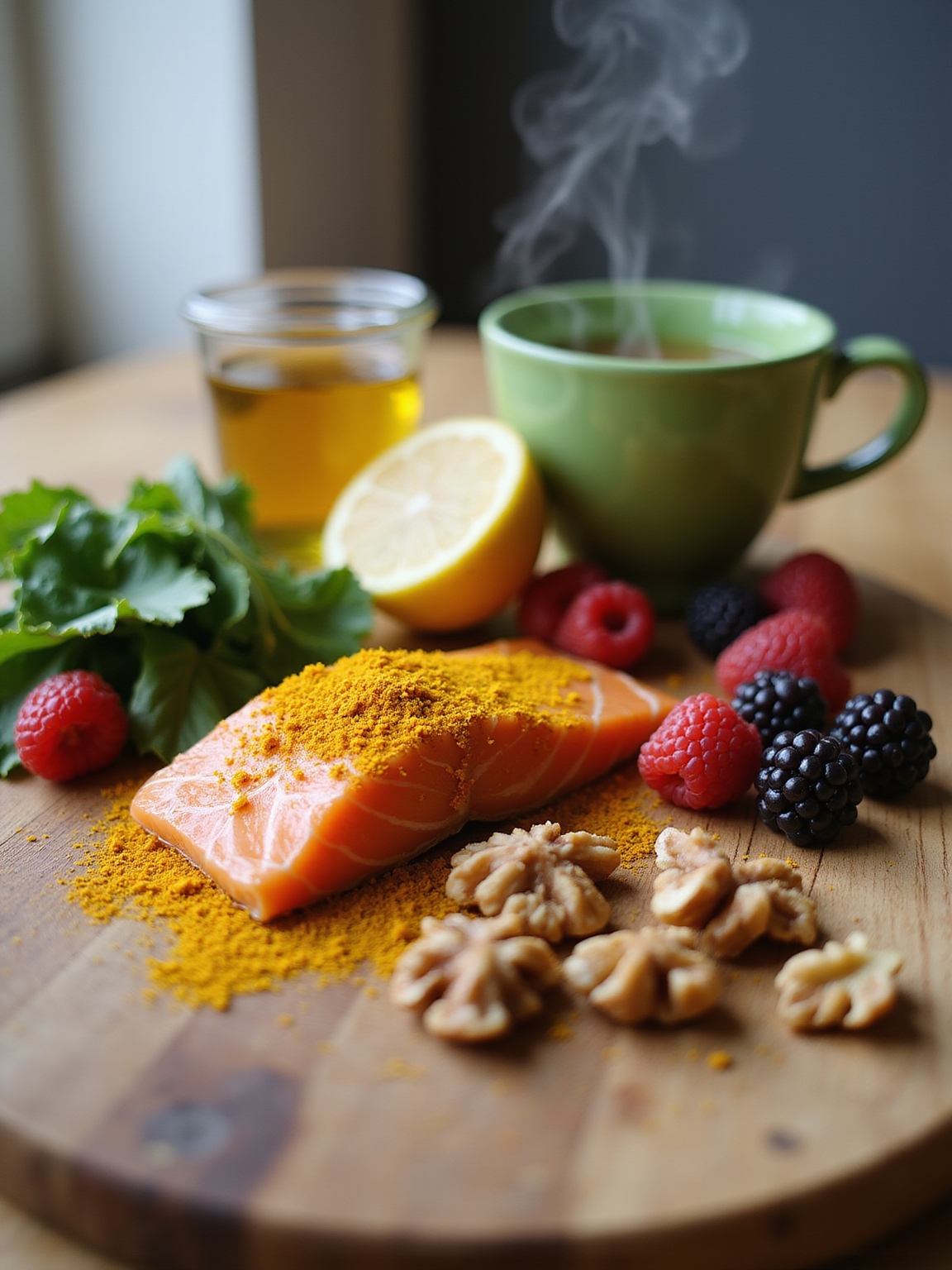

You can almost taste the lemon and turmeric as they sizzle in the pan, brightening a quick, healthful dinner. You’ll learn simple swaps that cut inflammation—think omega-3s, fiber, and antioxidants—without spending hours in the kitchen. Practical tips, pantry picks, and fast recipes will get you cooking weekday meals that help your body feel better and your schedule breathe easier.
How to Build a 30-Minute Anti-Inflammatory Meal (3 Simple Steps)

When you’re short on time but want to reduce inflammation, you can put together a satisfying, evidence-based meal in 30 minutes by focusing on three simple steps: pick an anti-inflammatory protein, add colorful vegetables and a whole-grain or healthy-fat side, and finish with herbs, citrus, or a turmeric-based sauce for extra benefit.
Start with a lean fish, legumes, or tofu that cooks quickly and supplies omega-3s or plant protein. Roast or sauté mixed vegetables for nutrients and fiber. Pair with quinoa, brown rice, or avocado for healthy fats. Brighten with lemon, parsley, ginger, or turmeric for added anti-inflammatory compounds. This simple plan emphasizes whole, minimally processed foods and balanced meals to support everyday health and lower chronic inflammation risk by including anti-inflammatory foods.
Top Anti-Inflammatory Ingredients for Your Pantry and Fridge
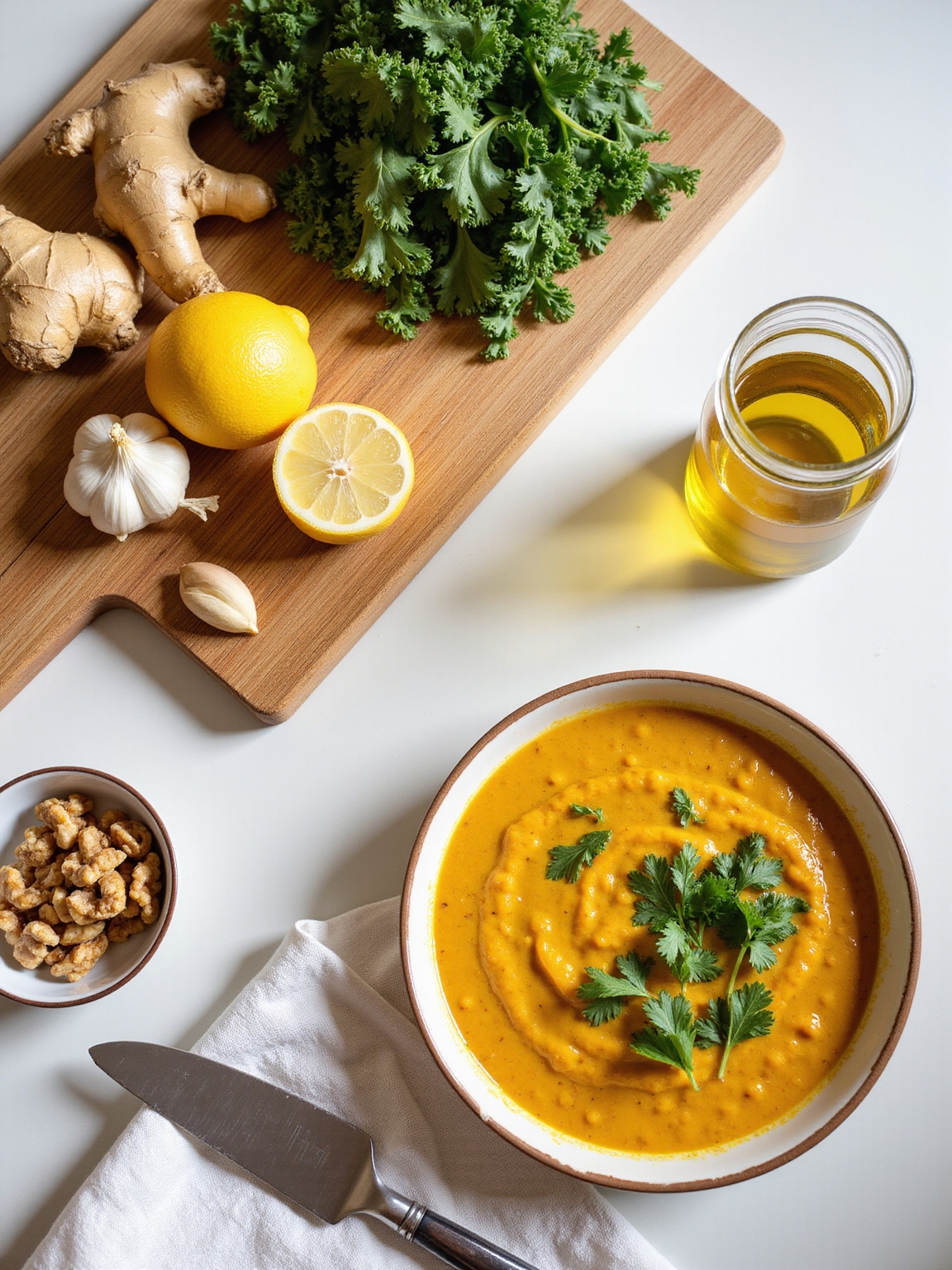
Stock your pantry and fridge with a few research-backed staples — extra-virgin olive oil and avocados for healthy fats, turmeric and ginger for powerful anti-inflammatory compounds, and garlic for immune support.
Keep berries and leafy greens on hand for antioxidants, fiber, and vitamins that help reduce inflammation over time.
With these ingredients, you can quickly assemble meals that taste good and support recovery and long-term health.
Including anti-inflammatory staples like nuts, fatty fish, and whole grains can further enhance the diet’s effectiveness.
Olive Oil And Avocados
Drizzle extra-virgin olive oil over salads or mash avocado into a creamy spread—both deliver monounsaturated fats and anti-inflammatory compounds like oleic acid and polyphenols that research links to reduced inflammation and improved heart health.
You can swap butter for olive oil when sautéing vegetables and use sliced avocado to add richness to grain bowls, tacos, or toast.
Choose cold-pressed, dark-glass bottled oil and ripe, firm avocados for best flavor and nutrients. Store oil away from heat and use avocados within days of ripening.
Small changes like these boost nutrient density and make anti-inflammatory meals effortless. The Energizing Anti-Inflammatory Mediterranean Diet emphasizes monounsaturated fats as staples for reducing inflammation and supporting energy.
Turmeric, Ginger, Garlic
Although they’re small pantry staples, turmeric, ginger, and garlic pack potent anti-inflammatory compounds you can use every day to flavor food and support health.
You’ll get curcumin from turmeric, which studies link to reduced markers of inflammation; gingerols in ginger ease inflammatory pathways and nausea; allicin in garlic shows mild anti-inflammatory and immune-supporting effects.
Use fresh or powdered forms: add turmeric to soups and dressings with black pepper for absorption, grate ginger into stir-fries and marinades, and smash garlic into vinaigrettes or quick sautés.
These ingredients are versatile, inexpensive, and effective when used regularly in simple meals. Regularly including anti-inflammatory foods in meals can help support long-term health.
Berries And Leafy Greens
A handful of berries and a big bunch of leafy greens can deliver some of the most potent, science-backed anti-inflammatory nutrients you’ll find in your kitchen.
You’ll get anthocyanins, vitamin C, and fiber from berries that reduce oxidative stress and support gut health.
Leafy greens — spinach, kale, arugula — bring vitamin K, magnesium, and polyphenols that modulate inflammatory pathways.
Toss berries into yogurt or salads, blitz greens into quick smoothies, or sauté greens with garlic and lemon for a bright side.
These ingredients store well, cook fast, and reliably boost anti-inflammatory meals you can make in minutes.
Keeping an essential list of anti-inflammatory foods in your kitchen helps you plan quick meals and stay consistent with healthier choices, like stocking up on anti-inflammatory foods.
Quick Grocery List for Anti-Inflammatory Weeknight Cooking

Stock up smart and you’ll cut prep time without sacrificing nutrition — an effective anti-inflammatory grocery list focuses on whole, minimally processed items rich in omega-3s, antioxidants, fiber, and polyphenols that research links to reduced inflammation.
Pick salmon, sardines, or canned tuna for quick protein; olive oil and walnuts for healthy fats; a mix of colorful vegetables like spinach, broccoli, bell peppers, and sweet potatoes; berries and citrus for antioxidants; garlic, ginger, turmeric for anti-inflammatory spices; beans, lentils, and quinoa for fiber; and green tea for polyphenols.
Keep staples ready: lemon, sea salt, pepper, and low-sodium broth. Recent studies also show that regular consumption of omega-3 rich foods can help lower markers of inflammation.
5 Breakfasts Under 10 Minutes With Anti-Inflammatory Benefits
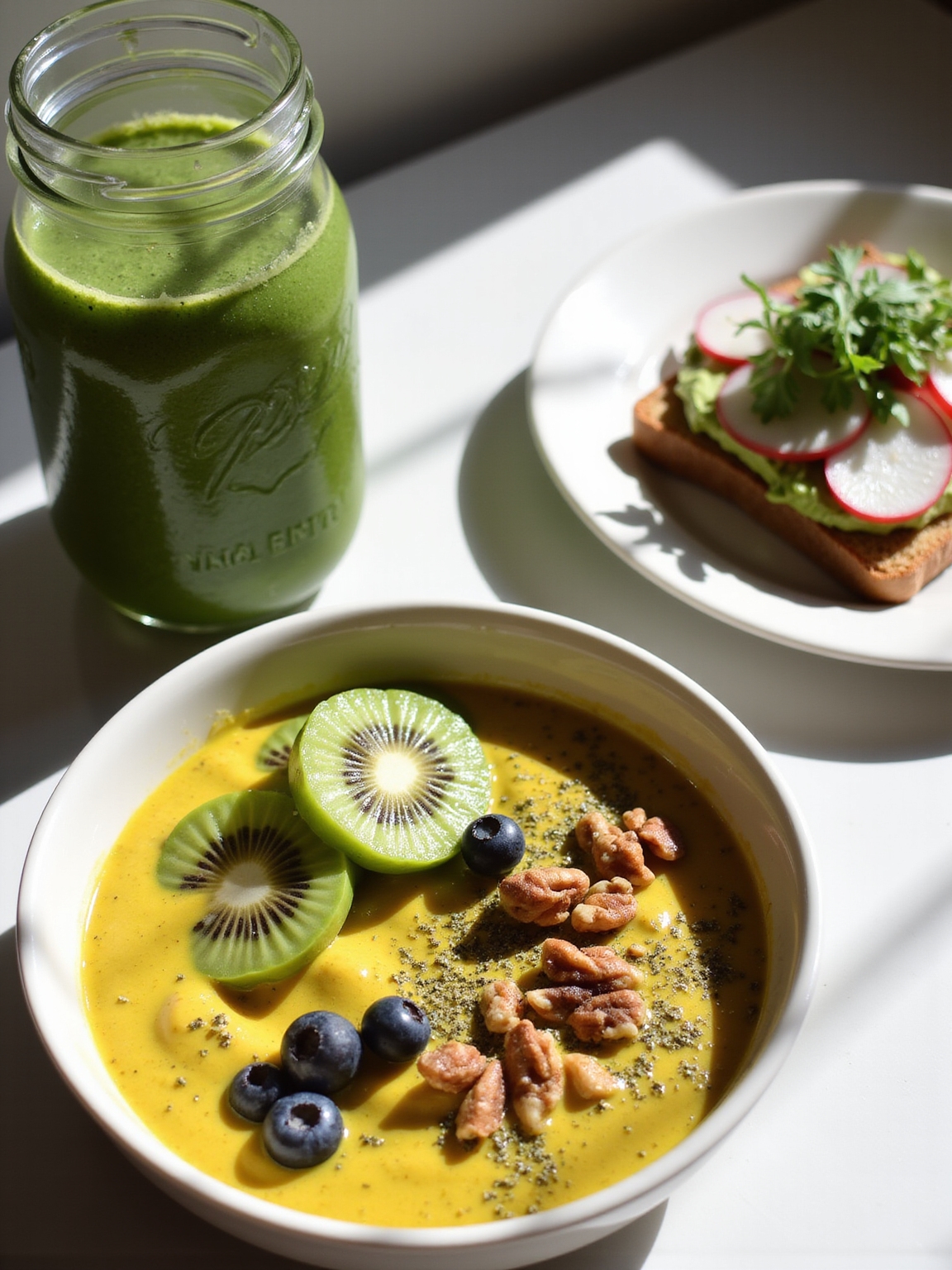
You can assemble anti-inflammatory breakfasts in under 10 minutes that still pack in nutrients and flavor.
Try a turmeric smoothie with frozen banana and ginger for an easy, evidence-supported anti-inflammatory boost, or top quick-cook oats with mixed berries and a sprinkle of flax for fiber and antioxidants.
For a savory option, mash avocado on whole-grain toast and add lemon, olive oil, and a pinch of chili for healthy fats and polyphenols.
Many of these options draw on principles from Morning Anti-Inflammatory breakfasts to provide quick, nourishing meals.
Quick Turmeric Smoothies
Because turmeric’s curcumin has well-documented anti-inflammatory effects, blending a quick turmeric smoothie gives you a practical, science-backed way to start the day—fast. You’ll get antioxidants, healthy fats to boost curcumin absorption, and a soothing flavor that’s easy to customize. Use black pepper and a small fat source (like yogurt or avocado) to improve bioavailability. Keep portions moderate and taste-test spices.
- 1 cup milk (dairy or plant) plus 1/2 cup yogurt or banana
- 1 tsp turmeric, pinch black pepper, 1/2 tsp cinnamon
- 1 tbsp flaxseed or nut butter for healthy fats
Oatmeal With Berries
Often overlooked, a quick bowl of oatmeal with berries delivers a research-backed morning boost of fiber, antioxidants, and polyphenols that help modulate inflammation.
You can use rolled oats cooked quickly with water or milk, then top with mixed berries—blueberries, strawberries, or raspberries—for varied polyphenol profiles.
Add a spoonful of ground flaxseed or chia for omega-3s and extra fiber; a sprinkle of cinnamon may lower post-meal glucose and inflammatory markers.
Portion your oats (about 40–50 g) and a half cup of berries to balance carbs and fiber.
This meal’s simple, evidence-aligned, and ready in under ten minutes.
Avocado Toast Variations
When you mash ripe avocado on whole-grain toast and add a few anti-inflammatory toppings, you get a fast breakfast that’s rich in monounsaturated fats, fiber, and antioxidants to help lower inflammatory responses.
You can customize flavors while keeping nutrient density high: add turmeric and black pepper for curcumin bioavailability, scatter walnuts for omega-3s, or top with tomato and basil for lycopene and polyphenols.
These choices support reduced markers of inflammation in clinical studies when paired with an overall healthy diet.
Keep portions moderate, choose minimally processed bread, and rotate toppings to maximize variety and benefits.
- Turmeric + black pepper
- Walnuts + lemon zest
- Tomato + basil
5 Lunch Bowls You Can Assemble in 15–20 Minutes
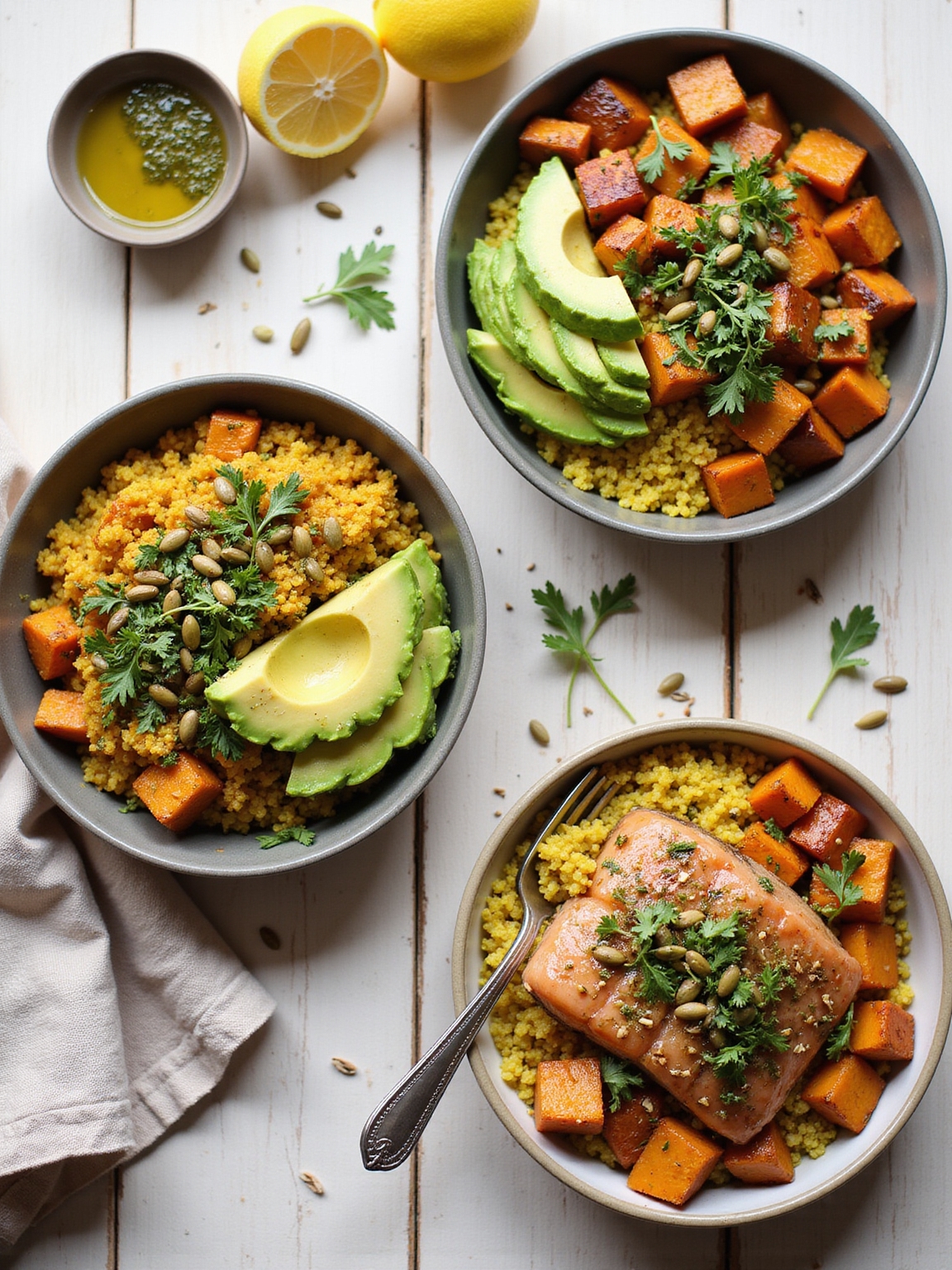
By focusing on a few nutrient-dense components—leafy greens or quick-cooked whole grains, a colorful mix of vegetables, a lean protein or plant-based alternative, and an anti-inflammatory dressing—you can assemble a satisfying lunch bowl in 15–20 minutes that supports recovery and steady energy.
Choose spinach or arugula, precooked quinoa or bulgur, roasted sweet potato cubes (use leftover or microwave-steamed), cherry tomatoes, shredded carrots, and canned beans or tofu.
Drizzle olive oil, lemon, turmeric, and yogurt-based dressing for omega-3s and polyphenols.
Aim for fiber, protein, and phytonutrients to reduce inflammation; vary ingredients to keep meals nutrient-rich and practical.
30-Minute Dinners: Fish, Poultry & Plant-Based Mains
If you need a nourishing dinner on busy nights, choose quick-cooking fish, lean poultry, or plant-based mains that deliver protein, anti-inflammatory omega-3s or phytonutrients, and minimal prep.
You’ll rely on simple techniques—pan-searing, steaming, or quick sautés—and whole-food ingredients to reduce inflammation while saving time.
Aim for balanced plates with colorful vegetables, healthy fats, and a modest portion of whole grains or legumes.
Flavor with turmeric, garlic, citrus, and herbs to boost anti-inflammatory effects supported by research.
Keep pantry staples and frozen vegetables on hand so meals come together reliably.
- Pan-seared salmon with lemon and spinach
- Garlicky chicken with cherry tomatoes
- Lentil and kale curry with turmeric
One-Pan and Sheet-Pan Anti-Inflammatory Meals for Fast Cleanup
Whip up anti-inflammatory dinners on a single tray to save time, cut cleanup, and keep nutrient loss minimal. You’ll roast colorful vegetables, whole grains, and healthy fats together—think cruciferous veggies, sweet potatoes, olive oil, and turmeric-spiced chickpeas—for balanced antioxidants and fiber.
Arrange ingredients by cook time, use parchment or a light oil spray, and finish with lemon, herbs, or a tahini drizzle to boost polyphenols and absorbable nutrients. One-pan cooking preserves vitamins by reducing exposure and time at high heat. You’ll eat well, minimize dishes, and consistently serve evidence-aligned meals with minimal fuss.
Protein-Packed Anti-Inflammatory Meals (25–40 G per Serving)
To build meals that fight inflammation and keep you satisfied, focus on protein-rich options that hit 25–40 g per serving.
Try high-protein plant bowls with lentils, chickpeas, quinoa, and antioxidant-packed greens, or quick lean fish dinners like pan-seared salmon or cod with turmeric-citrus dressing.
These choices give you anti-inflammatory benefits, steady blood sugar, and practical weeknight prep.
High-Protein Plant Bowls
Build a bowl that steadies inflammation and fuels your day by combining fiber, healthy fats, and 25–40 grams of plant protein per serving. You’ll focus on legumes, whole grains, nuts or seeds, and colorful veggies rich in antioxidants. Balance textures and flavors so meals feel satisfying and reduce cravings that lead to pro-inflammatory choices.
Prep tips: batch-cook beans and quinoa, roast cruciferous veggies, and make a tahini-lemon dressing for anti-inflammatory fats. Simple swaps let you hit protein targets without animal products, supporting gut health and steady blood sugar.
- Lentils + quinoa + roasted broccoli
- Chickpeas + farro + avocado
- Tofu + brown rice + walnuts
Lean Fish Quick Meals
Choose lean fish for fast, high-quality protein that delivers 25–40 g per serving while supplying omega-3s and other anti-inflammatory nutrients. You can pan-sear cod, grill tuna, or poach salmon for rapid meals that pair with whole grains and vegetables. Aim for 4–6 oz portions, season modestly with turmeric, lemon, and olive oil, and cook to flaky doneness. Evidence supports omega-3s and low saturated fat for inflammation reduction, so prioritize sustainable choices. Use batch-cooked grains and quick greens to finish in 30 minutes.
| Fish | Prep tip |
|---|---|
| Cod | Pan-sear 6–8 min |
| Tuna | Grill 3–4 min |
| Salmon | Poach 8–10 min |
| Halibut | Roast 10–12 min |
Whole-Grain & Legume Swaps: 10 Easy Replacements
Swap in whole grains and legumes and you’ll boost fiber, stabilize blood sugar, and add anti-inflammatory nutrients without much fuss.
You can swap refined carbs for simple whole-grain and legume alternatives to reduce post-meal inflammation markers and support gut health.
Keep portions practical, cook quicker grains in batches, and use canned or pre-cooked legumes to save time.
Pair with vegetables and a lean protein for balanced meals.
- Replace white rice with quinoa or farro.
- Swap pasta for chickpea or lentil pasta.
- Use canned black beans instead of refried beans.
These swaps are evidence-based, versatile, and ready in minutes.
Spices, Dressings & Flavor Hacks That Boost Anti-Inflammatory Effects
You can amplify anti-inflammatory benefits with simple flavor swaps like adding turmeric and a pinch of black pepper to sauces and grains, since piperine boosts curcumin absorption.
Try omega-rich dressings—olive oil or walnut oil whisked with lemon, mustard, and a touch of honey—to deliver healthy fats that support inflammation control.
These small, evidence-backed hacks make meals tastier and more therapeutic without extra effort.
Turmeric And Black Pepper
Often overlooked, the simple combo of turmeric and black pepper can make a big difference: piperine in black pepper boosts curcumin absorption by up to 2,000%, so adding a pinch of pepper to turmeric-based dressings, marinades, or smoothies helps your body get more of turmeric’s anti-inflammatory compounds.
You’ll want to pair them with a fat source (oil, yogurt, or avocado) to further improve uptake, and heat briefly to release flavor.
Try these practical uses that fit 30-minute meals and rest on clinical evidence for bioavailability enhancement:
- Turmeric-pepper vinaigrette with olive oil
- Golden yogurt dressing
- Quick turmeric marinade for roasted veggies
Omega-Rich Dressing Hacks
Kick-start your salads and bowls with omega-rich dressings that deliver anti-inflammatory benefits alongside flavor. Use extra-virgin olive oil or cold-pressed flaxseed oil as bases; they provide monounsaturated fats and alpha-linolenic acid linked to reduced inflammation.
Add acid like lemon or apple-cider vinegar to enhance polyphenol absorption. Stir in ground chia or hemp seeds for texture and omega-3s.
Spice with turmeric plus a pinch of black pepper, grated ginger, and garlic for synergistic anti-inflammatory compounds. Sweeten sparingly with raw honey or mustard.
Whisk, taste, and store chilled up to three days for quick, healthful boosts.
Meal-Prep Shortcuts: Batch Components to Finish Meals in 10 Minutes
Batch-cook staples like roasted vegetables, whole grains, and lean proteins so you can assemble anti-inflammatory meals in about 10 minutes during the week.
You’ll save time and preserve nutrient density by prepping components that reheat or mix cold without losing texture.
Use simple seasonings—olive oil, turmeric, citrus—to boost bioactive benefits shown to reduce inflammation.
Store portions in clear containers, label with dates, and rotate weekly to keep meals varied and safe.
- Cooked quinoa or farro
- Sheet-pan roasted cruciferous veggies
- Poached chicken or baked salmon
Combine, dress, and eat.
Kid-Friendly Anti-Inflammatory Meals in 30 Minutes
You can use those prepped staples to build kid-friendly anti-inflammatory dinners in about 30 minutes that kids will actually eat. Focus on whole-grain pasta, wild salmon or canned sardines, colorful veggies, and avocado for healthy fats and omega-3s shown to reduce inflammation.
Keep flavors familiar: mild herbs, lemon, a touch of olive oil, grated cheese if tolerated. Make simple swaps—sweet potato fries instead of regular, yogurt-based dips over sugary sauces—to boost fiber and probiotics.
Let kids customize bowls with toppings; involvement increases acceptance. These practical, evidence-informed choices help you serve quick meals that support long-term health.
Budget Anti-Inflammatory Dishes Under $5 Per Serving
Stretch your grocery dollars without sacrificing anti-inflammatory benefits by choosing affordable staples like beans, oats, canned fatty fish, frozen vegetables, and seasonal produce.
You can build balanced, nutrient-dense meals that research links to reduced inflammation — fiber, omega-3s, and antioxidants — while keeping cost under $5 per serving. Plan simple combos, buy in bulk, and use herbs and citrus for flavor instead of processed sauces.
- Chickpea and spinach curry with brown rice
- Oat-crusted salmon cakes with a kale slaw
- Lentil and roasted vegetable bowl with tahini dressing
These choices are practical, evidence-based, and budget-friendly.
Time-Savers & Equipment for Anti-Inflammatory Cooking
When you want to eat anti-inflammatory meals without spending hours in the kitchen, smart tools and simple routines will make a measurable difference: a slow cooker or Instant Pot locks in nutrients while hands-off cooking, a good chef’s knife and cutting board speed prep and reduce waste, and a food processor or immersion blender turns fibrous veggies and legumes into quick sauces and soups that preserve fiber and antioxidants.
Use a digital scale and measuring spoons for consistent portions, glass storage for batch meals, and nonstick pans for minimal oil. Batch-cook whole grains and roasted vegetables; freeze portions to save time and preserve freshness.
Troubleshooting: Adapt Recipes for Allergies, Tastes, and Less Time
If you need to adapt anti-inflammatory recipes for allergies, personal tastes, or tight schedules, start by identifying which ingredients drive inflammation benefits and which ones you can swap without losing nutrition. Focus on whole-food swaps: olive oil for butter, leafy greens for iceberg, turmeric or ginger for less potent spices. Prioritize protein and fiber to keep meals satisfying when you shorten prep.
- Substitute to retain omega-3s: chia or walnuts if you avoid fish.
- Use pre-washed greens and canned beans to save time.
- Swap nightshades with cruciferous veggies if sensitivity exists.
Conclusion
You’ve got a simple, evidence-based blueprint to calm inflammation with real food: pair lean protein or legumes, colorful veg, and a whole grain or healthy fat, season smartly, and cook fast. Keep pantry staples on hand, use time-saving tools, and adapt for allergies or budget. Try meals like turmeric chickpea bowls or pan-seared salmon with spinach—think of it as culinary alchemy, like a smartphone for your immune system, practical and kind to your body.