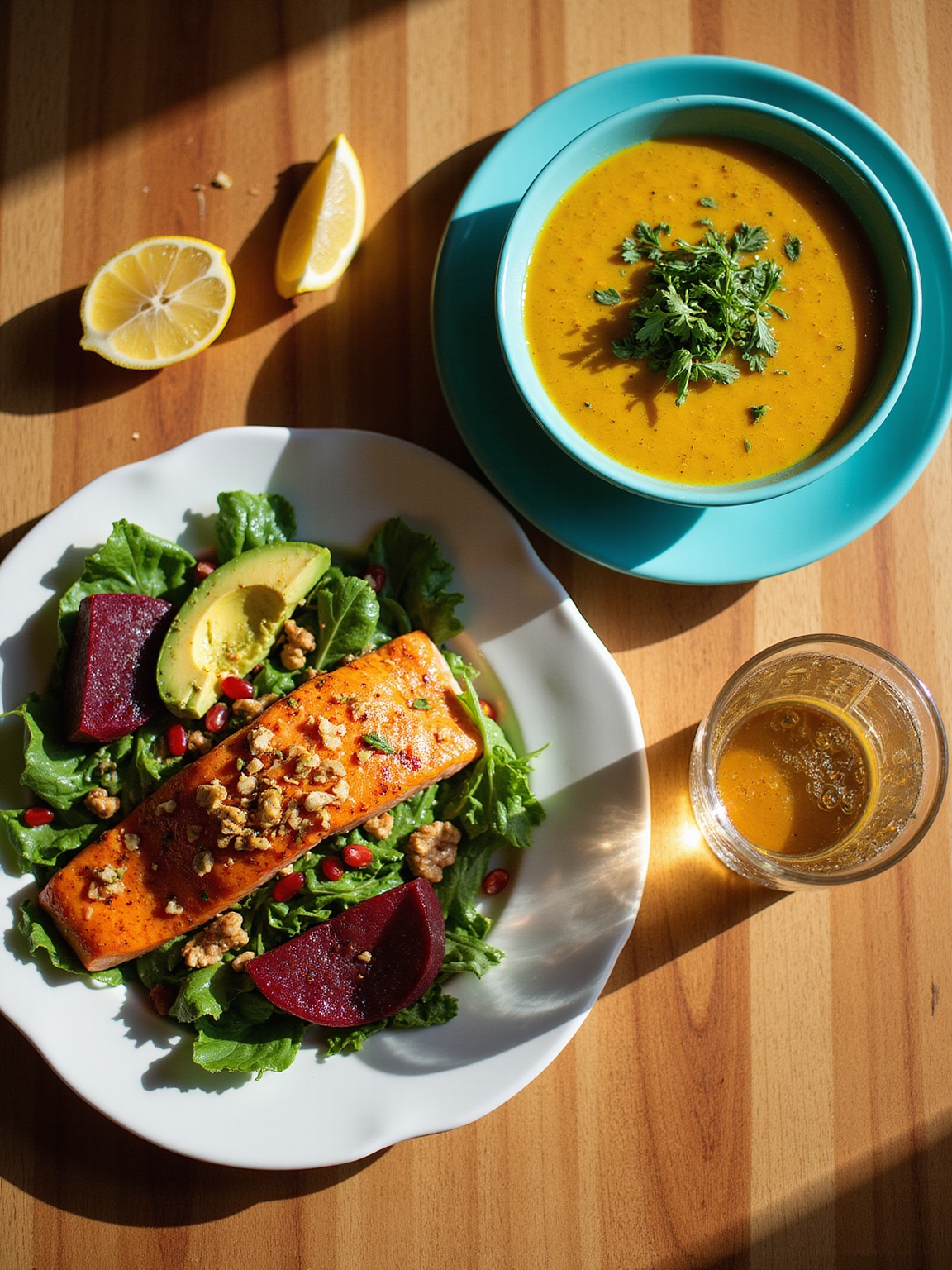

An evidence‑based approach to anti‑inflammatory dinners focuses on colorful vegetables, whole grains, lean proteins and omega‑3 sources to reduce chronic inflammation and support recovery. Practical, nutrient‑dense meals emphasize fiber, polyphenols and healthy fats while minimizing refined sugars and processed oils. The suggestions that follow are simple to prepare, adaptable to busy evenings and designed to feel both comforting and restorative—here are ideas to try tonight and beyond.
Anti-Inflammatory Dinner Basics

When planning an anti-inflammatory dinner, prioritize whole, minimally processed foods rich in omega-3 fats, fiber, antioxidants, and phytonutrients. Focus on fatty fish, legumes, whole grains, colorful vegetables, nuts, seeds, and olive oil, which research links to lower systemic inflammation.
Limit refined sugars, trans fats, and highly processed items that elevate inflammatory markers. Emphasize varied plant colors to maximize phytonutrient intake and include fermented foods or fiber to support gut health.
Portion control and regular meal timing help metabolic balance. Simple seasoning with herbs and spices like turmeric and ginger adds anti-inflammatory compounds without extra calories. Also keep on hand pantry staples from an anti-inflammatory grocery list to make nourishing dinners easier to prepare.
Build an Anti-Inflammatory Plate in 5 Minutes

A quick anti-inflammatory plate can be assembled by pairing a lean or plant protein with a generous portion of colorful vegetables to provide amino acids, fiber, and antioxidants.
Including a serving of whole grains such as quinoa or farro supplies sustained energy and additional anti-inflammatory phytonutrients.
Finishing with a source of healthy fats—olive oil, avocado, or a sprinkle of nuts or seeds—supports nutrient absorption and adds inflammation-modulating omega-3s and monounsaturated fats.
Everyday anti-inflammatory meals are simple to prepare and can be adapted to what you have on hand, like Anti Inflammation Diet staples such as roasted vegetables, beans, and whole grains.
Balance Protein With Vegetables
By pairing a modest portion of lean or plant-based protein with a variety of colorful vegetables, one can create a meal that supports reduced inflammatory markers and stable blood sugar.
Evidence indicates proteins like fatty fish, poultry, legumes, tofu, and tempeh supply amino acids and, for some, anti-inflammatory omega-3s or beneficial peptides, while vegetables contribute fiber, polyphenols, and micronutrients that modulate immune responses.
Aim for balance: protein sized to appetite and vegetables composing the bulk of the plate.
Simple preparations—grilling, steaming, sautéing with minimal refined fats—preserve nutrients and make nourishing dinners quick and sustainable.
Including consistent meal patterns and whole-food choices also helps maintain anti-inflammatory benefits over time, especially when combined with balanced portions of vegetables.
Choose Whole Grains
Among whole grains, those minimally processed—such as brown rice, quinoa, barley, oats, and farro—consistently show advantages for lowering inflammation markers and improving glycemic control compared with refined grains.
Emphasizing whole grains supplies fiber, plant protein, vitamins, and polyphenols linked in trials to reduced C-reactive protein and improved insulin responses.
Practical choices include swapping white rice for quinoa, using steel-cut oats for a savory porridge, or adding barley to stews for texture and soluble fiber.
Portion control and varied grains support microbiome diversity and steady blood sugar, making whole grains a simple, evidence-based staple on an anti-inflammatory dinner plate.
Including these staples along with other anti-inflammatory foods helps form the foundation of an essential foods approach to reducing chronic inflammation.
Add Healthy Fats
With simple swaps and small additions, healthy fats can be incorporated to lower inflammation and support metabolic health: sources like extra-virgin olive oil, fatty fish (salmon, mackerel), nuts, seeds, and avocado provide monounsaturated and omega-3 polyunsaturated fats that have been associated in randomized trials and meta-analyses with reduced C-reactive protein and improved endothelial function.
Meal-level recommendations include drizzling olive oil on salads or roasted vegetables, adding a palm-sized serving of oily fish twice weekly, sprinkling flax or chia seeds over grains, and using mashed avocado as a spread. Portions matter; balance fats with vegetables and whole grains for a nourishing plate.
Also consider keeping a simple anti-inflammation shopping list to make these choices easier at the grocery store, emphasizing staples like olive oil, oily fish, nuts, seeds, and avocados as part of a balanced routine.
20-Minute Anti-Inflammatory Dinners

Minute anti-inflammatory dinners prioritize nutrient-dense components that can be assembled or cooked rapidly to reduce inflammation.
Examples include protein-packed bowls with canned fish or legumes, 10-minute stir-fries using colorful vegetables and turmeric-ginger, and leafy greens finished with warm olive oil–lemon dressings to increase polyphenol absorption.
These approaches are supported by evidence favoring omega-3s, phytonutrients, and minimal processing for acute meal-based benefits.
Anti-inflammatory Low FODMAP Meals Worth Trying often showcase simple swaps and ingredients that keep meals both gentle on the gut and rich in anti-inflammatory nutrients, making them practical weeknight options Low FODMAP.
Quick Protein-Packed Bowls
Because meals that combine lean protein, fiber-rich vegetables, and anti-inflammatory fats support recovery and metabolic balance, quick protein-packed bowls offer a practical dinner option for reducing inflammation without sacrificing time or flavor.
These bowls pair grilled salmon, tofu, or skinless chicken with whole grains or cauliflower rice, leafy greens, roasted crucifers, and avocado.
A drizzle of extra-virgin olive oil or tahini adds anti-inflammatory lipids; lemon, turmeric, and black pepper provide phytochemical support.
Portioning cooked components in advance enables assembly in minutes.
The approach emphasizes nutrient density, balanced macronutrients, and minimal processing to promote satiety and support inflammatory regulation.
Including high-protein options helps maintain muscle mass and keeps energy levels steady.
10-Minute Stir-Fries
Turn to quick stir-fries when dinner needs to be anti-inflammatory, nutrient-dense, and ready in under 15 minutes.
These meals rely on high-heat techniques that preserve texture and nutrients: colorful vegetables, lean proteins like tofu, fish, or chicken, and anti-inflammatory aromatics such as garlic, ginger, and turmeric.
Healthy fats—olive, avocado, or sesame oil sparingly—aid absorption of fat-soluble phytonutrients.
Use low-sodium tamari or citrus to limit added salt.
Quick cooking reduces advanced glycation and nutrient loss, supporting metabolic health.
Simple meal templates, single-pan cleanup, and flexible ingredients make stir-fries practical for everyday anti-inflammatory dinners.
Greens With Warm Dressings
After a quick stir-fry, finishing a meal with leafy greens dressed in a warm, aromatic vinaigrette offers an equally fast way to pack anti-inflammatory nutrients into dinner.
The warmth slightly wilts spinach, kale or Swiss chard, improving nutrient absorption while preserving texture.
A dressing made from extra-virgin olive oil, lemon, grated turmeric, garlic and a pinch of black pepper supplies monounsaturated fats and bioavailable curcumin.
Toasted nuts or seeds add omega-3s and magnesium; a sprinkle of fresh herbs enhances polyphenols.
Simple saline-free seasoning keeps sodium low.
This preparation is evidence-aligned, nutrient-dense and practical for weeknight meals.
One-Pan and Sheet-Pan Dinners

One-pan and sheet-pan dinners condense anti-inflammatory principles into a single, efficient cooking method that preserves nutrients while minimizing added fats and processing.
These meals emphasize colorful vegetables, whole grains, legumes, and lean proteins roasted or sautéed together, promoting phytonutrient diversity and balanced macronutrients.
Minimal oil use, acidic finishes (lemon, vinegar), and herbs reduce reliance on salt and heavy sauces.
One-pan techniques lower cleanup barriers, increasing adherence to home cooking, which is linked to healthier dietary patterns.
Empirical guidance favors varied plant foods, moderate portions of healthy fats, and cooking temperatures that avoid charring to limit pro-inflammatory compounds.
Weeknight Fish Dinners High in Omega‑3s

Building on the practicality of sheet-pan methods, weeknight fish dinners can deliver concentrated anti-inflammatory benefits by emphasizing omega‑3–rich species and simple, nutrient-preserving preparations. Evidence supports regular fatty fish intake (salmon, mackerel, sardines) for EPA/DHA, linked to reduced inflammatory markers. Quick techniques—steaming, broiling, light pan-searing—preserve oils and vitamins. Pairings with colorful vegetables and lemon, herbs, or a drizzle of extra-virgin olive oil enhance absorption and flavor without excess calories. Portions, cooking time, and sourcing (wild versus farmed) influence nutrient density and sustainability considerations for an accessible, nourishing practice.
| Fish | Omega‑3 per serving | Quick prep |
|---|---|---|
| Salmon | High | Broil 10–12m |
| Sardines | Very high | Pan-sear 3–4m |
| Mackerel | High | Roast 8–10m |
| Trout | Moderate | Steam 6–8m |
Plant-Forward Dinners With Legumes and Whole Grains

Centered on legumes and whole grains, plant-forward dinners provide concentrated anti-inflammatory nutrients—fiber, polyphenols, resistant starch, and plant proteins—that support gut health and modulate immune signaling. Examples include lentil stews with barley, chickpea and farro bowls, and black bean tacos on whole-grain tortillas.
These meals increase short-chain fatty acid production, improve glycemic control, and deliver micronutrients like magnesium and folate linked to reduced inflammation. Preparation emphasizes minimal processing, soaking or fermenting legumes to enhance digestibility, and combining complementary proteins for amino acid balance.
Portioning around vegetables and healthy fats maintains satiety while keeping inflammatory drivers, such as refined grains, to a minimum.
Greens and Crucifers That Boost Antioxidants

Rich in vitamins, minerals, and phytonutrients, leafy greens and cruciferous vegetables deliver concentrated antioxidant activity that helps neutralize oxidative stress linked to chronic inflammation.
Studies highlight kale, spinach, broccoli, Brussels sprouts, and bok choy for high levels of vitamin C, carotenoids, glucosinolates, and polyphenols.
Regular inclusion supports detoxification pathways, modulates inflammatory markers, and provides fiber for gut health—an important mediator of systemic inflammation.
Simple preparations—light steaming, quick sauté with garlic and olive oil, or raw salads—preserve nutrients and encourage intake.
Combining these vegetables with vitamin-C–rich foods enhances absorption of plant compounds, optimizing anti-inflammatory benefits.
Anti-Inflammatory Soups and Stews

With a focus on whole ingredients and anti-inflammatory spices, soups and stews offer concentrated, easily absorbed nourishment that supports recovery and lowers systemic inflammation.
They combine vegetables, legumes, whole grains, and fatty fish or lean poultry with turmeric, ginger, garlic, and black pepper to enhance bioavailability and reduce proinflammatory pathways.
Bone broths and vegetable stocks provide minerals and collagen precursors while fiber-rich additions support gut health and short-chain fatty acid production.
Cooking methods that preserve nutrients—simmering gently, adding greens late—maximize benefit.
Regularly chosen as evening meals, these preparations are practical, satisfying, and aligned with clinical dietary recommendations.
Roasted-Vegetable Bowls With Tahini or Herb Dressings

One or two sheet pans of oven-roasted vegetables paired with a simple tahini or herb dressing create a nutrient-dense dinner that emphasizes anti-inflammatory ingredients and practical preparation.
Vegetables such as broccoli, Brussels sprouts, sweet potato, and red onion provide fiber, carotenoids, and polyphenols; roasting concentrates flavor while preserving nutrients when done briefly at moderate heat.
A tahini dressing adds sesame-derived anti-inflammatory lignans and healthy fats; herb dressings with parsley, dill, lemon, and olive oil supply vitamin C and polyphenols.
Toppings like toasted seeds, a squeeze of citrus, and a whole-grain base enhance satiety and metabolic health.
Tofu, Tempeh, and Legume Stir-Fries

Tofu, tempeh, and legumes provide concentrated plant protein and complementary nutrients that support recovery and satiety in an anti‑inflammatory diet.
Simple additions like turmeric, ginger, garlic, and citrus can enhance anti‑inflammatory effects while keeping flavors vibrant.
Quick techniques — pressing tofu, pan‑searing tempeh, or slightly mashing beans — improve texture and make these stir‑fries more satisfying.
Protein-Packed Plant Options
In plant-forward anti-inflammatory meal planning, tofu, tempeh, and legumes provide concentrated protein alongside nutrients and bioactive compounds that support recovery and immune balance. These options deliver complete or complementary amino acid profiles, fiber for gut health, and polyphenols linked to lower inflammatory markers.
Preparation methods—pressing and marinating tofu, steaming then searing tempeh, or simmering legumes until tender—preserve texture and nutrient availability. Combining them with colorful vegetables and whole grains creates balanced meals that stabilize blood sugar and satiety.
Portioning for individual needs and choosing minimally processed forms maximizes anti-inflammatory benefits while remaining practical and nourishing.
Anti-Inflammatory Flavor Boosts
Building on protein-packed plant bases like tofu, tempeh, and legumes, stir-fries amplify anti-inflammatory benefits by layering targeted flavors and cooking techniques that preserve nutrients.
Aromatics such as garlic, ginger, and turmeric contribute bioactive compounds with documented anti-inflammatory effects; pairing them with black pepper enhances curcumin absorption.
Use heart-healthy oils (olive, avocado) sparingly at moderate heat to protect polyphenols.
Bright acids—lemon, lime, rice vinegar—and fresh herbs finish dishes, adding vitamin C and flavonoids that support inflammation resolution.
Salt can be reduced by umami boosters like miso or tamari, creating satisfying, nutrient-dense meals grounded in evidence-based flavor choices.
Quick Texture Techniques
For quick, satisfying stir-fries, mastering simple texture techniques transforms tofu, tempeh, and legumes into appealing, nutrient-dense proteins that retain flavors and anti-inflammatory benefits.
Pressing tofu removes excess water for crisper searing; a light cornstarch dusting promotes Maillard browning with minimal oil.
Cube or flake tempeh, steam briefly to reduce bitterness, then toss in a hot pan to develop caramelized edges.
For legumes, drain and dry canned beans, or gently smash cooked chickpeas to increase surface area for crisping.
Finish with acidic, antioxidant-rich dressings (lemon, turmeric, ginger) to brighten flavors and support anti-inflammatory effects.
Budget Anti-Inflammatory Dinners Under $6/Serving
On a modest grocery budget, selecting whole grains, seasonal vegetables, legumes, and canned fish can deliver meals that reduce inflammatory markers without exceeding $6 per serving; recent cost-analysis studies and dietary guidelines show these staples provide fiber, omega-3s, and polyphenols linked to lower inflammation while keeping expenses low.
Practical recipes combine brown rice or barley with roasted crucifers, lentil stews flavored by turmeric and garlic, or sardine salads with leafy greens and vinegar. Portion control and simple spice blends maximize nutrient density. Meal planning, price-per-serving comparisons, and choosing frozen produce maintain affordability while supporting anti-inflammatory outcomes.
Make-Ahead Dinners and Batch-Cook Templates
A weekly batch-cook strategy can streamline anti-inflammatory meal planning by preparing core components—grains, legumes, roasted vegetables—once and combining them in varied ways across the week.
Freezer-friendly meal templates, such as portioned stews, casseroles, and grain bowls, preserve nutrient density and simplify portion control for later use.
Simple quick-reheat techniques (steam, oven bake at moderate temperature, or stovetop simmer) help retain texture and phytochemicals while minimizing added fats or sodium.
Weekly Batch-Cook Strategy
Using a structured weekly batch-cook strategy, the home cook can prepare multiple anti-inflammatory dinners in advance to save time, reduce decision fatigue, and maintain consistent nutrient-rich meals throughout the week.
The approach centers on selecting whole-food proteins (fatty fish, legumes, poultry), colorful vegetables, anti-inflammatory fats (olive oil, avocado), and whole grains, then cooking components in coordinated batches.
Evidence supports meal planning for improved dietary quality and adherence.
Practical steps include a two-hour Sunday session, portioning into meals, labeling, and rotating flavoring bases (herbs, citrus, spices) to prevent monotony.
This method promotes nutrient density, convenience, and sustainable eating habits.
Freezer-Friendly Meal Templates
By organizing meals into freezer-ready templates, home cooks can preserve nutrient quality and streamline weeknight preparation while maintaining anti-inflammatory principles.
Templates group components—protein, vegetable, whole grain, sauce—into portioned packs for consistent balance, reduced waste, and controlled sodium.
Evidence supports minimizing reheating cycles and using airtight containers to protect phytochemicals.
Clear labeling and rotation schedules aid safety and variety.
Example templates:
- Lentil-brown rice-produce mix with turmeric-ginger sauce
- Salmon-spinach-quinoa packet with lemon-dill dressing
- Chickpea-roasted vegetable bowl with tahini-miso drizzle
- Chicken-stew base with root vegetables and herbs
These templates enable nutrient-dense, grab-and-go dinners.
Quick Reheat Techniques
For efficient weeknight recovery, reheating strategies for make-ahead dinners and batch-cooked templates prioritize nutrient retention, food safety, and sensory appeal. Evidence-based approaches recommend gentle, even reheating: oven or stovetop for casseroles and grains, microwave with stirring for vegetables and proteins, and steam for delicate greens. Portions should be thawed safely, brought to 74°C (165°F) internal temperature, and held briefly to preserve texture. Crisp toppings can be refreshed under a broiler. Labeling and cooling practices reduce risk. Practical choices balance speed and quality to make anti-inflammatory meals both convenient and nourishing.
| Method | Best for | Tip |
|---|---|---|
| Oven | Casseroles | Cover then uncover to crisp |
| Stovetop | Stews, grains | Stir to distribute heat |
| Microwave | Veggies, single portions | Use lid, stir mid-way |
| Steamer | Leafy greens | Short bursts to avoid sogginess |
| Broiler | Toppings | Watch closely to prevent burning |
Pantry Staples and Simple Flavor Swaps
On a well-stocked shelf, a handful of targeted pantry staples can shift meals toward lower inflammation without complex recipes; research supports staples such as extra-virgin olive oil, canned legumes, whole grains, turmeric, dried herbs, nuts, and low-sodium broths as practical bases for anti-inflammatory dinners.
Simple swaps concentrate phytonutrients and reduce pro-inflammatory ingredients: swap refined grains for quinoa or barley, butter for olive oil, salty condiments for herb blends, and sugary sauces for citrus-turmeric dressings.
Evidence-based choices increase fiber, healthy fats, and antioxidants.
Practical examples:
- Quinoa for white rice
- Olive oil for butter
- Lemon+tumeric for sweet sauce
- Canned beans for processed proteins
Kid-Friendly Anti-Inflammatory Dinners
Often overlooked, children’s dinners can be both appealing and aligned with anti-inflammatory principles by prioritizing whole grains, colorful vegetables, lean proteins, and healthy fats. Evidence suggests familiar textures and mild spices increase acceptance; simple swaps—brown rice for white, baked salmon for fried fish, avocado for butter—deliver nutrients and reduce inflammatory load. Meals presented as build-your-own bowls or fun shapes support autonomy and intake. Portions scaled for age and routine-family meals reinforce habits. The following evokes warmth and reassurance:
| Comfort | Nourish |
|---|---|
| Rainbow rice bowls | Salmon, avocado |
| Veg-packed mac | Whole-grain pasta |
| Turkey meatballs | Steamed broccoli |
| Bean quesadillas | Salsa, yogurt |
| Fruit skewers | Honeyed Greek yogurt |
Evening Dinners That Support Better Sleep
Building on kid-friendly anti-inflammatory meals that emphasize whole grains, lean proteins and healthy fats, evening dinners that support better sleep prioritize foods and timing shown to promote nighttime rest: low-glycemic carbohydrates (such as quinoa or sweet potato) paired with tryptophan-containing proteins (like turkey, salmon, or legumes), magnesium- and potassium-rich vegetables (spinach, Swiss chard, roasted squash), and small portions of healthy fat (avocado, olive oil) to aid nutrient absorption without causing late-night indigestion.
- Favor balanced plates timed 2–3 hours before bed.
- Include anti-inflammatory herbs (turmeric, ginger).
- Limit caffeine and high-sugar items.
- Choose calming beverages (chamomile, warm milk).
Conclusion
The article closes by summarizing evidence-based, nourishing strategies—colorful vegetables, whole grains, omega‑3 rich fish, legumes, and anti‑inflammatory spices—that make dinners both restorative and practical. Practical templates (20‑minute meals, sheet‑pan roasts, batch‑cooked stews) support consistency without sacrificing flavor. Even a medieval torchlight of curiosity can inspire small, sustainable swaps: prioritize variety, minimal processed foods, and routine meal planning to reduce inflammation and promote sleep, energy, and long‑term well‑being.