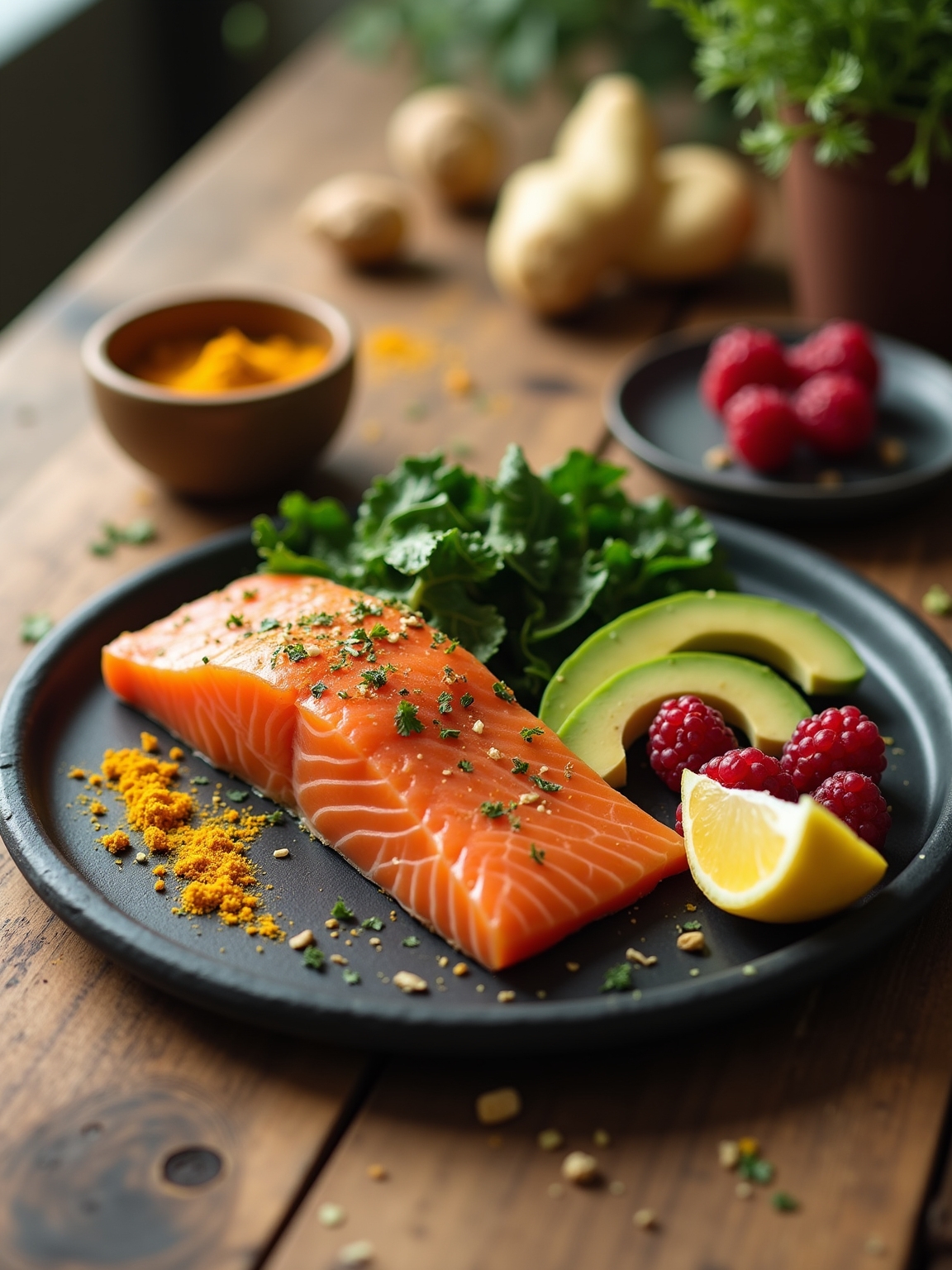

The piece outlines desserts that support inflammation control through whole foods, fiber, healthy fats, and antioxidants. It explains which ingredients reduce inflammatory signals, practical swaps to lower refined sugar, and portioning strategies for blood‑glucose stability. Recipes and make‑ahead options emphasize ease and nutrient density, with allergy adaptations and low‑sugar guidance. A concise plan and troubleshooting tips follow to help select satisfying options that align with health goals.
What Readers Want: Quick Anti‑Inflammatory Dessert Ideas
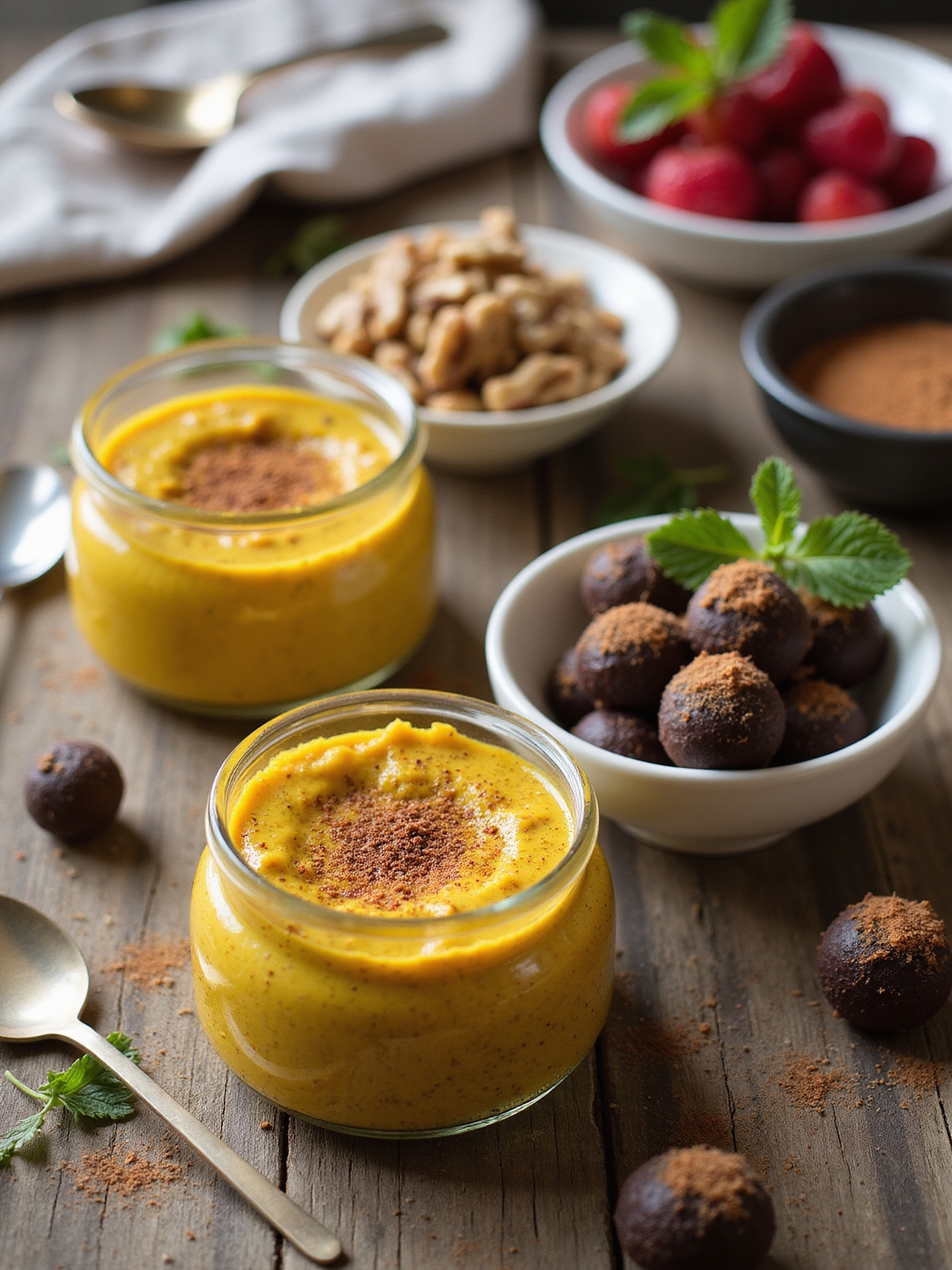
For readers seeking quick anti‑inflammatory dessert ideas, the priority is simple: combine evidence‑based ingredients known to reduce inflammation with minimal prep and familiar flavors.
The audience wants recipes that fit busy routines, use accessible pantry items, and offer measurable benefits without sacrificing taste. Preferences lean toward single‑bowl mixes, no‑bake options, and portion-controlled servings that emphasize fiber, antioxidants, and healthy fats.
Clear ingredient swaps and timing guidelines reduce decision fatigue. Reliable sensory cues (texture, sweetness balance) help adoption.
Practical batch, storage, and reheating notes increase usability. Presentation encourages repeated use and integration into an anti‑inflammatory lifestyle.
Including easy snack swaps like turmeric and ginger in dressings and toppings makes it simple to boost anti‑inflammatory benefit without changing core recipes.
What Makes a Dessert Anti‑Inflammatory (Key Ingredients)
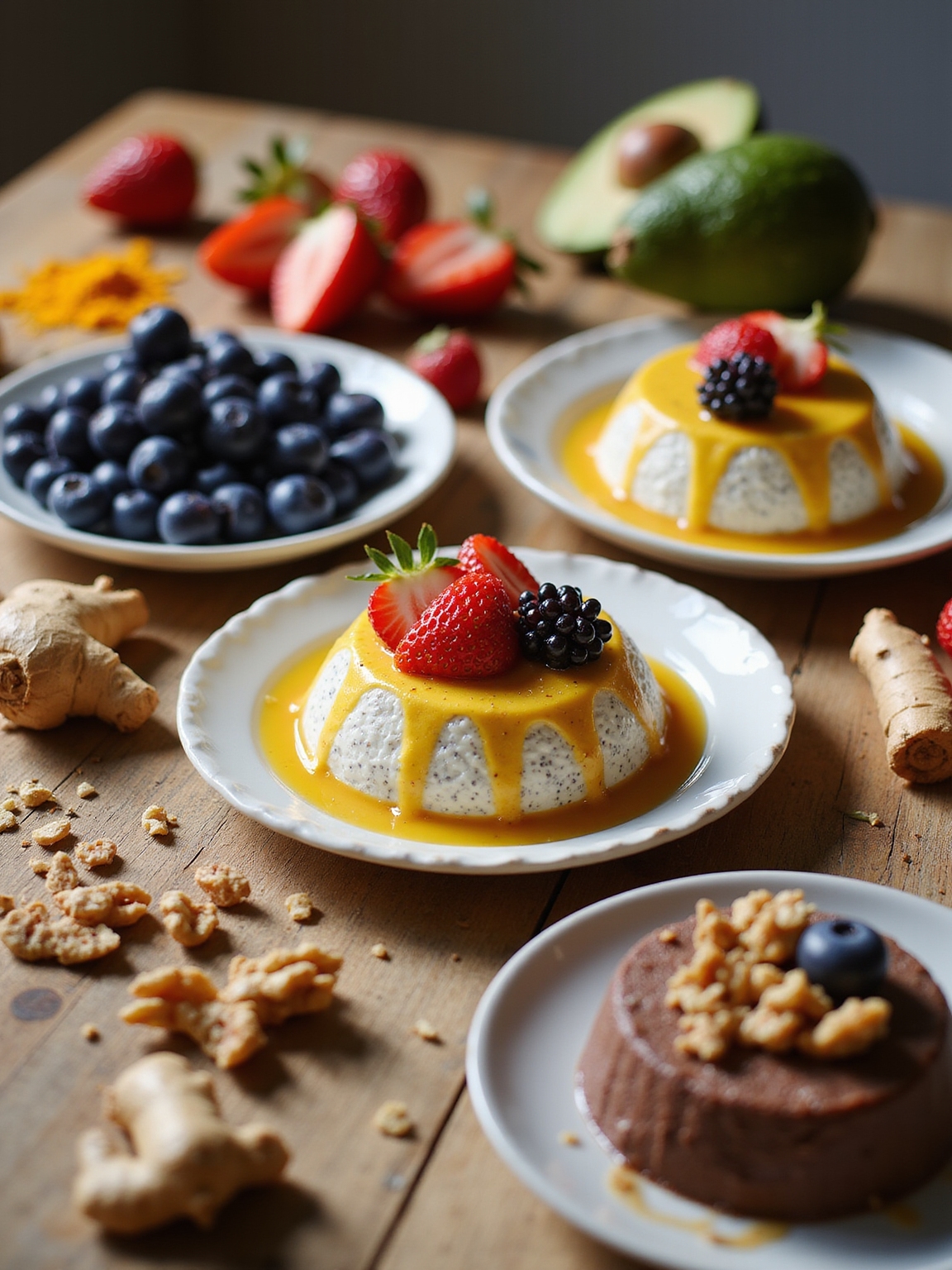
Recipes that reduce inflammation prioritize specific bioactive ingredients rather than added sugars or refined fats. Spices like turmeric, ginger, and cinnamon contribute measurable anti‑inflammatory compounds, while omega‑rich components such as walnuts, chia, and flaxseed supply alpha‑linolenic acid and other lipids that modulate inflammatory pathways.
Practical dessert choices combine these elements to deliver flavor, texture, and scientifically supported benefits without compromising palatability. Including pantry staples like anti‑inflammatory staples ensures you can make these desserts easily and consistently.
Anti‑Inflammatory Spices
Highlighting anti-inflammatory spices clarifies how simple flavorings can transform a dessert into a health-supportive dish: spices such as turmeric, ginger, cinnamon, cloves, and cardamom contain bioactive compounds (curcumin, gingerols, cinnamaldehyde, eugenol, and terpenes) that modulate inflammatory pathways, reduce oxidative stress, and improve metabolic markers in controlled studies.
Practical application favors fresh or lightly toasted forms to preserve phytochemicals; combining spices with healthy fats and black pepper enhances absorption of fat-soluble actives like curcumin.
Measured use balances potency and palatability—pinches, infusions, or spice blends—allowing desserts to deliver therapeutic flavor without compromising texture or enjoyment.
Including an anti-inflammatory shopping list helps readers stock up on staples like fresh ginger, turmeric, and warming spices to make these desserts easily at home anti-inflammatory foods.
Omega‑Rich Ingredients
Several key omega-rich ingredients—fatty fish oils, flaxseed, chia, walnuts, and algae-derived oils—contribute to an anti-inflammatory dessert by supplying long-chain and plant-based omega-3 fatty acids (EPA, DHA, and ALA) that modulate eicosanoid and cytokine pathways.
Incorporating ground flax or chia into puddings, walnut crumbles, or algae oil emulsion icings delivers bioavailable ALA and, where present, preformed EPA/DHA.
Attention to oxidation is critical: use fresh, cold-pressed oils, minimal heat, and antioxidant partners like vitamin E–rich nuts or berries.
Practical portioning balances omega-3s with overall calories, creating desserts that support systemic inflammation control without sacrificing taste.
Keeping a selection of these anti-inflammatory foods—such as walnuts and flaxseed—readily available in your kitchen ensures you can regularly prepare health-supporting treats with essential pantry staples.
Balance Flavor and Anti‑Inflammatory Nutrition: Swaps & Portions
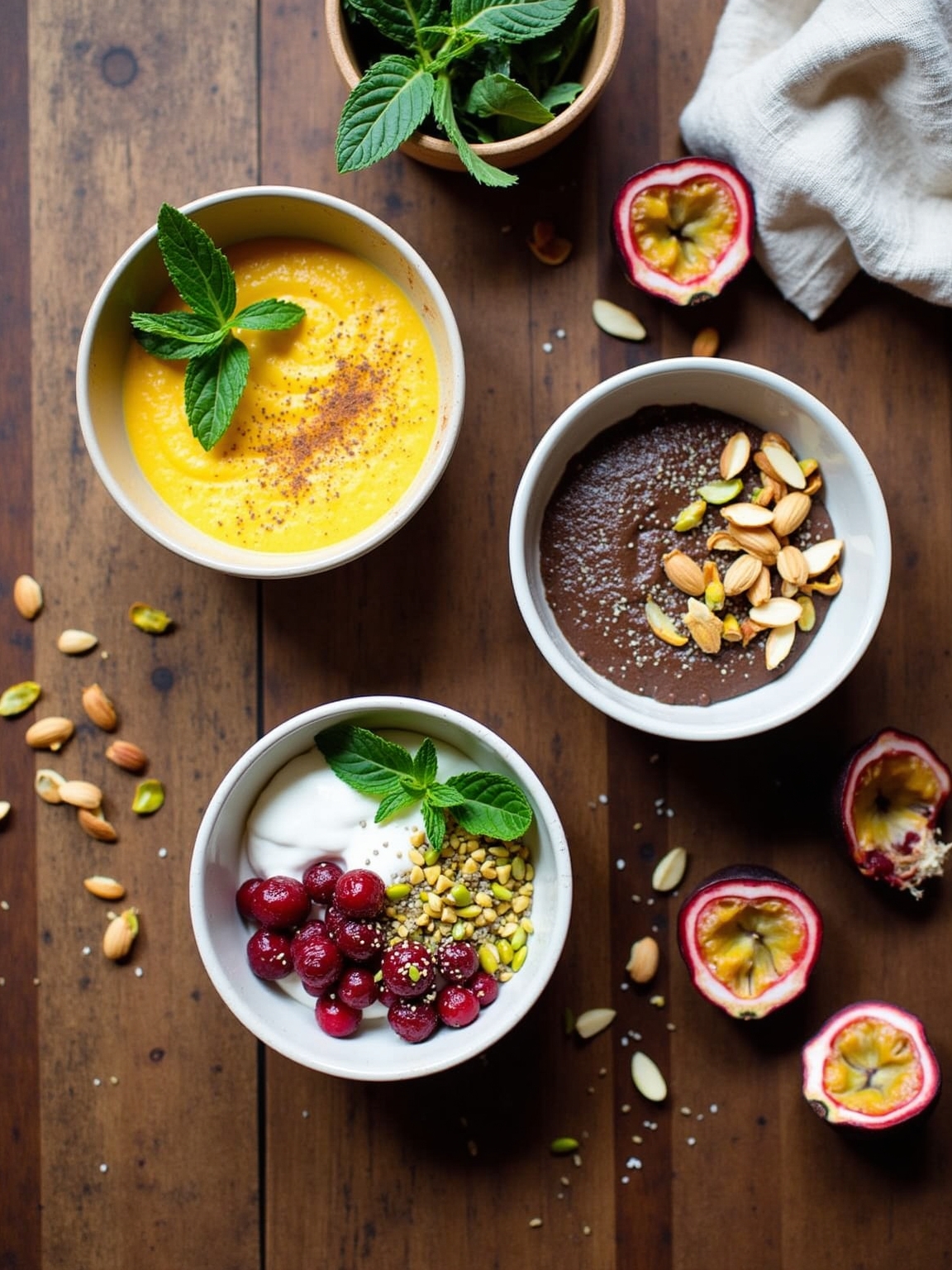
With a focus on reducing pro‑inflammatory ingredients while preserving appeal, this section outlines practical ingredient swaps and portion strategies that retain flavor without compromising anti‑inflammatory goals.
Recommendations prioritize evidence‑based choices: replace refined sugars with modest amounts of polyphenol‑rich alternatives (dates, pureed berries) and swap refined flours for almond, oat, or chickpea flour to boost fiber and healthy fats.
Use extra‑virgin olive oil or flaxseed oil in dressings and batters instead of butter when appropriate.
Portion control is stressed: single‑serving ramekins, measured tablespoons, and preportioned freezer options prevent overconsumption while maintaining sensory satisfaction and nutrient balance.
Simple meal plans and consistent everyday health practices help make anti‑inflammatory choices sustainable over the long term.
10‑Minute Anti‑Inflammatory Snacks
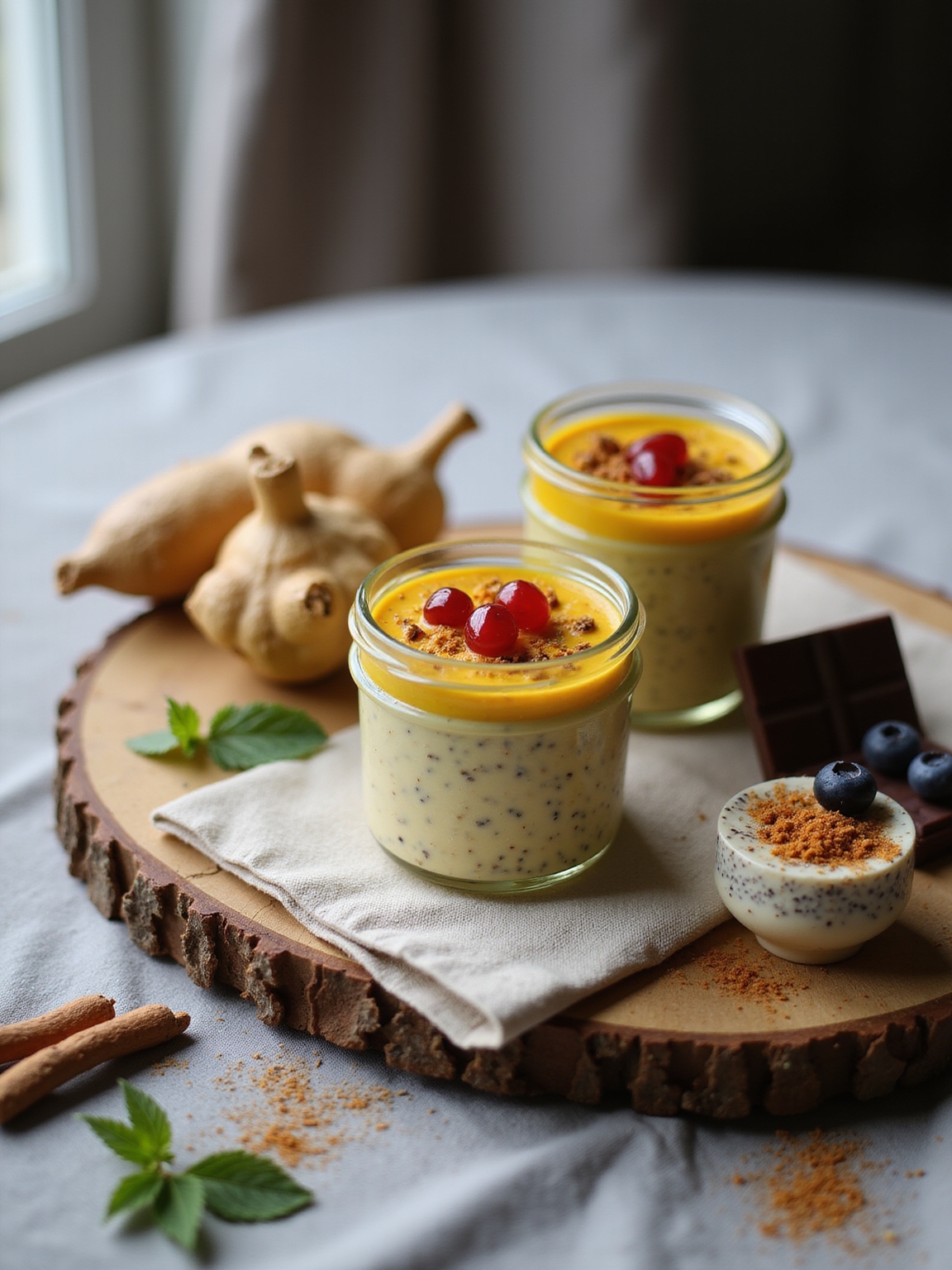
For quick, evidence‑aligned relief from dietary contributors to chronic inflammation, minute anti‑inflammatory snacks prioritize nutrient density, glycemic stability, and bioactive compounds in portable formats. The section outlines concise, science‑forward options that supply omega‑3s, polyphenols, fiber, and low glycemic load to modulate postprandial inflammation.
Practical portioning, minimal processing, and pairing protein with low‑GI carbs stabilize glucose and reduce inflammatory signaling. Snacks aim for convenience without added sugars, industrial seed oils, or refined grains, supporting habitual intake patterns that complement broader anti‑inflammatory dietary strategies.
- Walnuts with single‑berry portion
- Greek yogurt with turmeric and black pepper
- Hummus with cucumber slices
- Apple slices with almond butter
- Dark chocolate (≥70%) square and green tea
Including whole, minimally processed staples like nuts, seeds, fruits, and legumes can help deliver consistent anti‑inflammatory nutrients and essential foods for long‑term dietary adherence.
Make‑Ahead Desserts: Overnight & Freezer‑Friendly
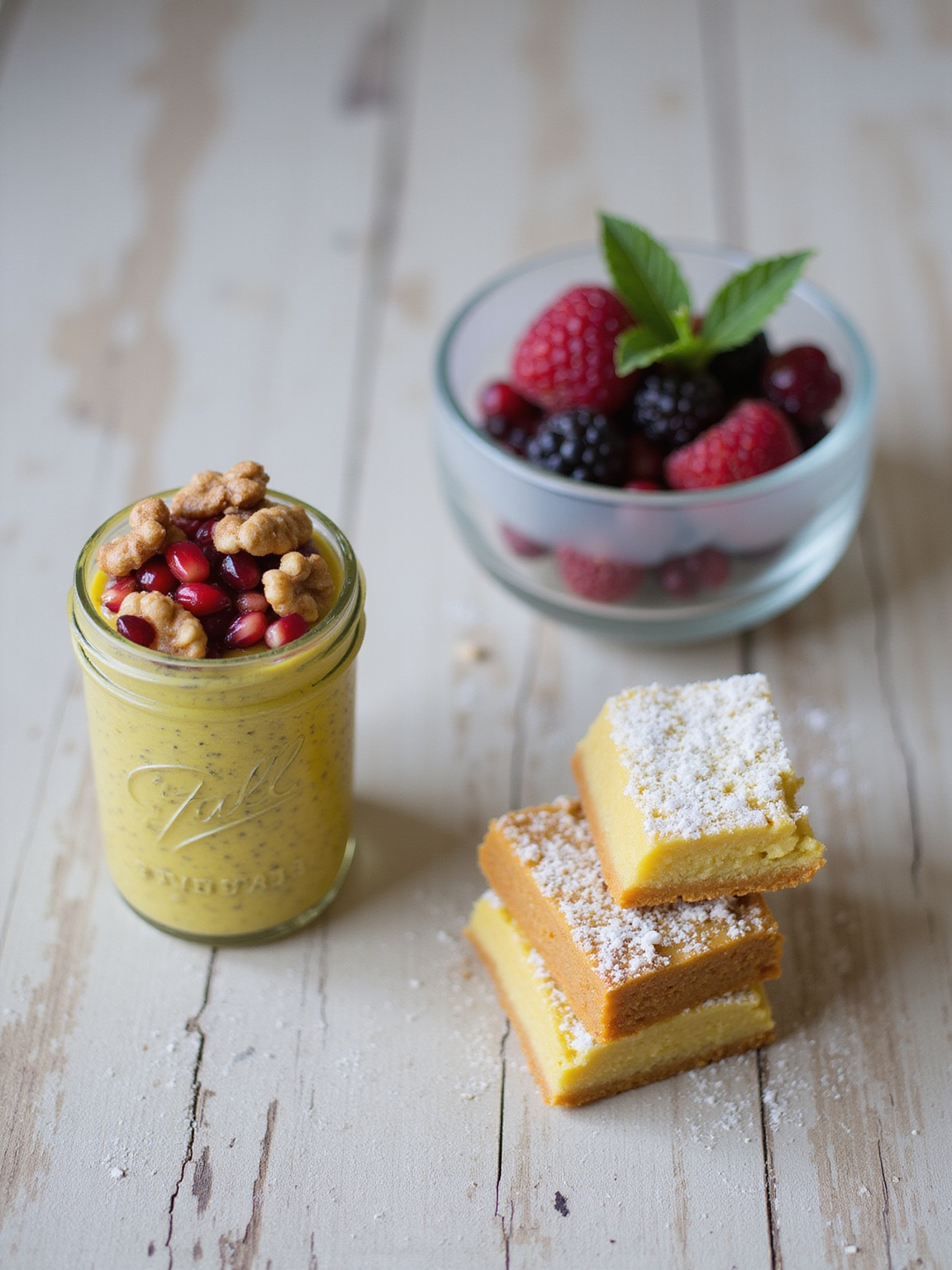
Quick, portable snacks lead naturally into make‑ahead desserts that preserve anti‑inflammatory benefits without nightly preparation; overnight and freezer‑friendly recipes extend the same principles—stable glucose response, anti‑oxidant polyphenols, omega‑3s, fiber, and minimal added sugars—into larger-format sweets that support meal planning and adherence.
Practitioners recommend chia puddings, yogurt parfaits with berries and crushed walnuts, and layered oat jars for refrigeration; frozen banana bars, dark chocolate avocado mousse portions, and fruit‑packed ice pops suit long‑term storage.
Guidelines emphasize measured portions, low refined carbohydrate content, and ingredient quality to maintain anti‑inflammatory efficacy while simplifying routine indulgence and compliance. Evidence-based meal prep tips also show how planning saves time and supports consistent healthy choices with Anti-Inflammatory Meal Prep strategies.
Party‑Worthy Anti‑Inflammatory Desserts
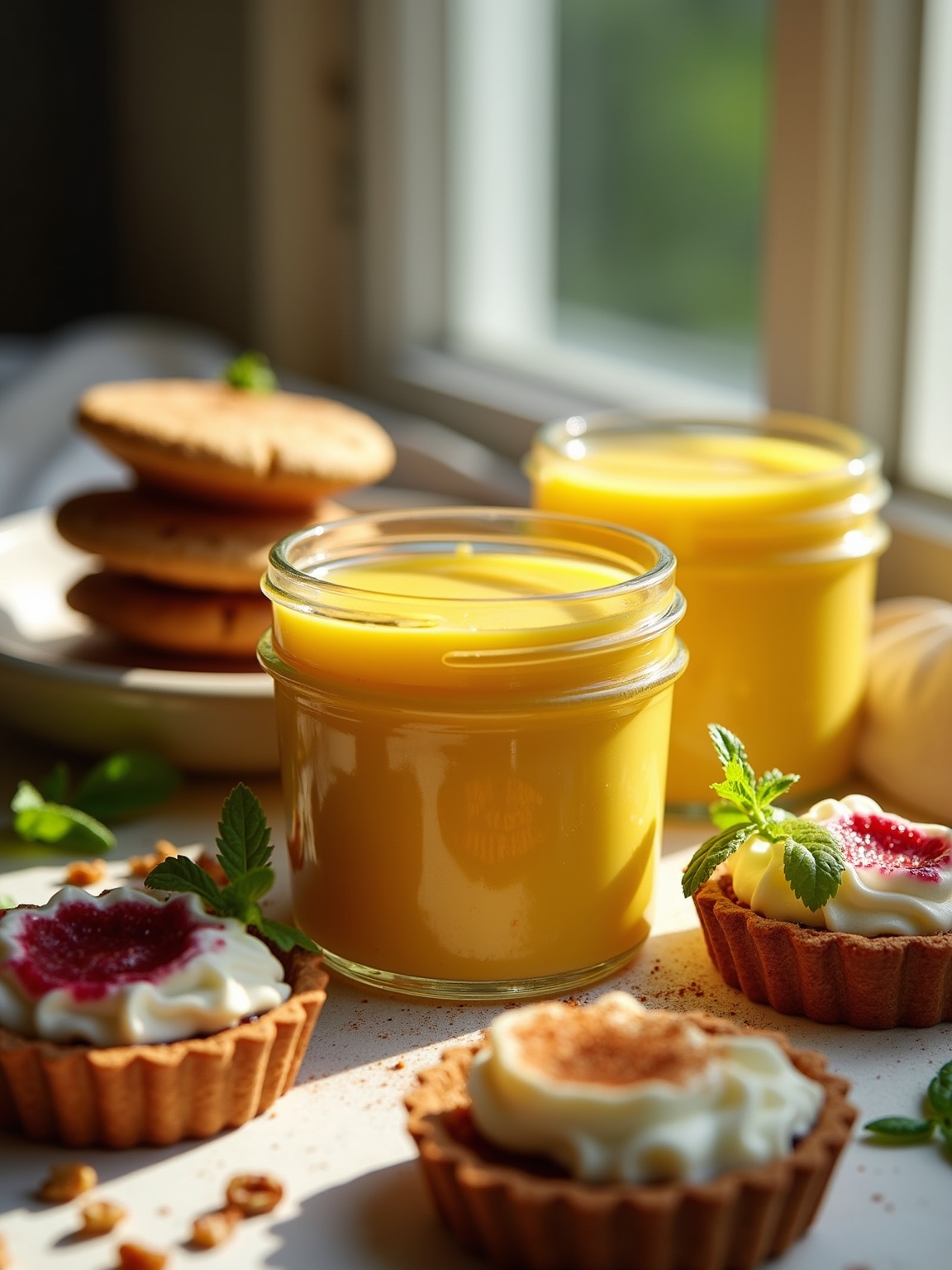
How can celebratory desserts remain both indulgent and aligned with anti‑inflammatory principles?
Party‑worthy options emphasize whole foods, minimal refined sugar, and anti‑inflammatory fats. Portion-focused recipes combine dark chocolate, turmeric, citrus, nuts, and olive oil or avocado to deliver sensory satisfaction with measurable inflammatory benefits.
Presentation and make‑ahead strategies reduce stress and support adherence.
Guests appreciate familiar textures reimagined for health, while hosts gain practical templates for scaling.
Suggested ideas:
- Dark chocolate–mint bark with toasted walnuts
- Cardamom‑spiced olive oil cake, small loaves
- Tahini‑yogurt parfaits with citrus zest
- Spiced poached pears with pistachio crumble
- Mini avocado‑lime tarts
Anti‑Inflammatory Berry Treats: Recipes & Tips
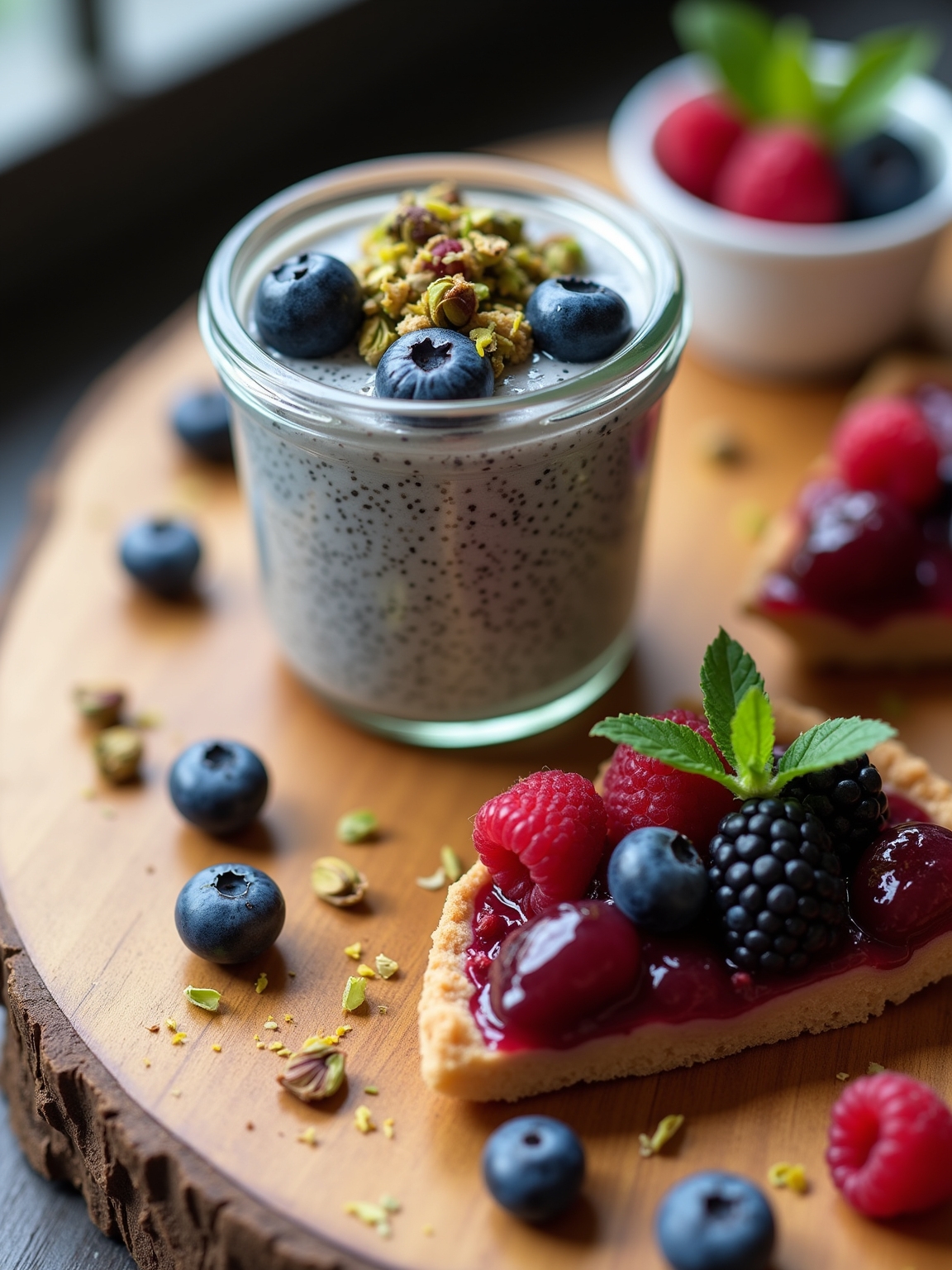
Rooted in the potent polyphenols and fiber profiles of berries, anti‑inflammatory berry treats pair evidence‑backed ingredients with simple techniques to reduce oxidative stress and modulate postprandial inflammation.
Recipes favor mixed berries, Greek yogurt or plant‑based kefir, chopped nuts, and minimal natural sweeteners like a touch of raw honey or mashed banana.
Techniques include maceration with citrus to boost bioavailability, brief roasting to concentrate antioxidants, and combining with healthy fats (olive oil or nut butter) to enhance polyphenol absorption.
Portion guidance, batch prep, and allergen swaps keep recipes practical while preserving anti‑inflammatory potential and sensory appeal.
Dark Chocolate Desserts That Actually Help Inflammation
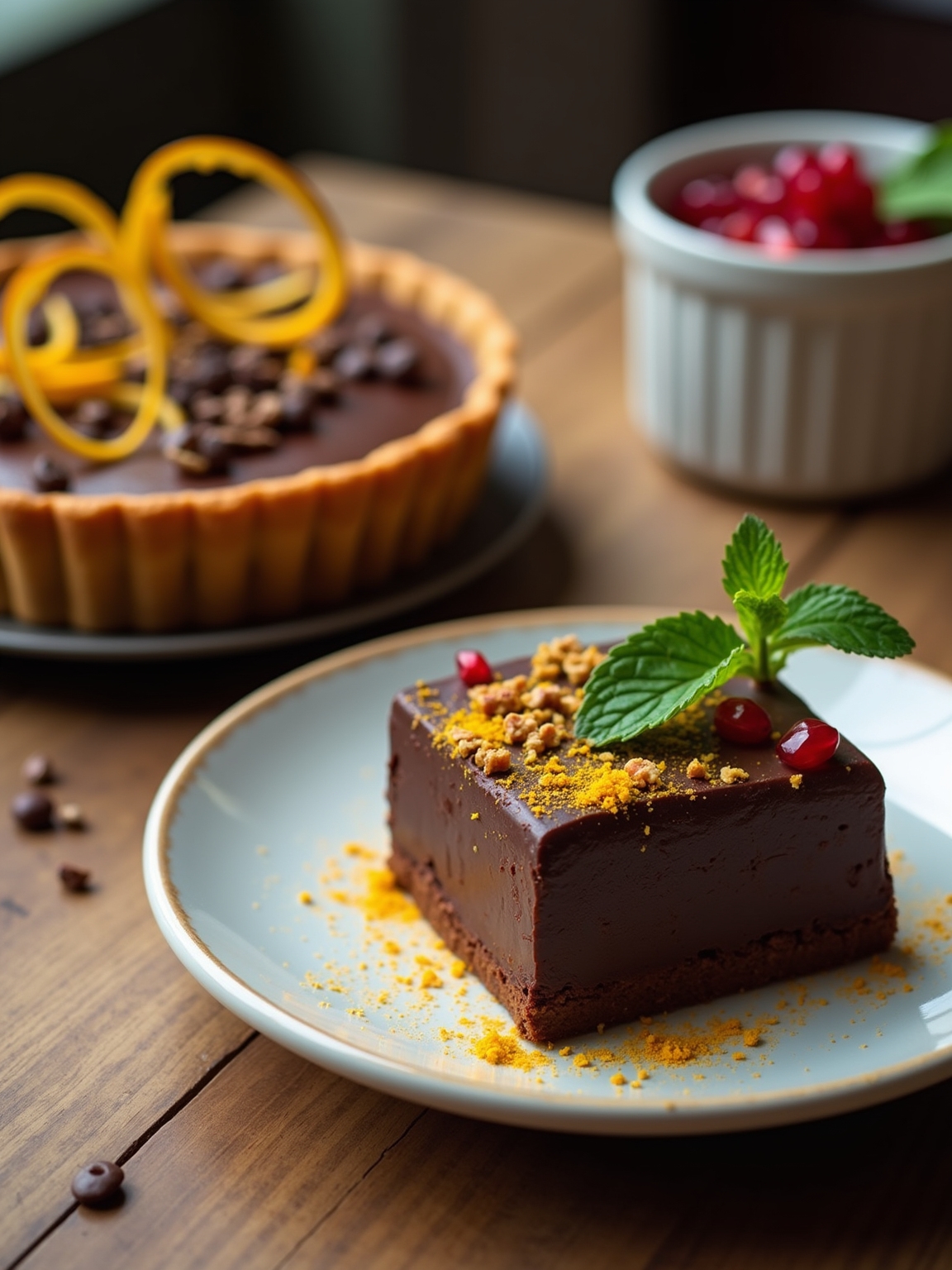
Could dark chocolate desserts be both pleasurable and anti‑inflammatory? Research highlights cocoa flavanols’ antioxidant, endothelial and immunomodulatory effects; incorporating high‑cocoa dark chocolate (70%+) in modest portions can complement an anti‑inflammatory diet.
Practical dessert choices emphasize low added sugars, whole‑food pairings, and preparation methods that preserve polyphenols. Guidance focuses on portion control, ingredient quality, and pairing with fruits to boost fiber and micronutrients.
Suggested ideas balance enjoyment with measurable benefit:
- 70% dark chocolate square with fresh berries
- Dark chocolate avocado mousse, minimal sweetener
- Cocoa‑dusted baked pear
- Dark chocolate chia pudding
- Warm dark chocolate and orange compote
Nut & Seed Desserts for Anti‑Inflammatory Fats & Crunch
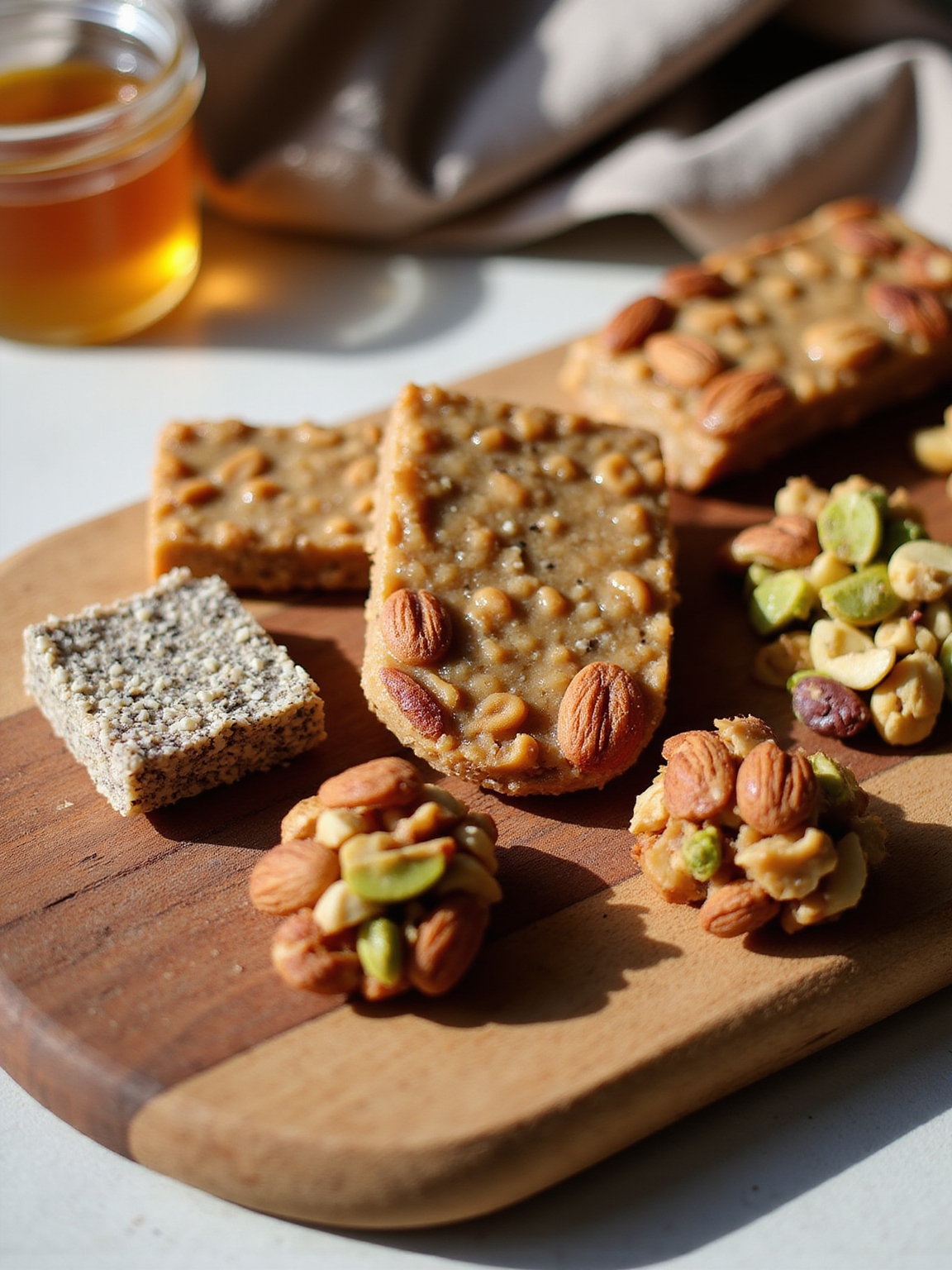
Building on dark chocolate’s antioxidant and polyphenol benefits, nut- and seed-based desserts supply complementary anti-inflammatory fats, fiber, and micronutrients while adding satisfying crunch and texture. The section outlines evidence-based ingredient choices, portion guidance, and simple preparations—almond crusts, walnut-studded bars, chia-seed puddings—emphasizing omega-3s, monounsaturated fats, magnesium, and plant protein. Practical tips reduce added sugars and refine roasting methods to preserve oils and antioxidants.
| Ingredient | Key Benefit | Simple Use |
|---|---|---|
| Walnuts | ALA omega‑3 | Crumble in bars |
| Almonds | Vitamin E, MUFAs | Flour or crust |
| Chia | Fiber, mucilage | Pudding base |
Spiced Desserts With Turmeric, Ginger & Cinnamon
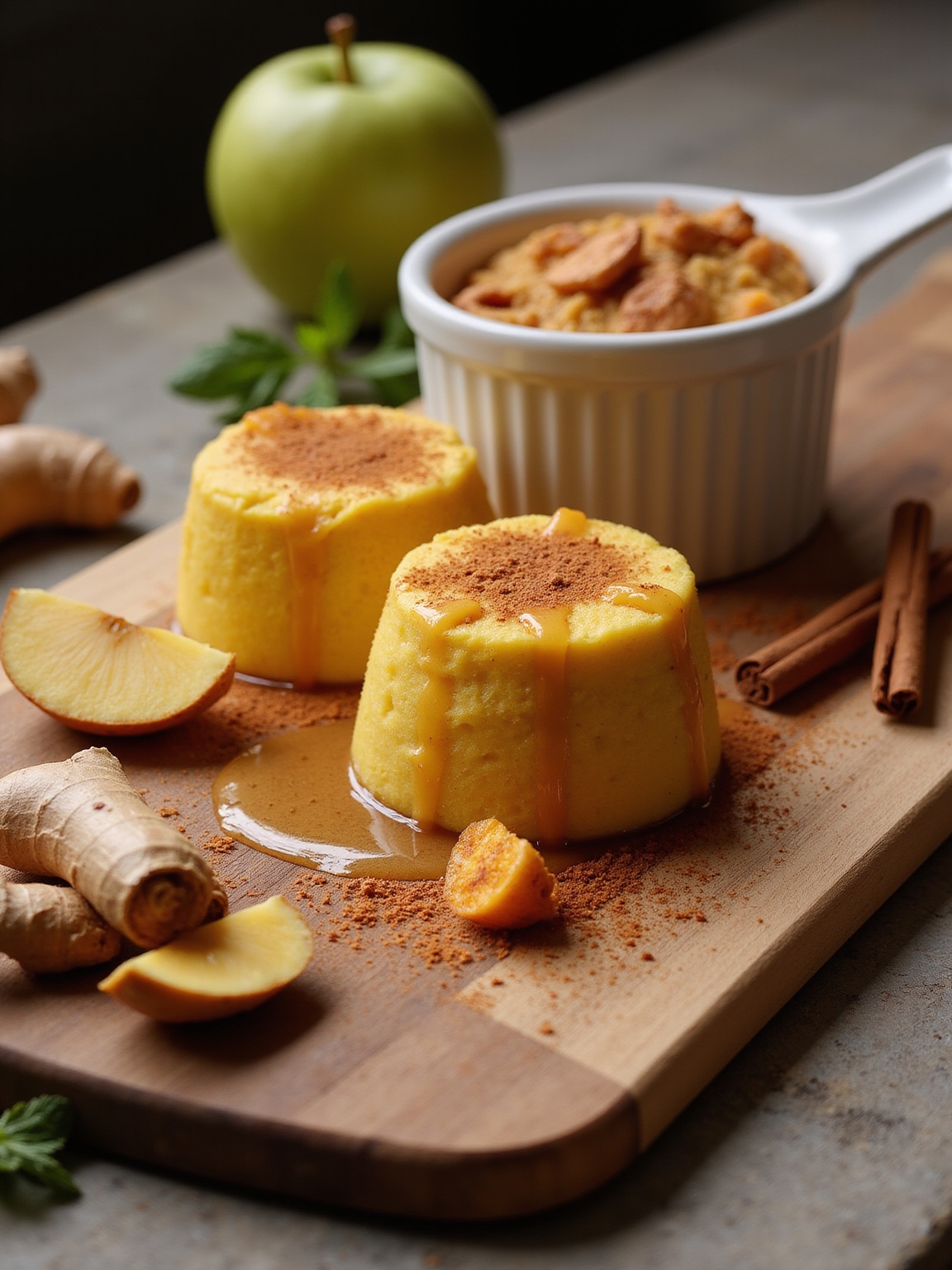
How can warming spices be turned into dessert allies for inflammation control? Spices like turmeric, ginger and cinnamon contain bioactive compounds—curcumin, gingerols, cinnamaldehyde—that modulate inflammatory pathways and oxidative stress. Integrating them into desserts concentrates benefits while preserving palatability.
Practical strategies include pairing with healthy fats and black pepper to enhance curcumin absorption, using grated fresh ginger for aromatic intensity, and balancing sweetness to avoid pro-inflammatory excess. Texture and temperature choices (baked vs. chilled) influence bioavailability and sensory satisfaction. Examples and portion guidance help maintain therapeutic effect without excess calories:
- Golden turmeric mousse with black pepper
- Ginger-poached fruit
- Cinnamon oat crisp
- Spiced chia pudding
- Turmeric-infused yogurt panna cotta
Dairy‑Free and Vegan Swaps That Lower Inflammation
Swap dairy with plant-based alternatives that deliver anti-inflammatory benefits while preserving dessert structure and flavor. Choosing unsweetened almond, oat, or soy milks provides polyphenols and lower saturated fat; coconut yogurt offers creamy texture though higher in saturated fat, so use sparingly. Silken tofu and aquafaba mimic custards and mousses while contributing protein and minimal arachidonic precursors. Fermented plant yogurts add probiotics that support gut-mediated inflammation pathways. Use nut butters and avocado for richness and anti-inflammatory monounsaturated fats. Test ratios for binding and mouthfeel, and prefer minimally processed options to maximize bioactive compounds and nutrient density.
Low‑Sugar Desserts: Natural Sweeteners & How to Swap
The section reviews evidence-based natural sweeteners—such as stevia, erythritol, monk fruit, and small amounts of raw honey or maple—that can reduce added sugar intake while minimally affecting blood glucose and inflammation markers.
It then outlines simple swap techniques for baking and no‑bake desserts, including conversion ratios, moisture adjustments, and taste-balancing tips to preserve texture and flavor.
Practical guidance emphasizes gradual substitution and taste-testing to maintain satisfaction while lowering sugar-related inflammatory risk.
Natural Sweetener Options
With attention to glycemic impact and anti-inflammatory properties, choosing natural sweeteners for low‑sugar desserts requires balancing sweetness, metabolic effects, and culinary behavior.
Options vary by glycemic index, antioxidant content, and dose-dependent effects; preferences should consider renal, hepatic, and gut responses.
Honey and maple offer polyphenols but raise glucose; stevia and monk fruit provide negligible carbs yet can alter taste; date paste adds fiber and micronutrients with higher sugars.
Practical use hinges on portion control and pairing with protein or fiber to blunt postprandial spikes.
- Honey: polyphenols, medium GI
- Maple syrup: minerals, moderate GI
- Stevia: zero‑calorie, intense sweetness
- Monk fruit: non‑nutritive, clean profile
- Date paste: fiber‑rich, whole‑food option
Simple Swap Techniques
For cooks seeking to lower added sugars without sacrificing texture or flavor, simple swap techniques rely on matching functional properties—sweetness intensity, bulk, moisture, and browning—between conventional sweeteners and natural alternatives.
Bakers are advised to scale recipes by sweetness equivalence (e.g., 1 cup sugar ≈ 3/4 cup honey by sweetness, reduce liquids slightly) and to replace volume with mashed fruit, pureed dates, or unsweetened applesauce to maintain bulk and moisture.
For browning, small amounts of molasses or maple syrup enhance Maillard reactions.
Taste-testing and incremental substitution preserve balance; record adjustments for consistent, low-sugar, inflammation‑friendly desserts.
Allergy‑Friendly Adaptations: Gluten‑, Nut‑, and Egg‑Free Ideas
Across common dietary restrictions, allergy‑friendly adaptations enable inclusion without sacrificing anti‑inflammatory benefits by replacing trigger ingredients with alternatives that maintain texture, flavor, and nutrient density.
Practical guidance emphasizes oat or brown‑rice flour blends for structure, seed butters (sunflower, pumpkin) as nut substitutes, and aquafaba or mashed banana for egg binding.
Focus rests on low‑sugar, omega‑3–rich add‑ins and anti‑oxidant spices.
Routine testing for cross‑contact and clear labeling preserves safety.
Recipes are adjusted to preserve moisture and mouthfeel while prioritizing anti‑inflammatory profiles through whole‑food ingredients and minimal processing.
- Oat/rice flour blends
- Seed butter fillings
- Aquafaba meringues
- Chia/ flax egg replacers
- Turmeric, cinnamon enhancements
Meal Plan: A Week of Anti‑Inflammatory Desserts
A concise seven-day dessert schedule is presented to balance anti‑inflammatory ingredients, portion control, and variety across meals.
Practical ingredient‑swap guidance follows, showing how to replace common allergens or inflammatory components with scientifically supported alternatives.
Clear prep and storage tips complete the plan to preserve nutrient integrity and simplify weeklong adherence.
Weekly Dessert Schedule
While individual needs vary, a weeklong dessert schedule can systematically incorporate nutrient-dense, anti-inflammatory ingredients to support recovery and metabolic balance.
The plan emphasizes portion control, antioxidant-rich fruits, omega-3 sources, and minimal refined sugars.
Meals coordinate with activity level and circadian rhythms to optimize glycemic response.
Preparation techniques (baking, freezing, blending) preserve phytonutrients and simplify adherence.
Rotating flavors and textures prevents sensory fatigue while maintaining biochemical consistency.
Success is measured by reduced cravings, stable energy, and inflammatory markers when tracked clinically.
- Monday: berry chia parfait with walnuts
- Tuesday: baked pear with cinnamon
- Wednesday: yogurt, turmeric, and honey bowl
- Thursday: dark chocolate avocado mousse
- Friday: citrus kefir sorbet
- Saturday: almond oat crumble with blueberries
- Sunday: frozen banana and spinach bites
Ingredient Swaps Guide
Following the weeklong schedule, an ingredient swaps guide provides precise alternatives to preserve anti-inflammatory benefits when preferences, allergies, or pantry limits arise. It outlines substitutions that retain omega-3s, polyphenols, and low glycemic impact: flaxseed for eggs in baking, olive oil for neutral oils, mashed berries for added sweetness and antioxidants. Quantities are adjusted to maintain texture and glycemic balance. Each swap notes flavor shifts and simple tests (texture, browning) so outcomes remain predictable. Practical notes minimize trial-and-error while nurturing dietary needs through evidence-based choices.
| Swap | Benefit |
|---|---|
| Flaxseed egg | Omega-3, binder |
| Olive oil | Monounsaturated fats |
Prep And Storage Tips
In preparation for the weeklong anti‑inflammatory dessert plan, clear labeling, batch-cooking, and temperature control greatly reduce nutrient loss and spoilage. The guide emphasizes rapid cooling, portioned storage, and predictable reheating to preserve antioxidant content and texture. Containers should be inert, airtight, and appropriately sized; refrigeration windows and freezer durations follow evidence-based guidelines.
Meal-prep cadence balances freshness with convenience: prepare denser items early, delicate components closer to service. Sensory checks and simple pH awareness (e.g., citrus additions) help monitor quality. Documentation of dates and reheating temperatures supports food safety and consistent therapeutic benefit.
- Rapid cooling to 2°C–5°C
- Portion before freezing
- Use glass or BPA-free containers
- Label with date and reheating temp
- Reheat to recommended core temperature
Troubleshoot Dessert Problems While Keeping Health Benefits
Although adaptations are often necessary to preserve flavor and texture, troubleshooting desserts within an anti-inflammatory framework relies on targeted strategies that prioritize nutrient-dense swaps and controlled processing.
When dryness occurs, increase moisture with mashed fruit, Greek yogurt, or nut butter, balancing sugar reduction by concentrating natural sweeteners like dates. If structure fails, incorporate flax or chia eggs and modest gluten-free flours to improve binding and reduce inflammation. For off-flavors, toast nuts or bloom spices to enhance profiles without sugar. Monitor baking time and temperature to preserve polyphenols. Test small batches, document adjustments, and iterate to retain health benefits alongside sensory quality.
Conclusion
Like a well-tended garden after rain, these desserts arrange resilient ingredients—berries, seeds, spices, minimal sweeteners—into nourishing beds that calm inflammation and feed pleasure without excess. Science guides the choices (antioxidants, omega‑3s, fiber) while practical swaps and portions keep balance. Nurturing and precise, the recipes and plans act as pathways through the plot: simple, adaptable, and reliably restorative, inviting routine that sustains health and delight.