

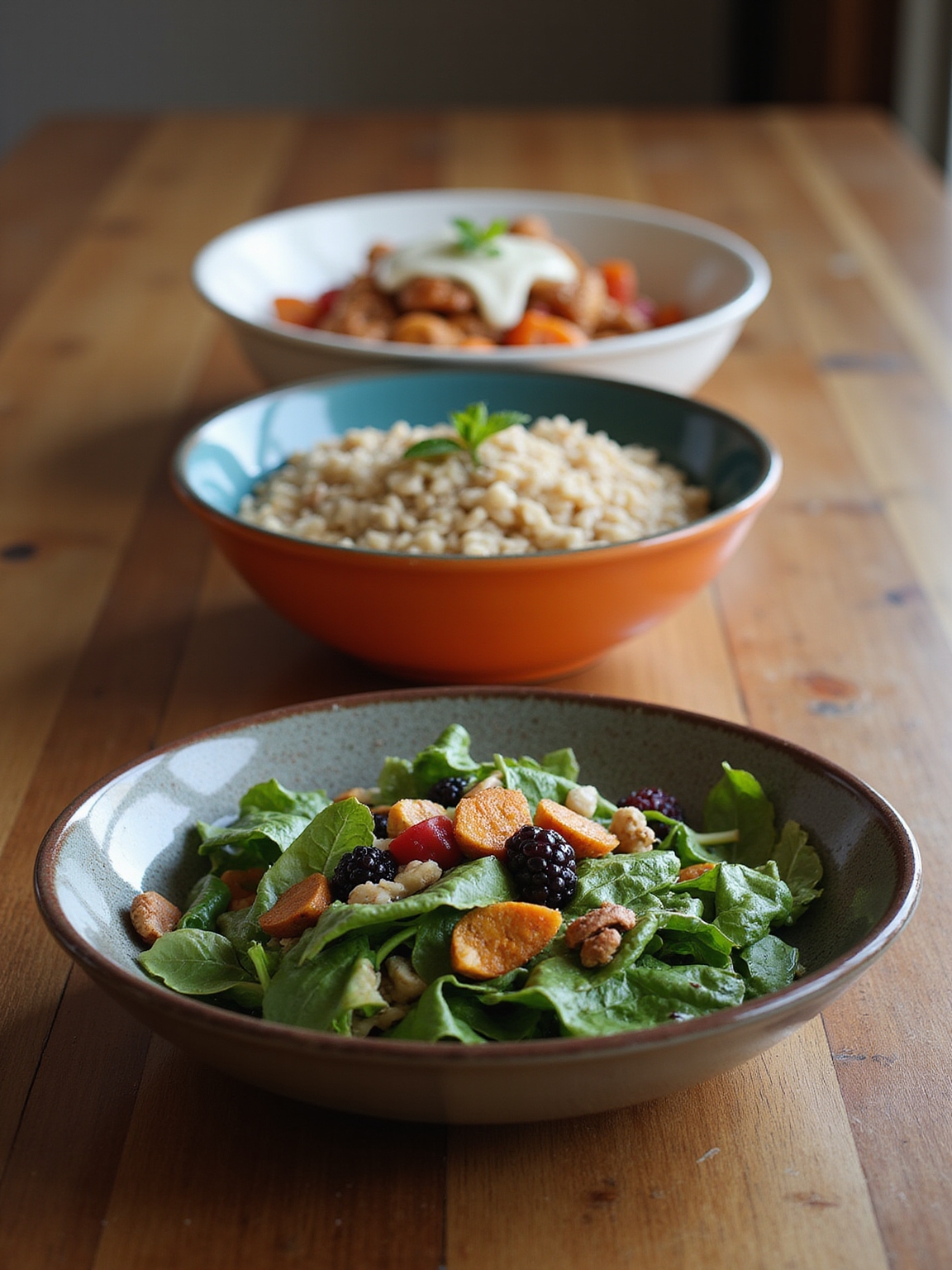
Most people don’t realize that changing what you eat can alter inflammatory markers within weeks, not just months. You’ll get steadier energy, less bloating, and fewer sugar crashes as fiber, omega‑3s, and polyphenols replace processed foods — but those early wins are only part of the story. Stick with sensible meals plus better sleep and activity, and you’ll start seeing measurable improvements in labs and symptoms over the next 1–12 weeks.
Who This Guide Is For and How to Use It

This guide is for anyone looking to reduce chronic inflammation through diet—whether you’re managing a diagnosed inflammatory condition, experiencing persistent symptoms like joint pain or fatigue, or simply aiming to lower long-term health risks.
You’ll find practical, research-backed recommendations, timelines for likely improvements, and markers to track progress. Use it to set realistic goals, choose evidence-based foods, and interpret changes in symptoms or lab results.
You won’t get one-size-fits-all prescriptions; instead, you’ll learn how to tailor approaches, monitor responses, and know when to consult healthcare professionals.
Follow gradual changes, document effects, and prioritize sustainable habits. Anti-inflammatory eating also supports reduced systemic inflammation and overall well-being.
How Inflammation Works and What an Anti‑Inflammatory Diet Targets

Although inflammation is your body’s protective response to injury or infection, it can become harmful when it stays active or spreads beyond the original threat.
You should know the immune signals (cytokines, prostaglandins) recruit cells that clear damage, but chronic activation damages tissue and fuels disease risk. An anti‑inflammatory diet aims to reduce persistent immune stimulation and oxidative stress, support metabolic balance, and promote gut barrier health.
Targets include:
- Lowering pro‑inflammatory signaling
- Reducing oxidative damage
- Improving insulin sensitivity
- Supporting microbiome diversity
These mechanisms are supported by clinical and mechanistic studies, offering realistic, gradual benefit. Dietary patterns that emphasize whole, minimally processed foods can shift immune signaling and metabolic markers over time, including effects on gut barrier integrity.
Which Foods Reduce Inflammation : and Which to Avoid

Regularly choosing whole, minimally processed foods can lower the inflammatory signals your body sends and help reverse metabolic stress.
Focus on vegetables, fruits (berries, citrus), fatty fish (salmon, mackerel), nuts, seeds, olive oil, legumes, and whole grains — these supply fiber, omega‑3s, antioxidants, and polyphenols linked to lower CRP and inflammatory markers.
Limit processed meats, sugary drinks, refined grains, fried foods, and excessive saturated and trans fats, which promote endotoxemia and proinflammatory cytokines.
You don’t need perfection; prioritize consistent swaps and portion control, and talk with a clinician about medications, allergies, or conditions that change food choices.
Emphasize including anti-inflammatory staples regularly to build lasting dietary habits.
What to Expect in Week 1 on an Anti‑Inflammatory Diet

When you switch to an anti‑inflammatory eating pattern in week one, you’ll likely notice a mix of quick wins and mild adjustments as your body begins responding to different foods; expect changes in digestion, energy, and cravings rather than dramatic shifts in inflammation markers.
You’ll often feel subtle improvements like steadier energy and less bloating as you cut processed foods and add fiber, omega‑3s, and antioxidants.
Sleep and mood may show small benefits. Track symptoms and meals.
Common experiences include:
- Reduced bloating
- Variable energy
- Shifting cravings
- Mild detox symptoms
These are typical, evidence‑based early signals. Many people also report easier meal planning when they follow simple meal ideas that fit an anti‑inflammatory pattern.
Changes You’ll Likely Notice in Weeks 2–4

By weeks two to four you’ll often notice less bloating as your gut adjusts to more fiber-rich, anti-inflammatory foods and fewer irritants.
Many people also report steadier energy across the day, with fewer mid-afternoon crashes as blood sugar and inflammation stabilize.
These changes are common but can vary, so track symptoms and adjust with your clinician or dietitian if needed.
Begin with whole, minimally processed foods to maximize benefits and reduce inflammation, focusing on anti-inflammatory foods like fruits, vegetables, whole grains, and healthy fats.
Reduced Bloating
You’ll likely notice that your belly feels less tight and uncomfortable within two to four weeks as inflammation-driving foods are replaced with anti-inflammatory choices; clinical studies and patient reports show reductions in bloating when fiber quality improves, fermentable sugars are balanced, and gut-friendly fats and polyphenols increase.
You’ll feel lighter as gas and water retention fall. Track symptoms and food patterns to spot triggers. Simple changes often help:
- Increase soluble fiber (oats, legumes) gradually.
- Reduce excess fructans and polyols (onions, certain fruit).
- Add omega-3s and olive oil for gut lining support.
- Include berries and green tea polyphenols.
Anti-inflammatory, low-FODMAP meal options like fish with olive oil and berries or oats with low-FODMAP fruits can make these changes easier to follow and sustainable, especially when focused on anti-inflammatory meals.
More Stable Energy
Often within two to four weeks you’ll notice steadier energy as blood sugar swings dampen and inflammation-related fatigue eases.
You’ll likely feel fewer midafternoon crashes because a diet higher in fiber, protein, and healthy fats slows glucose absorption and supports mitochondrial function.
Reduced inflammatory markers—seen in studies of Mediterranean-style and whole-food patterns—relate to less cytokine-driven tiredness, too.
Expect more consistent focus and motivation; your sleep quality may improve, reinforcing daytime energy.
Track patterns with a simple log to confirm changes.
If fatigue persists, consult a clinician to rule out other causes and tailor dietary adjustments.
Adopting key features of the Mediterranean approach can also bolster energy through reduced inflammation and nutrient-rich foods Mediterranean-style patterns.
Markers That Take 6–12+ Weeks to Change
Some markers respond slowly, so you mightn’t see changes for 6–12 weeks or longer.
For example, C‑reactive protein often takes months of consistent anti-inflammatory eating to decline measurably, and lipid profiles can shift gradually as you replace saturated fats with unsaturated sources and increase fiber.
Be patient and track these lab values with your clinician to confirm meaningful progress.
C-Reactive Protein Decline
Expect to wait several weeks before seeing meaningful drops in C‑reactive protein (CRP) after changing your diet and lifestyle; CRP is a downstream marker of systemic inflammation that responds slowly as your body remodels immune signaling, adipose tissue activity, and gut microbiota.
You’ll want realistic expectations and repeat testing at appropriate intervals. Evidence shows gradual declines with sustained weight loss, improved diet quality, and reduced smoking.
- Measure baseline CRP.
- Implement anti-inflammatory diet and activity plan.
- Recheck at 6–12 weeks.
- Adjust interventions if levels don’t improve.
Stay patient; small, sustained changes matter.
Lipid Profile Shifts
Because changes in blood lipids reflect altered hepatic metabolism, adipose tissue release, and dietary fat intake, you’ll usually need at least 6–12 weeks of consistent diet and activity changes to see meaningful shifts in LDL, HDL, and triglycerides.
You may notice triglycerides respond sooner to reduced simple carbs and alcohol, while LDL often requires sustained saturated fat reduction, weight loss, and increased soluble fiber.
HDL can be slower and influenced by exercise, smoking cessation, and moderate alcohol in some people.
Expect gradual improvement; clinicians repeat panels after about three months.
Track diet, activity, and medications, and discuss results with your provider.
How Weight, Body Composition, and Gut Health Shift Over Months
When you sustain an anti-inflammatory eating pattern for several months, measurable shifts in weight, body composition, and gut health typically emerge as inflammation levels drop and metabolic pathways adjust.
You’ll often lose visceral fat first, gain lean mass more easily with activity, and notice reduced bloating as microbiome diversity improves. Biomarkers (CRP, fasting insulin) often move toward healthier ranges, reflecting systemic change. Expect gradual progress; setbacks happen.
- Reduced visceral fat
- Increased lean mass retention
- Enhanced microbiome diversity
- Fewer GI symptoms
These changes are supported by trials linking anti-inflammatory diets to modest weight loss and improved gut markers.
How Genetics, Sleep, Stress, and Baseline Health Change Your Timeline
Although everyone follows the same anti-inflammatory principles, your genetics, sleep patterns, stress levels, and starting health shape how quickly you see changes, so two people on identical diets can have very different timelines. Your genes influence inflammation propensity and nutrient response, so some markers shift faster.
Poor sleep and chronic stress raise cortisol and inflammatory cytokines, slowing recovery and blunting diet effects. Preexisting conditions—metabolic syndrome, autoimmune disease, or advanced obesity—require longer, multi-pronged approaches.
That means patience and individualized expectations: track objective measures with your clinician, prioritize sleep and stress management, and adjust interventions based on how your body actually responds.
Easy Ways to Track Whether the Diet Is Working
Regularly checking a few simple signals lets you know if the anti-inflammatory diet is doing its job without waiting months for lab results. Track measurable, repeatable signs so you can adjust what isn’t working. Focus on symptoms, function, and objective markers you can record at home.
- Pain levels: note daily intensity and flare frequency.
- Energy and sleep quality: rate mornings and overall daytime alertness.
- Digestive patterns: log stool consistency and bloating episodes.
- Weight and waist measurements: track weekly trends, not daily noise.
These data let you spot meaningful change and guide discussions with your clinician.
Diet and Habit Changes to Feel Better in 7 Days
Because small, targeted changes can cut inflammation quickly, you can often feel measurable improvements within a week by focusing on what you eat, how you move, and how you sleep.
Start by swapping processed carbs for whole grains, adding leafy greens, berries, fatty fish, and nuts—these choices reduce inflammatory markers in short trials.
Drink water, limit alcohol, and cut added sugars to lower gut-driven inflammation.
Move daily with 20–30 minutes of brisk walking or light resistance to improve circulation and insulin sensitivity.
Prioritize consistent sleep schedules and 7–8 hours nightly; even modest sleep gains reduce inflammatory cytokines and boost recovery.
Common Mistakes That Delay Benefits : and How to Fix Them
You’ve made smart, science-backed tweaks, but a few common missteps can slow the payoff and leave you frustrated. You might expect instant change, but inflammation responds to consistent habits—sleep, stress, and hidden foods matter.
Common errors and fixes:
- Skipping protein and fiber — prioritize balanced meals to stabilize blood sugar.
- Overdoing “healthy” oils or nuts — track portions to avoid excess calories.
- Relying only on supplements — focus on whole foods; use supplements as adjuncts.
- Ignoring sleep and stress — improve sleep hygiene and daily stress routines.
Address these systematically; small, evidence-based corrections speed real results.
Sample Anti‑Inflammatory Meals and a Simple 3‑Month Plan
You’ll get weekly meal templates that balance anti‑inflammatory staples like fatty fish, leafy greens, and whole grains so you can follow evidence‑based patterns without guessing each day.
I’ll show simple grocery‑prep tips to save time and reduce waste, plus how to batch cook ingredients for quick meals.
Over a three‑month plan you’ll make small, progressive portion and composition adjustments so improvements are measurable and sustainable.
Weekly Meal Templates
Often people find that having a simple, repeatable weekly template makes it easier to stick with an anti-inflammatory eating pattern, so this section gives you sample meals and a straightforward 3‑month plan you can adapt.
You’ll rotate nutrient-dense breakfasts (oats, berries, nuts), lunches centered on leafy greens and legumes, dinners with fatty fish or tofu plus vegetables, and snacks like fruit and yogurt.
Track symptoms and adjust.
A clear template reduces decision fatigue and supports adherence; evidence links consistency to better outcomes. Start modestly, build routine, and reassess monthly.
- Rotate
- Portion
- Track
- Adjust
Grocery Prep Tips
Building a simple grocery prep routine will make that weekly meal template far easier to follow and help you stick with the anti‑inflammatory plan over months. You’ll shop intentionally, batch-cook staples, and choose proven anti‑inflammatory foods like leafy greens, fatty fish, berries, nuts, and whole grains. Start with a 3‑month rhythm: weekly shopping, twice-weekly batch cooking, and monthly recipe rotation to prevent boredom.
| Meal type | Prep action | Example |
|---|---|---|
| Breakfast | Portion jars | Oats + berries |
| Lunch | Roast veggies | Grain bowl |
| Dinner | Marinade & freeze | Salmon + greens |
| Snacks | Pack servings | Nuts + fruit |
Progressive Portion Adjustments
Start small and scale up: begin by measuring portions for a week to learn your hunger cues, then increase or decrease portion sizes every two weeks based on energy, digestion, and inflammation markers like pain or swelling.
You’ll follow a simple 3‑month plan that tests responses to portion changes and meal composition.
Track symptoms, weight, sleep, and mood to link adjustments to outcomes. Use the following checklist when adjusting portions:
- Record baseline portions and symptoms daily.
- Change calories by 5–10% every two weeks.
- Prioritize vegetables, fish, legumes, and whole grains.
- Reassess biomarkers and subjective symptoms monthly.
When to Repeat Clinical Tests and Which Ones Matter
Because inflammation and clinical markers change at different speeds, you’ll want a targeted plan for when to repeat tests so you can tell real progress from normal variability.
Start with baseline labs: high‑sensitivity CRP, fasting glucose, HbA1c, lipid panel, and CBC to capture systemic inflammation and metabolic shifts.
Recheck CRP and glucose at 6–12 weeks to see early diet effects; repeat HbA1c at 12 weeks for red‑cell turnover.
If autoimmune or liver concerns exist, add ESR, autoantibodies, or ALT/AST and test at clinically guided intervals.
Work with your clinician to interpret trends, not single numbers, and adjust the plan.
Pairing the Anti‑Inflammatory Diet With Sleep, Stress Control, and Exercise
Often, small, consistent changes to sleep, stress management, and movement amplify the anti‑inflammatory effects of your diet.
Improve sleep timing and duration — 7–9 hours lowers inflammatory markers.
Practice brief stress techniques (breathing, mindfulness) to reduce cortisol-related inflammation.
Move regularly: mix aerobic, strength, and mobility to modulate immune signaling.
Combine these with anti‑inflammatory foods for cumulative benefit.
- Prioritize consistent sleep schedule.
- Use short daily stress breaks.
- Aim for 150 minutes moderate exercise weekly.
- Include strength twice weekly.
You’ll see gradual improvements in energy, recovery, and lab measures when you sustain these habits.
When to See a Clinician or Get Targeted Testing
If your symptoms haven’t meaningfully improved after a few weeks on the anti‑inflammatory diet, it’s reasonable to see a clinician to rule out other causes and consider targeted testing.
Watch for red flags like unexplained weight loss, fever, severe pain, bleeding, or new neurological signs—these warrant prompt evaluation.
Your clinician can order specific tests (inflammation markers, food allergy or sensitivity panels, infection workup, or imaging) and help interpret results in the context of your symptoms and treatment.
Persistent Symptoms Beyond Weeks
When symptoms—such as joint pain, prolonged fatigue, persistent digestive upset, or unexplained rashes—haven’t meaningfully improved after several weeks on an anti-inflammatory diet, it’s reasonable to consult a clinician to rule out underlying conditions or nutrient deficiencies.
You shouldn’t wait if symptoms impair function or progress. A clinician can help prioritize targeted testing and next steps. Consider discussing these options:
- Review of medications and comorbidities
- Basic labs (CBC, metabolic panel, CRP)
- Nutrient checks (vitamin D, B12, iron)
- Referral to specialists (rheumatology, gastroenterology, dermatology)
Early evaluation often clarifies causes and guides effective care.
Red Flags And Tests
Watch for clear red flags that mean you should seek prompt medical attention or targeted testing rather than waiting to see if diet alone helps.
If you have high fever, unexplained weight loss, night sweats, severe joint swelling, sudden neurological symptoms, chest pain, or shortness of breath, seek care immediately.
For persistent moderate symptoms, discuss blood tests (CRP, ESR), metabolic panels, thyroid function, celiac serology, and relevant autoantibodies with your clinician.
They may recommend imaging or referral to rheumatology, gastroenterology, or neurology.
Testing helps distinguish diet-responsive inflammation from infection, autoimmune disease, or malignancy so you get appropriate treatment.
Conclusion
You’ve learned how food, sleep, stress control, and movement lower inflammation over days, weeks, and months — and which tests track progress. Start with simple swaps, watch for steadier energy and better sleep in weeks, then expect deeper changes over months. Need a reminder that small, consistent steps add up? Stay curious, track what changes, and check in with your clinician if symptoms persist so you get targeted care and measurable results.


