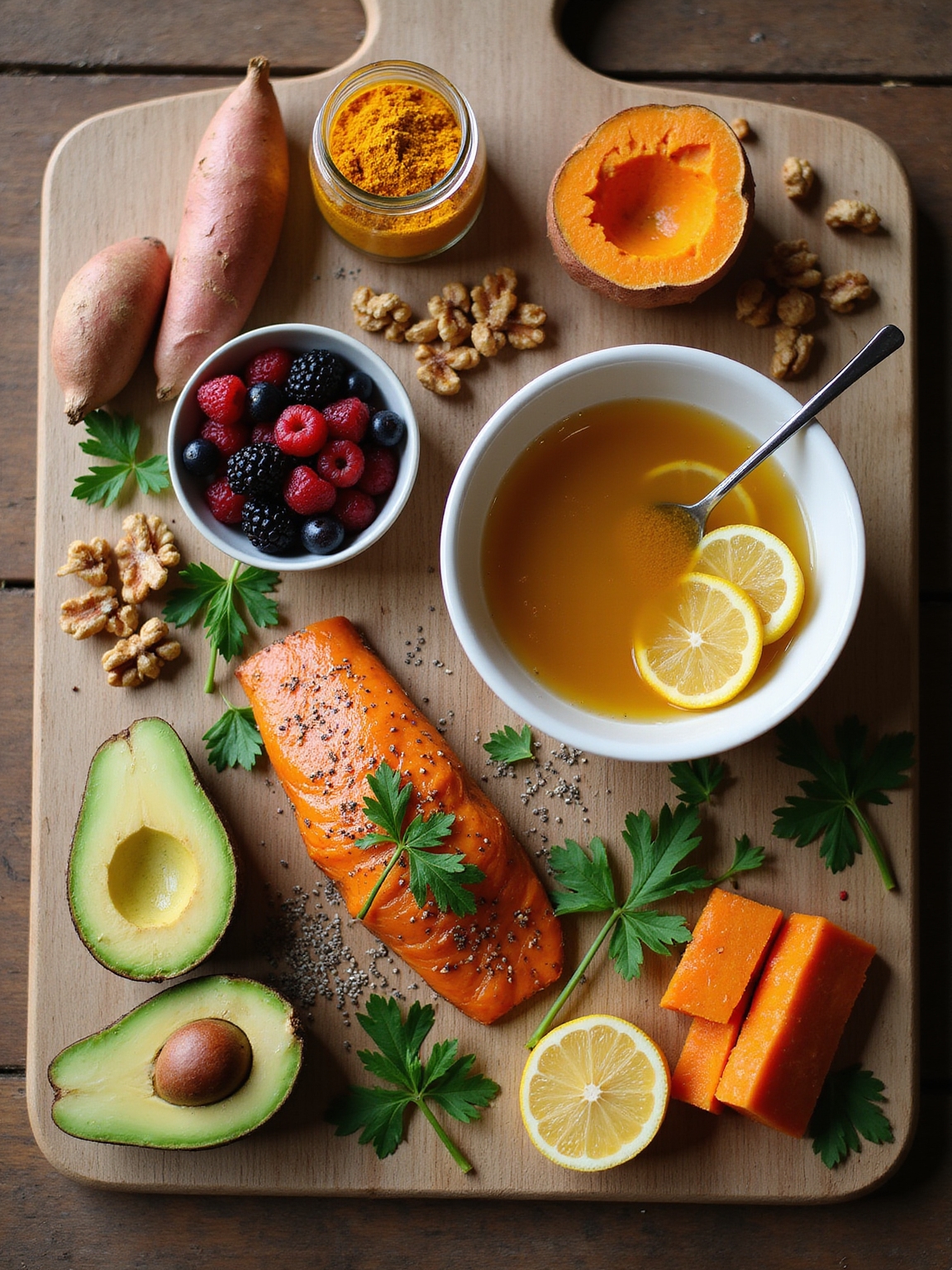
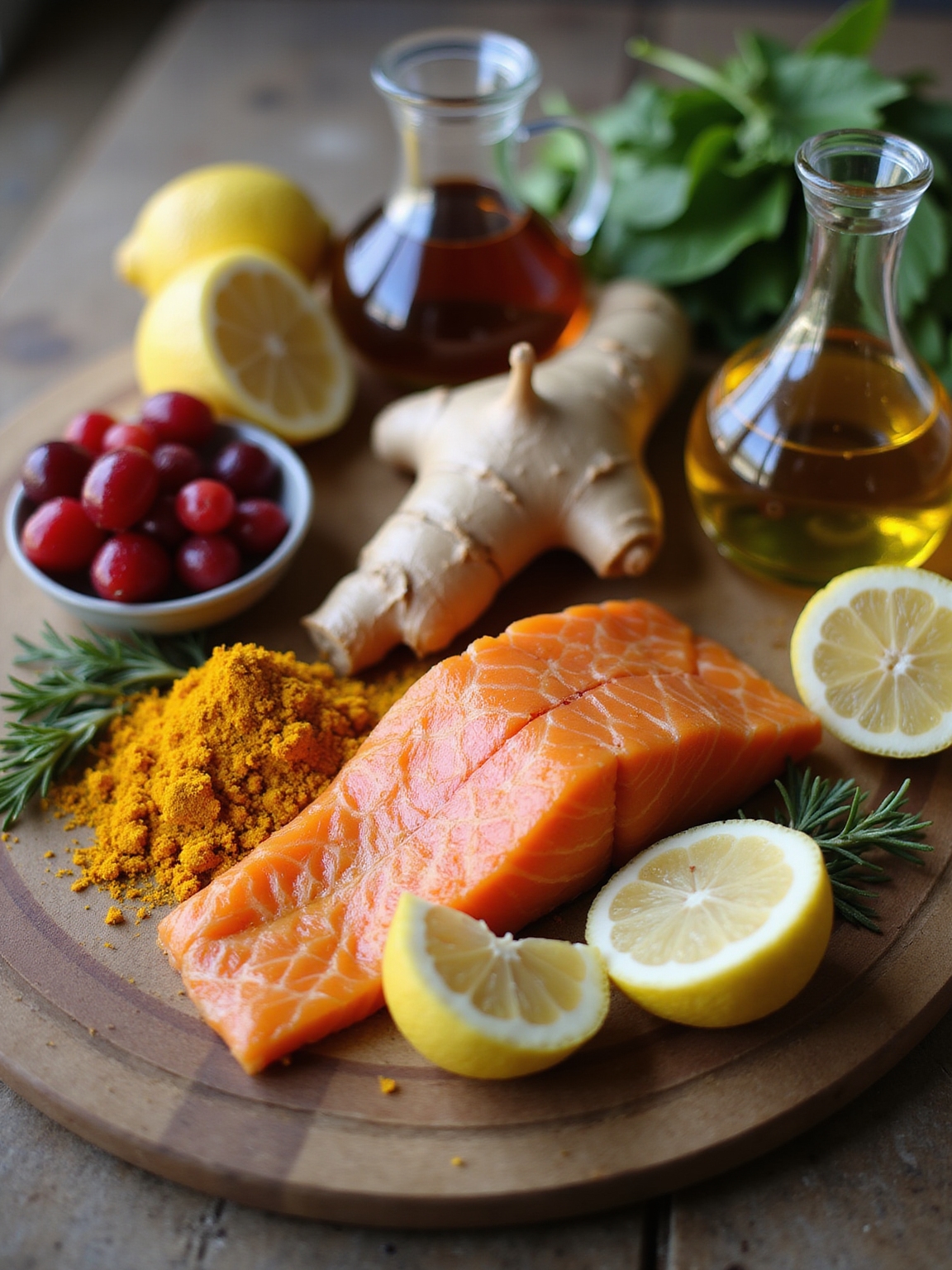
Think of your plate as a toolkit that either fuels repair or feeds wear and tear. You’ll learn how a plant-forward, whole-food pattern—rich in fiber, antioxidants, polyphenols and omega‑3s—lowers markers like CRP and supports gut health, while refined carbs, trans fats and excess processed meats tend to raise them. I’ll outline clear, evidence-based steps you can try, how to track effects, and what to do if dietary changes aren’t enough.
Anti‑Inflammatory Diet : Quick Start Guide

Ready to get started? You’ll begin by prioritizing whole foods shown to lower inflammatory markers: leafy greens, berries, fatty fish, nuts, olive oil, and legumes.
Track portions and symptoms for two weeks to spot patterns; research supports personalized responses.
Replace refined carbs and sugary drinks with fiber-rich alternatives gradually to improve adherence.
Aim for consistent meals, sleep, and activity—these modify inflammation biologically.
If you take medications or have autoimmune conditions, coordinate changes with your clinician.
Celebrate small, measurable wins like reduced pain or steadier energy; they reinforce behavior and align with evidence-based progress.
Including regular servings of omega-3–rich fish can help reduce levels of inflammatory markers associated with chronic inflammation.
What Inflammation Is and Why Diet Matters

Inflammation is your body’s immune response to injury or infection, but when it becomes chronic it can harm tissues and raise disease risk.
What you eat influences inflammatory pathways—certain foods (like processed sugars and trans fats) promote inflammation while others (like omega‑3s, fiber, and polyphenols) reduce it.
Pay attention to persistent signs such as fatigue, unexplained pain, digestive upset, or skin issues, since these can signal ongoing low‑grade inflammation that diet may help address.
An anti‑inflammation diet emphasizes whole foods and plant‑based choices to promote balance and reduce inflammatory markers, highlighting anti‑inflammatory foods as key components.
What Inflammation Is
Because your immune system uses inflammation to fight injury and infection, it’s helpful to see it as a controlled response that becomes harmful only when it’s prolonged or excessive.
You experience acute inflammation as redness, heat, swelling and pain — signs that immune cells and chemicals are clearing pathogens and repairing tissue.
Chronic inflammation, by contrast, quietly persists and raises risk for heart disease, diabetes, arthritis and some cancers through sustained immune signaling and tissue damage.
Biomarkers like C-reactive protein and cytokine levels objectively measure this activity.
Understanding these mechanisms helps you recognize why reducing persistent inflammation matters for long-term health.
Anti-inflammatory diets can lower these markers over time, improving risk factors for chronic diseases and general well-being, especially when combined with consistent dietary patterns.
How Diet Affects Inflammation
You’ve seen how chronic inflammation quietly raises disease risk; your diet is one of the most powerful levers you can use to lower or raise that ongoing immune signaling. What you eat influences inflammatory pathways via gut microbiota, metabolic hormones, and circulating cytokines.
Diets rich in vegetables, fruits, whole grains, fatty fish, nuts, and olive oil supply antioxidants, fiber, and omega-3s that dampen pro-inflammatory mediators. Highly processed foods, excess refined carbs, and some trans fats promote endotoxemia, insulin resistance, and higher CRP levels.
Small, consistent dietary shifts produce measurable reductions in biomarkers and risk, so focus on evidence-backed, sustainable choices. Emphasizing whole grains and fatty fish and other anti-inflammatory foods supports joint comfort and overall reduced inflammation.
Signs Of Chronic Inflammation
When low-grade inflammation persists, your body sends subtle but consistent signals—fatigue, unexplained aches, digestive changes, skin flare-ups, and frequent infections—that together suggest an immune system stuck in “on” mode.
You might notice brain fog, weight gain around the abdomen, or mood shifts; all have links to chronic inflammatory markers like CRP and IL-6 in clinical studies.
Persistent low-grade fever or delayed wound healing also points to ongoing immune activation.
Tracking symptoms alongside basic labs helps you and your clinician identify patterns.
Addressing diet, sleep, activity, and stress can measurably lower inflammatory biomarkers and improve symptoms.
Including an anti-inflammatory eating pattern, such as the Anti Inflammation Diet, can be an important part of reducing systemic inflammation.
Five Core Principles of an Anti‑Inflammatory Diet

If you want to reduce chronic inflammation through diet, focus on five evidence-backed principles that guide food choices, portioning, and eating patterns. You’ll prioritize whole, minimally processed foods to lower pro-inflammatory compounds while increasing antioxidants and fiber.
Emphasize variety and color to cover phytonutrients; control portions to avoid excess energy intake that fuels inflammation; and prefer regular meal timing to stabilize metabolism and insulin responses.
Support your plan with sustainable habits and modest, measurable changes. Consider these guiding actions:
- Choose whole, unprocessed options.
- Control portions and energy balance.
- Maintain consistent meal timing.
Also make sure you include essential anti-inflammatory staples like fatty fish, leafy greens, berries, nuts, and olive oil for a balanced grocery list that supports these principles.
Foods That Reduce Inflammation

You can lower chronic inflammation by choosing specific foods backed by research, like berries and other antioxidant-rich fruits that pack polyphenols and vitamin C.
Include omega-3–rich options such as fatty fish, walnuts, and flaxseed to help reduce inflammatory markers.
Small, consistent swaps toward these foods can produce measurable benefits over time.
Adding more anti-inflammatory foods such as leafy greens, nuts, and whole grains can further support reduced inflammation.
Anti-Inflammatory Fruits
Many fruits contain potent anti-inflammatory compounds you can easily add to your meals to help lower chronic inflammation. You’ll benefit from antioxidants, polyphenols, and fiber that research links to reduced markers like CRP and IL-6.
Try these evidence-backed options:
- Berries (blueberries, strawberries) — high in anthocyanins that reduce oxidative stress.
- Cherries — rich in anthocyanins and shown to lower inflammation after exercise.
- Citrus (oranges, grapefruits) — provide vitamin C and flavonoids supporting immune regulation.
Include a variety daily, whole or lightly prepared, and monitor portions for sugar. These choices fit a science-based, practical anti-inflammatory approach.
Omega-3 Rich Foods
Boost your intake of omega-3–rich foods to help dial down chronic inflammation and support heart and brain health. You’ll benefit from fatty fish (salmon, mackerel, sardines), chia and flax seeds, walnuts, and algae-based sources if you’re plant-based. Omega-3s (EPA, DHA, ALA) reduce pro-inflammatory cytokines and improve endothelial function according to clinical studies.
Aim for two servings of fatty fish weekly or a clinician-recommended supplement if intake’s low. Monitor interactions with blood thinners. Small, consistent changes yield measurable biomarker improvements. If you have specific conditions, talk with your healthcare provider to tailor dosage and sources.
Foods That Promote Inflammation

Certain foods can trigger or worsen chronic inflammation by activating immune pathways and altering gut microbiota, so it’s helpful to know which ones to limit.
You’ll want to reduce items linked to higher inflammatory markers and metabolic stress. Consider avoiding:
- Refined carbohydrates and sugary drinks — they spike insulin and promote cytokine production.
- Processed and red meats — associated with increased CRP and endotoxemia in studies.
- Trans fats and excessive omega-6 oils — they shift eicosanoid balance toward pro-inflammatory mediators.
Making targeted swaps can lower inflammation risk; consult evidence-based guidelines and your clinician for personalized changes.
Build an Anti‑Inflammatory Plate
To build an anti-inflammatory plate, favor mainly plant-based portions—fill about half your plate with colorful vegetables and whole grains to boost fiber and antioxidants.
Add lean proteins like fish or legumes and choose anti-inflammatory fats such as extra-virgin olive oil and nuts to support recovery.
Small, consistent swaps like these are backed by clinical evidence and can noticeably lower inflammatory markers over time.
Balanced Plant-Forward Portions
A simple rule helps you build an anti‑inflammatory plate: make plants the majority. Aim for fiber, polyphenols, and micronutrients that lower markers of inflammation. You don’t need perfection—small shifts matter.
- Fill half your plate with colorful vegetables and leafy greens.
- Add a quarter of whole grains or starchy vegetables for sustained energy.
- Reserve a quarter for minimally processed sources like legumes and fermented vegetables.
Choose variety and seasonal produce to maximize antioxidant profiles.
Monitor portion sizes and hunger cues, and pair plants with mindful cooking methods (steaming, roasting) to preserve nutrients and reduce harmful compounds.
Smart Protein And Fats
Lean into proteins and fats that calm inflammation rather than fan the flames: choose fatty fish, plant-based proteins, nuts, seeds, and extra-virgin olive oil while limiting processed meats and trans fats. You’ll lower pro-inflammatory markers by favoring omega-3–rich sources (salmon, mackerel, flax) and monounsaturated fats.
Swap red and processed meats for legumes, tofu, and oily fish several times weekly. Portion proteins to meet needs without excess, and use nuts or olive oil for satiety and endothelial support. Evidence shows these choices reduce CRP and improve lipid profiles; small, consistent changes yield measurable inflammatory benefits over time.
Breakfast, Lunch, Dinner: Meal Templates
Because what you eat at each meal shapes inflammation over the whole day, you’ll benefit from simple, repeatable templates that prioritize anti-inflammatory ingredients while fitting real life. Use balanced plates: colorful vegetables, a protein source, and anti-inflammatory fats. Evidence links consistent patterns to lower markers like CRP.
- Breakfast: whole grain or vegetable base, protein (eggs, yogurt), berries or leafy greens.
- Lunch: mixed salad or grain bowl, legumes/fish or poultry, olive oil dressing.
- Dinner: non-starchy vegetables, fatty fish or tofu, a small portion of quinoa or sweet potato.
Rotate choices to sustain adherence and measure effects.
Simple Anti‑Inflammatory Swaps (Sugars, Carbs, Oils)
You’ve set up balanced plates for each meal; now look at small ingredient swaps that lower inflammation without overhauling your routine.
Swap refined sugars for whole-food sweeteners like mashed banana or pureed dates in baking; evidence links high added-sugar intake to pro-inflammatory markers.
Choose whole grains (oats, quinoa, brown rice) over refined carbs to preserve fiber that moderates postprandial inflammation.
Replace vegetable oils high in omega-6 (corn, soybean) with extra-virgin olive oil or avocado oil, which provide anti-inflammatory monounsaturated fats and polyphenols.
These pragmatic swaps reduce inflammatory drivers while keeping meals familiar and satisfying.
Meal Timing and Portion Tips That Help Inflammation
While the foods you eat matter, when and how much you eat also influence inflammation, so timing meals and controlling portions can be a practical part of an anti‑inflammatory plan.
You’ll lower inflammatory markers by avoiding large, late-night meals and favoring regular, moderate portions that stabilize blood sugar. Aim for consistent meal timing to support circadian rhythms and metabolic health. Try simple strategies:
- Eat within a 10–12 hour daytime window to reduce metabolic stress.
- Keep plate portions moderate: half vegetables, a quarter lean protein, a quarter whole grains.
- Use mindful eating to prevent overeating and inflammation.
Spices, Supplements, and What the Evidence Supports
You’ll find several culinary spices — like turmeric, ginger, and cinnamon — that have clinical studies showing modest anti-inflammatory effects when used regularly.
You can also consider evidence-based supplements (for example omega-3s and curcumin formulations) but should expect variable results depending on dose, quality, and your health condition.
Before adding supplements, check safety and drug interactions with your clinician so you’re using what’s likely to help without causing harm.
Anti-Inflammatory Spices
Let’s cut to the chase: certain culinary spices contain bioactive compounds that reduce inflammatory pathways, and understanding the evidence helps you use them safely and effectively. You can add anti-inflammatory benefit through everyday cooking while noting dose, interactions, and variability in study quality.
- Turmeric/curcumin — shows consistent lab and clinical signals for lowering markers like CRP when absorption is improved.
- Ginger — reduces prostaglandin and cytokine activity; helpful for muscle and joint discomfort in trials.
- Cinnamon/garlic — modest anti-inflammatory and metabolic effects in short-term studies.
Use spices as adjuncts, not replacements for therapy.
Evidence-Based Supplements
Often, people ask which supplements and spices actually move the needle on chronic inflammation, and the short answer is: some do, but effects vary by compound, dose, formulation, and the quality of the studies.
You can expect the best evidence for omega-3s (EPA/DHA) reducing inflammatory markers and symptoms in heart disease and rheumatoid arthritis.
Curcumin shows modest anti-inflammatory effects in trials when highly bioavailable formulations are used.
Probiotics, vitamin D, and certain polyphenols have mixed but promising data, often condition-specific.
Look for randomized trials, clinically meaningful outcomes, and consistent dosing before relying on any supplement.
Safety And Interactions
Because spices and supplements can have real physiological effects, you should treat them like medicines when it comes to safety and interactions. Check evidence, doses, and your medications before adding anything.
Common points to weigh:
- Ask your clinician about interactions (e.g., turmeric/curcumin and blood thinners can increase bleeding risk).
- Watch for standardized dosing and contamination; supplements aren’t regulated like drugs, so quality varies.
- Stop use and seek care if you get new symptoms (allergy, GI upset, dizziness) after starting a supplement or concentrated spice.
Use evidence-based choices, document what you take, and prioritize safety over trends.
Adapting the Diet: Vegetarian, Vegan, Gluten‑Free
When you shift to a vegetarian, vegan, or gluten‑free anti‑inflammation plan, you can keep the same evidence-based goals—reduce pro-inflammatory foods, boost antioxidants and omega-3s, and prioritize fiber—while adjusting food sources and nutrient targets to fit your diet. You’ll emphasize legumes, nuts, seeds, whole gluten‑free grains (like quinoa and buckwheat), and a wide variety of colorful vegetables and fruits.
Monitor vitamin B12, vitamin D, iodine, iron, and long-chain omega-3 status if you avoid animal products. Avoid processed gluten-free and vegan junk foods. Work with a clinician or dietitian to tailor supplements and assure nutrient adequacy.
Clinical Evidence on Diet and Inflammation
Although no single diet is a cure-all, a growing body of clinical research shows that specific dietary patterns can measurably lower markers of systemic inflammation and improve symptoms in conditions like rheumatoid arthritis, metabolic syndrome, and inflammatory bowel disease.
You’ll see consistent benefits from whole-food, Mediterranean-style approaches and controlled trials showing reduced CRP, IL-6, and symptom scores.
Clinical evidence also highlights variability: individual response depends on genetics, microbiome, and medication.
Practical takeaways include:
- Anti-inflammatory diets (Mediterranean, plant-forward) reduce inflammatory biomarkers.
- Omega-3 supplementation helps joint inflammation in many trials.
- Fiber-rich patterns support gut-related inflammation.
How to Track Inflammation: Metrics and Timelines
You’ve seen that diet can lower CRP, IL-6, and symptom scores in many studies; now you need practical ways to measure those changes and judge progress. Track objective markers (CRP, fasting glucose), subjective symptoms (pain, fatigue), and functional tests. Recheck labs at 8–12 weeks after dietary changes; symptoms often shift earlier. Use consistent timing (fasting state, same lab). Combine data to guide adjustments and discuss results with your clinician.
| Metric | Timeline |
|---|---|
| CRP | 8–12 weeks |
| IL-6 | 8–12 weeks |
| Symptom scores | 2–6 weeks |
| Function tests | 4–8 weeks |
Troubleshooting: When Diet Isn’t Enough
If reducing inflammatory foods and adding anti‑inflammatory patterns hasn’t delivered the results you expected, that’s not a failure—it’s a cue to broaden the assessment and act systematically.
First, confirm adherence and timelines; many biomarkers shift slowly.
Then investigate non-diet contributors: sleep, stress, infections, meds, and environmental exposures.
Finally, pursue targeted testing and specialist input when needed.
- Review adherence and timeline with objective measures.
- Screen for sleep, stress, medications, infections, toxins.
- Order targeted labs (CRP, ESR, cytokines) and consider rheumatology or immunology referral.
Use data to guide stepwise interventions and avoid premature conclusions.
Shopping List and Pantry Staples for Beginners
Getting your pantry set up for an anti‑inflammatory way of eating makes sticking with it far easier, so start by stocking versatile, evidence‑backed staples you’ll actually use. Choose whole grains like oats and quinoa, extra‑virgin olive oil, canned tomatoes, and low‑sodium legumes for fiber and polyphenols.
Add fatty fish (or canned salmon), nuts, seeds, and turmeric or ginger for omega‑3s and anti‑inflammatory compounds. Keep frozen berries and vegetables for convenience and antioxidants.
Limit refined grains, sugary snacks, and processed meats. Plan simple meals using these items, monitor portions, and adjust based on symptoms and any clinician guidance.
Conclusion
You can’t fix everything with food, but shifting to an anti‑inflammatory pattern can meaningfully lower risk: studies show dietary changes can cut C‑reactive protein (a key inflammation marker) by about 20–30%. By prioritizing whole plants, omega‑3s and fiber while cutting processed foods, you’ll support your gut, immune health and energy. Be patient, track markers and symptoms, and work with your clinician—if inflammation persists, there are safe medical steps to take next.