
Think of inflammation as simmering embers in your body—small choices can either stoke them or smother them. You’ll learn which common foods and hidden additives tend to keep those embers alive, why cutting back speeds recovery, and simple swaps that actually lower inflammatory signals. Stick with me and you’ll get clear, evidence‑based steps that feel doable, not punitive.
Quick List: Top Foods to Avoid for Inflammation

If you want to lower chronic inflammation, start by cutting back on foods that consistently trigger inflammatory pathways; the evidence links several common items to higher markers like C-reactive protein and IL-6.
You’ll avoid refined carbohydrates (white bread, pastries), sugary beverages and snacks, and excess omega-6 vegetable oils (corn, soybean) that can imbalance lipid mediators.
Limit processed and red meats, especially those high in saturated fat and advanced glycation end products from high-heat cooking.
Cut trans fats found in some baked goods and margarine.
Reduce excessive alcohol and high-sodium ultra-processed meals.
These choices lower exposure to known pro-inflammatory dietary factors.
Choosing whole, minimally processed foods and replacing pro-inflammatory items with anti-inflammatory options can help rebalance your diet and lower risk factors over time; see omega-6 balance for more on fats.
Why Avoiding These Foods Speeds Recovery and Reduces Flare‑Ups

You’ve already cut many of the common dietary triggers; now let’s look at how that change speeds recovery and lessens flare‑ups. Removing pro‑inflammatory items lowers cytokine activity, helps gut barrier repair, and reduces oxidative stress, so tissues recover faster and symptoms stay muted. Your immune system shifts from constant alert to balanced repair.
- Reduced systemic inflammation measured by CRP and IL‑6
- Improved gut microbiome diversity aiding mucosal healing
- Lower oxidative load protecting joint and vascular cells
- Stabilized blood sugar avoiding inflammatory spikes
- Less immune hyperreactivity to dietary antigens
These mechanisms are supported by clinical and mechanistic studies. Emphasizing whole, anti‑inflammatory foods also ensures adequate intake of essential nutrients that support recovery.
Avoid: Hidden Sugars and Sweeteners

You should scan ingredient lists carefully because many packaged foods hide sugars under names like maltodextrin, dextrose, and high‑fructose corn syrup, which can fuel inflammation even in small amounts.
Be aware that artificial sweeteners may also affect gut microbiota and metabolic markers in ways that promote inflammatory responses for some people. I’ll outline practical label tips and the evidence on common sweeteners so you can make informed swaps.
Start your grocery list with whole, minimally processed items like fruits, vegetables, whole grains, nuts, and fatty fish to support an anti‑inflammatory diet and reduce reliance on packaged products with hidden sugars and additives that can promote inflammation in sensitive individuals; see Anti-Inflammatory Foods for guidance.
Hidden Sources In Labels
Look closely at ingredient lists—manufacturers often hide sugars under many names, and those hidden sweeteners can sustain inflammation even when a product looks “healthy.” Studies link added sugars and certain sweeteners to increased markers of inflammation (like CRP and IL-6), so scanning labels for terms such as sucrose, corn syrup, maltodextrin, dextrose, fructose, evaporated cane juice, agave, and even seemingly benign syrups matters.
You’ll reduce inflammatory load by choosing whole foods and minimal-ingredient products. Check serving sizes and total sugar grams, since small servings can mask high sugar per container.
- Read ingredients order
- Compare labels
- Watch serving sizes
- Choose whole foods
- Prefer unsweetened
Including key anti-inflammatory foods can help counteract occasional hidden sugars and support overall balance, especially when you prioritize essential anti inflammation choices.
Artificial Sweetener Effects
After scanning labels for hidden sugars, don’t assume that zero-calorie sweeteners are harmless—many artificial sweeteners can influence inflammation through gut microbiome changes, metabolic signaling, and appetite-regulating hormones.
You should know studies link certain sweeteners (like saccharin, sucralose, aspartame) to altered microbial diversity, which can increase pro-inflammatory metabolites.
They may also blunt insulin responses or paradoxically increase sweet cravings, driving higher intake of processed foods.
Favor natural, minimally processed alternatives and reduce overall sweetness to retrain taste.
If you use substitutes, monitor symptoms and discuss options with a clinician, especially if you have metabolic or inflammatory conditions.
This approach aligns well with principles from Keto Anti-Inflammatory eating, which emphasizes whole foods and reduced processed-sweetener use.
Avoid: Refined Carbs and White‑Flour Products

Cutting back on refined carbohydrates and white‑flour products helps lower the inflammatory signals that repeatedly spike after high‑GI meals.
You’ll reduce rapid glucose excursions and downstream cytokine responses by choosing whole grains and fiber-rich alternatives.
Clinical studies link refined carbs to higher CRP and insulin resistance; swapping them improves metabolic markers and satiety.
- Replace white bread with intact-grain bread
- Choose brown rice, quinoa, or barley over white rice
- Snack on nuts, seeds, or fruit instead of pastries
- Use legume-based pastas or spiralized vegetables
- Read labels: avoid “enriched” flours and added sugars
Whole, minimally processed foods like those on an anti-inflammatory food list can further support reduced inflammation and overall health.
Avoid: Vegetable Oils High in Omega‑6

Pay attention to the balance between omega‑6 and omega‑3 fats, because a high omega‑6:omega‑3 ratio can promote pro‑inflammatory pathways.
Many common vegetable oils (like corn, soybean, and sunflower) are major omega‑6 sources, so you’ll want to limit them and check food labels.
Swap in alternatives higher in omega‑3s or with a better ratio—for example, extra‑virgin olive oil, avocado oil, or small oily fish—to help steer your diet toward an anti‑inflammatory profile.
Including more whole, anti‑inflammatory foods like fruits, vegetables, nuts, and fatty fish can further support joint comfort and overall inflammation control, with an emphasis on anti‑inflammation diet choices.
Omega‑6 To Omega‑3 Ratio
Although your body needs some omega‑6 fats, the balance between omega‑6 and omega‑3 matters because an excess of omega‑6 — common in vegetable oils like corn, soybean, and sunflower — promotes pro‑inflammatory signaling pathways, while omega‑3s (from fatty fish, flaxseed, and walnuts) produce anti‑inflammatory mediators.
Aiming for a lower omega‑6:omega‑3 ratio reduces markers of inflammation and supports cardiovascular and metabolic health.
You can assess and adjust your ratio to lower systemic inflammation and improve outcomes. Track intake, prioritize omega‑3–rich choices, and limit dominant omega‑6 sources. Small sustained shifts yield measurable biochemical changes.
- Monitor dietary fats
- Compare ratios, not just totals
- Favor whole‑food patterns
- Adjust meal planning
- Reassess periodically
Sources And Alternatives
When you swap out common vegetable oils high in omega‑6—like corn, soybean, safflower, and sunflower—you directly reduce dietary drivers of pro‑inflammatory signaling and can shift your omega‑6:omega‑3 balance toward a healthier range.
Choose alternatives with lower omega‑6 and better stability: extra‑virgin olive oil (monounsaturated, anti‑inflammatory polyphenols), avocado oil (high smoke point), and modest amounts of unrefined coconut oil for high‑heat cooking.
Increase omega‑3 sources—fatty fish, flaxseed, chia, and walnuts—to rebalance ratios. Read labels to avoid hidden vegetable oils in processed foods.
These evidence‑based swaps lower inflammatory stimuli and support metabolic and cardiovascular health.
Omega‑6 and Inflammation (How Excess Intake Fuels Pathways)
Because your body converts dietary fats into signaling molecules, getting too much omega‑6 can tilt immune pathways toward inflammation. You’ll want to balance intake because arachidonic acid–derived eicosanoids promote pro‑inflammatory prostaglandins and leukotrienes when omega‑6 dominates.
Clinical and biochemical data link high omega‑6:omega‑3 ratios to amplified cytokine responses; reducing excess shifts mediator production toward resolvins and protectins from omega‑3s.
Practical steps help you lower relative omega‑6 exposure and support resolution pathways:
- Limit high‑omega‑6 vegetable oils (corn, soybean, sunflower)
- Prefer whole nuts in moderation
- Increase oily fish or algae supplements
- Cook with olive oil
- Read labels for oil blends
Avoid: Trans Fats and Hydrogenated Oils (Where They Hide)
Trans fats and hydrogenated oils raise markers of inflammation and cardiovascular risk, so you’ll want to minimize them in your diet.
Look for them not only in obvious sources like margarine and fried fast food, but also in packaged baked goods, microwaveable meals, and some non-dairy creamers.
Read ingredient lists for “partially hydrogenated” or “hydrogenated” oils and check nutrition labels for trans fat content to make informed choices.
Where Trans Fats Hide
Although many packaged foods look harmless, they can hide industrial trans fats and hydrogenated oils that raise inflammation and heart disease risk, so you’ll want to learn where they commonly show up.
You’ll find these fats in processed items because partial hydrogenation stabilizes shelf life and texture, but even small amounts affect systemic inflammation and lipid profiles.
Watch typical sources and substitute whole-food options when possible:
- Margarines and shortening used in baking
- Packaged cookies, crackers, and pastries
- Fried fast foods and some takeout items
- Microwave popcorn and snack foods
- Ready-made doughs and frozen baked goods
Reading Labels Carefully
Now that you know where hydrogenated and industrial trans fats often lurk, reading labels carefully becomes a practical skill for lowering inflammatory risk.
Check ingredient lists for “partially hydrogenated” or “hydrogenated” oils—even small amounts matter.
Look beyond “0 g trans fat” claims; FDA rules allow rounding down if under 0.5 g per serving. Sum servings per package to estimate true intake.
Prefer products listing unrefined oils (olive, canola) and whole-food fats (nuts, avocados).
When in doubt, choose minimally processed options.
This evidence-based, routine habit reduces exposure to pro-inflammatory lipids and supports better balance.
Avoid: Processed Meats, Nitrates, and Cured Products
Because processed and cured meats often contain nitrates, nitrites, and other additives that promote inflammation and oxidative stress, you should limit foods like bacon, deli slices, hot dogs, and cured sausages.
You’ll reduce exposure to compounds linked to elevated inflammatory markers and cardiovascular risk. Choose whole, minimally processed proteins and read labels for preservative-free options. Small swaps can lower systemic inflammation over time.
- Opt for fresh poultry or fish
- Pick legumes and tofu for plant protein
- Choose nitrate-free charcuterie when needed
- Favor homemade, seasoned meats
- Limit smoked or heavily cured products
Dairy and Inflammation: Who May Be Affected
While many people tolerate dairy without issue, individuals with lactose intolerance, a milk-protein sensitivity, or certain autoimmune conditions may see dairy worsen inflammation for them.
You should know lactose malabsorption can cause gut irritation, bloating, and immune activation that sustain low-grade inflammation. Cow’s milk proteins (casein, whey) trigger adverse responses in a subset, shown by elimination-challenge studies to reduce symptoms when removed.
If you suspect dairy-driven inflammation, try a timed elimination (2–6 weeks) and track symptoms, then reintroduce under guidance. Choose fermented or plant-based alternatives cautiously; some offer probiotics and lower inflammatory potential, but verify nutrient equivalence.
Nightshades: Who Should Limit Them (What the Evidence Says)
Although most people can eat nightshade vegetables (tomatoes, potatoes, eggplants, peppers) without trouble, a subset reports worsening joint pain or digestive symptoms and may benefit from limiting them while evaluating effects.
You can try a short elimination (2–6 weeks) to see if symptoms improve; randomized data are limited, but case series and patient reports suggest some people notice change. Work with a clinician to rule out allergies, sensitivity, or other causes. Reintroduce systematically to confirm. Consider nutrient replacements if you cut them out.
- Try a timed elimination
- Track symptoms and diet
- Consult your clinician
- Reintroduce carefully
- Monitor nutrient intake
Alcohol and Inflammation: Safe Limits and When to Stop
If you found that cutting certain foods like nightshades eased your symptoms, alcohol is another common, sometimes overlooked contributor to inflammation worth evaluating. You’ll want to track amount and pattern: low, occasional intake can have minimal inflammatory effect for many, while regular or binge drinking raises cytokines, disrupts gut barrier function, and worsens pain and recovery. Stop or cut back if you notice flare-ups, sleep disruption, or GI symptoms after drinking. Discuss limits with your clinician—standard guidance often means up to one drink daily for women, two for men, but individualized care matters.
| Situation | Recommendation |
|---|---|
| Occasional social drink | Limit to 1 standard drink |
| Regular drinking | Aim to reduce frequency |
| Binge episodes | Abstain and seek support |
| Inflammatory flares | Stop and consult clinician |
Avoid: Ultra‑Processed Foods and Packaged Snacks
Packaged snacks and ultra-processed foods are engineered for convenience and shelf life, but they also promote low-grade inflammation through added sugars, refined starches, industrial trans fats, and emulsifiers that alter gut microbiota and increase pro-inflammatory cytokines.
You’ll reduce systemic inflammation by prioritizing whole foods, fiber, and omega-3s instead. Swap chips and sugary bars for minimally processed options and read labels to avoid hidden inflammatory ingredients.
Small, consistent choices improve biomarkers and gut health over time.
- Choose whole fruits and nuts instead of bars
- Favor plain yogurt and fresh berries
- Opt for whole-grain toast with avocado
- Prepare simple home-made snacks
- Drink water or herbal tea
Avoid: Additives, Emulsifiers, and Artificial Flavors
Many processed foods hide additives and emulsifiers that you wouldn’t spot on first glance, yet research links some of these agents to gut irritation and low-grade inflammation.
You can reduce exposure by choosing whole, minimally processed items and scanning labels for suspicious ingredient names. We’ll look at specific emulsifiers and artificial flavor chemicals that have shown inflammatory or microbiome-altering effects so you can make informed swaps.
Hidden Processing Agents
Because processed foods often hide additives, emulsifiers, and artificial flavors in their ingredient lists, you’ll want to learn which ones can promote inflammation and why.
You should watch for agents that disturb gut barriers, shift microbiota, or trigger immune signaling.
Choose whole foods and check labels; small swaps reduce chronic inflammatory load.
Common culprits include:
- Carboxymethylcellulose and polysorbates
- Propylene glycol and mono- and diglycerides
- Artificial sweeteners like sucralose and aspartame
- Sodium nitrite and phosphates
- High-fructose corn syrup and food gums
These compounds have growing experimental evidence linking them to low-grade inflammation; opt for minimal processing.
Flavoring Chemical Risks
While often marketed as harmless, artificial flavorings and certain emulsifiers can provoke low-grade inflammatory responses by altering gut permeability and immune signaling pathways, so you’ll want to limit them.
You should watch labels for polysorbates, carboxymethylcellulose, propylene glycol, and “natural” or “artificial” flavors; animal and human studies link some to microbiome shifts, mucosal thinning, and elevated cytokines.
Choose whole foods and simple seasonings—herbs, citrus, vinegars—to flavor meals.
If you eat packaged items, favor minimal-ingredient lists and brands that publish safety data.
Small changes reduce exposure and support gut integrity, lowering chronic inflammation risk.
Three Eating Patterns That Quietly Drive Inflammation (And Fixes)
If you regularly reach for quick, packaged meals, habitually skip fiber-rich foods, or drink sugar-sweetened beverages, those patterns can quietly ramp up chronic inflammation through well-established pathways like altered gut microbiota, increased endotoxin translocation, and persistent insulin spikes.
You can change three common patterns and reduce inflammatory signaling.
- Frequent ultra-processed foods: swap toward whole-food meals to lower additives and advanced glycation end products.
- Low-fiber intake: add legumes, vegetables, and whole grains to nurture beneficial microbes.
- Excess added sugars: cut sugary drinks to blunt insulin-driven inflammation.
- Irregular eating: stabilize meal timing to normalize circadian immune cues.
- Persistent overeating: moderate portions to reduce metabolic stress.
Anti‑Inflammatory Swaps and a Practical Grocery Checklist
Start by swapping a few key items on your shopping list to shift the balance from pro‑inflammatory to anti‑inflammatory foods without overhauling your whole routine.
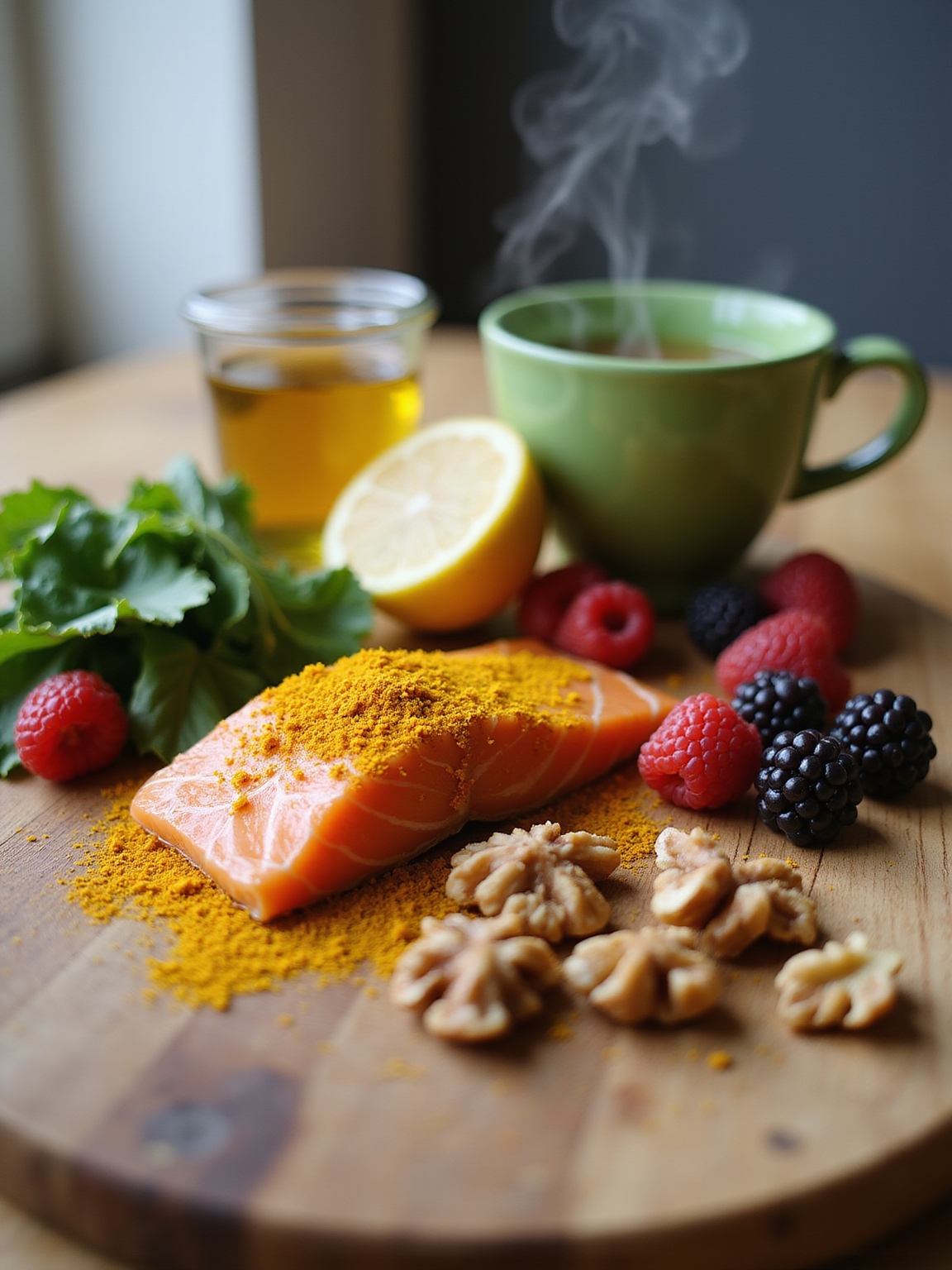
Swap refined grains for whole grains (oats, brown rice), seed oils for extra‑virgin olive oil, and sugary snacks for berries and nuts.
Prioritize fatty fish, leafy greens, cruciferous vegetables, legumes, and fermented foods for gut health.
Limit processed meats and trans‑fat containing items.
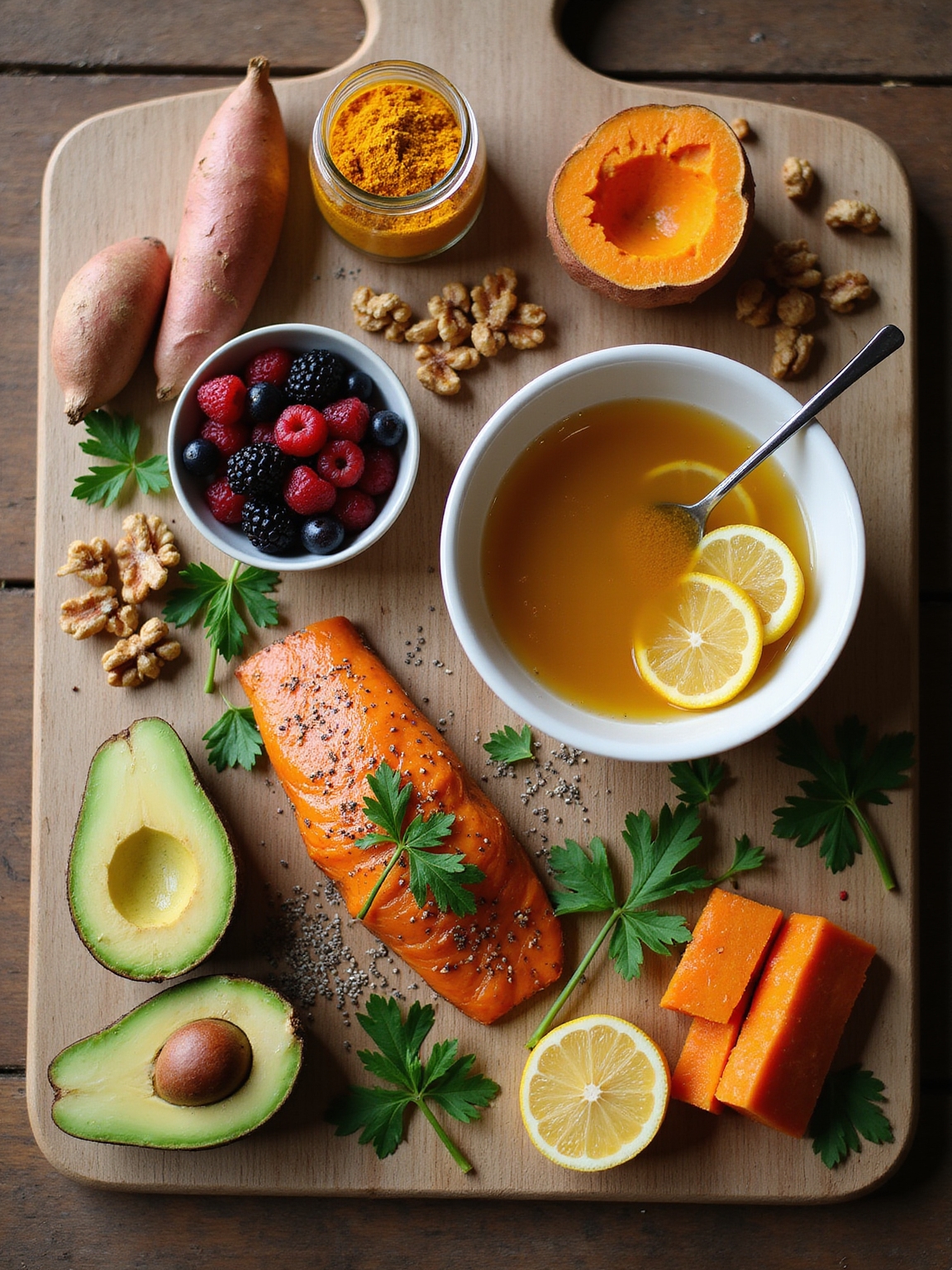
Practical checklist: wild salmon, sardines, olive oil, walnuts, almonds, spinach, kale, broccoli, lentils, chickpeas, blueberries, plain yogurt, turmeric, garlic.
These swaps are supported by inflammation markers research.
Conclusion
You’ll do best by gently sidestepping the usual suspects—hidden sugars, refined flours, industrial seed oils, and ultra‑processed fare—because the science links them to persistent inflammation and slower healing. Swap in whole foods, extra‑virgin olive oil, oily fish, legumes, nuts, and plain yogurt, and consider short eliminations if symptoms nag. Small, consistent choices add up, so treat this as a smart, evidence‑led nudge toward steadier energy, less pain, and better balance.