

If you could erase fatigue with a salad, you’d do it tomorrow. You can’t flip a switch, but shifting to an anti‑inflammatory Mediterranean pattern—colorful veg, oily fish, whole grains, legumes, olive oil, and spices like turmeric—steadily steadies blood sugar, lowers oxidative stress, and supports mitochondrial energy. I’ll outline practical swaps and simple meals you can use right away to build sustainable energy without extreme rules.
Who This Guide Is For and How to Use It
If you’re dealing with chronic inflammation, recurring joint pain, metabolic concerns, or you just want a dietary plan supported by clinical evidence, this guide is for you — and for the clinicians, caregivers, or informed eaters helping you make changes.
You’ll find practical, evidence-based steps to reduce inflammatory markers through food choices, portioning, and meal patterns.
Use it to set realistic goals, track symptoms, and tailor recommendations to medications, allergies, or cultural preferences.
Follow the staged approach: assessment, prioritized changes, and measurable trials.
Consult your healthcare team before major changes; adjust based on labs and symptom response.
This plan emphasizes principles from an anti-inflammatory diet plan designed to help you stay on track with sustainable habits.
Why the Anti‑Inflammatory Mediterranean Diet Boosts Energy
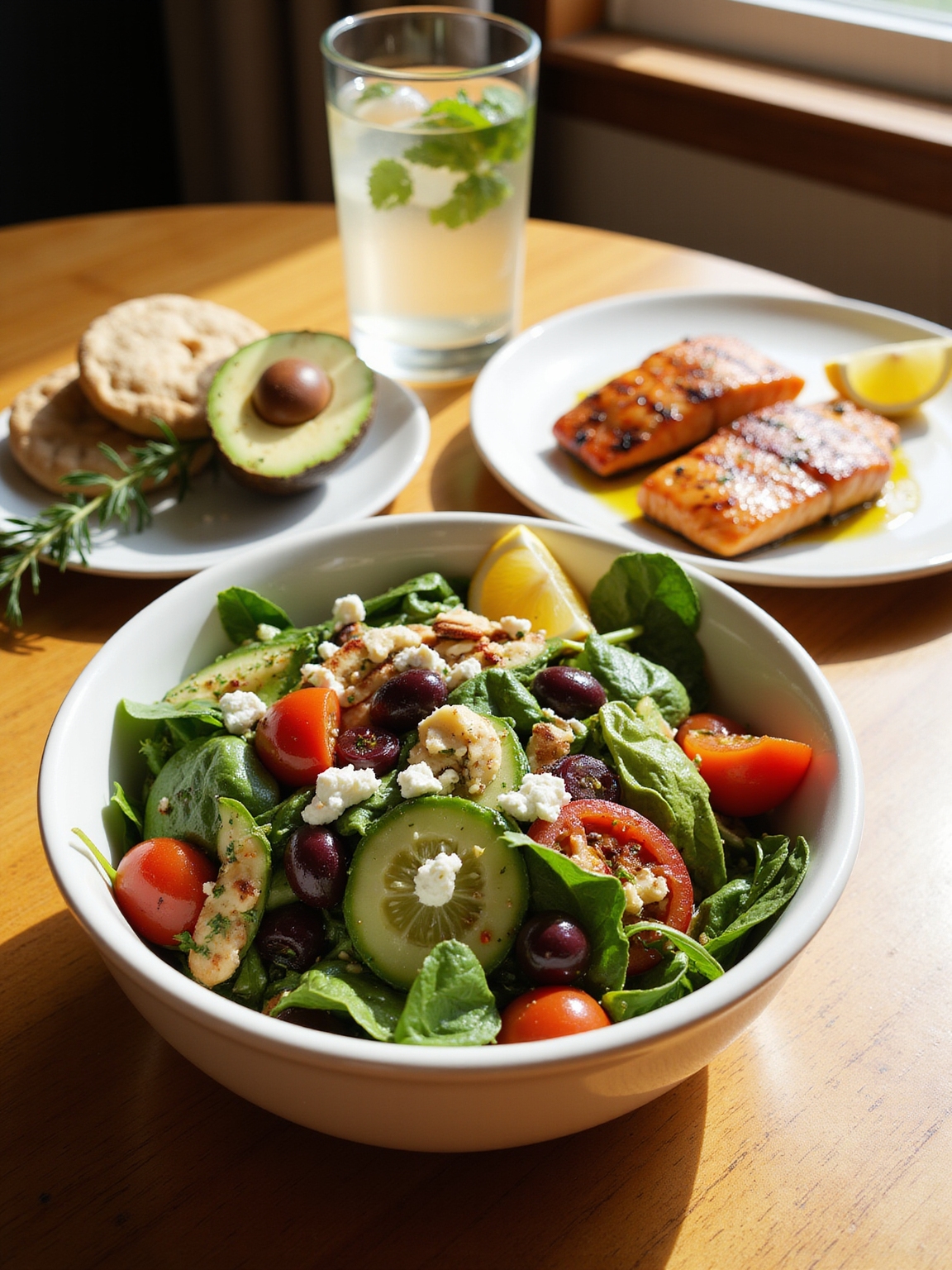
You’ll likely notice more steady energy on the Anti‑Inflammatory Mediterranean Diet because its antioxidant-rich foods lower oxidative stress that zaps cells and causes fatigue.
The emphasis on fiber, healthy fats, and low‑glycemic carbohydrates also helps stabilize blood sugar, preventing the highs and crashes that drain you. Taken together, these changes support clearer thinking and more reliable daily stamina. Many staples on an anti‑inflammation grocery list, like extra virgin olive oil and fatty fish, provide key anti-inflammatory foods that support these benefits.
Reduced Oxidative Stress
Because cells constantly produce free radicals during normal energy production, lowering oxidative stress is a key way the anti‑inflammatory Mediterranean diet helps you feel more energetic. You get abundant antioxidants from colorful vegetables, fruits, olive oil, nuts, and fatty fish; these nutrients neutralize reactive molecules that damage mitochondria and impair ATP production.
Clinical studies show diets rich in polyphenols and omega‑3s reduce biomarkers of oxidative damage and inflammation, supporting cellular efficiency. Practically, choosing whole foods over processed options lowers pro‑oxidant load. That means more reliable energy, less fatigue, and improved resilience you can notice day to day. The diet also emphasizes essential anti‑inflammatory foods like olive oil and nuts that are central to reducing inflammation and oxidative stress.
Improved Blood Sugar Control
Lower oxidative stress helps mitochondria work better, and steady blood sugar does the same by preventing the energy dips and inflammatory spikes that follow large glucose swings. You’ll feel more even energy when you choose low‑GI carbs, fiber, healthy fats, and regular meals—strategies shown to lower postprandial glycemia and inflammatory markers. This helps cells access fuel without triggering stress responses that sap vigor. Be practical: pair legumes or whole grains with olive oil and veggies, and monitor portion timing. Small, evidence‑based habits reduce metabolic strain and sustain your day. Plan simple batch-cooked meals and snacks to stay consistent with anti-inflammatory meal prep and save time while maintaining these habits.
Top Anti‑Inflammatory Foods That Boost Vitality
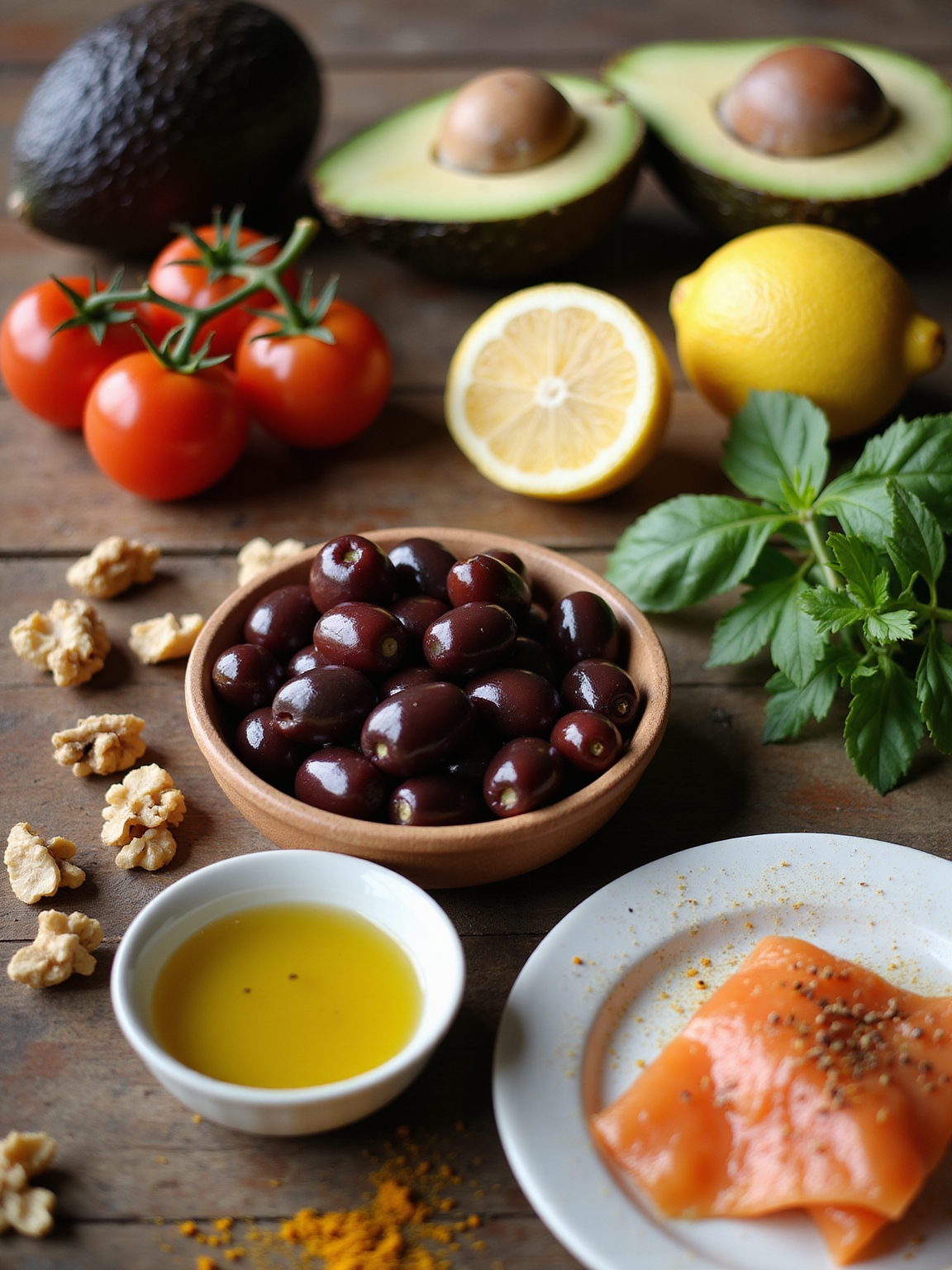
You can boost vigor by focusing on a few scientifically supported foods that lower inflammation and support energy. Colorful antioxidant-rich fruits, omega-3 fatty fish like salmon and sardines, and leafy green and cruciferous vegetables provide vitamins, polyphenols, and healthy fats linked to reduced inflammatory markers. I’ll explain how each group works and practical ways to add them to your daily meals.
Colorful Antioxidant-Rich Fruits
Many vibrant fruits deliver a concentrated dose of antioxidants and anti‑inflammatory compounds that help reduce chronic inflammation and support overall vigor.
You can lower oxidative stress and feel more energetic by adding berries, cherries, and citrus to your routine — studies link their polyphenols and vitamin C to reduced markers of inflammation.
Aim for variety and whole fruit, not juice, to get fiber and steady blood sugar.
Practical choices:
- Blueberries — high in anthocyanins for cognitive and vascular benefits.
- Cherries — contain potent anti‑inflammatory anthocyanins.
- Oranges — vitamin C and flavonoids that support immune resilience.
Incorporating these fruits alongside other anti‑inflammatory Mediterranean staples like olive oil and leafy greens can enhance their benefits and promote overall health, especially when following an Anti Inflammation Diet.
Omega-3 Fatty Fish
Regularly including omega‑3–rich fatty fish in your meals can noticeably reduce inflammation and support heart and brain health.
Choose salmon, mackerel, sardines or trout twice weekly to get EPA and DHA, which studies link to lower inflammatory markers and improved cognitive function. If you have concerns about mercury, pick smaller species or vetted sources and vary choices.
You’ll benefit from vitamin D and high‑quality protein, aiding energy and recovery. If you’re vegetarian or need more omega‑3s, discuss algae‑based supplements with your clinician.
Simple swaps—grilled fish, salads, or bowls—make this evidence‑based change easy to keep. Evidence supports keeping essential anti‑inflammatory foods like olive oil and leafy greens in your kitchen, so stock up on anti‑inflammatory foods.
Leafy Green Cruciferous Veggies
Often overlooked, leafy greens and cruciferous vegetables pack concentrated anti‑inflammatory compounds—like sulforaphane, quercetin and carotenoids—that research links to lower inflammatory markers and better metabolic health. You can reduce oxidative stress and support detox pathways by adding them daily.
Try practical servings:
- Spinach or kale in smoothies or sautés for vitamin K and lutein.
- Broccoli or Brussels sprouts roasted to preserve sulforaphane precursors.
- Arugula and watercress in salads for peppery phytonutrients.
Start with small, consistent portions; cooking method matters. Evidence suggests variety and regular intake yield the best inflammation and energy benefits. Including these vegetables regularly also complements the principles of the Anti‑Inflammatory Diet and supports overall everyday health.
Vegetables, Fruits, Legumes, and Whole Grains to Prioritize
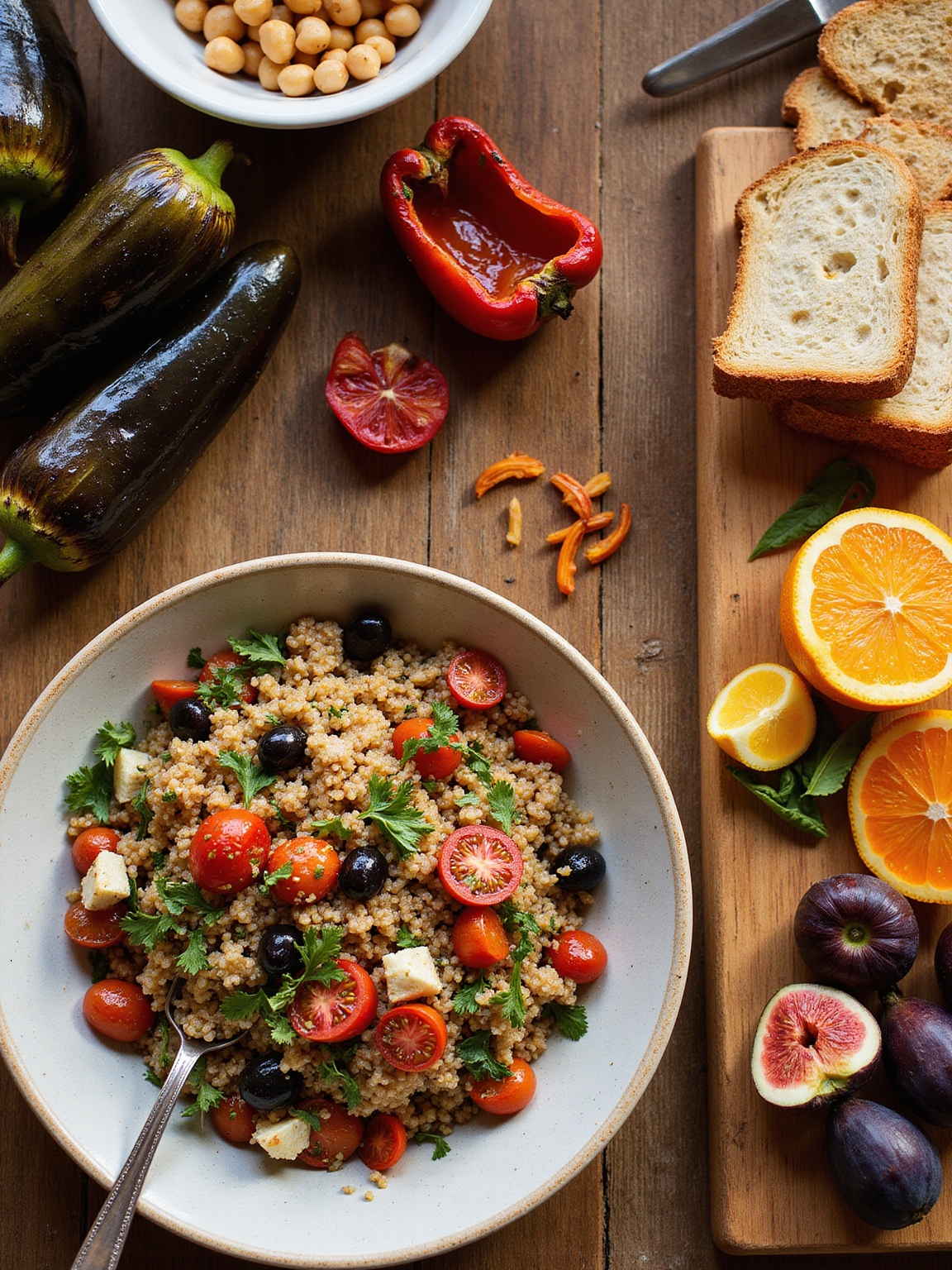
Because what you eat directly affects inflammation, prioritize vegetables, fruits, legumes, and whole grains that are rich in fiber, antioxidants, and anti-inflammatory phytochemicals.
Choose colorful vegetables (bell peppers, tomatoes, carrots) and berries, citrus, and apples for diverse polyphenols and vitamin C.
Add legumes—lentils, chickpeas, black beans—for soluble fiber and stable blood sugar.
Favor whole grains like oats, barley, farro, and brown rice to support gut microbiota and short-chain fatty acid production.
Aim for variety and consistent portions; research links these foods to lower inflammatory markers and better energy.
Start small, build habits, and track how you feel.
Healthy Fats for Mitochondria: Olive Oil, Nuts, Avocados
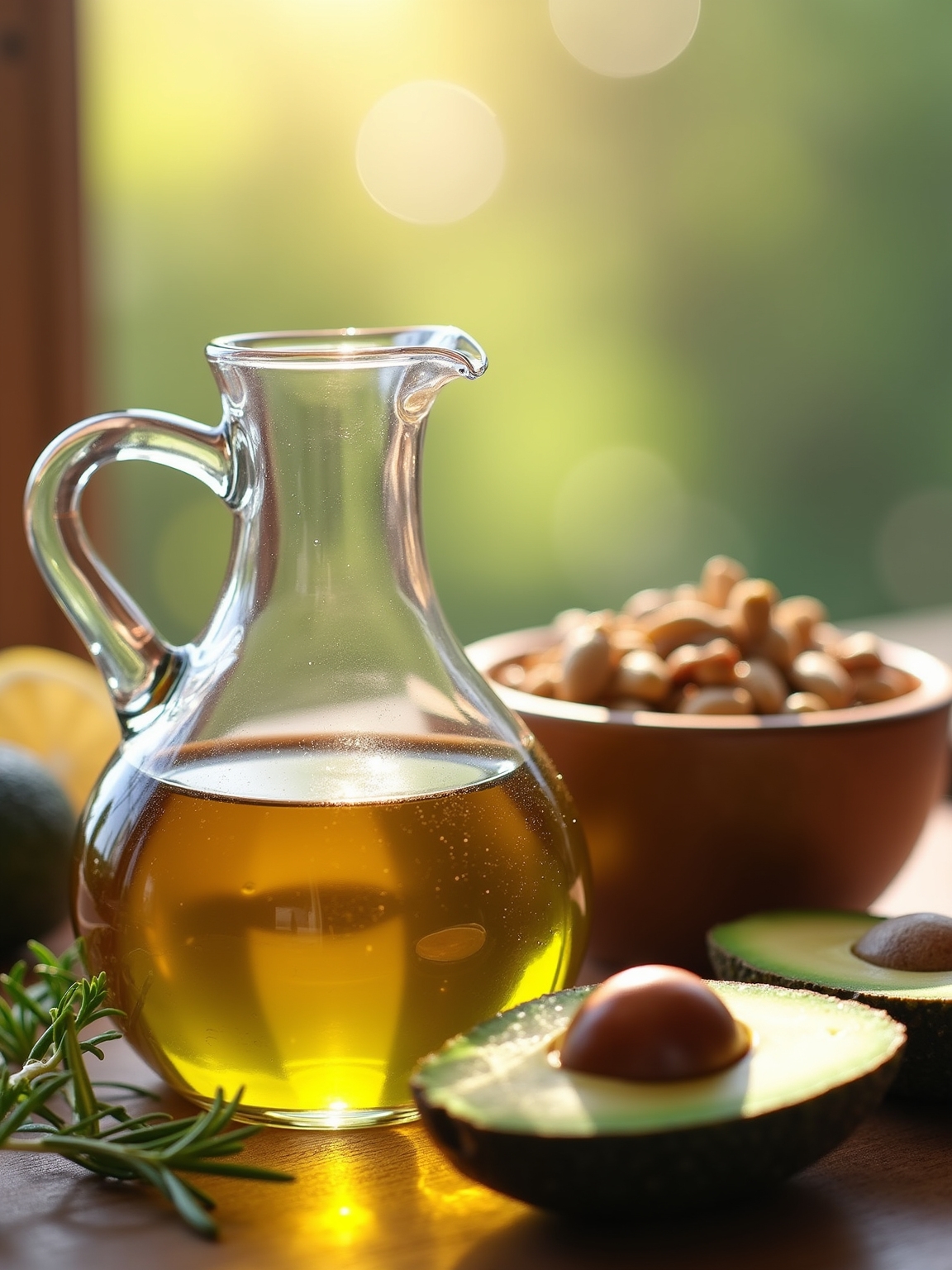
A few targeted swaps—using extra-virgin olive oil, a handful of nuts, or half an avocado—can help support mitochondrial health by providing anti-inflammatory monounsaturated fats and mitochondria-friendly polyphenols.
You’ll reduce oxidative stress and improve membrane fluidity, which supports cellular energy.
Practical choices include:
- Drizzle extra-virgin olive oil on salads for polyphenols.
- Snack on walnuts or almonds for omega-3 precursors and vitamin E.
- Add avocado to meals for potassium and monounsaturated fat.
These choices are backed by clinical nutrition research, and you can adopt them gradually.
I’ll help you fit them into meals without overdoing calories.
Best Protein Choices: Fish, Poultry, and Plant Proteins
When choosing proteins for an anti‑inflammatory Mediterranean diet, you’ll get the most benefit from lean fish like salmon, sardines, and mackerel for their omega‑3s, and from skinless poultry prepared with gentle methods like grilling or baking to limit added fats.
You can also rely on plant proteins—beans, lentils, chickpeas, and tofu—for fiber, polyphenols, and steady blood‑sugar control.
I’ll offer practical tips next on selecting, preparing, and combining these options to maximize inflammation‑reducing effects.
Lean Fish Choices
Think of lean fish as a simple, high-quality way to add anti-inflammatory protein to your meals—choices like cod, haddock, pollock, and sole are low in saturated fat, easy to cook, and supply essential nutrients without the heavier omega-6 load found in some meats.
You’ll get vitamin B12, selenium, and modest omega-3s that support inflammation control and energy.
Aim for sustainable sources and minimal processing.
Practical tips:
- Grill or bake with olive oil and herbs for flavor without excess fat.
- Pair with vegetables and whole grains to boost antioxidants.
- Vary species to reduce contaminant risk and increase nutrient range.
Poultry Preparation Tips
Moving from lean fish to poultry gives you another versatile, lower-saturated-fat protein that’s easy to adapt for anti-inflammatory meals.
Choose skinless white meat or trimmed dark meat to reduce saturated fat; opt for organic or pasture-raised when possible to limit added antibiotics and support better fatty-acid profiles.
Use gentle cooking—poaching, baking, grilling, or slow-cooking—to preserve nutrients and avoid charring, which creates pro-inflammatory compounds.
Marinate with olive oil, lemon, garlic, and herbs to add polyphenols and flavor without excess sodium.
Aim for moderate portions (3–4 ounces cooked) and combine poultry with vegetables, whole grains, and healthy fats.
Plant Protein Sources
Branch into plant proteins to add fiber, phytonutrients, and anti-inflammatory fats that complement the seafood and poultry in your diet. You’ll feel steadier energy and lower inflammation when you prioritize legumes, nuts, and whole grains alongside fish and lean poultry. Evidence shows plant proteins improve heart markers and gut health; aim for variety and portion balance.
- Chickpeas & lentils — versatile, high-fiber, iron-rich.
- Nuts & seeds — omega-3s, vitamin E, anti-inflammatory fats.
- Quinoa & farro — complete proteins with fiber and magnesium.
Rotate these, savor them, and pair with veggies for better absorption and satisfaction.
Herbs and Spices That Calm Inflammation
Because small additions can have big effects, using aromatic herbs and warming spices is a simple, evidence-based way you can lower chronic inflammation alongside the rest of a Mediterranean-style plan. You’ll benefit from turmeric, ginger, rosemary, and oregano — each has studies showing anti-inflammatory compounds and antioxidant activity. Add them fresh or toasted, pair with olive oil, and adjust taste gradually so changes stick.
| Herb/Spice | Benefit |
|---|---|
| Turmeric | Curcumin reduces inflammatory markers |
| Ginger | Eases cytokine activity |
| Rosemary | Antioxidant polyphenols |
| Oregano | Rich in carvacrol and thymol |
Foods and Ingredients to Avoid That Fuel Inflammation
Cut back on certain foods when you’re aiming to lower chronic inflammation: ultra‑processed items, refined carbohydrates, excess added sugars, and trans fats all spike inflammatory markers in multiple studies.
You don’t need drastic measures — focus on reducing clear offenders.
- Packaged snacks and fast foods: often high in trans fats and omega‑6 heavy oils.
- Sugary drinks and sweets: cause rapid glucose spikes linked to inflammation.
- Refined grains and pastries: lack fiber and prompt inflammatory responses.
This evidence-based guidance is practical and compassionate — small, consistent reductions in these items lower inflammatory burden and support long-term energy.
Simple Swaps to Convert Favorite Recipes
You can make anti-inflammatory changes without giving up your favorite dishes by making a few targeted swaps. Replace refined grains with whole-grain options like farro, brown rice, or whole-wheat pasta to boost fiber and nutrients shown to reduce inflammation.
And swap butter and processed vegetable oils for extra-virgin olive oil, avocado oil, or small amounts of nut butter to improve your fat profile and support heart health.
Whole-Grain Substitutions
When you swap refined grains for whole grains in familiar recipes, you’ll lower inflammation-linked blood markers like CRP and improve fiber, vitamin, and mineral intake without sacrificing flavor or texture.
You can make simple, evidence-based swaps that keep meals satisfying and energy-stable. Try these practical changes:
- Replace white rice with brown rice, bulgur, or farro for more fiber and magnesium.
- Use whole-wheat pasta or chickpea pasta to boost protein and slow glucose spikes.
- Choose whole-grain breads and oats to increase beta-glucan and support gut health.
You’ll notice steadier energy and gentler inflammation responses over time.
Swap Oils And Fats
Shifting the grain choices that steady your blood sugar makes changing fats the next logical step, since oils and spreads directly affect inflammation and lipid profiles.
Swap butter for extra-virgin olive oil when sautéing or finishing dishes; its monounsaturated fats and polyphenols lower inflammatory markers. Use avocado or nut butters on toast instead of margarine to gain omega-9s and fiber.
Replace cream-based sauces with Greek yogurt or blended silken tofu to cut saturated fat while keeping creaminess. When baking, substitute mashed banana or applesauce for some butter to reduce calories and saturated fat without sacrificing texture.
Meal Structure for Steady Blood Sugar and Lasting Energy
Because steady blood sugar underpins energy, mood, and inflammation control, structuring meals with balanced protein, fiber-rich carbohydrates, and healthy fats matters more than calorie counting alone.
You’ll feel steadier when meals include lean protein (fish, legumes), whole grains or vegetables, and olive oil or nuts.
Aim for timing that avoids long gaps and limits refined sugars.
Practical rules to follow:
- Include protein at each meal to slow glucose rises.
- Prioritize fiber-rich carbs (vegetables, beans, whole grains) for sustained release.
- Add healthy fats to support satiety and reduce inflammatory signals.
Small, consistent choices yield measurable benefits.
One‑Week Sample Meal Plan for More Energy
To help you put the meal-structure principles into practice, this one-week sample plan gives simple, evidence-based meals that steady blood sugar, reduce inflammation, and sustain energy throughout the day.
You’ll find breakfasts pairing protein and fiber (Greek yogurt with berries, or scrambled eggs with spinach), lunches with legumes, whole grains, and veggies, and dinners emphasizing oily fish, colorful vegetables, and olive oil.
Snacks mix nuts, fruit, or hummus with raw veggies.
Portions aim to balance carbs and protein to avoid spikes.
Follow meal timing cues, adjust portions for activity, and track how meals affect your alertness and recovery.
Shopping and Meal‑Prep for Busy People
When life gets busy, you can still eat an anti‑inflammatory Mediterranean way without extra stress by planning a few high‑impact shopping and prep moves: make a short list of versatile staples (olive oil, canned tomatoes and beans, whole grains, frozen vegetables, nuts, yogurt, oily fish), shop once or twice weekly, and set aside 60–90 minutes to batch‑cook grains, roast vegetables, and portion snacks.
You’ll save time and reduce impulsive choices.
Try these simple steps to streamline meals:
- Cook: batch whole grains, legumes, and sheet‑pan vegetables.
- Store: portion into ready‑to‑grab containers.
- Mix: assemble bowls using greens, protein, and healthy fat.
Evidence supports routine preparation for healthier choices.
Combining the Diet With Sleep, Movement, and Stress Tools
Although food is a powerful lever, pairing an anti‑inflammatory Mediterranean pattern with regular sleep, movement, and stress‑management boosts its effects and supports recovery, immune balance, and mood.
Prioritize consistent sleep timing, aiming for restorative duration and sleep hygiene—dark, cool, electronics‑free—since poor sleep raises inflammatory markers.
Move daily: brisk walks, resistance work, and gentle stretching lower inflammation and improve insulin sensitivity.
Use brief stress tools—diaphragmatic breathing, progressive muscle relaxation, or a short mindfulness practice—to reduce cortisol spikes that fuel inflammation.
Track small changes, be kind to yourself, and adapt routines so diet plus lifestyle form a sustainable, synergistic plan.
Troubleshooting Setbacks and Staying Consistent
Setbacks will happen, and how you respond matters more than the slip itself: view lapses as data, not failure. You’ll learn patterns—stress eating, skipped meals, social pressures—and can adjust without harsh judgment. Use brief experiments to test fixes and rely on proven tactics.
- Plan: prep simple Mediterranean meals to reduce decision fatigue.
- Reset: acknowledge a lapse, identify its trigger, pick one small corrective action.
- Support: enlist a friend or professional for accountability and problem-solving.
This pragmatic, compassionate approach keeps you consistent, builds resilience, and leverages evidence-based small changes for lasting energy improvements.
Track Results: Simple Metrics to Know When It’s Working
You’ve already learned to treat lapses as information and try small fixes; now it helps to measure whether those fixes are working.
Track simple, objective metrics: energy patterns (rate your energy morning, midday, evening), sleep quality (hours and restfulness), and symptom frequency (inflammation-related pain, bloating).
Record food choices tied to effects—olive oil, fatty fish, vegetables—and note portion timing.
Use a weekly summary to spot trends rather than day-to-day noise.
Expect gradual change; research shows small dietary shifts alter inflammation markers over weeks.
Adjust interventions based on patterns, and consult a clinician if symptoms persist or worsen.
Conclusion
You’ve learned how an anti‑inflammatory Mediterranean approach—colorful veggies, oily fish, whole grains, legumes, nuts, and extra‑virgin olive oil—supports steady energy, recovery, and resilience. You’ll feel best when food pairs with sleep, movement, and stress tools. Ready to try practical swaps and simple meal‑prep steps this week to see measurable gains in energy and mood? Track sleep, cravings, and daily vigour, and adjust as you notice what genuinely helps.