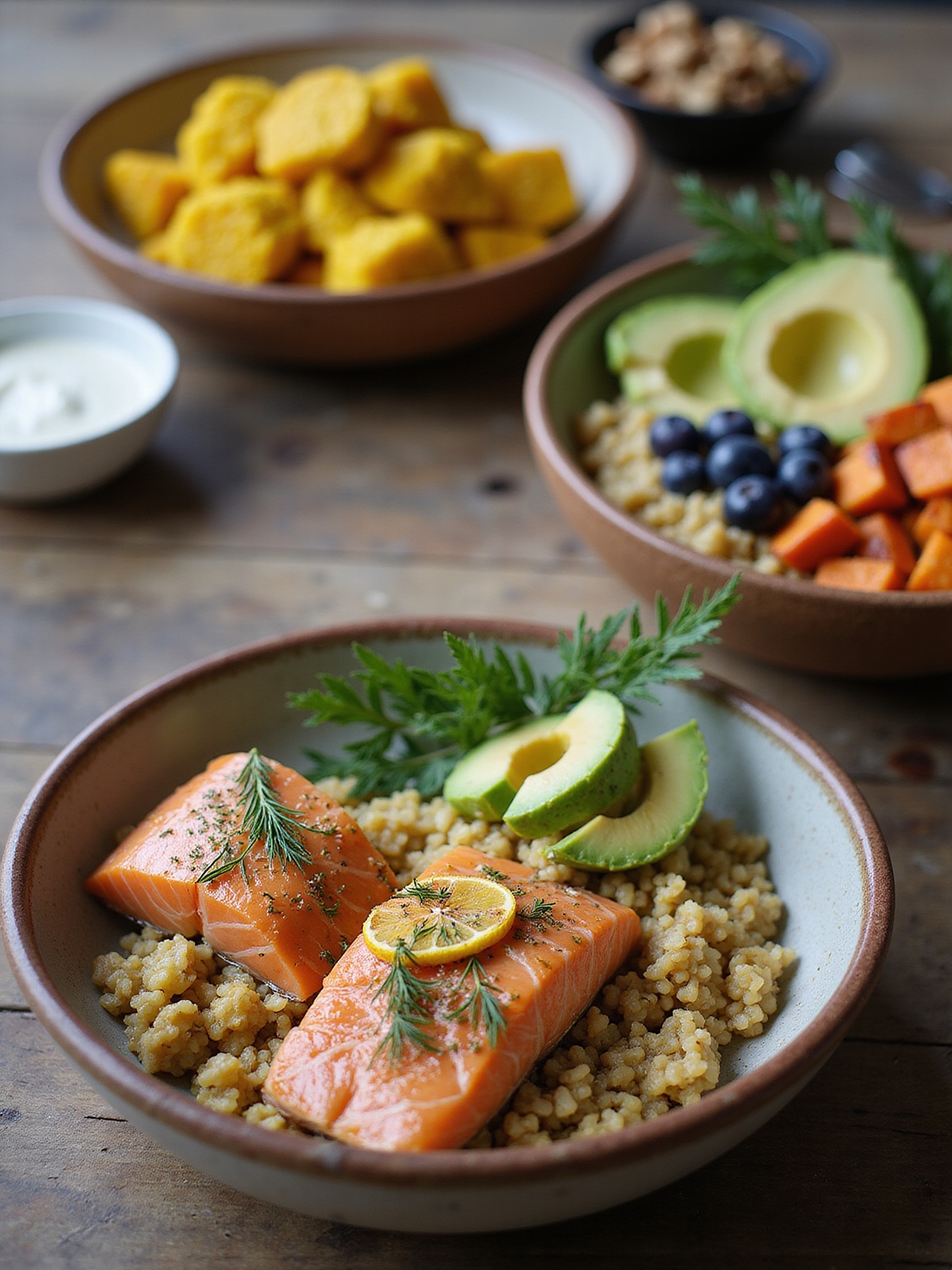

Like a steady hand on a tense string, you can tune your diet to ease airway inflammation and support your asthma control. You’ll focus on whole foods rich in omega‑3s, antioxidants, and fiber while avoiding common dietary triggers, and you’ll pair changes with your prescribed treatment. The evidence points to meaningful benefits for many people, and I’ll show practical, safe steps you can try next—so you can feel more in control of your breathing and your day.
Who This Article Helps and How to Use It

If you have asthma or care for someone with it, this article helps you use dietary changes as a supportive tool alongside medical treatment.
You’ll get practical, evidence-focused guidance whether you’re an adult with allergic or nonallergic asthma, a parent managing a child’s symptoms, or a caregiver for someone with severe disease.
You’ll learn how nutrients and food patterns may influence airway inflammation, which interventions have clinical support, and when dietary steps are adjunctive rather than primary.
Use this as a concise reference to inform conversations with clinicians, design realistic changes, and prioritize safety—especially around allergies and medication interactions.
Some anti-inflammatory approaches used to support other immune-mediated conditions, like anti-inflammation diets, may offer useful principles for asthma care.
Quick Anti‑Inflammatory Food Rules for Asthma

Start with whole, minimally processed foods — fruits, vegetables, whole grains, nuts, and legumes — because studies link dietary patterns high in these foods to lower systemic inflammation.
Prioritize omega-3 sources like fatty fish, flaxseeds, and walnuts to help modulate airway inflammation, and consider an EPA/DHA supplement if you don’t eat fish regularly.
At the same time, limit common triggers such as sulfites, excessive added sugars, and highly processed foods, and work with your clinician to identify any individual food sensitivities.
An anti-inflammation shopping list can help you plan meals and grocery trips more effectively, focusing on staples like fresh produce, whole grains, nuts, and legumes for a healthy start.
Choose Whole, Unprocessed Foods
Whole-food choices matter because what you eat directly shapes airway inflammation and lung function. Choose fruits, vegetables, whole grains, legumes, nuts, seeds, and minimally processed proteins to supply antioxidants, fiber, and micronutrients that reduce systemic inflammation.
Processed foods often contain additives, refined carbs, and pro-inflammatory fats that can worsen asthma symptoms; clinical studies link high ultra-processed food intake with increased asthma risk and poor control. You’ll get more consistent nutrient density and fewer inflammatory triggers by cooking simply and reading labels.
Small, sustainable swaps—fresh over packaged, whole over refined—can measurably support respiratory health. Include must-have anti-inflammatory foods like fatty fish, colorful produce, whole grains, and nuts for best results and overall nutrient balance anti-inflammatory foods.
Prioritize Omega‑3 Sources
Many people with asthma see measurable benefit when they prioritize omega-3 sources because long-chain omega-3 fats (EPA and DHA) reduce production of pro-inflammatory eicosanoids and support resolvins that help clear airway inflammation. You should aim for oily fish (salmon, mackerel) twice weekly or an evidence-based fish oil supplement after checking with your clinician. Monitor dose (EPA+DHA ~500–2000 mg/day in studies) and watch for interactions with blood thinners. Use food-first strategies, but supplement when intake is inadequate. Below is a simple comparison to guide choices.
| Food source | Typical EPA+DHA |
|---|---|
| Salmon (100g) | ~1000 mg |
| Mackerel (100g) | ~1800 mg |
| Fish oil (1 g) | ~300–1000 mg |
Evidence also supports combining omega-3s with high-protein, anti-inflammatory foods to help maintain energy and support airway health, especially via lean protein choices.
Limit Common Food Triggers
Increasing omega‑3 intake can lower baseline airway inflammation, but you also need to limit foods that commonly provoke inflammatory or immunologic responses in people with asthma. Identify personal triggers—common culprits include sulfites (dried fruits, wine), high‑histamine foods (aged cheeses, smoked meats), and food allergens (milk, eggs, peanuts).
Use an elimination‑reintroduction approach under medical guidance and keep a symptom‑food diary to link exposures to bronchospasm or cough. Prefer whole, minimally processed foods; avoid additives, trans fats, and excess refined sugars that promote systemic inflammation.
Discuss suspected triggers with your clinician to coordinate testing, safe reintroduction, and targeted dietary adjustments. Consider avoiding specific processed-food groups that are known to increase systemic inflammation trans fats.
How Inflammation Worsens Asthma

When your airways become inflamed, the lining swells, mucus production rises, and smooth muscle tightens, which together narrow the breathing passages and make airflow labored.
You’ll notice increased wheeze, cough, and shortness of breath as immune cells release mediators that amplify obstruction. Studies show chronic airway inflammation raises hyperreactivity and exacerbation risk.
Key mechanisms you should understand:
- Epithelial damage increases antigen penetration, fuelling immune response.
- Cytokine release sustains neutrophil and eosinophil recruitment.
- Mucus hypersecretion plugs small bronchioles.
- Smooth muscle hypertrophy heightens bronchoconstriction.
Recognizing these processes helps you target inflammation effectively. A balanced anti-inflammatory diet can reduce systemic inflammatory mediators and support better respiratory outcomes by lowering overall immune activation and oxidative stress, particularly through anti-inflammatory foods known to modulate inflammation.
Core Anti‑Inflammatory Diet Principles

Because inflammation links directly to asthma symptoms, you can use diet to lower inflammatory signals and support lung function through specific, evidence-backed choices.
Emphasize whole, minimally processed foods rich in antioxidants, fiber, and omega-3s while limiting refined carbohydrates, trans fats, and excessive omega-6 intake that promote pro-inflammatory pathways.
Prioritize consistent meal patterns to stabilize blood glucose and reduce metabolic stress. Stay hydrated and limit alcohol and cigarette smoke exposure, which amplify airway inflammation.
Personalize choices for allergies, medication interactions, and comorbidities; work with clinicians or dietitians to integrate these principles into a sustainable, monitored plan for measurable respiratory benefits.
Incorporate elements of the Mediterranean approach, focusing on plant-forward meals, healthy fats, and lean proteins to provide anti-inflammatory benefits and sustained energy.
Foods That Reduce Airway Inflammation

Now that you’ve got the core anti‑inflammatory principles in place, you can use specific foods to lower airway inflammation and support breathing. Choose items with clinical backing for reducing systemic and airway inflammation; they’ll complement meds and triggers management. Focus on whole foods with antioxidants, omega‑3s and fiber.
- Fatty fish (salmon, sardines) — rich in EPA/DHA, reduce inflammatory mediators.
- Berries and leafy greens — high in flavonoids and vitamin C, protect airway cells.
- Nuts and seeds (walnuts, flaxseed) — plant omega‑3s and anti‑inflammatory lignans.
- Legumes and whole grains — fermentable fiber, support gut microbiome and immune balance.
Foods and Ingredients That May Worsen Asthma
Watch out for common foods and additives that can aggravate airway inflammation and trigger symptoms, because a few ingredients have consistent links to worse asthma control in clinical studies.
You should be cautious with sulfite-containing foods (dried fruits, some wines, processed potatoes) and nitrite-preserved meats; both have provoked bronchoconstriction in susceptible people.
High intake of omega-6–rich processed seed oils and trans fats may promote pro-inflammatory pathways.
Artificial food colorings and certain preservatives have occasional associations with symptom flares.
Dairy and shellfish can act as allergenic triggers for some, though they’re not universally harmful.
Use evidence to guide personalized choices.
Spotting Food Triggers Safely
When you’re trying to identify food triggers for asthma, keep the process systematic and evidence-based so you can separate true reactions from coincidences. You’ll track intake and symptoms, note timing, and avoid assumptions. Use objective measures—peak flow, symptom diaries, and physician guidance—to confirm patterns before eliminating foods. Consider supervised elimination and reintroduction to reduce bias and nutrient loss.
- Keep a detailed food and symptom log.
- Test one food at a time during reintroduction.
- Use objective measures (peak flow, medication use).
- Consult allergists for testing and supervised challenges.
This method respects safety and scientific rigor.
How Omega‑3s and Fats Affect Lung Health
You may be surprised how much the fats on your plate influence airway inflammation: studies show omega-3 fatty acids (from fatty fish, flaxseed, and walnuts) can reduce inflammatory markers linked to asthma symptoms.
At the same time, diets high in certain omega-6-rich and trans fats tend to promote pro-inflammatory pathways that may worsen lung function.
I’ll summarize the evidence on which fats to favor and which to limit so you can make targeted, practical choices.
Omega‑3s Reduce Inflammation
Include more omega‑3 fats: they directly alter inflammatory pathways that matter for asthma control. You’ll lower airway inflammation by shifting eicosanoid and cytokine production toward less pro‑inflammatory mediators. Clinical studies show modest reductions in airway hyperresponsiveness and sputum eosinophils with higher EPA/DHA intake. Prioritize consistent intake; benefits accumulate over weeks.
- Improve cell membrane composition to reduce inflammatory signaling.
- Promote production of resolvins and protectins that actively resolve inflammation.
- Decrease pro‑inflammatory leukotriene synthesis linked to bronchoconstriction.
- Complement — not replace — prescribed asthma medications; discuss dosing with your clinician.
Types Of Dietary Fats
Because the types of fats you eat directly influence inflammatory pathways in the lungs, understanding their differences helps you choose foods that support asthma control.
Saturated and trans fats tend to promote systemic inflammation and can worsen airway reactivity; limiting processed foods and fatty cuts of meat reduces this burden.
Monounsaturated fats (olive oil, avocados) have neutral to modestly anti-inflammatory effects.
Long-chain omega‑3s (EPA, DHA) from fatty fish modulate eicosanoid production, reduce neutrophil and eosinophil activation, and improve airway inflammation in trials.
Aim for more fish, nuts, and olive oil while minimizing processed and hydrogenated fats for better lung health.
Antioxidants, Vitamins, and Minerals That Help Lungs
While no single nutrient cures asthma, a targeted mix of antioxidants, vitamins, and minerals can reduce airway inflammation, protect lung tissue from oxidative damage, and support immune balance.
You’ll benefit from nutrients that modulate oxidative stress and inflammation, and clinical studies highlight specific roles:
- Vitamin C — scavenges free radicals and may improve lung function.
- Vitamin D — regulates immune responses, linked to fewer exacerbations.
- Magnesium — relaxes bronchial muscles and supports smooth breathing.
- Selenium — supports antioxidant enzymes (glutathione peroxidase) protecting lung tissue.
Focus on measured intake and testing; work with clinicians to tailor supplementation safely.
Easy Swaps: Replace Pro‑Inflammatory Items
Start by swapping a few high-impact items rather than overhauling your whole diet at once — small changes can measurably lower pro‑inflammatory triggers linked to asthma symptoms.
Replace processed meats and fried foods with fatty fish, legumes, or tofu to increase omega‑3s and reduce advanced glycation end products.
Swap sugary drinks for water, herbal tea, or sparkling water to cut added sugars that promote inflammation.
Choose whole grains over refined grains to improve fiber and gut microbiome metabolites tied to lower airway inflammation.
Use extra virgin olive oil instead of margarine or vegetable oil blends for anti‑inflammatory polyphenols.
Sample 1‑Day Anti‑Inflammatory Meal Plan
Now that you’ve seen a few high‑impact swaps that lower dietary drivers of airway inflammation, here’s a practical one‑day menu that puts those principles into action so you can see how meals, portions, and timing work together. You’ll get anti‑inflammatory fats, fiber, and antioxidants aimed at reducing systemic inflammation linked to airway hyperresponsiveness.
Follow evidence‑based portions and adjust for calories or medications.
- Breakfast: oatmeal with berries, walnuts, and flaxseed.
- Lunch: mixed greens, grilled salmon, quinoa, olive oil lemon dressing.
- Snack: apple with almond butter.
- Dinner: turmeric‑garlic lentil stew with steamed broccoli.
Stay consistent; monitor symptoms.
Shopping List for an Anti‑Inflammatory Pantry
A concise, evidence‑based pantry makes it easier to follow an anti‑inflammatory plan that supports asthma management, so stock ingredients high in omega‑3s, fiber, antioxidants, and anti‑inflammatory phytochemicals.
Choose fatty fish (sardines, salmon), walnuts, chia and flaxseed for omega‑3s. Keep extra‑virgin olive oil, avocados, and nuts for monounsaturated fats. Add legumes, oats, quinoa, and brown rice for soluble fiber that modulates inflammation. Fill jars with turmeric, ginger, garlic, cinnamon, and black pepper for bioactive compounds. Buy colorful frozen berries and leafy greens for antioxidants and convenience. Limit processed foods; read labels for added sugars and sodium.
Meal‑Prep Tips to Keep Habits Consistent
Plan a weekly menu so you’re choosing anti‑inflammatory meals in advance and avoiding impulse choices that can trigger symptoms.
Batch‑cook staples like whole grains, legumes, and roasted vegetables to save time and provide ready‑to‑use, nutrient-dense components for balanced meals.
Small, consistent prep habits have been shown to improve dietary adherence and can reduce inflammation-related flare risks.
Plan Weekly Menus
Because consistent meals lower inflammation markers and reduce triggers for many people with asthma, set aside a short weekly planning session to design your menus and prep tasks. Use evidence-based choices—omega-3s, fiber, antioxidants—and align portions with your activity and symptoms. Track one-week responses to identify triggers and adjust. Plan simple swaps to reduce processed fats and added sugars.
- List meals and key anti-inflammatory ingredients.
- Schedule shopping and two short prep sessions.
- Note portion sizes and symptom log entries.
- Reserve one flexible meal for social or unexpected events.
This structured routine supports adherence and measurable progress.
Batch-Cook Staples
You’ve mapped out menus and prep tasks—now make the week resilient by batch-cooking nutrient-dense staples that support airway health. Cook fiber-rich grains, omega-3–rich fatty fish or flax-based options, and cruciferous vegetables in bulk; portion into airtight containers to preserve nutrients and reduce inflammation-promoting stressors.
Use low-temperature roasting and gentle steaming to retain antioxidants and vitamin C. Label portions with dates, reheating only once to limit oxidation. Freeze individual servings for flare-ups.
Consistent access to evidence-backed components makes adherence easier, reduces impulsive choices, and supports steady intake of anti-inflammatory nutrients linked to better respiratory outcomes.
Diet Limits: When Food Helps – and When to See a Doctor
Although dietary changes can reduce inflammation and ease some asthma symptoms for many people, they aren’t a substitute for medical evaluation or emergency care. You should use food as one tool among therapies, monitoring objective measures (peak flow, symptom diaries) and noting response timelines.
Seek clinical help if symptoms worsen, attacks recur, or medication needs rise. Consider these action points:
- Track triggers and symptom changes when you change diet.
- Share findings with your clinician for evidence-based adjustments.
- Don’t stop prescribed inhalers or steroids without medical guidance.
- Seek immediate care for severe wheeze, chest tightness, or hypoxia.
Diet Considerations for Kids, Pregnancy, Allergies, and Chronic Conditions
When you’re planning an anti-inflammatory approach for children, remember their calorie and nutrient needs differ from adults and you should prioritize growth-supporting protein, iron, calcium, and DHA while limiting added sugars.
If you’re pregnant and have asthma, evidence shows maintaining good asthma control and a balanced, nutrient-dense diet reduces risk to both you and the fetus, so coordinate dietary changes with your obstetrician and asthma team.
We’ll cover practical strategies and safety checks for kids and pregnancy, plus how allergies and chronic conditions can change those recommendations.
Kids’ Nutritional Needs
Because children’s bodies and immune systems are still developing, tailoring an anti‑inflammatory diet for kids—whether infants, toddlers, school‑age children, or pregnant parents—means balancing nutrient needs for growth with strategies proven to reduce airway inflammation. You should prioritize whole foods rich in omega‑3s, vitamin D, and antioxidants, while monitoring caloric and iron needs. Be mindful of common food allergens and consult clinicians for chronic conditions.
Practical steps include:
- Offer fatty fish, walnuts, flax for omega‑3 intake.
- Include fortified dairy or safe alternatives for vitamin D and calcium.
- Fill plates with colorful fruits and vegetables.
- Limit processed foods and excess sugar.
Pregnancy And Asthma
If you’re pregnant and managing asthma, tailored dietary choices can lower inflammation and support both maternal and fetal health without compromising nutritional needs. You’ll prioritize omega-3s, antioxidants, fiber, and controlled sodium while avoiding known triggers. Evidence links fish, nuts, fruits, and vegetables with reduced airway inflammation; discuss supplements and medication safety with your provider. Monitor allergies and weight gain, and aim for steady blood sugar. Below is a quick guide:
| Focus | Examples | Benefit |
|---|---|---|
| Omega-3s | Salmon, flaxseed | Anti-inflammatory |
| Antioxidants | Berries, spinach | Reduce oxidative stress |
| Fiber | Beans, oats | Gut health, immune modulation |
| Avoid | Processed, high-salt | Reduce exacerbations |
Conclusion
Think of your diet as a steadying anchor in a stormy sea: by choosing whole, colorful foods, omega‑3s, and lean protein, you reduce the gusts of airway inflammation and give medications a firmer hold. Use swaps that fit your life, watch symptoms and peak flow, and check with your clinician when things change. This science‑forward, evidence‑based approach won’t cure asthma alone, but it helps steady your breathing and improve resilience.