

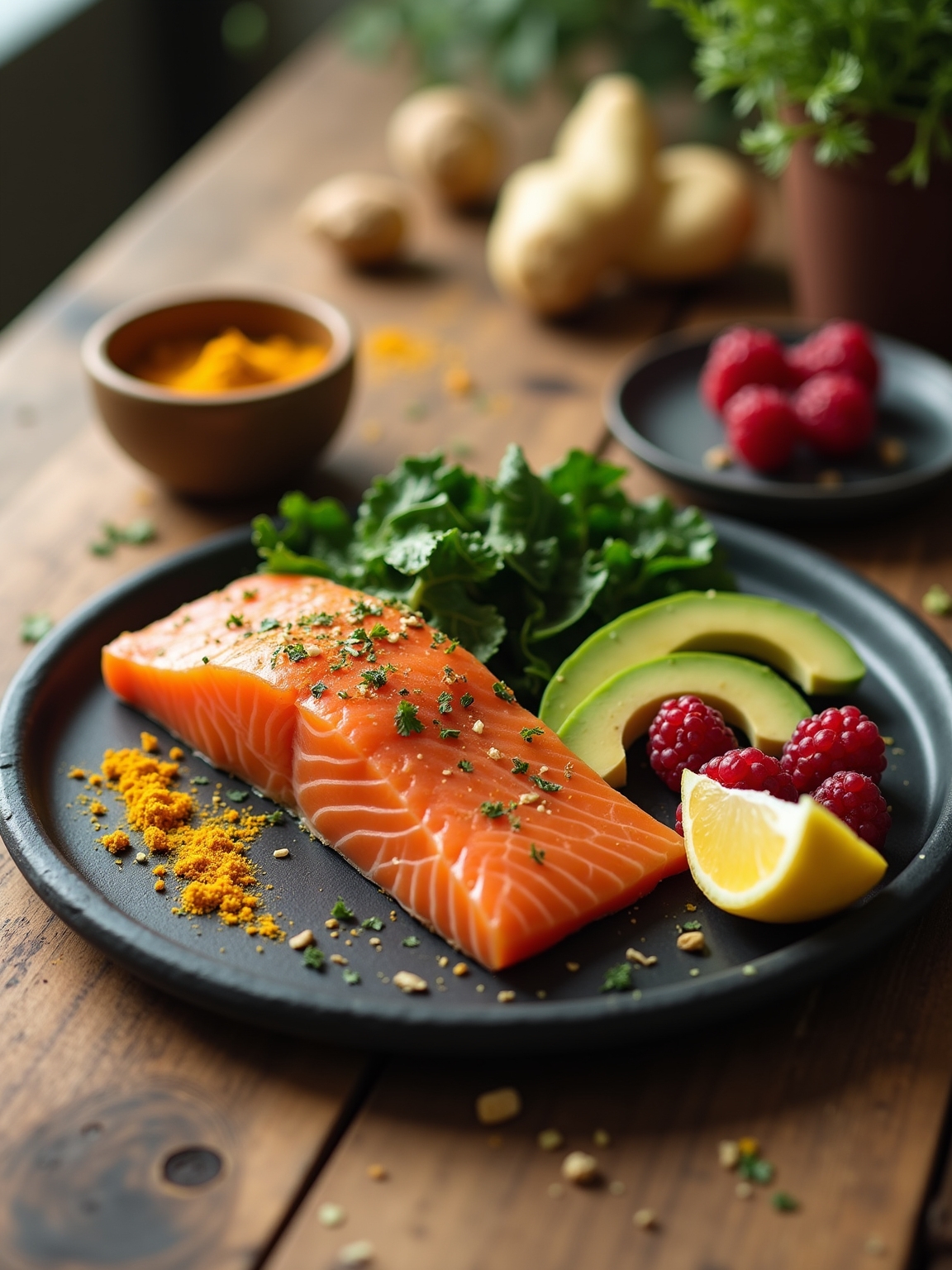
If you’re managing endometriosis, adjusting your diet to reduce inflammation can help lower pain and bloating and support overall treatment. Focus on whole foods rich in omega‑3s, fiber, vitamins, and antioxidants, and cut back on processed fats, refined carbs, and excess alcohol. Practical changes can ease symptoms and complement medical care — here’s a clear, evidence‑based plan to try next.
Who This Guide Is For and How to Use It

If you’re finding your way through endometriosis—whether newly diagnosed, managing chronic symptoms, or supporting someone who is—you can use this guide to make targeted, evidence-informed dietary changes that may reduce inflammation and improve quality of life.
This guide’s for you if you want practical nutrition steps grounded in research, whether you aim to lessen pain, support fertility, or reduce menstrual disruption.
You’ll get actionable meal patterns, food choices with mechanistic rationale, and simple tracking tips to assess effects.
Use it alongside medical care; individual responses vary, so monitor symptoms, biomarkers, and consult clinicians or dietitians for personalized plans.
Dietary patterns that reduce systemic inflammation, such as those emphasizing whole plant foods and omega-3 fats, can be complementary to anti-inflammatory strategies in other chronic conditions.
How Inflammation Fuels Endometriosis Symptoms

When endometriosis triggers immune system activation, your body releases inflammatory signals that can make lesions persist and spread.
Those same immune mediators sensitize nerves and amplify chronic pain pathways, so pain can become disproportionate to visible disease. Understanding this link helps you target inflammation — alongside medical care — to lessen symptom intensity. Dietary choices can also help lower inflammatory markers and support symptom management.
Immune System Activation
Because your immune system responds to misplaced endometrial tissue with chronic inflammation, those immune signals end up worsening pain, swelling, and scar formation rather than clearing the lesions. You experience persistent cytokine release, macrophage activation, and altered natural killer cell function that perpetuate lesion survival and adhesions. Dietary choices can modulate systemic immune tone, lowering pro-inflammatory mediators. Focus on nutrients with evidence for immune regulation and gut barrier support to reduce antigen-driven activation. Including essential anti-inflammatory foods like omega-3–rich fish and polyphenol-rich fruits and vegetables can help shift immune signaling toward resolution and tissue repair, supporting overall symptom reduction through anti-inflammatory foods.
| Immune Component | Effect in Endometriosis | Dietary/Supportive Target |
|---|---|---|
| Cytokines | Promote inflammation | Omega-3s, fiber |
| Macrophages | Support lesions | Polyphenols |
| NK cells | Reduced cytotoxicity | Vitamin D |
Chronic Pain Pathways
Although inflammation begins as the immune system’s attempt to repair, it quickly hijacks pain pathways in endometriosis and keeps you in chronic discomfort.
Inflammatory mediators—cytokines, prostaglandins, and nerve growth factor—sensitize peripheral nerves and promote aberrant nerve sprouting in lesions.
Central sensitization follows: spinal and brain circuits amplify pain signals, so normal stimuli feel painful.
This neuroimmune cross-talk sustains hyperalgesia and reflexive muscle tension.
Dietary shifts that lower systemic inflammation can reduce mediator production, potentially easing peripheral sensitization and downstream central amplification.
Integrating anti-inflammatory foods with medical care offers a pragmatic, evidence-informed strategy to diminish pain intensity and frequency.
Including foods rich in omega-3s and antioxidants can support joint comfort and help reduce systemic inflammation through anti-inflammation diet choices.
Key Anti‑Inflammatory Nutrients: Omega‑3s, Fiber, Antioxidants

You can help reduce inflammatory signals by choosing foods high in omega-3 fatty acids, like fatty fish or flaxseed, which have been shown to lower prostaglandins and inflammatory markers.
Pair those with plenty of fiber from vegetables, legumes, and whole grains to support a healthy gut microbiome that modulates immune responses.
Also include antioxidant-rich foods — berries, leafy greens, and brightly colored vegetables — to counter oxidative stress that can worsen endometriosis symptoms.
Also consider keeping staples from an anti-inflammatory grocery list on hand to make these choices easier and more consistent.
Omega-3 Fatty Acids
As a foundational anti-inflammatory nutrient, omega-3 fatty acids play a clear role in modulating the immune responses and pain pathways that often worsen endometriosis symptoms. You can reduce inflammation and possibly lessen pain by prioritizing EPA/DHA from fatty fish or algae supplements; studies show measurable shifts in inflammatory markers. Aim for consistent intake, discuss dosing with your clinician, and choose low-mercury sources. Small changes add up and honor your body. Essential foods like oily fish, seeds, and nuts are cornerstone choices for an anti‑inflammatory diet that supports overall wellness.
| Source | Benefit | Feelings |
|---|---|---|
| Salmon | EPA/DHA anti-inflammatory | Hopeful |
| Sardines | Accessible, low-toxin | Supported |
| Algal oil | Vegan option | Empowered |
Antioxidant-Rich Foods
Building on omega-3s and fiber, antioxidant-rich foods help neutralize oxidative stress and modulate inflammatory signaling that can amplify endometriosis pain and lesion activity.
You’ll want to prioritize whole foods with diverse antioxidants—these compounds reduce cellular damage and support immune balance, which may blunt pro-inflammatory cascades linked to symptoms.
Include these choices regularly:
- Berries (anthocyanins) for potent free-radical scavenging
- Leafy greens (vitamin C, carotenoids) to support antioxidant enzymes
- Nuts and seeds (vitamin E, polyphenols) for membrane protection
- Colorful vegetables (flavonoids) for downregulating inflammatory gene expression
- Green tea (EGCG) for mitochondrial and immune benefits
Aim for variety and consistency. A practical way to start is creating an Anti Inflammation Diet Shopping List to make anti-inflammatory choices easier and more consistent.
Anti‑Inflammatory Foods for Endometriosis

Often, small, consistent food choices can meaningfully reduce systemic inflammation linked to endometriosis symptoms, and focusing on evidence-backed anti-inflammatory foods gives you practical, controllable tools to try.
Prioritize oily fish (salmon, sardines) for omega-3s, leafy greens and cruciferous vegetables for fiber and phytochemicals, and berries for polyphenols that modulate inflammatory pathways.
Include nuts, seeds, and extra-virgin olive oil for monounsaturated fats and bioactive compounds.
Fermented foods and soluble-fiber sources support a healthy gut microbiome, which influences immune signaling.
Balance portions, rotate choices, and track symptom responses so you can adjust what helps you most.
Limit These Foods During Flare‑Ups

When your symptoms spike, cutting back on certain pro‑inflammatory and gut‑irritating foods can help reduce pain and bloating quickly. You’ll want to focus on items that commonly worsen inflammation, increase prostaglandin activity, or irritate gut lining.
Short-term avoidance can complement medical care and give you symptom relief while you track triggers.
- Processed meats and high‑sodium deli items
- Refined carbohydrates and sugary snacks
- Trans fats and fried fast foods
- Excessive dairy if you notice sensitivity
- Alcohol and high‑histamine fermented foods
Use a food diary and discuss changes with your clinician for personalized guidance.
Balance Omega‑3 and Omega‑6 in Meals
Because the types of fats you eat influence inflammation, aim to shift meals toward omega‑3s (anti‑inflammatory) and away from excess omega‑6s (which can fuel pro‑inflammatory pathways), so you get a better biochemical balance that may help reduce endometriosis‑related pain.
Prioritize fatty fish, chia, flax, and walnuts for EPA/DHA/ALA, and replace industrial seed oils and processed snacks high in omega‑6s with olive oil or avocado.
Aim for a practical ratio by adding two fish servings weekly and using omega‑3–rich seeds daily.
Small, consistent swaps lower inflammatory signaling; check with your clinician before starting supplements.
Fiber and Gut Health for Hormone Balance
Shifting your fat choices can also affect the microbes and digestion that help regulate hormones, so it’s helpful to look at fiber and gut health next.
You can support estrogen metabolism and reduce inflammation by feeding diverse gut bacteria, improving stool transit, and stabilizing blood sugar.
Practical steps are simple, evidence-based, and modular to your life.
- Eat a variety of whole grains, legumes, fruits, and vegetables for soluble and insoluble fiber
- Include fermented foods to introduce beneficial microbes
- Limit added sugars that disrupt microbiome balance
- Stay hydrated to aid fiber function
- Gradually increase fiber to prevent bloating
Antioxidants for Pain Relief and Tissue Healing
Although inflammation drives much of endometriosis pain, boosting your antioxidant intake can help reduce oxidative stress and support tissue repair.
You’ll want foods rich in vitamin C (citrus, peppers), vitamin E (nuts, seeds), carotenoids (leafy greens, orange vegetables), and polyphenols (berries, green tea).
These nutrients neutralize free radicals, lower inflammatory markers, and support collagen synthesis needed for healing.
Clinical and laboratory studies link higher antioxidant status with less pain and better tissue outcomes, though effects vary.
Aim for a varied, whole-food approach rather than supplements unless your clinician recommends them, and monitor symptom changes over weeks.
Anti‑Inflammatory Day: Simple Meal Plan
Building on antioxidant-rich choices, an anti-inflammatory day focuses on meals that combine whole grains, lean protein, healthy fats, and plenty of colorful vegetables and fruits to lower inflammation and support tissue healing.
You’ll eat predictable, nutrient-dense meals that stabilize blood sugar and deliver omega-3s, fiber, and phytonutrients shown to reduce inflammatory markers. Aim for balance, portion control, and variety.
- Oat porridge with walnuts, berries, and ground flax
- Spinach salad with grilled salmon and olive oil vinaigrette
- Quinoa bowl with roasted vegetables and chickpeas
- Snack: apple with almond butter
- Dinner: turmeric chicken with steamed broccoli
Easy Swaps to Make Recipes Friendlier
You can make meaningful changes with a few simple swaps that research links to lower inflammation.
Replace refined grains with whole grains like quinoa or brown rice, and choose anti-inflammatory fats such as extra-virgin olive oil, avocado, and fatty fish. These swaps are easy to apply to your favorite recipes and can help reduce inflammatory signals over time.
Swap Refined Grains
Many people feel better when they replace refined grains with whole-grain or minimally processed alternatives, because those swaps deliver more fiber, micronutrients, and antioxidants that help regulate blood sugar and reduce inflammation.
You can make practical changes that support symptom management and metabolic health without drastic restriction. Try these simple swaps informed by nutrition science:
- Swap white rice for brown rice, quinoa, or barley.
- Choose whole-grain bread instead of white sandwich bread.
- Use rolled oats rather than instant flavored packets.
- Pick whole-grain pasta or legume-based pasta.
- Substitute refined flour with whole-grain or oat flour in baking.
Small, consistent swaps improve fiber intake and glycemic control.
Choose Anti-Inflammatory Fats
Choose fats that calm inflammation rather than fan the flames: swapping out butter, lard, and many processed vegetable oils for extra-virgin olive oil, avocado oil, nuts, seeds, and fatty fish adds anti-inflammatory monounsaturated and omega-3 fats shown in clinical and observational studies to reduce markers like CRP and improve pain and quality of life measures in some people with chronic inflammatory conditions. You can replace frying fats and spreadables, use oily fish twice weekly, and snack on walnuts or chia. Small consistent swaps lower inflammatory load and may ease symptoms; track responses and consult your clinician for personalized guidance.
| Replace | Choose | Why it helps |
|---|---|---|
| Butter | Olive oil | MUFAs, polyphenols |
| Margarine | Avocado oil | Less processed, stable |
| Snack chips | Nuts/seeds | Omega-3/anti-inflammatory |
Pantry Staples for Endometriosis Support
Stocking a purposeful pantry makes it easier to stick with an anti-inflammatory eating pattern that can support endometriosis symptom management. You’ll find relief when staples reduce reliance on processed foods and supply nutrients research links to lower inflammation.
Keep whole, nutrient-dense items handy so you can prepare balanced meals even on hard days.
- Extra-virgin olive oil and cold-pressed flaxseed oil
- Brown rice, quinoa, and gluten-free oats
- Canned wild salmon, sardines, or low-sodium legumes
- Turmeric, ginger, garlic, and dried herbs
- Unsalted nuts, seeds, and bone broth powder
Choose minimally processed, high-omega foods.
Timing and Portions to Reduce Bloating and Pain
If you time meals and control portions thoughtfully, you can reduce post-meal bloating and modulate pain signals linked to endometriosis-triggered inflammation.
Eat regular, smaller meals every 3–4 hours to prevent large gastric volumes that stretch the gut and trigger discomfort.
Prioritize protein and fiber with each meal to slow glucose spikes and lower inflammatory responses.
Limit high-FODMAP and gas-producing foods at single sittings; spread them across the day if tolerated.
Chew slowly, hydrate between—not during—meals, and stop when comfortably satisfied.
Track patterns; adjust timing and portion sizes based on symptom response and clinician guidance.
Supplements: Evidence and Cautions
Alongside meal timing and portion control, some people look to supplements to reduce inflammation and pain from endometriosis, but the research is mixed and safety varies by compound. You can consider supplements cautiously, prioritizing those with clinical support and low interaction risk. Always check doses and discuss with your clinician, especially if you take hormones or blood thinners.
- Omega‑3s: modest anti‑inflammatory evidence, generally safe.
- Vitamin D: linked to immune modulation; confirm deficiency before supplementing.
- Curcumin: promising small trials; absorption and dosing matter.
- Magnesium: may ease cramps; watch renal function.
- Probiotics: strain‑specific effects; evidence is preliminary.
Track Food Triggers: A 4‑Week Symptom Log
Start a 4‑week daily log noting what you eat, portion sizes, timing, and any symptoms (pain, bloating, fatigue) plus their severity. Over several weeks you’ll spot patterns and can use simple charts or totals to see which foods consistently precede flares.
This evidence-based approach helps you and your clinician make targeted, testable dietary changes rather than guessing.
Daily Symptom And Meal Log
Regularly tracking what you eat and how you feel helps pinpoint patterns between specific foods and flare-ups; over four weeks you’ll collect enough data to test hypotheses with confidence.
Use a simple daily log to record meals, symptoms, timing, medication, sleep, and stress so you can correlate variables objectively. Be consistent, timestamp entries, and note portion sizes.
Share logs with your clinician or dietitian for evidence-based interpretation.
- Date and time
- Meal details and portions
- Symptom type, intensity (0–10), onset time
- Medications/supplements, sleep, stress levels
- Bowel movements/menstrual notes
Identifying Consistent Food Triggers
Now that you’ve been keeping a daily symptom and meal log, use those entries to spot patterns over four weeks—this is how you identify consistent food triggers.
Review timing, portion size, and symptoms onset; note repeat offenders that precede flares by consistent intervals (hours to a day).
Quantify frequency: trigger candidate appears before symptoms in multiple separate episodes.
Control for confounders like stress, cycle phase, medications, and exercise.
Prioritize common inflammatory foods (processed sugar, trans fats, gluten, dairy) but stay individualized.
Use this evidence to guide targeted, short elimination trials with your clinician, monitoring objective changes.
When to Combine Diet With Medical Care
While dietary changes can meaningfully reduce inflammation and symptom burden for many people with endometriosis, you should combine them with medical care whenever symptoms are severe, progressive, or interfering with your daily life.
Use diet alongside diagnostics and proven treatments rather than as a sole strategy.
Talk to your clinician if pain worsens, imaging is needed, or fertility is a concern.
Integrative care improves outcomes and safety.
- sudden or worsening pain
- heavy bleeding or anemia
- suspected organ involvement
- fertility concerns or planning pregnancy
- inadequate symptom control despite diet
Conclusion
You’ve tried battling inflammation with painkillers and patience; now let food be an ally, not a miracle cure. By choosing omega‑3s, fiber, antioxidants and fewer processed triggers, you’ll likely ease inflammation and gut distress alongside medical care. Track, test, and tweak — because science and your body both deserve data. You’re not fixing endometriosis overnight, but you’re stacking evidence‑based actions that make flare‑ups less tyrannical.


