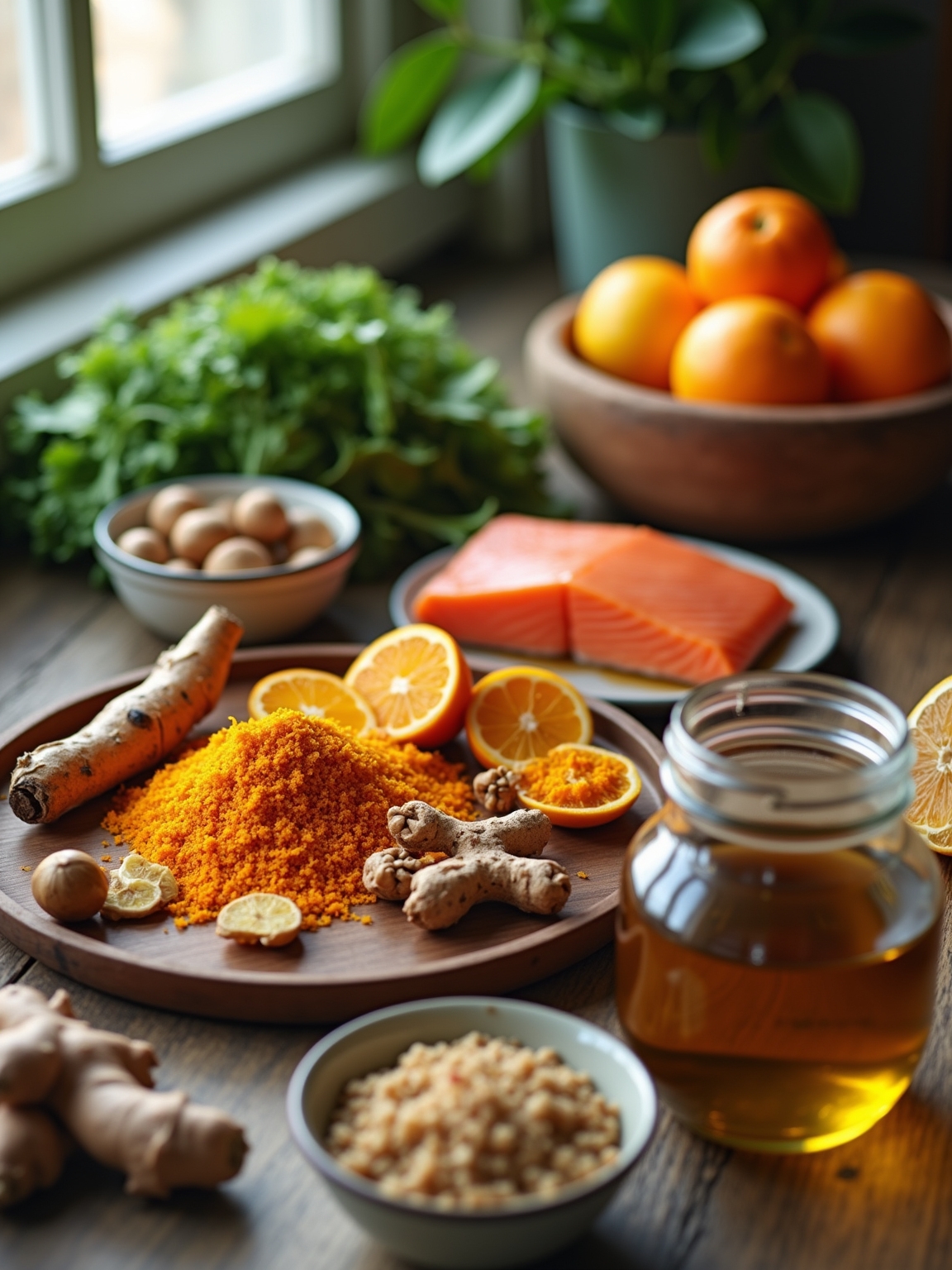

Imagine a kitchen bright with colorful vegetables, whole grains steaming, and a simple drizzle of olive oil—small changes like these can lower inflammation and support your MS care. You’ll get practical, evidence‑based steps that fit into real life, help steady energy, and protect gut and brain health. Stick with it thoughtfully, coordinate with your care team, and you may notice meaningful differences in symptoms and wellbeing—here’s how to start.
How an Anti‑Inflammatory Diet Helps MS

Because inflammation plays a central role in multiple sclerosis, choosing foods that reduce inflammatory signaling can directly support your brain and immune system.
You’ll lower pro-inflammatory cytokines by emphasizing omega-3s, fiber, phytonutrients, and antioxidants shown to modulate immune responses and oxidative stress.
A diet high in fruits, vegetables, whole grains, fatty fish, and nuts can improve gut microbiome diversity, which influences systemic immunity and may reduce relapse risk markers.
You’ll also limit processed foods, refined sugars, and excess saturated fats that worsen inflammation.
Work with your clinician to personalize choices, track symptoms, and adjust intake as evidence and tolerance dictate.
Eating patterns that focus on whole foods and reduce pro-inflammatory triggers can offer measurable anti-inflammatory benefits over time.
Quick Rules: Follow an Anti‑Inflammatory MS Plan

Start by making Mediterranean-style meals—plenty of vegetables, legumes, whole grains, fish, olive oil, and nuts—which studies associate with lower inflammation and better brain health.
Cut back on processed foods high in additives, refined carbs, and industrial seed oils, since they can promote inflammatory pathways.
Small, consistent changes you can stick with often give the most meaningful benefit.
The Energizing Anti-Inflammatory Mediterranean Diet emphasizes whole, minimally processed foods and plant-forward eating to support energy and reduce inflammation.
Mediterranean-Style Meals
When you build meals around Mediterranean-style patterns—plenty of vegetables, whole grains, legumes, olive oil, nuts, fish, and modest dairy—you’re choosing foods shown to lower markers of inflammation and support overall brain and vascular health in multiple studies.
You can focus on colorful salads, whole-grain bowls with beans and roasted veggies, grilled oily fish twice weekly, and snacks of olives or a handful of nuts.
Use extra-virgin olive oil for cooking and dressings.
This pattern gives omega-3s, fiber, polyphenols, and monounsaturated fats that modulate inflammation.
Start simple, plan repeats, and adapt portions to your energy needs.
Eating this way also emphasizes anti-inflammatory foods that have been associated with reduced inflammation in research studies.
Limit Processed Foods
Regularly cutting back on processed foods gives you a straightforward way to reduce dietary drivers of inflammation that can aggravate MS symptoms.
Swap packaged snacks, frozen dinners, and sugary beverages for whole foods: vegetables, fruits, lean proteins, legumes, nuts, and whole grains.
Read labels—choose items low in added sugar, refined oils, sodium, and preservatives.
Preparing simple meals at home helps control ingredients and supports consistency.
Small, sustainable changes—like batch-cooking, using herbs for flavor, and keeping healthy snacks handy—make this manageable.
Research links ultra-processed diets to systemic inflammation, so these practical steps can meaningfully support symptom management.
Include shelf-stable items from an anti-inflammatory grocery list to make healthy choices easier and more consistent.
7‑Day Anti‑Inflammatory Meal Plan for MS

You’ll get a simple meal-plan overview that shows how anti-inflammatory choices fit into a day without adding complexity.
I’ll give practical daily meal templates you can adapt for breakfasts, lunches, dinners and easy swaps based on symptoms or preferences.
We’ll also cover snack options and hydration strategies that support steady energy and inflammation control.
This plan draws on a popular 5-day anti-inflammatory approach to provide clear, manageable templates and meal examples you can customize.
Meal Plan Overview
Looking for a straightforward, day-long anti-inflammatory meal plan you can actually follow? You’ll get balanced meals focused on omega-3s, colorful vegetables, whole grains, lean protein, and anti-inflammatory spices. Portions aim to stabilize blood sugar and reduce flare triggers; hydration and fiber are prioritized. Snacks are simple, nutrient-dense, and portable. Meals emphasize real foods, minimal processed ingredients, and options for common sensitivities (dairy, gluten). You can adapt timing to energy patterns and symptoms. Evidence supports this pattern for reducing systemic inflammation and supporting overall health—talk with your clinician or dietitian to personalize portions and food choices. This plan is drawn from an Easy Anti-Inflammatory Meal Plan designed anyone can follow.
Daily Meal Templates
Often a simple, predictable template makes it easier to eat in an anti-inflammatory way while managing MS symptoms.
Use a balanced daily structure: a fiber- and antioxidant-rich breakfast (oats with berries, walnuts, flax), a vegetable-forward lunch with lean protein or legumes, and a colorful dinner emphasizing oily fish or plant-based omega-3 sources plus cruciferous vegetables.
Rotate whole grains like quinoa and barley.
Prioritize minimally processed foods, consistent portion sizes, and meal timing that supports medication schedules and energy levels.
Plan one-pot or batch-cooked options to reduce decision fatigue.
Adjust portions to your needs and consult your healthcare team for personalization.
Include simple, repeatable recipes and a one-week plan to make sticking to the routine easier.
Snack And Hydration
Regularly scheduled snacks can help you keep energy steady, support medication timing, and reduce inflammation by choosing nutrient-dense options.
Choose snacks with protein, healthy fats, and fiber—Greek yogurt with berries, a small handful of walnuts and an apple, or hummus with raw veggies—to blunt blood sugar spikes and supply anti-inflammatory omega‑3s.
Stay hydrated: sip water regularly, include herbal teas, and add electrolytes if heat or meds increase loss.
Monitor triggers like added sugar or excessive caffeine.
Plan portions, carry ready snacks, and discuss adjustments with your care team so your snacking supports symptom control and overall wellness.
Core Anti‑Inflammatory Foods for MS

Choosing the right anti-inflammatory staples can help you manage inflammation-related symptoms in MS while supporting overall brain and immune health.
Focus on omega-3 rich fatty fish (salmon, mackerel), extra-virgin olive oil, and walnuts for anti-inflammatory fats.
Eat a variety of colorful vegetables and berries for antioxidants and polyphenols.
Include fiber-rich whole grains, legumes, and nuts to support gut health and immune regulation.
Add turmeric and ginger for curcumin and gingerol’s modest anti-inflammatory effects.
Prioritize lean protein and vitamin D–rich foods or supplementation per your clinician.
Aim for consistent, practical meal patterns that you can maintain long-term.
Foods to Avoid and Simple Swaps for MS

When you’re aiming to reduce inflammation for MS support, it helps to limit processed foods, excess sugar, and industrial seed oils, which are linked to worsened inflammation in some studies.
You can make easy, practical swaps—choose whole grains or legumes for refined carbs, olive oil or avocado for frying, and fresh fruit or nuts instead of sugary snacks.
These small changes are evidence-based, manageable, and can fit into your routine without needing a complete diet overhaul.
Foods To Avoid
Because certain foods can worsen inflammation, fatigue, and gut symptoms common in MS, it’s helpful to know which items to limit or skip and why. You should reduce processed foods, added sugars, and trans fats — they raise systemic inflammation and can worsen energy. Limit high-sodium packaged meals that may affect blood pressure and swelling. Be cautious with excessive red and processed meats linked to inflammatory markers. Some dairy and gluten bother people with gut sensitivity; monitor symptoms and try elimination under guidance. Here’s a quick reference table to help you identify common triggers and concerns.
| Category | Examples | Concern |
|---|---|---|
| Processed | Packaged snacks, frozen dinners | High additives, trans fats |
| Sugary | Sodas, candy, pastries | Glycemic spikes, inflammation |
| High-sodium | Canned soups, deli meats | Fluid retention, BP |
Simple Healthy Swaps
Often, small swaps make a big difference: replace processed snacks with whole-food options, choose unsweetened beverages instead of sodas, and opt for fatty fish or plant proteins rather than processed or high‑fat red meats.
Swap refined grains for whole grains to steady blood sugar and reduce inflammation markers. Trade sugary desserts for fruit with nuts to add fiber and healthy fats.
Replace fried foods with baked or grilled preparations and use olive oil instead of butter. Choose low‑salt, low‑additive packaged items, and substitute artificial sweeteners with modest natural sweeteners.
These practical changes are evidence-based, manageable, and supportive of MS care.
How Inflammation Affects MS (In Plain Language)
If your immune system is stuck on high alert, it sends inflammatory cells and chemicals into the brain and spinal cord that can damage the protective myelin sheath around nerve fibers and interfere with the signals your nerves are trying to send.
You may notice weakness, numbness, vision problems, or fatigue because damaged myelin slows or misroutes neural messages.
Inflammation also harms cells that repair myelin, making recovery slower.
Diet and lifestyle won’t cure MS, but reducing chronic inflammation can lower flare risk and support repair. Focus on consistent, evidence-based choices and work with your care team for tailored steps.
Plate Templates and Portions for Easy Meals
When you aim to lower inflammation and support repair, practical meal plans that simplify decisions make it easier to stick with helpful choices. Use a half-plate vegetables rule (colorful, non-starchy), one-quarter lean protein (fish, legumes, poultry), and one-quarter whole grains or starchy veg for steady energy.
Add a small serving of healthy fat (olive oil, avocado, nuts) to support absorption and anti-inflammatory effects. Aim for portion sizes you can eyeball: fist-sized carbs, palm-sized protein, two cupped hands of veg, thumb-sized fat.
These templates reduce decision fatigue and align with evidence-backed nutrient patterns linked to lower inflammation.
Anti‑Inflammatory Snacks and Drinks
Because small, frequent choices add up, packing your day with anti‑inflammatory snacks and drinks can make sticking to a supportive eating pattern much easier.
Choose whole-food bites: a handful of walnuts or almonds, fresh berries, carrot sticks with hummus, or sliced apple with tahini.
Sip green tea, tart cherry juice diluted with water, or plain water with lemon and fresh mint.
Avoid sugary drinks and highly processed snack bars.
Aim for fiber, antioxidants, and healthy fats to steady energy and calm inflammation signals.
Listen to your body, plan portions to avoid overdoing calories, and adjust choices around activity and symptoms.
Protein Choices and Timing for MS Energy
You can support steady energy and reduce inflammation by timing modest servings of protein across the day—smaller portions at breakfast and between meals often help avoid fatigue dips.
Choose lean proteins like fish, poultry, and low‑fat dairy, or plant-based alternatives such as lentils, tofu, and tempeh, which also offer anti-inflammatory benefits.
We’ll look at practical timing strategies and easy swaps that fit your preferences and symptom patterns.
Protein Timing Strategies
Regularly spacing protein intake and choosing anti-inflammatory sources can help you manage energy fluctuations and support muscle maintenance when living with MS. Aim for modest portions every 3–4 hours, combining protein with fiber and healthy fats to stabilize blood sugar and reduce fatigue. Post-activity protein (20–30 g) supports recovery; at night, a smaller dose may reduce overnight catabolism. Listen to your body and adjust timing around medication and fatigue patterns. Practical tracking for a week reveals patterns you can change.
| Timing | Benefit |
|---|---|
| Morning | Steady energy |
| Post-activity | Recovery |
| Evening | Maintenance |
Lean Protein Options
Choose lean, anti-inflammatory protein sources that fit your tastes and symptom patterns to help stabilize energy and support muscle maintenance in MS.
Aim for fish (especially oily types like salmon), skinless poultry, lean cuts of pork or beef, eggs, and low-fat dairy if tolerated; these provide high-quality amino acids and anti-inflammatory omega-3s or supporting nutrients.
Space portions across the day to avoid energy dips and support repair, pairing protein with fiber-rich vegetables to slow glucose spikes.
Prioritize minimally processed options, watch portion size, and discuss any renal, medication, or swallowing concerns with your clinician or dietitian.
Plant-Based Alternatives
Plant-based proteins can fill your plate and steady energy in ways that support MS symptoms and recovery. You’ll favor legumes, tofu, tempeh, nuts, and seeds for anti-inflammatory fats and steady glucose. Time protein with meals and snacks—aim for modest portions every 3–4 hours—to reduce fatigue and support repair. Drink water, pair proteins with fiber and color, and watch sodium. Evidence links plant proteins to lower inflammation markers; practice consistency over perfection. Below is a quick guide to choose and time options.
| Protein source | Best timing/use |
|---|---|
| Lentils | Lunch, hearty bowls |
| Tofu | Dinner, stir-fries |
| Tempeh | Sandwiches, dinner |
| Nuts/seeds | Snacks, small boosts |
| Chickpeas | Salads, snacks |
Mediterranean vs Plant‑Forward vs Low‑Fat for MS
When you compare Mediterranean, plant-forward, and low-fat approaches for supporting people with MS, you’ll find overlapping principles—more whole foods, fewer ultra-processed items, and an emphasis on anti-inflammatory fats and fiber—yet meaningful differences in fat sources, protein patterns, and practical sustainability.
You’ll likely get consistent benefits: weight control, improved cardiovascular markers, and reduced systemic inflammation.
Mediterranean emphasizes olive oil, oily fish, and modest red meat; plant-forward centers legumes, whole grains, nuts, and limited animal products; low-fat reduces total fat, focusing on lean proteins and starchy vegetables.
Choose the pattern you can maintain, tailor for symptoms, and monitor labs with your clinician.
Supplements: What Helps in MS and What to Skip
Dietary pattern sets the foundation, but supplements can fill gaps or target specific MS-related needs—though not every product helps, and some can cause harm or interact with medications.
You should prioritize vitamin D if levels are low; evidence links adequate D with reduced relapse risk.
Omega-3s show modest anti-inflammatory effects; they’re reasonable but not a miracle.
B12 matters if you’re deficient.
Be cautious with high-dose antioxidants, herbal immune modulators, or unregulated “MS cure” products—they can interfere with disease-modifying therapies.
Always check labs and drug interactions with your neurologist or a registered dietitian before starting anything.
Meal Prep Tips for Fatigue and Limited Mobility
Because fatigue and limited mobility can make cooking feel overwhelming, prioritize simple, high-impact strategies that save energy and keep meals nutritious. You’ll reduce decision fatigue and maintain anti-inflammatory choices by prepping once, using low-effort tools, and organizing accessible ingredients.
Follow these practical, evidence-informed steps:
- Batch-cook whole grains, roasted vegetables, and legumes on low heat to portion and freeze for easy reheating.
- Use a slow cooker or Instant Pot for hands-off meals; choose fiber-rich, anti-inflammatory recipes with oils like olive and plenty of herbs.
- Pre-chop and store salads, nuts, and dressings at reachable height to assemble quick, balanced plates.
Adapting Meals for Bladder, Swallowing, and Heat Sensitivity
After prepping energy-saving meals, you’ll also want to adapt foods to common MS issues like bladder irritation, swallowing changes (dysphagia), and sensitivity to heat so eating stays safe and comfortable.
Limit bladder irritants—caffeine, alcohol, acidic drinks—and spread fluids across the day; consult your clinician about timing near bedtime.
For dysphagia, choose moist, soft textures, thickeners or purees as recommended by a speech therapist, and sit upright while eating.
To manage heat sensitivity, serve cooler meals, use chilled soups and salads, and avoid hot kitchens; cooling garments or fans can help during prep.
Track responses and adjust with your care team.
Track Progress: Symptoms, Labs, and Timelines
Regularly track symptoms, lab results, and timelines so you can see what’s actually changing and tweak your plan with your care team. Use a simple log or app to note fatigue, numbness, mood, bowel changes, sleep, and diet adherence. Objective labs and weight trends help separate noise from real effects.
- Record daily symptoms and food intake to spot patterns over weeks.
- Log lab results, inflammation markers, vitamin D, and lipid panels with dates.
- Review timelines monthly, note interventions, and adjust diet elements based on trends and evidence, sharing summaries with your clinician.
Work With Your Healthcare Team and Avoid Interactions
When you change your diet to reduce inflammation, keep your healthcare team in the loop so they can help you avoid harmful interactions and tailor care to your needs.
Tell your neurologist, primary care provider, and pharmacist about supplements, herbal remedies, and major diet shifts—some can alter medication levels or blood work.
Ask specific questions: will vitamin D, omega-3s, or probiotics affect my disease-modifying therapy or lab monitoring?
Bring records of labs and symptom changes.
Request coordinated plans for medication timing, test schedules, and safe supplement dosages.
Collaborative care reduces risk and helps you make informed, evidence-based choices.
Conclusion
You’re steering a gentler course for your nervous system by choosing whole, colorful foods and smart swaps that quietly reduce inflammation and support energy. Stick with realistic rules, track symptoms and labs, and adjust for bladder, swallowing or heat sensitivity so meals remain manageable. Work with your care team to avoid nutritional blind spots and interactions. Small, steady changes often yield the most meaningful, evidence‑based benefits over time.