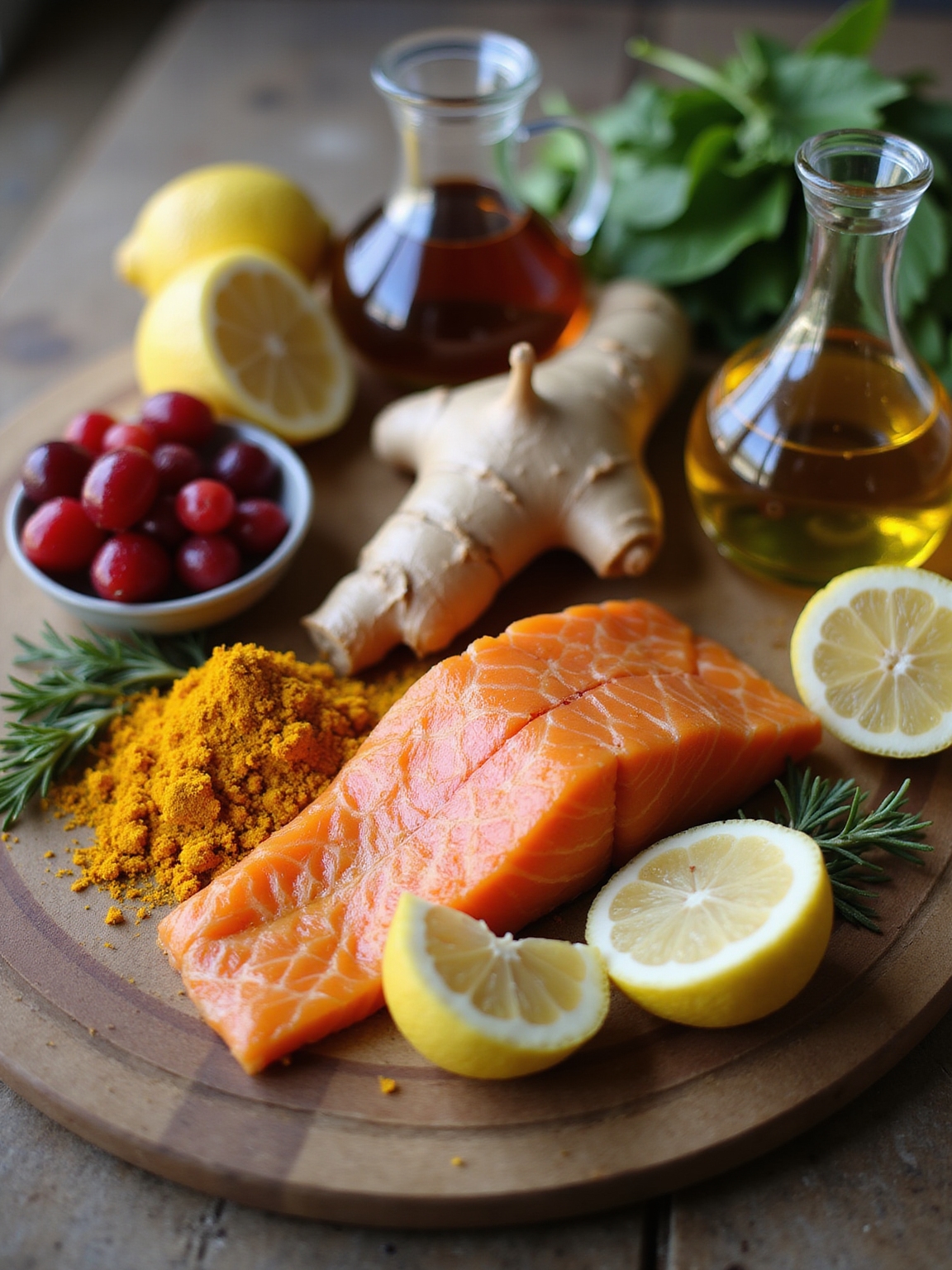

Think of your body like a simmering pot you can tune down with better fuel; you can cut days of fog and ache by focusing on whole foods, fiber, omega‑3s and fewer sugars and processed fats. You’ll get practical, evidence‑based steps that respect your energy and meds, clear daily rules you can actually follow, and a phased 30‑day plan to test what helps you most—so you’ll know what to keep after the month ends.
What This 30‑Day Anti‑Inflammatory Plan Delivers

Although individual responses vary, this 30-day anti-inflammatory plan gives you a practical, evidence-based framework to reduce chronic inflammation markers, improve energy and digestive comfort, and build sustainable food habits.
You’ll follow phased guidance: anti-inflammatory meal patterns, prioritized nutrients (omega-3s, fiber, polyphenols), and reduced pro-inflammatory triggers like excess processed foods and refined sugars.
You’ll monitor measurable outcomes—sleep, pain, bloating, mood—and adjust with simple, evidence-based tweaks.
The plan emphasizes consistency, portion awareness, and affordable staples so you can sustain changes.
Expect gradual improvements; biological markers and symptoms often shift over weeks, not overnight, and you’ll learn to personalize effectively.
This approach pairs a gentle meal rhythm with anti-inflammatory staples to make adherence realistic for most people.
What an Anti‑Inflammatory Diet Is and How It Helps

An anti-inflammatory diet targets chronic, low-grade inflammation by reducing pro-inflammatory foods like added sugars and processed oils while boosting nutrients—such as omega-3s, fiber, and antioxidants—that support immune balance.
You’ll see how these food shifts can lower inflammatory markers, ease joint and gut symptoms, and improve metabolic health based on clinical and population studies.
Over the next section, we’ll map specific foods and mechanisms so you can apply evidence-based choices to your daily meals.
Clinical studies also show that dietary patterns are linked to measurable reductions in inflammation and symptom improvement.
What It Targets
Because chronic inflammation quietly drives many common conditions, an anti‑inflammatory diet targets the biochemical pathways and lifestyle factors that fuel that process, helping you lower inflammatory markers, reduce symptom flare‑ups, and support long‑term recovery.
It focuses on reducing pro‑inflammatory inputs like excess refined carbohydrates, trans fats, and high omega‑6 intake while increasing antioxidants, fiber, and omega‑3s from whole foods.
You’ll address gut microbiome balance, insulin resistance, oxidative stress, and adipose‑driven cytokine production.
The plan also considers meal timing, nutrient density, and hydration to minimize chronic immune activation.
This targeted approach complements medical care and objective monitoring.
Over 30 days you may begin to notice measurable changes in markers of inflammation and symptom relief as your body responds to dietary shifts toward whole, nutrient‑dense foods.
How It Helps
When you shift to an anti-inflammatory eating pattern, you’re changing the nutrients and meal habits that directly influence immune signaling, oxidative stress, and metabolic regulation.
You’ll increase antioxidants, fiber, omega-3s, and phytonutrients that lower pro-inflammatory markers like CRP and IL-6, improve gut microbiome diversity, and support insulin sensitivity.
That combination reduces chronic low-grade inflammation tied to pain, fatigue, cardiovascular risk, and metabolic disease.
You’ll often feel steadier energy, clearer cognition, and less joint stiffness.
Changes aren’t instant; biomarkers and symptoms usually improve over weeks to months.
Track progress, adjust for tolerances, and pair diet with sleep and movement.
Many people choose this approach because it focuses on long-term lifestyle change rather than short-term fixes.
Who Benefits : and Who Should Check With a Clinician

If you live with chronic pain conditions like arthritis or fibromyalgia, an anti‑inflammatory eating pattern can often reduce symptoms and improve function, supported by clinical studies.
But if you’re on medications (for blood pressure, blood thinners, diabetes, or immune suppression) or have specific medical risks, changing your diet can affect drug levels and health markers. Check with your clinician before starting the plan so you can make safe, evidence‑based adjustments tailored to your situation. Many people with multiple sclerosis also adopt anti‑inflammatory approaches to help manage symptoms and overall health, including dietary patterns shown to support neuroinflammation reduction.
Chronic Pain Conditions
Although no single diet cures chronic pain, many people with conditions like osteoarthritis, rheumatoid arthritis, fibromyalgia, and chronic low‑back pain report symptom improvements after adopting anti‑inflammatory eating patterns.
You may notice reduced flare intensity, improved function, or clearer energy when you emphasize whole fruits, vegetables, fatty fish, nuts, and olive oil while limiting ultra-processed foods and added sugars.
Research suggests modest benefit for pain and inflammation markers, though responses vary. Check with your clinician before major changes if you have medication interactions, weight-loss goals, or complex comorbidities. Track symptoms to judge what actually helps you. Many people find it easier to stay on track when following structured meal plans and simple guidelines.
Medication And Medical Risks
Because diet can change how drugs work and affect chronic conditions, talk with your clinician before making major anti‑inflammatory eating changes—especially if you take blood thinners, diabetes or blood‑pressure medications, immunosuppressants, or drugs with narrow therapeutic windows.
You may benefit from reduced inflammation, lower pain, and better metabolic markers, but food–drug interactions and nutrient shifts can alter medication levels or disease control.
Your clinician can review current meds, adjust doses, and recommend monitoring (labs, blood pressure, glucose).
If you have organ impairment, pregnancy, or complex autoimmune disease, get personalized guidance to balance dietary aims with safety and efficacy.
Following a gentle anti‑inflammatory eating plan can help support symptom management and overall health, and may be especially useful for people with endometriosis.
Daily Anti‑Inflammatory Rules You Can Follow

Start small and consistently: adopting daily anti‑inflammatory rules means making clear, science‑backed choices you can sustain—like prioritizing whole plant foods, choosing healthy fats, staying hydrated, moving regularly, getting sufficient sleep, and limiting ultra‑processed items and added sugars.
Apply simple, measurable actions: fill half your plate with vegetables and legumes, choose olive oil and nuts, drink water throughout the day, aim for 20–30 minutes of moderate activity, and keep sleep regular.
Track one habit at a time, adjust based on how you feel, and consult your clinician if you have chronic conditions or take medications.
Week‑By‑Week 30‑Day Phased Plan (Realistic Goals)

You’ve built simple, measurable habits—now let’s organize them into a realistic, week-by-week 30‑day plan that gradually ramps up changes so your body and routine can adapt.
Week 1: focus on consistent sleep, hydration, and replacing one processed item with whole-food alternatives; this reduces acute inflammatory triggers.
Week 2: add two anti-inflammatory meals and daily movement (20–30 minutes), which lowers systemic inflammation markers.
Week 3: increase fiber and omega‑3 sources, reduce added sugars; monitor energy and digestion.
Week 4: introduce stress-management (breathwork, brief mindfulness) and consolidate habits.
Track progress and adjust with your clinician.
Sample Daily Meal Plan: Breakfast, Lunch, Dinner, Snacks
Typically, a simple, nutrient-dense daily meal plan will help you lower inflammation while staying satisfied and energized, and this sample day focuses on whole foods, anti‑inflammatory fats, fiber, and minimal added sugars.
Start with protein and omega‑3s, choose colorful, low‑glycemic carbs at lunch, and finish with a balanced dinner that limits processed oils.
Snacks keep blood sugar steady and reduce cravings. You’ll feel better when meals are consistent and portioned.
- Breakfast: Greek yogurt with walnuts and berries
- Lunch: Grilled salmon salad with olive oil
- Snack: Apple with almond butter
- Dinner: Lentil stew with roasted vegetables
Core Foods to Eat: Vegetables, Fruits, Whole Grains, Legumes
Aim to fill your plate with a wide variety of colorful vegetables each day, since diverse phytonutrients and fiber help lower inflammation and support gut health.
For fruits, choose whole options and aim for two to three modest servings daily to get antioxidants without excess sugar.
Swap refined grains for whole grains like oats, quinoa, and brown rice and include legumes regularly for steady energy, extra fiber, and anti-inflammatory benefits.
Veggie Variety Daily
Regularly filling half your plate with a colorful mix of vegetables, fruits, whole grains, and legumes gives your body the fiber, polyphenols, and micronutrients that research links to lower inflammation and better metabolic health.
Aim for varied colors and textures each day; different pigments signal different anti-inflammatory compounds. Rotate cruciferous, leafy, orange, and purple vegetables. Include whole grains and legumes for sustained glycemic control and gut-friendly fiber. Small, consistent changes reduce inflammation over time and are sustainable.
- Swap steamed broccoli for roasted Brussels sprouts
- Add lentils to salads or soups
- Use quinoa instead of white rice
- Snack on carrot sticks or bell pepper strips
Fruit Serving Tips
Often, you’ll get the most anti-inflammatory benefit by choosing whole fruits over juices and spreading servings across the day to steady blood sugar and deliver fiber, polyphenols, vitamins, and hydration.
Aim for 2–3 servings daily, combining berries, cherries, apples, and citrus for diverse antioxidants.
Eat fruits with protein or healthy fat to slow glucose spikes.
Favor lower-glycemic options if you have insulin resistance.
Watch portions of dried fruit and tropical fruits due to concentrated sugars.
Rinse or peel when pesticide exposure is a concern.
Listen to your body—adjust types and amounts based on tolerance, digestion, and symptom response.
Whole Grain Choices
Whole grains provide fiber, vitamins, minerals, and anti-inflammatory phytochemicals that help regulate blood sugar, support gut health, and lower chronic inflammation markers, so choose them over refined grains when you can.
You’ll reduce post-meal blood sugar spikes, feed beneficial gut bacteria, and get nutrients linked to lower CRP and other inflammation markers. Start swaps slowly so you stick with them; monitor portions and symptoms. Favor variety and minimally processed forms.
- Choose intact grains (farro, barley) for more fiber and nutrients.
- Pick whole oats and brown rice over instant.
- Try quinoa and buckwheat for complete proteins.
- Limit refined flours and sugary cereals.
Anti‑Inflammatory Proteins & Fats: Fish, Olive Oil, Nuts
You’ll feel the benefits when you prioritize anti-inflammatory proteins and fats like fatty fish, extra-virgin olive oil, and a variety of nuts, because their omega-3s, monounsaturated fats, and bioactive compounds reduce inflammatory markers and support cardiovascular and metabolic health.
Choose salmon, mackerel, sardines or plant sources of omega-3s twice weekly; they lower CRP and improve endothelial function.
Use extra-virgin olive oil for dressings and light cooking to gain polyphenols that modulate inflammation.
Snack on walnuts, almonds, and pistachios for fiber, magnesium, and plant sterols.
These practical swaps deliver measurable, research-backed benefits over weeks.
Foods to Avoid for 30 Days: Sugar, Refined Carbs, Processed Oils
For the next 30 days you’ll want to cut foods that drive inflammation: added sugars, refined carbs, and processed seed oils.
Start by reading labels—hidden sugars show up in sauces, drinks, and even savory snacks—then swap white bread, pastries, and sugary cereals for whole grains, legumes, and vegetables.
Finally, replace industrial vegetable oils with olive oil, avocado oil, or whole-food fats to reduce exposure to pro-inflammatory fats.
Hidden Sugars Everywhere
Often hidden in plain sight, added sugars and refined carbs sneak into foods you might think are healthy — from flavored yogurts and salad dressings to store-bought breads and sauces — and they fuel inflammation through rapid blood-sugar spikes and metabolic stress.
You’ll feel better avoiding them for 30 days; studies link reduced added sugar intake to lower inflammatory markers and improved insulin sensitivity.
Read labels, watch ingredient order, and prioritize whole foods. Be compassionate with yourself—sweet cravings are physiological and habitual. Small, evidence-based steps reduce systemic inflammation and reset taste preferences.
- Check labels for multiple sugar names
- Avoid sweetened beverages
- Skip packaged baked goods
- Limit condiments with added sugars
Swap Refined Carbs
Because refined carbs — white bread, pastries, many cereals, and even some “light” snack bars — trigger quick blood‑sugar spikes and feed inflammation, swap them for whole grains, legumes, and fiber-rich vegetables during these 30 days.
You’ll reduce postprandial glucose surges that promote pro-inflammatory pathways. Aim for oats, quinoa, barley, lentils, and beans; their fiber slows absorption and supports gut microbiota that produce anti-inflammatory short-chain fatty acids.
Read labels to avoid refined flours and added maltodextrin. Gradual changes prevent cravings and energy crashes—replace one item per meal this week.
If you have diabetes, check with your clinician as you adjust carbs.
Ditch Processed Oils
Cut processed seed and vegetable oils from your daily cooking and snacks — they’re high in omega-6 refined fats and often go through chemical processing that creates oxidized lipids linked to inflammation.
You’ll reduce pro-inflammatory triggers by choosing minimally processed fats like olive, avocado, and coconut oil in moderation.
Read labels: “vegetable oil” often hides seed blends and additives.
Swap packaged snacks fried in industrial oils for whole-food alternatives.
Small, consistent changes lower biomarkers of inflammation and support metabolic health; you don’t have to be perfect, just intentional.
- Choose extra-virgin olive or avocado oil
- Avoid “vegetable” or seed oil blends
- Limit fried and packaged snacks
- Cook at lower temperatures
Grocery List & Pantry Staples for the Full 30 Days
Stocking your pantry with the right staples makes sticking to the 30-day anti-inflammatory plan far easier and more effective, so you’ll want to focus on whole foods rich in omega-3s, antioxidants, fiber, and anti-inflammatory phytochemicals.
Keep canned wild salmon, sardines, and anchovies for omega-3s; extra-virgin olive oil and avocado oil for monounsaturated fats; plain Greek yogurt and kefir for probiotics; a variety of beans, lentils, and quinoa for fiber and protein; nuts and seeds (walnuts, chia, flax) for ALA and lignans; a spectrum of dried herbs and turmeric for curcumin; dark chocolate (70%+) and green tea as antioxidant options.
Time‑Saving Meal‑Prep and Batch‑Cooking Ideas
Meal-prep and batch-cooking will save you time and help keep inflammatory triggers off your plate, so focus on simple, evidence-backed strategies that lock in nutrient density without extra stress.
You’ll reduce decision fatigue and control portions by prepping anti-inflammatory staples—roasted vegetables, whole grains, legumes, and fatty fish—then combine them into varied meals.
Label containers with dates, freeze portions, and use herbs, citrus, and olive oil to preserve flavor and phytonutrients.
Rotate recipes weekly to avoid monotony and keep gut diversity.
- Roast mixed cruciferous vegetables and sweet potatoes
- Batch-cook quinoa or farro
- Make bean and lentil stews
- Portion baked salmon or tofu
How to Track Progress: Symptoms, Energy, Digestion, Tests
Regularly tracking how you feel, what you eat, and objective markers makes it far easier to tell whether the anti‑inflammatory plan is working for you. Keep a simple daily log: symptoms (pain, stiffness, mood), energy levels, digestion (bloating, stool quality), sleep, and meals. Rate each on a 1–10 scale and note triggers. Measure objective markers weekly: weight, waist, blood pressure; consider baseline labs (CRP, fasting glucose, lipids) with your clinician and repeat after 30 days. Review trends, not single days. Use apps or a notebook, stay honest, and share data with your healthcare provider for evidence‑based adjustments.
Common Challenges and Practical Troubleshooting Tips
Because changing how you eat and live can be hard, you’ll likely hit a few predictable bumps — cravings, time constraints, social pressures, and occasional symptom flares — and knowing common fixes ahead of time makes it easier to stay on track.
Stay practical: plan meals, prioritize anti-inflammatory staples, and use evidence-based swaps (omega-3s, fiber, polyphenols).
Monitor symptoms and tweak portions or timing if flares occur.
Seek social strategies to reduce pressure without isolation.
If progress stalls, consult a clinician for labs or tailored adjustments.
- Prep simple batch meals and snacks
- Swap refined carbs for whole grains
- Use herbs, spices, and fatty fish
- Communicate boundaries socially
How to Transition After 30 Days: Reintroductions and Maintenance
You’ve worked through the predictable bumps and built habits that reduce inflammation — now it’s time to plan what comes next.
Gradually reintroduce foods one at a time over 3–7 days, noting portion, symptoms, mood, sleep, and bowel changes.
Prioritize common triggers (processed foods, gluten, dairy, added sugars) and reintroduce nutrient-dense options to assess tolerance.
Maintain anti-inflammatory staples—vegetables, omega-3s, fiber, polyphenols—and keep cooking methods simple.
Use objective measures (pain scores, wearable data) when possible.
If a food provokes symptoms, remove it and wait longer before retrying.
Aim for sustainable variety, not perfection.
When to Seek Medical Advice or Consider Further Testing
If symptoms persist, worsen, or return despite following the plan, it’s time to get medical input and consider further testing. You should track symptoms, timing, and responses to foods, then share that with your clinician.
Lab tests (CRP, ESR), allergy or sensitivity testing, and imaging can reveal underlying causes. Don’t ignore new red flags like unexplained weight loss, fever, severe pain, or blood in stool.
- Persistent systemic inflammation markers despite diet changes
- New or worsening gastrointestinal symptoms
- Signs suggesting autoimmune disease or infection
- Failure to improve after an evidence-based trial
Conclusion
You set out to “detox” in 30 days and ended up doing what science and common sense already recommend: eat whole plants, healthy fats, sleep, move, and bother your clinician when needed. That’s not flashy, but it’s effective. If inflammation drops and energy rises, great — if not, tweaks or tests will tell you why. You’ve made evidence‑based, compassionate choices; now keep the habits that actually help you feel better.