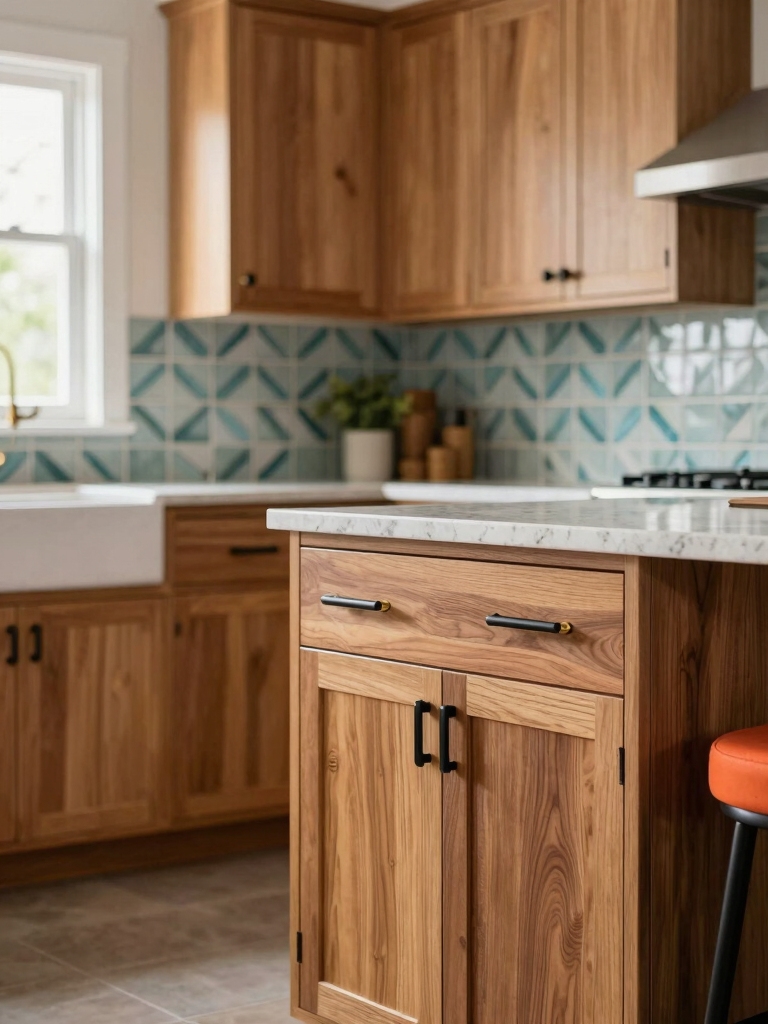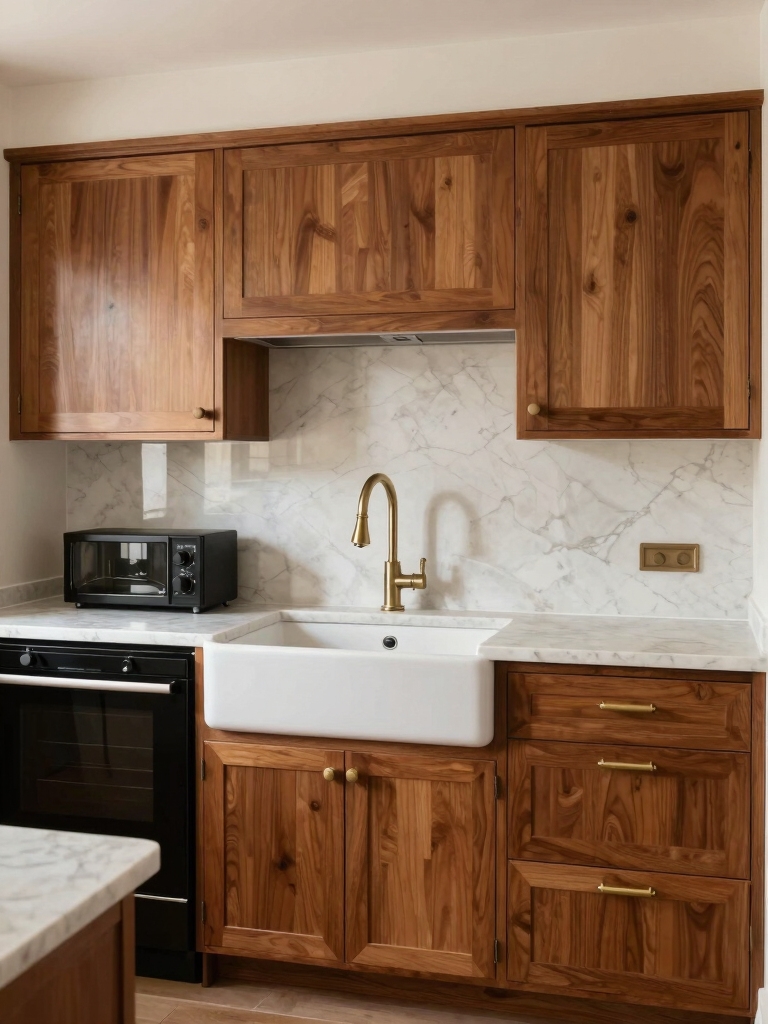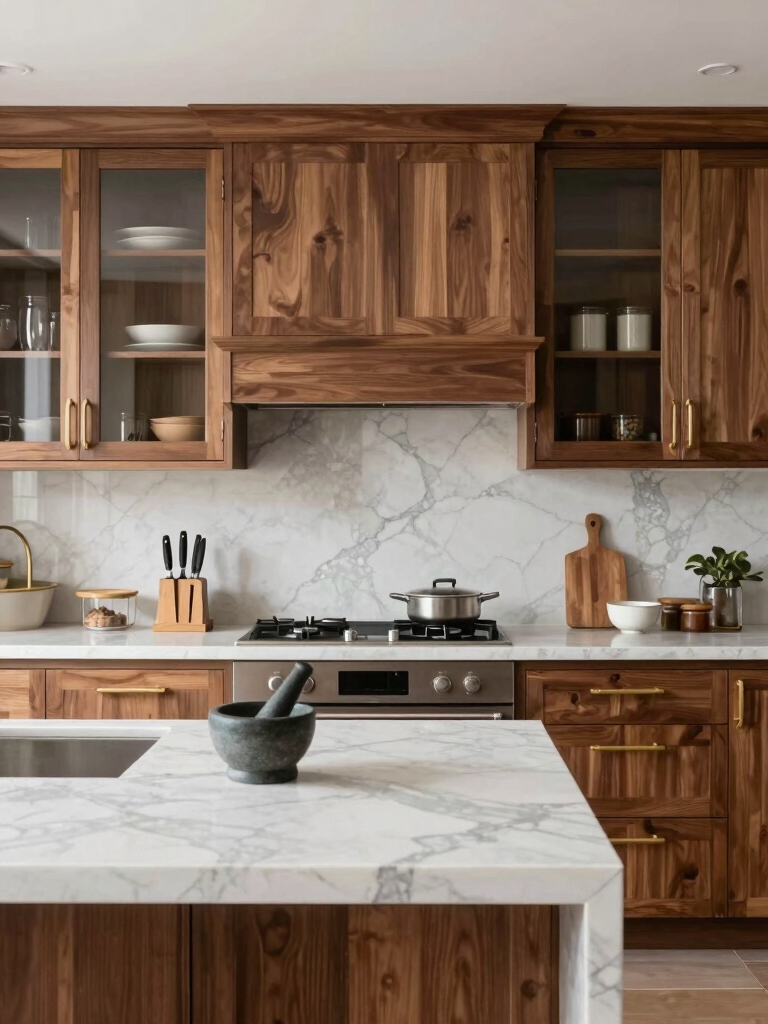

I’ll show you how to make a tight L-shaped kitchen feel roomy and highly usable by tracing true walls, prioritizing a clear sink-range-fridge triangle, and reclaiming corners with Lazy Susans or pull-out trays.
I favor slim appliances, under-counter ovens, and a small island or peninsula to add prep and circulation. Open upper shelves and warm neutrals keep sightlines airy, while layered lighting and durable counters handle daily life — stick with me and you’ll pick up practical layout, storage, and phasing tips.
Assessing Your Small L-Shaped Kitchen Footprint

When I’m sizing up a small L-shaped kitchen, I start by tracing the actual walls and noting doors, windows, and any awkward corners that’ll eat into usable space.
I measure clearances, spot fixed utilities, and map natural light.
Then I prioritize storage pockets, decide which corner to claim for base cabinets, and mark where shallow shelving or slim appliances could reclaim lost square footage.
Designers often tackle layout issues first, focusing on smart layout fixes that maximize function in tight footprints.
Planning Traffic Flow and Work Triangles

I’ll start by explaining the classic work triangle—how your sink, stove, and fridge should relate to minimize steps.
Then we’ll look at optimizing walking paths so people can move through your small L-shaped layout without bumping into cooks.
Finally, I’ll show how zoning by task (prep, cooking, storage) makes the space feel larger and work more efficiently.
Consider including a small island to create a secondary workspace and improve traffic flow in tight L-shaped kitchens.
Define the Work Triangle
Because good kitchen flow comes from intention, I start by defining the work triangle—the classic relationship between stove, sink, and refrigerator that keeps you moving efficiently.
I map those points in my L-shaped layout, aiming for balanced distances and clear sightlines.
That triangle trims wasted steps, prevents crowding, and lets me choreograph prep, cook, and cleanup with calm, confident ease.
Designers often recommend small-kitchen layout hacks and tricks to maximize every corner and surface.
Optimize Walking Paths
Now that the work triangle‘s points are set, I look at how people actually move between them and through the rest of the space.
I keep walkways clear, aim for uninterrupted sightlines, and avoid door swings crossing main paths.
Short, direct routes reduce steps; gentle turns beat sharp pivots. I balance efficiency with comfortable spacing so cooking feels effortless and sociable.
A well-chosen island layout can transform flow by providing both workspace and circulation freedom kitchen island layouts.
Zone by Task
When I zone your L-shaped kitchen by task, I map how people actually work and flow between prep, cooking, and cleanup so each movement feels natural and unobstructed.
I place the sink, stove, and fridge to form efficient work triangles, tuck prep space near storage, and keep clear traffic aisles.
The result feels intuitive, tidy, and delightfully efficient for daily life.
Top architects also use islands and careful layout rules to enhance function and sightlines, especially in small spaces, by creating defined zones and allowing for efficient work triangles.
Choosing the Right Cabinet Layout for Corners

When you’re planning corner cabinets, I’ll walk you through smart solutions like Lazy Susans, pull-outs, or diagonal cabinets so nothing becomes a black hole.
We’ll also talk appliance placement so the fridge, range, and dishwasher don’t fight for space or interrupt your workflow.
Together we’ll make sure traffic flows smoothly around corners while keeping prep and cleanup efficient.
You’ll also discover clever storage hacks like space-saving organizers that maximize every inch in tight L-shaped kitchens.
Corner Cabinet Solutions
Because corners often become the make-or-break spots in an L-shaped kitchen, I start every layout by deciding how the corner will work for you rather than forcing you to work around it; that means weighing options like lazy Susans for easy access, pull-out tray systems to keep things visible, or diagonal corner cabinets that free up toe-kick space, and I’ll help you pick the one that fits your cooking habits, storage needs, and budget.
- Lazy Susan for rotating reach
- Pull-out trays for visibility
- Diagonal cabinets for toe-kick
- Blind corner pull-outs for efficiency
Clever kitchen islands can add surprising additional storage where corners fall short.
Appliance Placement Strategy
I start appliance placement by treating the corner as a strategic partner, not a problem to hide; the right layout lets your fridge, range, and dishwasher work with the corner instead of fighting it, so you get smooth traffic flow and easy reach to prep zones.
I prefer pairing the sink near a corner base, tuck the fridge on the long run, and keep the range visible—efficient, cozy, and smart.
Traffic and Workflow
While you might think corners complicate traffic, I see corners as choreographers that can guide how people move through an L-shaped kitchen; choosing the right cabinet layout lets you control sightlines, clearances, and work triangles so cooks and guests never collide.
- Place prep near sink, clear path to stove
- Use pull-out corner units for access
- Keep fridge at an edge to avoid bottlenecks
- Maintain 36–48″ primary aisles for flow
Corner Storage Solutions: Lazy Susans and Pull-Outs
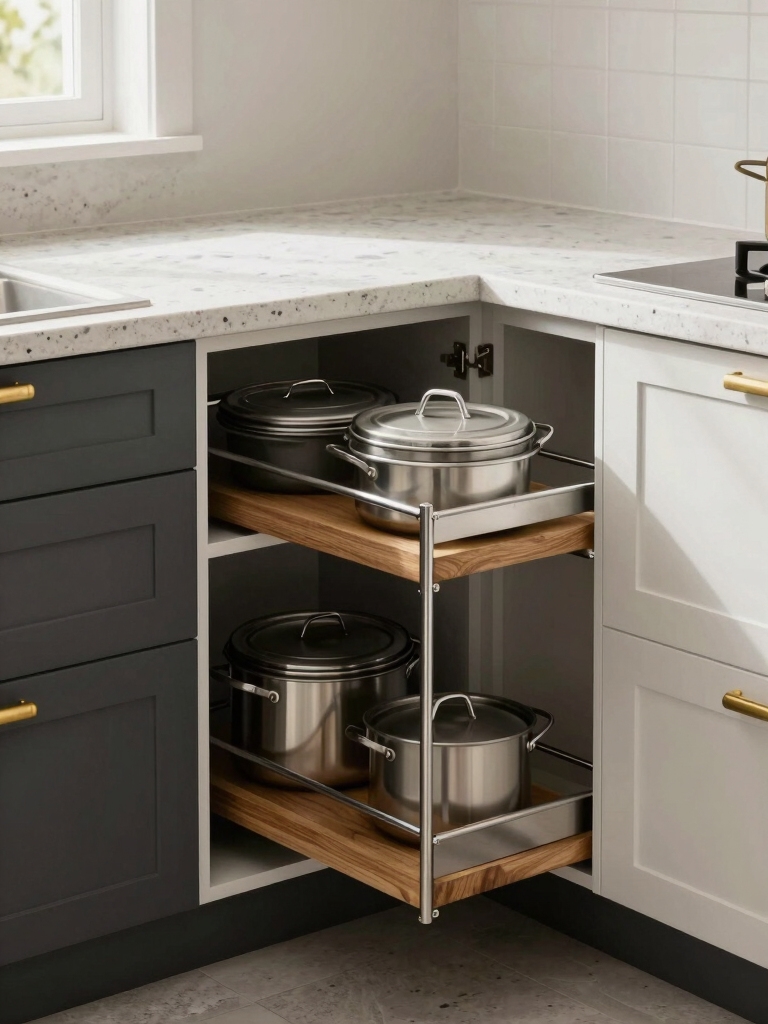
Let’s tackle corner storage head-on: in an L-shaped kitchen those awkward 90-degree nooks can either eat usable space or become clever hidden pantries.
I recommend lazy Susans for rounded access and pull-out trays for tidy visibility. I mix deep carousel units with narrow vertical pull-outs for spice jars and trays. They feel smart, save steps, and make corners usable, not wasted.
Integrating Appliances Into an L-Shaped Plan

When I plan appliance placement in an L-shaped layout, I think about flow first — stove, sink, and fridge should feel like a smooth work triangle rather than obstacles.
I’ll often choose built-in or compact units to keep sightlines clean and counter space clear. Let’s talk about where to tuck a slim dishwasher or a drawer microwave so the kitchen stays efficient and uncluttered.
Appliance Placement Flow
I start by thinking of the L‑shape as a simple traffic pattern—where you place the fridge, sink, and range determines how smoothly you move while cooking and cleaning.
I prioritize clear work triangles and short, unobstructed paths.
Consider these placement tips:
- Keep prep between sink and range
- Fridge near entry for easy unloading
- Allow landing space each side
- Avoid corner congestion
Built-In and Compact Options
I’ll tuck appliances into the L so the layout feels spacious rather than crowded, choosing built-in and compact options that keep your workflow smooth.
I favor slim dishwashers, counter-depth refrigerators, and integrated microwaves tucked into cabinetry.
Pull-out pantries, under-counter ovens, and combo units preserve counter space and sightlines, making cooking efficient and the kitchen feel larger without sacrificing function or style.
Maximizing Counterspace Without Clutter
I often start by clearing a single stretch of counter and imagining how we’ll actually use it—meal prep, coffee station, or homework drop-off—so every inch earns its keep.
I tidy, zone, and add solutions that hide clutter while staying stylish:
- slim utensil tray
- magnetic knife strip
- roll-up drying rack
- under-cabinet spice rail
Small systems, big calm.
Open Shelving vs. Upper Cabinets in Tight Areas
I often weigh open shelving against upper cabinets in tight L-shaped kitchens because the visual openness of shelves can make a cramped corner feel breathable.
But I also consider the storage capacity tradeoffs—closed cabinets hide clutter and suit bulkier items, while shelves demand careful curation.
And I’m honest about dust and maintenance: open shelves need regular tidying, which is fine if you like display, but not if you want low-effort storage.
Visual Openness Benefits
Balance matters most when you’re squeezing function and style into a small L-shaped kitchen, so I lean toward solutions that open sightlines without sacrificing storage.
I favor visual openness to make corners feel airy and intentional. Consider these simple moves:
- Open shelving to showcase everyday items
- Low-profile upper cabinets
- Glass-front units for depth
- Strategic lighting to amplify space
Storage Capacity Tradeoffs
Let’s dig into the tradeoffs between open shelving and upper cabinets in tight L-shaped kitchens, since what you choose will shape how usable the room actually feels.
I prefer upper cabinets for concealed, stacked storage and bulky items, while open shelves keep essentials accessible and airy.
In corners, shallow upper cabinets or staggered shelves balance capacity without overwhelming sightlines or blocking light.
Dust and Maintenance Considerations
Usually I notice dust and grease faster on open shelves, so I tend to clean them more often than upper cabinets in tight L-shaped kitchens.
I weigh visibility against upkeep and pick solutions that fit my routine.
- Open shelves: quick access, more dust
- Upper cabinets: protected, harder reach
- Use liners for easy wiping
- Prefer closed doors near stove for less grease buildup
Lighting Strategies for L-Shaped Kitchens
I often start room plans by thinking about light, because in an L-shaped kitchen it’s what makes the angles feel intentional instead of awkward.
I layer ambient, task, and accent lighting—recessed cans for even glow, under-cabinet strips at work surfaces, and a pendant over the corner prep or dining nook. Dimmer controls and warm LEDs keep the space cozy and flexible.
Selecting Finishes and Colors to Expand Space
Because small kitchens need every visual trick to feel bigger, I pick finishes and colors that bounce light and simplify sightlines.
I favor cohesive palettes, reflective surfaces, and trimmed detail to reduce clutter and add calm.
- Soft neutrals for continuity
- Glossy backsplashes to reflect light
- Warm metals for accents
- Tone-on-tone cabinetry to blur edges
Smart Island and Peninsula Options for Small L-Shapes
When I plan a small L-shaped kitchen, I give the island or peninsula more jobs than just extra counterspace — it becomes my prep station, casual dining spot, and storage workhorse all at once.
I favor narrow, movable islands or a slim peninsula with overhang seating, built-in drawers, and integrated appliances so the footprint stays tight but functionality multiplies, keeping traffic flowing and surfaces tidy.
Flooring and Backsplash Ideas to Define Zones
As I plan zoning in a small L-shaped kitchen, flooring and backsplash become my quickest way to signal purpose without walls;
I use contrasting materials and patterns to guide the eye—durable tile or vinyl around the sink and stove, warm wood or wood-look plank in the open prep and dining area—while a bold backsplash anchors the cooking corner and a subtle floor change nudges traffic flow.
- High-contrast tile at wet zones
- Wood-look planks for warmth
- Patterned backsplash to define stove area
- Matte grout lines to calm shifts
Creating Seamless Built-In and Under-Cabinet Storage
Flooring and backsplash choices set the scene, but I like to follow that visual cue with storage that looks built-in rather than bolted on — especially in a small L-shaped kitchen where every inch reads.
I design under-cabinet drawers, shallow pullouts, and recessed niches that hide clutter, keep counters clear, and feel like they belong, blending finish and line for effortless, cozy efficiency.
Durable, Space-Saving Fixtures and Hardware
I focus on fixtures and hardware that work hard without shouting for attention — compact faucets with pull-down sprays, low-profile pot fillers, soft-close hinges, and slimline drawer slides that let you store more in less space.
I pick durable finishes and multi-function pieces to keep corners useful and tidy.
- Faucet with pull-down spray
- Low-profile pot filler
- Soft-close hinges
- Slim drawer slides
Budgeting and Phasing a Small Kitchen Remodel
When you’re working with a small space and a limited budget, I break the project into clear phases so you can get kitchen function fast and spread costs over time.
I prioritize essentials: plumbing, reliable appliances, and efficient storage.
Next, cosmetic updates—cabinet fronts, lighting, backsplash—come later.
I map costs, set contingency, and schedule work to minimize disruption and expense spikes.
Increasing Resale Value With Practical L-Shaped Upgrades
Think about resale as a design brief: I focus on smart, L-shaped updates that buyers notice and value—better flow, durable finishes, and flexible storage—without overbuilding for a niche taste.
I pick timeless choices that please broad buyers and keep costs sensible.
- Replace worn countertops with durable quartz
- Add soft-close drawers in corners
- Improve lighting and traffic flow
- Neutral, high-quality hardware and fixtures
I’ve walked you through ways to coax every inch from an L-shaped kitchen, and now it’s time to tie it all together.
Think of your remodel as a friendly, clever dance—corners swept into smooth moves, storage stepping in when you need it, appliances finding their rhythm. With thoughtful layout, smart hardware and phased budgeting, your small kitchen will feel larger, work harder and smile back at you every morning—practical, polished, and utterly livable.