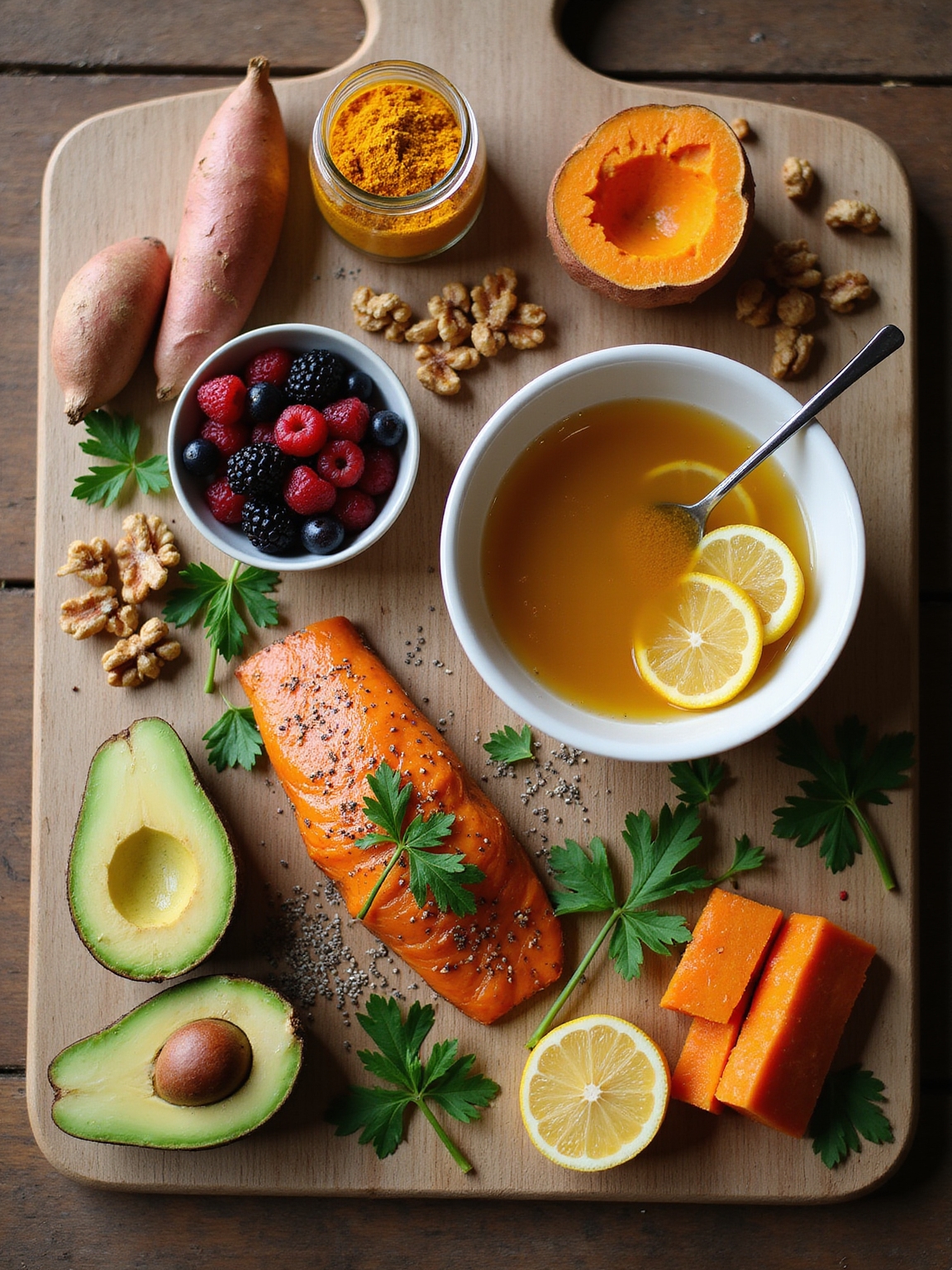

An evidence-based approach to anti-inflammatory cooking emphasizes nutrient-dense ingredients, efficient methods, and practical flavor pairings; the Instant Pot meets those aims by preserving antioxidants, tenderizing legumes quickly, and concentrating spices like turmeric and ginger for better bioavailability. Practical pantry choices and simple protein-vegetable-grain templates streamline meals for busy schedules, while modest technique adjustments reduce waste and improve outcomes—next comes a concise guide to staples, recipes, and time-saving strategies.
Why Instant Pot Works for Anti‑Inflammatory Cooking

In kitchens focused on reducing systemic inflammation, the Instant Pot excels by combining pressure, steam, and precise temperature control to extract nutrients and flavors quickly while preserving heat-sensitive anti-inflammatory compounds such as polyphenols, vitamin C, and certain carotenoids.
It enables shorter cooking times that limit oxidative degradation and nutrient loss compared with prolonged boiling. Even heat and sealed environments concentrate phytochemicals, gelatinize fibers, and improve bioavailability of anti-inflammatory constituents in legumes, whole grains, and vegetables.
Consistent, reproducible settings support evidence-based meal preparation, facilitating adherence to dietary patterns that reduce inflammatory markers while retaining texture and palatability.
Including pantry staples like olive oil, turmeric, leafy greens, berries, nuts, and whole grains on an anti-inflammatory grocery list makes it easy to plan Instant Pot meals that target inflammation.
Instant Pot Pantry Staples for Inflammation

A curated set of pantry staples can make anti-inflammatory Instant Pot cooking both reliable and time-efficient, with spice blends and shelf-stable proteins forming the backbone of many recipes.
Evidence supports using spice mixes rich in turmeric, ginger, cumin, and black pepper to harness synergistic anti-inflammatory effects, while canned legumes, fatty fish packed in water or olive oil, and low-sodium bone broths provide convenient, nutrient-dense protein options.
Attention to quality—freshly ground spices and BPA-free, low-sodium canned goods—optimizes both flavor and therapeutic potential in pressure-cooked dishes.
Including anti-inflammatory foods like leafy greens and berries in meal planning ensures a broader range of antioxidants and polyphenols to support reduced inflammation.
Anti-Inflammatory Spice Mixes
By combining a small set of well-studied spices—turmeric, ginger, cinnamon, black pepper, and cumin—into ready-to-use blends, home cooks can consistently add concentrated anti-inflammatory compounds (curcumin, gingerols, cinnamaldehyde) to Instant Pot recipes without altering meal workflow.
These mixes are described with measured proportions, storage guidance, and suggested dose ranges per serving based on culinary trials and nutrient bioavailability research.
Practical notes include pairing turmeric with black pepper for enhanced curcumin absorption, using ground versus fresh forms, and labeling for heat and sodium content when combined with other seasonings.
Simple recipes, batch preparation, and airtight containers preserve potency and ease use.
Including a small amount of healthy fat in recipes can further improve absorption of fat-soluble compounds like curcumin, enhancing their bioavailability when consumed.
Shelf-Stable Protein Choices
Highlighting shelf-stable proteins that align with anti-inflammatory goals helps home cooks keep nourishing, low-preparation options on hand for Instant Pot meals. Canned fish (sardines, salmon), dried legumes (lentils, chickpeas), and shelf-stable tofu or tempeh provide omega-3s, fiber, and plant-based protein with minimal prep. Evidence supports legumes and oily fish for inflammation reduction; pairing with turmeric, garlic, and olive oil enhances bioactivity. Portions, sodium control, and variety are emphasized to maintain nutrient balance. Quick soaking, rinsing, or using the Instant Pot’s pressure function preserves texture and nutrients while saving time. Including omega-3 rich foods regularly supports anti-inflammatory effects.
Picking Anti‑Inflammatory Proteins: Fish, Legumes, Poultry

When selecting proteins for an anti-inflammatory eating pattern, evidence supports prioritizing fatty fish, legumes, and lean poultry for their distinct nutrient profiles and associated health benefits.
Fatty fish supply long-chain omega-3s (EPA, DHA) shown to reduce cytokine production and support cardiovascular and joint health; choose salmon, mackerel, sardines, adapting portions for Instant Pot recipes.
Legumes provide fiber, resistant starch, and polyphenols that modulate gut microbiota and lower systemic inflammation; soak and cook to improve digestibility.
Lean poultry offers high-quality protein with lower saturated fat, aiding tissue repair without promoting inflammation.
Balance, sourcing, and preparation methods optimize anti-inflammatory potential.
Keeping pantry staples like olive oil, turmeric, and leafy greens on hand helps you prepare these proteins in ways that enhance their benefits and flavor, with essential anti-inflammatory foods making meal prep faster and healthier.
Best Vegetables and Grains for Pressure‑Cooker Meals

The section identifies vegetables and whole grains that retain nutrients and texture under pressure, emphasizing leafy greens, crucifers, beans, quinoa, and steel‑cut oats as anti‑inflammatory staples supported by cooking science.
It highlights how root vegetables like carrots, beets, and sweet potatoes require staggered cooking or steaming baskets to preserve firmness and prevent overcooking.
Practical, evidence‑based tips on grain-to-liquid ratios and short pre-soaks for legumes are provided to optimize texture and nutrient retention in Instant Pot recipes.
Many everyday recipes benefit from using anti-inflammatory ingredients that are easy to find and prepare.
Best Veggies For Pressure‑Cooking
Select vegetables and whole grains for pressure cooking based on their cell structure, starch content, and typical cooking times to guarantee ideal texture and nutrient retention. Cruciferous vegetables (broccoli, cauliflower) soften quickly; short, low-pressure times preserve sulforaphane precursors.
Root vegetables (carrots, beets, sweet potatoes) require longer cycles but tolerate high heat, yielding accessible beta‑carotene and fiber. Tender greens (spinach, chard) should be added after depressurizing or given minimal steam to avoid overcooking and nutrient loss.
Peppers and summer squash maintain texture with brief pressure. Beans and lentils benefit from soaking and controlled pressure to improve digestibility and reduce antinutrients. Pressure-cooked meals can be especially satisfying for everyday comfort when you prioritize nourishing, anti-inflammatory ingredients.
Whole Grains That Thrive
In choosing whole grains for pressure-cooker meals, attention to kernel structure, bran integrity, and starch composition determines both texture and nutrient availability; intact whole grains like farro, barley, brown rice, and hulled millet withstand higher pressure and yield chewy, fiber-rich results, while quick-cooking options such as quinoa, bulgur, and cracked wheat absorb liquid rapidly and produce tender outcomes with short cycles. Evidence-based guidance recommends rinsing, adjusting liquid ratios, and allowing natural release for dense grains to preserve nutrients. Practical pairings enhance anti-inflammatory profiles: omega-rich seeds, garlic, turmeric.
| Grain | Cook Time | Liquid Ratio |
|---|---|---|
| Farro | 15–20 min | 1.5:1 |
| Quinoa | 1–2 min | 1:1 |
| Barley | 20–25 min | 2:1 |
Texture Tips For Root Vegetables
Moving from grain choices to vegetable textures, attention shifts to how root vegetables respond to pressure and moisture.
Evidence indicates denser roots like carrots, beets, and parsnips tolerate higher pressure and longer times, developing tenderness without disintegration when cut uniformly.
Softer roots, such as turnips and sweet potatoes, benefit from shorter cook cycles or being placed on a trivet to reduce direct steam.
Temperature and added liquid alter cell-wall breakdown; acidic ingredients slow softening, alkaline elements accelerate it.
Practical recommendations include staging cooking times, using consistent cuts, and testing firmness early to preserve structure while achieving digestible, anti-inflammatory textures.
Flavor Boosters That Fight Inflammation: Turmeric, Ginger, Citrus

Among pantry staples, turmeric, ginger, and fresh citrus stand out for consistent evidence of anti-inflammatory effects when incorporated into regular cooking; curcumin from turmeric and gingerols from ginger reduce pro-inflammatory signaling pathways, while vitamin C and flavonoids in citrus support antioxidant defenses and improve absorption of other compounds.
Practical use emphasizes bioavailability: combine turmeric with a small amount of fat and black pepper to enhance curcumin uptake; add fresh grated ginger later in cooking to preserve gingerols; and finish dishes with citrus zest and juice to boost antioxidants and brighten flavors.
Measured incorporation yields synergistic, palate-friendly benefits.
Quick 15‑Minute Instant Pot Recipes to Try Tonight

The section highlights practical 15‑minute Instant Pot recipes that align with anti‑inflammatory principles and are suitable for busy weeknights.
It presents soup staples engineered for rapid pressure release, five‑ingredient whole‑grain bowls that balance fiber and phytonutrients, and quick vegetable stir‑ins that add color, antioxidants, and texture.
Each recipe emphasizes evidence‑based ingredient choices and simple techniques to maximize nutrient retention and minimize preparation time.
Weeknight Soup Staples
Weeknight soup staples prepared in an Instant Pot can deliver nutrient-dense, anti-inflammatory meals in about 15 minutes of active time, making them practical for busy evenings. The approach emphasizes low-inflammatory ingredients—root vegetables, leafy greens, ginger, turmeric, legumes—and simple techniques: sauté aromatics, add broth and quick-cooking items, pressure for minutes. Evidence supports that whole-food soups reduce inflammatory markers and improve satiety. Meal planning guidance recommends batch broth, portioned add-ins, and flavoring with citrus or herbs. Practicality, nutrient retention, and sensory comfort guide choices toward rapid, restorative bowls.
| Base | Add-ins | Flavoring |
|---|---|---|
| Broth | Lentils | Turmeric |
| Vegetables | Greens | Lemon |
Five‑Ingredient Grain Bowls
With a focus on anti‑inflammatory ingredients and efficient technique, five‑ingredient Instant Pot grain bowls can deliver balanced, nutrient-dense dinners in roughly 15 minutes of active time.
Recipes pair a whole grain (quinoa, farro, or brown rice) with a lean protein (lentils, canned salmon), a cruciferous or leafy vegetable, an anti‑inflammatory fat (olive oil, avocado), and a single herb or spice (turmeric, ginger).
Pressure cooking shortens soak and simmer phases while preserving phytochemicals and texture.
Portioning, premeasured spices, and layered loading minimize hands‑on time.
The result supports adherence to anti‑inflammatory patterns through simplicity and reproducible nutrient density.
Speedy Veggie Stir‑Ins
How can a blender of quick-cooking vegetables and pantry staples transform a 15-minute Instant Pot session into an anti-inflammatory dinner?
Research supports vegetables rich in polyphenols and fiber—spinach, zucchini, bell peppers—paired with turmeric, ginger, and garlic to reduce inflammatory markers.
The Instant Pot’s sauté then pressure cycle preserves nutrients and speeds cooking.
Practical combos: blended tomato‑turmeric base with leafy greens stirred in, or miso-ginger broth with shredded cabbage and mushrooms.
Portion seeds or walnuts for omega‑3s.
Season minimally, finish with lemon to enhance bioavailability.
These stir‑ins offer evidence-based, nurturing meals ready tonight.
Turmeric‑Ginger Chicken (Weeknight Instant Pot Recipe)

Balancing rapid preparation with anti-inflammatory benefits, the Turmeric‑Ginger Chicken recipe for the Instant Pot emphasizes ingredients and techniques supported by research: turmeric (containing curcumin) and fresh ginger provide demonstrated anti-inflammatory and antioxidant effects, while pressure cooking preserves nutrient density and concentrates flavors without excess oil. The method uses lean chicken, low-sodium broth, black pepper to enhance curcumin absorption, and minimal oil. Cooking quickly retains phytochemicals and yields tender protein suitable for weeknights. A brief, evidence-based seasoning strategy maximizes benefit and palatability, supporting adherence to an anti-inflammatory pattern.
| Ingredient | Purpose |
|---|---|
| Turmeric | Anti-inflammatory |
| Ginger | Antioxidant |
| Black pepper | Curcumin absorption |
| Chicken | Lean protein |
Omega‑3 Salmon With Lentils in the Instant Pot

Timing is essential when combining delicate omega‑3–rich salmon with hearty lentils in an Instant Pot, as lentils require longer pressure time while salmon cooks quickly and benefits from gentle steam to preserve texture and nutrients.
Evidence supports staging or using a pot‑in‑pot approach and precise release methods to prevent overcooking the fish while allowing lentils to become tender without turning mushy.
Thoughtful flavor pairing—such as citrus, fresh herbs, and warm spices—complements the oily richness of salmon and the earthy lentils while maintaining a balanced mouthfeel.
Cooking Timing Tips
One clear principle for preparing omega-3 salmon with lentils in the Instant Pot is sequencing components by their required cook times to preserve texture and nutrient integrity. The methodical schedule reduces overcooking of delicate fish and undercooking of legumes. Recommended approach follows measured timings and gentle release to protect oils and micronutrients.
- Soak lentils briefly; pressure cook 8–10 minutes at high pressure.
- Use natural release for 10 minutes to stabilize starches.
- Add salmon on a trivet; steam 3–4 minutes at low pressure.
- Rest salmon 5 minutes before serving to retain juices and omega-3s.
Flavor And Texture Pairing
Having established a sequencing strategy that protects lentil texture and salmon oils, attention shifts to how flavors and mouthfeel interact when both elements finish in the Instant Pot.
The lentils provide earthy, slightly nutty structure; salmon contributes rich, oily silkiness high in omega‑3s.
Balancing acidity (lemon, vinegar) and gentle aromatics (garlic, shallot, bay) brightens oiliness without overpowering legumes.
Textural contrast benefits from maintaining lentils al dente while flaking salmon minimally: this preserves bite and avoids mush.
Finishing with herbs (dill, parsley) and a controlled drizzle of extra‑virgin olive oil enhances both anti‑inflammatory profile and sensory harmony.
Bone‑Broth Turmeric Beef Stew for Batch Cooking

Rooted in collagen-rich bone broth and anti-inflammatory turmeric, this beef stew adapts well to batch cooking while preserving nutrient density and flavor through low-and-slow pressure methods. It emphasizes lean beef, root vegetables, and aromatics; turmeric is paired with black pepper to enhance curcumin bioavailability.
The Instant Pot reduces hands-on time while maintaining gelatinous mouthfeel and mineral extraction from bones, supported by controlled pressure release and brief resting.
- Brown meat first for Maillard flavor.
- Use crushed turmeric and cracked black pepper.
- Add bones and acid for extraction.
- Cool quickly and refrigerate in portions.
Chickpea, Spinach, and Tomato Instant Pot Curry (No Cream)

A simple, well‑balanced chickpea, spinach, and tomato curry prepared in the Instant Pot delivers sustained plant‑based protein, fiber, and micronutrients without added cream, using pressure cooking to meld flavors while preserving nutrient integrity.
This dish emphasizes anti‑inflammatory spices—turmeric, cumin, coriander, and ginger—combined with tomatoes’ lycopene and leafy greens’ polyphenols.
Canned or pre‑soaked chickpeas save time and maintain texture under short pressure cycles.
Minimal oil and a splash of citrus at finish enhance absorption of fat‑soluble compounds.
Portions are adaptable for batch cooking; leftovers reheat well, retaining texture and nutrient density for several days.
Berry Steel‑Cut Oats for Anti‑Inflammatory Breakfasts
Often recommended by nutritionists, berry-topped steel-cut oats provide a nutrient-dense, anti-inflammatory breakfast that combines whole-grain beta-glucans with polyphenol-rich berries and modest healthy fats to enhance absorption of fat-soluble compounds.
The Instant Pot yields consistent texture while preserving antioxidants; adding ground flax or walnuts supplies omega-3 ALA, and cinnamon may modulate glycemic response.
Practical tips emphasize water-to-oats ratio, short natural release, and stirring in berries post-cook to retain color and nutrients.
- Use 1:3 oats-to-liquid for creamy oats.
- Add berries after pressure release.
- Stir in 1 tbsp ground flax or chopped walnuts.
- Season with 1/2 tsp cinnamon.
Batch‑Cooking, Freezing, and Reheating Instant Pot Meals
With sensible planning and attention to temperature and packaging, batch-cooking in an Instant Pot can reliably produce nutritious, anti-inflammatory meals that retain texture and bioactive compounds through freezing and reheating.
Practitioners should portion meals while hot into shallow, airtight containers, cool rapidly to below 40°F (4°C) within two hours, then freeze.
Labeling dates and contents supports rotation; most soups, stews, legumes, and cooked whole grains maintain quality for three months.
Reheat from frozen by thawing overnight in the refrigerator or using microwave/steam functions until internal temperature reaches 165°F (74°C).
Gentle reheating preserves texture and phytochemicals; avoid repeated refreezing.
Simple Swaps to Make Family‑Friendly Instant Pot Dinners Healthier
Using straightforward ingredient substitutions and minor technique adjustments, family‑friendly Instant Pot dinners can be shifted toward an anti‑inflammatory profile without sacrificing flavor or convenience. Recommendations focus on replacing pro‑inflammatory items with nutrient‑dense alternatives and preserving phytonutrients through gentle cooking.
Practical swaps include whole grains, legumes, healthy fats, and more vegetables.
- Swap refined grains for quinoa or brown rice to increase fiber and magnesium.
- Replace processed meats with skinless poultry, fatty fish, or lentils for omega‑3s and lower saturated fat.
- Use extra‑virgin olive oil instead of butter for monounsaturated fats.
- Add turmeric, garlic, and leafy greens for antioxidant, anti‑inflammatory compounds.
Fixing Common Instant Pot Texture and Flavor Problems
After adjusting ingredients to boost anti‑inflammatory benefits, attention shifts to common Instant Pot issues that can undermine texture and flavor; correcting these problems preserves both nutrient bioavailability and mealtime satisfaction.
Undercooked legumes indicate insufficient soak time or pressure; extend natural release and add a few extra minutes under pressure, noting bean variety differences.
Soggy vegetables often result from overcooking—use quick‑release for delicate greens and steam separately.
Flat flavors respond to layering aromatics, acid at the end, and a brief sauté step to bloom spices.
Excess liquid dilutes taste; reduce broth initially and finish with concentrated sauces or a short simmer to intensify.
One‑Week Instant Pot Grocery List and Anti‑Inflammatory Meal Plan
For a week of anti‑inflammatory Instant Pot meals, a concise, evidence‑based grocery list paired with a structured meal plan reduces decision fatigue and guarantees nutrient balance; prioritized items include oily fish, colorful vegetables, legumes, whole grains, nuts, seeds, and anti‑inflammatory aromatics such as turmeric, garlic, and ginger.
The plan allocates protein, fiber, and phytonutrient sources across breakfasts, lunches, dinners, and two snacks, optimizing batch cooking and preserving variety.
Recommended shopping and schedule:
- Salmon, canned tuna, chicken breast, lentils
- Spinach, broccoli, sweet potatoes, bell peppers
- Quinoa, brown rice, oats, chickpeas
- Walnuts, flaxseed, turmeric, fresh ginger
Daily recipes rotate to maintain adherence and recovery.
Conclusion
The Instant Pot becomes a culinary time machine, compressing hours of anti‑inflammatory cooking into minutes without sacrificing nutrients or nuance. Evidence‑based choices — turmeric with black pepper and a little oil, fatty fish, legumes, cruciferous vegetables, whole grains — stack measurable benefits while saving time. Nurturing batch techniques and smart pantry staples turn weeknight chaos into a calm, health‑forward routine, a vividly efficient kitchen system that sustains both body and family with reliable, research‑aligned simplicity.