

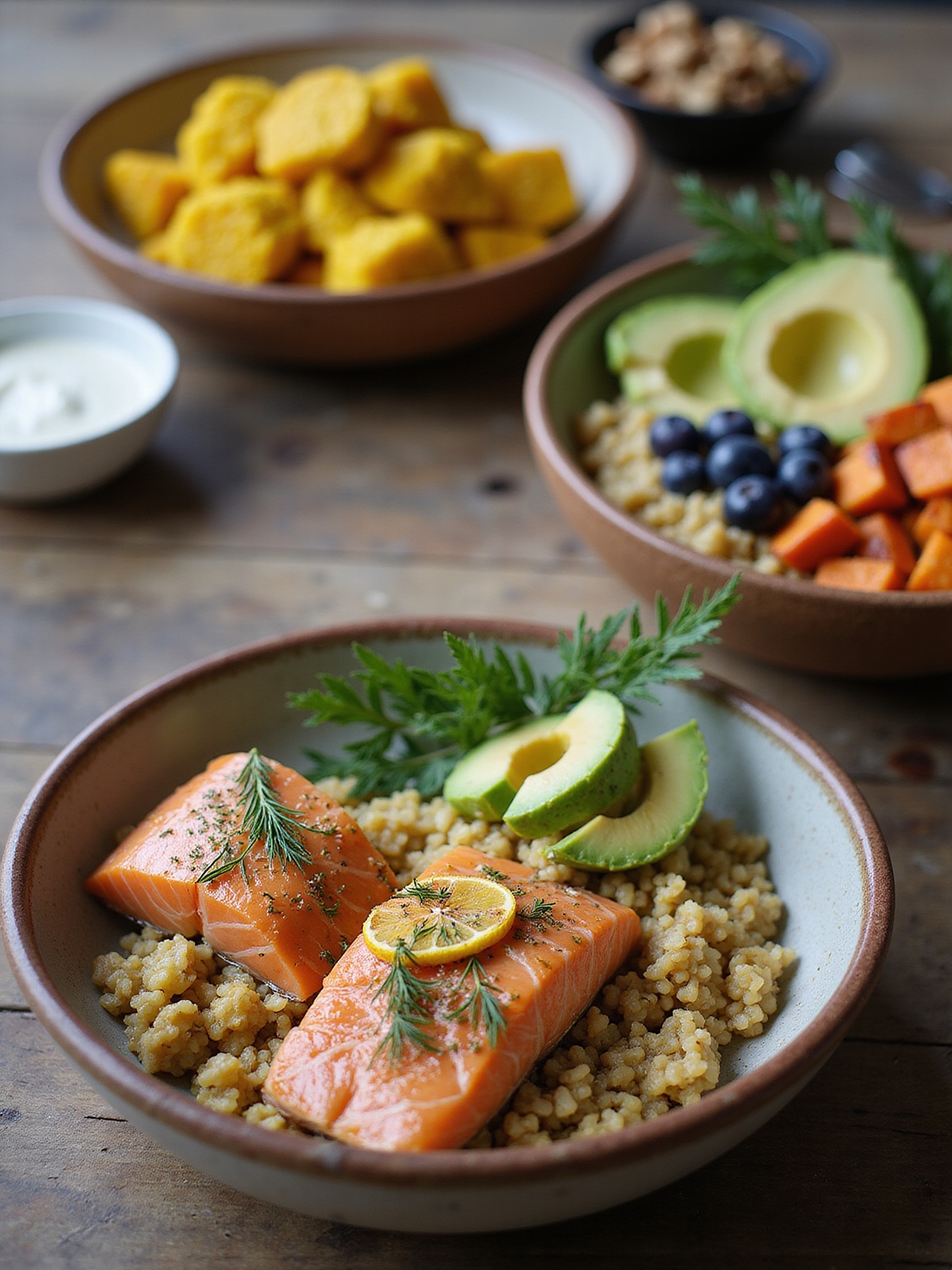
You don’t have to eat salads to lower inflammation—small, targeted swaps do most of the work. Focus on whole grains, fatty fish, legumes, nuts, and spices like turmeric and ginger, while cutting back on refined carbs, excess sugar, and processed meats. These choices are backed by research and fit into familiar, craveable meals. Stick with flavors and textures you like, and you’ll get measurable benefits—here’s how to make it simple and sustainable.
Why an Anti-Inflammatory Approach Helps Even If You Hate Salads

Even if you detest salads, an anti-inflammatory approach can still help because inflammation is driven by what you eat overall, not just leafy greens on your plate.
You can lower markers like CRP and IL-6 by choosing whole foods, healthy fats, and fiber-rich options that fit your tastes. Swap processed snacks for nuts or yogurt, favor fatty fish or plant-based omega-3s, and use herbs and spices with proven effects, like turmeric and ginger. Small, consistent changes shift your inflammatory balance.
You’ll feel better, sleep more soundly, and support long-term health without forcing foods you won’t eat. Start with simple, sustainable swaps and build habits gradually to maximize long-term benefits and adherence to an anti-inflammatory way of eating, including focusing on whole foods.
Reduce Inflammation Without Leafy Greens

You don’t have to pile your plate with leafy greens to lower inflammation — many evidence-backed options deliver the same benefits in forms you’ll actually enjoy.
Focus on fatty fish, nuts, and seeds for omega-3s shown to reduce inflammatory markers. Use colorful vegetables like bell peppers, carrots, and tomatoes for antioxidants and polyphenols without salad fuss.
Incorporate berries and citrus for vitamin C and flavonoids that support immune regulation.
Choose whole grains, legumes, and turmeric or ginger in cooking for fiber and anti-inflammatory compounds.
Small, consistent swaps matter more than perfect meals — pick flavors you love and stick with them.
The principles of the Mediterranean-style approach show how food patterns rich in whole foods can lower inflammation over time, making it a practical anti-inflammatory strategy for everyday eating.
Quick Pantry Swaps to Cut Inflammation Now

Swap out a few staple items and you can start lowering inflammation without overhauling your cooking.
Swap refined grains for whole grains like oats or brown rice, which have fiber linked to lower inflammatory markers.
Replace vegetable oils high in omega-6s with extra-virgin olive oil or avocado oil; trials show olive oil’s polyphenols reduce inflammation.
Trade sugary snacks for nuts, berries, or plain yogurt to curb spikes in inflammation-associated glucose.
Choose canned fish in water or fresh salmon over processed meats for omega-3 benefits.
These small, evidence-backed pantry changes make anti-inflammatory eating simple and sustainable.
Extra-virgin olive oil is especially beneficial because of its polyphenol content, which has been associated with reduced inflammation in clinical trials.
Anti-Inflammatory Grocery List for Non-Salad Lovers

You don’t need salads to eat anti-inflammatory—stock your pantry with healing staples like turmeric, canned wild salmon, beans, and whole grains that studies link to lower inflammation.
Pair those with flavorful proteins such as fatty fish, skinless poultry marinated in herbs, and spiced tofu to keep meals satisfying and evidence-based.
I’ll show practical options and simple combos so you can shop once and cook easily all week.
Include shelf-stable staples like olive oil, dried spices, and legumes to make anti-inflammatory cooking convenient and budget-friendly, which supports anti-inflammatory eating.
Pantry Staples That Heal
Start by stocking a small set of versatile, science-backed staples that fight inflammation without forcing you into endless salads. Keep extra-virgin olive oil for cooking and dressings, turmeric powder (with black pepper) for anti-inflammatory curcumin, and canned tomatoes rich in lycopene.
Add frozen berries for antioxidant smoothies, rolled oats for fiber and gut health, and walnuts or chia seeds for omega-3s. Stock bone or vegetable broth for collagen and minerals, low-sodium beans for resistant starch, and green tea bags for catechins. These items let you build simple, evidence-based meals that reduce inflammation while fitting picky preferences. Include a small stash of must-have foods to cover key anti-inflammatory nutrients.
Flavorful Anti-Inflammatory Proteins
Choose proteins that pack anti-inflammatory benefits and bold flavor so meals feel satisfying, not like a lecture in leafy greens. You’ll reach for fatty fish — salmon, sardines, mackerel — rich in omega-3s that reduce inflammation; grill or broil with lemon and smoked paprika.
Rotate plant proteins: lentils, chickpeas, and tofu seasoned with turmeric, cumin, garlic, and black pepper to boost curcumin absorption. Include omega-3 eggs and pasture-raised poultry for balance.
Snack on walnuts and pumpkin seeds. Aim for variety, simple herbs and citrus to amplify taste, and cook methods that preserve nutrients while delivering craveable texture. Incorporate whole grains like quinoa and brown rice to round out meals and add fiber for gut health.
Make Anti-Inflammatory Breakfasts Picky-Eater Approved

You can turn breakfast into a low-inflammation win by choosing flavor-forward proteins like smoked salmon, spiced tofu, or Greek yogurt that also deliver omega-3s and probiotics shown to reduce inflammation.
Pair those with sneaky veggie boosters—pureed spinach in smoothies, grated zucchini in muffins, or roasted red pepper blended into eggs—to raise fiber and antioxidants without changing texture much. These small swaps keep meals familiar while giving your body evidence-backed anti-inflammatory benefits. Try incorporating bright citrus or berries for extra vitamin C and antioxidant support anti-inflammatory breakfasts.
Flavor-Forward Protein Options
Kick up morning flavor without sacrificing anti-inflammatory benefits by focusing on bold, simple protein choices that picky eaters actually enjoy.
You can choose high-quality eggs—poached, scrambled with turmeric, or hard-boiled—for omega-3s and choline, which support inflammation control.
Greek yogurt or skyr delivers protein and probiotics; pick plain, then sweeten lightly with berries or a touch of honey.
Smoked salmon or canned sardines bring EPA/DHA fats without complex prep.
Nut butters and roasted chickpeas offer plant-based protein and polyphenols; portion them to keep calories balanced.
These options are easy, evidence-aligned, and taste-driven to win mornings.
Sneaky Veggie Boosters
Sneak vegetables into familiar breakfasts so picky eaters get anti-inflammatory nutrients without fuss: finely grated carrots or zucchini blend into pancakes or muffins, spinach wilted into omelets disappears under cheese, and pureed cauliflower or white beans thicken smoothies and yogurt bowls while adding fiber and phytonutrients.
You’ll reduce inflammatory markers by increasing vegetables subtly; studies link fiber and plant compounds to lower C-reactive protein.
Try these easy swaps to keep taste and texture familiar:
- Add grated zucchini to pancake batter.
- Stir pureed cauliflower into oatmeal.
- Fold chopped spinach into scrambled eggs.
- Blend white beans into smoothies.
Protein-Packed Lunches That Skip Salads
If salads aren’t your thing, don’t worry — you can still build anti-inflammatory lunches rich in protein, healthy fats, and phytonutrients that support recovery and reduce chronic inflammation.
Choose grilled salmon or sardines for omega-3s, or lean poultry and legumes for sustained protein and fiber; research links these to lower inflammatory markers.
Pair with roasted cruciferous veggies or steamed greens hidden in wraps, and add avocado or olive oil for monounsaturated fats.
Snack on walnuts or chia pudding for alpha-linolenic acid.
Keep portions balanced, minimize processed carbs, and season with turmeric, ginger, and pepper to enhance anti-inflammatory effects.
Comforting Dinners With Anti-Inflammatory Ingredients
When the day winds down, you can still enjoy comforting dinners that lower inflammation without sacrificing flavor or ease; choose dishes built around fatty fish, lean poultry, legumes, whole grains, and plenty of vegetables to deliver omega‑3s, fiber, and polyphenols linked in studies to reduced inflammatory markers.
You’ll want simple recipes that balance macronutrients and anti‑inflammatory phytochemicals. Try these practical options:
- Baked salmon with turmeric‑roasted sweet potatoes and steamed broccoli.
- Chicken and white bean stew with garlic, tomatoes, and oregano.
- Lentil curry with brown rice and spinach.
- Quinoa bowl with roasted veggies and walnuts.
These combos are evidence-based, satiating, and easy.
Snacks and Bites to Curb Inflammation Between Meals
Between meals, choose snacks that combine anti‑inflammatory ingredients and satisfying textures so you’re less tempted by processed options; think Greek yogurt with berries and a sprinkle of walnuts, hummus with carrot sticks, or apple slices topped with almond butter.
Pick foods with omega‑3s, fiber, and polyphenols—fatty fish jerky, chia puddings, or edamame—since studies link them to lower markers of inflammation.
Portion proteins with fiber to stabilize blood sugar and reduce cravings.
Prep single‑serve packs, rotate flavors to avoid boredom, and read labels to skip added sugars.
These practical swaps keep you nourished and inflammation markers in check.
Make It Craveable: Sauces, Textures, and Umami Tricks
You can make anti-inflammatory meals irresistible by adding bold umami boosts—like miso, nutritional yeast, or roasted tomatoes—that enhance flavor without extra sugar or salt.
Pair those with texture play tricks, such as crunchy seeds, creamy avocado, or charred vegetables, to satisfy picky mouths and improve satiety.
These simple, evidence-backed swaps help you keep meals anti-inflammatory while appealing to taste and mouthfeel.
Bold Umami Boosts
Because humans reliably crave savory depth, adding umami is one of the fastest ways to make anti-inflammatory meals appealing to picky eaters. You’ll use concentrated, low-salt umami to lift vegetables, lean proteins, and whole grains without relying on sugar or processed fats. Research links umami to improved satiety and flavor acceptance, so apply small amounts strategically.
Try these practical boosts:
- Miso paste blended into dressings or marinades.
- Roasted mushrooms or mushroom powder stirred into sauces.
- Fish sauce or anchovy paste sparingly for depth.
- Nutritional yeast for cheesy, B-vitamin–rich notes.
Taste as you go and adjust.
Texture Play Tricks
Often, picky eaters respond as much to how a dish feels as to how it tastes, so focus on combining contrasting textures—creamy, crunchy, silky—to make anti-inflammatory foods more craveable. You’ll pair roasted vegetables with tahini drizzle, toasted seeds, and a squeeze of citrus to balance mouthfeel and reduce reliance on salt. Research links texture variety to increased liking and intake, so experiment: crisp chickpea snacks, velvety purees, and glossy miso glazes add interest and umami. Use this quick guide to mix textures consistently and make nutrient-dense meals feel indulgent.
| Element | Example |
|---|---|
| Creamy | Tahini yogurt |
| Crunchy | Toasted seeds |
| Silky | Miso glaze |
Add Turmeric, Ginger, and Garlic to Everyday Dishes
Start by slipping turmeric, ginger, and garlic into the meals you already make; these three ingredients pack proven anti-inflammatory compounds—curcumin in turmeric, gingerols in ginger, and allicin in garlic—yet they blend easily into sauces, marinades, soups, and stir-fries.
You’ll get benefits without forcing salads.
Try these practical swaps and tips backed by studies showing modest inflammation reduction with regular use:
- Add a teaspoon of turmeric to rice or mashed potatoes with black pepper for absorption.
- Stir grated ginger into marinades or scrambled eggs.
- Sauté minced garlic early for mellow flavor.
- Blend them into soups or yogurt dips.
Swap Dressings: Herbs, Spices, & Citrus Ideas
Swap creamy, store-bought dressings for simple mixtures of citrus zest, fresh juice, and olive oil to add bright flavor and anti-inflammatory vitamin C without extra sugars.
You’ll also get measurable benefits by using savory herb blends—think rosemary, thyme, parsley, and oregano—which carry polyphenols and make greens more appealing.
Try mixing citrus with chopped herbs and a pinch of black pepper to keep dressings vibrant, low-calorie, and research-backed.
Citrus Zest & Juice
Brighten up dressings by swapping out heavy, store-bought options for citrus zest and juice—small amounts pack a big anti-inflammatory punch with vitamin C and flavonoids shown to reduce markers of inflammation.
You’ll get brightness without extra sugar or oils. Use juice to balance bitterness and zest for concentrated oils that boost flavor and polyphenols.
Try these practical swaps:
- Lemon juice + olive oil for simple vinaigrette.
- Orange zest in yogurt-based dressings for sweeter notes.
- Grapefruit juice to cut through rich proteins.
- Lime zest with avocado for creamy, tangy blends.
Measure, taste, adjust—evidence supports benefits in real meals.
Savory Herb Blends
When you replace heavy dressings with savory herb blends, you get concentrated anti-inflammatory benefits from fresh herbs, spices, and citrus oils without extra sugar or saturated fats.
Use basil, parsley, cilantro, and dill—each supplies flavonoids and polyphenols shown to reduce inflammation.
Add turmeric or ginger for curcumin and gingerols; black pepper boosts absorption.
Stir in lemon or orange zest plus a splash of olive oil for carotenoids and monounsaturated fat.
Blend with garlic, a pinch of salt, and water to reach desired texture.
Taste and adjust; store airtight for up to three days to preserve potency and flavor.
Simple Meal-Prep Plan for Busy Picky Eaters
If you’re short on time but want to reduce inflammation and keep picky eaters happy, a few predictable, well-balanced meal-prep templates will do most of the work for you.
Plan three components: protein, veggie (mild-flavored), and a whole-grain or tuber. Rotate varieties twice weekly to prevent boredom. Use simple seasoning blends tested for acceptability.
- Roast chicken, sweet potato, steamed green beans.
- Baked salmon, quinoa, roasted carrots.
- Turkey meatballs, brown rice, sautéed zucchini.
- Lentil chili, baked potato, mixed peppers.
Portion into grab-and-go containers, label dates, and reheat safely; evidence shows consistency improves adherence.
Common Inflammatory Triggers and Easy Alternatives
Because certain foods commonly ramp up inflammation, knowing simple swaps helps you protect health without sacrificing taste or routine.
Lots of evidence links processed meats, sugary drinks, refined grains, and excessive fried foods to inflammatory markers. You can replace soda with sparkling water plus citrus, choose grilled or baked lean proteins over processed sausages, swap white bread for whole grains or oats, and use air-frying or roasting instead of deep-frying.
Limit added sugars by tasting fruit or plain yogurt with honey. These alternatives lower inflammatory load while keeping flavors familiar, making anti-inflammatory choices easier to stick with.
Make It Yours: Adapt for Dislikes, Allergies, and Budget
Want to keep an anti-inflammatory plan that actually fits your life? You can—by tailoring choices to dislikes, allergies, and budget without losing evidence-backed benefits.
Start simple: swap offending foods for equivalent anti-inflammatory options you tolerate.
Try these practical steps:
- Prioritize affordable staples (oats, canned beans, frozen berries) to keep antioxidants and fiber.
- Replace allergens (dairy, nuts) with tolerated alternatives (oat milk, seeds) to maintain healthy fats.
- Use spices (turmeric, ginger) to boost anti-inflammatory effects without extra cost.
- Batch-cook adaptable bases you’ll actually eat, testing small changes and tracking how you feel.
Daily Habits (Sleep, Movement, Hydration) That Lower Inflammation
You’ve set up meals that respect your tastes, allergies, and budget—now pair those choices with everyday habits that lower inflammation.
Prioritize 7–9 hours of consistent sleep; poor sleep raises inflammatory markers, so keep a bedtime routine and dark, cool room.
Move daily: brisk 20–30 minute walks or short resistance sessions reduce cytokines and improve insulin sensitivity.
Hydrate steadily—aim for water throughout the day, not gulping; add herbal teas or mineral water if plain water bores you.
Limit late-night screens and sitting stretches.
Small, consistent changes compound: sleep, move, hydrate, and you’ll support your anti-inflammatory goals.
Conclusion
You don’t need salad bowls to cut inflammation — small swaps and tasty tweaks do the heavy lifting. Swap white carbs for oats or sweet potato, add canned salmon or spiced tofu, stir turmeric and black pepper into roasted veg, and snack on walnuts or hummus. Contrast old beliefs with simple science: tasty, familiar meals can lower inflammation as effectively as a green smoothie. Use these evidence-backed, practical changes and you’ll feel it in sleep, energy, and recovery.


