

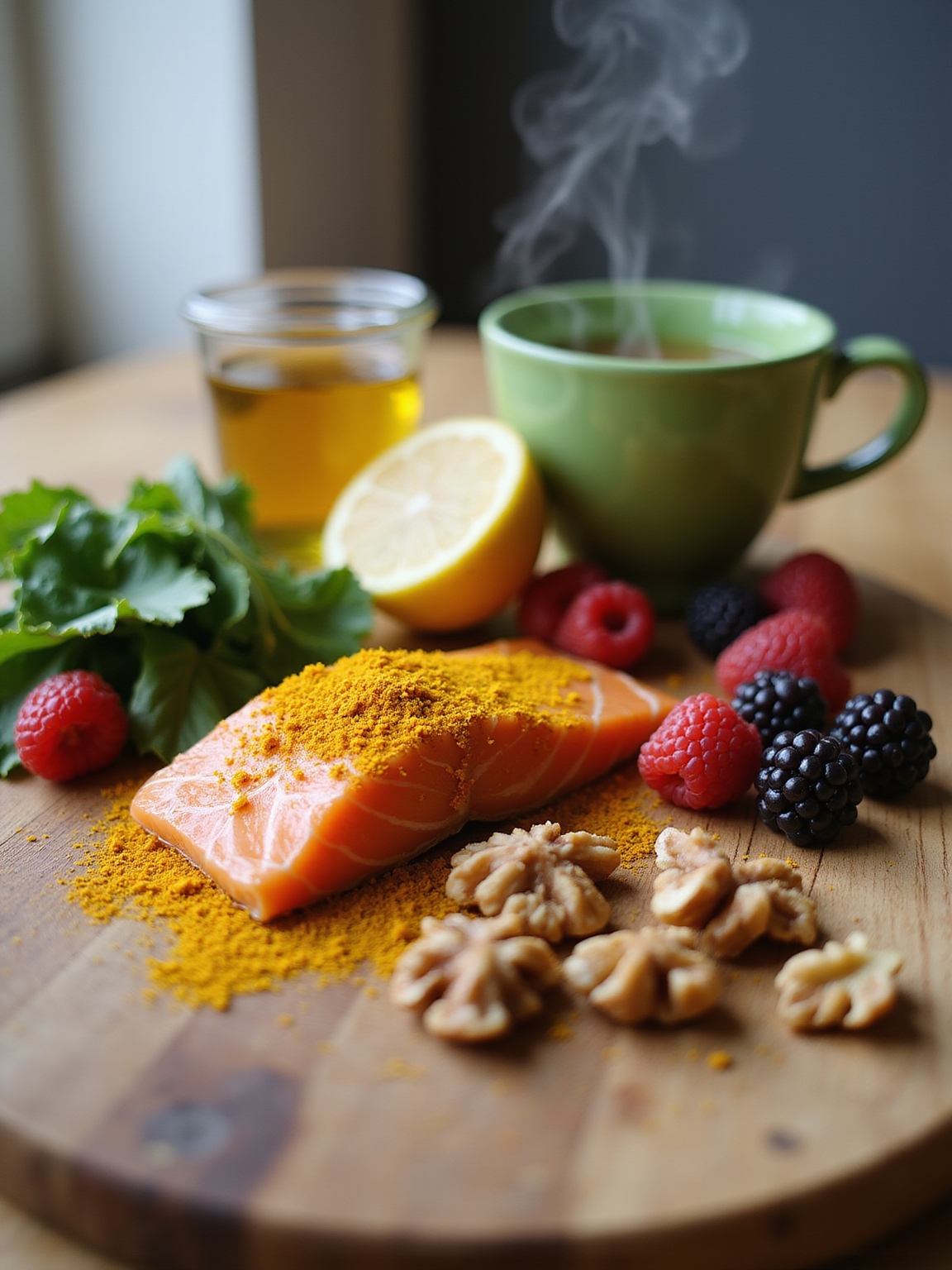
About 60–70% of chronic inflammation cases link to diet and lifestyle, so small changes can have big effects. You can start by swapping one food or habit per week—focus on colorful plants, whole grains, healthy fats, and steadying carbs—so you’ll reduce inflammatory triggers while keeping meals simple and sustainable. I’ll outline the most effective swaps, how to stabilize blood sugar and gut health, and practical ways to track what actually helps you.
Quick Anti‑Inflammation Steps to Start Today

Often, small, consistent changes reduce inflammation more effectively than dramatic overhauls; start by swapping processed foods for whole ones, prioritizing vegetables, fruits, whole grains, legumes, nuts, and fatty fish rich in omega‑3s.
You’ll also hydrate adequately, limit added sugars and refined carbs, and replace trans fats with olive oil or avocado. Track portions and symptoms to identify triggers, and schedule three balanced meals with nutrient-dense snacks to avoid blood sugar swings.
Prioritize sleep, moderate movement, and stress management—each lowers inflammatory signaling.
Make one change weekly, measure effects, and adjust based on objective symptoms and simple biomarkers. Evidence shows dietary patterns emphasizing whole plant foods and omega‑3s can lower markers of inflammation, such as C‑reactive protein.
What an Anti‑Inflammatory Diet Means : The Essentials

By focusing on foods that reduce oxidative stress and modulate immune signaling, an anti‑inflammatory diet helps you lower baseline inflammation and improve long‑term health markers.
You prioritize whole, minimally processed items rich in phytochemicals, omega‑3s, fiber, and antioxidants while limiting pro‑inflammatory fats and additives. Practical choices support resilience, recovery, and metabolic balance without drastic deprivation.
Apply consistent, sustainable patterns rather than quick fixes.
- Colorful vegetables and fruits for polyphenols and vitamins
- Fatty fish, flaxseed, and walnuts for EPA/DHA and ALA
- Whole grains and legumes for fiber and gut health
- Olive oil, nuts, and seeds for monounsaturated fats
Including staples like leafy greens, berries, and extra‑virgin olive oil can simplify shopping and meal planning while delivering concentrated anti‑inflammatory benefits anti‑inflammatory foods.
How Blood Sugar Affects Inflammation (And How to Steady It)

When your blood sugar spikes after a meal it triggers inflammatory pathways and stresses your immune system, which can worsen chronic inflammation.
You can blunt those spikes by pairing carbohydrates with protein, fiber, and healthy fats, choosing low-glycemic foods, and spacing meals to avoid reactive overcorrections.
These practical strategies help keep glucose steady and reduce one common fuel for inflammation.
An anti-inflammatory diet plan can help you stay on track by providing structure and food choices that support long-term consistency, including emphasizing whole foods and balanced meals that minimize inflammation.
Blood Sugar Spikes
Quickly understanding how blood sugar spikes drive inflammation helps you make targeted changes that cut flare-ups and protect long-term health.
Rapid glucose rises trigger oxidative stress and pro-inflammatory cytokines, so you feel pain, stiffness, and fatigue more intensely.
You don’t need jargon—recognize patterns: big swings promote inflammation, repeated spikes wear down healing.
- Identify foods that cause rapid glucose elevation.
- Note timing of symptoms after meals to link spikes to flare-ups.
- Measure patterns with simple glucose checks or symptom logs.
- Prioritize small, consistent adjustments to reduce peak glucose and inflammatory signaling.
This approach supports the anti-inflammatory diet’s goals by showing how dietary changes alter inflammation over time and health outcomes.
Stable Glucose Strategies
You’ve seen how sharp glucose swings spark inflammation; now let’s focus on steadying blood sugar so those spikes happen less often and with less intensity.
You’ll reduce inflammatory signaling by combining protein, fiber, and healthy fats at meals—this slows absorption and blunts peaks.
Prioritize low-glycemic carbs (vegetables, legumes, intact grains), space meals to avoid reactive hypoglycemia, and limit refined sugars and high-glycemic drinks.
Regular moderate activity improves insulin sensitivity; resistance training builds glucose-buffering muscle.
Monitor symptoms and consider intermittent glucose tracking to personalize choices.
Small, consistent changes lower chronic inflammation risk and improve metabolic resilience over time.
Include Energizing High-Protein Anti-Inflammatory options by emphasizing high-protein plant and lean animal foods to support both blood sugar control and reduced inflammation.
Gut Habits That Reduce Inflammation

Your gut plays a central role in regulating inflammation, so you can use simple daily habits to support a healthy microbiome.
Include fermented foods like yogurt, kefir, or sauerkraut, prioritize a variety of fibers from fruits, vegetables, legumes, and whole grains, and cut back on added sugars that feed harmful bacteria.
These steps are practical, evidence-based ways to lower inflammation risk and improve overall gut resilience.
Essential anti-inflammation diet items like olive oil, fatty fish, nuts, and colorful produce should be staples in your meal plan to maximize benefits and reduce chronic inflammation; consider focusing on whole anti-inflammatory foods when planning meals.
Eat Fermented Foods
Regularly including fermented foods in your diet can help shift your gut microbiome toward bacteria that lower inflammation and support immune balance.
You’ll get live microbes, bioactive compounds, and enzymes that modulate gut barrier function and reduce pro-inflammatory signaling.
Start small, observe tolerance, and choose traditionally fermented options without added sugars or pasteurization when possible.
Practical tips include:
- Add plain yogurt or kefir to breakfasts for consistent probiotic exposure.
- Use sauerkraut or kimchi as a tangy side to meals.
- Try miso in soups to introduce fermented soy benefits.
- Include kombucha cautiously; monitor stomach sensitivity.
This anti-inflammation diet shopping list can help you plan meals and stock your pantry with the right ingredients for success, including staples like fermented vegetables, whole grains, and healthy fats.
Prioritize Fiber Variety
Fermented foods help seed a healthier microbiome, but feeding those microbes the right substrates matters just as much — that’s where fiber variety comes in.
You’ll reduce inflammation by offering diverse fermentable fibers: soluble fibers from oats and beans, insoluble from whole grains and vegetables, and resistant starches from cooled potatoes or green bananas.
Different microbes specialize in different fibers, producing anti-inflammatory short-chain fatty acids like butyrate.
Gradually increase variety to minimize gas and discomfort, and drink water to aid transit.
Track responses and prioritize whole foods over supplements; aim for color, texture, and botanical diversity at each meal.
Limit Added Sugars
Often, cutting back on added sugars quickly improves gut balance because excess simple sugars feed pro-inflammatory bacteria and promote endotoxin production.
You’ll reduce systemic inflammation by choosing whole foods, balancing carbs with fiber, and lowering blood sugar spikes.
Practical swaps and small steps matter.
- Replace sodas and sweets with water, tea, or sparkling water.
- Read labels to avoid hidden sugars like dextrose, maltose, and syrups.
- Prioritize whole fruits over fruit juices to retain fiber.
- Start gradual reductions to prevent cravings and support adherence.
These evidence-based, compassionate strategies help you sustain a gut-friendly anti-inflammatory diet.
Top Anti‑Inflammatory Foods to Add to Your Plate

You’ll want to focus on whole, minimally processed foods that research shows lower inflammatory markers and support overall health.
Prioritize fatty fish (salmon, mackerel) for omega‑3s, colorful vegetables and berries for polyphenols, and leafy greens for vitamins and fiber.
Add nuts, seeds, and extra‑virgin olive oil for anti‑inflammatory fats.
Include legumes and whole grains to maintain gut health and steady blood sugar.
Use herbs and spices like turmeric and ginger for bioactive compounds.
Aim for variety and consistent intake; small, sustainable swaps deliver measurable inflammatory reductions and better long‑term outcomes.
Foods and Ingredients to Limit or Avoid
Generally, you should limit highly processed foods and ingredients that promote inflammation and disrupt metabolic and gut health. You’ll reduce inflammatory signaling and improve biomarkers by cutting specific items that impair immune regulation and microbiome balance.
- Refined carbohydrates and added sugars (sweets, sodas)
- Industrial seed oils high in omega-6 and oxidized fats
- Ultra-processed ready meals and snacks with additives
- Excessive red and processed meats (high in heme iron, nitrates)
Be mindful rather than punitive: reduce frequency and portion size, read labels, and track symptoms. Small, consistent changes yield measurable reductions in chronic inflammation.
Easy Swaps for Common Inflammatory Foods
You can reduce inflammation by swapping refined grains for whole grains like brown rice, quinoa, or oats, which keep fiber and nutrients intact.
Replace inflammatory fats (trans and excess omega-6 oils) with anti-inflammatory choices such as extra-virgin olive oil, avocados, nuts, and fatty fish.
These practical swaps are evidence-based, easy to implement, and supportive of long-term health.
Swap Refined Grains
Refined grains strip away fiber, vitamins, and minerals during processing, which raises their glycemic impact and can promote inflammation when eaten frequently.
You can reduce spikes and support steady blood sugar by choosing whole-grain alternatives and modest portions.
Swap in nutrient-dense options, monitor portion sizes, and pair grains with protein or vegetables to blunt glucose responses.
- Choose whole-grain bread, brown rice, or barley instead of white equivalents
- Use rolled oats or steel-cut oats over instant oat products
- Replace regular pasta with lentil or whole-wheat pasta in moderate portions
- Opt for quinoa or buckwheat as versatile grain substitutes
Choose Healthy Fats
After swapping refined grains for whole options, shift attention to the types of fat on your plate—fat quality influences inflammation as much as carbohydrate quality.
Choose unsaturated fats: olive, canola, avocado, and nut oils reduce inflammatory markers compared with saturated and trans fats. Swap butter for extra-virgin olive oil in cooking and dressings, replace margarine and hydrogenated spreads with nut butter, and choose fatty fish (salmon, mackerel) twice weekly for DHA/EPA.
Limit processed snacks, fried foods, and fatty cuts of red meat.
These practical swaps lower pro-inflammatory signals, support cellular function, and fit into diverse eating patterns you can sustain.
Build an Anti‑Inflammatory Meal in 3 Simple Parts
Think of each meal as a simple formula: a colorful, antioxidant-rich base, a lean or plant protein to regulate immune signaling, and healthy fats to support cell membranes and reduce inflammatory mediators.
You’ll combine these components to lower inflammatory drivers, stabilize glucose, and supply micronutrients that modulate pathways like NF-κB and oxidative stress. Be practical: portion control, simple seasonings, and minimal processing preserve bioactive compounds. Aim for variety across meals to cover phytonutrients and omega profiles.
- Leafy greens, crucifers, berries
- Legumes, fish, poultry, tofu
- Olive oil, avocado, nuts
- Herbs, citrus, vinegar for flavor and polyphenols
7‑Day Starter Meal Plan for Beginners
You’ll get practical, evidence-based options for easy breakfasts, simple lunches, and quick dinners that support lower inflammation. Each suggestion explains why ingredients help inflammation and how to prepare them with minimal time and effort.
Start with one swap at a time so you can assess how your body responds without feeling overwhelmed.
Easy Breakfast Options
Usually, a simple, nutrient-dense breakfast sets the tone for a day focused on reducing inflammation, so we’ll prioritize foods that balance protein, healthy fats, fiber, and anti-inflammatory phytonutrients.
You’ll choose combinations that stabilize blood sugar, reduce oxidative stress, and support gut health. Aim for whole foods, minimal added sugars, and easy prep.
- Greek yogurt with berries, ground flaxseed, and walnuts
- Oat porridge made with almond milk, cinnamon, and sliced apple
- Smoothie: spinach, frozen berries, protein powder, turmeric, and chia
- Avocado toast on whole-grain bread with smoked salmon or a poached egg
These options are practical, evidence-based, and gentle.
Simple Lunch Recipes
After a nutrient-dense breakfast, aim for lunches that sustain stable blood sugar, lower post-meal inflammation, and support gut diversity; meals with lean protein, colorful vegetables, whole grains, and anti-inflammatory fats fit that profile. You’ll prepare simple bowls: grilled salmon, quinoa, mixed greens, avocado; chickpea salad with olive oil, herbs, and roasted veggies; or turkey wrap with whole-grain tortilla and fermented pickles. Rotate ingredients to broaden microbiome exposure and monitor portions to avoid spikes. Use the table for quick swaps and balance.
| Protein | Fiber-rich base | Anti-inflammatory fat |
|---|---|---|
| Salmon | Quinoa | Avocado |
| Chickpeas | Farro | Olive oil |
| Turkey | Mixed greens | Nuts |
Quick Dinner Plans
Often dinner’s the meal where convenience wins, so plan quick, anti-inflammatory dinners that give you balanced protein, fiber, and healthy fats without extra prep time.
You’ll reduce inflammatory load by choosing whole foods, omega-3 sources, and colorful vegetables; aim for nutrient density and simplicity.
Prep staples once, combine them differently across nights, and use gentle spices like turmeric and ginger for added benefit.
Trust evidence-based pairings and adjust portions to hunger cues.
- Baked salmon, quinoa, steamed broccoli, lemon-tahini drizzle
- Chickpea salad, spinach, avocado, olive oil
- Stir-fried tofu, mixed peppers, brown rice
- Lentil soup, kale, whole-grain bread
Grocery List & Pantry Staples for Lasting Success
Because what you stock determines how consistently you eat anti-inflammatory meals, start by prioritizing whole, minimally processed items that reduce inflammation and support gut health.
Fill your cart with leafy greens, cruciferous vegetables, berries, citrus, and other colorful produce for antioxidants. Choose fatty fish, lean poultry, beans, lentils, and tofu for varied protein and omega-3 precursors. Keep extra-virgin olive oil, avocados, nuts, seeds, turmeric, ginger, garlic, and ground spices for anti-inflammatory compounds.
Store whole grains like quinoa, brown rice, and oats, plus low-sodium broths and vinegar. Freeze portions, label dates, and rotate supplies to maintain nutrient integrity and adherence.
Balancing Meals to Control Cravings and Energy
Stocking your pantry with whole foods sets the stage, but how you combine those ingredients at each meal determines whether you stay satisfied and steady.
You’ll balance macronutrients to blunt glucose spikes, include fiber and healthy fats to prolong fullness, and time meals to steady energy. Be compassionate with yourself as you adjust habits; small, consistent changes yield measurable reductions in inflammatory triggers.
- Pair lean protein with fiber-rich vegetables
- Add omega-3 sources like fatty fish or walnuts
- Use whole grains or legumes for sustained carbs
- Include a small healthy fat at each meal to slow absorption
Track Progress: Symptoms, Weight, and Inflammation Markers
Tracking progress gives you objective feedback on whether dietary changes are reducing inflammation and improving symptoms.
You’ll log daily symptoms (pain, stiffness, mood), weigh weekly under consistent conditions, and record sleep and activity to contextualize changes. Use validated symptom scales or a simple 0–10 rating to quantify trends.
Consider baseline and periodic labs—CRP, ESR, fasting glucose, and lipid panel—ordered with your clinician to track biological inflammation.
Review data every 2–4 weeks, looking for directional shifts rather than day-to-day noise. Adjustments should be incremental and evidence-based; celebrate measurable gains and discuss concerning trends with your healthcare team.
Troubleshooting: Digestion, Cravings, and Low Energy
Once you’ve been monitoring symptoms and labs for a few weeks, you’ll likely notice practical issues that can undermine progress: digestion complaints, persistent cravings, and fluctuating energy. Assess patterns objectively, adjust fiber and fat timing, and rule out common deficiencies (iron, B12, vitamin D). Use measured experiments to identify triggers and reintroduce foods cautiously.
- Track meals, symptoms, and stool consistency for 7–14 days.
- Prioritize protein and low-glycemic carbs to stabilize energy.
- Try mindful eating, hydration, and small snacks to curb cravings.
- Consider short-term probiotic or enzyme trials under guidance.
Be patient, collect data, and iterate.
Adjustments for Joint Pain, Eczema, and Metabolic Issues
If your inflammation shows up as aching joints, patchy eczema, or worsening metabolic markers, you’ll need targeted dietary adjustments alongside the foundational anti-inflammatory steps you’ve already used. Focus on omega-3s, low-glycemic carbs, and collagen-supporting nutrients. Monitor responses and adjust portions.
| Target | Food examples | Effect |
|---|---|---|
| Joints | Fatty fish, walnuts | Reduce cytokines |
| Skin | Fermented foods, zinc | Support barrier repair |
| Metabolic | Whole grains, legumes | Improve insulin sensitivity |
| General | Leafy greens, turmeric | Antioxidant, anti-inflammatory |
Track clinical markers, symptoms, and tolerability; consult your clinician for medication interactions.
Personalize for Allergies, Vegans, and Tight Budgets
While you tailor an anti-inflammatory plan to allergies, vegan preferences, or a tight budget, prioritize nutrient-density and substitution strategies that meet your specific limits without sacrificing efficacy. You’ll assess triggers, make certain sufficient omega-3s, protein, and micronutrients, and use affordable staples. Test eliminations methodically and reintroduce foods to confirm tolerance.
- Swap dairy with fortified plant milks and fermented options for calcium and probiotics.
- Use canned fish, flaxseed, or algae supplements to secure omega-3s affordably.
- Choose legumes, tofu, and seasonal vegetables for protein and antioxidants.
- Plan meals, batch-cook, and shop sales to maintain adherence and reduce cost.
Conclusion
Picture your plate as a colorful garden: fill it with vegetables, whole grains, legumes, nuts, seeds, oily fish and olive oil, and cut back on sugars, processed foods, and industrial seed oils. Make one sustainable swap each week, track symptoms and labs, and prep staples so healthy choices feel effortless. With steady blood sugar, varied fiber and fermented foods for your gut, you’ll reduce inflammation and feel more resilient—adjusting compassionately for your needs.


