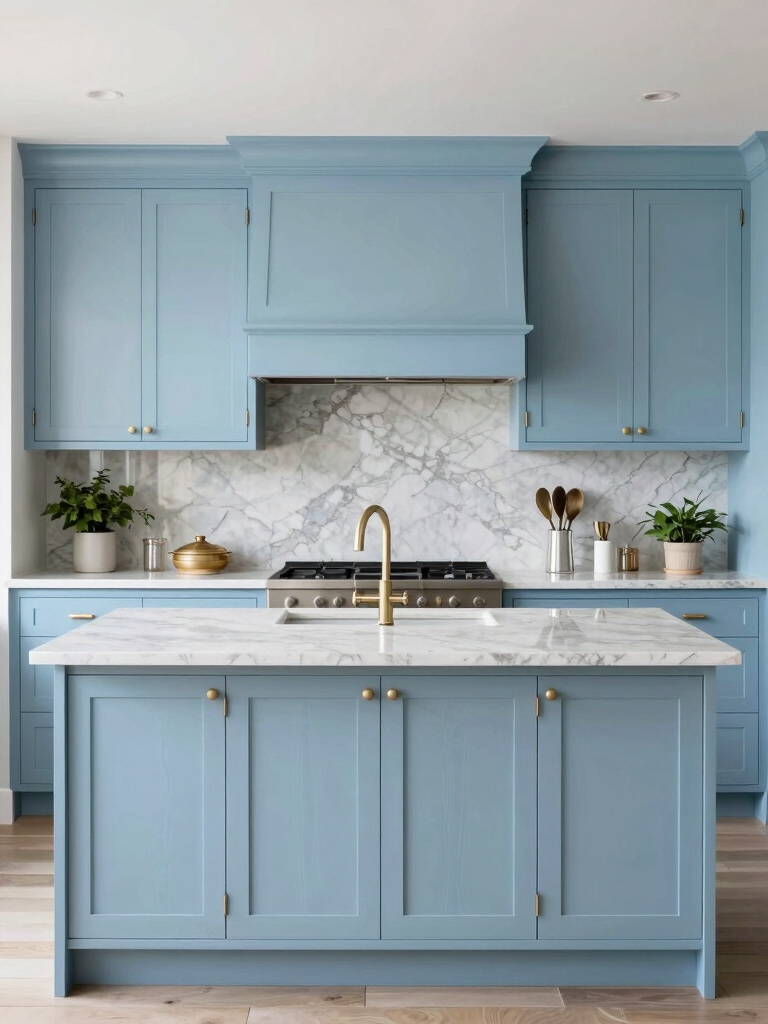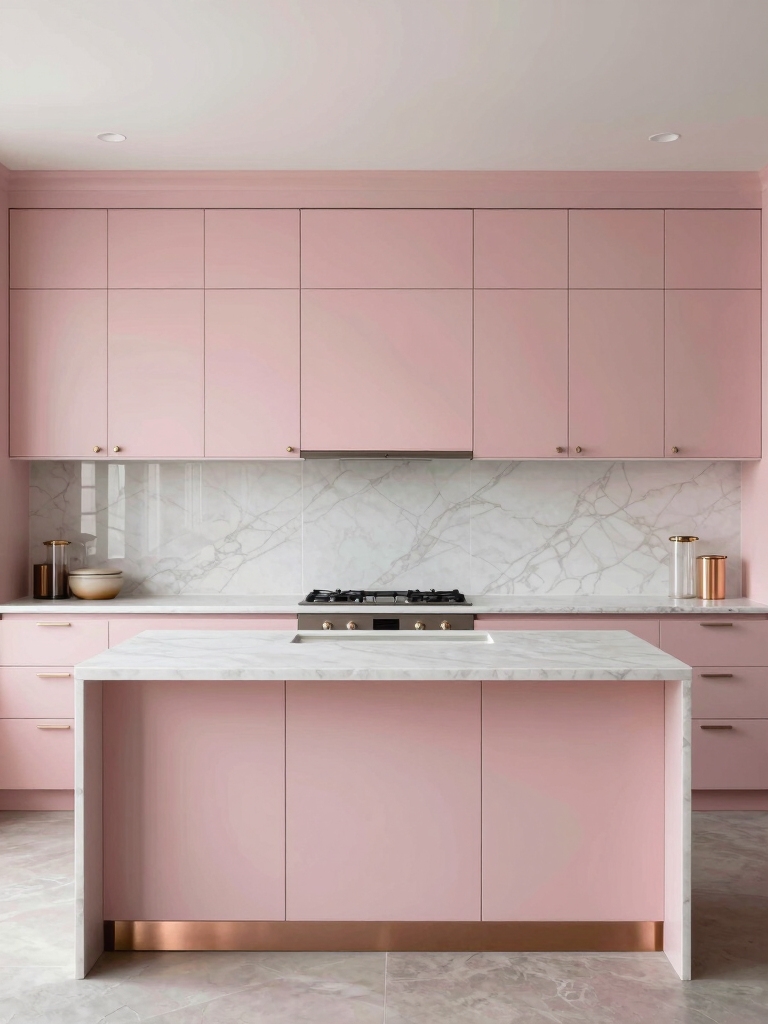

I’ll show you how to get salon-smooth cabinets without sanding: first I identify the surface (laminate, painted, or stained) so I pick the right bonding primer or adhesion promoter, then I degrease thoroughly, use a liquid deglosser where needed, and apply thin, even primer coats before rolling or spraying with a quality cabinet paint.
I’ll also cover ventilation, dry times, and topcoats that protect—stick with me and you’ll learn the pro tricks to finish like a pro.
Why You Can Skip Sanding and Still Get Durable Cabinets

You can skip sanding and still get cabinets that hold up — I’ll show you how that works.
I use bonding primers, durable acrylic or enamel paints, and light deglossing to create a toothy, long-lasting finish without dust storms.
Follow proper cleaning, prime, and thin-coat techniques; you’ll get salon-worthy cabinets that resist chips and grime, all with less mess and more style.
Pro painting pros also recommend proper surface prep to ensure adhesion and longevity.
Identifying Your Cabinet Surface: Laminate, Painted, or Stained Wood

Before you grab paint and brushes, I’ll help you figure out whether your cabinets are laminate, already painted, or stained wood—each needs a slightly different approach.
A few quick clues (visible seams, glossy peel, or wood grain) and a tiny test patch with solvent or a fingernail will tell the story.
I’ll walk you through those signs and simple tests so you can pick the right prep without guessing.
For best results, avoid common pitfalls like skipping degreasing or using the wrong primer, since surface preparation is critical to paint adhesion.
Surface Type Signs
I’ll help you play detective with your cabinets so you can tell laminate, painted, or stained wood apart without guesswork: run your hand over the surface, look at edges and inside doors, and check how the grain and finish behave under light.
Smooth, plastic-y feel and perfect pattern = laminate; brush marks or slight texture = paint; continuous grain into edges = stained wood — easy.
Also consider clever storage hints from small cabinet design guides for maximizing space in tight kitchens by using smart organizing solutions.
Test Patch Methods
Let’s roll up our sleeves and do a small detective job: I’ll show you a few quick test-patch methods that reveal whether your cabinets are laminate, painted, or stained wood without wrecking the finish.
I dab a hidden corner with acetone—paint lifts, laminate stays.
I press a coin; a veneer chips differently than solid wood.
If a mild deglosser softens the sheen, you’ve got painted cabinets.
Aluminium kitchen cabinets are built to last so consider durable finishes when deciding whether to skip sanding.
Essential Safety and Prep: Ventilation, Masking, and Workspace Setup

Before I start painting, I always make the room breathe—crack windows, set fans to move fumes away, and give myself space to work without choking on paint smell.
I’ll also tape off hinges, counters, and floors with crisp edges and lay down drop cloths so no splatters become permanent souvenirs.
Let me show you the exact ventilation tricks and masking moves that keep the job tidy, safe, and surprisingly stress-free.
Weekend DIY kitchens often use fast weekend projects to transform cabinets quickly and affordably.
Ventilation and Airflow
Because paint fumes can sneak up on you, I always prioritize airflow as the first safety move — even for small cabinet jobs. I open windows, place a box fan facing outward, and keep doors propped to create cross-breeze.
If I’m using stronger primers or sprays, I add a respirator rated for organic vapors. Fresh air makes painting safer and more pleasant.
I also organize cabinets ahead of time to clear the workspace and reduce clutter, since an orderly area speeds the job and prevents mishaps kitchen cabinet organizing.
Masking and Surface Protection
With a few rolls of tape and drop cloths, I treat masking like tailoring—careful, exact, and a little proud of the clean lines it creates.
I seal hinges, countertops, and floors, using painter’s tape and plastic sheeting.
I label removed hardware, cover appliances, and create a ventilation pathway.
Neat prep saves touch-ups, time, and my sanity—plus flawless cabinet edges.
Many smart organizers recommend using cabinet dividers to keep doors and drawers orderly while you work.
Cleaning and Degreasing Like a Pro: Products and Techniques

I usually start by admitting how greasy kitchen cabinets can get and then I tackle them like a pro: targeted cleaners, the right tools, and a little elbow grease.
I use citrus degreasers or trisodium phosphate alternatives, microfiber cloths, soft brushes, and warm water.
Work top-to-bottom, rinse thoroughly, and let surfaces dry completely before priming or painting—no residue, no surprises.
How to Use Liquid Deglossers and When They Work Best

When you want a fast, no-sanding shortcut, I reach for a liquid deglosser—also called liquid sandpaper—to strip shine and help primer and paint stick; it evaporates quickly, so you work in short, controlled passes with a lint-free cloth or pad.
I use it on sealed, glossy cabinets or laminate if they’re clean and grease-free.
Test first, ventilate, and don’t overwet.
Best Primers for No-Sand Cabinet Makeovers
Because cabinets already have that smooth, sealed surface, I pick primers that grab fast and dry tough—bonding primers and shellac- or high-adhesion acrylic primers are my go-tos for no-sand makeovers.
I favor low-odor, quick-dry formulas that resist tannin bleed and sand-through, so paint glides on like silk.
A thin, even coat saves drama and future touch-ups.
Bonding Primers and Adhesion Promoters Explained
Think of bonding primers and adhesion promoters as the secret handshakes between old cabinet finishes and your fresh paint — I pick them when I’m skipping sand because they actually create grip where there’s none.
I’ll choose a solvent- or shellac-based promoter for slick laminates, waterborne for painted wood, and apply thin, even coats so paint adheres like it’s meant to stay—no sanding tantrums required.
Fast and Flawless Fillers for Dings and Seam Repairs
If a cabinet door has a nick, seam gap, or shallow ding, I reach for fast-setting fillers that give a smooth, sand-free surface ready for paint.
I use lightweight epoxy or acrylic fillers, pressing, smoothing, and wiping excess before curing.
Tiny gaps disappear; edges stay crisp. They cure quick, accept primer, and let me move on—no sanding tantrums, just polished results.
Brushing Versus Rolling: Tools That Leave No Brushmarks
I’ll help you choose between brush and roller finishes so your cabinets look salon-smooth, not hand-painted.
A dense foam roller often gives the creamiest, mark-free coat, while a hybrid brush-then-roller trick lets you tame corners without leaving strokes.
Stick with the right tools and a light touch, and your cabinets will read boutique, not DIY.
Brush vs. Roller Finish
Usually I reach for a brush when I want control and a roller when I want speed, but either tool can give a smooth, brushmark-free cabinet finish if you use them the right way.
I lightly thin paint, load sparingly, and work with the grain; with steady strokes a quality brush or short-nap roller blends edges into a flawless, chic finish that feels professionally done.
Foam Roller Benefits
Often I reach for a foam roller when I want an ultra-smooth, brushmark-free cabinet face without the fuss of feathering edges, because the dense foam hugs flat panels and leaves a satin, factory-like skin in one pass.
I love how it speeds coverage, minimizes drips, and reveals flaws early so I can fix them. It’s chic, fast, and forgiving—my secret weapon.
Hybrid Brush-Roller Technique
If the foam roller is my fast, flawless go-to for flat panels, I reach for a hybrid brush-roller when cabinets have profiles, rails, or tricky corners that need finesse without brushmarks.
I cut in with a slim synthetic brush, feather paint into crevices, then smooth with a short-nap mini roller. It’s precise, speedy, and leaves a flawless, salon-worthy finish.
Spray Finishes and HVLP Options for Smooth Coverage
I reach for a sprayer when I want truly smooth cabinet faces fast—spray finishes lay down ultra-thin, even coats that brushwork just can’t match, and HVLP (high-volume, low-pressure) systems make that control feel almost effortless.
I prep with degreasing and tack-cloth, thin the finish per instructions, and practice on scrap. The result: salon-smooth cabinets with minimal drips and maximum chic.
Two-Part and Catalyzed Coatings: When to Choose Them
Spraying gives you that flawless, ultra-thin finish, but sometimes you need something tougher — that’s where two-part and catalyzed coatings come in.
I pick them when durability matters: heavy-use kitchens, glossy looks, or commercial-grade resilience.
They cure chemically, resist scratches and solvents, and give a factory feel. They’re pricier and need careful mixing and ventilation, but the result lasts.
Drying, Recoat Times, and Temperature Tips for Success
I’ll walk you through the sweet spot for drying so your finish cures hard without gummy surprises.
Know when to recoat, how long to wait between layers, and how temp and humidity steal or gift you extra working time.
Follow a few simple timing and climate tips and your cabinets will look pro-level, not like a science experiment.
Optimal Drying Window
Although timing feels fussy, I’ve learned that hitting the right drying window makes the difference between a buttery-smooth finish and a sticky, streaky mess.
I watch temperature (65–75°F ideal), humidity low, and airflow gentle.
I let paint feel dry to the touch but not fully cured before lightly handling.
Patience here saves sanding later — and keeps your cabinets salon-ready.
Recoat Timing Guidelines
When you’re ready to recoat, think like a chef timing a soufflé: too soon and you deflate the finish, too late and you waste time waiting for a full cure.
I wait recommended recoat intervals—usually 2–6 hours for waterborne, 6–24 for oil-based—then test gently.
I keep airflow steady, avoid dust, and touch up only when the previous coat’s tack is gone for consistent, smooth layers.
Temperature and Humidity
Almost always I start by checking the room conditions before I open a can—temperature and humidity change how paint dries, when you can recoat, and whether your finish stays smooth or goes tacky and gummy.
I aim for 65–75°F and under 60% humidity; colder or damp slows curing, warmer speeds it.
Use a heater, dehumidifier, or wait for a drier day for flawless results.
Topcoats and Sealers That Protect Without Sanding Between Coats
Confidence matters here: I’ll walk you through topcoats and sealers that let you skip sanding between coats without sacrificing durability or that showroom-smooth finish.
I recommend waterborne polyurethane and hybrid acrylic-urethane clears—they level beautifully, resist yellowing, and dry to touch fast.
Spray or thin coats avoid brush marks; tack-free times are key. Apply thin, even layers and you’ll get resilient, silky cabinets without the sanding slog.
Troubleshooting Common Problems Without Sanding
Although skipping sanding speeds things up, I’ll still help you fix the hiccups that pop up—bubbles, tacky spots, drips, or uneven coverage—so your cabinets look pro without extra scraping.
I walk you through quick fixes:
- Pop and smooth tiny bubbles with a pin, then recoat thinly.
- Thin tacky paint and improve airflow.
- Sand drips lightly with a fine pad, then blend.
Maintenance and Cleaning to Keep No-Sand Cabinets Looking New
Regularly, I’ll show you simple habits that keep no-sand cabinets looking fresh without turning maintenance into a weekend project.
I wipe spills immediately with a microfiber cloth and gentle cleaner, avoid abrasive pads, and use felt pads on hardware.
Every few months I reapply a thin coat of durable wax or furniture polish to repel grime.
Small rituals = big, lasting polish.
I’ve shown you sensible shortcuts so you can skip sanding and still score sturdy, stylish cabinets. Start by spotting your surface, scrub and degloss with gusto, and seal with smart, strong topcoats — simple steps save sweat.
Stay safe, set up properly, and troubleshoot tweaks without panic. With regular, gentle maintenance your no-sand finish stays fresh.
Trust these tips: practical, pretty, and pleasantly painless — painting perfection without the pesky prep.