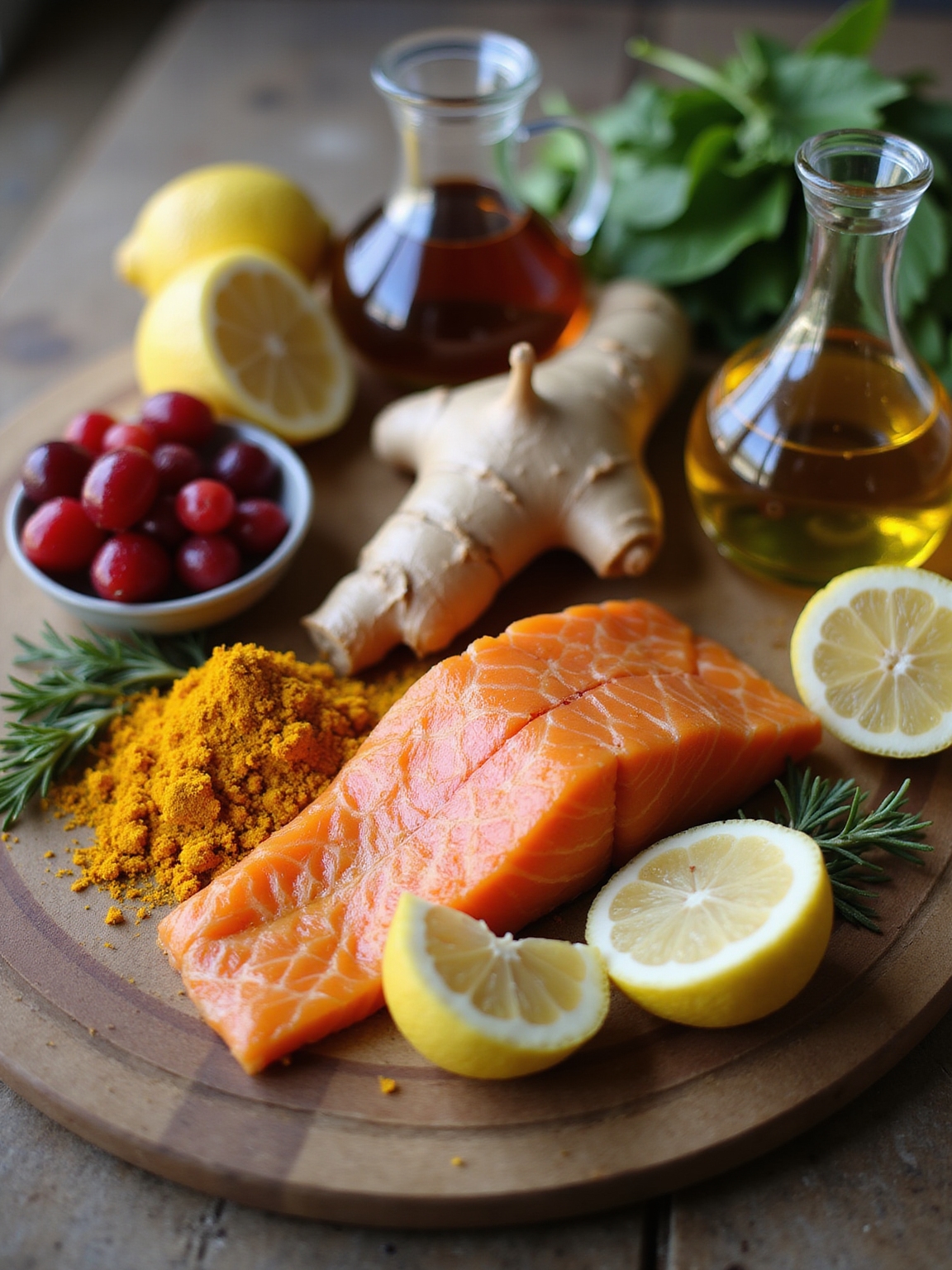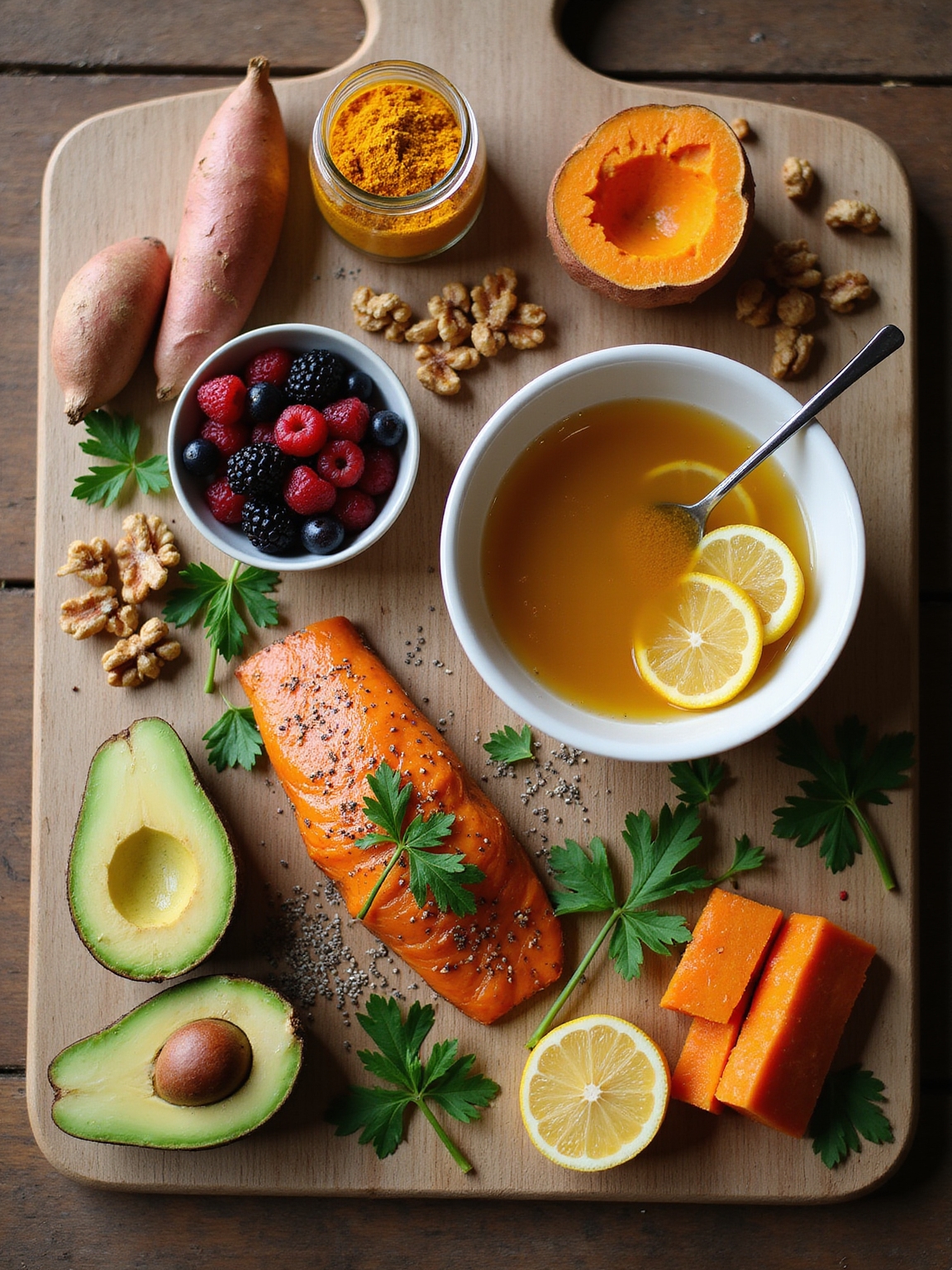

You’ll feel and move better when you focus on whole, colorful foods that calm chronic inflammation rather than feed it. This plan shows practical swaps, simple meal‑prep habits, and daily principles grounded in research so you can eat with steady energy and less pain. You’ll get concrete steps that fit real life—plus ways to handle cravings, travel, and social meals—so you can actually stick with it and see changes soon.
Why an Anti‑Inflammatory Diet Helps You Feel Better
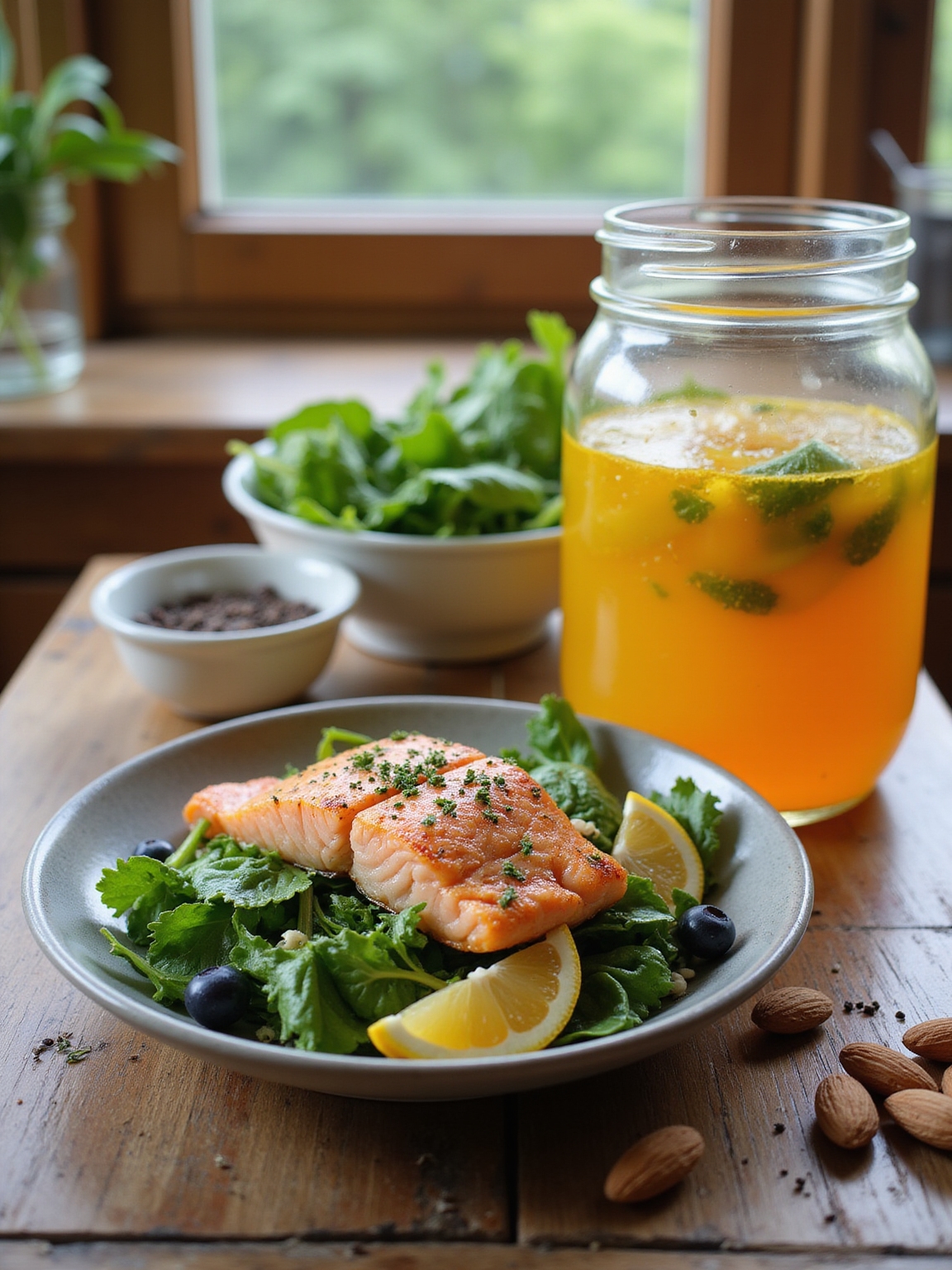
When you choose foods that reduce chronic inflammation, you often notice concrete improvements in energy, mood, and digestion within weeks, because anti‑inflammatory nutrients help calm immune overactivity and support cellular repair.
You’ll lower pro‑inflammatory markers like CRP and cytokines by favoring omega‑3s, polyphenols, fiber, and antioxidant vitamins.
That biochemical shift improves mitochondrial function and gut microbiome balance, which translates into steadier energy, clearer thinking, and less abdominal discomfort.
You’ll also reduce long‑term risk of metabolic and cardiovascular disease.
Practical choices matter: consistent, evidence‑based food patterns produce measurable physiologic benefits you can feel.
Including pantry staples from an anti‑inflammation grocery list like extra‑virgin olive oil, fatty fish, and colorful produce makes following the plan easier and more sustainable, especially when you keep essential foods on hand.
5 Daily Principles of an Anti‑Inflammatory Eating Plan
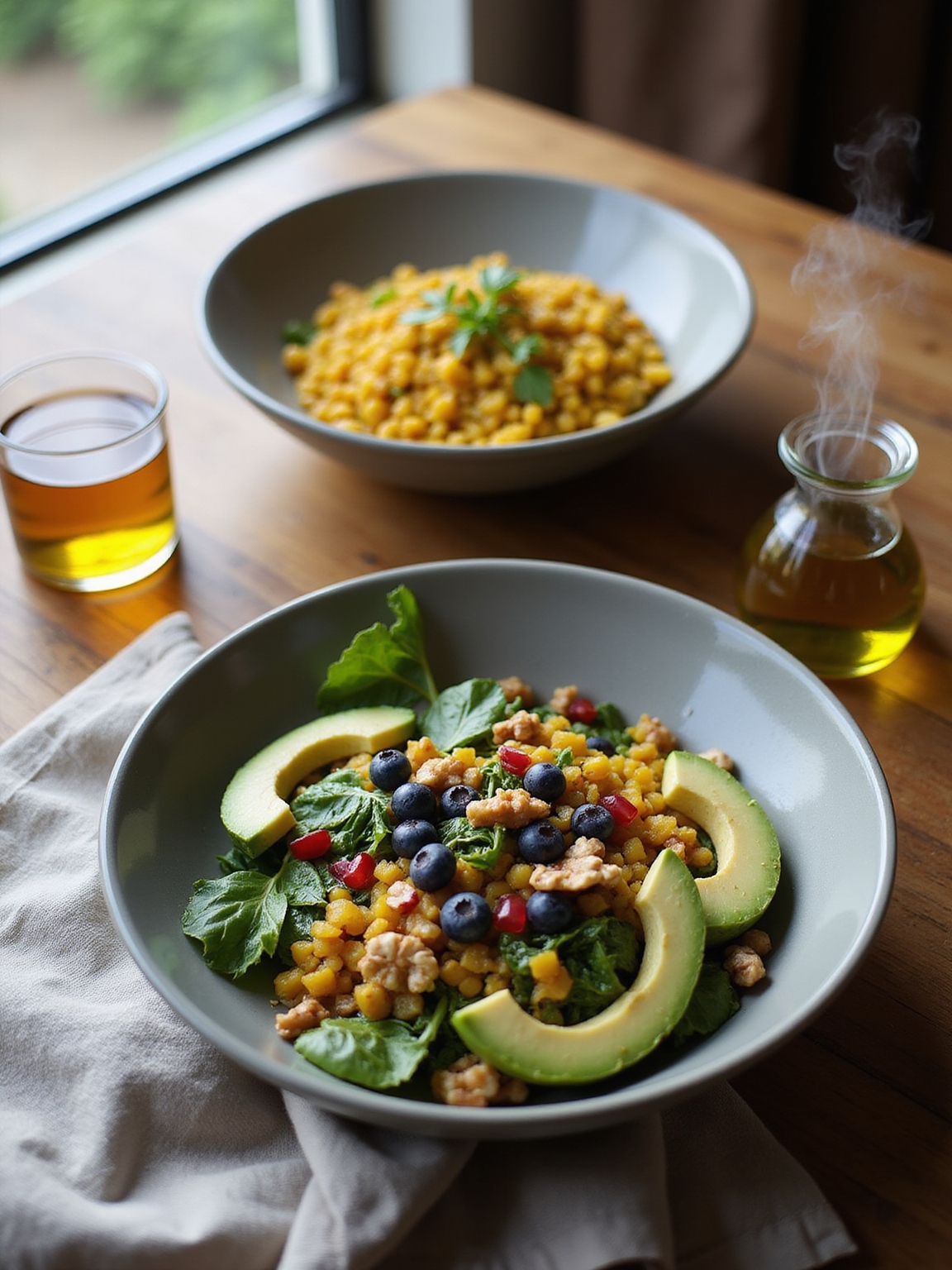
Feeling the benefits of reduced inflammation is motivating — now you’ll want daily habits that sustain those gains. Aim for consistent meals, balanced macronutrients, and plenty of fiber; hydrate, prioritize sleep, and manage stress with brief routines. Choose whole foods, limit refined carbs and processed oils, and monitor portions to avoid metabolic strain. Move regularly with low-impact activity to support circulation and immune health. Track reactions and adjust; small, evidence-based changes add up. Be patient and flexible—consistency beats perfection. Include anti-inflammatory foods like fatty fish, leafy greens, berries, nuts, and olive oil to make meals both satisfying and beneficial for long-term health anti-inflammatory foods.
Anti‑Inflammatory Foods to Prioritize
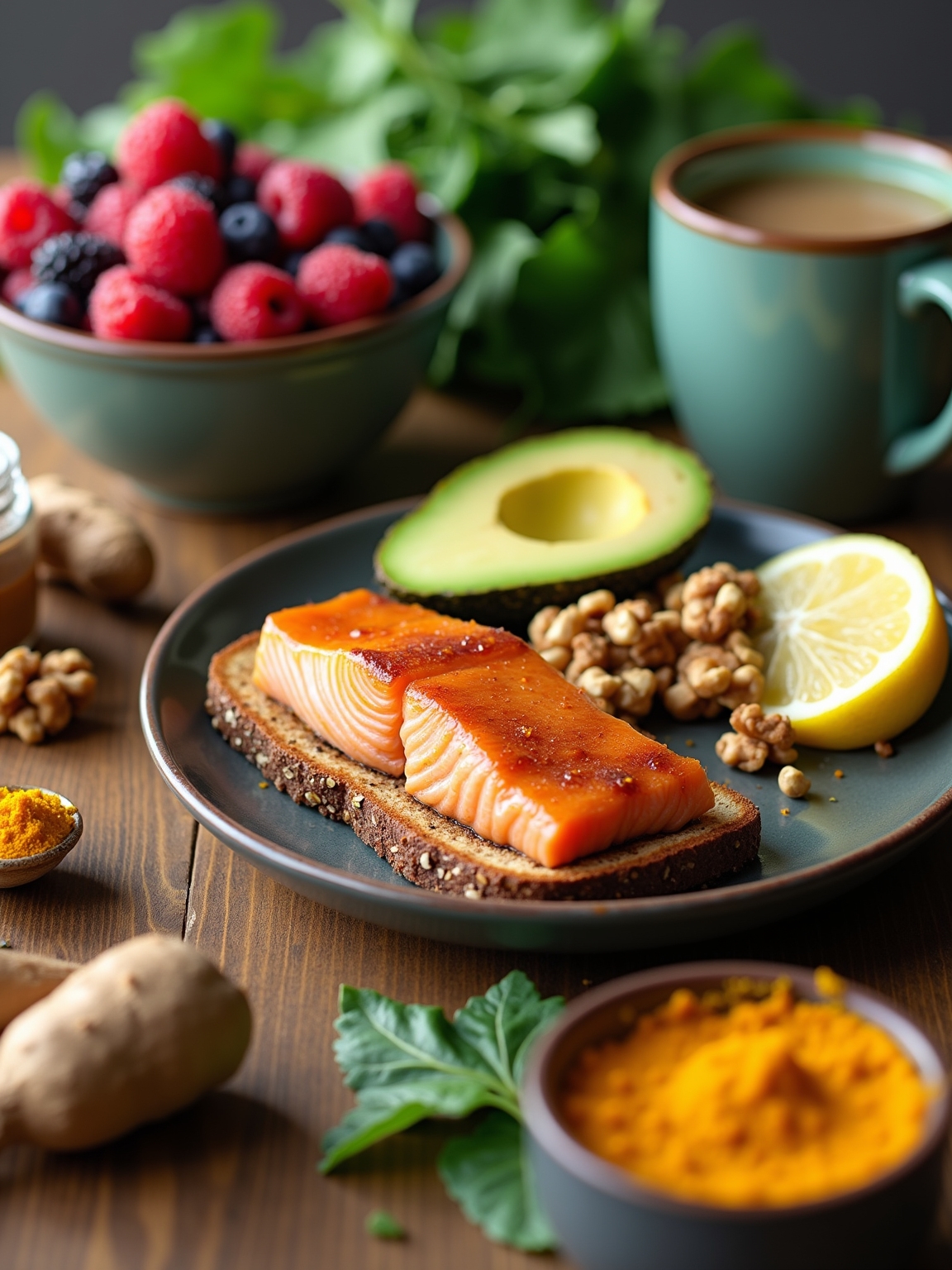
To reduce inflammation, focus on whole foods that research consistently links to lower inflammatory markers: colorful fruits and berries, leafy greens and other vegetables, and healthy fats like olive oil and fatty fish.
You’ll get antioxidants, fiber, and omega‑3s that work together to calm immune responses and support gut health.
Start by making these foods the foundation of most meals, and you’ll notice benefits over time.
Include pantry staples such as anti‑inflammatory foods so you can easily prepare meals that align with this approach.
Colorful Fruits And Berries
Bright, colorful fruits and berries pack a surprisingly powerful anti‑inflammatory punch, rich in vitamins, fiber, and phytochemicals like anthocyanins and flavonoids that studies link to reduced markers of inflammation.
You should aim to include berries, cherries, citrus, and plums regularly; their antioxidants reduce oxidative stress and support immune balance.
Eat them whole to maximize fiber and improve blood sugar response, and pair with protein or healthy fat to prolong satisfaction.
Frozen fruit preserves nutrients and makes affordable smoothies or toppings.
Start small — a cup a day can be a practical, research-supported step toward lowering chronic inflammation.
Include whole, minimally processed items from an essential foods list to build a reliable anti‑inflammatory diet plan.
Leafy Greens And Veggies
Often, you’ll get the biggest anti‑inflammatory benefit by making leafy greens and colorful vegetables a regular plate component, because they concentrate vitamins, minerals, fiber, and phytochemicals that suppress inflammatory pathways.
You should choose kale, spinach, Swiss chard, broccoli, Brussels sprouts, and bell peppers; studies link their antioxidants and carotenoids with lower markers like CRP.
Aim for varied colors and raw plus cooked preparations to maximize nutrient availability.
Eat them with protein or whole grains to slow glucose spikes and support gut health.
Start meals with a salad or veggie side to make this sustainable and measurable.
Incorporating these veggies into Morning Anti-Inflammatory Breakfasts to Energize You can make the habit easier to maintain and boost morning vitality with anti-inflammatory choices.
Healthy Fats And Oils
Leafy greens and colorful vegetables give your meals a powerful anti‑inflammatory base, and pairing them with the right fats will amplify their benefits by improving absorption of fat‑soluble nutrients and modulating immune signaling.
Choose extra‑virgin olive oil for cooking and dressings; its monounsaturated fats and polyphenols lower inflammatory markers.
Add fatty fish like salmon or sardines twice weekly to boost omega‑3s, which compete with pro‑inflammatory pathways.
Snack on walnuts and flaxseed for plant-based alpha‑linolenic acid.
Limit refined seed oils and trans fats, which promote inflammation.
Use fats thoughtfully: moderate portions, cold‑pressed oils, and whole‑food sources for best outcomes.
This approach aligns with the principles of the Energizing Anti-Inflammatory Mediterranean Diet and emphasizes healthy fats as key components.
Foods and Drinks to Limit or Avoid

When you’re trying to reduce chronic inflammation, it helps to know which foods and drinks can make symptoms worse so you can limit or avoid them; evidence points to several common culprits, including added sugars, refined grains, processed meats, and excessive alcohol.
You’ll also want to cut trans fats, highly processed snack foods, and sugary beverages, since they trigger pro-inflammatory pathways.
Focus on lowering portion sizes and frequency rather than aiming for perfection.
Read labels for hidden sugar and hydrogenated oils.
If you have specific conditions or medications, consult a clinician or dietitian to tailor limits safely and effectively.
Including more low-carb, anti-inflammatory choices like fatty fish, leafy greens, and nuts can help support lasting energy and reduce inflammation, especially when paired with consistent portion control.
Easy Food Swaps That Reduce Inflammation
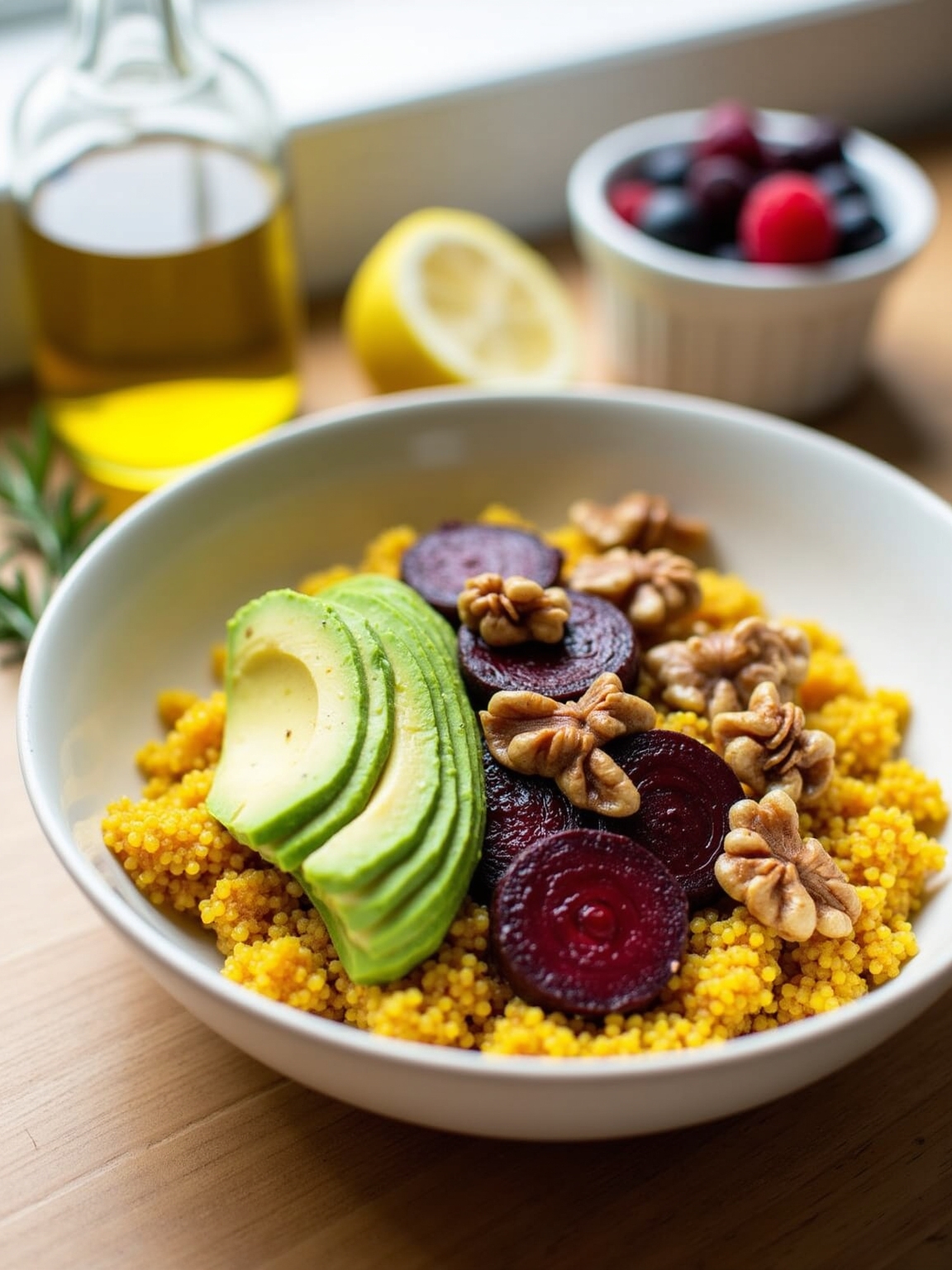
Start by swapping refined grains like white bread and pasta for whole grains such as quinoa, brown rice, or oats, which research links to lower markers of inflammation.
Choose healthy fats—olive oil, avocados, and fatty fish—over processed vegetable oils and trans fats to support anti‑inflammatory pathways.
Replace sugary snacks with fruit, nuts, or yogurt to reduce spikes in blood sugar and inflammatory responses.
Swap Refined Grains
Swap refined grains for whole grains to cut down the quick blood-sugar spikes and the low-grade inflammation they can fuel. You’ll feel steadier energy and support gut health by choosing intact grains.
Try these simple swaps and watch inflammation markers respond over time:
- Replace white bread with whole-grain or sprouted slices.
- Swap regular pasta for whole-wheat, spelt, or legume-based pasta.
- Choose brown, wild, or barley instead of white rice.
- Pick steel-cut or rolled oats over instant varieties.
These changes boost fiber, vitamins, and antioxidants, helping you manage inflammation through everyday choices.
Choose Healthy Fats
Often you’ll lower inflammation simply by swapping a few fats in your kitchen: choose olive, avocado, and other unsaturated oils over butter, lard, and many processed vegetable oils, and favor fatty fish, nuts, and seeds in place of fried or heavily processed foods. You’ll reduce pro-inflammatory omega-6 loads and boost anti-inflammatory omega-3s and monounsaturated fats. Start small: drizzle olive oil, grill salmon, snack on walnuts. Evidence shows these swaps improve markers like CRP. Be mindful of portions — fats are calorie-dense but beneficial when chosen wisely.
| Swap from | Swap to |
|---|---|
| Butter | Olive oil |
| Fried snacks | Nuts/seeds |
| Lard | Avocado oil |
| Processed margarine | Extra-virgin olive oil |
| High-omega-6 oils | Fatty fish |
Replace Sugary Snacks
Frequently, sugary snacks trigger quick blood sugar spikes and promote inflammation, so replacing them with whole-food alternatives can lower inflammatory markers like CRP and improve overall metabolic health.
You can curb cravings and support recovery by choosing nutrient-dense swaps that stabilize glucose and provide antioxidants.
Try these simple options:
- Fresh berries with plain Greek yogurt — fiber and polyphenols slow absorption.
- Apple slices with almond butter — healthy fats blunt glycemic impact.
- Handful of mixed nuts and seeds — omega-3s and magnesium reduce inflammation.
- Hummus with raw veggies — protein and fiber sustain satiety and lower spikes.
These changes are practical and evidence-based.
7‑Day Flexible Anti‑Inflammatory Meal Plan
Because life varies day to day, a flexible anti‑inflammatory meal plan gives you clear principles you can apply whether you’re at home, traveling, or rushing between meetings. You’ll focus on colorful vegetables, lean protein, whole grains, healthy fats, and minimal added sugars. Aim for balance, portion control, and simple swaps backed by research showing benefits for inflammation markers.
| Meal focus | Simple options |
|---|---|
| Vegetables | Leafy greens, cruciferous |
| Protein | Fish, legumes |
| Grains | Quinoa, oats |
| Fats | Olive oil, nuts |
| Snacks | Fruit, yogurt |
Use this template to adapt meals to timing and availability.
Quick Anti‑Inflammatory Breakfasts to Start Your Day
You can start your morning with quick protein options like Greek yogurt, eggs, or nut butter to help control inflammation and keep you full.
Smoothies made with leafy greens, berries, and a protein source give anti‑inflammatory phytonutrients and are easy to take on the go.
Choosing whole grains such as oats or unrefined whole‑grain toast adds fiber and stabilizes blood sugar, which supports overall inflammation control.
Quick Protein Options
Kick-start your morning with quick protein choices that calm inflammation and keep you satisfied until lunch. You’ll want options rich in omega-3s, lean amino acids, and minimal processed ingredients to modulate immune signaling and blood sugar. Try these simple, evidence-backed choices you can prep fast:
- Greek yogurt with walnuts and berries — probiotics plus omega-3 precursors.
- Poached egg over sautéed spinach — vitamin D, choline, and anti-inflammatory greens.
- Smoked salmon on whole-grain toast — EPA/DHA for inflammation reduction.
- Cottage cheese with flaxseed and sliced cucumber — slow-release protein and fiber.
Rotate these for consistency and balance.
Anti‑Inflammatory Smoothies
Blending anti-inflammatory smoothies gives you a fast, nutrient-dense breakfast that soothes the immune system and stabilizes blood sugar.
Choose ingredients rich in antioxidants and healthy fats — berries, leafy greens, avocado, chia or flax seeds — to reduce inflammatory markers and support satiety. Add a protein source like Greek yogurt or a plant-based powder to slow absorption and preserve muscle. Use turmeric and ginger sparingly for proven anti-inflammatory compounds, and limit added sugars.
Measure portions, blend to a creamy texture, and drink alongside water. This practical approach helps you start mornings calm, nourished, and steady.
Whole Grain Choices
Often overlooked, whole grains make a simple, effective foundation for anti‑inflammatory breakfasts because they deliver fiber, micronutrients, and a low glycemic response that help control inflammation.
You can build meals that support recovery and steady energy by choosing intact, minimally processed grains. Consider these quick options:
- Steel‑cut oats topped with berries and ground flaxseed for fiber and omega‑3s.
- Quinoa porridge with cinnamon and chopped nuts for a complete protein boost.
- Barley with yogurt and fruit for soluble fiber that soothes gut inflammation.
- Whole‑grain toast with avocado and turmeric sprinkle for healthy fats and polyphenols.
Choose variety; evidence supports diverse grains for inflammation control.
Batch‑Cook Lunches and Dinners for Recovery
Batch-cooking lunches and dinners can take the daily guesswork out of recovery-focused eating and help you consistently get anti-inflammatory nutrients when you need them most.
You’ll prepare balanced meals—lean protein, colorful vegetables, whole grains, and anti-inflammatory fats—once or twice weekly, then portion them into ready-to-eat containers.
Evidence shows meal prep improves dietary quality and adherence; you’ll reduce reliance on processed options and better control portions.
Label containers with dates, rotate recipes to preserve micronutrient variety, and cool food quickly to prevent spoilage.
This approach supports predictable nourishment during recovery and makes anti-inflammatory choices routine and achievable.
Snacks and Drinks That Steady Energy and Reduce Inflammation
You can steady your energy and blunt inflammation by choosing low-sugar protein snacks, like Greek yogurt or nuts, that slow glucose spikes and support repair.
Blended anti-inflammatory smoothies with berries, spinach, and a protein base give concentrated antioxidants and fiber in an easy-to-absorb form.
Finish with hydrating herbal drinks—such as ginger, turmeric, or green tea infusions—that have evidence for calming inflammatory pathways and keeping you hydrated.
Low-Sugar Protein Snacks
Keeping your blood sugar steady with low-sugar, protein-rich snacks can cut spikes and dips that drive inflammation and cravings.
You’ll feel steadier, and research links stable glucose to lower inflammatory markers.
Choose whole foods, watch portions, and pair protein with fiber and healthy fats.
- Greek yogurt (unsweetened) with chia — probiotics and omega-3 precursors support gut and systemic inflammation control.
- Hard-boiled eggs with sliced cucumber — complete protein, minimal carbs, anti-inflammatory choline.
- Roasted chickpeas seasoned with turmeric — plant protein plus curcumin’s adjunctive effects.
- Almonds and a small apple slice — satiety, monounsaturated fats, and polyphenols.
Anti-Inflammatory Smoothies
Blend up nutrient-dense smoothies that steady energy and dial down inflammation by combining protein, fiber, healthy fats, and anti-inflammatory compounds like omega-3s and polyphenols.
You’ll want a protein base—Greek yogurt, silken tofu, or a pea-protein powder—to slow glucose spikes.
Add fiber from berries, spinach, or oats to feed gut microbes linked to lower inflammation.
Include a healthy fat source such as avocado, chia, or flaxseed for omega-3s and improved absorption of fat-soluble polyphenols.
Keep added sugars minimal, use unsweetened plant milk, and portion servings to maintain steady energy between meals.
Hydrating Herbal Drinks
Often, sipping hydrating herbal drinks throughout the day helps steady energy and reduce low-grade inflammation by supplying fluid, polyphenols, and gentle botanical compounds that support digestion and stress resilience.
You can choose calming, anti-inflammatory options that complement meals and snacks. Consider these practical choices:
- Ginger-lemon water — warms digestion, eases nausea, contains gingerols.
- Green tea (decaf or regular) — supplies catechins that modulate inflammation.
- Peppermint infusion — soothes GI discomfort and supports digestion.
- Turmeric golden milk (light, unsweetened) — delivers curcumin with black pepper for absorption.
Drink regularly, monitor tolerance, and avoid added sugars.
How to Read Labels for Hidden Inflammatory Ingredients
When you scan a food label, you’re not just checking calories—you’re hunting for ingredients that can quietly drive inflammation, so learning what to spot matters.
Look beyond marketing claims and read the ingredient list: avoid refined vegetable oils (soy, corn, canola) and excess added sugars (sucrose, corn syrup, maltose).
Watch for trans fats disguised as “partially hydrogenated” oils and high sodium levels.
Identify artificial additives—some emulsifiers and colorants—linked to inflammatory responses in studies.
Choose short, recognizable ingredient lists.
If a product has many unfamiliar chemicals, opt for whole-food alternatives.
Small, informed swaps reduce inflammatory load over time.
Grocery List and Pantry Staples to Keep on Hand
Building a well-stocked anti-inflammatory pantry gives you practical control over meals and makes healthy choices the easy default. Keep staples that research links to lower inflammation and that make cooking simple, so you’ll reach for nourishing options.
- Extra-virgin olive oil, canned wild salmon, and nuts for omega-3s and polyphenols.
- Whole grains like quinoa and steel-cut oats for fiber and gut health.
- A variety of spices—turmeric, ginger, cinnamon—and garlic for anti-inflammatory compounds.
- Canned beans, lentils, and low-sodium broths for convenience and stable blood sugar.
Rotate fresh produce weekly.
Meal‑Prep Habits That Actually Make Life Easier
By batching simple tasks—like roasting a tray of vegetables, cooking a pot of whole grains, and portioning proteins—you’ll cut decision fatigue and make anti‑inflammatory meals easy to assemble all week.
Plan two to three core components per session, choose seasonal produce, and use consistent cooking methods to save time.
Label containers with contents and dates; evidence shows visual cues increase adherence.
Store dressings separately to preserve texture and nutrients.
Schedule 60–90 minutes once or twice weekly, and rotate recipes to prevent boredom.
Small, predictable routines reduce stress and support sustained anti‑inflammatory eating without overwhelming your schedule.
Adapt the Plan for Weight Goals, Allergies, and Preferences
Although everyone’s body and circumstances differ, you can tailor an anti‑inflammatory plan to your weight goals, allergies, and preferences without sacrificing nutrient balance or flavor. Use evidence-based swaps and simple monitoring to stay safe and effective.
- Adjust portions and calorie density: favor fiber, protein, and healthy fats to support satiety and gradual weight change.
- Substitute allergen-free alternatives: choose gluten-free whole grains, dairy-free fermented options, or nut-free seeds to retain nutrients.
- Prioritize anti-inflammatory foods you enjoy: berries, leafy greens, oily fish, turmeric—consistency beats perfection.
- Track symptoms and progress: tweak intake with your clinician or dietitian to optimize results.
Troubleshooting: Cravings, Travel, and Social Eating
Cravings, travel, and social eating can throw off even the best anti‑inflammatory plans, so plan ahead and use practical strategies that are supported by evidence.
When cravings hit, choose nutrient-dense snacks (nuts, berries, Greek yogurt) to reduce inflammation and stabilize blood sugar. Pack portable options and research restaurants ahead—look for grilled fish, legumes, whole grains, and vegetable sides.
At gatherings, offer to bring a dish, eat a small, balanced meal beforehand, and practice mindful bites to enjoy favorites without overindulging.
Stay hydrated, prioritize sleep, and accept occasional flexibility; consistent patterns matter more than perfection.
Track Progress: Symptoms, Timelines, and Useful Measurements
When you start tracking symptoms and measurements, you’ll get clear feedback on what’s actually helping — and how fast you can expect changes.
You’ll monitor pain, energy, digestion, and mood with simple, repeatable data. Combine subjective scores with objective measures to guide choices and adjust timelines realistically.
- Rate daily symptoms (0–10) to spot trends.
- Log sleep, weight, waist, and activity for objective context.
- Note food triggers and portion changes after two weeks.
- Reassess every 4–8 weeks; expect gradual improvements.
This evidence-based approach helps you stay empowered, make informed tweaks, and celebrate measurable progress.
Conclusion
Think of this plan as tuning an instrument: when you swap processed snacks for berries, fatty fish, and greens, inflammation markers like CRP often drop — studies show modest reductions within weeks — and your energy plays truer. You’ll get setbacks, but small habits (batch cooking, mindful swaps, sleep routines) are reproducible and measurable. Practice patiently, track symptoms and simple metrics, and you’ll feel the harmony return — evidence-based, steady, and kinder to your body.