

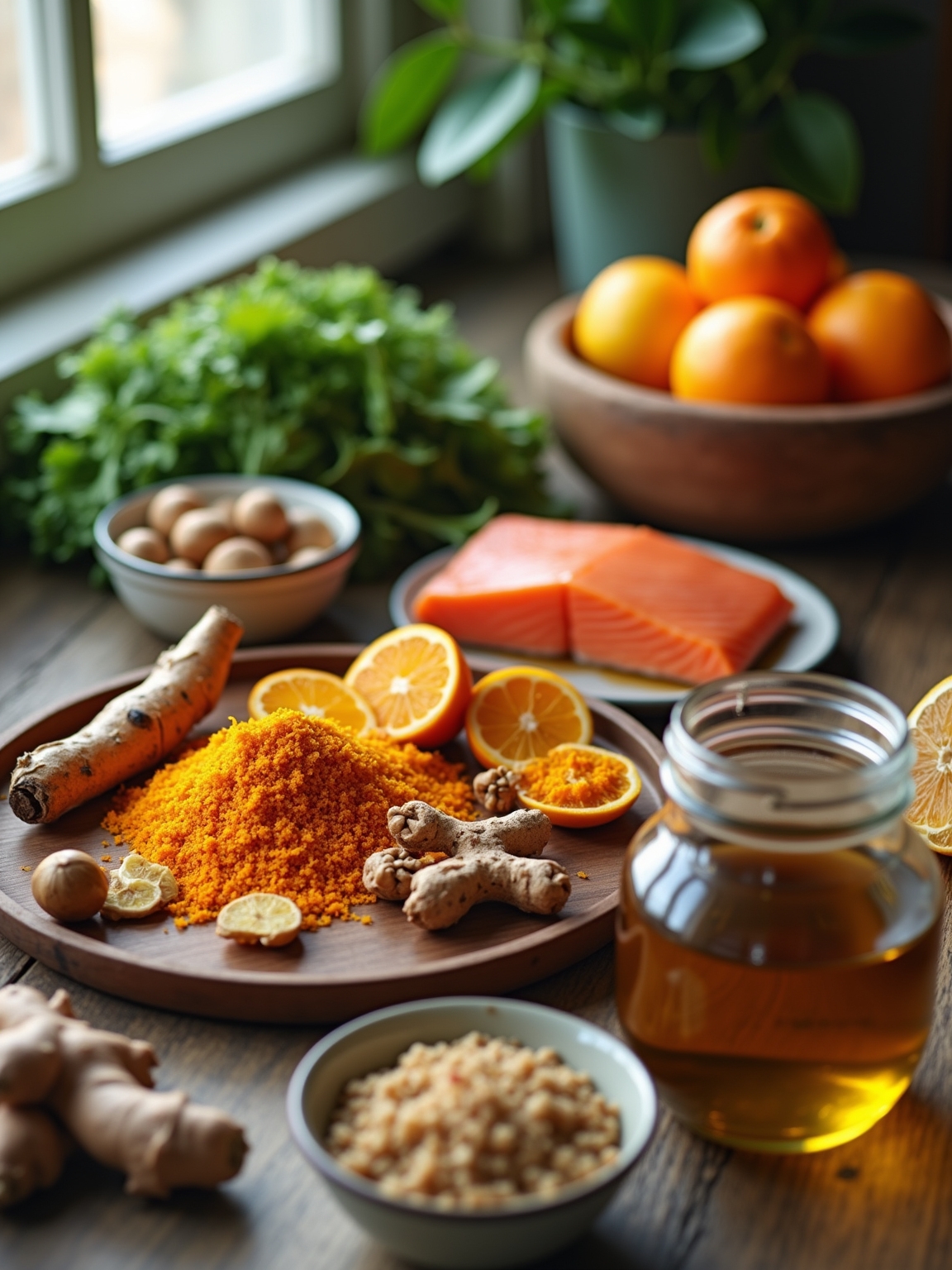
When you learn that a $5 bag of lentils can feed you all week, it hits like finding a small rescue raft in a storm — practical, hopeful, and surprisingly effective. You can lower inflammation with simple swaps: whole grains, frozen greens, beans, olive oil, and spices like turmeric and ginger. This isn’t about perfection; it’s about affordable patterns that reduce flare-ups and save money, and I’ll show you how to make it work for your life.
What an Anti-Inflammatory Diet Really Means

When you hear “anti-inflammatory diet,” think of a practical pattern of foods that helps lower chronic inflammation markers in the body—rather than a short-term cleanse or a strict, one-size-fits-all plan.
You’ll favor whole vegetables, fruits, legumes, whole grains, nuts, seeds, fatty fish, and olive oil while limiting processed foods, added sugars, and excess refined carbs. Evidence links these choices to reduced inflammatory biomarkers and better metabolic health.
You don’t need perfection; aim for consistent patterns that fit your budget and preferences. Start small, track how you feel, and adjust with realistic, sustainable steps grounded in research and compassion.
Many people see benefits from emphasizing whole grains and plant-based proteins as affordable staples in an anti-inflammatory approach.
Quick Budget Checklist: What to Buy This Week

Because small, consistent swaps matter more than perfection, start this week with a short, affordable shopping list that focuses on staples proven to lower inflammation: leafy greens, cruciferous veggies, berries, beans or lentils, oats or brown rice, canned tuna or sardines, extra-virgin olive oil, and a handful of nuts or seeds.
Plan three simple meals and two snacks using those items. Buy frozen berries and greens to cut cost without losing nutrients.
Choose bulk dry beans and oats, and canned fish in water or olive oil. Stick to whole foods, read labels, and prioritize protein plus fiber at each meal. Studies show these staples are rich in anti‑inflammatory nutrients that support overall health.
Seasonal Produce: Save Money, Boost Nutrients

A simple way to stretch that weekly list further is to buy produce that’s in season locally—you’ll pay less and get higher nutrient density per dollar.
Seasonal fruits and vegetables are harvested at peak ripeness, so they retain more vitamins, antioxidants, and flavor than out-of-season imports.
Visit farmers’ markets, join a community-supported agriculture (CSA) share, or check grocery signage for local picks.
Plan meals around what’s abundant, freeze extras, and use simple cooking methods to preserve nutrients.
Choosing seasonal produce is practical, evidence-aligned, and kind to your budget and body, helping reduce inflammation affordably.
Incorporating more whole plant foods like fruits and vegetables into your routine supports anti-inflammatory benefits and overall wellbeing.
Best Frozen & Canned Anti-Inflammatory Items to Buy

Frozen berries, canned wild salmon, and frozen leafy greens are cost-effective staples that pack antioxidants, omega-3s, and fiber to help control inflammation.
You can keep berries on hand for smoothies or oatmeal, add salmon to salads or pastas for a low-cost omega-3 boost, and stir frozen greens into soups or sautés to stretch meals and nutrients.
These choices are backed by research, easy to store, and useful when fresh produce is pricey or out of season.
Including a variety of these items supports an anti-inflammatory diet by ensuring consistent intake of key nutrients linked to reduced inflammation.
Frozen Berries Blend
Usually you’ll find frozen berry blends are one of the most cost-effective, nutrient-dense staples you can keep on hand for an anti-inflammatory diet.
You’ll get concentrated anthocyanins, fiber, and vitamin C that research links to lower inflammation and improved metabolic markers.
Buy mixed berries without added sugars, compare per-ounce prices, and choose store or bulk brands to save.
Use them in smoothies with spinach and oats, thaw for yogurt or oatmeal, or add to salads for a tart touch.
They store long, reduce waste, and make it easier to meet fruit recommendations affordably and consistently.
Including other anti-inflammatory foods like leafy greens, nuts, and fatty fish can boost the overall effect of your meals.
Canned Wild Salmon
If you’re looking to add more anti-inflammatory foods without blowing your budget, canned wild salmon is a smart choice. It’s rich in EPA and DHA—omega-3s shown to reduce inflammation—and you can store it long-term.
Use it for quick salads, sandwiches, or mixed into whole grains for regular, affordable servings.
- Look for BPA-free cans and simple ingredient lists.
- Compare price per ounce to frozen or fresh fish.
- Drain lightly to control sodium; rinse if needed.
- Combine with fiber-rich sides for better heart and metabolic support.
Including canned salmon in weekly meal planning also fits well with pescatarian anti-inflammatory approaches to everyday eating.
Frozen Leafy Greens
Often overlooked, frozen leafy greens are one of the most cost-effective ways to boost anti-inflammatory nutrients like vitamin K, magnesium, and polyphenols without wasting produce.
You can rely on spinach, kale, collards, and Swiss chard to add fiber and antioxidants to soups, smoothies, and stir-fries.
Choose plain, unsalted packs and check labels for minimal processing.
Frozen greens retain nutrients from peak ripeness and cut prep time, stretching your grocery dollars.
Aim to thaw gently or add frozen directly to hot dishes to preserve texture.
Small swaps like these lower cost and inflammation risk, sustainably.
Including items from an anti-inflammatory shopping list helps you prioritize budget-friendly, nutrient-dense choices.
Anti-Inflammatory Bulk Staples: Grains, Legumes, Spices

Stock up smartly: choosing whole grains, legumes, and anti-inflammatory spices gives you affordable, nutrient-dense building blocks that support recovery and long-term health.
You’ll save money and cut inflammation by prioritizing fiber-rich oats, brown rice, and barley; versatile lentils and chickpeas; and spices like turmeric, cinnamon, ginger, and black pepper, which have supportive research for reducing inflammatory markers when used regularly.
- Whole grains: cheap, filling, stabilize blood sugar.
- Legumes: protein, fiber, inexpensive bulk.
- Turmeric + black pepper: curcumin absorption boost.
- Ginger & cinnamon: add flavor, metabolic benefits.
Budget Anti-Inflammatory Proteins: Beans, Eggs, Canned Fish
Round out your anti-inflammatory pantry with budget-friendly proteins that pack nutrients and practicality: beans, eggs, and canned fish deliver protein, omega-3s, and micronutrients without breaking the bank.
You can rely on beans for fiber and polyphenols shown to lower inflammation markers; soak and cook or use canned low-sodium options for convenience.
Eggs supply affordable, complete protein and vitamin D—eat them boiled, scrambled, or in salads.
Canned oily fish (sardines, salmon, mackerel) give EPA/DHA; choose water- or olive oil-packed, check sodium, and rotate servings twice weekly to support heart and brain health.
Make Pricey Ingredients Go Farther With Smart Meals
Those budget proteins are a great base, but you can stretch pricier anti-inflammatory ingredients further by building meals that prioritize nutrient density and leftovers.
You’ll combine small portions of salmon, olive oil, or nuts with bulk veg and whole grains so each expensive item flavors multiple meals.
Plan recipes that transform components—roast once, repurpose twice—and cook grains and legumes in batches.
Aim for satisfying textures and clear portions to avoid waste.
- Roast a tray with a bit of fish, root veg, and chickpeas.
- Make a large grain bowl base.
- Use nut dressings sparingly.
- Freeze labeled portions.
Cheap Swaps for Common Inflammatory Triggers
While you don’t have to buy expensive specialty foods to reduce inflammation, swapping a few common pantry items can make a big difference—and save money.
Swap refined grains for brown rice or oats, which deliver fiber that helps lower inflammatory markers. Replace sugary sodas and juices with water, sparkling water, or unsweetened tea to cut added sugars linked to inflammation. Choose canned wild salmon or sardines over processed meats for affordable omega-3s. Use olive or canola oil instead of butter for cooking. Opt for frozen fruits and vegetables — nutrient-dense, budget-friendly, and just as anti-inflammatory as fresh.
One-Week Sample Meal Plan Under $40
Now that you’ve seen inexpensive swaps that cut inflammatory ingredients without costing more, let’s put them into a concrete plan you can follow for a week on a tight budget.
You’ll get balanced breakfasts, simple dinners, and snacks that favor whole grains, legumes, seasonal produce, and anti-inflammatory spices.
Portioning, shopping list batching, and minimal waste keep costs under $40—evidence shows planning reduces impulse buys and improves adherence.
Follow this practical, compassionate outline and adjust quantities to local prices and caloric needs.
- Oat porridge, banana, cinnamon.
- Lentil soup, whole-grain toast.
- Chickpea salad, olive oil dressing.
- Brown rice, roasted seasonal vegetables.
Three Batch-Cook Recipes for Anti-Inflammatory Lunches
You’ll learn three simple batch-cook recipes that use budget-friendly anti-inflammatory staples like beans, leafy greens, and turmeric-rich grains.
I’ll give clear meal-prep basics so you can cook efficiently and save time without wasting money.
You’ll also get practical guidance on safe storage and reheating to keep meals nutritious and tasty all week.
Meal Prep Basics
When you plan a few reliable batch-cook recipes, you cut decision fatigue, reduce food waste, and make it easier to stick with an anti-inflammatory plan that shows results.
You’ll prep once and rely on evidence-backed combos—lean protein, colorful veg, whole grains—to control inflammation markers and maintain energy.
Be practical: choose recipes that reheat well, label containers, and rotate flavors so you don’t burn out.
- Portion meals by protein and veg ratio.
- Use airtight containers and cool food before sealing.
- Schedule one 90-minute cook session weekly.
- Keep a simple rotation to maintain variety and adherence.
Budget-Friendly Ingredients
Stretch your batch-cook time further by choosing a small set of inexpensive, inflammation-fighting staples that mix and match across lunches. Pick canned beans, frozen vegetables, whole grains (brown rice, quinoa), canned salmon or sardines, and seasonal produce—these give fiber, omega-3s, and antioxidants affordably.
Use olive oil, turmeric, garlic, and citrus for flavor and proven anti-inflammatory benefits.
Plan three simple batch recipes: grain bowl with beans and roasted veg, salmon and greens salad, and a warm grain-and-veg stew. Buy in bulk, favor store brands, and shop weekly sales so you stick to the plan without sacrificing nutrition.
Storage And Reheating
After you’ve prepped those three batch recipes, proper storage and reheating will keep their anti-inflammatory benefits intact and make weekday lunches effortless. Cool foods quickly, divide into airtight containers, and label with date; chilled meals stay safe 3–4 days. Freeze portions for 2–3 months to preserve nutrients. Reheat gently: thaw overnight in fridge, then warm to 165°F (74°C) or until steaming. Use microwave with short intervals, stirring to avoid hotspots, or reheat on stovetop with a splash of broth to retain moisture.
- Cool promptly and store in shallow containers.
- Label dates; follow safe-chill timelines.
- Freeze extras in meal-sized packs.
- Reheat to safe temperature evenly.
Stretching Meals: Plan, Portion, Repurpose
By planning meals around versatile ingredients, you’ll reduce waste, save money, and keep anti-inflammatory choices on the table even on busy days. Use batch-cooked grains, legumes, roasted veggies, and lean proteins to assemble varied meals across days—bowls, soups, wraps.
Portion into meal-sized containers to control serving sizes and limit overeating; label with dates. Repurpose leftovers thoughtfully: turn roasted vegetables into frittatas or blended soups, transform beans into dips or salads.
Evidence shows meal prepping improves diet quality and reduces impulsive choices. Be realistic, start small, and adjust portions to your appetite to avoid waste and expense.
How to Shop Sales, Use Apps, and Plan to Save
Hit sales and use tech to stretch your food budget without sacrificing anti-inflammatory choices: look for store flyers, digital coupons, and cash-back apps that reward staples like oats, beans, frozen berries, and seasonal produce. You can prioritize nutrient-dense, low-cost items by comparing unit prices and planning meals around marked-down proteins and produce. Track recurring deals and set alerts so you buy when prices drop. Combine coupons with store loyalty for bigger savings, and freeze extras to prevent waste.
- Compare unit prices across brands.
- Use cash-back apps for receipts.
- Buy seasonal, freeze surplus.
- Stack coupons and loyalty offers.
Kitchen Tools & Time-Saving Hacks That Cut Costs
You can cut both time and grocery bills by choosing a few versatile kitchen tools—a good chef’s knife, a sturdy cutting board, and a quality blender or slow cooker—that let you prep and transform bulk ingredients.
Batch cooking staples like grains, roasted vegetables, and beans once a week saves money and makes anti-inflammatory meals ready in minutes.
Use quick prep shortcuts—frozen produce, pre-washed greens, and simple one-pan recipes—to keep healthy choices affordable and sustainable.
Essential Multi-Purpose Tools
A few well-chosen multi-use tools can cut prep time and grocery waste, helping you stick to an anti-inflammatory plan without overspending. You’ll save money and reduce food spoilage when tools let you chop, blend, store, and cook efficiently. Choose durable items with proven versatility and easy cleaning to encourage regular use.
- Immersion blender: purées soups, smoothies, and dressings in one container.
- Heavy-duty chef’s knife: faster prep, less bruising of produce.
- Instant pot/multi-cooker: steams, stews, and keeps nutrients intact.
- Glass storage set: stores, reheats, and tracks portions.
Batch Cooking Strategies
Batch cooking slashes both time and cost by letting you prepare larger quantities of anti-inflammatory meals at once and portion them for the week. You’ll select whole grains, legumes, fatty fish, and colorful vegetables, then cook in bulk to preserve nutrients and reduce waste.
Use oven trays, a slow cooker, and airtight containers to maintain quality; label portions with dates. Schedule one two- to three-hour session weekly to save fuel and impulse purchases. Reheat gently to protect healthy fats and antioxidants.
This evidence-based, compassionate approach lowers per-meal cost, supports consistency, and makes healing eating sustainable for busy budgets.
Quick Prep Shortcuts
Cut down prep time and costs by leaning on a few smart tools and simple habits that preserve nutrients and cut waste. You’ll save money and eat better when you choose appliances and routines that speed prep without sacrificing anti-inflammatory benefits. Use airtight storage, portioned frozen greens, and timing tricks to avoid spoilage.
- Immersion blender for smoothies, soups, and dressings—minimal cleanup, preserves fiber.
- Instant Pot for legumes and whole grains—energy-efficient, reduces cooking time.
- Sharp knives and a bench scraper—faster chopping, fewer bruised vegetables.
- Sheet-pan meals and silicone liners—batch roasts, less oil, easy cleanup.
Eat Anti-Inflammatory on Your Budget: Student, Family, Solo
Whether you’re a student juggling classes, a parent feeding a family, or cooking for one, you can eat an anti-inflammatory diet without blowing your budget by focusing on affordable staples, simple swaps, and batch-friendly recipes that maximize nutrients per dollar. You’ll prioritize whole grains, legumes, seasonal produce, and frozen berries; minimize processed foods; and use spices like turmeric and ginger. Plan meals, shop sales, and cook once to stretch time and money. Evidence supports plant-forward patterns for inflammation reduction, so adapt portions to your household size and taste while keeping variety and nutrient density high.
| Role | Key Staples | Batch Ideas |
|---|---|---|
| Student | Oats, beans, frozen veg | Grain bowls |
| Family | Brown rice, lentils, carrots | Big soups |
| Solo | Canned fish, spinach, yogurt | Mason meals |
Troubleshooting: Common Pitfalls and Low-Cost Fixes
If you’re trying to eat anti-inflammatory on a tight budget, you’ll run into a few predictable snags—limited time, flavor fatigue, or confusing ingredient labels—but each has simple, evidence-backed fixes you can afford. You can reduce barriers without expensive products by planning, using spices, and choosing versatile staples.
Practical swaps and small habits yield measurable benefits.
- Batch-cook beans and grains to save time and add fiber.
- Keep a spice mix (turmeric, black pepper, garlic) to boost anti-inflammatory compounds.
- Read labels for added sugars and refined oils; pick simple ingredient lists.
- Frozen produce equals nutrition and lowers waste.
Conclusion
You don’t need a nutrition guru or a luxury budget to eat to tame inflammation — shocking, right? Stick to whole grains, beans, frozen greens, canned fish, and spices like turmeric and ginger, and you’ll get science-backed benefits without breaking the bank. Plan, batch-cook, and use sales apps; small swaps add up. Be kind to yourself, start simple, and you’ll be eating smarter and feeling better — affordably and reliably.


